The standard turnaround time for inlays and onlays in Vietnam is typically 3 to 5 days, requiring exactly two clinical visits. This timeframe allows for precise digital scanning, custom lab fabrication, and meticulous ceramic processing to help ensure a precise marginal fit and long-term structural integrity.
Clinical Summary:
Understanding the turnaround time inlays onlays vietnam involves recognizing the intricate balance between clinical efficiency and high medical quality. Unlike direct composite fillings, which are completed in a single visit but can suffer from polymerization shrinkage, indirect restorations require dedicated lab fabrication. Modern clinics utilize advanced intraoral scanners to capture highly accurate digital impressions. These files are instantly transmitted to a direct lab partner, where CAD/CAM technology mills premium materials like lithium disilicate or zirconia. While standard cases take 3 to 5 days, express dental services can often expedite the process for international patients. The two-visit protocol—comprising preparation, temporization, and final resin-adhesive cementation—is designed to maximize tooth structure preservation, promote biocompatibility, and create a precise marginal seal to help prevent secondary decay.
Key Takeaways:
- Standard Timeline: 3 to 5 days across two visits (Preparation and Final Cementation).
- Digital Precision: Intraoral scanners eliminate messy silicone impressions and speed up lab communication.
- Premium Materials: Metal-free lithium disilicate and high-translucency zirconia are standard options.
- Conservative Approach: Preserves maximum natural tooth structure compared to traditional 360-degree crown shaving.
- Express Options: Expedited 48 to 72-hour turnarounds are available for patients with tight travel schedules.
Understanding the Lab Timeline for Indirect Restorations
The fabrication timeline depends on the complexity of the cavity outline form and the specific ceramic material chosen, requiring precise coordination between the clinical team and the dental laboratory.
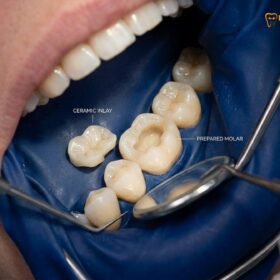
When planning your dental treatment abroad, understanding the exact workflow for Inlays & Onlays is crucial for managing your travel itinerary. The core philosophy behind these indirect restorations is the preservation of natural tooth structure. Unlike traditional full-coverage crowns, which require aggressive shaving of the tooth, inlays, onlays, and porcelain overlays are highly conservative. They are designed to replace only the damaged or decayed portion of the tooth while leaving healthy enamel and dentin completely intact[1]. Because these restorations must fit into the remaining tooth structure precisely, the lab fabrication process requires adequate time to help ensure an optimal marginal seal.
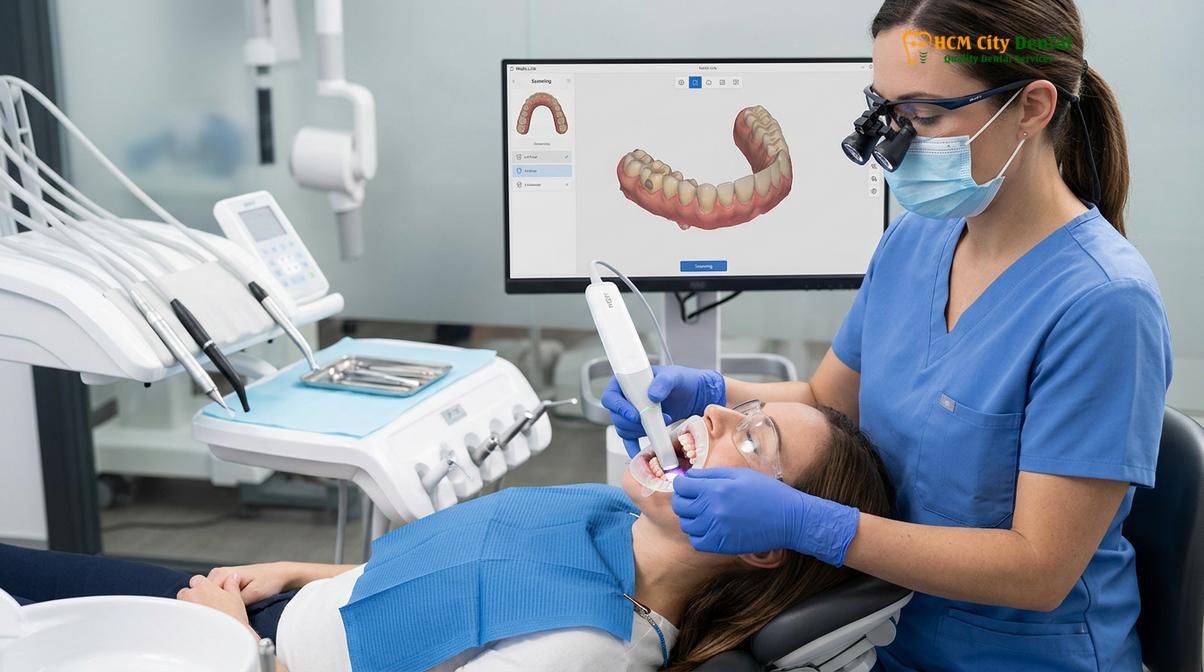
The timeline begins the moment the tooth is prepared. The dentist meticulously designs the cavity outline form, ensuring smooth margins that will support the ceramic under heavy occlusal (biting) forces. Once the preparation is complete, modern clinics utilize high-definition intraoral scanners. These devices capture the exact 3D geometry of the prepared tooth, the adjacent teeth, and the opposing bite alignment in a matter of minutes. The digital file is then instantly transmitted to the laboratory, initiating the fabrication clock.
Because the data is digital, the lab can begin designing the restoration via CAD (Computer-Aided Design) software immediately. This seamless digital integration is a primary reason why the dental restoration turnaround time vietnam has become highly efficient, allowing international patients to receive advanced care within a standard vacation window.
Standard Turnaround Time: 3 to 5 Days
A standard 3 to 5-day schedule ensures adequate time for CAD/CAM milling, ceramic crystallization, and rigorous quality control before the final resin-adhesive cementation.
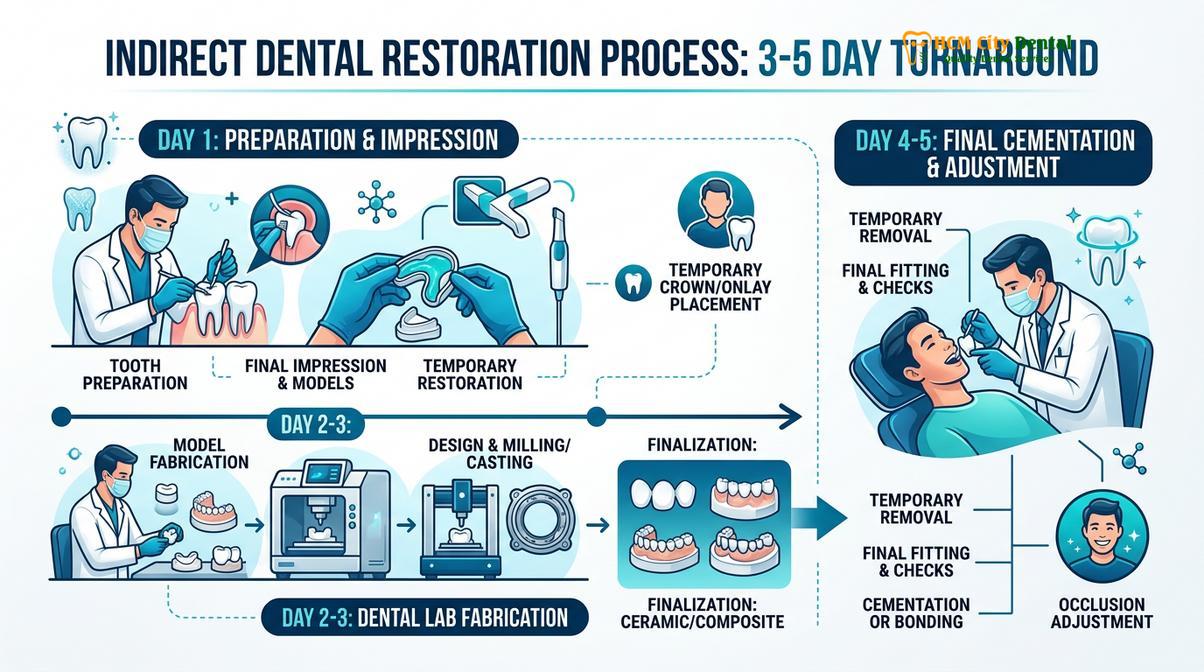
For the vast majority of patients, the standard timeline for receiving an inlay, onlay, or partial crown is between 3 and 5 days. This duration is carefully calculated to allow the ceramists at the dental laboratory to execute every step of the fabrication process with high precision. The process is divided into two distinct clinical visits, separated by the lab fabrication phase.
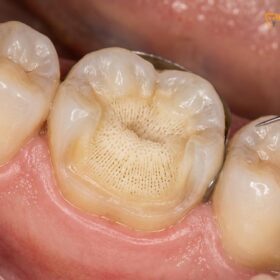
During the first visit, after the digital scan is completed, the dentist will fabricate and place a temporary restoration. This temporary acrylic or bis-acryl resin piece serves several vital medical functions: it seals the exposed dentin tubules to help prevent hypersensitivity, it maintains the spatial relationship of the teeth so they do not shift, and it protects the delicate chamfer margins from damage while you eat[2]. You will wear this temporary restoration for the duration of the waiting period.
Meanwhile, the laboratory executes the CAM (Computer-Aided Manufacturing) phase. The restoration is milled from a solid block of high-end ceramic. After milling, the ceramic is in a pre-crystallized state and must be fired in a specialized furnace. Following this, the ceramist manually applies custom stains and glazes to match your surrounding natural teeth.
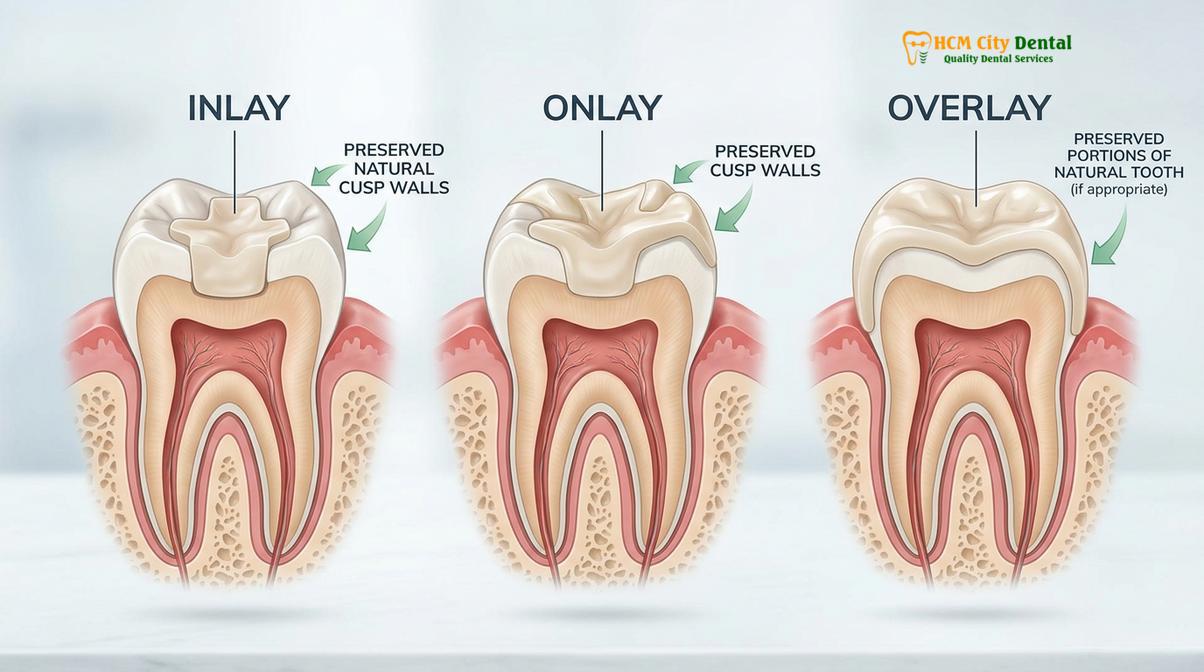
The second visit is the delivery appointment. The temporary restoration is carefully removed, and the tooth is cleaned. The final ceramic piece is tried in to verify the marginal fit, interproximal contacts, and bite alignment. Once verified, a strict enamel bonding protocol is followed. The tooth is isolated, etched, and treated with a bonding agent, while the ceramic is treated with a silane coupling agent. Finally, resin-adhesive cementation permanently fuses the restoration to the tooth.
| Treatment Phase | Timeline | Clinical Actions Performed |
|---|---|---|
| Visit 1: Preparation | Day 1 (1-1.5 Hours) | Decay removal, cavity outline form design, digital scan, placement of temporary restoration. |
| Lab Fabrication | Days 2 to 3 | CAD design, CAM milling, crystallization/sintering, custom shading, glazing, and quality control. |
| Visit 2: Cementation | Day 4 or 5 (1 Hour) | Removal of temporary, try-in, isolation, resin-adhesive cementation, and final occlusal adjustments. |
Understanding this timeline helps patients see why choosing a conservative partial coverage option is highly efficient. For a deeper understanding of how this compares to more aggressive treatments, you can review our guide on Partial Crown vs Full Crown: Clinical Comparison & Material Guide.
Express Service Options for Tight Schedules
For international patients with limited travel schedules, express dental services can often expedite the lab process to 48-72 hours without compromising clinical quality.
Many patients traveling to Southeast Asia ask about the timeline if they are only in the city for a long weekend. Recognizing the needs of dental tourists, select premium clinics offer an express inlay onlay procedure. By leveraging a direct lab partnership, the clinic can prioritize your digital file, moving it to the front of the CAD/CAM milling queue.
In an express scenario, the turnaround time can be compressed to 48 to 72 hours. This requires seamless logistical coordination. The digital scan is sent to the lab while you are still in the dental chair. The milling machine operates overnight, and the ceramist completes the crystallization and glazing the following morning. By the afternoon of the second or third day, the final restoration is ready for cementation.
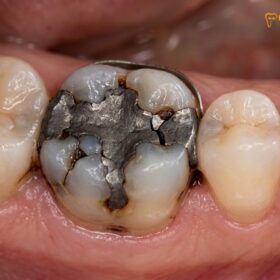
It is important to note that while the timeline is compressed, the clinical protocols remain identical. The same high-end materials, such as biocompatible, metal-free ceramics, are utilized. Upgrading old, failing amalgam (silver) fillings to these advanced ceramics is a common request for express patients. You can learn more about this specific upgrade path in our article: Replace Failing Fillings with Onlay: A Clinical Guide to Ceramic Restorations.
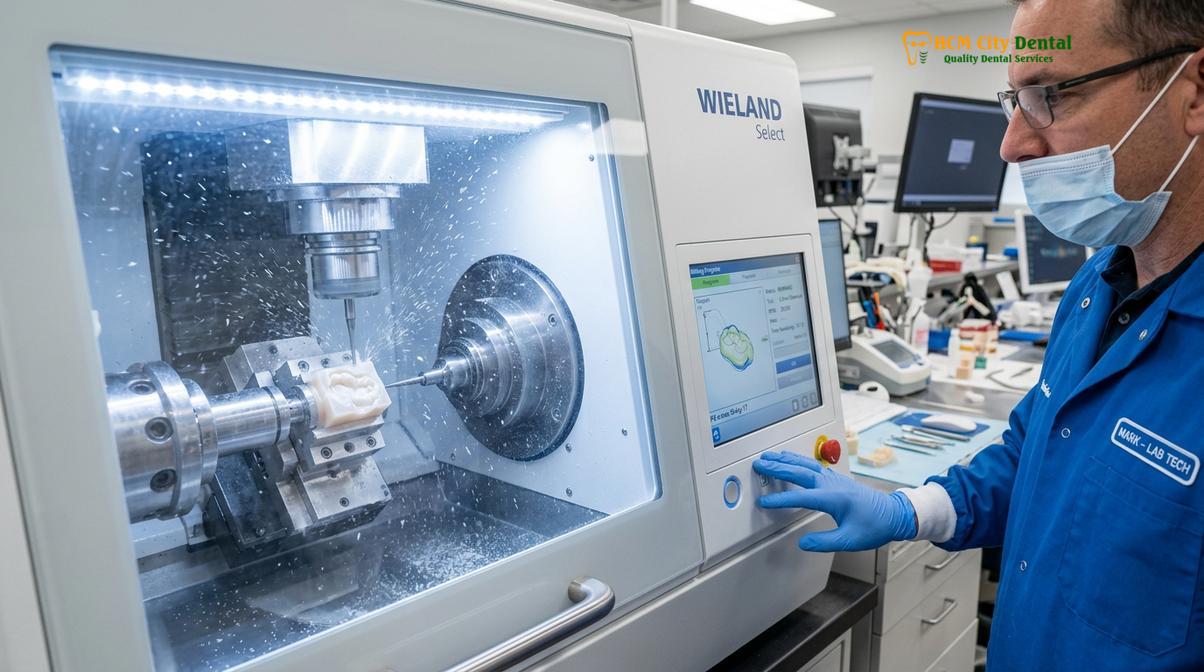
In cases where a tooth has undergone endodontic therapy, an overlay is often recommended to protect the fragile remaining structure. The express timeline can also apply to these cases, which you can explore further in our guide on Overlay After Root Canal: A Conservative Alternative to Full Crowns.
Why We Cannot Skip Sintering and Quality Checks
Rushing the fabrication process risks incomplete crystallization or sintering, which can compromise the flexural strength and marginal seal of the final restoration.
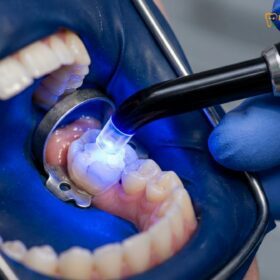
While express dental options are available, there is a hard physical limit to how fast an indirect restoration can be made. Patients sometimes wonder why a large cavity cannot simply be filled with direct composite resin in a single hour. The clinical answer lies in managing polymerization shrinkage. When a large volume of composite resin is cured with a blue light, it shrinks slightly, pulling away from the cavity walls. This creates micro-gaps that can inevitably lead to secondary decay detection later[3]. Indirect restorations, fabricated outside the mouth, eliminate this shrinkage issue, providing a vastly superior marginal seal.
However, the materials used for indirect restorations require intense thermal processing. Sintering zirconia, for example, is not a rapid process. The milled zirconia is placed in a specialized furnace where the temperature is slowly ramped up and then slowly cooled. This hours-long process densifies the material to its final, ultra-hard state. If this heating or cooling cycle is rushed, micro-fractures may develop within the crystal structure.
“The structural integrity of a ceramic restoration is defined in the furnace. We can expedite the digital design and the milling queue, but we must respect the thermodynamics of crystallization. Allowing the material the exact time it needs to reach its peak flexural strength is what helps provide a restoration designed for long-term function.”
Similarly, lithium disilicate must undergo a crystallization firing that transforms it from a soft block into a highly durable, tooth-colored restoration with optimal flexural strength[4]. These mandatory quality checks and thermal processes are exactly why a 3 to 5-day window is generally the standard. For a detailed breakdown of how these materials compare when full coverage is required, see our guide on Onlay vs Crown: Clinical Differences & Material Selection Guide.
When to Consult a Specialist During the Waiting Period
While waiting for your final restoration, it is important to monitor your temporary filling and contact your clinic if you experience any unexpected symptoms.
During the 3 to 5-day waiting period, your prepared tooth is protected by a temporary restoration. While this temporary is designed to be functional and comfortable, it is not as strong as the final ceramic piece. Patients are advised to avoid excessively sticky or hard foods that could dislodge or fracture the acrylic material. Adhering to the safety protocols outlined by the Vietnam Odonto-Stomatology Association (VOSA) helps ensure the underlying tooth structure remains uncompromised during this interim phase[5].
You should contact your dental specialist immediately if the temporary restoration falls out, as leaving the prepared tooth exposed can lead to severe sensitivity and allow the adjacent teeth to shift slightly, which may affect the fit of the final ceramic piece. Additionally, if you experience spontaneous, throbbing pain that is not relieved by over-the-counter analgesics, or if you notice swelling in the gums around the prepared tooth, an immediate clinical evaluation is necessary. These symptoms could indicate underlying pulpal inflammation that needs to be addressed before the final restoration is permanently cemented.
How to Maximize Your Time in Saigon
Planning your dental restoration turnaround time in Vietnam effectively allows you to enjoy the city while your custom ceramics are being crafted.
One of the greatest advantages of traveling to Vietnam for dental care is the ability to combine medical treatment with a memorable vacation. Once your first visit is complete and your temporary restoration is securely in place, you have a few free days to explore. Because the temporary is designed to be comfortable, you can enjoy the local culinary scene, provided you follow the dietary guidelines provided by your dentist.
During this waiting period, the clinical team is actively managing your case behind the scenes. If you are undergoing complex rehabilitation, such as restoring teeth damaged by severe grinding, this time is used to ensure the new bite alignment is perfectly calibrated in the digital software. Bruxism exerts immense pressure on teeth, and custom onlays are often an ideal conservative solution to rebuild worn cusps.
Clinical Case Study: Restoring Function for a Bruxism Patient
A 45-year-old patient traveled to HCMC Dental Clinic in Ho Chi Minh City presenting with severe occlusal wear due to nocturnal bruxism. Instead of aggressive full crowns, the clinical team utilized an intraoral scanner to design posterior porcelain overlays. The lab fabrication took exactly 4 days. During the final adjustment visit, the resin-adhesive cementation was completed, successfully restoring the patient’s bite and protecting the remaining tooth structure. The patient enjoyed a seamless travel schedule and returned home with a fully rehabilitated bite.
For patients dealing with severe grinding, understanding the specific protocols used to protect the teeth is vital. You can read more about these specialized treatments in our clinical protocol: Night Grinding Onlay Protection: Clinical Protocols for Bruxism. Additionally, if the damage involves structural fractures, our guide on Cracked Tooth Inlay & Onlay: Clinical Guide to Restoring Fractured Cusps provides further insights.
Contacting Our Lab to Fast-Track Your Case
Direct communication between our clinical team and the in-house lab technicians allows us to prioritize urgent cases and ensure precise aesthetic matching.
The efficiency of the turnaround time relies heavily on the relationship between the dentist and the dental laboratory. Clinics that outsource their milling to third-party labs often face delays due to shipping or rigid queuing systems. A direct lab partnership ensures that digital files are processed immediately. If a patient has a highly restrictive flight schedule, the clinical team can flag the case for priority milling.
Dr. Nguyen Van Cuong, Clinical Director, emphasizes that patient safety and precise marginal adaptation are the top priorities during any restorative procedure. His extensive experience in conservative dentistry ensures that every digital impression and lab fabrication step adheres strictly to the highest clinical standards, providing patients with durable and aesthetically pleasing results.
“A direct partnership with a CAD/CAM laboratory helps eliminate the traditional bottlenecks of restorative dentistry. When we scan a prepared tooth, our ceramists can review the digital margins within minutes. This synergy is what allows us to deliver high precision within a timeline that respects our international patients’ travel schedules.”
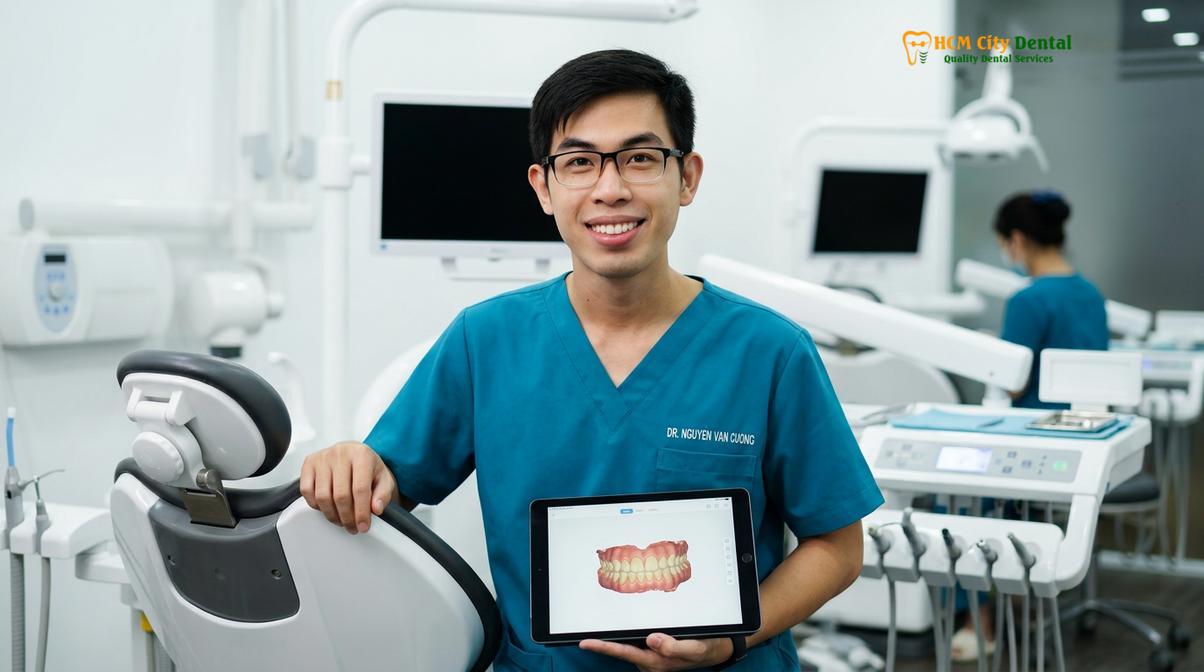
If you are planning your dental trip, contact HCMC Dental Clinic in Ho Chi Minh City today to schedule your consultation. Our team will help you coordinate your travel itinerary with our lab fabrication schedule, ensuring you receive premium conservative restorations without unnecessary delays.
Frequently Asked Questions
Can inlays be completed in 2 days?
Yes, inlays can be completed in 2 days using express dental services, provided the clinic has a direct lab partnership. However, this expedited timeline requires prioritizing the CAD/CAM milling and crystallization processes. Standard cases typically take 3 to 5 days to ensure optimal aesthetic layering and quality control.
How long does the lab need to mill the ceramic?
The actual CAD/CAM milling process takes approximately 15 to 45 minutes per restoration, depending on the material. However, milling is only one step; the subsequent crystallization for lithium disilicate or sintering for zirconia takes several hours, followed by manual staining, glazing, and final polishing by a master ceramist.
What happens if adjustments are needed?
If minor occlusal or marginal adjustments are needed, they are typically performed chairside during your final placement visit using specialized diamond burs. If a complete shade alteration or significant morphological change is required, the restoration may need to be returned to the lab, adding an extra day to your timeline.
Do you provide temporary restorations during the wait?
Yes, a temporary restoration is always placed over the prepared tooth while the final ceramic piece is being fabricated. This temporary protects the exposed dentin, prevents sensitivity, maintains the cavity outline form, and allows you to chew soft foods comfortably while waiting for your final appointment.
Is the bonding process for onlays painful?
No, the bonding process is generally not painful, as local anesthesia is typically administered to ensure complete comfort. You may experience mild, temporary sensitivity to cold for a few days following the resin-adhesive cementation, but this usually subsides quickly as the tooth acclimates to the new biocompatible restoration.
References
- Journal of Prosthetic Dentistry. Clinical evaluation of CAD/CAM ceramic inlays and onlays. (2021).
- International Journal of Computerized Dentistry. Accuracy of intraoral scanners in partial coverage restorations. (2020).
- Dental Materials. Polymerization shrinkage stress in direct composite vs indirect ceramic restorations. (2019).
- Journal of Esthetic and Restorative Dentistry. Flexural strength and translucency of lithium disilicate and zirconia. (2022).
- Vietnam Odonto-Stomatology Association (VOSA). Clinical guidelines on conservative tooth preparation and bonding protocols. (2023).