Gum disease and heart disease are intrinsically linked through complex pathways of systemic inflammation and bacterial migration. Pathogens originating from infected periodontal tissues can enter the bloodstream, contributing to arterial plaque buildup and significantly increasing the risk of severe cardiovascular events such as heart attacks and ischemic strokes. Treating periodontal disease is therefore an essential component of comprehensive cardiovascular protection.
Clinical Summary:
Periodontal disease is a chronic inflammatory condition that extends far beyond the oral cavity, exerting profound effects on systemic health. Clinical evidence demonstrates that oral bacteria, particularly Porphyromonas gingivalis, can breach the compromised gingival epithelial barrier and enter the systemic circulation. This transient bacteremia triggers a robust systemic immune response, elevating inflammatory markers such as C-reactive protein (CRP) and interleukins, which accelerate endothelial dysfunction and atherosclerosis. Consequently, individuals with untreated periodontitis face a significantly higher risk of major cardiovascular events. Comprehensive periodontal therapy, including deep scaling and advanced disinfection protocols, not only stabilizes oral health but also serves as a crucial preventive measure in cardiovascular disease management, reducing the overall systemic inflammatory burden.
Key Takeaways:
- Oral bacteria can enter the bloodstream through ulcerated and bleeding gums, directly impacting vascular health.
- Chronic periodontal inflammation elevates systemic inflammatory markers like C-reactive protein (CRP), accelerating arterial damage.
- Severe gum disease is independently associated with an increased risk of heart attacks and ischemic strokes.
- Treating periodontal infections through professional scaling and root planing can reduce systemic inflammation and improve endothelial function.
- Cardiologists and periodontists increasingly recommend collaborative, interdisciplinary care for patients with overlapping risk factors.
The Shocking Connection Between Gums and the Heart
Extensive epidemiological research reveals that individuals with moderate to severe periodontal disease have a substantially higher incidence of cardiovascular complications compared to those with healthy gums.
For decades, the medical and dental communities viewed the mouth as a separate entity from the rest of the body. However, modern clinical research has fundamentally shifted this paradigm, establishing a profound and undeniable link between oral health and systemic well-being. The connection between gum disease (periodontitis) and heart disease (atherosclerotic cardiovascular disease) is one of the most extensively studied areas within the realm of systemic medicine. Understanding this connection is vital for comprehensive patient care, which is why General Dentistry now places a heavy emphasis on periodontal health as a baseline for overall physical wellness.
Periodontal disease is a chronic, destructive inflammatory condition affecting the supporting structures of the teeth, including the gingiva, periodontal ligament, and alveolar bone. It begins as gingivitis—a reversible inflammation caused by the accumulation of bacterial biofilm (plaque) along the gumline. If left untreated, the bacterial infection penetrates deeper into the periodontium, creating periodontal pockets. These pockets become anaerobic environments where highly virulent bacteria thrive, leading to the progressive destruction of bone and connective tissue.
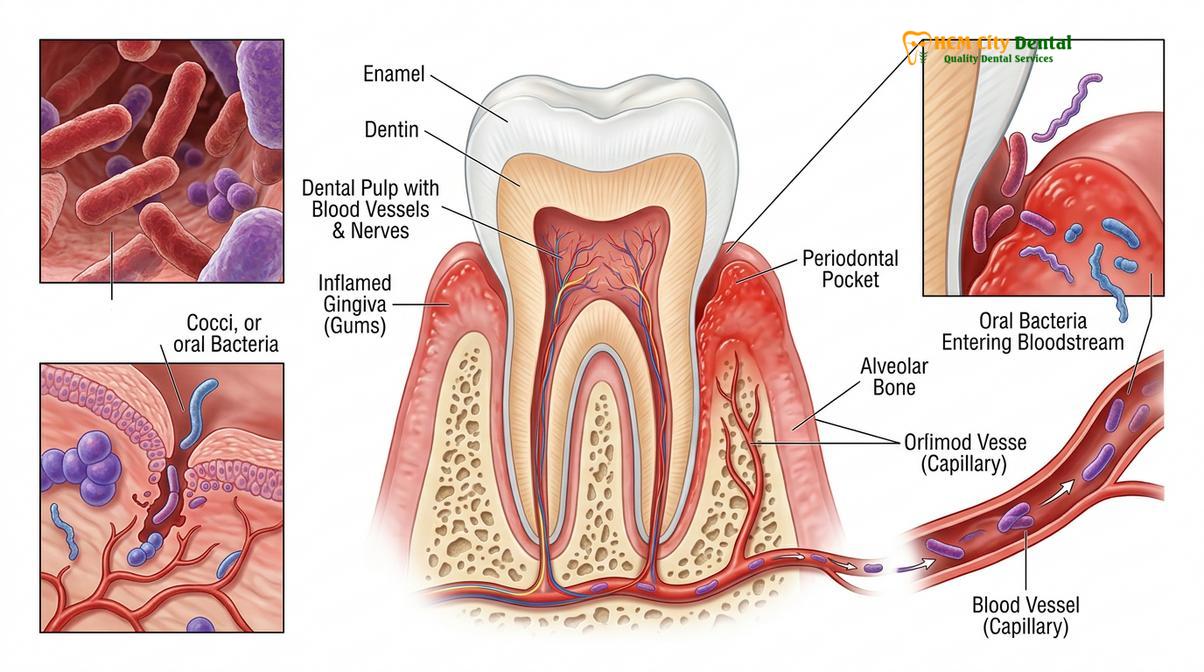
The cardiovascular system, responsible for circulating blood throughout the body, is highly susceptible to the downstream effects of this localized oral infection. Epidemiological mega-studies, analyzing data from hundreds of thousands of patients, have consistently demonstrated that individuals with severe periodontitis are at a significantly elevated risk of developing coronary artery disease, suffering from myocardial infarctions (heart attacks), and experiencing ischemic strokes[1]. This correlation remains statistically significant even after adjusting for traditional cardiovascular risk factors such as age, smoking status, hypertension, cholesterol levels, and body mass index.
The underlying pathophysiology connecting these two seemingly disparate conditions is rooted in two primary mechanisms: the direct invasion of the bloodstream by oral pathogens (bacteremia) and the indirect, systemic spread of inflammatory mediators originating from the diseased gums. Both pathways ultimately converge on the vascular endothelium—the inner lining of blood vessels—promoting dysfunction, lipid accumulation, and the formation of atherosclerotic plaques. Recognizing this link is crucial, as it implies that the management of cardiovascular risk is incomplete without a thorough assessment and treatment of periodontal health.
How Periodontal Bacteria Enter the Bloodstream
When gum tissue is inflamed and ulcerated, everyday activities like chewing or brushing allow oral pathogens to breach the epithelial barrier and enter the systemic circulation.
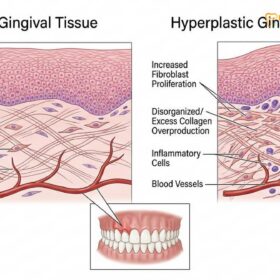
To comprehend how an infection in the mouth can threaten the heart, one must examine the microanatomy of the diseased periodontium. In a healthy state, the gingival epithelium forms a tight, protective seal around the neck of each tooth, preventing oral bacteria from penetrating the underlying connective tissues and blood vessels. However, in the presence of periodontal disease, this protective barrier is severely compromised.
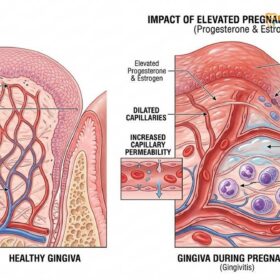
The accumulation of bacterial plaque triggers a localized inflammatory response. The gingival tissues become engorged with blood, highly permeable, and micro-ulcerated. The inner lining of the periodontal pocket essentially becomes an open wound. In cases of severe periodontitis, the total surface area of this ulcerated pocket epithelium can be equivalent to the size of the palm of an adult hand. This massive, hidden wound provides a direct portal of entry for oral bacteria into the highly vascularized gingival tissue and, subsequently, the systemic bloodstream.
“The ulcerated lining of a periodontal pocket acts as a direct gateway to the circulatory system. Every time a patient with severe gum disease chews food or brushes their teeth, millions of virulent oral bacteria are forced into the bloodstream, creating a state of transient bacteremia that challenges the entire cardiovascular system.”
This phenomenon, known as transient bacteremia, occurs frequently in patients with untreated gum disease. Simple, everyday actions such as mastication (chewing), aggressive tooth brushing, or even dental flossing can force bacteria through the ulcerated tissue and into the capillaries. Once in the bloodstream, these pathogens are disseminated throughout the body. Patients experiencing swollen gums around a tooth or spontaneous bleeding are particularly susceptible to these bacteremic episodes.
Not all oral bacteria are equally dangerous to the cardiovascular system. Research has identified specific periodontal pathogens, most notably Porphyromonas gingivalis, Tannerella forsythia, and Treponema denticola (collectively known as the “red complex” bacteria), as the primary culprits. P. gingivalis, in particular, possesses unique virulence factors, such as gingipains (proteolytic enzymes), which allow it to evade the host’s immune system, adhere to the endothelial cells lining the blood vessels, and even invade these cells[2].
As Dr. Nguyen Van Cuong often explains to patients during clinical consultations, the gums are highly vascularized, meaning they have a rich blood supply. When these specific pathogens enter the bloodstream, they do not simply float harmlessly. They actively interact with platelets and endothelial cells. P. gingivalis has been shown to induce platelet aggregation, a critical step in the formation of blood clots (thrombi). Furthermore, DNA from these oral bacteria has been frequently isolated from atherosclerotic plaques excised from patients’ coronary and carotid arteries, providing compelling physical evidence of their migration from the mouth to the heart.
Chronic Inflammation: The Common Link to Atherosclerosis
The body’s immune response to periodontal infection releases pro-inflammatory cytokines into the bloodstream, which damages blood vessel linings and accelerates the formation of arterial plaque.
While the direct invasion of bacteria is a significant factor, the indirect pathway—chronic systemic inflammation—is arguably the most critical mechanism linking gum disease to heart disease. Periodontitis is not merely a localized infection; it is a chronic inflammatory disease that exerts a profound systemic burden. The host’s immune system, in its attempt to fight off the persistent bacterial biofilm in the periodontal pockets, inadvertently causes collateral damage to the rest of the body.
In response to the bacterial challenge, immune cells in the gingival tissues (such as macrophages and neutrophils) release a cascade of pro-inflammatory cytokines, including Interleukin-1 beta (IL-1β), Interleukin-6 (IL-6), and Tumor Necrosis Factor-alpha (TNF-α). These potent signaling molecules do not remain confined to the oral cavity. They spill over into the systemic circulation, traveling to the liver, where they stimulate the production of acute-phase proteins, most notably C-reactive protein (CRP) and fibrinogen.
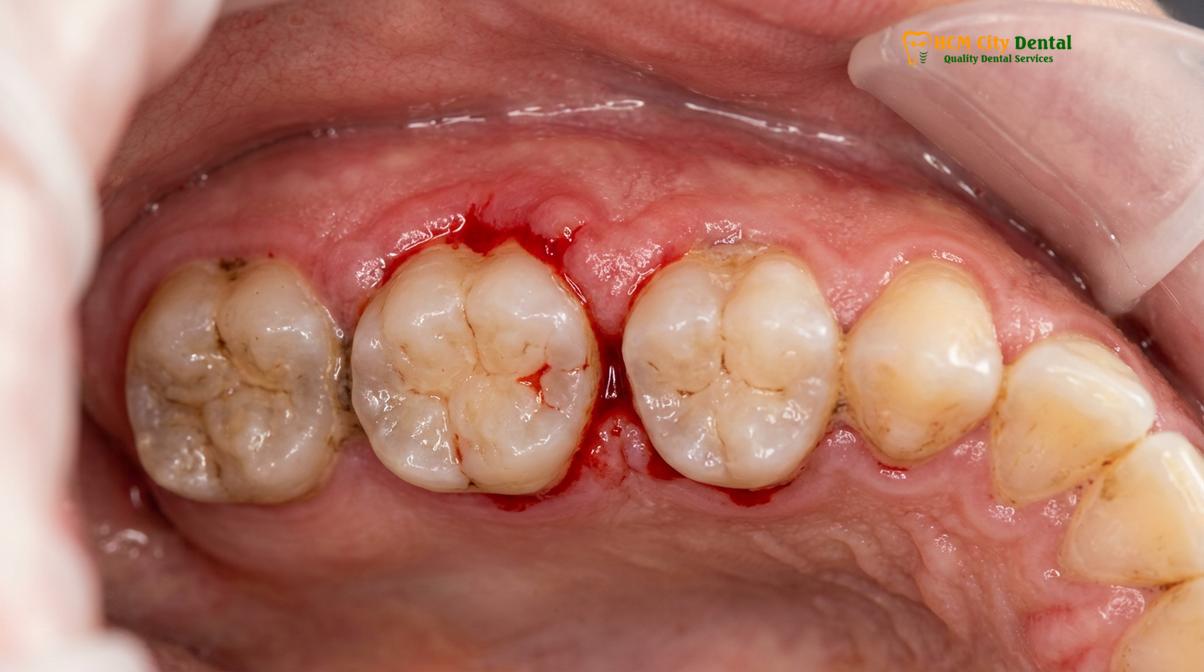
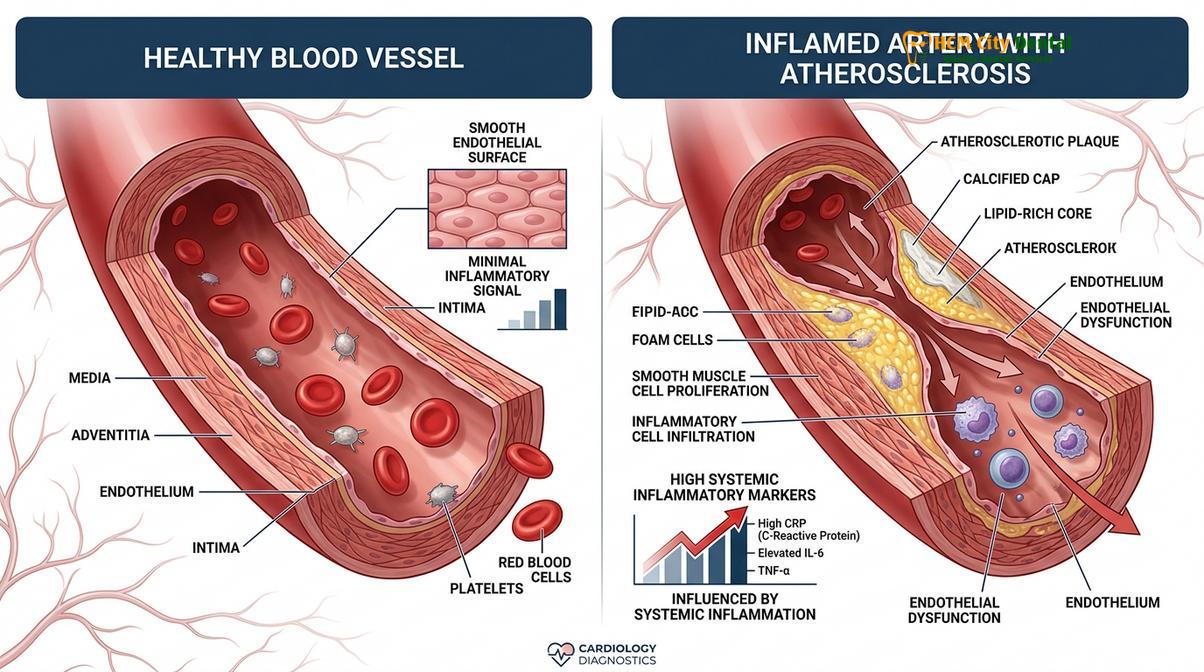
Elevated levels of high-sensitivity CRP (hs-CRP) are a well-established, independent risk marker for cardiovascular disease. CRP actively participates in the atherogenic process by binding to oxidized low-density lipoproteins (LDL cholesterol) and promoting their uptake by macrophages in the arterial walls. This process leads to the formation of “foam cells,” the hallmark of early atherosclerotic lesions. The continuous release of inflammatory mediators from diseased gums essentially keeps the body in a constant state of low-grade, systemic inflammation, accelerating the development of periodontitis arterial plaque.
This systemic inflammatory state profoundly affects the vascular endothelium. The endothelium is a delicate, single-cell layer lining the blood vessels that regulates vascular tone, permeability, and coagulation. Chronic inflammation causes endothelial dysfunction, characterized by a reduction in the bioavailability of nitric oxide (a crucial vasodilator) and an increase in the expression of adhesion molecules. This makes the blood vessels stiffer, more prone to spasm, and “stickier,” encouraging circulating leukocytes and cholesterol to adhere to the vessel walls and penetrate the intimal layer.
| Parameter | Localized Periodontal Inflammation | Systemic Cardiovascular Effects |
|---|---|---|
| Primary Trigger | Bacterial biofilm (plaque) accumulation on teeth. | Circulating cytokines and transient bacteremia. |
| Immune Response | Release of IL-1β, IL-6, TNF-α in gingival tissues. | Hepatic synthesis of CRP and fibrinogen. |
| Tissue Impact | Destruction of alveolar bone and periodontal ligament. | Endothelial dysfunction and arterial stiffness. |
| Pathological Outcome | Deep periodontal pockets, tooth mobility, tooth loss. | Atherosclerotic plaque formation, thrombosis. |
| Clinical Manifestation | Bleeding gums, halitosis, gingival recession. | Hypertension, angina, myocardial infarction. |
Over years and decades, this chronic inflammatory assault transforms healthy, flexible arteries into narrowed, rigid vessels choked with atherosclerotic plaque. The plaque itself becomes unstable and highly inflamed, increasing the likelihood of rupture. When an atherosclerotic plaque ruptures, it exposes highly thrombogenic material to the bloodstream, triggering the rapid formation of a blood clot that can completely occlude the artery, leading to a catastrophic cardiovascular event[3].
Periodontal Disease and Increased Stroke Risk
The systemic inflammation and bacterial presence associated with severe gum disease can promote blood clot formation, significantly elevating the risk of ischemic strokes and heart attacks.
The implications of the oral-systemic link extend beyond the coronary arteries to the cerebrovascular system. Ischemic stroke, which occurs when a blood clot blocks an artery supplying blood to the brain, shares the same underlying atherosclerotic pathology as coronary artery disease. Consequently, the chronic inflammation and pro-thrombotic state induced by severe periodontitis significantly elevate the risk of experiencing a stroke.
Research has shown a strong, independent association between periodontal disease and the incidence of ischemic stroke. The mechanisms are identical to those affecting the heart: systemic inflammation promotes endothelial dysfunction and accelerates atherosclerosis in the carotid arteries and cerebral vasculature. Furthermore, the ability of oral pathogens like P. gingivalis to induce platelet aggregation directly contributes to the formation of thrombi that can embolize and travel to the brain.
Clinical Warning: Signs of Severe Periodontitis
Patients exhibiting the following symptoms should seek immediate periodontal evaluation, as these signs indicate a high level of oral infection that may pose systemic risks:
- Spontaneous bleeding from the gums, especially unprovoked.
- Purulent exudate (pus) expressing from the gumline when pressed.
- Increasing mobility or shifting of permanent teeth.
- Chronic, foul-smelling breath that does not improve with oral hygiene.
Interestingly, dental professionals can sometimes detect early signs of cerebrovascular risk during routine examinations. Panoramic dental radiographs, commonly used to assess the jawbone and teeth, can occasionally reveal calcified atheromas (plaques) within the carotid arteries. When a dentist identifies these calcifications, it serves as a critical warning sign, prompting an immediate referral to a physician or cardiologist for a comprehensive cardiovascular workup. This highlights the vital role of the dental team in the early detection of systemic diseases.
The concept of heart attack risk gum disease is not merely theoretical; it is a clinical reality observed in daily practice. Patients presenting with advanced periodontal destruction, characterized by deep pocketing, significant bone loss, and chronic bad breath linked to gum disease, are carrying a massive bacterial load. This chronic infection acts as a continuous stressor on the cardiovascular system. The persistent elevation of fibrinogen, a protein essential for blood clotting, makes the blood more viscous and prone to coagulation, further compounding the risk of both myocardial infarction and ischemic stroke[4].
Clinical Studies: Does Treating Gums Lower Heart Risk?
Clinical trials indicate that intensive periodontal therapy reduces systemic inflammatory markers and improves endothelial function, suggesting that managing gum disease actively benefits cardiovascular health.
Given the strong epidemiological and biological evidence linking periodontal disease to cardiovascular disease, a critical clinical question arises: Does treating the gum infection actually reduce the risk of heart disease? The answer, supported by a growing body of interventional clinical trials, is highly encouraging. Effective periodontal therapy not only halts the progression of oral disease but also yields measurable improvements in systemic cardiovascular markers.
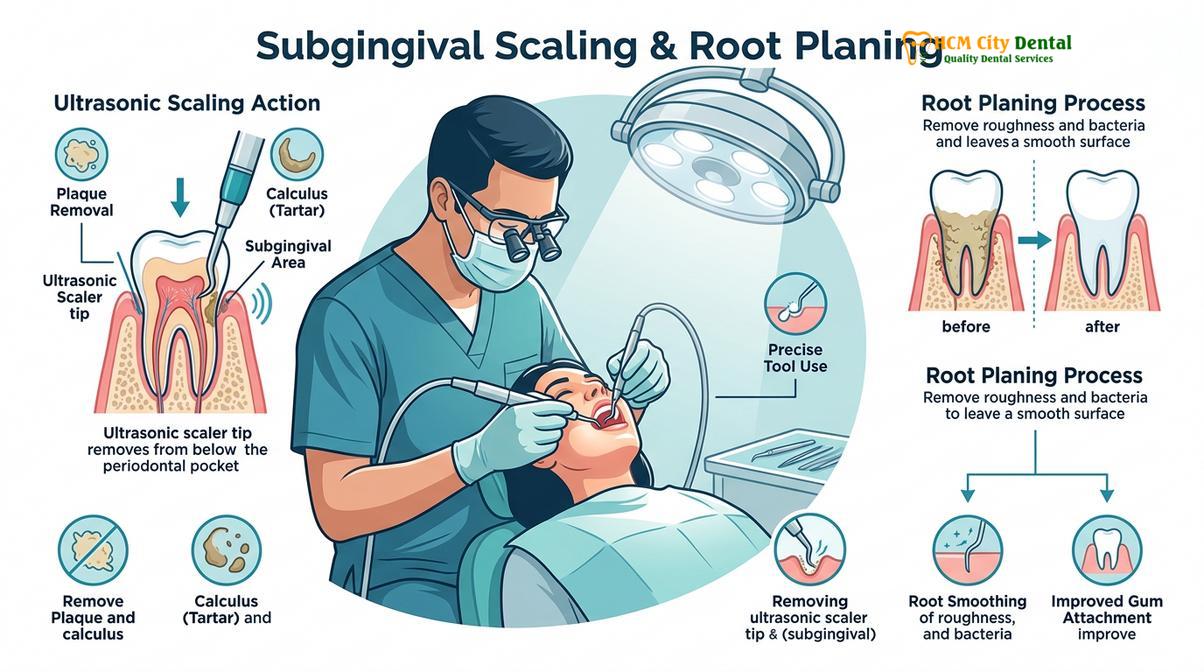
The primary goal of periodontal treatment is to eliminate the bacterial biofilm, reduce inflammation, and create an environment where the gingival tissues can heal and reattach to the tooth surface. The cornerstone of this treatment is non-surgical periodontal therapy (NSPT), commonly known as scaling and root planing. This meticulous procedure involves the mechanical removal of subgingival calculus (tartar) and bacterial plaque from the root surfaces within the periodontal pockets.
Numerous clinical studies have investigated the systemic effects of NSPT. The results consistently demonstrate that successful deep cleaning of the teeth leads to a significant reduction in systemic inflammatory markers. Within weeks to months following comprehensive scaling and root planing, patients typically exhibit marked decreases in serum levels of C-reactive protein (CRP), Interleukin-6 (IL-6), and fibrinogen. By lowering this inflammatory burden, the treatment effectively mitigates one of the primary drivers of atherosclerosis.
Clinical Case Review: Systemic Improvement Post-Therapy
A 58-year-old male patient presented to HCMC Dental Clinic in Ho Chi Minh City with severe, generalized periodontitis, complaining of bleeding gums and loose teeth. His medical history included hypertension and elevated cholesterol. Baseline blood tests revealed a high-sensitivity CRP level of 4.2 mg/L (indicating high cardiovascular risk). Following a comprehensive course of non-surgical periodontal therapy, including full-mouth scaling and root planing combined with localized antimicrobial delivery, his periodontal inflammation resolved. A follow-up blood test conducted three months post-treatment showed his hs-CRP had dropped to 1.8 mg/L (average risk), demonstrating the profound systemic benefit of eradicating the oral infection.
Furthermore, interventional studies have assessed the impact of periodontal treatment on endothelial function, a key indicator of vascular health. Endothelial function is often measured using flow-mediated dilation (FMD) of the brachial artery. Research has shown that intensive periodontal therapy significantly improves FMD, indicating that the blood vessels regain their elasticity and ability to dilate properly once the chronic oral inflammation is resolved. This improvement in endothelial function is a critical step in preventing the progression of atherosclerotic cardiovascular disease.
The concept that treating gums protects heart health is now a fundamental principle in modern clinical practice. While large-scale, long-term randomized controlled trials are still ongoing to definitively prove that periodontal treatment prevents actual cardiovascular events (like heart attacks), the surrogate markers—reduced CRP and improved endothelial function—provide compelling evidence of systemic benefit. Eradicating the periodontal infection removes a significant, modifiable risk factor from the patient’s overall health profile[5].
Joint Recommendations from Cardiologists and Periodontists
Medical and dental professionals now advocate for a unified approach, recommending regular periodontal screenings for patients with cardiovascular risk factors to mitigate systemic inflammation.
The overwhelming evidence supporting the oral-systemic link has catalyzed a paradigm shift in how medical and dental professionals approach patient care. The traditional silos separating dentistry from medicine are breaking down, replaced by a collaborative, interdisciplinary model. Leading global health organizations, including the American Heart Association (AHA), the European Federation of Periodontology (EFP), and the World Heart Federation (WHF), have issued joint consensus reports emphasizing the critical need for integrated care.
This collaborative approach, often referred to as oral systemic health cardiology, recognizes that the mouth is a window to the body’s overall health. Cardiologists are now increasingly aware that a patient’s cardiovascular risk profile is incomplete without an assessment of their periodontal status. Conversely, periodontists and general dentists are trained to recognize the systemic implications of the oral diseases they treat and to communicate effectively with their patients’ medical providers.
“Periodontitis is independently associated with cardiovascular disease. Patients with periodontitis should be advised that they have a higher risk of suffering a cardiovascular event, including myocardial infarction and stroke. Physicians should ask their patients about signs of gum disease and refer them for dental evaluation, while dentists should assess cardiovascular risk factors in their patients.” — Joint Consensus Report of the EFP and WHF.
The joint clinical recommendations provide clear guidelines for both professions. For physicians and cardiologists, the guidelines recommend actively screening patients for signs of periodontal disease. This includes asking patients about bleeding gums, loose teeth, or bad breath, and visually inspecting the oral cavity during routine physical examinations. If signs of gum disease are present, the physician should promptly refer the patient to a dental professional for a comprehensive periodontal evaluation and treatment.
For dental professionals, the guidelines emphasize the importance of taking a thorough medical history, including assessing the patient’s cardiovascular risk factors (e.g., hypertension, diabetes, smoking, family history). Dentists must educate their patients about the systemic risks associated with untreated gum disease and emphasize that maintaining optimal oral hygiene is a vital component of cardiovascular prevention. In cases of advanced disease, modern interventions such as laser gum treatment can provide highly effective, minimally invasive disinfection of the periodontal pockets, further reducing the bacterial load and systemic inflammatory burden[6].
When to See a Doctor for Periodontal Evaluation
Given the profound implications of periodontal disease on cardiovascular health, early detection and intervention are paramount. Patients should not wait until they experience pain or tooth mobility to seek professional care, as periodontal disease is often “silent” in its early stages. Regular, comprehensive dental examinations, including periodontal probing and radiographic assessment, are essential for diagnosing the disease before it causes irreversible damage to the oral structures and systemic health.
You should schedule a clinical evaluation with a dental professional if you experience any of the following symptoms:
- Gums that bleed easily during brushing, flossing, or eating hard foods.
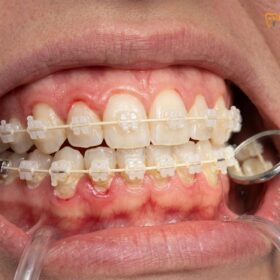
- Gums that appear red, swollen, or tender to the touch.
- Persistent bad breath (halitosis) or a chronic bad taste in the mouth.
- Gums that are pulling away from the teeth (recession), making the teeth look longer.
- Changes in the way your teeth fit together when you bite.
- The development of spaces between your teeth or noticeable tooth mobility.
Dr. Nguyen Van Cuong emphasizes that early intervention is key to preventing the systemic complications of gum disease. At HCMC Dental Clinic, the clinical team utilizes advanced diagnostic tools to accurately stage and grade periodontal disease, allowing for the development of personalized, highly effective treatment plans. For patients with advanced periodontitis that does not respond to non-surgical therapy, surgical interventions such as gum flap surgery may be necessary to access deep root surfaces, remove persistent calculus, and reshape the damaged alveolar bone, thereby eliminating the infectious reservoir and protecting the patient’s long-term systemic health.

Frequently Asked Questions
Can gum disease cause a heart attack?
While gum disease does not directly cause a heart attack, it is a significant contributing risk factor. Severe periodontal infection increases systemic inflammation and arterial plaque buildup, which can elevate the overall risk of experiencing a cardiovascular event. The chronic release of inflammatory cytokines from infected gums damages the endothelial lining of blood vessels, accelerating atherosclerosis and making existing arterial plaques more prone to rupture, which is the primary trigger for a myocardial infarction.
How does bacteria from the mouth get to the heart?
Oral bacteria enter the bloodstream through ulcerated and bleeding gum tissues during daily activities like chewing or brushing. Once in the vascular system, these pathogens can travel to the heart and attach to fatty plaques or damaged blood vessels. The inner lining of a diseased periodontal pocket is highly ulcerated and permeable. This allows virulent bacteria, such as Porphyromonas gingivalis, to easily breach the epithelial barrier, creating a state of transient bacteremia that disseminates pathogens throughout the systemic circulation.
Is bad breath linked to heart disease?
Chronic bad breath (halitosis) is a primary symptom of advanced gum disease, which is linked to heart disease. The same anaerobic bacteria causing the foul odor also trigger systemic inflammation that can negatively impact cardiovascular health over time. These bacteria produce volatile sulfur compounds responsible for the odor, while simultaneously releasing toxins and enzymes that destroy periodontal tissues and provoke a robust, systemic immune response that damages vascular endothelium.
Does treating gum disease reduce cardiovascular inflammation?
Yes, clinical studies demonstrate that treating gum disease significantly reduces systemic inflammatory markers like C-reactive protein. Effective periodontal therapy improves endothelial function and lowers the inflammatory burden on the cardiovascular system. By mechanically removing the bacterial biofilm through scaling and root planing, the source of the infection is eradicated, leading to a measurable decrease in circulating pro-inflammatory cytokines and a subsequent improvement in arterial elasticity and overall vascular health.
What is the oral-systemic connection?
The oral-systemic connection refers to the scientifically established link between the health of the mouth and overall bodily health. It highlights how oral infections, particularly periodontitis, can influence systemic conditions like diabetes, respiratory diseases, and cardiovascular disorders. This concept underscores the fact that the oral cavity is not an isolated system; rather, chronic inflammation and bacterial loads originating in the mouth have profound, measurable impacts on the entire body’s physiological function and disease susceptibility.
References
- Journal of Periodontology. The epidemiological link between periodontal disease and cardiovascular events. (2021).
- Circulation. Periodontal Disease and Atherosclerotic Cardiovascular Disease: Scientific Statement from the American Heart Association. (2020).
- Clinical Microbiology Reviews. Porphyromonas gingivalis and systemic diseases: Pathogenesis and clinical implications. (2019).
- Stroke. Association between severe periodontitis and ischemic stroke risk: A systematic review. (2022).
- Journal of Clinical Periodontology. Effects of non-surgical periodontal therapy on systemic inflammatory markers. (2018).
- European Heart Journal. Joint consensus report of the European Federation of Periodontology and the World Heart Federation. (2020).
For pricing, booking, and a free clinical assessment, visit our Gum Disease Treatment service page at HCMC Dental Clinic in Ho Chi Minh City.