Consuming nutrient-dense, anti-inflammatory foods for gum disease can significantly reduce gingival bleeding and support tissue repair. A clinical dental diet rich in omega-3s, vitamin C, and collagen helps neutralize oral pathogens, fortify the periodontal ligament, and prevent the progression of periodontitis alongside professional dental care.
Clinical Summary:
The management of periodontal disease requires a dual approach: mechanical removal of bacterial biofilm and systemic nutritional support. An evidence-based diet targeting gum health focuses on reducing systemic inflammation and providing the biochemical building blocks necessary for tissue regeneration. Nutrients such as omega-3 fatty acids, ascorbic acid (Vitamin C), and dietary collagen directly influence the resilience of the gingival matrix. Conversely, diets high in refined carbohydrates exacerbate oral dysbiosis, fueling the proliferation of anaerobic pathogens. While dietary modifications are highly effective for maintenance and reducing inflammatory markers, they must be paired with professional periodontal therapies to arrest active disease progression effectively.
Key Takeaways:
- Omega-3 fatty acids found in fatty fish actively reduce gingival inflammation and support immune function.
- Vitamin C is a non-negotiable nutrient for the synthesis of collagen, the primary structural protein in gum tissue.
- Fermented foods and probiotics help balance the oral microbiome, suppressing the bacteria responsible for periodontitis.
- Refined sugars and simple carbohydrates must be strictly limited, as they directly fuel plaque-causing pathogens.
- Dietary changes are supportive; active gum disease always requires professional mechanical debridement to remove subgingival calculus.
The Oral-Systemic Diet Connection
The foods you consume directly influence the inflammatory response within your periodontal tissues and dictate the balance of your oral microbiome.
The human mouth is a complex ecosystem harboring billions of bacteria. In a state of health, there is a symbiotic relationship between the host’s immune system and the oral microbiome. However, when this balance is disrupted—often by poor dietary choices and inadequate hygiene—pathogenic bacteria proliferate, leading to gingivitis and, eventually, periodontitis. The concept of an anti inflammatory dental diet is rooted in the understanding that periodontal disease is not merely a localized infection, but a chronic inflammatory condition that is deeply interconnected with systemic health [1].
When you consume foods that provoke inflammation, your body’s immune response becomes hyperactive. In the oral cavity, this hyperactive response causes the immune cells to release enzymes and cytokines that inadvertently destroy the very tissues they are trying to protect—the gums and the alveolar bone. Conversely, a diet rich in antioxidants, healthy fats, and essential micronutrients provides the body with the tools it needs to modulate this immune response, downregulate inflammation, and initiate cellular repair.
Understanding this oral-systemic connection is the first step in comprehensive periodontal care. While mechanical treatments provided through comprehensive gum treatment protocols are necessary to remove hardened calculus, the long-term stability of the periodontium relies heavily on what you eat. Nutrients absorbed in the gut travel through the bloodstream, eventually reaching the tiny capillaries that supply the gingival tissues. If the blood is rich in regenerative compounds, the gums are better equipped to heal and resist bacterial invasion.
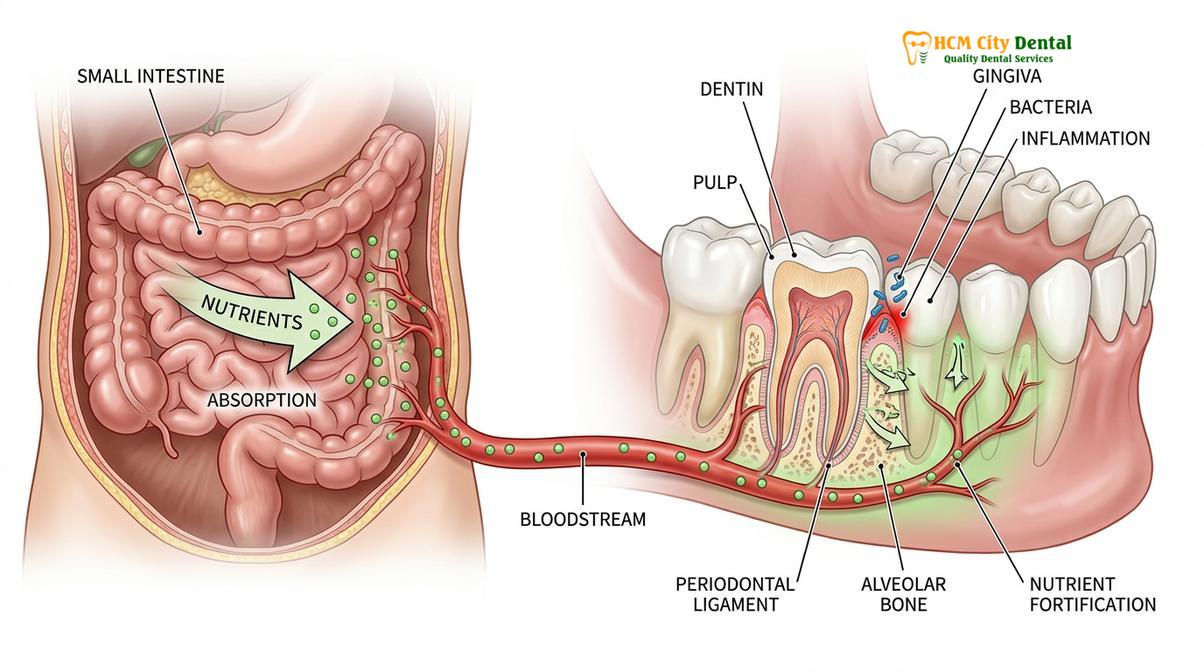
Furthermore, the physical texture of the foods we eat plays a mechanical role in oral health. Crisp, fibrous vegetables require vigorous chewing, which stimulates salivary flow. Saliva is the mouth’s natural defense mechanism; it is rich in calcium, phosphate, and antimicrobial enzymes that wash away food particles and neutralize the acids produced by plaque bacteria. Therefore, transitioning to a whole-food, nutrient-dense diet is a foundational pillar of routine general dentistry and preventive care.
15 Anti-Inflammatory Foods for Periodontal Healing
Integrating specific nutrient-dense foods into your daily meals provides the essential biochemical building blocks required to repair damaged gingival tissues and reduce swelling.
To actively combat periodontal inflammation, your diet must be intentionally structured to include foods that offer high concentrations of specific therapeutic compounds. The following 15 foods have been clinically recognized for their ability to support gum health, reduce oxidative stress, and promote the regeneration of the periodontal ligament [2].
1. Wild-Caught Salmon: Salmon is exceptionally high in Omega-3 fatty acids (EPA and DHA). These lipids are potent anti-inflammatory agents that help reduce the production of inflammatory cytokines in the gum tissue, thereby decreasing redness and swelling.
2. Mackerel and Sardines: Similar to salmon, these oily fish provide a dense source of Omega-3s and Vitamin D. Vitamin D is crucial for bone metabolism, helping to preserve the alveolar bone that anchors the teeth in place.
3. Bone Broth: Slowly simmered bone broth is a premier source of bioavailable collagen, gelatin, and trace minerals. Because the gums are primarily composed of collagen fibers, consuming bone broth directly supplies the amino acids needed for tissue repair.
4. Chicken (with skin): Chicken, particularly the skin and dark meat, contains Coenzyme Q10 (CoQ10) and natural collagen. CoQ10 is an antioxidant that supports cellular energy production and has been shown to improve the healing of periodontal pockets.
5. Grass-Fed Beef: High-quality beef provides essential zinc and iron, which are necessary for immune function and the oxygenation of tissues. Grass-fed varieties also contain a healthier ratio of Omega-3 to Omega-6 fatty acids compared to grain-fed beef.
6. Broccoli: This cruciferous vegetable is a powerhouse of Vitamin C, Vitamin K, and sulforaphane. Vitamin C is vital for gum resilience, while sulforaphane exhibits strong anti-inflammatory properties.
7. Red and Green Bell Peppers: Bell peppers contain significantly more Vitamin C than oranges. A single cup can provide over 200% of the daily recommended intake, making them one of the most efficient foods for boosting collagen synthesis in the mouth.
8. Sweet Potatoes: Rich in beta-carotene, which the body converts into Vitamin A. Vitamin A is essential for maintaining the integrity of the mucous membranes and soft tissues in the oral cavity.
9. Shiitake Mushrooms: These specific mushrooms contain lentinan, a unique polysaccharide. Clinical studies suggest that lentinan selectively targets and inhibits the growth of harmful periodontal bacteria while leaving beneficial strains intact.
10. Macadamia Nuts: High in monounsaturated fats and low in inflammatory Omega-6s, macadamia nuts provide a healthy source of energy and nutrients without spiking blood sugar, which is crucial for maintaining a healthy oral pH.
11. Chia and Flax Seeds: For those on a plant-based diet, these seeds are excellent sources of Alpha-Linolenic Acid (ALA), a plant-based Omega-3 that helps modulate the body’s inflammatory pathways.
12. Kefir: A fermented milk drink that is teeming with diverse strains of probiotics. Kefir helps populate the oral cavity and gut with beneficial bacteria that crowd out the pathogens responsible for gingivitis.
13. Sauerkraut and Kimchi: Naturally fermented vegetables provide both fiber and potent probiotics. The lactic acid bacteria found in these foods help lower the pH of the gut and mouth in a way that is hostile to disease-causing microbes.
14. Green Tea: Rich in catechins, particularly Epigallocatechin gallate (EGCG). EGCG has been extensively studied for its ability to inhibit the enzymes that break down gum tissue and bone.
15. Raw Cacao: Unsweetened, raw cacao (70% or higher) contains powerful polyphenols and a compound called CBH, which has been shown to help harden tooth enamel and reduce plaque adherence.
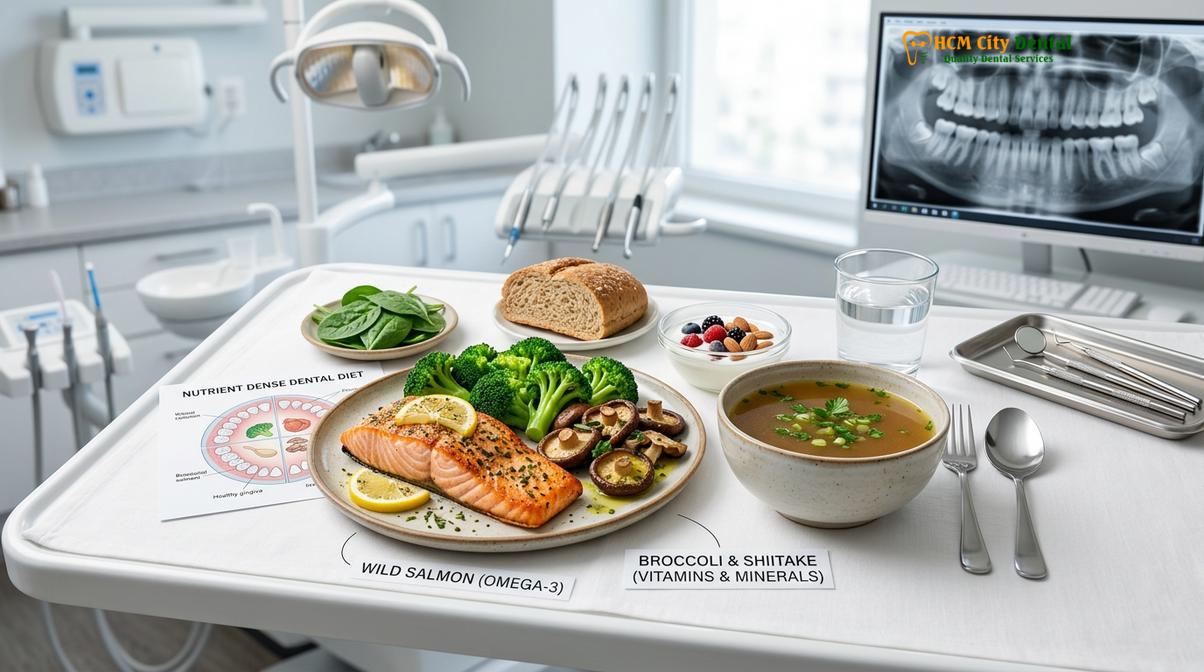
To simplify how these foods function within a clinical dietary protocol, the following table categorizes them by their primary periodontal benefit:
| Food Category | Key Examples | Primary Periodontal Benefit |
|---|---|---|
| Omega-3 Rich Proteins | Salmon, Mackerel, Grass-fed Beef | Reduces gingival inflammation and supports alveolar bone density. |
| Collagen & Amino Acids | Bone Broth, Chicken Skin | Provides structural proteins to rebuild the periodontal ligament. |
| Vitamin C Powerhouses | Bell Peppers, Broccoli | Essential for collagen synthesis and antioxidant defense. |
| Probiotic Ferments | Kefir, Kimchi, Sauerkraut | Balances the oral microbiome and suppresses pathogenic bacteria. |
| Polyphenol Sources | Green Tea, Raw Cacao | Inhibits tissue-destroying enzymes and reduces oxidative stress. |
Vitamin C and Collagen: Building Blocks of Healthy Gums
Vitamin C acts as a powerful antioxidant while collagen provides the structural framework necessary for maintaining firm, resilient gum attachment to the teeth.
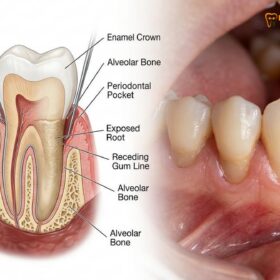
The structural integrity of your gums relies almost entirely on collagen. The periodontium—the specialized tissues that both surround and support the teeth—is composed of a dense network of collagen fibers. These fibers act like biological shock absorbers and anchors, keeping the teeth firmly rooted in the jawbone. When periodontal disease is active, bacterial toxins and the body’s own inflammatory enzymes rapidly degrade these collagen fibers, leading to gum recession, pocket formation, and tooth mobility.
To combat this degradation, the body must continuously synthesize new collagen. However, this biological process is entirely dependent on the presence of ascorbic acid, commonly known as Vitamin C. Vitamin C is a required cofactor for the enzymes prolyl hydroxylase and lysyl hydroxylase, which are responsible for stabilizing and cross-linking the collagen molecules. Without adequate Vitamin C, the collagen produced is weak and structurally unsound, leading to fragile gums that bleed easily upon brushing or flossing [3].
“Periodontal healing relies heavily on the body’s ability to synthesize new collagen fibers, a process that is biologically impossible without adequate serum levels of Vitamin C. Subclinical deficiencies are a primary, yet often overlooked, factor in refractory gum disease.”
Historically, severe Vitamin C deficiency resulted in scurvy, a disease characterized by profound gingival bleeding and tooth loss. While clinical scurvy is rare today, subclinical deficiencies are incredibly common, particularly in individuals with high levels of oxidative stress, such as smokers or those with chronic periodontitis. Therefore, prioritizing vitamins for gum health through dietary intake is a critical component of periodontal therapy.
In addition to synthesizing collagen internally, consuming direct sources of collagen foods for gums can provide the specific amino acids—glycine, proline, and hydroxyproline—that the body needs for tissue repair. Bone broth and slow-cooked meats are excellent dietary sources. For patients undergoing surgical interventions, such as advanced gum flap surgery, optimizing Vitamin C and collagen intake in the weeks prior to and following the procedure can significantly enhance wound healing and improve the clinical attachment levels of the newly positioned tissues.
Probiotics and Fermented Foods: Balancing Oral Microbiome
Fermented foods introduce beneficial bacterial strains that actively compete with and suppress the anaerobic pathogens responsible for periodontal destruction.
The oral cavity is the gateway to the gastrointestinal tract, and the health of both systems is governed by the microbiome. Periodontal disease is fundamentally a disease of dysbiosis—a state where harmful, disease-causing bacteria outnumber the beneficial, protective bacteria. The primary culprits in periodontitis, such as Porphyromonas gingivalis and Treponema denticola, are anaerobic bacteria that thrive in the deep, oxygen-deprived pockets beneath the gumline.
Introducing probiotics through fermented foods is a powerful strategy to restore microbial harmony. Foods like kefir, traditional sauerkraut, kimchi, and unsweetened probiotic yogurt contain robust strains of lactic acid bacteria, including Lactobacillus and Bifidobacterium species. When consumed regularly, these beneficial microbes colonize the oral mucosa and the dental pellicle, creating a competitive environment [4].
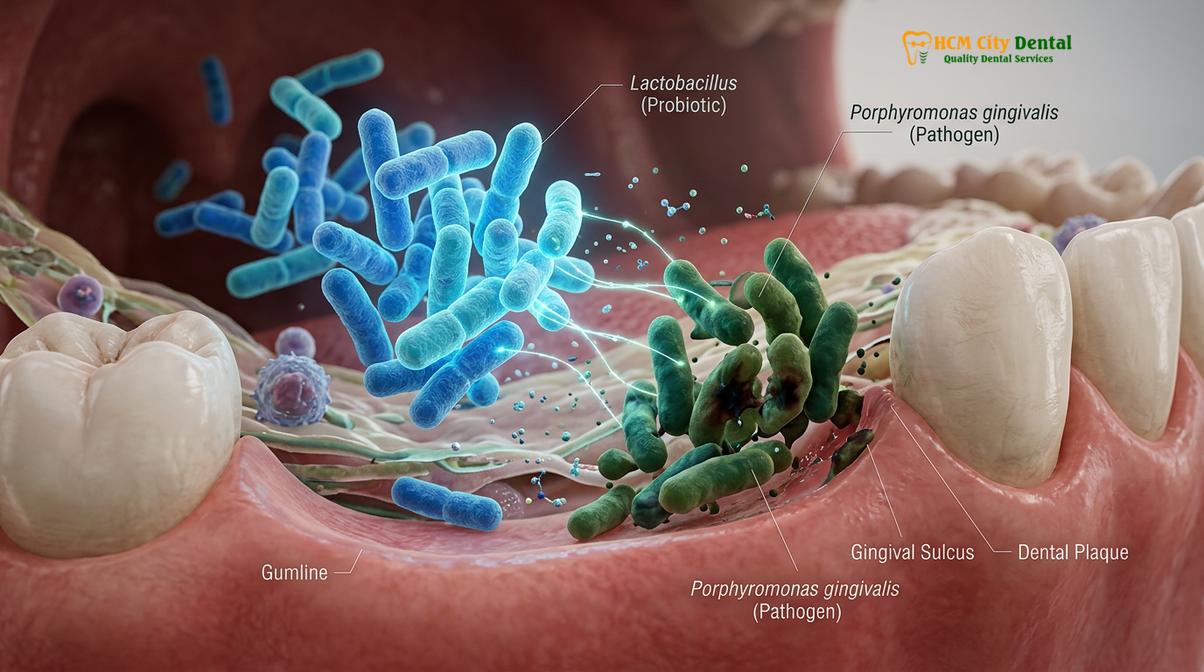
Beneficial bacteria protect the gums through several mechanisms. First, they compete for adhesion sites on the teeth and gums, physically blocking pathogens from attaching. Second, they compete for essential nutrients, starving the harmful bacteria. Finally, many probiotic strains produce bacteriocins—natural antimicrobial peptides that directly target and neutralize periodontal pathogens. They also produce hydrogen peroxide and lactic acid, which alter the local microenvironment, making it highly inhospitable for anaerobic bacteria to survive.
Furthermore, a balanced oral microbiome is essential for managing secondary symptoms of gum disease. For instance, the overgrowth of volatile sulfur compound (VSC) producing bacteria is the primary cause of halitosis. By shifting the microbial balance through diet, patients can effectively manage chronic bad breath associated with gum disease. Incorporating a serving of fermented foods into your daily diet is a simple, natural, and highly effective way to support long-term periodontal stability.
Antioxidant-Rich Green Tea and Berries for Gum Defense
The high concentration of catechins and polyphenols in green tea and dark berries helps neutralize free radicals and reduce gingival pocket depths.
Oxidative stress plays a massive role in the progression of periodontal disease. When the immune system battles plaque bacteria, it releases reactive oxygen species (ROS), commonly known as free radicals. While these free radicals are meant to destroy bacteria, an excess of them causes severe collateral damage to the host’s own gingival tissues and alveolar bone. To neutralize this threat, the body requires a constant supply of dietary antioxidants.
Green tea is arguably one of the most potent antioxidant beverages available for oral health. It is exceptionally rich in polyphenols, specifically a catechin known as Epigallocatechin gallate (EGCG). Clinical research has demonstrated that EGCG has a profound ability to inhibit the production of matrix metalloproteinases (MMPs)—the specific enzymes that break down collagen in the gums. By drinking green tea regularly, you are essentially bathing your oral tissues in a protective compound that halts tissue degradation and reduces inflammation.
Clinical Case Review: Nutritional Support in Periodontal Therapy
A 45-year-old patient presented to HCMC Dental Clinic in Ho Chi Minh City with generalized moderate periodontitis, characterized by 5-6mm pocket depths and heavy bleeding upon probing. Dr. Nguyen Van Cuong designed a comprehensive treatment plan that included mechanical debridement alongside a strict dietary protocol. The patient was instructed to consume three cups of high-quality green tea daily and eliminate refined sugars. Following the clinical scaling and root planing procedure, the patient adhered strictly to the antioxidant-rich diet. At the 3-month re-evaluation, the synergistic effect of the mechanical therapy and the polyphenol-rich diet resulted in a remarkable reduction of pocket depths to 2-3mm and a complete cessation of gingival bleeding.
In addition to green tea, dark berries such as blueberries, blackberries, and cranberries are vital components of a gum-healing diet. These fruits are loaded with anthocyanins, the pigments that give them their deep colors. Anthocyanins are powerful antioxidants that help strengthen blood vessels, improving circulation to the gums. Cranberries, in particular, contain unique A-type proanthocyanidins that have an anti-adhesion effect, preventing bacteria from sticking to the teeth and forming the biofilm that leads to tartar buildup.
Sugar and Refined Carbs: Fuel for Periodontal Pathogens
Refined carbohydrates and added sugars rapidly lower oral pH, creating an acidic environment that accelerates plaque formation and tissue breakdown.
While adding nutrient-dense foods is crucial, eliminating foods to avoid periodontitis is equally, if not more, important. The most destructive elements in the modern diet regarding oral health are refined carbohydrates and added sugars. These substances are the primary fuel source for the pathogenic bacteria that cause both tooth decay and gum disease.
When you consume sugary foods, sodas, or simple starches like white bread and potato chips, the bacteria in your mouth immediately begin to metabolize these carbohydrates. The byproduct of this bacterial metabolism is lactic acid. This acid rapidly drops the pH of the oral cavity. In an acidic environment, the enamel begins to demineralize, and the gingival tissues become highly inflamed. Furthermore, bacteria like Streptococcus mutans use sucrose to synthesize sticky extracellular polysaccharides, which form the structural matrix of dental plaque, allowing it to adhere stubbornly to the teeth and along the gumline [5].
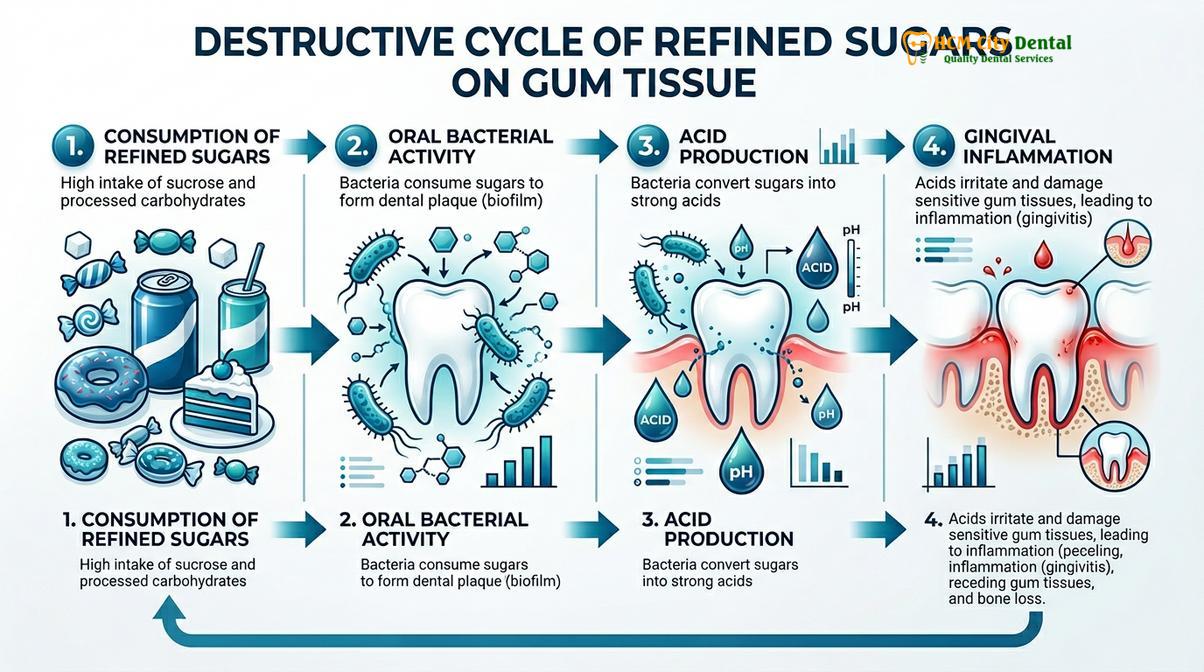
If this plaque is not removed, it calcifies into calculus (tartar), which acts as a porous reservoir for even more bacteria, driving the infection deeper into the periodontal pockets. This chronic irritation can lead to severe complications, including changes in tissue pigmentation. Patients often seek treatment for the underlying causes of black or discolored gums, which can sometimes be exacerbated by chronic, diet-induced inflammation and poor oral hygiene.
Clinical Warning: Dietary modifications alone cannot cure active periodontal disease. If you are experiencing bleeding, swelling, or loose teeth, you must seek professional dental care immediately. Relying solely on home remedies or diet while ignoring subgingival calculus will lead to irreversible bone loss and eventual tooth extraction.
To protect your periodontium, it is imperative to read food labels and avoid hidden sugars in processed foods. Transitioning from simple carbohydrates to complex, fiber-rich carbohydrates (like vegetables and legumes) deprives the harmful bacteria of their preferred fuel source, significantly slowing the rate of plaque accumulation and reducing the burden on your immune system.
When to See a Doctor
While an anti-inflammatory diet is a powerful tool for maintaining oral health and preventing the onset of gingivitis, it is vital to understand its clinical limitations. Periodontal disease is a progressive bacterial infection. Once plaque has calcified into tartar beneath the gumline, no amount of healthy eating, vitamin C, or green tea can remove it. The calculus acts as a physical barrier and a constant source of bacterial toxins that will continue to destroy the bone and connective tissue.
“Nutritional therapy is the foundation of long-term maintenance, but mechanical removal of subgingival calculus remains the mandatory first step in arresting active periodontal disease. Diet supports the healing, but the dentist must first remove the infection.”
You should schedule a comprehensive periodontal evaluation if you experience any of the following symptoms:
- Gums that bleed easily when brushing, flossing, or eating hard foods.
- Persistent bad breath or a metallic taste in the mouth that does not improve with hygiene.
- Gums that are visibly receding, making the teeth appear longer.
- Localized swollen gums around a tooth, which may indicate an acute periodontal abscess.
- Teeth that feel loose or a change in the way your teeth fit together when you bite.
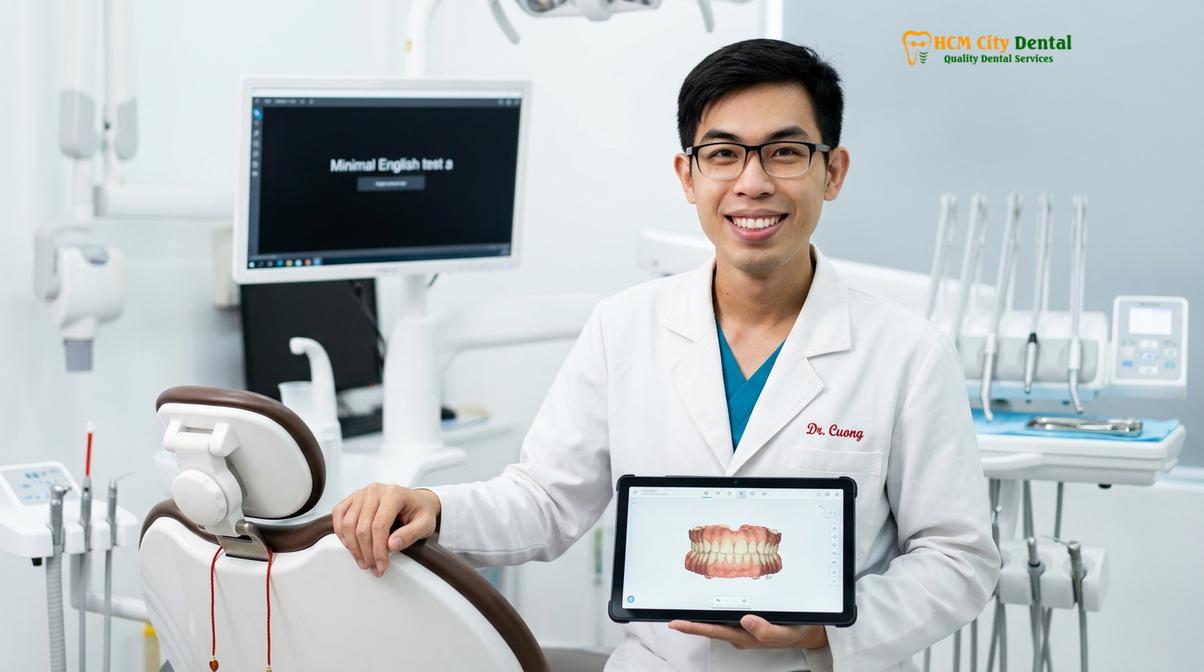
At HCMC Dental Clinic, Dr. Nguyen Van Cuong emphasizes a holistic yet highly clinical approach to periodontal care. Depending on the severity of the disease, treatment may involve deep cleaning (scaling and root planing) or advanced procedures such as minimally invasive laser gum treatment to gently remove diseased tissue and sterilize the pockets. Following these professional interventions, the integration of a clinical dental diet becomes the key to ensuring rapid tissue regeneration and preventing future relapse. A personalized clinical examination is always required to determine the exact scope of treatment needed for your specific condition.
Frequently Asked Questions
Can changing my diet cure gum disease?
No, diet alone cannot cure active gum disease, but it is a critical supportive measure. Once calculus (tartar) forms beneath the gumline, mechanical removal by a dental professional is required to halt the infection before nutritional healing can take full effect. A healthy diet reduces inflammation and provides the nutrients needed for tissue repair, making it an essential part of post-treatment maintenance.
What vitamins are best for gum tissue regeneration?
Vitamin C and Vitamin D are the most critical vitamins for gum tissue regeneration. Vitamin C is essential for collagen synthesis to rebuild the periodontal ligament, while Vitamin D regulates the immune system and supports the alveolar bone surrounding the teeth. Additionally, Vitamin A helps maintain the health of the oral mucous membranes.
Does dairy help or hurt gum health?
Unsweetened dairy generally helps gum health by providing calcium and phosphates that remineralize enamel. Fermented dairy, like kefir and probiotic yogurt, offers the added benefit of introducing beneficial bacteria that suppress the pathogens responsible for periodontal inflammation. However, dairy products with added sugars will fuel harmful bacteria and should be avoided.
Is green tea good for periodontal inflammation?
Yes, green tea is highly beneficial for periodontal inflammation. It contains powerful antioxidants called catechins, specifically EGCG, which have been clinically shown to inhibit the destruction of gum tissue and reduce the depth of periodontal pockets. Drinking unsweetened green tea daily can significantly lower oxidative stress in the oral cavity.
What foods should I avoid if I have bleeding gums?
You should strictly avoid refined carbohydrates, sticky sweets, sugary beverages, and highly acidic foods. These items feed the harmful oral bacteria that produce tissue-destroying acids and exacerbate the inflammatory response, leading to increased gingival bleeding and attachment loss. Processed foods with hidden sugars are particularly detrimental to periodontal stability.
References
- Journal of Periodontology. The impact of dietary omega-3 fatty acids on periodontal inflammation. (2021).
- American Journal of Clinical Nutrition. Vitamin C depletion and the pathogenesis of periodontal disease. (2020).
- Clinical Oral Investigations. Probiotic interventions in the management of gingivitis and periodontitis. (2019).
- Journal of Dental Research. Epigallocatechin gallate (EGCG) from green tea and its effect on periodontal pathogens. (2022).
- International Dental Journal. The role of refined carbohydrates in oral dysbiosis and periodontal attachment loss. (2018).