Preventing gum disease requires a strict, daily regimen of mechanical plaque removal through precise brushing and interdental cleaning, combined with routine professional periodontal maintenance. By disrupting bacterial biofilms before they calcify into hardened tartar, patients can effectively halt gingival inflammation and protect the underlying alveolar bone from irreversible destruction. Understanding how to prevent gum disease is the cornerstone of lifelong oral health and systemic well-being.
Clinical Summary:
Gum disease prevention centers on the continuous disruption of bacterial plaque biofilms. The clinical workflow for maintaining periodontal health involves a dual approach: meticulous at-home oral hygiene and routine professional interventions. Daily mechanical cleaning using the modified Bass brushing technique and interdental tools prevents the accumulation of pathogenic bacteria along the gingival margin. Without this disruption, plaque calcifies into calculus, triggering an inflammatory cascade that degrades gingival attachment and alveolar bone. Professional scaling and root planing are required to remove subgingival calculus that home care cannot reach. Furthermore, systemic factors such as diet, smoking cessation, and genetic predispositions play a critical role in host immune response. By adopting comprehensive preventive strategies, patients can avoid the progression from reversible gingivitis to irreversible periodontitis, thereby preserving their natural dentition and supporting overall systemic health.
Key Takeaways:
- Consistent mechanical plaque disruption is the primary defense against gingival inflammation and periodontal breakdown.
- Interdental cleaning is mandatory, as standard toothbrushes cannot reach the interproximal spaces where periodontitis often begins.
- The modified Bass brushing technique is clinically recommended for optimal sulcular cleaning without causing tissue trauma.
- Professional dental prophylaxis is required to remove calcified calculus that cannot be brushed or flossed away.
- Dietary choices, particularly reducing fermentable carbohydrates and increasing Vitamin C, directly impact gingival resilience and immune response.
Why Prevention is the Best Cure for Gums
Preventing gum disease is clinically superior to treating it because early intervention stops the irreversible destruction of the alveolar bone and periodontal ligaments, preserving the foundation of your teeth.
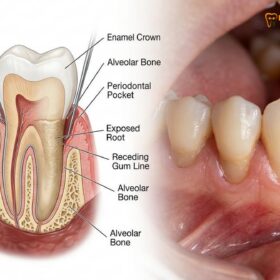
The pathogenesis of periodontal disease is a complex interplay between bacterial pathogens and the host’s immune response. It begins with the formation of the acquired pellicle on the tooth surface, a thin film of salivary proteins that provides an attachment site for primary bacterial colonizers. Within hours of brushing, these bacteria multiply and form a highly organized, sticky matrix known as dental plaque biofilm. If this biofilm is not mechanically disrupted, secondary colonizers—often more pathogenic, anaerobic bacteria—join the matrix. As the biofilm matures, it shifts from a relatively benign composition to one dominated by the red complex bacteria, including Porphyromonas gingivalis and Treponema denticola[1].
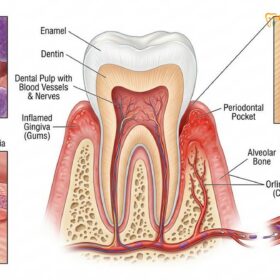
These pathogenic bacteria release endotoxins and metabolic byproducts that severely irritate the gingival tissues. In response, the body’s immune system dispatches neutrophils and macrophages to the site of infection. While attempting to destroy the bacteria, these immune cells release inflammatory mediators such as cytokines and matrix metalloproteinases. Ironically, it is this hyperactive host immune response that causes the most significant tissue damage, leading to the breakdown of collagen fibers in the periodontal ligament and the resorption of alveolar bone[2].
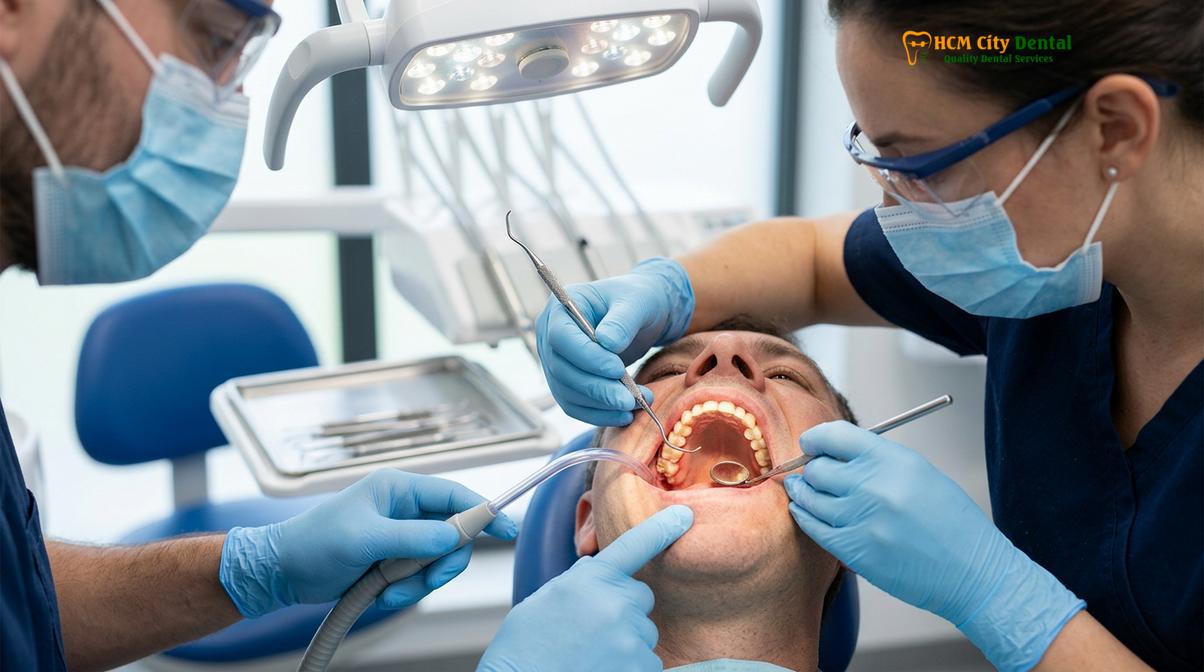
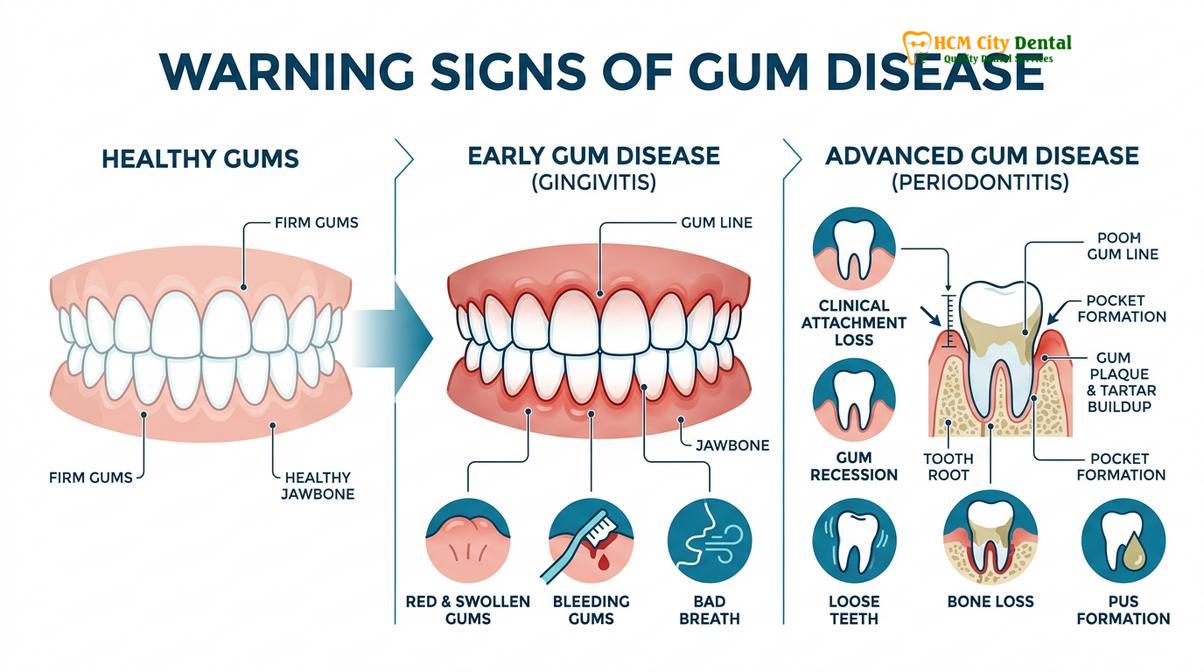
The initial stage of this inflammatory process is gingivitis, characterized by red, swollen, and bleeding gums. Gingivitis is entirely reversible because the underlying bone remains intact. However, if left untreated, the inflammation progresses into periodontitis, where the gingival tissue pulls away from the tooth, forming deep periodontal pockets that harbor even more aggressive bacteria. Once bone loss occurs, it cannot naturally regenerate.
By focusing on avoiding periodontitis through proactive measures, patients save themselves from the physical, emotional, and financial costs of advanced treatments. Once periodontitis sets in, patients may require intensive surgical therapies such as Gum Flap Surgery or bone grafting to stabilize the dentition. Therefore, preventive periodontal care is not merely about saving teeth; it is a critical component of holistic medical health and longevity.
12 Key Steps to Prevent Plaque and Gum Infection
A comprehensive prevention protocol involves a combination of precise daily mechanical cleaning, chemical adjuncts, and lifestyle modifications to maintain a healthy, balanced oral microbiome.
Achieving long-term periodontal stability requires a multifaceted approach. It is not enough to simply brush quickly; patients must adopt a strategic regimen that addresses all surfaces of the teeth and the surrounding soft tissues. Below is a detailed clinical breakdown of the essential steps required to prevent gum infection and maintain optimal oral health.
1. Brush Twice Daily with Precision: Brushing should occur at least twice a day, ideally in the morning and before bed. The nighttime brushing is particularly critical because salivary flow decreases significantly during sleep, reducing the mouth’s natural ability to buffer acids and wash away bacteria. Missing the evening brush allows bacterial colonies to multiply undisturbed for eight hours.
2. Mandatory Interdental Cleaning: Toothbrush bristles cannot penetrate the tight contact points between teeth. Flossing or using interdental brushes at least once daily is non-negotiable for removing the interproximal plaque where most periodontal lesions originate. Skipping this step leaves approximately 35% of the tooth surface entirely uncleaned.
3. Utilize Therapeutic Toothpaste: Select a toothpaste containing stannous fluoride or triclosan. Stannous fluoride not only remineralizes enamel but also possesses significant antibacterial properties that inhibit plaque toxicity and reduce gingival inflammation. It creates a protective barrier that prevents bacterial adherence to the tooth surface.
4. Adjunctive Antimicrobial Mouthwashes: While not a replacement for mechanical cleaning, mouthwashes containing essential oils, cetylpyridinium chloride, or chlorhexidine can help reduce the overall bacterial load in the oral cavity. These rinses penetrate the biofilm matrix and disrupt bacterial cell walls, providing an extra layer of chemical defense.
5. Implement Tongue Scraping: The dorsal surface of the tongue is highly papillated, providing a vast surface area for anaerobic bacteria to hide and multiply. Daily tongue scraping reduces this bacterial reservoir, significantly lowering the risk of plaque translocation from the tongue back to the teeth and gums.
6. Maintain Optimal Hydration: Adequate water intake is essential for maintaining healthy salivary flow. Saliva contains immunoglobulins, lysozymes, and buffering agents that naturally defend against pathogenic bacteria. Chronic dehydration leads to xerostomia (dry mouth), which accelerates plaque accumulation and gingival irritation.
7. Limit Fermentable Carbohydrates: Frequent consumption of sugary snacks and refined carbohydrates fuels the proliferation of acidogenic and inflammatory bacteria. Reducing the frequency of sugar intake starves these pathogens and prevents the rapid pH drops that compromise enamel and irritate gingival margins.
8. Absolute Smoking Cessation: Tobacco use is one of the most significant risk factors for periodontal disease. Smoking causes vasoconstriction in the gingival tissues, which masks the early warning sign of bleeding gums and severely impairs the immune system’s ability to heal and fight off periodontal pathogens.
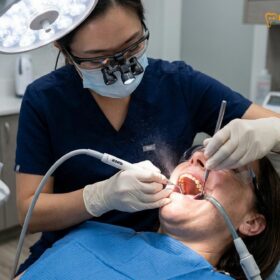
9. Routine Professional Prophylaxis: Even with meticulous home care, some plaque will inevitably calcify into calculus (tartar). Professional cleanings are required to scale away these hard deposits, particularly in the subgingival areas where home tools cannot reach.
10. Correct Malocclusion: Crooked, crowded, or overlapping teeth create plaque traps that are exceedingly difficult to clean. Orthodontic alignment fundamentally enhances the cleansability of the dentition, making daily hygiene routines far more effective at preventing localized gingivitis.
11. Manage Systemic Health Conditions: Systemic diseases have a bidirectional relationship with periodontal disease. Chronic gingival inflammation allows oral bacteria to enter the bloodstream, exacerbating conditions such as cardiovascular disease and poorly controlled diabetes[4]. Conversely, managing blood sugar levels improves gingival healing.
12. Follow National Guidelines: Adhering to structured preventive protocols, such as those supported by the Vietnam Odonto-Stomatology Association guidelines, ensures a standardized and effective approach to lifelong periodontal maintenance[5]. Following evidence-based recommendations guarantees that your daily routine is clinically sound.
| Intervention Type | Specific Action | Clinical Rationale | Frequency |
|---|---|---|---|
| Daily Home Care | Modified Bass Brushing | Disrupts biofilm at and slightly below the gingival margin. | Twice daily (2 minutes) |
| Daily Home Care | Interdental Cleaning | Removes plaque from interproximal embrasures inaccessible to toothbrushes. | Once daily |
| Professional Care | Periodontal Probing | Measures sulcus depth to detect early clinical attachment loss. | Every 6-12 months |
| Professional Care | Scaling and Polishing | Removes calcified calculus and extrinsic stains, smoothing the tooth surface. | Every 6 months |
Mastering the Bass Brushing Technique
The modified Bass brushing technique is the gold standard for periodontal health, specifically targeting the gingival sulcus where disease-causing bacteria accumulate.
Many patients unknowingly utilize a horizontal scrubbing motion when brushing their teeth. While this may remove superficial food debris from the smooth surfaces of the enamel, it is highly detrimental to periodontal health. Aggressive horizontal scrubbing causes gingival recession, cervical enamel abrasion, and completely fails to clean the most critical area: the gingival sulcus. The sulcus is the shallow V-shaped crevice between the tooth and the surrounding gum tissue, acting as the primary incubator for periodontal pathogens[3].
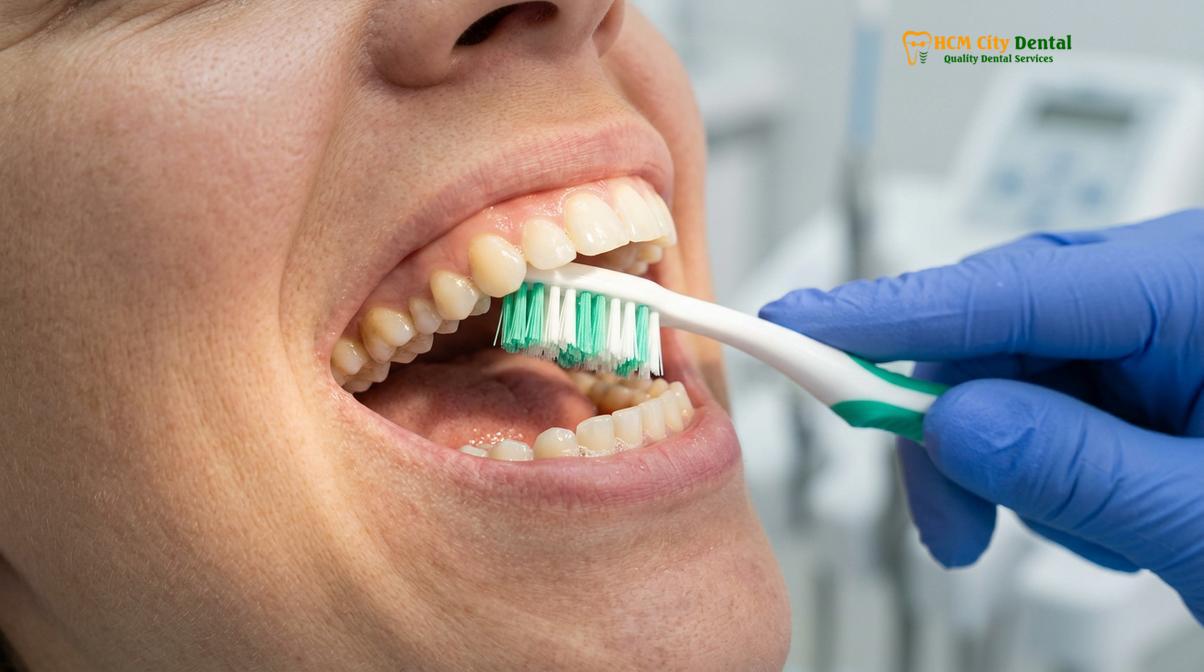
To effectively clean this space without causing trauma, dental professionals universally recommend the modified Bass brushing technique. This method requires a soft-bristled toothbrush, as medium or hard bristles can lacerate the delicate epithelial attachment. The technique is performed through precise angulation, placing the toothbrush parallel to the teeth, then tilting the brush head so the bristles are at a 45-degree angle directed toward the gumline.
“Effective plaque removal is not about the force applied to the brush, but the precise angulation and micro-movements that dislodge bacterial colonies from the gingival margin without causing tissue trauma.”
Ensure that the tips of the bristles are resting slightly below the gingival margin. Apply very light pressure and use a short, vibratory, back-and-forth motion for about 10 to 15 seconds per area. After the vibratory motion, roll or sweep the brush head away from the gumline toward the biting surface of the tooth to clear the dislodged debris. This sweeping motion ensures that the bacteria are removed from the sulcus rather than being pushed deeper into the pocket.
The Importance of Interdental Cleaning (Flossing and Brushes)
Interdental cleaning is essential because toothbrush bristles cannot penetrate the tight contact points between teeth where periodontal lesions most frequently originate.
The interproximal spaces—the areas between adjacent teeth—are the most vulnerable regions in the oral cavity. Because these areas are shielded from the natural cleansing action of the tongue, cheeks, and saliva, they provide an ideal, undisturbed, anaerobic environment for pathogenic bacteria to thrive. Establishing healthy habits requires a daily commitment to cleaning these hidden surfaces using the appropriate tools.
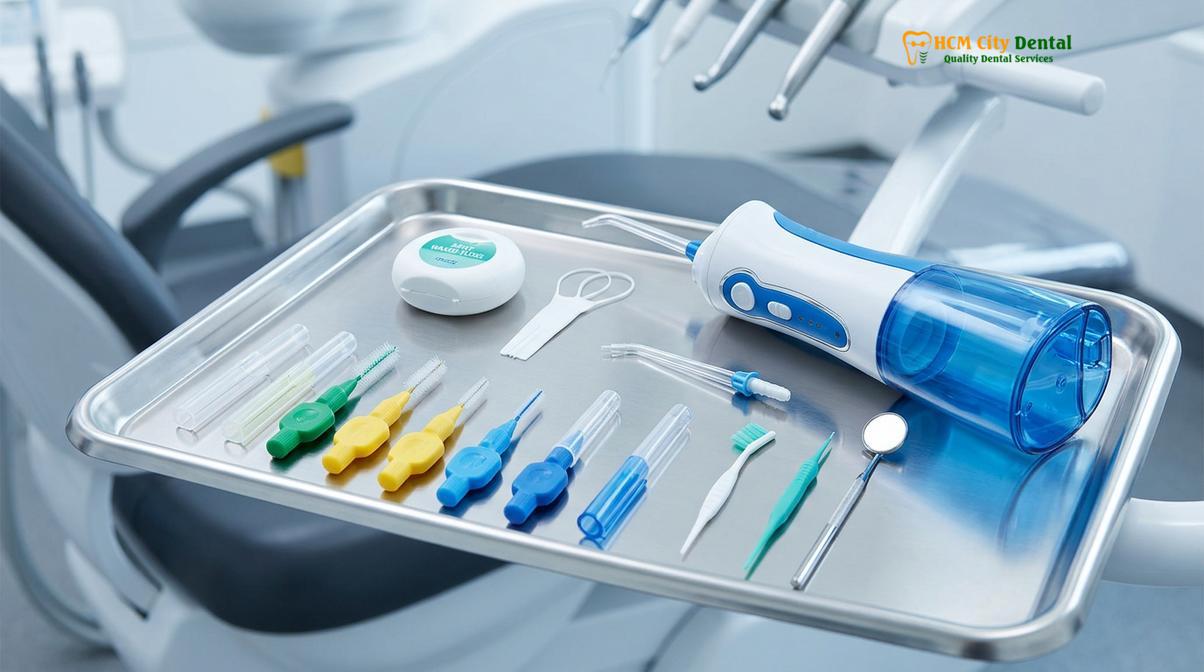
The choice of interdental cleaning tool depends heavily on the patient’s specific gingival anatomy. Dental floss is the traditional and highly effective tool for patients with healthy papillae that completely fill the space between the teeth. Proper flossing requires the “C-shape” technique: wrapping the floss tightly around the side of one tooth and sliding it gently beneath the gumline to scrape away the biofilm. Snapping the floss straight down can cut the gingival tissue and should be avoided.
For patients who have experienced past periodontal disease resulting in slight gum recession or “black triangles,” interdental brushes are vastly superior. These small, cylindrical brushes expand to fill the entire interproximal space and sweep plaque out of root concavities effectively. Water flossers also serve as an excellent adjunct, utilizing a pulsating stream of water to flush out unattached bacteria and food debris, which is particularly beneficial for patients with braces, dental implants, or deep periodontal pockets.
Dietary Choices that Strengthen Gum Tissue
A nutrient-rich diet supports the host immune response, providing the essential building blocks required to maintain resilient gingival tissues and robust alveolar bone.
While mechanical plaque control is the primary method of preventing gum disease, systemic nutrition plays a vital secondary role. The gingival tissues have a rapid turnover rate and require a constant supply of vitamins and minerals to repair micro-traumas and fight off bacterial endotoxins. Vitamin C is perhaps the most critical nutrient for periodontal health. It is essential for the synthesis of collagen, the primary structural protein in the gingival connective tissue and periodontal ligament. A deficiency in Vitamin C can lead to weakened blood vessels, resulting in gums that bleed easily even with gentle brushing.
Calcium and Vitamin D are equally important, as they maintain the density of the alveolar bone that supports the teeth. Adequate intake of these nutrients helps prevent the rapid bone resorption associated with periodontitis. Furthermore, Omega-3 fatty acids, found in fish oils and flaxseeds, possess potent anti-inflammatory properties. Studies suggest that a diet high in Omega-3s can help modulate the body’s hyperactive immune response to plaque bacteria, thereby reducing the severity of gingival inflammation.
Clinical Warning: Frequent consumption of acidic and sugary beverages not only causes enamel erosion but also creates an acidic oral environment that favors the growth of pathogenic, acid-tolerant bacteria. Limiting these dietary triggers is crucial for maintaining a balanced oral microbiome and preventing both dental caries and gingival inflammation.
Why Regular Dental Check-ups are Non-Negotiable
Routine professional dental visits are mandatory because home care alone cannot remove calcified calculus or diagnose early-stage periodontal attachment loss.
No matter how meticulously a patient brushes and flosses, some plaque will inevitably be missed. Within 48 to 72 hours, this residual plaque absorbs calcium and phosphate minerals from the saliva and calcifies into calculus (tartar). Once calculus forms, it creates a rough, porous surface that attracts even more plaque. Because calculus is firmly bonded to the tooth structure, it cannot be removed with a toothbrush or dental floss. It requires professional scaling using specialized ultrasonic and hand instruments.
During a routine check-up, a dental professional will perform a comprehensive periodontal evaluation. This includes using a periodontal probe to measure the depth of the sulcus around each tooth. Healthy sulcus depths range from 1 to 3 millimeters. Depths of 4 millimeters or greater indicate the formation of periodontal pockets and clinical attachment loss. Early detection through probing allows the dentist to intervene with localized treatments before significant bone destruction occurs. For a complete overview of preventive services, patients should explore the General Dentistry hub, which outlines the full spectrum of diagnostic and prophylactic care.
When to See a Dentist: Important Clinical Signs
Recognizing the early warning signs of periodontal distress allows for prompt clinical intervention before irreversible bone loss and tissue degradation occur.
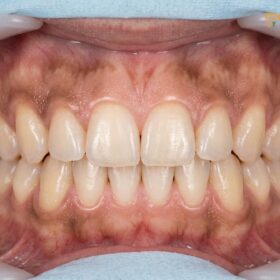
While diligent home care is the foundation of prevention, certain clinical symptoms indicate that the bacterial biofilm has overwhelmed the host’s immune response and professional treatment is urgently required. Healthy gums should appear firm, pale pink (or naturally pigmented depending on ethnicity), and stippled like the surface of an orange. They should never bleed during routine brushing, flossing, or eating hard foods.
If you notice persistent bleeding, this is the hallmark sign of active gingival inflammation. Additionally, localized puffiness or tenderness can indicate a deeper infection, which is thoroughly explored in our guide on Swollen Gums Around Tooth: Causes & Treatments. Another critical warning sign is chronic halitosis (bad breath) or a persistent bad taste in the mouth. Anaerobic bacteria trapped in deep periodontal pockets release volatile sulfur compounds, leading to severe malodor, a condition detailed in the Bad Breath Gum Disease Connection. Furthermore, if you observe sudden changes in gingival pigmentation or recession, consulting resources on Black Gums Causes & Clinical Treatments can provide insight. If any of these symptoms arise, scheduling a comprehensive periodontal evaluation is imperative.
Case Study: Reversing Early Gingivitis in Ho Chi Minh City
Clinical intervention combined with targeted home care education can rapidly reverse early-stage gingival inflammation and restore optimal periodontal health.
A recent patient visiting HCMC Dental Clinic in Ho Chi Minh City presented with chief complaints of bleeding gums during brushing and generalized gingival tenderness. Upon clinical examination, the gingival margins appeared erythematous (red) and edematous (swollen), with heavy plaque accumulation along the lingual surfaces of the lower anterior teeth.
Dr. Nguyen Van Cuong, a leading periodontal specialist at HCMC Dental Clinic, conducted a thorough periodontal assessment for the patient. He noted that while the patient had localized inflammation and pocket depths of 3-4mm, the alveolar bone remained completely intact on the radiographs. Dr. Cuong emphasizes that patient education is the cornerstone of preventing gum disease. He routinely integrates advanced diagnostic tools with personalized home-care instructions to ensure long-term gingival health for his patients. For this case, Dr. Cuong prescribed a targeted regimen of Deep Cleaning Teeth combined with improved home care.
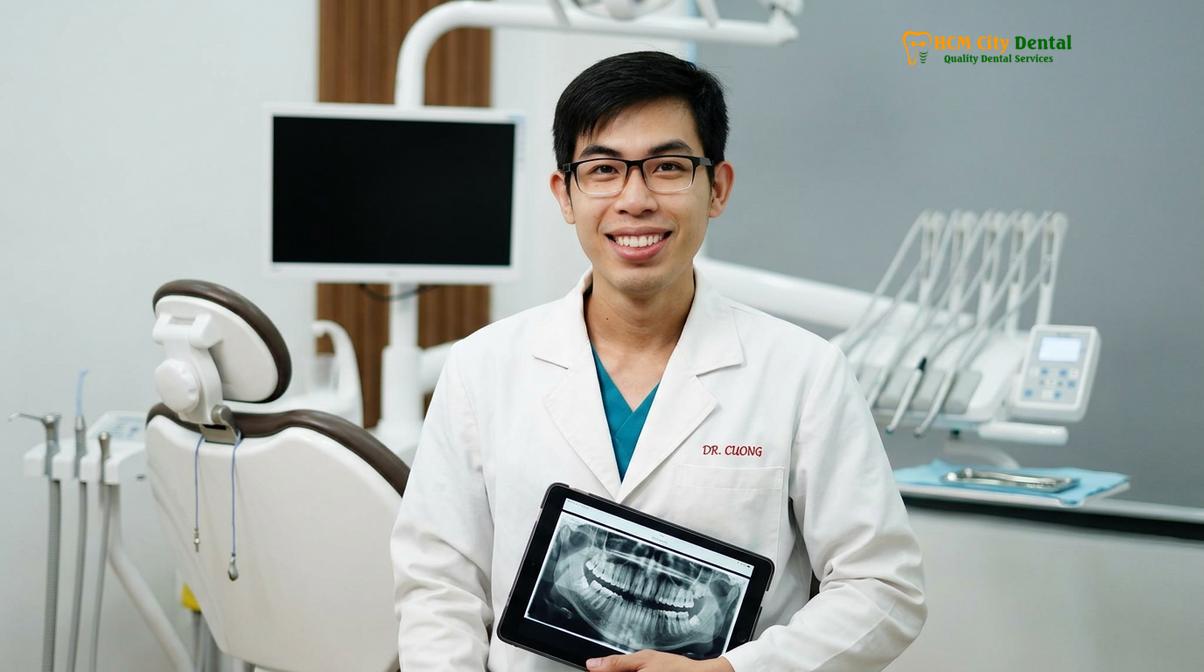
“Preventive dentistry is a lifelong partnership between the patient and the clinical team, where daily habits at home are just as critical as professional interventions in the dental chair.”
Following the professional debridement, the clinical team provided hands-on instruction regarding the modified Bass brushing technique and the proper sizing of interdental brushes. At the four-week follow-up appointment, the patient’s gingival tissues had returned to a firm, pale pink state with zero bleeding upon probing, demonstrating the profound efficacy of combining professional therapy with diligent at-home prevention.
Comprehensive Periodontal Care at HCMC Dental Clinic
Preventing gum disease is an ongoing commitment that requires both personal dedication and professional oversight. By mastering mechanical plaque control, utilizing the correct interdental tools, and addressing systemic risk factors, you can maintain a healthy, resilient periodontium for life. For expert guidance on maintaining your oral health and to access a full spectrum of preventive services, schedule a consultation with the specialists at HCMC Dental Clinic in Ho Chi Minh City. Our team is dedicated to providing evidence-based care tailored to your unique clinical needs. Learn more about our comprehensive approach by visiting our General Dentistry services page.
Frequently Asked Questions
Can you prevent gum disease if it runs in your family?
Yes, you can prevent gum disease even with a genetic predisposition by maintaining impeccable oral hygiene and increasing the frequency of professional dental visits. While genetics can influence your immune response and susceptibility to inflammation, periodontal disease is fundamentally a bacteria-driven infection. By strictly controlling the bacterial plaque biofilm through daily mechanical cleaning and professional scaling, you can override genetic vulnerabilities and maintain healthy periodontal tissues.
What is the best way to clean between teeth?
The best method depends on your anatomy; dental floss is ideal for tight contacts and healthy papillae, while interdental brushes are superior for larger gaps and exposed root concavities. Water flossers can also serve as an excellent adjunct, particularly for patients with orthodontic appliances or complex dental restorations. A clinical assessment by your dentist will determine the most effective interdental tools for your specific embrasure spaces.
How often should I change my toothbrush to protect my gums?
You should replace your toothbrush or electric brush head every three to four months, or sooner if the bristles become frayed or splayed. Worn bristles lose their ability to effectively sweep plaque from the gingival sulcus and can actually harbor harmful bacteria. Furthermore, frayed bristles can become abrasive, causing micro-trauma to the delicate gingival margins and contributing to tissue recession.
Does drinking water prevent gum disease?
Yes, drinking adequate water helps prevent gum disease by stimulating saliva production and naturally washing away food particles and loose bacteria. Saliva is the mouth’s primary defense mechanism, containing essential minerals like calcium and phosphate that remineralize enamel, as well as antimicrobial enzymes that neutralize plaque acids. Staying hydrated prevents dry mouth (xerostomia), which is a major risk factor for rapid plaque accumulation and gingival inflammation.
Can mouthwash replace flossing for gum prevention?
No, mouthwash cannot replace flossing, as chemical rinses are unable to penetrate and physically dislodge the sticky bacterial biofilm trapped between teeth. While therapeutic mouthwashes containing essential oils, cetylpyridinium chloride, or chlorhexidine can reduce overall bacterial load and inhibit plaque formation, they are strictly adjunctive. Mechanical disruption via flossing or interdental brushing remains the absolute requirement for interproximal disease prevention.
References
- Journal of Clinical Periodontology. The pathogenesis of periodontal diseases and the role of mechanical plaque control.
- American Academy of Periodontology. Comprehensive periodontal therapy: a statement on prevention and clinical management.
- International Journal of Dental Hygiene. Efficacy of the modified Bass brushing technique in gingivitis prevention.
- Journal of Periodontal Research. The systemic link: periodontal inflammation and cardiovascular health.
- Vietnam Odonto-Stomatology Association (VOSA). National guidelines on periodontal disease prevention and management.
For pricing, booking, and a free clinical assessment, visit our Gum Disease Treatment service page at HCMC Dental Clinic in Ho Chi Minh City.