Finding a highly qualified English speaking dentist for wisdom teeth extraction ensures precise communication, accurate diagnosis, and a stress-free surgical experience. At HCMC Dental Clinic in Ho Chi Minh City, our internationally trained oral surgeons provide safe, minimally invasive extractions tailored specifically to the clinical needs of expatriates and international patients.
Clinical Summary:
Wisdom tooth extraction is a complex oral surgery requiring meticulous diagnostic planning and flawless patient-surgeon communication. For international patients, language barriers can induce significant anxiety and lead to critical misunderstandings regarding surgical risks and post-operative care. An English-speaking dental surgeon in HCMC mitigates these risks by thoroughly explaining 3D CBCT scans, discussing various anesthesia options, and providing detailed recovery protocols in fluent English. Dr. Nguyen Van Cuong emphasizes that comprehensive preoperative consultations significantly reduce surgical complications and improve patient compliance. Modern clinics utilize advanced technologies like Piezotome ultrasonic surgery and Platelet-Rich Fibrin (PRF) to accelerate healing and minimize bone trauma. By choosing a specialized clinic, patients receive international-standard care, transparent pricing, and comprehensive medical documentation in English, ensuring a seamless and highly professional healthcare experience abroad.
Key Takeaways:
- Clear English communication prevents critical misunderstandings regarding surgical risks, anesthesia, and post-operative care.
- 3D CBCT imaging is mandatory for accurately assessing the proximity of impacted wisdom teeth to the inferior alveolar nerve.
- Minimally invasive techniques, such as Piezotome ultrasonic surgery, significantly reduce bone trauma and postoperative swelling.
- Internationally trained surgeons provide comprehensive treatment plans, consent forms, and medical records entirely in English.
- Transparent pricing and direct communication channels streamline the booking and triage process for international patients.
The Importance of Clear Communication in Oral Surgery
Effective communication in oral surgery is critical for accurate diagnosis, informed consent, and ensuring the patient fully understands the surgical risks and post-operative care instructions.
Undergoing oral surgery in a foreign country can be a daunting prospect, primarily due to the potential for miscommunication. When dealing with complex procedures such as the removal of impacted third molars, the nuances of medical terminology must be conveyed accurately. An Tooth Extraction requires a thorough understanding of the patient’s comprehensive medical history, including systemic conditions, current medications, and known drug allergies. Language barriers can obscure these vital details, potentially leading to severe intraoperative or postoperative complications.
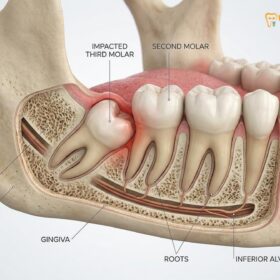
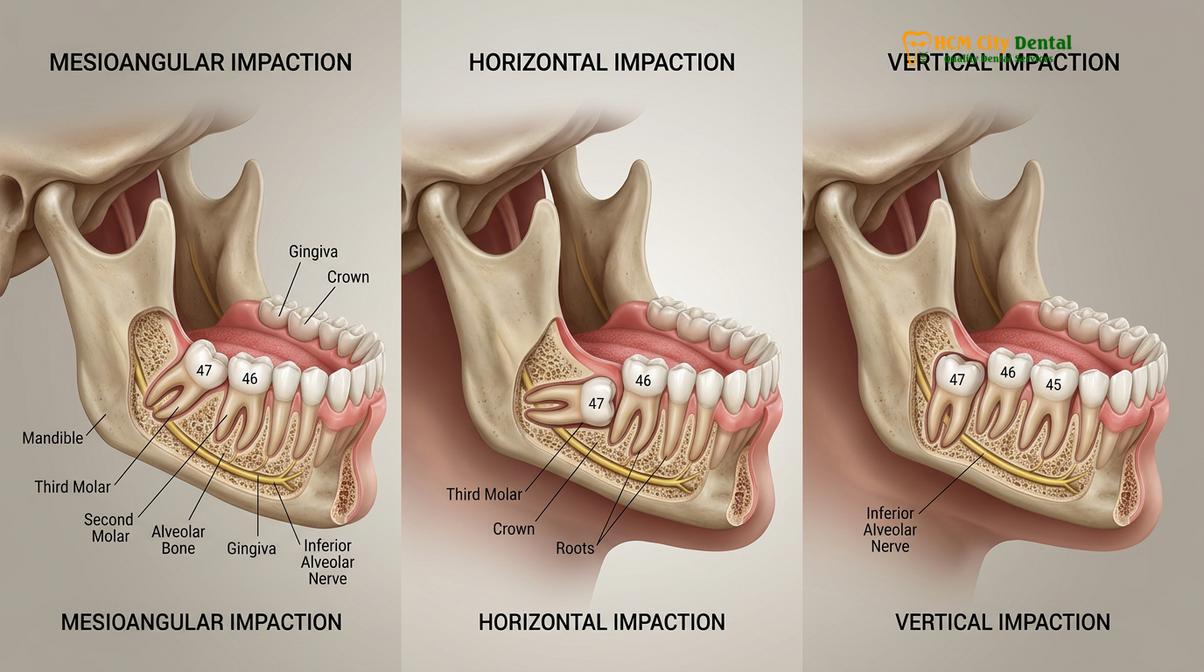
For an expat dentist saigon wisdom teeth specialist, the initial consultation serves as the foundation of a safe surgical intervention. During this phase, the surgeon must explain the specific type of impaction—whether it is mesioangular, distoangular, vertical, or horizontal—and how this anatomical positioning dictates the surgical approach[1]. Patients need to understand why a surgical flap might be necessary, how bone removal will be managed, and the rationale behind sectioning the tooth to protect adjacent structures.
Furthermore, the concept of informed consent is paramount in modern clinical practice. Informed consent is not merely a signature on a document; it is a dynamic dialogue between the surgeon and the patient. The patient must be fully apprised of potential risks, such as temporary or permanent paresthesia of the inferior alveolar nerve, sinus communication in the case of maxillary extractions, and the development of alveolar osteitis (dry socket)[2]. An English-speaking dentist ensures that these risks are articulated clearly, allowing the patient to make an educated decision regarding their healthcare.
“Clear, empathetic communication is the cornerstone of successful oral surgery. When a patient fully understands their diagnosis and the surgical workflow, their preoperative anxiety decreases, which clinically correlates with smoother intraoperative management and improved postoperative recovery.”
Post-operative compliance is another area where fluent communication is indispensable. The success of a wisdom tooth extraction relies heavily on the patient adhering to strict aftercare protocols. Instructions regarding hemostasis management, cold therapy for edema reduction, dietary restrictions, and specific oral hygiene practices must be understood without ambiguity. Misinterpreting instructions—such as vigorously rinsing the mouth too early—can dislodge the blood clot and lead to painful complications. Therefore, receiving care from a clinic that provides all verbal and written instructions in English is a critical safety measure for international patients.
Our Oral Surgery Team: Qualifications & International Training
Our oral surgeons undergo rigorous international training and continuous medical education, ensuring they deliver world-class surgical care and communicate fluently with expatriate patients.
The clinical proficiency of the surgical team is the most significant determinant of a successful outcome in wisdom tooth extraction. In Vietnam, the pathway to becoming a specialized oral surgeon involves completing a comprehensive Doctor of Dental Surgery (DDS) degree, followed by intensive postgraduate residency training in oral and maxillofacial surgery. However, to cater effectively to an international demographic, an english dental surgeon hcmc must possess qualifications that extend beyond standard local requirements.
At HCMC Dental Clinic, our surgical team is distinguished by their commitment to global standards of dental medicine. Many of our specialists have completed advanced fellowships and continuous medical education (CME) programs in Europe, the United States, or South Korea. This international exposure ensures that they are well-versed in the latest surgical protocols, advanced pharmacologic pain management, and minimally invasive extraction techniques.
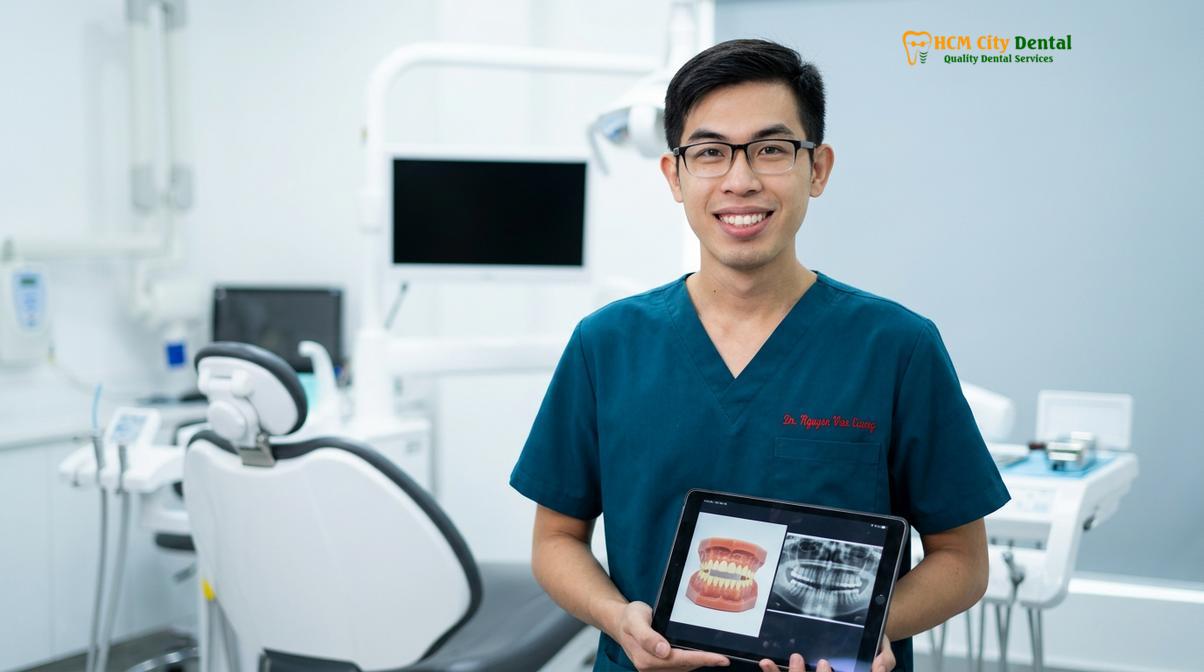
Dr. Nguyen Van Cuong, a leading specialist at our clinic, exemplifies this high standard of care. With extensive experience in managing complex bony impactions and medically compromised patients, Dr. Cuong integrates evidence-based practices into every surgical plan. His ability to communicate complex anatomical concepts in fluent English provides immense reassurance to patients who may be unfamiliar with the local healthcare system.
To illustrate the difference between standard care and the international-standard care provided at our clinic, consider the following clinical parameters:
| Clinical Parameter | Standard Dental Clinic | International-Standard Clinic (HCMC Dental) |
|---|---|---|
| Diagnostic Imaging | 2D Panoramic X-ray (OPG) | High-resolution 3D CBCT scanning for precise nerve mapping |
| Surgical Technique | Traditional rotary burs and elevators | Ultrasonic Piezotome surgery for minimal bone trauma |
| Language Support | Basic or translated communication | Fluent English consultations and medical documentation |
| Infection Control | Basic local sterilization protocols | Strict adherence to FDA and European CE sterilization standards |
| Post-Operative Care | Generic verbal instructions | Detailed English written guides, PRF application, and remote follow-up |
The integration of international training ensures that our surgeons are not only technically proficient but also culturally competent. They understand the specific expectations of expatriates and tourists, prioritizing transparency, punctuality, and a patient-centric approach. This dedication to excellence positions our team as the premier choice for those seeking a Best Clinic Wisdom Teeth Removal HCMC.
What to Expect at an English-Speaking Clinic in Saigon
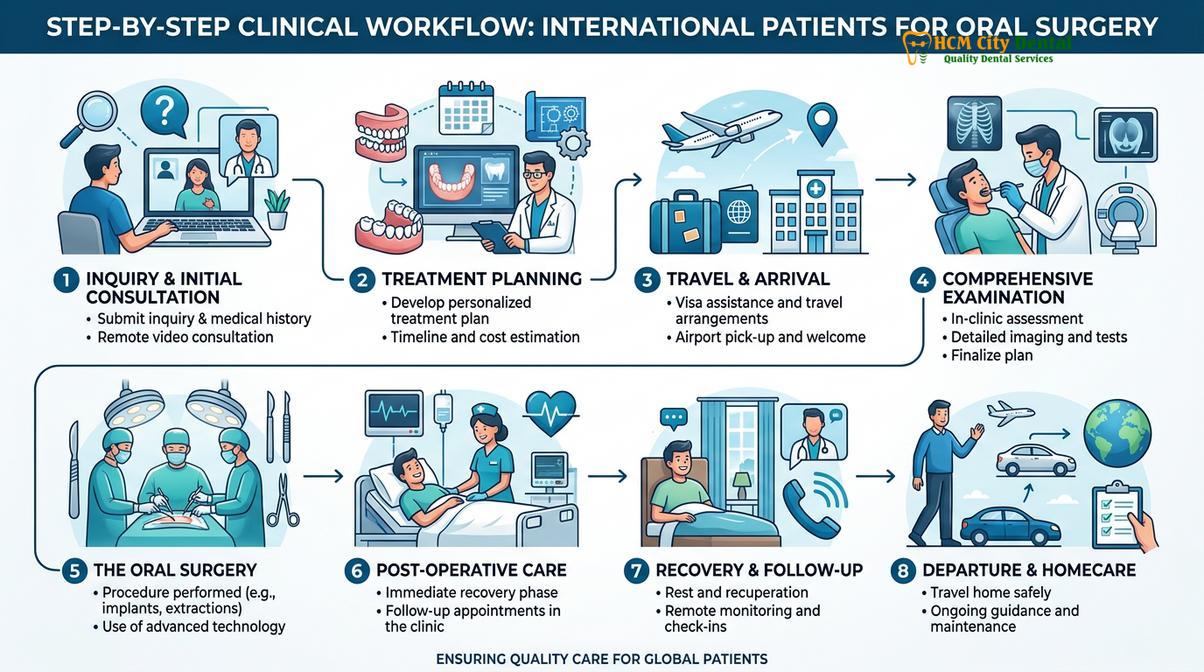
International patients can expect a seamless clinical workflow, from comprehensive English consultations and transparent treatment planning to dedicated post-operative follow-up.
Navigating a healthcare system in a foreign country can be challenging, but choosing a foreigner friendly dentist vietnam transforms the experience into a structured, predictable, and highly professional journey. From the moment an international patient contacts HCMC Dental Clinic, the workflow is designed to eliminate friction and provide absolute clarity at every step.
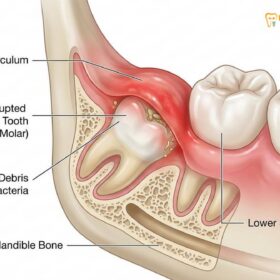
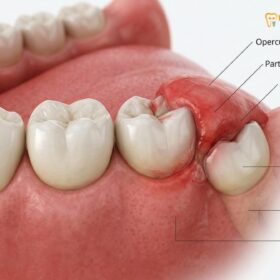
The clinical journey begins with a comprehensive initial consultation. Unlike rushed appointments, this session is dedicated to a thorough review of the patient’s medical history, current symptoms, and specific concerns. The surgeon will conduct a detailed extraoral and intraoral examination, assessing for signs of pericoronitis, trismus, or adjacent tooth decay caused by the impacted molar. Because the consultation is conducted entirely in English, patients can freely articulate their symptoms, such as radiating jaw pain or difficulty chewing, ensuring no diagnostic clues are missed.
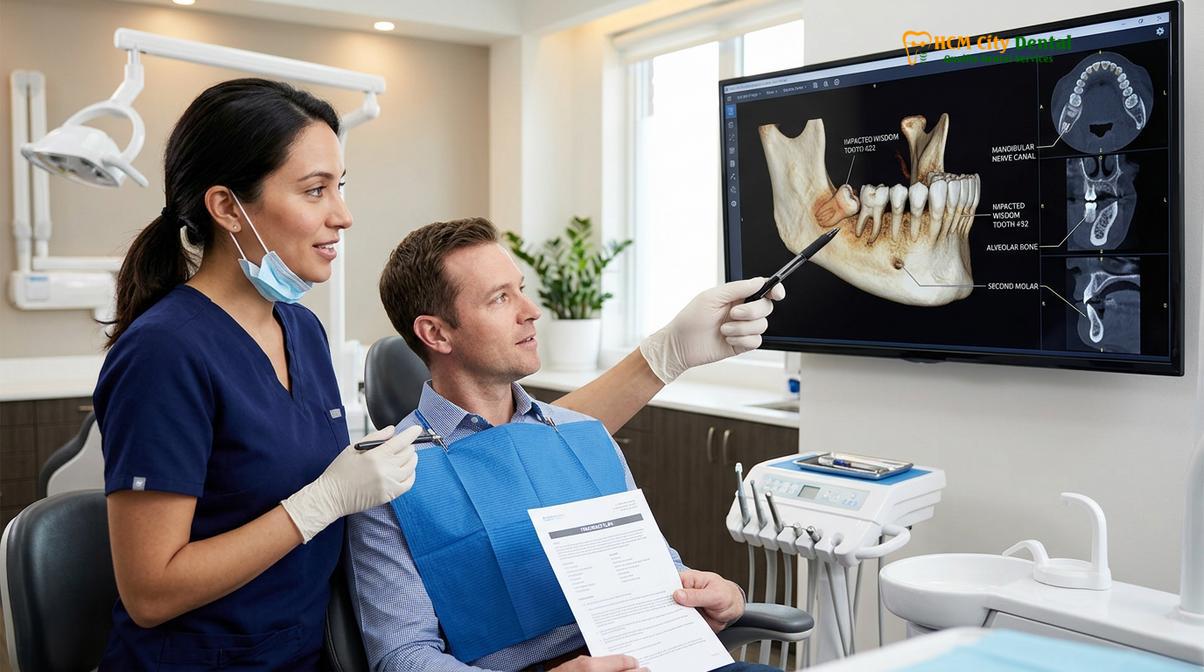
Following the clinical examination, the diagnostic phase utilizes advanced imaging to formulate a precise treatment plan. The surgeon will review the 3D CBCT scan alongside the patient, pointing out the exact position of the wisdom tooth, its angulation, and its proximity to critical anatomical landmarks like the mandibular canal or the maxillary sinus floor[3]. This visual and verbal explanation demystifies the procedure, allowing the patient to visualize exactly why the extraction is necessary and how it will be performed.
Transparency in treatment planning and pricing is a hallmark of our clinic. Before any procedure begins, patients receive a detailed, itemized treatment plan in English. This document outlines the surgical fees, the cost of anesthesia, any necessary bone grafting or PRF materials, and the prescribed medications. There are no hidden costs, allowing international patients to budget accurately or coordinate with their international health insurance providers.
On the day of surgery, the clinical environment is optimized for patient comfort. The surgical team ensures that the patient is fully anesthetized and comfortable before commencing the procedure. Post-operatively, the patient is moved to a dedicated recovery area where they are monitored until they are ready to be discharged. They are provided with a comprehensive English care package, which includes prescribed medications, extra gauze, and a detailed guide on Foods to Eat After Wisdom Teeth Removal to ensure optimal nutritional intake during the healing phase.
Advanced Diagnostic Capabilities (3D CBCT) & Pain Management
Utilizing 3D CBCT imaging and advanced anesthesia protocols ensures precise surgical planning, minimizes nerve damage risks, and provides a virtually painless extraction experience.
The surgical removal of impacted wisdom teeth, particularly in the mandible, carries inherent anatomical risks. The roots of lower third molars are frequently situated in close proximity to the inferior alveolar nerve, which provides sensation to the lower lip, chin, and teeth. Traditional 2D panoramic X-rays (OPG) provide a flat representation of the jaw, which can sometimes distort the true spatial relationship between the tooth roots and the nerve canal.
To mitigate these risks, our clinic employs state-of-the-art 3D Cone Beam Computed Tomography (CBCT). A CBCT scan generates a high-resolution, three-dimensional reconstruction of the maxillofacial region. This allows the surgeon to view the impacted tooth from multiple planes (axial, coronal, and sagittal), accurately measuring the distance between the root apices and the nerve, and assessing the density of the surrounding alveolar bone[4]. This level of diagnostic precision is non-negotiable for complex impactions and is a standard of care for any reputable international clinic.
Pain management is often the primary concern for patients undergoing oral surgery. We utilize a multi-modal approach to ensure a Painless Wisdom Teeth Removal experience. This begins with the application of a high-strength topical anesthetic gel to numb the injection site, followed by the precise administration of local anesthetics (such as Articaine or Lidocaine with Epinephrine) using computer-controlled delivery systems that minimize tissue distension and injection pain.
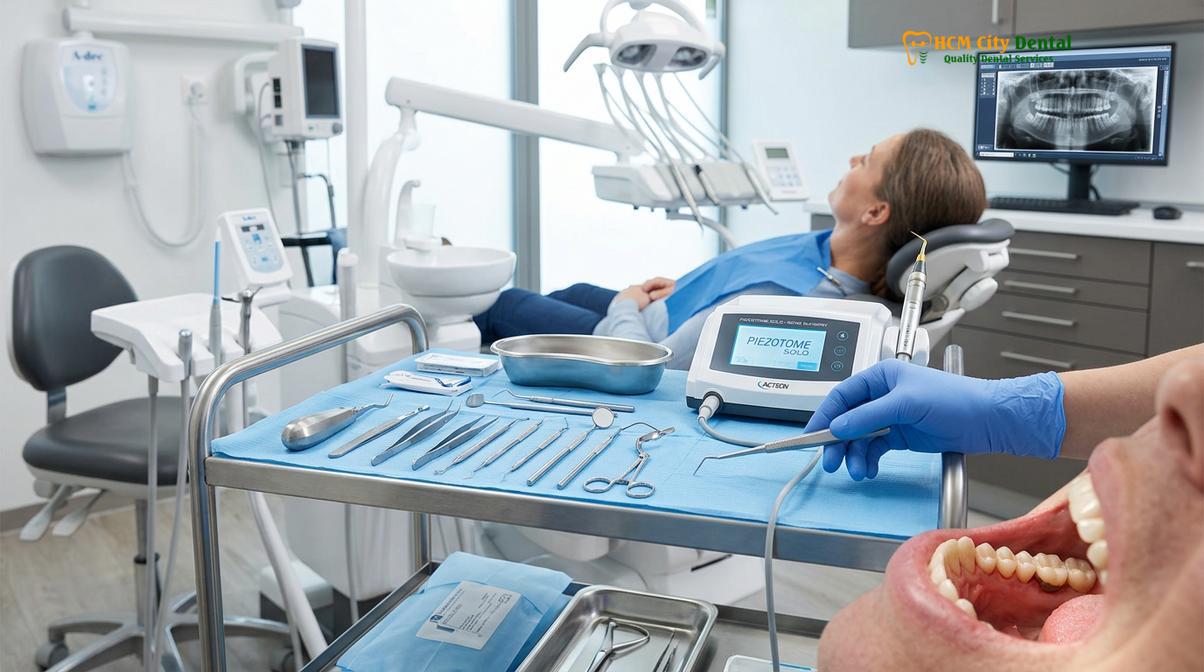
For the surgical extraction itself, we have transitioned away from traditional rotary drills for bone removal in favor of ultrasonic Piezotome technology. The Piezotome uses high-frequency ultrasonic micro-vibrations to cut bone with extreme precision while preserving soft tissues, such as nerves, blood vessels, and the oral mucosa. According to Dr. Nguyen Van Cuong, utilizing a Piezotome device significantly reduces surgical trauma, which directly translates to less postoperative swelling, reduced pain, and a faster overall recovery trajectory for the patient.
Furthermore, to optimize the healing of the extraction socket, we frequently utilize Platelet-Rich Fibrin (PRF). PRF is an autologous biomaterial derived from a small sample of the patient’s own blood, which is centrifuged to concentrate platelets, leukocytes, and growth factors. When placed into the extraction socket, the PRF membrane acts as a biological scaffold, accelerating soft tissue closure, promoting bone regeneration, and significantly reducing the incidence of alveolar osteitis (dry socket)[5].
Patient Case Studies: Expats and Tourists Share Their Experience
Clinical case studies demonstrate how tailored surgical approaches and clear English communication successfully resolve complex wisdom tooth impactions for international patients.
Theoretical knowledge and advanced technology must ultimately translate into successful clinical outcomes. Reviewing real-world case studies provides valuable insight into how an international oral surgeon saigon manages complex surgical scenarios while ensuring the patient feels supported and informed throughout the process.
Clinical Case Study: Complex Horizontal Impaction in an Expatriate Patient
Patient Profile: A 34-year-old expatriate living in Ho Chi Minh City presented to HCMC Dental Clinic with severe, radiating pain in the lower right quadrant, accompanied by limited mouth opening (trismus) and localized swelling.
Diagnostic Findings: A 3D CBCT scan revealed a deeply impacted, horizontal mandibular right third molar (Tooth 48). The crown of the wisdom tooth was causing severe resorption on the distal root of the adjacent second molar. Furthermore, the root apices of the impacted tooth were in direct contact with the superior cortical border of the inferior alveolar nerve canal.
Surgical Intervention: Due to the high risk of nerve injury, a meticulous surgical plan was developed and explained to the patient in detail. Under profound local anesthesia, a full-thickness mucoperiosteal flap was raised. The surgeon utilized a Piezotome device to carefully remove the overlying cortical bone without endangering the underlying nerve. The tooth was then sectioned into multiple fragments to allow for atraumatic elevation and removal. The socket was thoroughly irrigated, and a PRF membrane was placed to facilitate rapid healing.
Outcome: The patient reported minimal postoperative discomfort and swelling. Normal jaw function returned within four days. The clear English instructions regarding Clean Wisdom Tooth Socket protocols ensured the patient maintained excellent oral hygiene, preventing any secondary infection. The patient successfully retained the adjacent second molar, which healed favorably after the removal of the impaction.
This case highlights the critical intersection of advanced diagnostic imaging, precise surgical execution, and effective patient communication. For older patients or those with underlying health conditions, such as those requiring Wisdom Tooth Extraction: Diabetes & Blood Thinners management, the ability to discuss complex medical protocols in English is absolutely vital for ensuring patient safety and achieving predictable surgical outcomes.
When to See a Doctor for Wisdom Tooth Complications
While preventative extraction is often recommended, many patients wait until symptoms arise before seeking treatment. It is crucial to recognize the clinical signs that indicate an impacted wisdom tooth has progressed from a potential problem to an active medical issue requiring immediate professional intervention.
Important Clinical Considerations: Seek Immediate Care If You Experience:
- Severe Trismus: An inability to open your mouth more than a few centimeters, indicating severe muscle inflammation or spreading infection in the fascial spaces of the jaw.
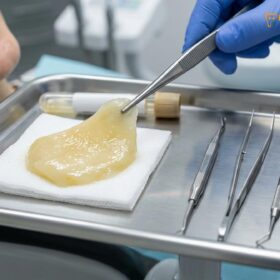
- Purulent Exudate: The presence of pus draining from the gums around the back of the mouth, often accompanied by a foul taste and persistent bad breath.
- Systemic Symptoms: The onset of a fever, chills, or swollen lymph nodes in the neck, which suggests the localized oral infection is spreading systemically.
- Unexplained Numbness: Paresthesia or tingling in the lower lip, chin, or tongue, which may indicate that the impacted tooth or an associated cyst is compressing the inferior alveolar or lingual nerve.
- Radiating Pain: Intense, throbbing pain that radiates to the ear, temple, or neck and is not relieved by over-the-counter analgesics.
If you experience any of these symptoms, it is imperative to schedule an emergency consultation. Delaying treatment for an acute pericoronitis or a deep fascial space infection can lead to severe, life-threatening complications. A thorough clinical examination and CBCT imaging are required to diagnose the extent of the pathology and determine the appropriate surgical or pharmacological intervention.
How to Book an English Consultation Directly on WhatsApp
Booking a consultation is streamlined through direct messaging platforms like WhatsApp, allowing international patients to easily share dental records and schedule appointments.
Recognizing the unique needs of international travelers and expatriates, modern dental clinics in Ho Chi Minh City have optimized their patient onboarding processes. We understand that navigating phone calls in a foreign country can be inconvenient, which is why we offer direct, secure communication channels.
Patients can easily initiate contact with HCMC Dental Clinic via WhatsApp. This platform allows for asynchronous communication, which is ideal for patients in different time zones planning their dental tourism trip. Through WhatsApp, you can speak directly with our English-speaking international patient coordinators. You can securely send previous dental X-rays, describe your symptoms, and receive a preliminary assessment and estimated cost breakdown before you even arrive at the clinic.
Our team provides flexible scheduling to accommodate the itineraries of tourists and the busy schedules of working expatriates. From arranging the initial consultation to coordinating post-operative follow-ups, our digital communication workflow ensures that you have continuous access to professional support throughout your entire dental care journey in Vietnam. For older adults considering treatment, we also provide specialized guidance, such as our Wisdom Teeth Removal at 30 & 40 clinical protocols, ensuring age-appropriate surgical planning.
Frequently Asked Questions
Do dentists in Ho Chi Minh City speak English?
Yes, many top-tier dental professionals in Ho Chi Minh City speak fluent English. Clinics catering to international patients employ specialists who have trained abroad or completed extensive medical English courses, ensuring clear communication regarding diagnoses, surgical risks, and post-operative care without language barriers. This linguistic proficiency extends to the entire clinical staff, including receptionists and dental assistants, guaranteeing a smooth and comfortable experience from the moment you enter the clinic.
How are oral surgeons trained in Vietnam?
Oral surgeons in Vietnam undergo a rigorous six-year Doctor of Dental Surgery (DDS) program, followed by specialized postgraduate residency training in oral and maxillofacial surgery. Many leading surgeons also pursue international fellowships and continuous medical education in Europe or the US to master advanced surgical techniques. This dual foundation of intensive local clinical experience combined with global surgical standards ensures they are highly capable of managing complex bony impactions and reconstructive procedures.
Can I ask questions directly to my surgeon during consultation?
Absolutely. Direct communication with your surgeon is a cornerstone of international-standard dental care. You are encouraged to ask detailed questions about your 3D CBCT scan, the proposed surgical approach, anesthesia options, and expected recovery timelines to ensure you are fully informed before proceeding. A reputable surgeon will always allocate sufficient time to address your concerns, ensuring you feel completely confident and relaxed prior to the surgical intervention.
How do I book an appointment with an English-speaking surgeon?
Booking an appointment is highly streamlined for international patients. You can easily schedule a consultation by contacting the clinic directly via WhatsApp, email, or the official website contact form. Our international patient coordinators will assist you in arranging a convenient time for your visit. They can also help triage your case by reviewing any existing X-rays you send digitally, allowing the surgical team to prepare for your specific clinical needs in advance.
Are medical records and prescriptions provided in English?
Yes, reputable clinics provide all medical documentation in English. This includes your comprehensive treatment plan, digital 3D CBCT imaging reports, surgical consent forms, detailed post-operative care instructions, and pharmaceutical prescriptions, ensuring you can seamlessly continue your healthcare journey anywhere in the world. Having these records in English is particularly crucial for expatriates who may need to submit claims to international health insurance providers or share their surgical history with dentists in their home country.
“Providing comprehensive medical documentation in English is not just a convenience; it is a fundamental aspect of patient safety and continuity of care for the global citizen.”
References
- Journal of Oral and Maxillofacial Surgery. Recovery after third molar extraction. (2021).
- International Journal of Oral and Maxillofacial Surgery. Piezotome vs rotary drill in wisdom teeth removal. (2019).
- British Dental Journal. Dry socket incidence and prevention with PRF. (2020).
- Journal of the American Dental Association. Mandibular third molar impaction classifications. (2022).
- Clinical Oral Investigations. Lingual nerve protection during surgical extraction. (2018).