Achieving a painless wisdom teeth removal is entirely possible today through the integration of computer-guided anesthesia, ultrasonic bone surgery, and advanced sedation protocols. By replacing traditional brute-force methods with minimally invasive technology, clinical teams can significantly reduce surgical trauma, ensuring a comfortable procedure and a swift, complication-free recovery.
Clinical Summary:
Modern oral and maxillofacial surgery has transformed third molar extractions into a highly tolerable, predictable experience. Utilizing computer-controlled local anesthesia delivery (CCLAD) eliminates the initial injection pain, while Piezotome ultrasonic instruments allow for precise bone modification without damaging adjacent soft tissues, blood vessels, or nerves. The integration of autologous Platelet-Rich Fibrin (PRF) further optimizes the healing cascade, drastically lowering the risk of alveolar osteitis (dry socket). When combined with tailored conscious sedation protocols, patients can undergo complex extractions with minimal physiological and psychological stress, ensuring optimal postoperative outcomes and a rapid return to normal function.
Key Takeaways:
- Computer-guided anesthesia regulates fluid flow rate to eliminate injection discomfort and tissue pressure.
- Ultrasonic Piezotome technology cuts hard bone precisely while preserving delicate nerves and gingival tissues.
- Autologous PRF therapy accelerates socket healing, promotes hemostasis, and reduces dry socket risks.
- Conscious sedation options, including nitrous oxide and IV sedation, manage dental anxiety effectively.
- Minimally invasive surgical techniques result in significantly less postoperative swelling, trismus, and pain.
Redefining Dental Surgery: The Painless Wisdom Tooth Extraction Concept
The concept of painless extraction relies on advanced 3D diagnostic imaging and minimally invasive surgical techniques to remove third molars with absolute precision and minimal tissue disruption.
For decades, the prospect of having third molars removed was associated with significant anxiety, primarily due to the invasive nature of traditional surgical techniques. However, the paradigm of oral surgery has shifted dramatically. The modern approach to Tooth Extraction prioritizes patient comfort, tissue preservation, and accelerated recovery. This evolution is driven by a deeper understanding of pain pathways, advanced pharmacology, and the development of highly specialized surgical instrumentation.
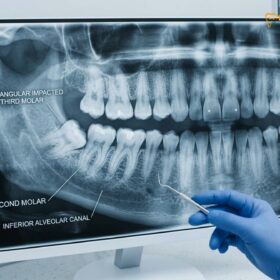
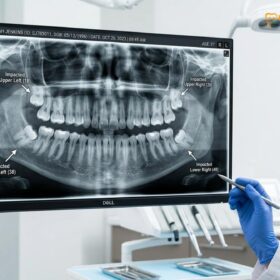
Wisdom teeth, or third molars, are the final set of teeth to develop, typically erupting between the late teens and early twenties. Due to evolutionary changes in human jaw size, these teeth frequently lack adequate space to erupt fully into a functional position. This lack of space leads to various classifications of impaction—including mesioangular, horizontal, vertical, and distoangular impactions[1]. When a tooth is impacted or partially erupted, it becomes a magnet for bacterial plaque, leading to pericoronitis (gum inflammation), adjacent tooth decay, and cystic formations.
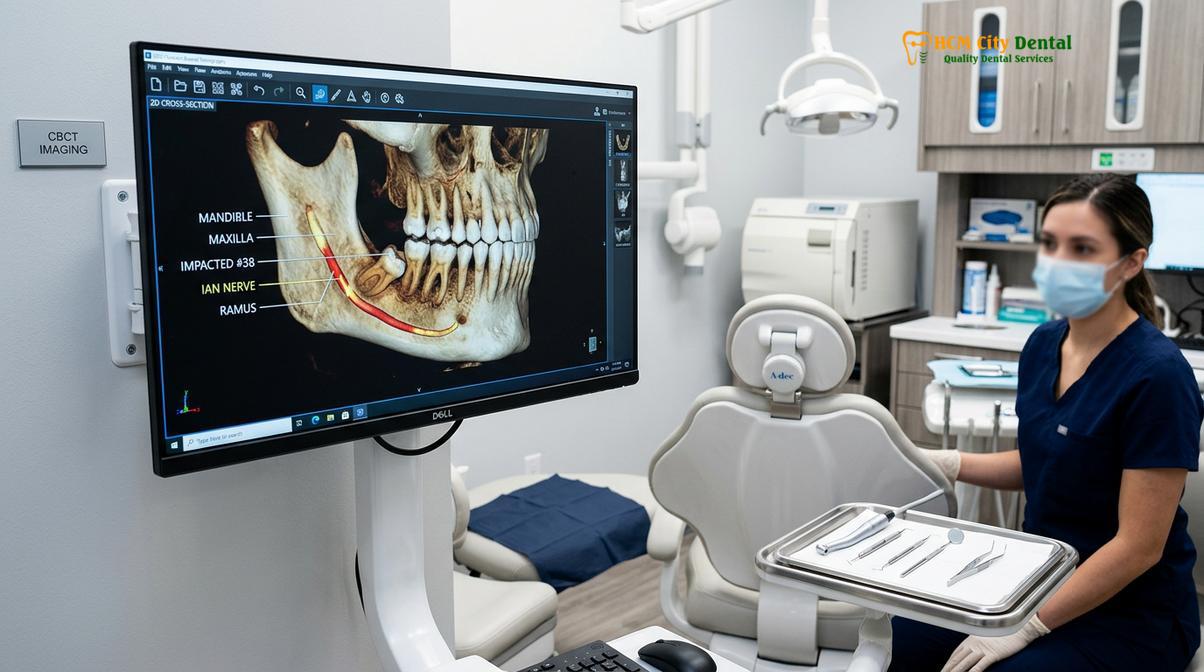
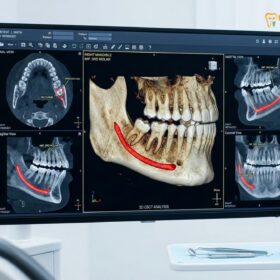
Historically, removing these complex impactions required significant bone removal and aggressive elevation, leading to substantial postoperative swelling and discomfort. Today, the philosophy of a painless tooth extraction saigon revolves around meticulous preoperative planning. Utilizing Cone Beam Computed Tomography (CBCT), surgeons can map the exact three-dimensional position of the tooth roots in relation to critical anatomical structures, such as the inferior alveolar nerve and the maxillary sinus. This precise mapping allows the surgical team to design a minimally invasive extraction pathway, dividing the tooth (odontisection) rather than removing excessive surrounding bone.
By minimizing the physical trauma to the alveolar bone and surrounding periodontium, the body’s inflammatory response is significantly blunted. Less trauma translates directly to less release of inflammatory mediators like prostaglandins and cytokines, which are the primary culprits behind postoperative pain and swelling. This biologically respectful approach forms the foundation of comfortable dental surgery.
Computer-Guided Local Anesthesia: No-Pain Injections
Computer-guided anesthesia uses microprocessor technology to deliver numbing medication at a constant, tissue-friendly pressure, eliminating the stinging pain typically associated with traditional dental injections.
One of the most significant barriers to seeking dental care is the fear of the local anesthetic injection. The pain experienced during a traditional dental shot is rarely from the needle piercing the mucosa; rather, it is caused by the rapid volume expansion of the anesthetic fluid tearing microscopic tissue fibers. Computer-Controlled Local Anesthesia Delivery (CCLAD) systems have revolutionized this critical step, making the onset of profound numbness virtually imperceptible.
CCLAD devices utilize a microprocessor to monitor and control the flow rate and pressure of the anesthetic solution in real-time. As the needle gently enters the tissue, the system delivers a precise, computer-regulated drip of anesthetic ahead of the needle tip, creating an “anesthetic pathway.” This ensures that the tissue is numbed before the needle even advances. Furthermore, the system prevents the operator from injecting the fluid too quickly, maintaining the pressure below the patient’s pain threshold[2].
“By controlling the flow rate of the anesthetic precisely below the tissue’s pain threshold, we can achieve profound, long-lasting numbness without the initial sting, setting a calm, anxiety-free baseline for the entire surgical procedure.”
— Dr. Nguyen Van Cuong
In addition to the controlled flow rate, modern anesthetics like Articaine offer superior lipid solubility, allowing them to penetrate dense cortical bone more effectively than traditional Lidocaine. This ensures that even highly inflamed or deeply impacted teeth can be anesthetized completely. The combination of advanced pharmacology and computer-guided delivery is a cornerstone of advanced wisdom tooth technology, ensuring that the patient feels absolutely no sharp pain during the procedure.
Piezotome Ultrasonic Bone Surgery: Minimizing Bone Trauma
Piezotome surgery utilizes high-frequency ultrasonic micro-vibrations to precisely cut bone while leaving surrounding soft tissues, blood vessels, and nerves completely unharmed.
When an impacted wisdom tooth is encased in jawbone, the surgeon must perform an osteotomy (bone removal) to create an exit pathway. Traditionally, this was accomplished using high-speed rotary burs. While effective, rotary drills generate significant heat and mechanical friction, which can lead to bone necrosis and delayed healing. Furthermore, rotary instruments do not differentiate between hard and soft tissue, posing a risk to adjacent nerves if not used with extreme caution.
The introduction of piezoelectric surgery (Piezotome) has fundamentally changed the safety and comfort profile of oral surgery. Piezotome devices utilize ultrasonic frequencies—typically between 25 and 30 kHz—to create micro-vibrations that cut mineralized bone with extreme precision. The revolutionary aspect of this technology is its tissue selectivity. The ultrasonic frequency is calibrated to cut hard tissue (bone and teeth) but is completely inactive against soft tissue. If the Piezotome tip accidentally contacts the gums, blood vessels, or the delicate inferior alveolar nerve, it simply bounces off without causing lacerations[3].
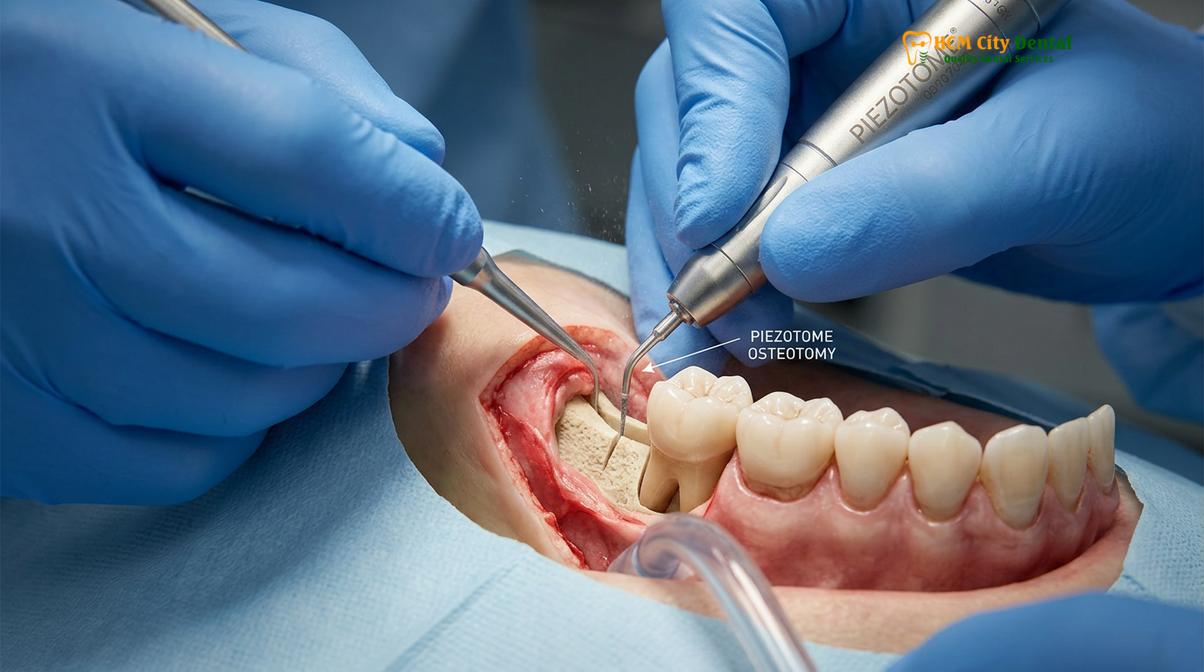
This selective cutting ability is particularly crucial when extracting lower third molars whose roots are intimately entwined with the mandibular nerve canal. By utilizing a minimally invasive extraction approach with ultrasonic instruments, the risk of postoperative paresthesia (numbness) is drastically reduced.
| Clinical Feature | Traditional Rotary Drill | Piezotome Ultrasonic Surgery |
|---|---|---|
| Cutting Mechanism | High-speed mechanical friction | Ultrasonic micro-vibrations |
| Tissue Selectivity | Cuts both hard and soft tissue | Cuts bone only; preserves soft tissue |
| Heat Generation | High (requires copious irrigation) | Minimal (cavitation effect cools tissue) |
| Nerve Damage Risk | Moderate (requires extreme caution) | Extremely Low (tissue-selective) |
| Postoperative Swelling | Moderate to Severe | Minimal to Mild |
Additionally, the ultrasonic vibrations create a cavitation effect in the cooling saline spray, which helps to keep the surgical site completely clear of blood, improving the surgeon’s visibility. The reduction in bone trauma directly correlates to a significant decrease in postoperative pain, swelling, and trismus (jaw stiffness).
Platelet-Rich Fibrin (PRF): Accelerated Natural Healing
Platelet-Rich Fibrin is an autologous biomaterial derived from the patient’s own blood, placed into the extraction socket to stimulate rapid tissue regeneration and prevent complications.
The surgical removal of a tooth is only the first half of the clinical journey; the second half is the biological healing process. To ensure a painless recovery, modern oral surgery heavily relies on regenerative medicine, specifically Platelet-Rich Fibrin (PRF). PRF is a 100% natural, autologous graft material created from a small sample of the patient’s own blood, drawn immediately prior to the surgery.
The blood is placed into a specialized centrifuge and spun at a specific low-speed protocol. This process separates the red blood cells from the plasma, concentrating the platelets, white blood cells, and a dense fibrin matrix into a robust, gel-like clot. This PRF clot is then carefully placed directly into the empty wisdom tooth socket before suturing.
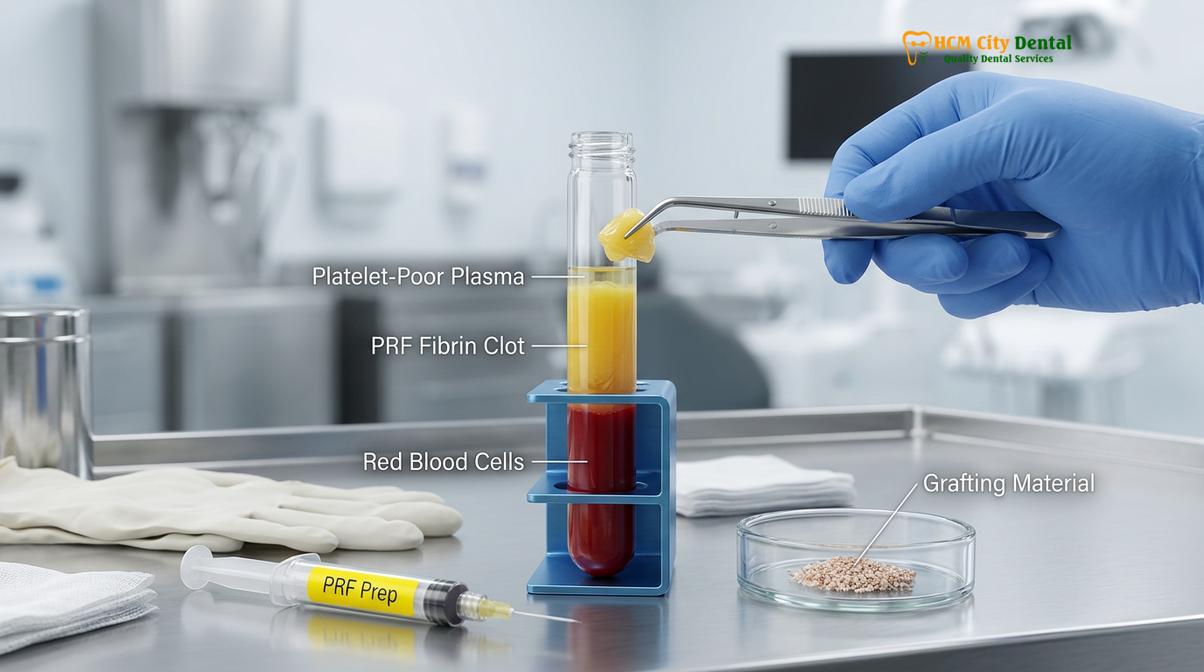
The clinical benefits of PRF are profound. First, the dense fibrin network acts as a biological bandage, stabilizing the blood clot and providing immediate hemostasis (stopping bleeding). This stabilization is the most effective method for preventing dry socket complications, a painful condition that occurs when the primary blood clot is lost or fails to form. Second, the concentrated platelets slowly release a high volume of growth factors—such as PDGF, TGF-beta, and VEGF—over a period of 7 to 14 days[4]. These growth factors stimulate angiogenesis (new blood vessel formation) and accelerate the regeneration of both bone and gingival tissue.
By supercharging the body’s natural healing cascade, PRF significantly reduces the duration and intensity of postoperative inflammation, allowing patients to return to their normal routines much faster than with traditional healing methods.
Sedation Options (Laughing Gas, IV Sedation) for Total Calm
Tailored sedation protocols, ranging from mild nitrous oxide to deep intravenous sedation, ensure that patients remain entirely relaxed and unaware of surgical interventions.
Even with the most advanced, pain-free local anesthesia and surgical techniques, the sounds, pressures, and environment of a dental operatory can induce significant anxiety. To achieve a truly comfortable dental surgery experience, managing the patient’s psychological state is just as important as managing their physiological pain. This is achieved through customized conscious sedation protocols.
For patients with mild to moderate anxiety, Nitrous Oxide (laughing gas) is an excellent option. Administered through a comfortable nasal mask, this colorless, sweet-smelling gas induces a state of deep relaxation and euphoria within minutes. It also possesses mild analgesic properties, raising the patient’s pain threshold. One of the primary advantages of nitrous oxide is its rapid clearance from the body; once the gas is turned off and replaced with pure oxygen, the patient returns to a normal state within minutes and can safely drive themselves home.
For more complex cases, such as the simultaneous removal of four impacted wisdom teeth, or for patients with severe dental phobia, Intravenous (IV) Sedation is the gold standard. Administered directly into the bloodstream by a qualified anesthesiologist or certified oral surgeon, IV sedation places the patient in a state of deep, twilight sleep. While the patient continues to breathe on their own and can respond to verbal cues, they will have little to no memory of the procedure itself. The medications used, such as Midazolam or Propofol, act rapidly and allow the surgeon to work efficiently in a completely controlled environment.
Clinical Case Review: Managing Severe Dental Phobia
A 24-year-old patient presented to HCMC Dental Clinic in Ho Chi Minh City with severe pain originating from two horizontally impacted lower wisdom teeth. The patient had avoided dental care for years due to extreme clinical anxiety. Following a comprehensive consultation, the surgical team proposed a treatment plan utilizing IV sedation combined with Piezotome extraction and PRF grafting. Under IV sedation, the patient remained completely relaxed and unaware of the 45-minute procedure. Upon waking, the patient reported zero procedural memory and experienced only mild swelling over the subsequent three days, successfully overcoming their dental phobia through a highly controlled, painless protocol.
What to Expect: The Discomfort-Free Recovery Routine
A structured, discomfort-free recovery relies on strict adherence to postoperative care guidelines, including proper oral hygiene, soft diet modifications, and prescribed anti-inflammatory medications.
The success of a painless wisdom teeth removal extends well beyond the surgical chair; the postoperative recovery phase is critical. While modern techniques drastically reduce tissue trauma, the body still must undergo a natural inflammatory healing process. Managing this inflammation proactively is the key to a smooth recovery.
Immediately following the procedure, patients are instructed to bite down firmly on sterile gauze to apply pressure to the surgical sites, promoting initial hemostasis. Once the local anesthesia begins to wear off—typically 2 to 4 hours post-surgery—it is crucial to have already taken the first dose of prescribed anti-inflammatory medication (such as Ibuprofen) to prevent the onset of pain before it starts.
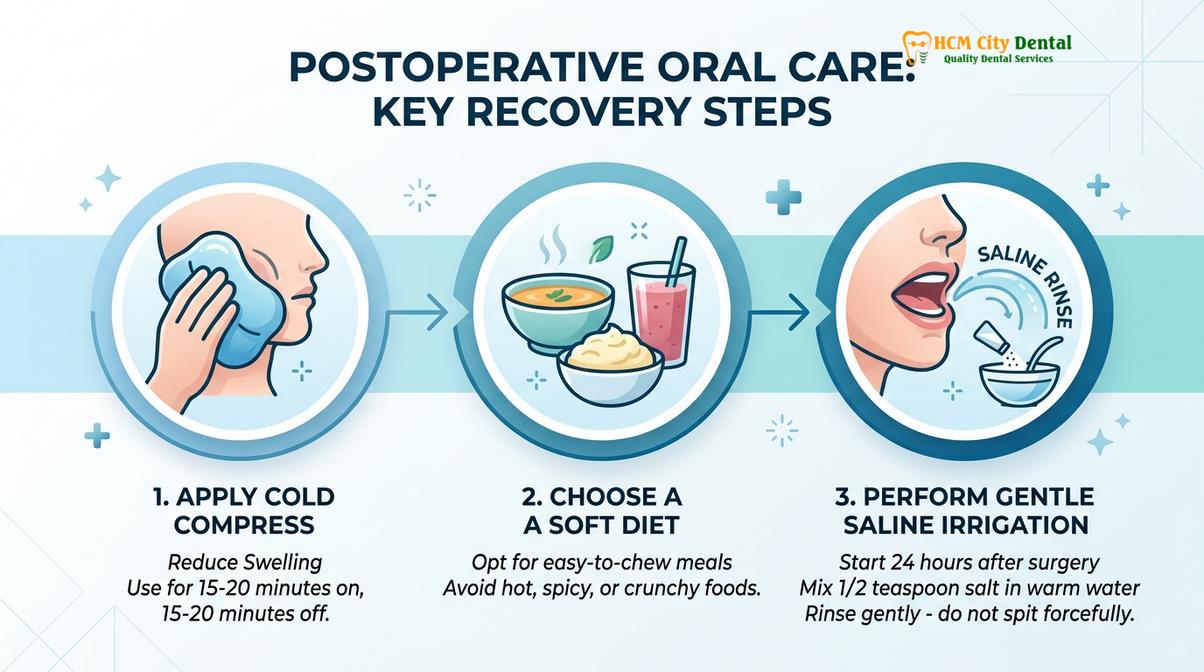
The first 48 hours are focused on minimizing swelling. Patients should apply cold compresses to the outside of the cheeks in intervals of 20 minutes on and 20 minutes off. A strict soft-food diet is mandatory; foods like yogurt, applesauce, blended soups, and smoothies provide necessary nutrition without requiring chewing effort that could disturb the surgical sites. It is absolutely critical to avoid using straws, as the negative suction pressure in the mouth can dislodge the fragile blood clot, leading to complications.
“The true success of a painless procedure extends into the recovery phase; meticulous adherence to postoperative instructions—especially regarding gentle oral irrigation and diet—is just as critical as the surgical technique itself.”
By day three, patients can transition from cold compresses to warm, moist heat to help dissipate any residual swelling or jaw stiffness. Gentle warm salt water rinses should begin to keep the surgical sites clean without vigorous spitting. With the integration of PRF and minimally invasive techniques, most patients find that they can return to their normal daily activities and a regular diet within 5 to 7 days, experiencing only minor, easily manageable discomfort during the transition.
Important Clinical Considerations: When to See a Doctor
While the combination of advanced technology and skilled surgical execution makes modern extractions highly safe, oral surgery inherently carries some biological risks. Patients must be vigilant during the recovery period and understand the difference between normal healing symptoms and signs of potential complications. Normal healing includes mild to moderate swelling peaking at 48 hours, slight bruising, and manageable soreness.
However, if the healing trajectory deviates, prompt clinical intervention is necessary. For instance, if a patient experiences a sudden, severe throbbing pain radiating to the ear or neck 3 to 5 days after surgery, accompanied by a foul taste or odor, this is a classic presentation of alveolar osteitis (dry socket). Similarly, while the risk is minimized with 3D imaging and Piezotome use, any prolonged numbness or tingling in the lips, chin, or tongue (paresthesia) lasting beyond the first 24 hours requires immediate evaluation to assess potential nerve involvement[5].
Urgent Postoperative Warning Signs:
Contact your oral surgeon immediately if you experience any of the following symptoms during your recovery:
- Heavy, bright red bleeding that does not subside after 45 minutes of firm gauze pressure.
- A sudden spike in fever, chills, or difficulty swallowing and breathing, indicating a spreading infection.
- Severe, escalating pain that is entirely unresponsive to prescribed analgesic medications.
- Persistent numbness, tingling, or loss of sensation in the lower lip, chin, or tongue after the local anesthesia should have worn off.
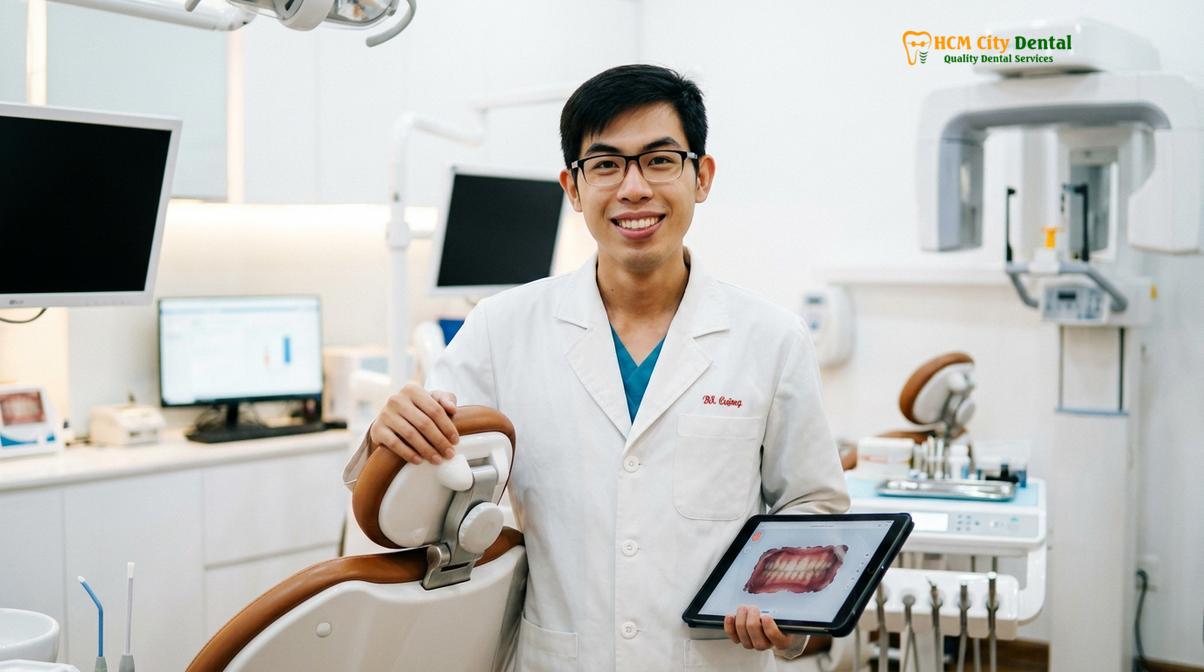
Ultimately, the goal of HCMC Dental Clinic is to provide a seamless, highly controlled surgical experience. By combining expert clinical diagnostics with state-of-the-art technology, the anxiety and discomfort traditionally associated with third molar extractions are effectively eliminated, ensuring a safe and comfortable journey toward optimal oral health.
Frequently Asked Questions
Is it possible to have painless wisdom tooth extraction?
Yes, achieving a painless wisdom tooth extraction is entirely possible today. By utilizing computer-guided local anesthesia, ultrasonic bone surgery, and tailored sedation protocols, oral surgeons can eliminate procedural pain and significantly minimize postoperative discomfort. The integration of these advanced technologies ensures that the patient remains completely comfortable from the initial numbing process through the completion of the surgery.
What makes modern wisdom tooth surgery less painful?
Modern surgery is less painful due to minimally invasive technologies. Tools like the Piezotome use ultrasonic vibrations to cut bone without damaging soft tissue, while 3D CBCT imaging allows for precise surgical planning, reducing overall trauma. By minimizing the amount of bone removed and preserving the surrounding gingiva and blood vessels, the body’s inflammatory response is drastically reduced, leading to less swelling and pain.
How does computer-guided anesthesia work?
Computer-guided anesthesia uses a microprocessor to deliver numbing medication at a slow, constant pressure. This controlled flow rate prevents the tissue expansion that causes the typical stinging sensation, resulting in a virtually imperceptible injection. The system continuously monitors tissue resistance, ensuring the anesthetic is delivered below the patient’s pain threshold, providing profound numbness without the anxiety of a traditional dental shot.
How much does a painless wisdom teeth extraction cost in Saigon?
Currently, the cost varies based on the tooth’s impaction severity, the type of sedation required, and the specific technologies utilized. A personalized clinical examination and 3D imaging are necessary to provide an accurate, comprehensive treatment estimate. Clinics offering advanced modalities like IV sedation, PRF grafting, and Piezotome surgery will factor these technologies into the overall fee schedule.
Will I feel pain after the numbness wears off?
Some mild to moderate discomfort is expected once the anesthesia wears off, but it is highly manageable. Following prescribed anti-inflammatory medications, utilizing cold compresses, and adhering to soft diet guidelines will keep postoperative pain well under control. Because minimally invasive techniques cause less tissue trauma, the duration and intensity of this recovery discomfort are significantly shorter than with traditional extraction methods.
References
- Journal of Oral and Maxillofacial Surgery. Recovery after third molar extraction. (2021).
- International Journal of Oral and Maxillofacial Surgery. Piezotome vs rotary drill in wisdom teeth removal. (2019).
- British Dental Journal. Dry socket incidence and prevention with PRF. (2020).
- Journal of the American Dental Association. Mandibular third molar impaction classifications. (2022).
- Clinical Oral Investigations. Lingual nerve protection during surgical extraction. (2018).