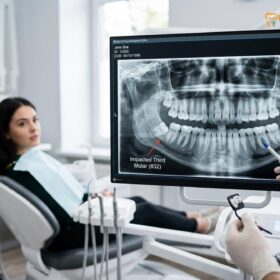
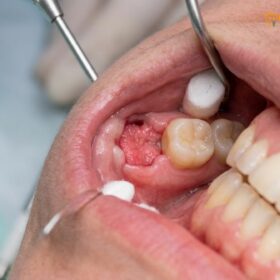
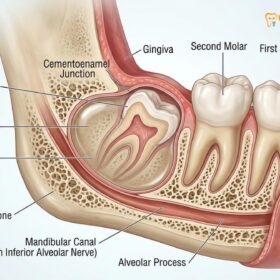
Wisdom teeth removal IV sedation is a highly effective pharmacological technique designed to induce deep relaxation and amnesia during oral surgery. Administered intravenously, it allows patients to remain comfortable and largely unaware of the extraction process while maintaining independent breathing, aiming to ensure a safe and anxiety-free clinical experience.
Clinical Summary:
Intravenous (IV) sedation, frequently utilized in complex third molar surgeries, represents a gold standard for managing severe dental anxiety and intraoperative discomfort. By delivering sedative and analgesic medications directly into the bloodstream, oral surgeons can precisely titrate dosages to achieve an optimal state of moderate to deep conscious sedation. Unlike general anesthesia, patients under IV sedation retain their spontaneous respiratory drive and protective airway reflexes. However, the profound anterograde amnesia induced by the medications ensures that patients typically have no memory of the surgical trauma, local anesthetic injections, or the sounds of dental instruments. This approach significantly blunts the hemodynamic stress response, facilitating a smoother, more controlled surgical workflow and a highly predictable recovery phase.
Key Takeaways:
- Delivers rapid-onset relaxation and profound anterograde amnesia directly through the bloodstream.
- Maintains spontaneous, independent breathing without the need for endotracheal intubation.
- Requires strict adherence to pre-operative fasting (NPO) guidelines to support airway safety.
- Mandates continuous multiparameter monitoring, including capnography and pulse oximetry.
- Significantly reduces surgical stress, leading to more stable hemodynamics during complex extractions.
What is IV Sedation (Twilight Anesthesia) in Dentistry?
Intravenous (IV) sedation is a precise pharmacological method used to induce a state of deep relaxation and amnesia during dental procedures, allowing patients to undergo surgery comfortably while breathing independently.
Intravenous sedation, widely recognized in the medical community as moderate to deep conscious sedation, is a sophisticated pharmacological intervention designed to alleviate anxiety, fear, and discomfort during invasive dental procedures. When applied to the surgical extraction of impacted third molars, the application of twilight anesthesia protocols has transformed the patient experience. By establishing an intravenous line—typically in the antecubital fossa or the dorsum of the hand—clinicians can administer highly effective sedative agents directly into the systemic circulation. This direct route allows for a rapid onset of action, usually within seconds, and provides the clinician with the ability to precisely titrate the medication dose to the patient’s specific physiological response.
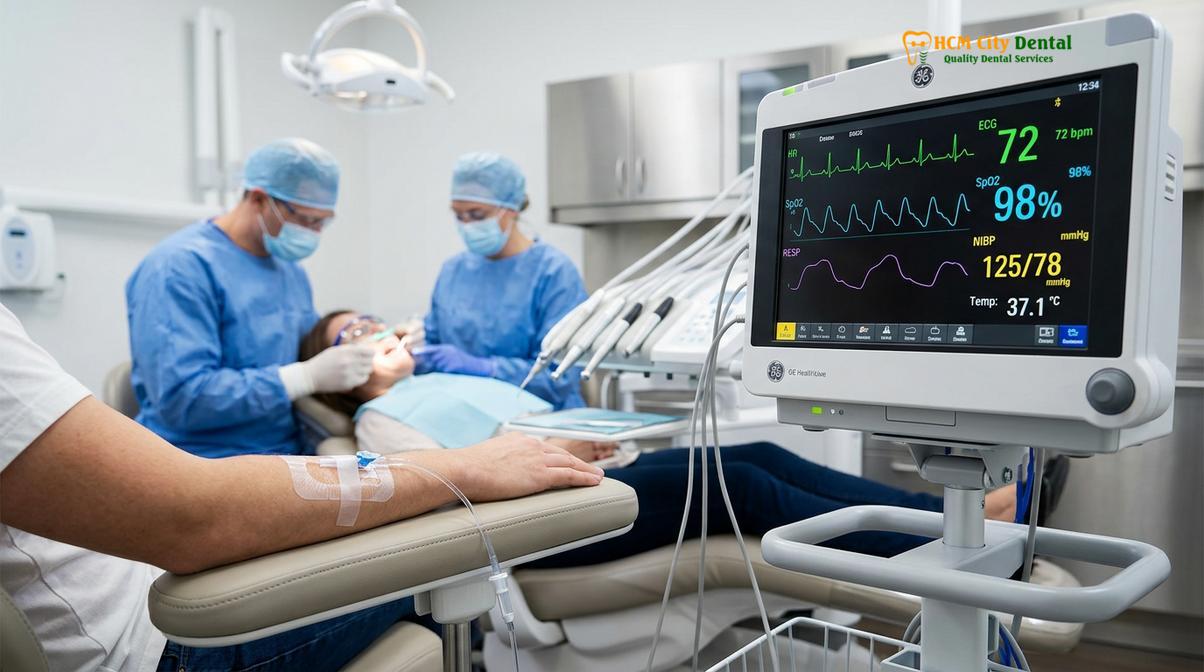
The pharmacological foundation of IV sedation in dentistry primarily relies on benzodiazepines, with Midazolam being the most frequently utilized agent due to its favorable pharmacokinetic profile. Midazolam acts on the GABA-A receptors in the central nervous system, producing profound anxiolysis (anxiety reduction), sedation, and, crucially, anterograde amnesia. This amnesic effect means that while the patient may be able to respond to verbal commands during the procedure, they will typically not form new memories of the surgical event[1]. To complement the sedative, an opioid analgesic such as Fentanyl is often co-administered. Fentanyl provides potent pain relief and acts synergistically with Midazolam to deepen the sedation level while reducing the total dosage required for each drug.
It is vital to understand that IV sedation does not replace the need for local anesthesia. The sedative agents alter the patient’s perception and memory of the event, but they do not block nociceptive (pain) signals at the surgical site. Therefore, once the patient reaches the target level of sedation, the oral surgeon will administer profound local anesthesia to numb the teeth and surrounding gingival tissues. Because the patient is already deeply relaxed and amnesic, the anxiety and discomfort typically associated with dental injections are entirely bypassed.
Who is IV Sedation Recommended For?
IV sedation is highly recommended for patients with severe dental phobia, those undergoing complex or multiple surgical extractions, and individuals with a strong gag reflex or difficulty sitting still for extended periods.
Determining the appropriate anesthesia modality is a collaborative decision between the patient and the oral surgeon, based on a thorough clinical evaluation. IV sedation is particularly beneficial for individuals who experience debilitating dental anxiety. For these patients, the mere thought of surgical instruments or the sounds of a dental drill can trigger severe panic. Twilight sedation effectively removes these psychological barriers, allowing necessary oral healthcare to proceed without emotional trauma.
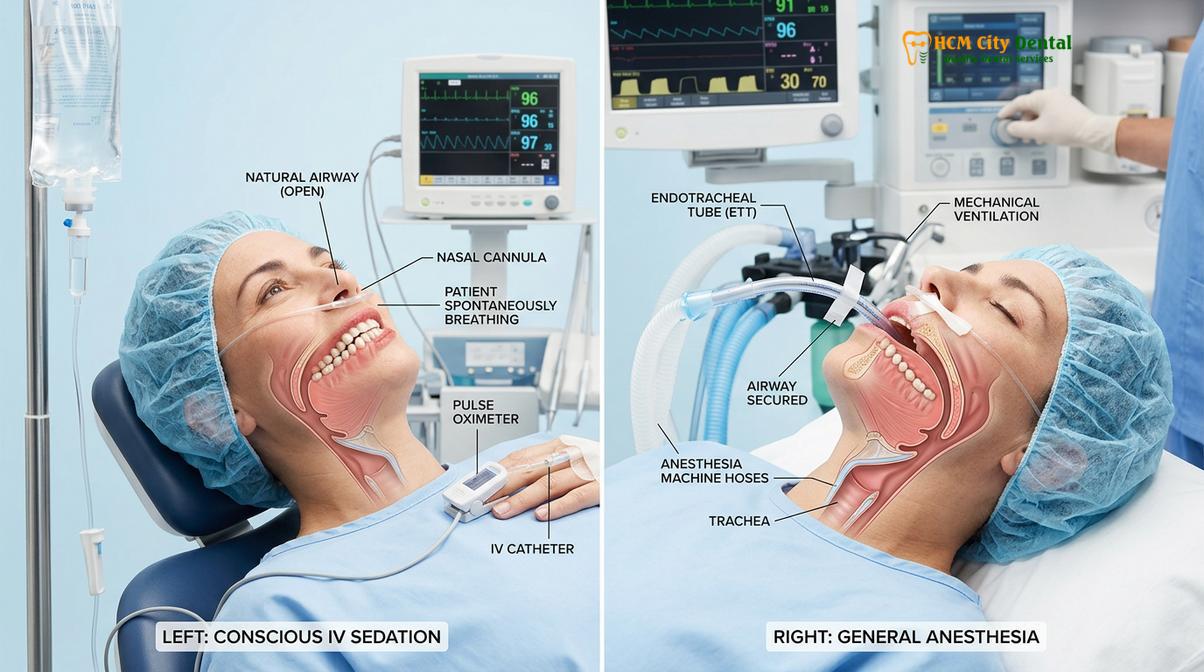
Beyond anxiety management, IV sedation is frequently indicated for complex surgical cases. When a patient requires the simultaneous extraction of all four impacted wisdom teeth, especially deep bony impactions that necessitate significant bone removal and tooth sectioning, the procedure can be lengthy and physically demanding. Sedation ensures the patient remains completely comfortable and cooperative throughout the extended duration, which in turn allows the surgical team to work more efficiently and safely.
Additionally, patients with an exaggerated gag reflex or certain physical conditions that make it difficult to keep their mouth open for long periods are excellent candidates. The sedative medications naturally relax the jaw musculature and suppress the gag reflex, creating an optimal intraoral environment for the surgeon to perform delicate extractions without interruption.
How IV Sedation Compares to General Anesthesia
While general anesthesia renders a patient completely unconscious and requires artificial airway support, IV sedation maintains the patient’s natural breathing reflexes and cardiovascular stability in a deeply relaxed state.
A common point of confusion for patients preparing for oral surgery is the distinction between IV sedation and general anesthesia. While both modalities aim to eliminate pain and awareness during surgery, their physiological impacts, safety profiles, and clinical requirements differ significantly. Understanding these differences is crucial for informed consent and setting appropriate preoperative expectations.
General anesthesia is a drug-induced loss of consciousness during which patients are not arousable, even by painful stimulation. Under general anesthesia, the patient’s ability to independently maintain ventilatory function is often impaired. Consequently, they require assistance in maintaining a patent airway, typically through endotracheal intubation or a laryngeal mask airway (LMA), and positive pressure ventilation is frequently required. Furthermore, cardiovascular function may be impaired, necessitating more complex pharmacological support.
In contrast, IV sedation (moderate to deep) is characterized by a depressed level of consciousness where the patient retains the ability to independently and continuously maintain an airway and respond appropriately to physical stimulation or verbal commands. The protective reflexes, such as coughing and swallowing, remain largely intact, which helps in significantly reducing the risk of pulmonary aspiration compared to general anesthesia[3]. Because the respiratory drive is preserved, mechanical ventilation is not required, making the procedure inherently less invasive and allowing for a faster, smoother recovery profile.
| Modality | Level of Consciousness | Airway Maintenance | Amnesia Effect | Recovery Time |
|---|---|---|---|---|
| Local Anesthesia Only | Fully awake and alert | Independent | None | Immediate (systemic) |
| Nitrous Oxide (Inhalation) | Awake, mildly relaxed | Independent | Minimal to none | Very rapid (minutes) |
| IV Sedation (Twilight) | Deeply relaxed, arousable | Independent | Profound (Anterograde) | Moderate (1-2 hours) |
| General Anesthesia | Completely unconscious | Requires intubation/support | Complete | Prolonged (hours) |
“The primary advantage of intravenous sedation in outpatient oral surgery is the remarkable balance it strikes between profound patient comfort and physiological safety. By preserving the patient’s spontaneous respiratory drive, clinicians avoid the systemic complexities of general anesthesia while still delivering a virtually memory-free surgical experience.”
The recovery trajectory also highlights the differences between the two modalities. Patients emerging from general anesthesia often experience a prolonged period of grogginess, a higher incidence of postoperative nausea and vomiting (PONV), and potential sore throat from the intubation tube. Conversely, patients recovering from IV sedation typically awaken much faster once the drug infusion is terminated. While they will still require an escort home and must rest for the remainder of the day, the incidence of severe nausea and prolonged disorientation is markedly lower.
The Patient Experience: Sleep Dentistry Without the Risks
The patient journey with IV sedation involves a seamless transition from mild relaxation to profound amnesia, ensuring the surgical extraction of third molars is perceived as a brief, painless event.
For individuals suffering from severe dental phobia, the prospect of having impacted wisdom teeth surgically removed can be paralyzing. The clinical workflow of IV sedation is specifically designed to mitigate this fear, transforming a potentially traumatic event into a peaceful, non-threatening experience. Understanding the step-by-step patient journey helps demystify the process and build clinical trust.
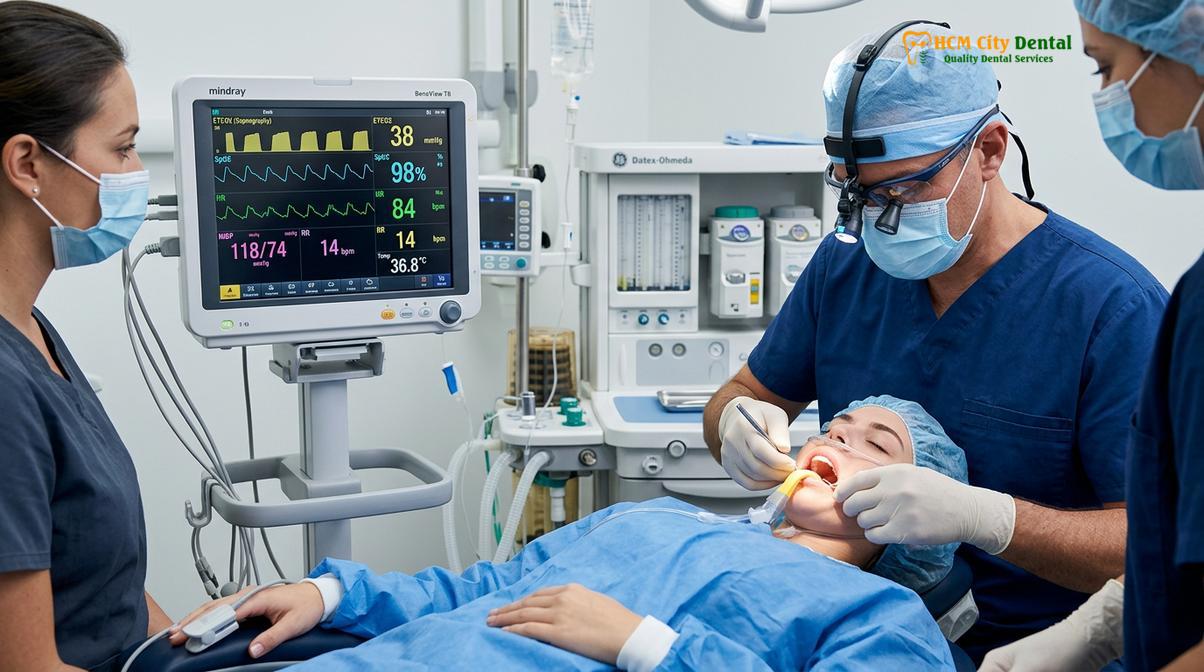
The experience begins long before the day of surgery with a comprehensive preoperative assessment. The clinical team will evaluate the patient’s medical history, current medications, allergies, and previous experiences with anesthesia. This evaluation determines the patient’s physical status classification, ensuring they are an appropriate candidate for outpatient sedation. Detailed instructions regarding fasting and medication management are provided and must be strictly followed.
Clinical Case Review: Managing Severe Dental Phobia
A 24-year-old patient presented to HCMC Dental Clinic in Ho Chi Minh City with severe dental anxiety, requiring the surgical extraction of four bony impacted third molars. The patient had avoided dental care for years due to fear of needles and surgical sounds. The clinical team implemented a customized IV sedation protocol utilizing a titrated Midazolam and Fentanyl combination. Upon administration, the patient smoothly transitioned into a state of deep relaxation. The complex extractions were completed efficiently. Post-operatively, the patient awoke comfortably, reporting zero memory of the local anesthetic injections or the surgical trauma, highlighting the profound amnesic benefits of the twilight protocol.
As the sedative medications are slowly titrated into the IV line, the patient will quickly feel a wave of warmth and profound relaxation. The ambient sounds of the clinic will fade, and a feeling of heavy sleepiness will take over. At this point, the anterograde amnesia takes effect. The profound anterograde amnesia ensures high patient satisfaction rates, as individuals typically have no memory of the surgical trauma or the sounds of the dental drill[5]. The surgical team will then administer the local anesthetic to ensure complete numbness of the surgical site.
Once the surgical extraction of the wisdom teeth is complete, the IV medication is discontinued. The rapid redistribution and metabolism of the drugs mean the patient will begin to wake up within minutes. Most patients open their eyes feeling as though they have just woken up from a deep, restful nap, often surprised to learn that the surgery is already over. They are then moved to a dedicated recovery area where their vital signs continue to be monitored until they meet strict discharge criteria.
Safety Standards and Monitoring at International HCMC Clinics
Rigorous clinical protocols, including continuous multiparameter monitoring and advanced airway management readiness, are strictly enforced to support patient safety during intravenous sedation.
The administration of intravenous sedation is a highly specialized medical procedure that demands rigorous adherence to safety protocols and the utilization of advanced monitoring technology. In premier facilities, the safety of the patient is the absolute highest priority, governing every step of the clinical workflow. Furthermore, top-tier clinics align their protocols with the stringent anesthesia safety guidelines set forth by the Vietnam Ministry of Health (MOH)[6], ensuring that emergency preparedness and monitoring standards meet the highest national and international benchmarks.
Continuous multiparameter monitoring is the cornerstone of sedation safety. Throughout the procedure, the patient’s physiological status is tracked in real-time. Pulse oximetry (SpO2) continuously measures the oxygen saturation of the blood, ensuring the patient is adequately oxygenated. Non-invasive blood pressure (NIBP) is recorded at regular intervals to monitor cardiovascular stability. Electrocardiography (ECG) provides a continuous visual trace of the heart’s electrical activity.
Perhaps the most critical monitoring tool during IV sedation is capnography. Capnography measures the end-tidal carbon dioxide (ETCO2) in the patient’s exhaled breath. Unlike pulse oximetry, which can have a lag time before showing a drop in oxygen levels, capnography provides instantaneous, breath-by-breath data on the patient’s ventilatory status. If a patient experiences a momentary pause in breathing or shallow breathing due to the sedative medications, the capnograph will immediately alert the clinical team, allowing for rapid intervention long before oxygen saturation drops[2].
Critical Clinical Warning: Pre-Operative Fasting (NPO)
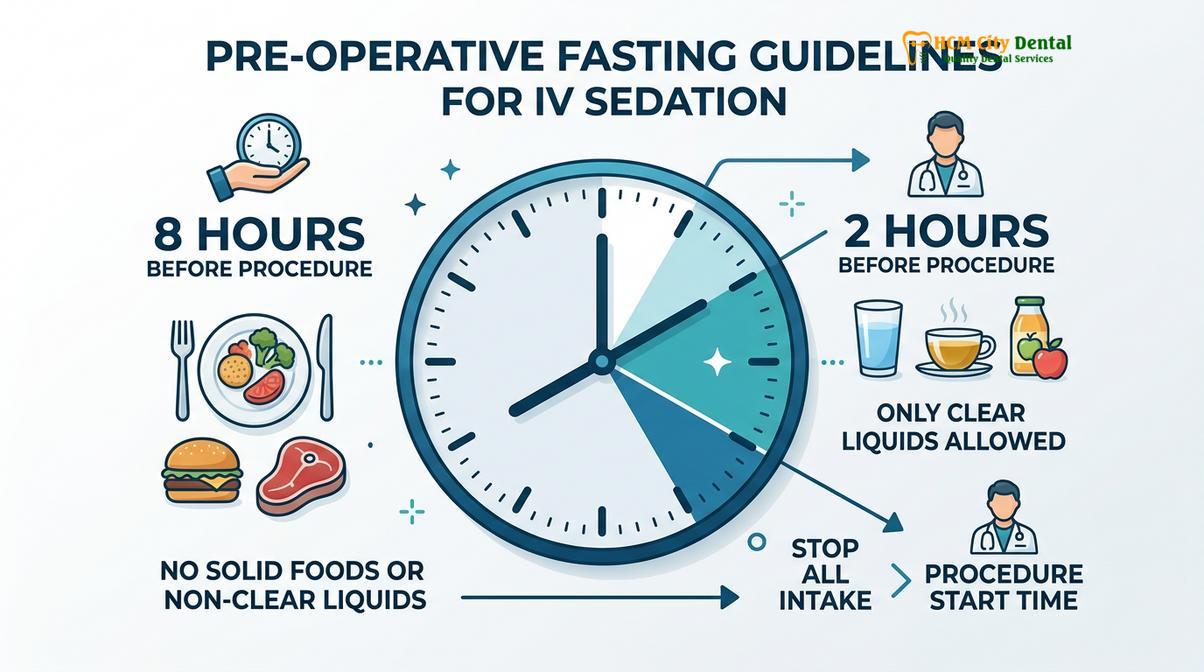
Strict adherence to pre-operative fasting guidelines is non-negotiable for IV sedation safety. Patients must consume absolutely no solid foods or non-clear liquids (including milk or orange juice with pulp) for a minimum of 6 to 8 hours prior to the procedure. Clear liquids (water, apple juice) may be consumed up to 2 hours before the appointment. Failure to follow these guidelines significantly increases the risk of pulmonary aspiration—a severe complication where stomach contents enter the lungs while protective reflexes are relaxed.
The importance of these fasting protocols cannot be overstated. Clinical studies consistently demonstrate that strict adherence to NPO guidelines is the most effective method for minimizing aspiration risk in outpatient sedation settings[4]. In addition to advanced monitoring and fasting, safety is ensured through the presence of highly trained personnel and emergency preparedness. The operatory is equipped with a fully stocked emergency crash cart, which includes reversal agents for the sedative medications, providing a critical safety net.
Cost of IV Sedation Wisdom Teeth Removal in Vietnam
Opting for IV sedation during wisdom teeth extraction in Vietnam offers a highly cost-effective solution without compromising on international safety standards or clinical expertise.
When planning for oral surgery, understanding the financial investment is a crucial step for many patients, especially those traveling for dental tourism. The cost of IV sedation wisdom teeth removal in Vietnam is remarkably competitive when compared to prices in Western countries, making it an attractive option for expatriates and international visitors seeking premium care.
“Patients traveling to Vietnam for complex oral surgeries often find that the combined cost of multiple impacted wisdom teeth extractions under full IV sedation is a fraction of the out-of-pocket expenses they would incur in their home countries, all while receiving care in state-of-the-art facilities.”
The total cost of the procedure is generally divided into two main components: the surgical extraction fee per tooth and the hourly or flat-rate fee for the intravenous sedation administration. The extraction fee varies depending on the complexity of the impaction—simple soft tissue impactions cost less than complex, deep bony impactions that require significant bone removal and sectioning of the tooth. The sedation fee covers the specialized medications, the continuous multiparameter monitoring equipment, and the expertise of the clinical team managing the anesthesia.
Despite the lower costs, reputable clinics in Vietnam do not cut corners on safety or technology. The savings are primarily a result of lower operational overhead and favorable exchange rates, rather than a reduction in clinical quality. Patients can expect the same high-grade sedative medications, sterile surgical environments, and advanced monitoring systems—such as capnography and continuous ECG—that they would find in top-tier clinics globally.
When to Contact Your Surgeon Post-Operatively
While recovery from IV sedation is generally smooth, it is essential to monitor your healing progress and contact your clinical team if you experience any unusual symptoms or prolonged discomfort.
Following the surgical extraction of wisdom teeth under IV sedation, a dedicated recovery protocol is essential. Patients will be discharged to the care of a responsible adult, as the residual effects of the sedative medications can impair judgment and motor skills for up to 24 hours. During this initial recovery phase, it is normal to experience some degree of localized swelling, mild oozing from the surgical sites, and manageable discomfort once the local anesthesia wears off.
However, certain signs warrant immediate communication with your oral surgeon. You should contact your clinical team if you experience severe, throbbing pain that is not relieved by prescribed analgesics, as this could indicate a developing dry socket or infection. Additionally, if you notice excessive bleeding that does not subside with firm gauze pressure, a sudden increase in facial swelling after the first few days, or a persistent fever, prompt clinical evaluation is necessary. Adhering strictly to post-operative instructions, including a soft diet and gentle oral hygiene practices, significantly minimizes the risk of these complications.
Dr. Nguyen Van Cuong, a leading clinical expert in oral surgery, emphasizes that customized sedation protocols are vital for patient safety and comfort. Dr. Cuong and his dedicated team meticulously evaluate each individual’s medical history to determine the most appropriate pharmacological approach. This personalized care ensures that even the most complex extractions are managed with optimal comfort and clinical precision.
If you are experiencing severe dental anxiety or require complex surgical care, Tooth Extraction under IV sedation can provide a safe, memory-free experience. To learn more about our advanced twilight anesthesia protocols and to discuss your personalized treatment plan, schedule a consultation at HCMC Dental Clinic, Ho Chi Minh City.
References
- Journal of Oral and Maxillofacial Surgery. Pharmacokinetics of intravenous sedation in third molar surgery. (2021).
- Anesthesia Progress. Capnography monitoring during conscious sedation for oral surgery. (2020).
- British Dental Journal. Comparative safety of IV sedation versus general anesthesia in dentistry. (2019).
- Journal of the American Dental Association. Fasting guidelines and aspiration risk in outpatient sedation. (2022).
- Clinical Oral Investigations. Patient satisfaction and amnesia rates following Midazolam-based sedation. (2018).
- Vietnam Ministry of Health (MOH). National Guidelines on Anesthesia and Sedation in Odonto-Stomatology. (2023).