Piezotome wisdom tooth extraction utilizes advanced ultrasonic vibrations to precisely cut bone while preserving surrounding soft tissues, nerves, and blood vessels. This minimally invasive technique significantly reduces postoperative pain, swelling, and recovery time compared to traditional rotary drills, making complex extractions safer and more comfortable.
Clinical Summary:
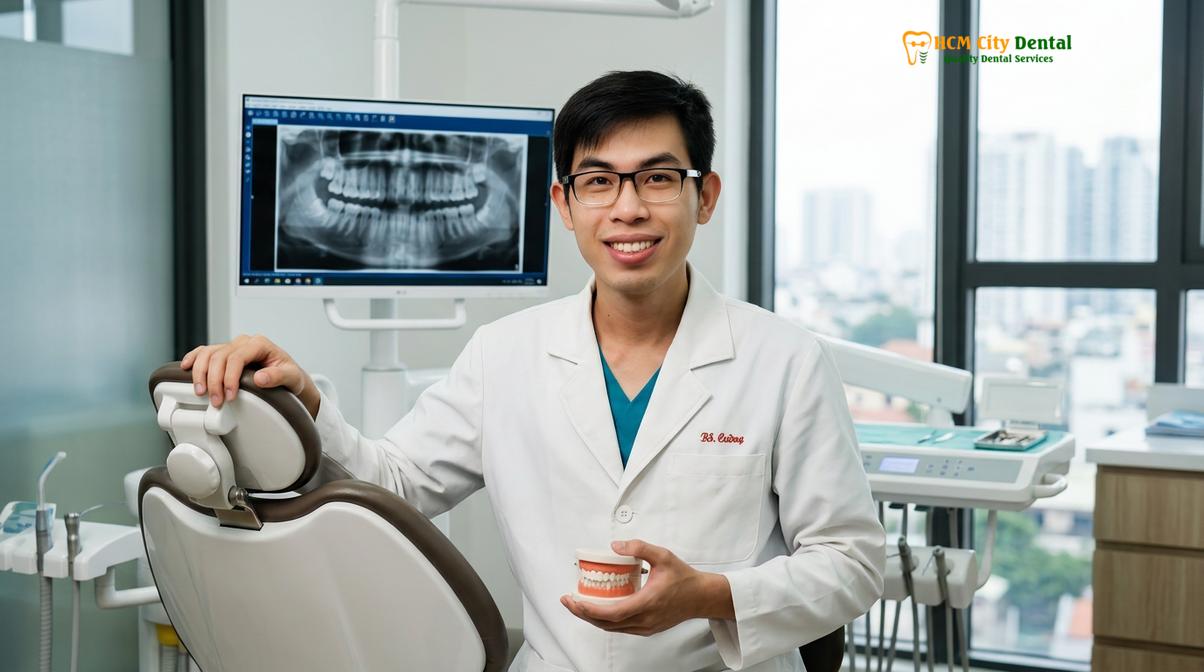
Piezotome surgery represents a paradigm shift in oral and maxillofacial surgery. By employing modulated ultrasonic frequencies (typically 28–36 kHz), the device selectively cuts mineralized bone tissue without damaging adjacent soft tissues like the inferior alveolar nerve or the sinus membrane. Dr. Nguyen Van Cuong notes that this selective cutting capability is particularly beneficial for impacted mandibular third molars, where anatomical proximity to critical structures poses a high risk. Clinical studies demonstrate that patients undergoing ultrasonic wisdom tooth removal experience less trismus (jaw stiffness), reduced facial edema, and lower analgesic requirements during the initial healing phase, establishing it as a superior standard of care for complex surgical extractions.
Key Takeaways:
- Utilizes ultrasonic micro-vibrations (28–36 kHz) for highly precise bone cutting.
- Selectively targets hard tissue, naturally preserving nerves, blood vessels, and oral mucosa.
- Significantly reduces postoperative swelling, pain, and trismus (jaw stiffness).
- Dramatically lowers the risk of inferior alveolar nerve injury during complex impactions.
- Accelerates the overall healing process compared to conventional mechanical rotary burs.
What is Piezotome Ultrasonic Bone Surgery?
Piezotome ultrasonic bone surgery is an advanced osteotomy technique that uses high-frequency micro-vibrations to cut bone safely, offering a precise alternative to conventional mechanical drills.
The field of oral and maxillofacial surgery has witnessed a remarkable evolution with the introduction of piezoelectric technology. Piezotome bone surgery dental devices operate on the principle of the piezoelectric effect, where certain crystals or ceramics deform when an electric current is applied, generating precise mechanical micro-vibrations. In the context of dental surgery, these vibrations are meticulously calibrated to a frequency range of 28 to 36 kHz. This specific frequency is the clinical “sweet spot” because it is powerful enough to cut through mineralized hard tissue (bone and teeth) but falls below the threshold required to cut soft tissues (which typically require frequencies above 50 kHz)[1].
This tissue-selective nature is the cornerstone of piezosurgery. When the ultrasonic tip encounters bone, it cuts efficiently. However, if the tip accidentally brushes against a nerve, blood vessel, or the delicate sinus membrane, it simply glides over the tissue without causing laceration. This provides an unprecedented margin of safety during complex surgical procedures.
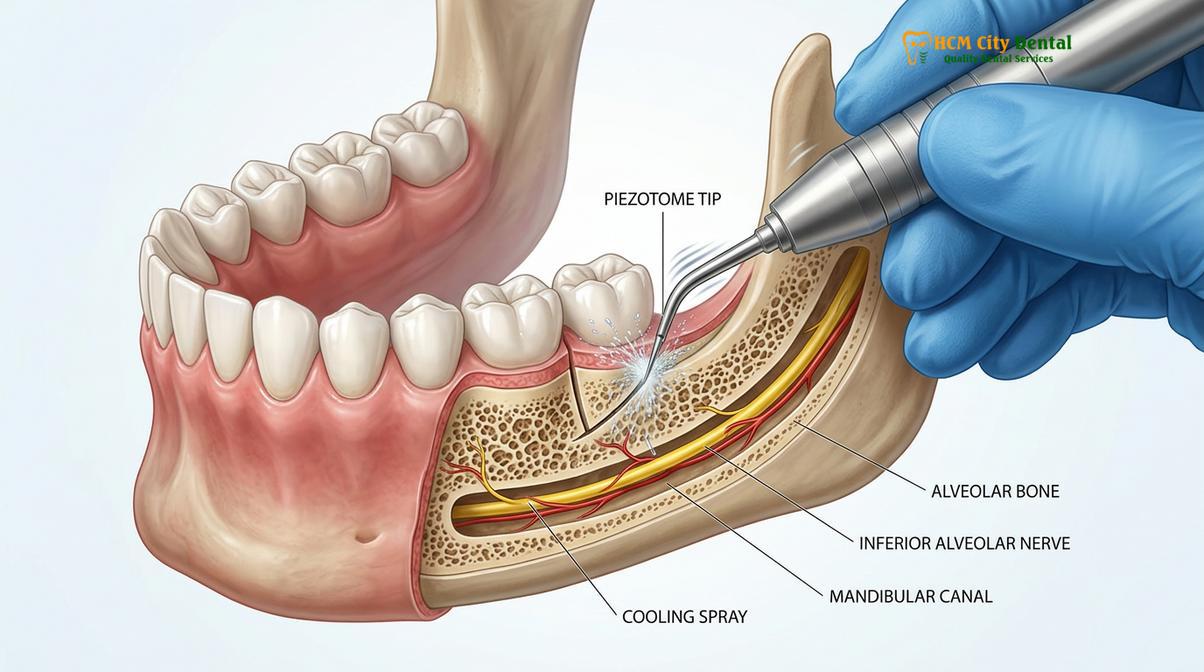
Furthermore, the Piezotome handpiece is equipped with a continuous sterile saline irrigation system. The rapid micro-vibrations of the tip create a phenomenon known as cavitation within the cooling fluid. As the microscopic bubbles implode, they create a localized shockwave that not only cools the surgical site—preventing the thermal necrosis often associated with high-speed drills—but also provides a temporary hemostatic effect. This cavitation clears the surgical field of blood, granting the surgeon optimal visibility and control throughout the procedure.
How Piezotome Works in Wisdom Tooth Extraction
The Piezotome device uses specialized micro-tips to gently remove the bone overlying an impacted wisdom tooth and separate the tooth roots, minimizing trauma to the jaw.
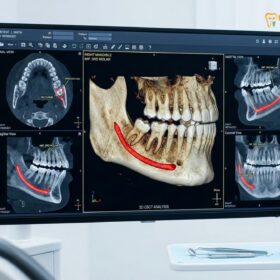
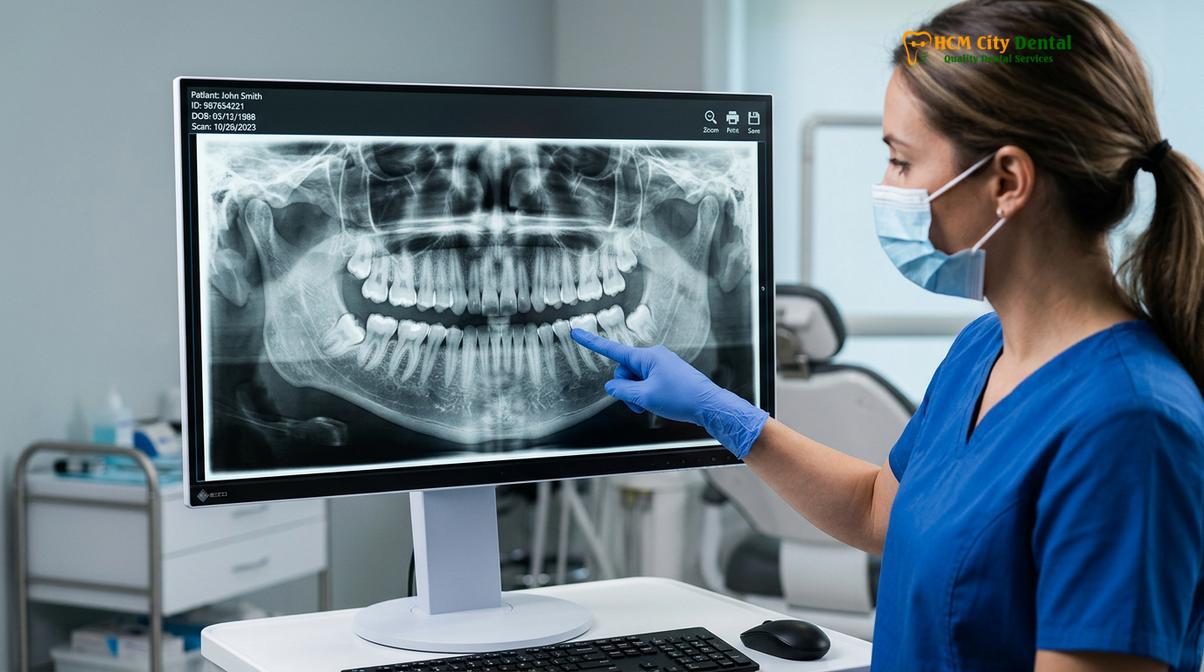
The clinical workflow for an ultrasonic wisdom tooth removal is highly structured, prioritizing patient safety and tissue preservation at every step. Before any surgical intervention, a comprehensive diagnostic evaluation is mandatory. At HCMC Dental Clinic, this typically involves a Cone Beam Computed Tomography (CBCT) scan to map the exact three-dimensional position of the impacted tooth, its root morphology, and its proximity to the inferior alveolar nerve canal and maxillary sinus.
Once profound local anesthesia is achieved, the surgeon carefully elevates a mucoperiosteal flap to expose the surgical site. Instead of reaching for a high-speed rotary bur, the surgeon utilizes the Piezotome handpiece. The procedure generally follows these clinical phases:
1. Osteotomy (Bone Removal)
Impacted wisdom teeth are often encased in dense cortical bone. The surgeon uses specific Piezotome inserts (such as the OT-12 or similar osteotomy tips) to create a precise trough around the crown of the tooth. The micro-vibrations, with an amplitude of just 30 to 60 micrometers, allow for incredibly fine, controlled cuts. The surgeon applies light, brushing strokes, letting the ultrasonic energy do the work without applying heavy manual pressure. This minimizes macro-trauma to the surrounding jawbone[2].
2. Odontotomy (Tooth Sectioning)
Attempting to elevate a fully impacted wisdom tooth in one piece often requires excessive force, which can fracture the jaw or damage adjacent teeth. Therefore, the tooth must be sectioned into smaller, manageable pieces. The Piezotome can be equipped with specialized saws or diamond-coated tips to cleanly divide the tooth crown from the roots, or separate the roots themselves. Because the cutting action is so precise, the loss of surrounding bone is kept to an absolute minimum.
3. Extraction and Socket Debridement
Once the tooth is sectioned, the fragments are gently elevated and removed. The final step involves debriding the extraction socket. The Piezotome’s cavitation effect is highly beneficial here, as it thoroughly flushes out debris, infected granulation tissue, and bone fragments, leaving a clean, sterile socket ready for optimal blood clot formation and subsequent healing.
Piezotome vs. Traditional Surgical Rotary Drills
While traditional rotary drills use high-speed mechanical friction that generates heat and risks soft tissue damage, Piezotome relies on selective ultrasonic vibrations for safer, cooler bone cutting.
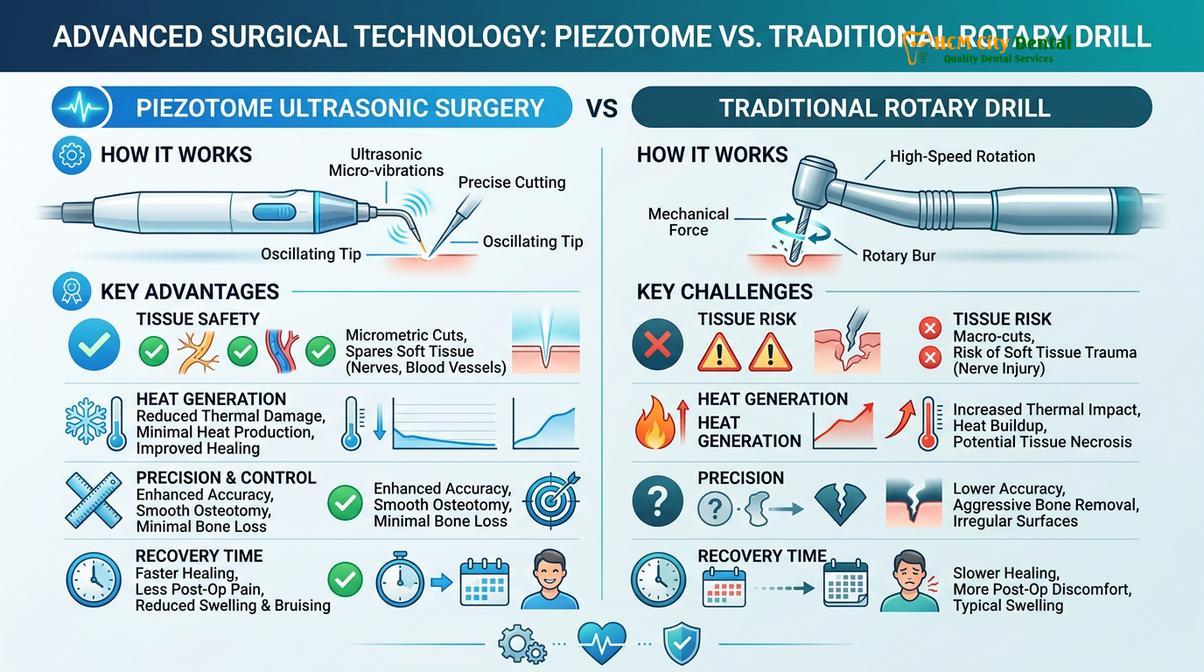
For decades, the standard instrument for removing bone during wisdom tooth extraction has been the surgical handpiece equipped with a tungsten carbide or diamond rotary bur. While effective, rotary instruments have inherent clinical drawbacks. They operate at very high speeds (up to 100,000 RPM), cutting through tissue via mechanical friction. This non-selective cutting action means a rotary bur will cut anything in its path—bone, tooth, nerve, or blood vessel—with equal aggression.
Furthermore, the friction generated by rotary burs produces significant heat. If the irrigation is insufficient, the temperature of the adjacent bone can quickly exceed 47°C, leading to thermal osteonecrosis (bone death). This necrotic bone must be resorbed by the body before new bone can form, significantly delaying the healing process and increasing the risk of postoperative complications like alveolar osteitis (dry socket)[3].
In contrast, Piezotome technology mitigates these risks entirely. The table below outlines the primary clinical differences between the two modalities:
| Clinical Parameter | Traditional Rotary Drill | Piezotome Ultrasonic Surgery |
|---|---|---|
| Cutting Mechanism | High-speed mechanical friction (Macro-trauma) | Micro-vibrations (Micro-trauma) |
| Tissue Selectivity | Non-selective (Cuts hard and soft tissue) | Highly selective (Cuts hard tissue only) |
| Heat Generation | High risk of thermal osteonecrosis | Minimal heat due to cavitation cooling |
| Nerve Injury Risk | Higher (Direct laceration possible) | Extremely low (Tip bounces off soft tissue) |
| Surgical Visibility | Often obscured by bleeding | Excellent (Cavitation provides hemostasis) |
| Operative Time | Generally faster | Slightly longer, but safer |
While piezosurgery may slightly extend the operative time due to its gentle cutting action, the biological advantages far outweigh this minor inconvenience. The preservation of bone vitality and the protection of critical anatomical structures make it the preferred choice for complex surgical extractions.
Clinical Benefits: Less Swelling, Faster Recovery, Safe Near Nerves
Patients benefit from significantly reduced postoperative edema, minimal pain, and a drastically lowered risk of nerve injury due to the tissue-selective nature of ultrasonic surgery.
The biological response to surgical trauma dictates the severity of a patient’s postoperative recovery. Because Piezotome surgery induces micro-trauma rather than the macro-trauma associated with rotary drills, the subsequent inflammatory cascade is significantly blunted. This translates to profound clinical benefits for the patient.
Reduced Postoperative Swelling and Pain
Swelling (edema) and pain are direct results of tissue injury and the release of inflammatory mediators like prostaglandins and cytokines. The clean, precise cuts made by the Piezotome, combined with the absence of thermal damage, mean the surrounding tissues suffer minimal insult. Consequently, patients experience drastically less facial swelling and trismus (difficulty opening the mouth) in the days following the surgery. Many patients report that their need for prescription analgesics is significantly reduced, often managing their mild discomfort with over-the-counter anti-inflammatory medications alone.
“In our clinical practice, the transition to ultrasonic bone surgery has revolutionized the patient experience. The reduction in postoperative morbidity is striking; patients who undergo complex impaction removal with the Piezotome routinely return for their follow-up with minimal swelling and excellent jaw mobility, a stark contrast to the recovery profiles we historically saw with conventional burs.”
— Clinical Observation on Ultrasonic Recovery
Accelerated Bone Healing
Histological studies have shown that bone cut with a Piezotome exhibits active osteogenesis (new bone formation) much earlier than bone cut with a rotary drill. The ultrasonic micro-vibrations stimulate cellular activity, and the lack of necrotic tissue means the body does not have to waste time clearing dead bone cells before initiating repair. This leads to faster socket consolidation and a quicker return to normal oral function[4].
Unparalleled Nerve Safety
Perhaps the most critical benefit of painless wisdom teeth piezotome techniques is the protection of the inferior alveolar nerve (IAN) and the lingual nerve. The IAN runs through the lower jawbone, often in very close proximity to the roots of mandibular wisdom teeth. Damage to this nerve can result in paresthesia—a temporary or permanent numbness of the lower lip, chin, and teeth. Because the Piezotome is tissue-selective, even if the surgical tip inadvertently contacts the nerve sheath, it will not cut it. This provides surgeons with the confidence to remove deeply impacted teeth that might otherwise be considered too risky to extract.
Who is a Candidate for Piezotome Extraction?
Piezotome extraction is highly recommended for patients with deeply impacted wisdom teeth, roots entangled with nerves, or those seeking a more comfortable postoperative recovery.
While any patient requiring a complex tooth extraction procedure can benefit from ultrasonic technology, certain clinical scenarios make Piezotome the absolute treatment of choice. Candidacy is determined through a thorough clinical and radiographic examination.
Primary Indications Include:
- Deep Bony Impactions: Teeth that are fully encased in the jawbone (mesioangular, horizontal, or vertical impactions) requiring significant osteotomy.
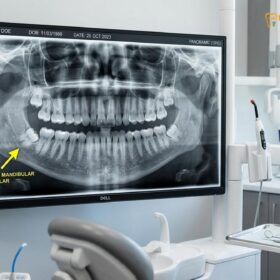
- Proximity to the Mandibular Canal: When CBCT imaging reveals that the tooth roots are intimately associated with or wrapping around the inferior alveolar nerve.
- Maxillary Sinus Proximity: For upper wisdom teeth located close to the sinus floor, the Piezotome prevents accidental perforation of the Schneiderian membrane.
- Patients with High Anxiety: The quieter operation and lack of aggressive vibration compared to a traditional drill can significantly reduce patient stress during the procedure.
- Patients Prone to Bleeding: The hemostatic effect of the ultrasonic cavitation helps maintain a clearer surgical field and reduces postoperative oozing.
Clinical Case Review: High-Risk Impaction
A 24-year-old patient presented to HCMC Dental Clinic in Ho Chi Minh City with a horizontally impacted lower right third molar. CBCT imaging revealed the tooth roots were directly compressing the inferior alveolar nerve canal. Traditional rotary extraction posed a high risk of permanent nerve damage. Dr. Nguyen Van Cuong utilized the Piezotome to carefully remove the overlying cortical bone and section the tooth crown. The selective cutting allowed the roots to be elevated safely away from the nerve without any laceration. The patient reported zero numbness postoperatively and experienced minimal swelling, returning to normal activities within 48 hours.
While contraindications are rare, patients with certain types of older, unshielded cardiac pacemakers were historically advised against ultrasonic treatments due to potential electromagnetic interference. However, modern Piezotome devices and contemporary pacemakers are generally well-shielded, making this a relative contraindication that requires consultation with the patient’s cardiologist[5].
Piezotome Wisdom Tooth Extraction Cost in Saigon
The cost of Piezotome extraction in Ho Chi Minh City is generally higher than traditional methods due to the advanced technology and specialized equipment required.
When considering piezotome surgery saigon, patients often inquire about the financial investment. It is true that ultrasonic extraction typically carries a premium over conventional rotary extraction. This price difference is reflective of several factors.
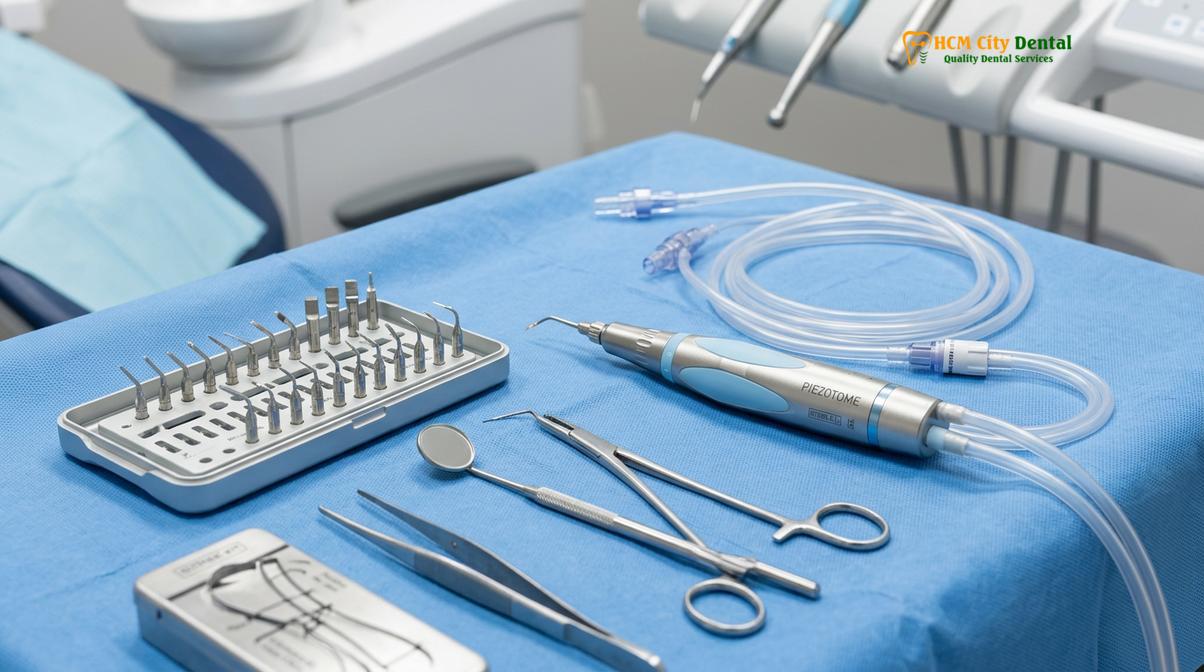
Firstly, the Piezotome machine itself is a highly sophisticated piece of medical equipment. Secondly, the specialized micro-tips used for the osteotomy and odontotomy are precision-engineered and often single-use or have a limited lifespan to ensure optimal cutting efficiency and sterility. Finally, operating the device requires advanced surgical training and expertise to maximize its benefits and ensure patient safety.
However, when evaluating the cost, patients must consider the broader value proposition. The investment in Piezotome technology often translates to indirect savings. Because the recovery is faster and less painful, patients typically require fewer days off work. The reduced risk of complications, such as dry socket or nerve injury, means fewer follow-up visits and a lower likelihood of needing secondary treatments. Ultimately, the enhanced safety profile and superior postoperative comfort make the additional cost a worthwhile investment in one’s overall health and well-being.
When to See a Doctor
While Piezotome extraction minimizes risks, patients must monitor their recovery and seek immediate clinical evaluation if signs of infection or nerve complications arise.
Even with the most advanced minimally invasive techniques, surgical extraction involves a healing process that requires careful monitoring. Patients are provided with detailed postoperative instructions, but it is crucial to recognize the clinical signs that warrant prompt professional attention.
Important Clinical Considerations:
Contact your oral surgeon immediately if you experience any of the following symptoms after your extraction:
- Prolonged Paresthesia: Numbness, tingling, or a “pins and needles” sensation in the lips, chin, or tongue that persists beyond the expected duration of the local anesthesia (typically 6-8 hours).
- Severe, Worsening Pain: Pain that intensifies after the third postoperative day, which may indicate alveolar osteitis (dry socket) or an emerging infection.
- Uncontrolled Bleeding: Active, bright red bleeding that does not subside after applying firm pressure with sterile gauze for 45 minutes.
- Signs of Infection: A fever exceeding 38°C (100.4°F), purulent discharge (pus) from the surgical site, or swelling that suddenly worsens after initially subsiding.
Timely intervention is critical for managing postoperative complications effectively. If you have concerns about your healing trajectory, do not hesitate to schedule a follow-up evaluation based on clinical diagnostics.
Frequently Asked Questions
Is Piezotome better than a traditional drill for wisdom teeth?
Yes, Piezotome is generally considered superior for complex extractions because it selectively cuts bone without damaging surrounding soft tissues, nerves, or blood vessels. This precision significantly reduces postoperative complications, swelling, and pain compared to the mechanical friction of traditional rotary drills. While traditional burs are faster, the biological cost of macro-trauma and heat generation makes ultrasonic surgery the preferred choice for high-risk impactions.
Does Piezotome reduce swelling after wisdom tooth removal?
Absolutely. Because the ultrasonic micro-vibrations cause minimal trauma to the bone and surrounding tissues, the body’s inflammatory response is significantly lower. The continuous cooling irrigation also prevents heat-induced tissue necrosis, leading to drastically reduced facial swelling during the recovery phase. Patients typically experience a much smoother healing trajectory with less trismus (jaw stiffness) compared to conventional surgical methods.
How much extra does Piezotome extraction cost in HCMC?
Piezotome extraction typically incurs an additional fee on top of a standard surgical extraction due to the advanced technology and specialized single-use micro-tips required. However, many patients find the investment worthwhile as it minimizes downtime, reduces the need for pain medication, and lowers complication risks. Exact pricing depends on the complexity of the impaction and the specific clinical assessment.
Is Piezotome surgery completely painless?
While no surgery is entirely without sensation, Piezotome extraction is highly comfortable. The procedure itself is performed under local anesthesia, ensuring you feel no pain. Postoperatively, the micro-trauma approach means patients experience significantly less discomfort than with traditional methods, though mild soreness is expected. The term “painless” refers to the drastic reduction in surgical trauma and the subsequent ease of the recovery period.
Can Piezotome prevent nerve damage during wisdom tooth extraction?
Piezotome drastically reduces the risk of nerve damage, though it cannot eliminate it entirely. The ultrasonic frequency is specifically calibrated to cut mineralized bone; if the tip contacts soft tissue like the inferior alveolar nerve, it stops cutting, providing a critical safety margin during deep impaction surgeries. This tissue-selective capability makes it the gold standard for extracting teeth whose roots are entangled with major nerve canals.
References
- Journal of Oral and Maxillofacial Surgery. Ultrasonic bone surgery in impacted third molar extraction. (2021).
- International Journal of Oral and Maxillofacial Surgery. Piezosurgery versus conventional rotary instruments. (2019).
- Clinical Oral Investigations. Evaluation of postoperative swelling and pain after piezotome surgery. (2020).
- Journal of the American Dental Association. Nerve injury prevention in mandibular third molar extractions. (2022).
- British Journal of Oral and Maxillofacial Surgery. Healing of bone defects following ultrasonic osteotomy. (2018).