A safe wisdom teeth tourist itinerary requires a minimum of five days in Ho Chi Minh City to ensure proper surgical extraction, initial clot stabilization, and flight clearance. Combining dental care with travel demands precise clinical scheduling to prevent post-operative complications like dry socket during air travel.
Clinical Summary:
Executing a successful dental holiday requires balancing advanced surgical care with adequate recovery time. A structured five-day protocol begins with 3D Cone Beam Computed Tomography (CBCT) to map nerve pathways, followed by minimally invasive extraction utilizing ultrasonic piezotome technology. The critical 48-to-72-hour postoperative window is dedicated to hemostasis and clot stabilization, mitigating the risks of alveolar osteitis (dry socket). A final clinical evaluation ensures that the extraction site has developed sufficient granulation tissue to withstand the atmospheric pressure changes of commercial air travel, ensuring a safe return journey.
Key Takeaways:
- A minimum 5-day timeline is clinically recommended to safely complete diagnostics, surgery, and flight clearance.
- Day 1 involves CBCT 3D mapping to assess nerve proximity and sinus floor boundaries.
- Minimally invasive techniques (Piezotome, PRF) significantly reduce postoperative swelling and accelerate healing.
- Strict rest is required for the first 48 hours; light tourism is permissible on Days 3 and 4.
- Flight clearance on Day 5 ensures the blood clot can withstand cabin pressure fluctuations without dislodging.
Planning Your Dental Holiday: The 5-Day Wisdom Tooth Itinerary
Structuring a five-day dental holiday saigon itinerary ensures adequate time for preoperative diagnostics, surgical intervention, and critical postoperative monitoring before flying.
When patients choose to travel internationally for oral surgery, the primary clinical concern is managing the timeline between the surgical event and the return flight. A well-structured wisdom teeth tourist itinerary is not merely a matter of convenience; it is a strict medical protocol designed to prevent barodontalgia—tooth or jaw pain caused by changes in ambient pressure—and the dislodgement of the fragile blood clot that forms in the extraction socket [1].
Commercial aircraft cabins are pressurized to an equivalent altitude of 6,000 to 8,000 feet. According to Boyle’s Law, as atmospheric pressure decreases, the volume of trapped gases expands. If a patient flies too soon after a surgical extraction, especially one involving the maxillary sinus or deep mandibular impactions, this pressure differential can cause severe pain, disrupt hemostasis, and trigger secondary bleeding. Therefore, a comprehensive dental tourist schedule HCMC must allocate sufficient time for the initial inflammatory phase to subside and for early granulation tissue to form.
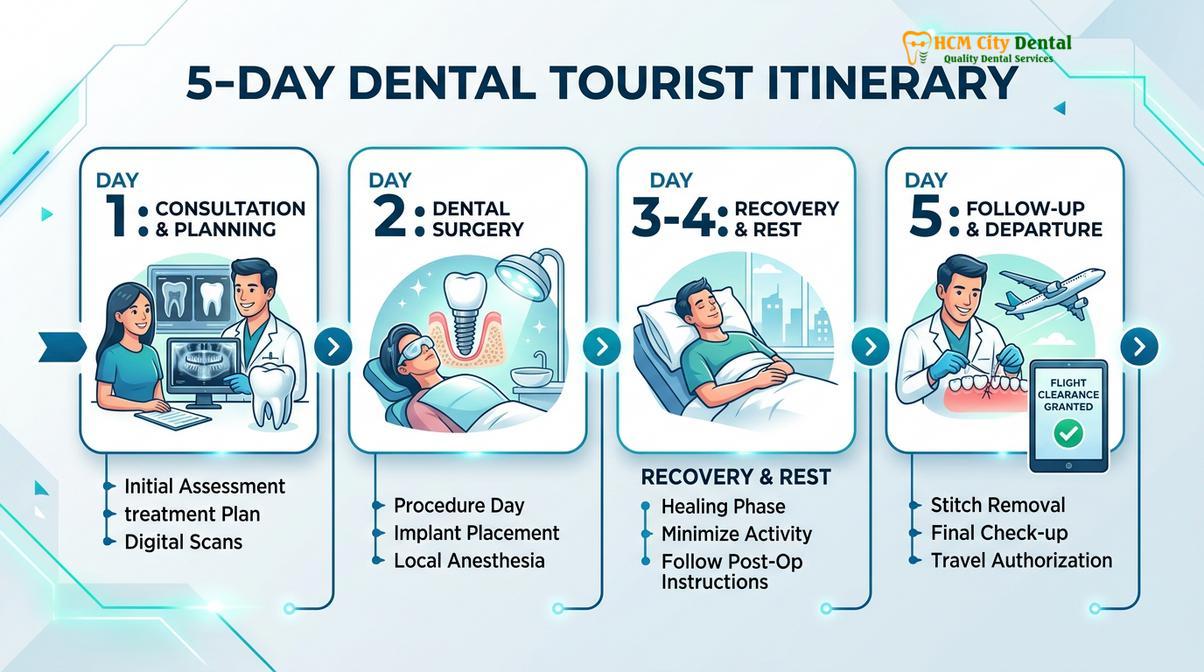
The following table outlines the standard clinical timeline required for a safe and effective treatment journey:
| Day | Clinical Phase | Patient Activity & Restrictions |
|---|---|---|
| Day 1 | Diagnostics & 3D Mapping | Clinic visit for CBCT scans, blood tests (if required), and treatment planning. Normal diet. |
| Day 2 | Surgical Extraction | Procedure day. Strict bed rest post-surgery. Cold compresses, liquid/soft diet only. |
| Day 3 | Acute Recovery (Hemostasis) | Continued rest in hotel. No physical exertion. Warm salt water rinses begin after 24 hours. |
| Day 4 | Sub-acute Recovery | Light tourism permitted (museums, cafes). Avoid heat and strenuous walking. Soft diet continues. |
| Day 5 | Flight Clearance & Discharge | Final clinic visit for suture removal (if applicable) and socket inspection before flying. |
By adhering to this structured timeline, patients can safely combine their medical needs with a relaxing experience in Vietnam, ensuring that their recovery is monitored by professionals before they board a long-haul flight.
Day 1: 3D Mapping Consultation & Pre-op Assessment
Day one focuses on comprehensive clinical diagnostics, utilizing Cone Beam Computed Tomography (CBCT) to map nerve proximity and plan a safe extraction.
The foundation of any successful surgical procedure is precise preoperative diagnostics. Upon arriving at HCMC Dental Clinic, the first step in your wisdom teeth travel plan saigon is a thorough clinical and radiographic examination. Traditional two-dimensional panoramic X-rays are often insufficient for complex impactions, as they cannot accurately depict the bucco-lingual (side-to-side) relationship between the tooth roots and critical anatomical structures.
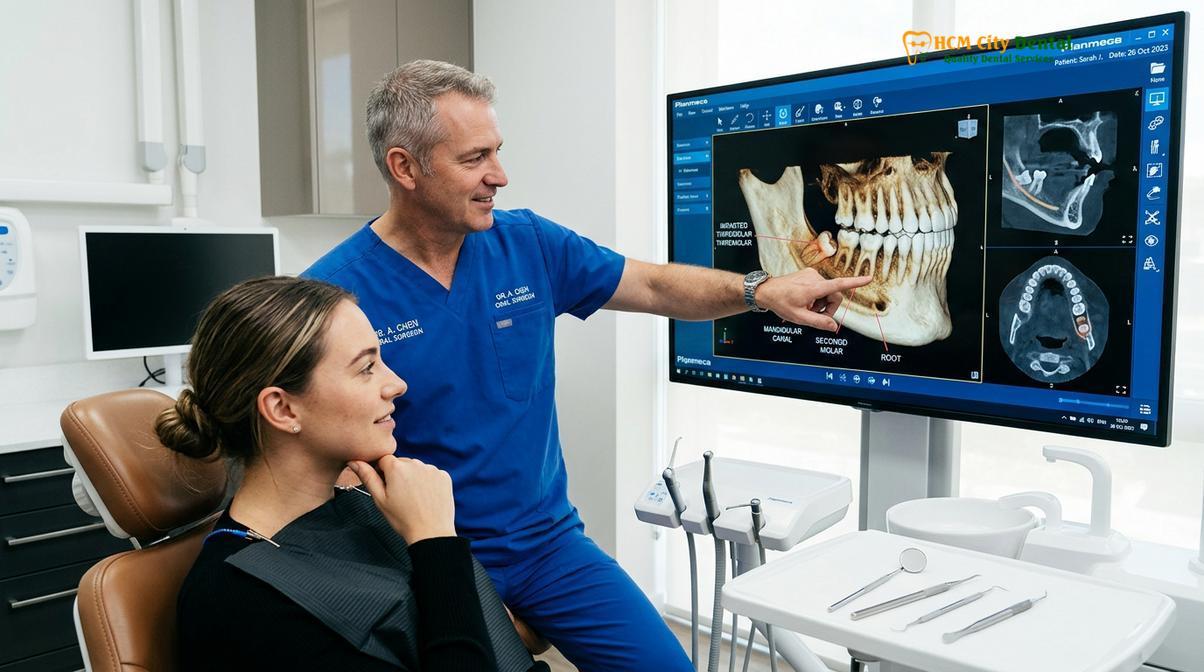
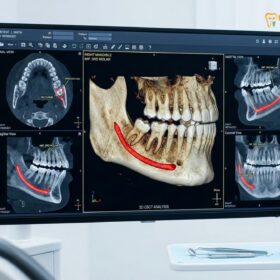
To mitigate surgical risks, we utilize Cone Beam Computed Tomography (CBCT). This advanced imaging technology captures a three-dimensional volumetric dataset of the maxillofacial region. The CBCT scan allows the oral surgeon to evaluate several critical parameters:
- Inferior Alveolar Nerve (IAN) Proximity: For lower wisdom teeth, the roots often wrap around or sit adjacent to the IAN, which supplies sensation to the lower lip and chin. 3D mapping allows the surgeon to measure the exact distance in millimeters, planning a surgical approach that avoids nerve trauma and subsequent paresthesia [4].
- Maxillary Sinus Floor: For upper wisdom teeth, the roots may protrude into the sinus cavity. Assessing the bone thickness between the root apex and the sinus membrane is crucial to prevent oroantral communication (a hole between the mouth and sinus) during extraction.
- Bone Density and Root Morphology: The scan reveals dilacerated (curved) roots, hypercementosis (thickened roots), and the density of the surrounding cortical bone, dictating the specific instruments required for removal.
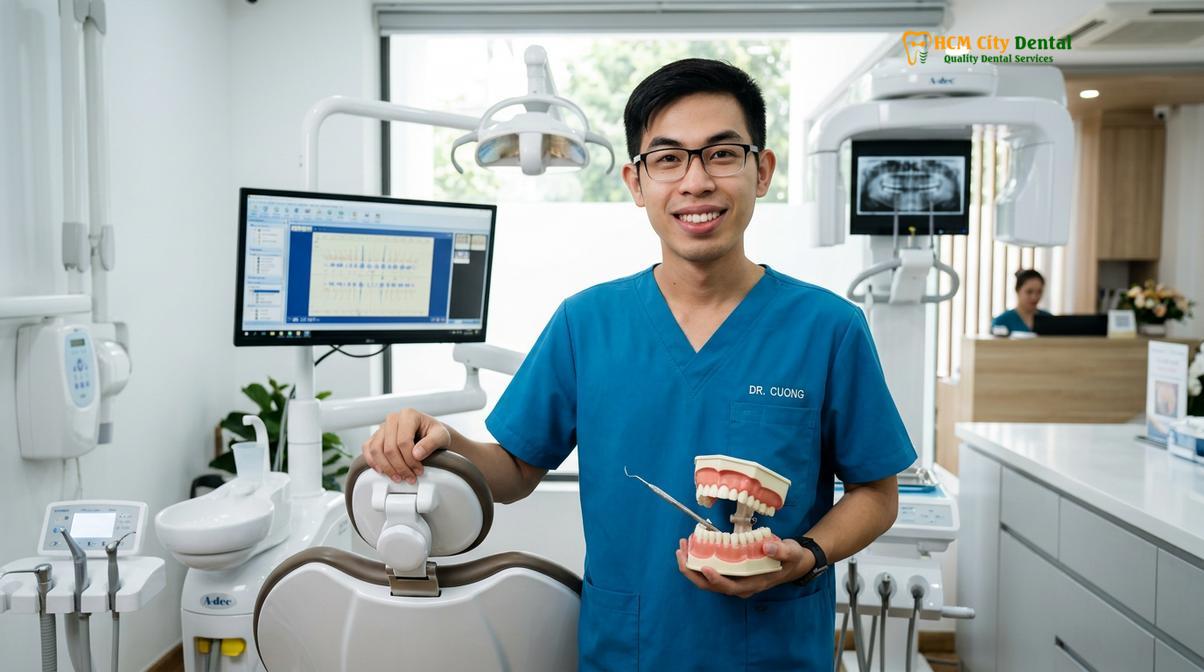
During this consultation, Dr. Nguyen Van Cuong emphasizes the importance of a comprehensive medical history review. Patients must disclose any systemic conditions, such as hypertension or diabetes, and any medications they are taking, particularly anticoagulants or bisphosphonates. If necessary, a basic coagulation profile (PT/INR) may be requested to ensure normal blood clotting function before proceeding to surgery.
Day 2: Minimally Invasive Extraction Surgery
The surgical phase utilizes ultrasonic piezotome technology and platelet-rich fibrin (PRF) to extract the tooth atraumatically and accelerate soft tissue healing.
Day two is the focal point of the itinerary. Modern Tooth Extraction protocols have evolved significantly, shifting away from aggressive bone removal toward minimally invasive, tissue-preserving techniques. This evolution is particularly beneficial for traveling patients, as it drastically reduces postoperative edema (swelling), trismus (jaw stiffness), and pain.
The procedure begins with the administration of profound local anesthesia, typically Articaine with epinephrine, which provides excellent hard and soft tissue numbing while constricting local blood vessels to minimize bleeding. Once the surgical site is anesthetized, a conservative mucoperiosteal flap is raised to expose the impacted tooth.
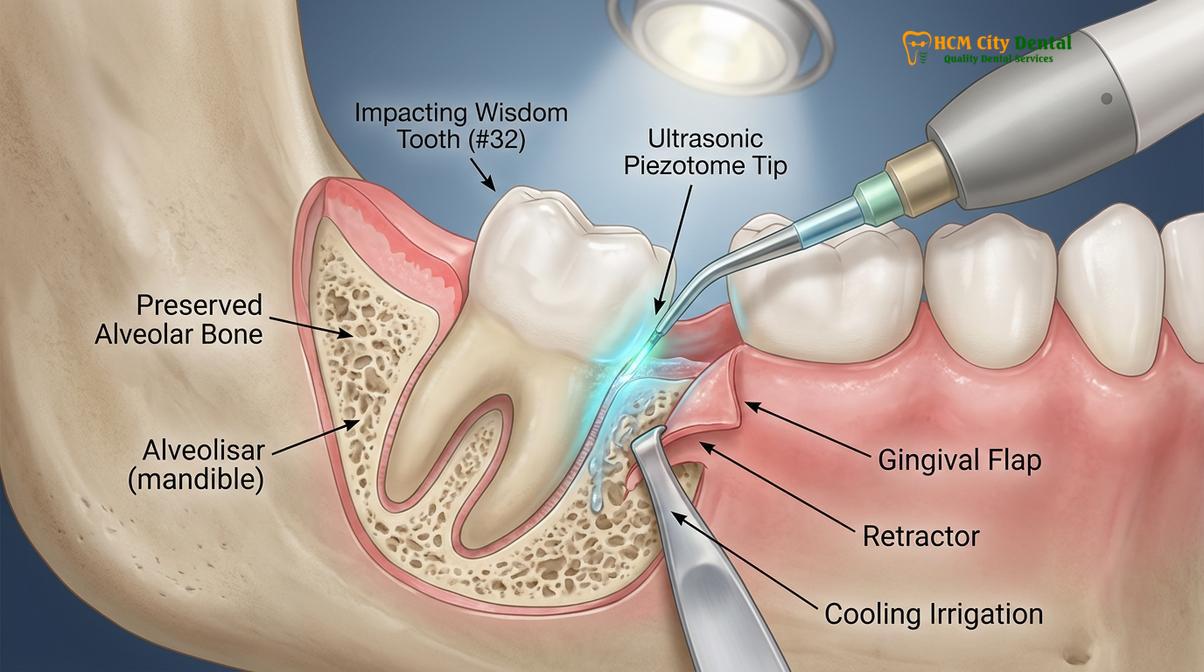
Instead of relying solely on traditional high-speed rotary drills, which generate heat and can traumatize adjacent bone, our clinic utilizes piezoelectric surgery. The Piezotome device uses modulated ultrasonic micro-vibrations to cut bone with extreme precision. Because the ultrasonic frequency is calibrated specifically for mineralized tissue, it selectively cuts bone while leaving soft tissues—such as nerves, blood vessels, and the sinus membrane—completely unharmed [2].
“The integration of piezoelectric technology in third molar surgery has revolutionized the postoperative experience. By minimizing thermal damage and mechanical trauma to the alveolar bone, we observe a significant reduction in the inflammatory cascade, allowing patients to recover faster and with considerably less discomfort.”
If the tooth is severely impacted, it is sectioned into smaller pieces (odontectomy) to allow for removal without expanding the bony socket. Following the complete removal of the tooth and any associated follicular tissue, the socket is thoroughly irrigated with sterile saline.
To optimize the healing process, we frequently employ Platelet-Rich Fibrin (PRF) therapy. A small sample of the patient’s blood is drawn and centrifuged to isolate a concentrated matrix of platelets, leukocytes, and growth factors. This autologous PRF membrane is placed directly into the extraction socket before suturing. PRF acts as a biological scaffold, accelerating angiogenesis (new blood vessel formation), stabilizing the blood clot, and significantly reducing the incidence of dry socket [3].
Day 3 & 4: Rest, Recovery, and Saigon Exploration (Light Activities)
The initial 48 to 72 hours require strict rest to stabilize the blood clot, followed by light, low-impact exploration of Ho Chi Minh City.
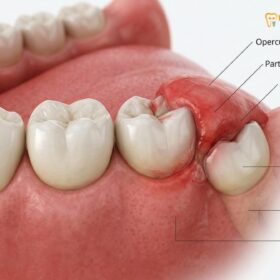
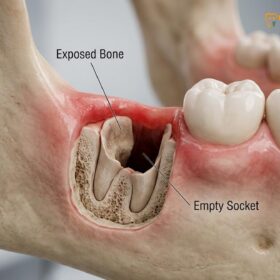
The success of the extraction timeline traveler heavily depends on patient compliance during Days 3 and 4. The first 48 hours post-surgery represent the acute inflammatory phase. During this time, the body is actively forming a fibrin clot to seal the socket and protect the exposed bone and nerve endings. Any disruption to this clot can lead to alveolar osteitis (dry socket), a highly painful condition that delays healing and requires immediate clinical intervention.
On Day 3, patients are instructed to maintain strict rest at their accommodation. Physical exertion increases cardiac output and blood pressure, which can easily dislodge the fragile clot and cause secondary hemorrhage. Patients should apply cold compresses to the face (20 minutes on, 20 minutes off) to manage swelling, which typically peaks around 48 to 72 hours post-operatively.

Clinical Warning: Do not engage in vigorous physical activity, heavy lifting, or prolonged exposure to the intense tropical heat of Ho Chi Minh City during the first 72 hours. Heat causes vasodilation (expansion of blood vessels), which increases the risk of postoperative bleeding and exacerbates facial swelling.
By Day 4, as the acute swelling begins to subside and the clot organizes into early granulation tissue, patients can transition to light, low-impact tourism. Safe activities include visiting air-conditioned museums, enjoying local coffee shops, or taking short, leisurely walks in shaded areas. It is crucial to maintain excellent oral hygiene during this phase. While vigorous spitting and the use of straws are strictly prohibited, patients should begin gentle warm salt water rinses to keep the surgical site clean and reduce bacterial load. For detailed instructions on maintaining socket hygiene, refer to our guide on how to clean the wisdom tooth socket.
Day 5: Stitch Removal and Flight-Ready Clearance
The final clinical visit involves evaluating tissue closure, removing non-resorbable sutures, and verifying that the extraction site can withstand cabin pressure changes.
The culmination of the 5-day itinerary is the flight clearance examination. Before a patient is cleared to board a commercial aircraft, the surgical site must be meticulously evaluated to ensure it is stable enough to endure the atmospheric pressure fluctuations of a pressurized cabin.
During this final visit at HCMC Dental Clinic, the attending surgeon will assess the extraction site for several key clinical indicators:
- Clot Stability: The blood clot must have transitioned into stable granulation tissue. A mature clot is less susceptible to dislodgement from pressure changes or minor trauma.
- Absence of Infection: The site is checked for any signs of purulent exudate (pus), excessive erythema (redness), or localized fluctuance that would indicate an active infection.
- Suture Removal: If non-resorbable sutures were used to achieve primary closure, they are carefully removed. If resorbable (dissolvable) sutures were placed, their integrity is checked.
- Sinus Integrity: For upper extractions, the patient may be asked to perform a gentle Valsalva maneuver to confirm that no oroantral communication has developed, which would strictly contraindicate flying [5].
Clinical Case Study: 5-Day Protocol Success
A 28-year-old patient from Australia visited HCMC Dental Clinic in Ho Chi Minh City presenting with bilateral impacted mandibular third molars causing recurrent pericoronitis. Due to her strict travel schedule, a 5-day protocol was initiated. Day 1 involved CBCT mapping, revealing close proximity to the IAN. On Day 2, Dr. Nguyen Van Cuong performed a piezotome-assisted extraction with PRF grafting. The patient rested for 48 hours, experiencing minimal swelling. By Day 5, clinical examination confirmed stable granulation tissue and complete hemostasis. The patient was cleared for her 8-hour return flight and reported zero altitude-related discomfort upon landing.
Once clearance is granted, the patient is provided with a final set of postoperative instructions, a travel-sized oral hygiene kit, and any necessary prescriptions (such as a short course of antibiotics or NSAIDs) to ensure continued comfort during the journey home.
Travel Tips: Hotel Selection and Soft Foods in HCMC
Selecting accommodations near the clinic and adhering to a soft, nutrient-dense Vietnamese diet are critical for a comfortable and complication-free recovery.
Logistical planning is just as important as clinical execution when organizing a dental holiday. To minimize stress and physical exertion immediately following surgery, dental tourists are strongly advised to book accommodations in central districts, specifically District 1 or District 3. Staying in these areas ensures that you are within a short taxi ride of the clinic for your follow-up appointments and have immediate access to pharmacies and convenience stores.
Nutrition plays a vital role in wound healing. The body requires adequate protein, vitamins, and hydration to synthesize new tissue and fight off potential infections. However, the mechanical act of chewing must be minimized to protect the extraction site. Fortunately, Vietnamese cuisine offers an abundance of soft, nutrient-dense options that are perfect for postoperative recovery.
“Postoperative nutrition should focus on high-protein, non-masticatory foods. We recommend patients consume lukewarm broths, rice porridge, and soft tofu. It is imperative to avoid spicy, acidic, or crunchy foods that can mechanically traumatize the healing socket or induce chemical irritation.”
Excellent dietary choices during your recovery in HCMC include:
- Cháo (Vietnamese Rice Porridge): A staple comfort food that is easily swallowed without chewing. It can be enriched with finely minced pork or chicken for added protein.
- Phở Broth: The nutrient-rich bone broth from Phở (without the noodles or meat initially) provides excellent hydration and essential minerals. Ensure it is consumed lukewarm, not piping hot.
- Đậu Hũ Nước Đường (Silken Tofu): A soft, soothing dessert made of silken tofu, providing a gentle source of protein.
- Fruit Smoothies (Sinh Tố): Blended avocado or banana smoothies are excellent, provided they are consumed from a cup and never through a straw, as the suction can cause dry socket.
For a comprehensive list of safe dietary options, review our clinical guide on foods to eat after wisdom teeth removal.
When to See a Doctor (Post-Operative Red Flags)
Immediate clinical intervention is required if you experience uncontrolled bleeding, escalating pain, or signs of systemic infection during your recovery period.
While the 5-day protocol is designed to monitor you through the highest-risk period, it is crucial to recognize the clinical signs of complications. If you experience any of the following symptoms while recovering in your hotel, you must contact the clinic immediately for an emergency evaluation before attempting to board a flight:
- Uncontrolled Hemorrhage: Mild oozing is normal for the first 24 hours. However, if bright red blood rapidly fills the mouth and does not stop after applying firm pressure with a gauze pad for 45 minutes, immediate intervention is required.
- Escalating, Throbbing Pain: Pain should peak at 48 hours and steadily decline. If you experience a sudden, severe, radiating pain on Day 3 or 4 that is unresponsive to prescribed analgesics, it is a strong indicator of alveolar osteitis (dry socket).
- Signs of Systemic Infection: A fever exceeding 38.5°C (101.3°F), accompanied by chills, difficulty swallowing (dysphagia), or foul-tasting purulent discharge from the socket, indicates an active infection requiring antibiotic therapy and possible surgical drainage.
- Prolonged Numbness: If the profound numbness in your lip, chin, or tongue persists beyond 12 hours after the local anesthesia should have worn off, it may indicate nerve irritation or neuropraxia, requiring clinical assessment.
Never attempt to fly if you are experiencing any of these symptoms, as cabin pressure changes will severely exacerbate the condition. For patients seeking advanced, comfortable care, explore our painless wisdom teeth removal technology to ensure the smoothest possible recovery.
Frequently Asked Questions
Clear answers to common logistical and clinical questions help patients properly plan their dental travel itinerary.
How many days do I need in Vietnam for wisdom tooth removal?
You need a minimum of five days in Vietnam to safely complete a wisdom tooth extraction. This timeframe allows for preoperative diagnostics, the surgical procedure, initial clot stabilization, and a final flight-clearance examination to prevent altitude-related complications. Attempting to compress this timeline increases the risk of postoperative bleeding and dry socket during your return flight.
Can I travel around Saigon after extracting my wisdom teeth?
Yes, you can engage in light travel around Saigon after the first 48 hours of strict rest. Low-impact activities like visiting museums or cafes are acceptable, but you must avoid strenuous walking, heavy lifting, and prolonged heat exposure. Heat and exertion raise blood pressure, which can dislodge the healing blood clot and trigger secondary bleeding.
When is it safe to fly back home after surgery?
It is generally safe to fly 48 to 72 hours after a simple extraction, or 5 to 7 days after a complex surgical extraction. Your dentist must evaluate the socket for stable granulation tissue to ensure cabin pressure changes will not dislodge the blood clot. Flying too early can cause barodontalgia, a severe pain induced by atmospheric pressure fluctuations.
Can I book the appointment before arriving in Vietnam?
Yes, booking your appointment before arriving in Vietnam is highly recommended to secure your preferred surgical date. Pre-booking allows the clinical team to review any existing panoramic X-rays and structure your itinerary efficiently around your travel dates, ensuring that the mandatory 5-day recovery window is properly allocated before your departure flight.
What is the best area to stay in HCMC for dental tourists?
Districts 1 and 3 are the best areas to stay in HCMC for dental tourists. These central districts offer immediate proximity to top dental clinics, a wide variety of soft-food dining options, and easy access to pharmacies and comfortable transportation. Staying centrally minimizes travel time and physical exertion when attending follow-up appointments.
References
- Journal of Oral and Maxillofacial Surgery. Recovery protocols and barodontalgia after third molar extraction. (2021).
- International Journal of Oral and Maxillofacial Surgery. Piezotome versus rotary drill in mandibular wisdom teeth removal. (2019).
- British Dental Journal. Dry socket incidence, prevention, and the role of PRF in post-extraction healing. (2020).
- Journal of the American Dental Association. Mandibular third molar impaction classifications and surgical risk assessment. (2022).
- Clinical Oral Investigations. Lingual nerve protection and flight readiness during surgical extraction. (2018).