To clean a wisdom tooth socket effectively, wait 24 to 48 hours post-surgery before initiating gentle warm salt water rinses. After the fifth day, you can carefully use a curved plastic syringe to flush out trapped food debris, ensuring the healing blood clot remains undisturbed to prevent dry socket.
Clinical Summary:
Properly maintaining a clean wisdom tooth socket is critical for preventing localized osteitis (dry socket) and secondary bacterial infections. The clinical protocol dictates a phased approach: absolute rest for the first 24 hours, followed by passive saline rinses, and eventually active mechanical irrigation using a curved syringe by day five. Patients must avoid aggressive spitting, commercial mouthwashes containing alcohol, and negative intraoral pressure. Dr. Nguyen Van Cuong emphasizes that preserving the primary blood clot while gently removing food debris ensures optimal soft tissue epithelialization and underlying bone regeneration. Adhering to these evidence-based guidelines significantly reduces post-operative complications and accelerates the overall healing trajectory.
Key Takeaways:
- Do not rinse, spit, or brush near the extraction site for the first 24 hours to protect the blood clot.
- Begin gentle warm salt water rinses on the second day to neutralize oral bacteria and reduce edema.
- Start using a curved irrigation syringe only after 5 to 7 days post-surgery to safely dislodge debris.
- Never use sharp objects, toothpicks, or high-pressure water flossers to remove trapped food.
- Contact your oral surgeon immediately if you experience severe radiating pain or foul-smelling discharge.
The Importance of Keeping Extraction Sockets Clean
Keeping the extraction socket clean prevents bacterial accumulation and food impaction, which are the primary catalysts for painful dry socket and delayed wound healing.
When a wisdom tooth is surgically removed, it leaves behind a deep anatomical void in the alveolar bone known as an extraction socket. Because wisdom teeth are located at the very back of the mouth—specifically near the retromolar pad of the mandible or the maxillary tuberosity—these sockets are naturally prone to collecting food debris, plaque, and oral bacteria. Understanding how to properly clean a wisdom tooth socket is a fundamental aspect of post-operative care that directly influences the success of your recovery.
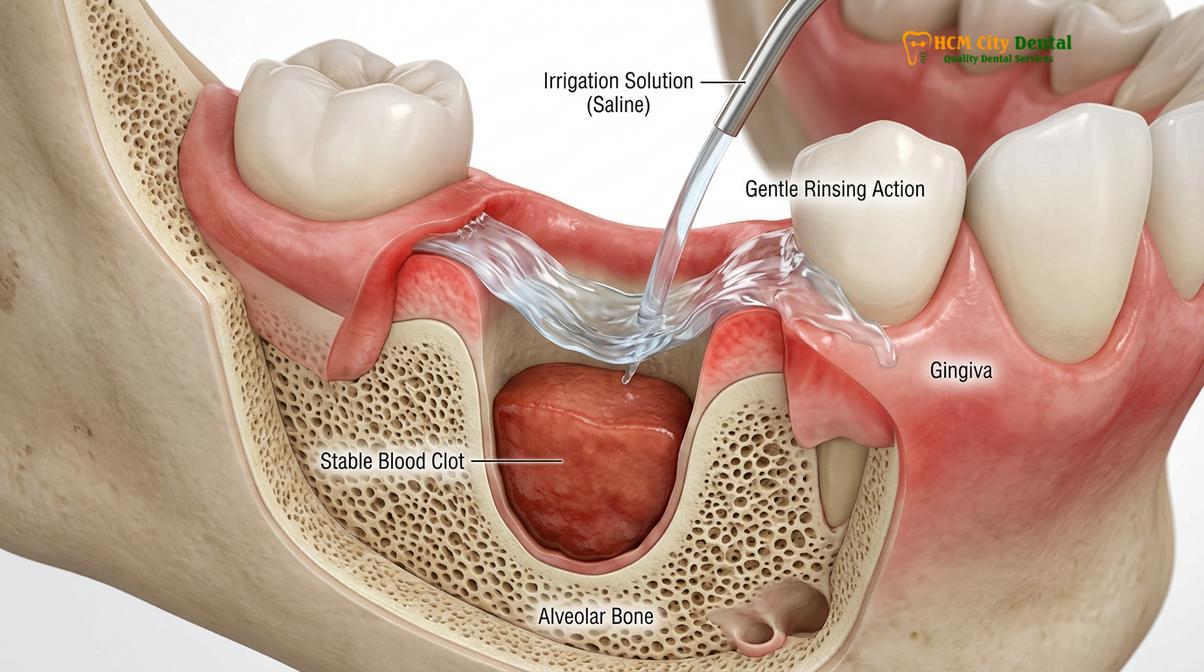
The healing process of an extraction socket is complex and highly dependent on the stability of the initial blood clot. Immediately following wisdom tooth extraction procedures, the body initiates hemostasis. Platelets aggregate to form a fibrin network, creating a protective blood clot that seals the socket. This clot serves as a biological scaffold, protecting the exposed underlying bone and sensitive nerve endings from the harsh environment of the oral cavity. If this clot is lost prematurely—a condition clinically termed alveolar osteitis or dry socket—the patient will experience severe, radiating pain [1].
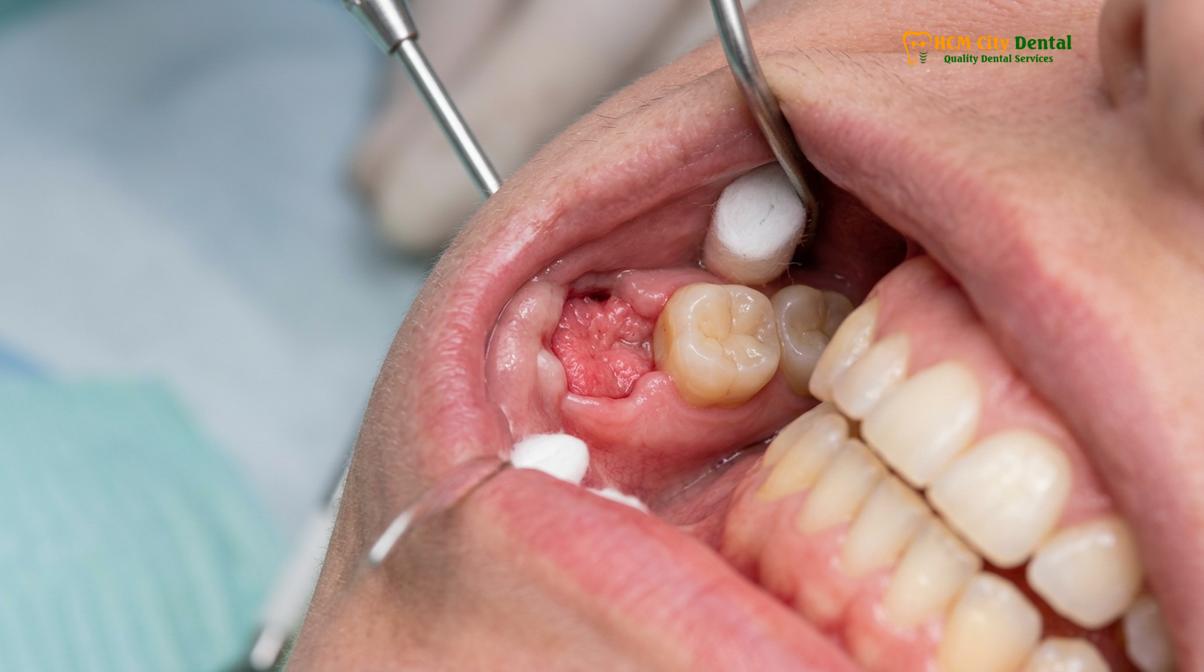
Therefore, the primary goal of cleaning the extraction site is to remove fermentable food debris and reduce the bacterial load without disrupting this fragile fibrin scaffold. When food particles become trapped in the socket, they act as a substrate for bacterial proliferation. The oral cavity harbors hundreds of species of bacteria. If these bacteria are allowed to multiply within the stagnant environment of an uncleaned socket, they produce acidic byproducts and toxins that trigger localized inflammation. This inflammatory response can degrade the blood clot, delay the formation of granulation tissue, and increase the risk of post-operative infections.
At HCMC Dental Clinic, our surgical team emphasizes that proper hygiene is a delicate balance. Over-cleaning or cleaning too aggressively can be just as detrimental as neglecting oral hygiene altogether. The objective is to facilitate a clean environment that supports the body’s natural cellular turnover. As the days progress, the blood clot is gradually replaced by granulation tissue, which is rich in new blood vessels and fibroblasts. Eventually, the gingival epithelium migrates over the surface, closing the hole completely. Maintaining a clean environment ensures this biological progression occurs without interruption.
When is it Safe to Start Rinsing and Brushing?
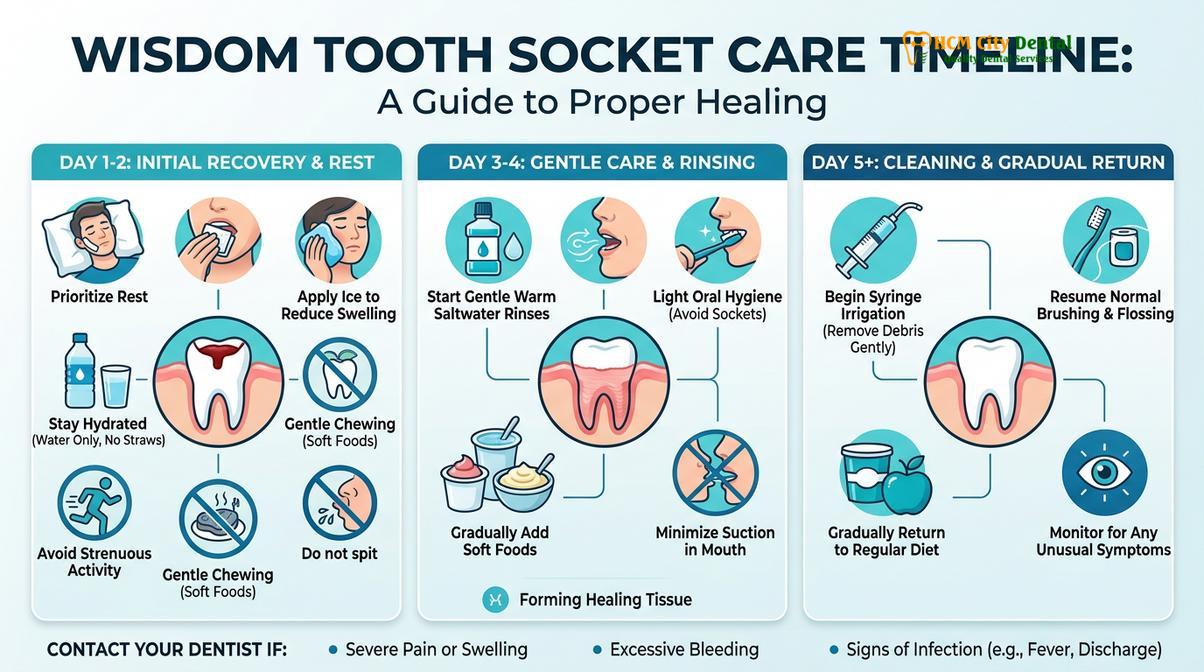
You should wait at least 24 hours before rinsing your mouth or brushing near the surgical site to allow the fragile blood clot to stabilize.
Timing is arguably the most critical factor when it comes to post-operative oral hygiene. The first 24 hours following surgery are considered the absolute rest phase. During this critical window, the blood clot is highly vulnerable to mechanical disruption and changes in fluid dynamics within the mouth. Patients are strictly advised against any form of rinsing, spitting, or vigorous mouth movements. Introducing fluids or mechanical action too early can easily wash away the newly formed clot, exposing the alveolar bone and leading to severe complications.
After the initial 24-hour period has passed, you may begin the process of gently cleaning the oral cavity. However, brushing teeth after extraction requires a modified technique. You should continue to brush your remaining teeth to maintain overall oral hygiene and prevent plaque buildup, which could otherwise migrate toward the surgical site. When brushing, use a soft-bristled toothbrush and apply gentle, circular motions. It is imperative to avoid the teeth immediately adjacent to the extraction socket for the first few days. The mechanical friction of the bristles, combined with the chemical surfactants in toothpaste, can irritate the healing gingival margins.
“The most common mistake patients make is attempting to resume their normal oral hygiene routine too quickly. The first 48 hours dictate the trajectory of the entire healing process. Patience and extreme gentleness are your best tools for preventing complications.”
— Dr. Nguyen Van Cuong, Lead Oral Surgeon
When brushing, be mindful of the toothpaste foam. Most commercial toothpastes contain sodium lauryl sulfate (SLS), a foaming agent that expands in the mouth. As the foam accumulates, the natural instinct is to spit it out forcefully. You must resist this urge. Instead of spitting, simply lean over the sink and allow the foam and saliva to passively drool out of your mouth. You can gently wipe your lips with a clean tissue. This passive clearing method prevents the creation of negative intraoral pressure, which is a leading cause of blood clot dislodgement [2].
By the third or fourth day, as the soft tissues begin to exhibit early signs of epithelialization, you can gradually bring the toothbrush closer to the surgical site, but you should still avoid direct contact with the socket itself. If you have received advanced therapies such as advanced PRF therapy, the healing matrix is robust, but it still requires protection from direct mechanical abrasion. Always follow the specific timeline provided by your surgical team, as the complexity of the extraction—such as whether the tooth was fully bony impacted or partially erupted—will influence how quickly you can resume normal brushing habits.
How to Perform Gentle Warm Salt Water Rinses
Mix half a teaspoon of salt into eight ounces of warm water and let the solution passively roll over the extraction site without vigorous swishing.
Once the initial 24-hour rest period has concluded, warm salt water (saline) rinses become the cornerstone of your post-operative hygiene regimen. Saline is an isotonic solution, meaning its salt concentration closely matches the natural osmotic pressure of the human body’s cells and extracellular fluids. This makes it incredibly soothing and biologically compatible with healing tissues. Unlike plain tap water, which can cause cellular swelling due to osmotic imbalances, an isotonic saline rinse helps to draw out excess interstitial fluid, thereby reducing localized edema (swelling) around the extraction site.
Furthermore, salt water possesses mild bacteriostatic properties. While it does not sterilize the mouth, it temporarily raises the pH of the oral environment, creating an alkaline state that is inhospitable to many of the acid-producing bacteria responsible for plaque formation and infection. Regular saline rinsing helps to neutralize these bacterial byproducts, keeping the surgical site clean and promoting optimal conditions for tissue regeneration [3].
To prepare the ideal saline solution, dissolve approximately one-half teaspoon of non-iodized table salt or sea salt into eight ounces (one cup) of warm water. The water should be comfortably warm—similar to body temperature—but never hot. Hot liquids can induce vasodilation (widening of the blood vessels), which may stimulate secondary bleeding from the socket. Conversely, extremely cold water can trigger dentinal hypersensitivity in the adjacent teeth and cause uncomfortable muscle contractions in the jaw.
The technique used for rinsing is just as important as the solution itself. Traditional mouthwash techniques involve vigorous swishing, utilizing the buccinator muscles of the cheeks to force fluid rapidly between the teeth. This aggressive action is strictly contraindicated after an extraction. Instead, take a small sip of the warm salt water and simply tilt your head from side to side, allowing the fluid to passively roll over the extraction site. Let gravity do the work. After holding the solution over the site for 15 to 30 seconds, lean over the sink and open your mouth, allowing the water to fall out naturally. Repeat this gentle process after every meal and before bedtime to ensure that loose food particles are consistently cleared away.
For patients who have undergone complex procedures, such as those requiring intravenous sedation options due to deep impactions, the resulting sockets may be larger and more prone to trapping debris. In these cases, consistent and gentle saline rinsing is absolutely vital. It provides a safe, non-mechanical method of maintaining cleanliness during the critical first week of recovery when the tissues are too tender for any other form of intervention.
Using a Plastic Curved Syringe to Irrigate Sockets Safely
Starting on day five, fill a curved plastic syringe with warm saline and gently flush the socket from a safe distance to dislodge stubborn food particles.
While passive salt water rinses are excellent for the first few days, they may not generate enough fluid dynamics to dislodge stubborn, impacted food debris from deep within the socket. This is where mechanical irrigation becomes necessary. However, introducing a targeted stream of water into the socket must be timed perfectly. Clinical guidelines dictate that patients should not use an irrigate extraction socket syringe until at least five to seven days post-surgery. By this time, the primary blood clot has organized into a more stable matrix of granulation tissue, making it significantly more resistant to fluid pressure.
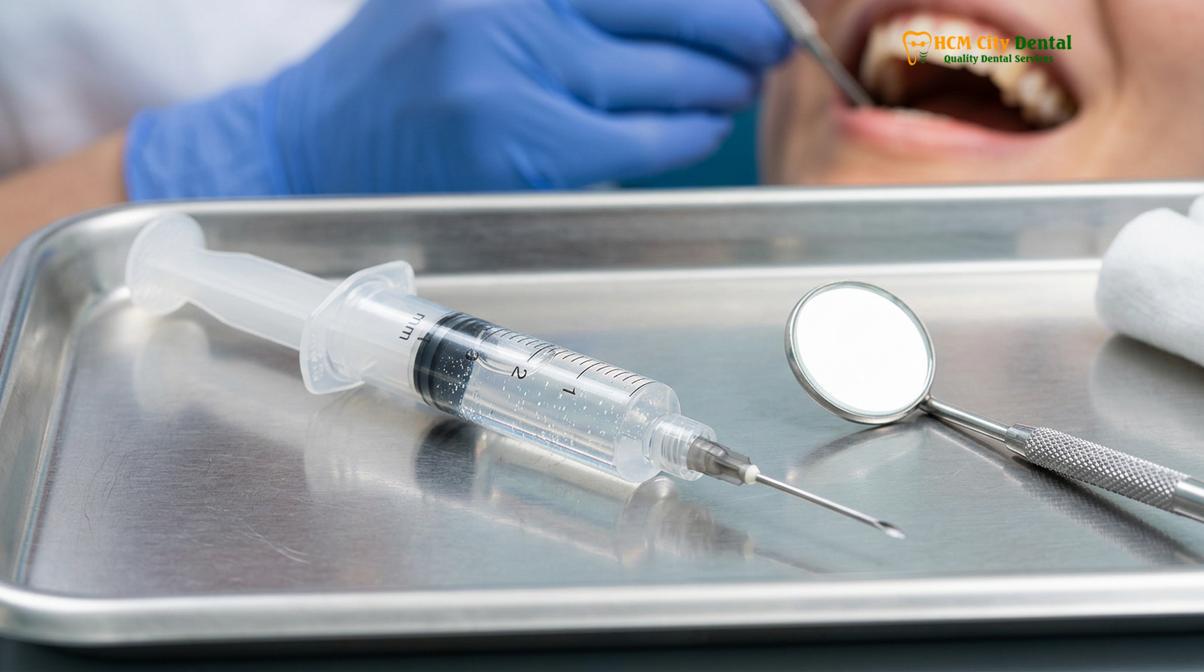
The tool of choice for this procedure is a monoject-style plastic syringe with a curved, tapered tip. This specific design allows patients to navigate the complex anatomy of the posterior oral cavity and direct a controlled stream of fluid precisely where it is needed. When you are ready to begin irrigation, fill the syringe with the same warm salt water solution used for your passive rinses. Stand in front of a well-lit mirror to ensure you have clear visibility of the surgical site.
To irrigate safely, open your mouth wide and use a clean finger or a tongue depressor to gently retract your cheek. Locate the opening of the extraction socket. It is crucial that you do not insert the plastic tip directly into the hole or push it deep into the socket. Doing so can cause mechanical trauma to the fragile new tissue at the base of the wound. Instead, hover the tip of the syringe just above or slightly inside the upper rim of the socket opening. Aim the stream downward and apply slow, steady pressure to the plunger [4].
| Healing Phase | Timeframe | Recommended Cleaning Action | Contraindications |
|---|---|---|---|
| Hemostasis (Clotting) | Day 1 (0-24 hours) | Absolute rest. Bite on gauze if bleeding occurs. | No rinsing, no spitting, no brushing near the site. |
| Inflammation & Early Repair | Days 2-4 | Passive warm salt water head-tilts. Gentle brushing of other teeth. | No vigorous swishing, no syringe irrigation, no commercial mouthwash. |
| Proliferation (Granulation) | Days 5-14 | Active syringe irrigation with warm saline after meals. | No high-pressure water flossers, no toothpicks. |
| Remodeling (Epithelialization) | Weeks 3-6 | Continue irrigation until the socket closes completely. | Avoid neglecting hygiene as the socket shrinks. |
As you flush the socket, you will likely see cloudy water and small food particles wash out into your mouth. Continue to flush the area with gentle pulses until the water runs completely clear. This process should be repeated after every major meal to ensure the socket remains free of fermentable carbohydrates. If you experience sharp pain during irrigation, stop immediately. Mild tenderness is normal, but acute pain suggests that the fluid pressure is too high or that the tissue is not yet ready for mechanical flushing.
Patients who have had lower wisdom teeth removed often find irrigation more necessary than those who have had upper extractions. Gravity naturally helps to drain upper sockets, whereas lower sockets act like anatomical cups, readily catching gravity-fed debris. If your surgical plan involved nerve proximity considerations, your surgeon may provide highly specific instructions regarding the depth and pressure of irrigation to avoid stimulating the underlying inferior alveolar nerve during the healing phase.
What to Do If Food Gets Stuck in the Socket Hole
If food becomes trapped, rely on gentle saline irrigation or let natural cellular turnover push it out; never use toothpicks or sharp instruments.
Discovering food stuck in a wisdom tooth hole is a common source of anxiety for many patients. It is visually alarming to see a white or dark mass lodged in the surgical site, and the natural human instinct is to immediately try and dig it out. However, clinical intervention requires a measured and cautious approach. The most important rule of post-operative care is to never introduce foreign, unsterilized objects into the healing wound.
Using toothpicks, cotton swabs, tweezers, or even your fingers to pry food out of the socket is highly dangerous. These objects are not sterile and can introduce aggressive bacterial strains directly into the vulnerable bone and bloodstream. Furthermore, sharp instruments can easily puncture the delicate granulation tissue, causing secondary hemorrhage and severely delaying the healing timeline. Even a seemingly soft cotton swab can leave behind microscopic fibers that act as foreign body irritants, triggering chronic inflammation.
Clinical Case Example: A 24-year-old patient visited HCMC Dental Clinic in Ho Chi Minh City complaining of severe throbbing pain five days after a lower wisdom tooth extraction. Upon examination, the surgeon discovered that the patient had used a wooden toothpick to aggressively remove a piece of trapped rice. This action had completely eviscerated the primary blood clot and introduced a localized bacterial infection. The patient required socket debridement, placement of a medicated dressing, and a course of systemic antibiotics to resolve the self-inflicted complication.
If you notice food trapped in the socket before day five (when syringe irrigation is permitted), the best course of action is to perform a passive warm salt water rinse. If the gentle flow of water does not dislodge the particle, leave it alone. The human body is remarkably adept at managing minor debris. Healing of an extraction socket occurs from the “bottom up.” As osteoblasts lay down new bone at the base of the socket and fibroblasts synthesize new connective tissue, the floor of the socket gradually rises. This upward cellular migration will naturally push small, trapped food particles toward the surface until they are eventually expelled.
If the trapped food is causing significant discomfort, a foul taste, or localized swelling, and it cannot be removed via gentle syringe irrigation after day five, you should contact your dental provider. A clinician can use professional-grade, sterile suction and specialized irrigation tools to safely debride the socket without damaging the underlying regenerative tissues. It is always better to seek a professional dental cleaning or post-operative check-up rather than risking self-injury.
Avoiding Harsh Mouthwashes and Aggressive Spitting
Alcohol-based mouthwashes and forceful spitting create negative pressure and chemical irritation that can dislodge the blood clot and cause severe complications.
While maintaining a clean oral environment is essential, the methods and products you use must be carefully selected. Over-the-counter commercial mouthwashes are generally contraindicated during the first two weeks of wisdom tooth recovery. Many popular mouthwashes contain high concentrations of alcohol, which acts as a harsh astringent. Alcohol desiccates (dries out) the delicate oral mucosa and can chemically burn the newly forming granulation tissue within the socket. This chemical irritation not only causes intense burning pain but also disrupts the cellular proliferation necessary for wound closure.
Furthermore, the physical act of using mouthwash typically involves aggressive swishing and forceful spitting. As previously discussed, spitting creates a vacuum effect within the oral cavity. This negative intraoral pressure is powerful enough to physically suck the blood clot right out of the bony socket. The loss of this clot exposes the alveolar bone and the trigeminal nerve endings to air, food, and fluids, resulting in the excruciating pain characteristic of preventing dry socket complications [5].
Clinical Warning: Do not use high-pressure water flossers (such as a Waterpik) to clean extraction sockets. The concentrated, high-velocity stream of water acts like a pressure washer, easily slicing through fragile healing tissues, destroying the blood clot, and potentially driving bacteria deeper into the fascial spaces of the jaw.
“The physics of the oral cavity during recovery cannot be ignored. Any action that creates a vacuum—whether it is sucking on a straw, smoking a cigarette, or forcefully spitting out mouthwash—exponentially increases the risk of clot failure. Passive fluid management is the only safe approach.”
— Clinical Guidelines on Post-Surgical Care
If your oral surgeon determines that you are at a high risk for infection—perhaps due to a pre-existing pericoronitis or a particularly traumatic surgical extraction—they may prescribe a specific, non-alcoholic antimicrobial rinse containing chlorhexidine gluconate. If prescribed, this medicated rinse should be used exactly as directed, typically by gently bathing the surgical site rather than swishing. Always prioritize the gentle, isotonic nature of warm salt water unless explicitly instructed otherwise by your surgical team.
When to See a Doctor
While diligent home care and proper cleaning techniques resolve most post-operative concerns, certain clinical signs warrant immediate professional evaluation. It is crucial to distinguish between the normal physiological signs of healing and the pathological symptoms of an emerging complication. Mild swelling, minor oozing of blood during the first 24 hours, and a slight dull ache are expected components of the inflammatory phase of healing.
However, you should contact your oral surgeon or visit HCMC Dental Clinic immediately if you experience any of the following red flags:
- Uncontrolled Bleeding: Heavy, bright red bleeding that rapidly fills the mouth and does not subside after applying firm, continuous pressure with a sterile gauze pad for 45 to 60 minutes.
- Severe, Radiating Pain: Acute, throbbing pain that begins or worsens 3 to 5 days after surgery, radiates to the ear or temple, and is unresponsive to prescribed analgesic medications (a classic hallmark of dry socket).
- Purulent Exudate: The presence of thick, yellow, or green pus draining from the extraction site, often accompanied by a persistently foul, sour taste in the mouth that does not improve with saline irrigation.
- Systemic Symptoms: A fever exceeding 101°F (38.3°C), chills, severe lethargy, or swollen, tender lymph nodes in the neck, indicating a spreading systemic infection.
- Progressive Swelling: Facial swelling that continues to increase dramatically after the third post-operative day, or any swelling that compromises your airway, making it difficult to swallow or breathe.
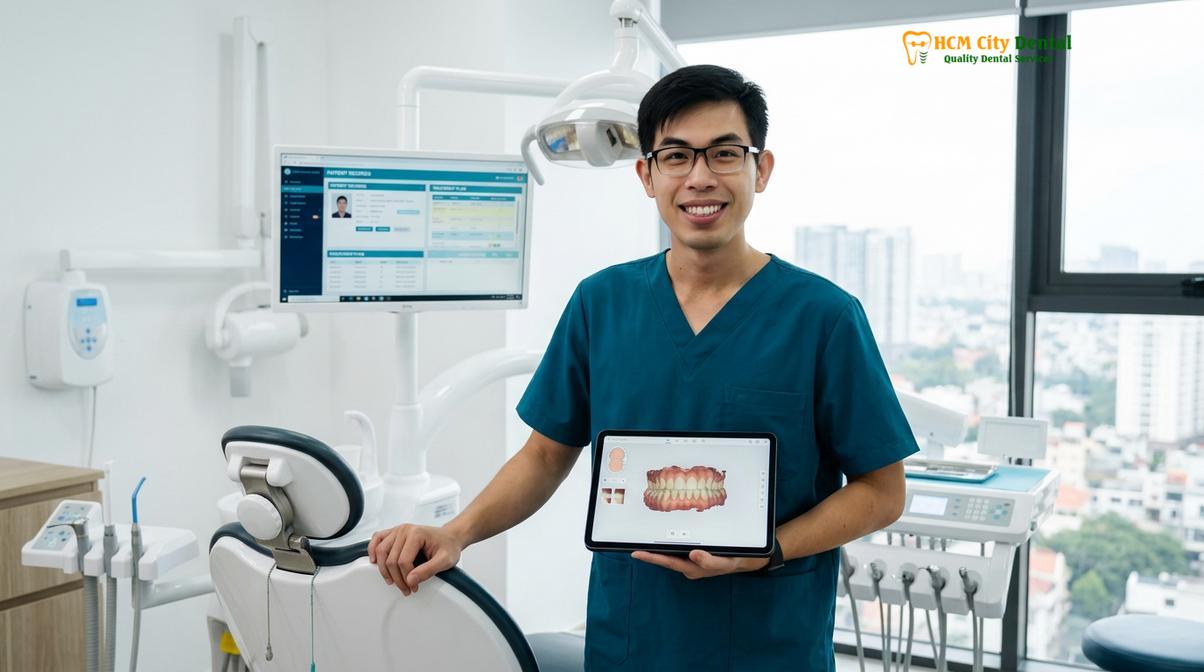
If you are experiencing high anxiety regarding your recovery, or if you underwent a procedure utilizing nitrous oxide administration and have questions about your specific healing timeline, do not hesitate to reach out to your provider. At HCMC Dental Clinic in Ho Chi Minh City, our clinical team is dedicated to ensuring your post-operative journey is as safe, comfortable, and complication-free as possible. Proper clinical diagnostics are always superior to self-management when warning signs arise.
Frequently Asked Questions
How do I clean food out of my wisdom tooth socket?
To clean food out of your wisdom tooth socket, use a gentle warm salt water rinse or a curved plastic irrigation syringe. Never use toothpicks, sharp instruments, or your fingers, as these can dislodge the healing blood clot and introduce harmful bacteria into the surgical site. For the first few days, rely solely on passive head-tilting with saline. Only after the fifth day should you introduce the gentle mechanical flushing of a syringe to dislodge more stubborn debris.
When can I use a syringe to irrigate my wisdom tooth hole?
You can safely begin using a curved irrigation syringe five to seven days after your extraction surgery. Using a syringe too early creates excessive fluid pressure that can easily wash away the fragile primary blood clot, leading to a painful condition known as dry socket. By day five, the clot has typically organized into a more resilient layer of granulation tissue, which can withstand the gentle, targeted stream of warm saline required to flush out impacted food particles.
Is it normal for a wisdom tooth socket to smell bad?
A mild odor can be normal during the initial healing phase due to cellular turnover and minor food accumulation. However, a strong, persistent foul odor accompanied by severe pain, swelling, or pus indicates a potential bacterial infection or dry socket, requiring immediate clinical evaluation. If regular, gentle saline irrigation does not resolve the odor, or if you notice a sour taste that lingers, you should schedule a follow-up appointment with your oral surgeon to rule out complications.
How long do I need to clean the wisdom tooth holes?
You should continue cleaning and irrigating the wisdom tooth holes until the sockets have fully closed and no longer trap food debris. For most patients, this soft tissue healing process takes anywhere from four to six weeks, depending on the complexity of the initial surgical extraction. Even after the surface gums appear healed, the underlying bone remodeling continues for several months. Maintain your irrigation routine after meals until you notice the anatomical depression has completely leveled out.
What happens if food remains trapped in the extraction socket?
If food remains trapped, it can ferment and attract bacteria, potentially causing localized inflammation, delayed healing, or a secondary infection. Fortunately, the socket heals from the bottom up, meaning the body’s natural cellular regeneration will eventually push most small, trapped food particles out on its own. If a large piece of food is causing acute discomfort and cannot be removed with gentle syringe irrigation, do not dig at it; seek professional debridement from your dental provider.
References
- Journal of Oral and Maxillofacial Surgery. Postoperative care and complication management following third molar extraction. (2021).
- International Journal of Oral and Maxillofacial Surgery. The efficacy of saline irrigation in preventing alveolar osteitis. (2019).
- British Dental Journal. Histological phases of extraction socket healing and epithelialization. (2020).
- Journal of the American Dental Association. Guidelines for mechanical plaque control post-oral surgery. (2022).
- Clinical Oral Investigations. Impact of negative intraoral pressure on fibrin clot stability. (2018).