To effectively reduce swelling wisdom teeth, apply a cold compress for the first 48 hours to constrict blood vessels, then switch to warm heat to promote fluid drainage. Keep your head elevated while sleeping, take prescribed anti-inflammatory medications, and maintain a soft diet to minimize surgical site irritation.
Clinical Summary:
Post-operative edema (swelling) is a natural physiological response to the surgical trauma of Tooth Extraction. The body initiates an inflammatory cascade, increasing blood flow and vascular permeability to deliver healing cells to the extraction site. Managing this response requires a phased approach: utilizing cryotherapy (ice) immediately to limit fluid extravasation, transitioning to thermotherapy (heat) after 48 hours to encourage lymphatic drainage, and employing pharmacological support such as NSAIDs or corticosteroids. Advanced surgical techniques, including ultrasonic bone cutting and autologous blood concentrates, further minimize tissue disruption, ensuring a smoother, more predictable recovery trajectory.
Key Takeaways:
- Swelling is a normal healing response, typically peaking at 48 to 72 hours post-surgery.
- Strictly use cold compresses for the first two days to minimize initial fluid buildup.
- Switch to warm compresses on day three to stimulate blood flow and clear trapped fluids.
- Keep your head elevated above your heart, especially when sleeping, to utilize gravity for drainage.
- Advanced surgical methods like ultrasonic extraction significantly reduce the severity of postoperative puffiness.
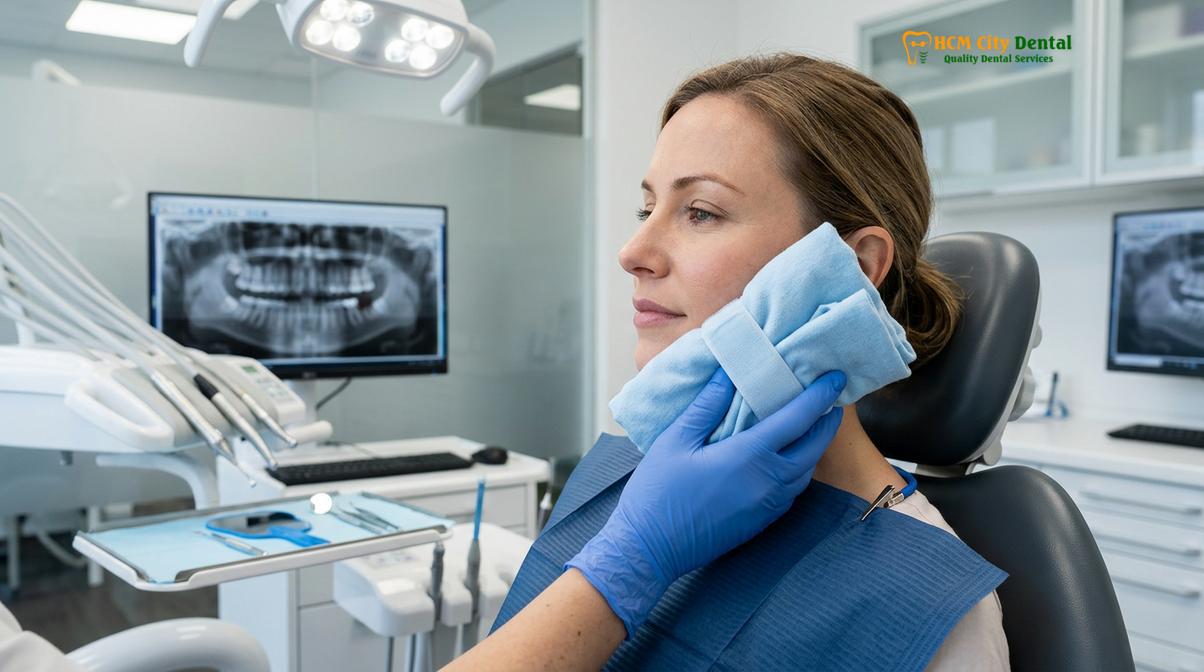
Why Swelling & Bruising Occur After Wisdom Tooth Surgery
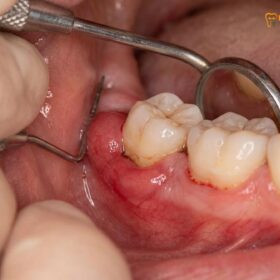
Swelling and bruising are natural inflammatory responses triggered by surgical trauma to the jawbone and gum tissue. The body increases blood flow and vascular permeability to send white blood cells to the extraction site, initiating the healing cascade.
When a third molar is surgically removed, the body immediately recognizes the localized tissue disruption as an injury. In response, the immune system triggers a complex biological process known as the inflammatory cascade. This is not a complication; rather, it is a highly orchestrated defense and repair mechanism. The surgical manipulation of the gingiva (gums), the periodontal ligament, and the surrounding alveolar bone prompts the release of chemical mediators such as histamines, bradykinin, and prostaglandins. These biochemical signals instruct the local blood vessels to dilate and become more permeable, allowing nutrient-rich plasma and white blood cells to flood the surgical site.[1]
This sudden influx of fluids into the interstitial spaces—the tiny gaps between your cells—is what causes the visible puffiness in your cheeks and jawline. The severity of this edema is directly proportional to the complexity of the extraction. A fully erupted wisdom tooth that is easily elevated will cause minimal tissue disruption. Conversely, a deeply impacted tooth encased in bone requires the surgeon to create a gum flap and carefully remove surrounding bone tissue. This increased surgical intervention naturally results in a more pronounced inflammatory response.
In addition to swelling, many patients experience bruising after tooth extraction, clinically referred to as ecchymosis. During the procedure, microscopic capillaries beneath the mucosal tissues may be disrupted. Red blood cells escape from these tiny vessels and seep into the surrounding soft tissues of the cheek, jaw, and sometimes down the neck. As the body breaks down and reabsorbs these trapped red blood cells, the skin undergoes a colorful transition—often starting as a deep purple or blue, fading to green, and finally turning a pale yellow before disappearing entirely. This extravasation of blood is completely harmless and is simply a visual indicator of the body’s internal cleanup process.
“Patients often worry when they see their cheeks swell or notice a yellowish bruise on their jawline. I always reassure them that this is not a sign of infection, but rather evidence that their immune system is robustly delivering the necessary cellular building blocks to repair the extraction site.”
Understanding the pathophysiology of swelling helps demystify the recovery process. The fluid that makes your face feel tight and heavy is packed with macrophages and neutrophils—cells dedicated to preventing infection and laying down the foundational matrix for new bone and gum tissue. Therefore, the goal of post-operative care is not to completely halt inflammation, which would delay healing, but to manage it so that it remains within comfortable and safe limits.
The Peak Swelling Phase: What is Normal?
Facial swelling typically peaks between 48 and 72 hours post-surgery before gradually subsiding over the next several days. Experiencing maximum puffiness on day three is a standard clinical expectation, not a sign of complication.
One of the most common misconceptions among patients is that swelling will be at its worst immediately after they leave the dental chair. In reality, the inflammatory fluids take time to accumulate in the facial tissues. When you wake up the morning after your surgery, you will likely notice some puffiness, but the true peak of the swelling usually occurs on the second or third day. Knowing the timeline of swelling peak days wisdom teeth is crucial for managing expectations and avoiding unnecessary anxiety.
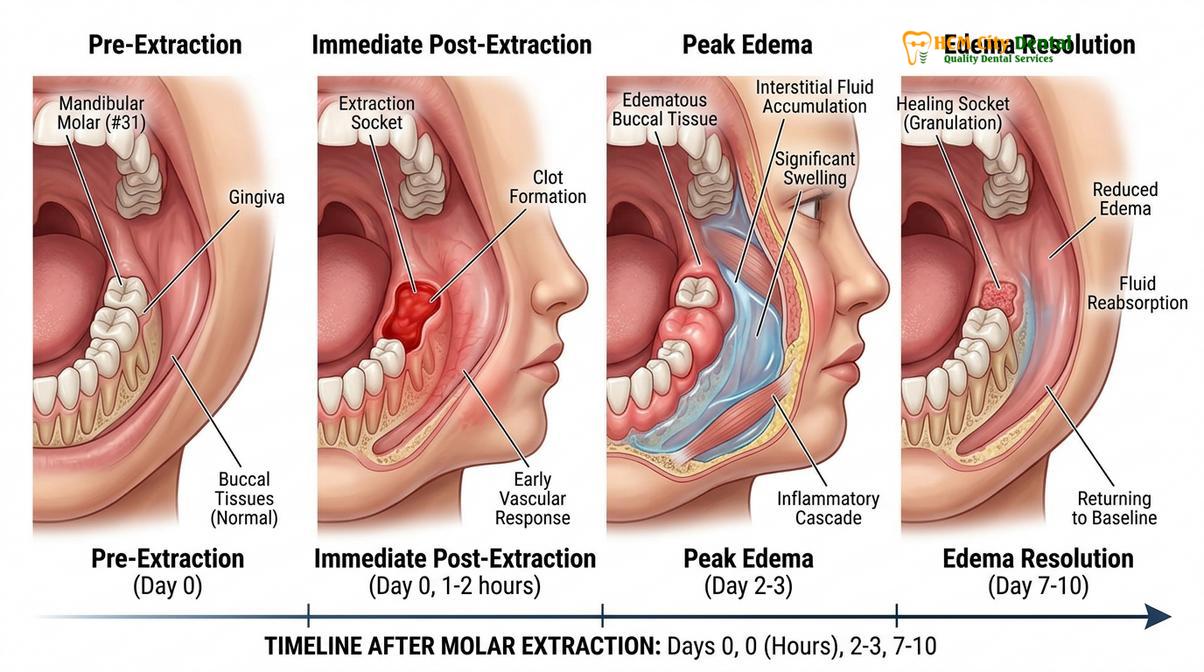
During this peak phase, it is entirely normal to develop what is colloquially known as chipmunk cheeks wisdom teeth. Your lower face may look noticeably wider, and the skin over your jaw may feel tight, warm, and slightly tender to the touch. You might also experience trismus, which is a temporary restriction in how wide you can open your mouth. This stiffness is caused by the accumulation of inflammatory fluids within the muscles of mastication (the chewing muscles) located near the extraction sites.[2]
To help you track your recovery, here is a clinical timeline of what to expect regarding post-operative edema:
| Recovery Timeline | Expected Swelling Status | Clinical Characteristics |
|---|---|---|
| Day 1 (0-24 Hours) | Mild to Moderate | Initial fluid accumulation begins. Tissues may feel slightly puffy. Numbness from local anesthesia may still be present. |
| Day 2-3 (24-72 Hours) | Maximum Peak | Swelling reaches its highest volume. “Chipmunk cheeks” are prominent. Jaw stiffness (trismus) is common. |
| Day 4-5 | Gradual Reduction | Puffiness begins to visibly subside. Bruising may change color to yellow or green. Jaw mobility improves. |
| Day 6-7+ | Resolution | Facial contours return to normal. Residual stiffness may persist but should be minimal. |
It is also important to note that asymmetric swelling is incredibly common. If you had all four wisdom teeth removed, but the lower right tooth was horizontally impacted while the others were fully erupted, the right side of your face will swell significantly more. The body’s inflammatory response is localized and proportional to the specific degree of surgical trauma at each individual socket.
While this peak phase can be uncomfortable, it is a transient state. As long as the swelling is not accompanied by severe, throbbing pain that is unresponsive to medication, a high fever, or difficulty breathing, it is considered a normal part of the healing trajectory. By day four, the lymphatic system begins to efficiently drain the excess fluid, and you will notice a steady daily improvement in your facial contours.
Cold Compress vs. Warm Compress: The 48-Hour Transition Rule
Ice packs should be used strictly during the first 48 hours to induce vasoconstriction and limit fluid accumulation. Afterward, warm compresses are applied to stimulate vasodilation, helping the lymphatic system clear trapped fluids and cellular debris.
When patients ask how to stop swelling dental professionals universally recommend the strategic application of temperature therapy. However, the timing of when to use cold versus when to use heat is critical. Applying the wrong temperature at the wrong time can actually exacerbate swelling and prolong your recovery.
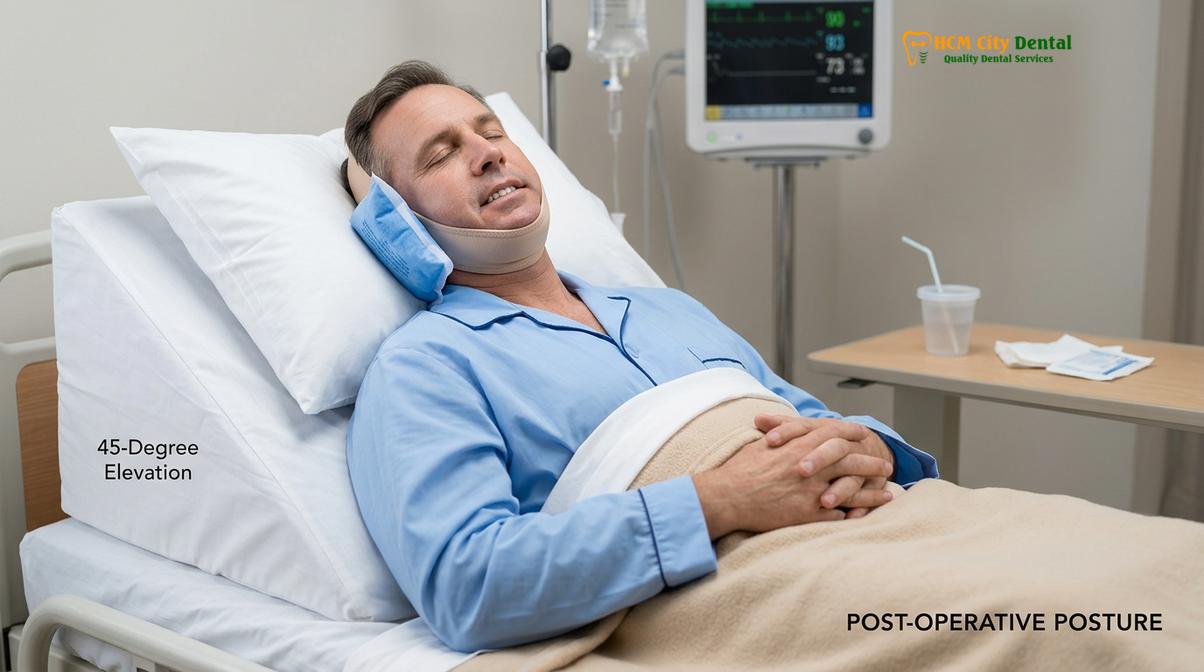
The First 48 Hours: Cryotherapy (Cold)
Immediately following your surgery, the primary objective is to minimize the amount of fluid that leaks out of your blood vessels into the facial tissues. This is achieved through cryotherapy, or the application of cold compresses. Cold temperatures cause vasoconstriction—a narrowing of the blood vessels. By shrinking the diameter of the capillaries in your cheeks and jaw, you physically restrict the volume of blood and plasma that can rush into the surgical area. Furthermore, cold therapy slows down cellular metabolism and numbs the local nerve endings, providing significant natural pain relief.[3]
For optimal results, wrap an ice pack, a bag of frozen peas, or a specialized dental gel pack in a thin towel to protect your skin from frostbite. Apply the cold compress to the outside of your face, directly over the extraction site, for 15 to 20 minutes. Then, remove it for 15 to 20 minutes to allow the skin to return to a normal temperature. Repeat this cycle continuously while you are awake for the first two days. Do not fall asleep with an ice pack resting on your face, as prolonged freezing temperatures can damage the dermal tissues.
After 48 Hours: Thermotherapy (Warmth)
Once you reach the 48 to 72-hour mark, the active bleeding and initial fluid extravasation have stopped. The swelling has reached its peak, and the goal shifts from preventing fluid buildup to eliminating the fluid that is already trapped in your tissues. This is where thermotherapy, or warm compresses, becomes essential.
Applying heat induces vasodilation—the widening of blood vessels. This increased circulation brings fresh, oxygenated blood to the healing tissues and, more importantly, stimulates the lymphatic system. The lymphatic vessels act as the body’s drainage network, carrying away the accumulated inflammatory fluids, dead cells, and metabolic waste products. By applying a warm, moist towel or a heating pad set to a low temperature to your jaw for 20 minutes at a time, you actively accelerate the reduction of the “chipmunk cheeks.”
Clinical Warning: Never apply heat during the first 48 hours after surgery. Heating the area too early will cause the blood vessels to dilate while they are still actively leaking, which will drastically increase facial swelling and may trigger secondary bleeding from the extraction sockets.
This 48-hour transition rule is a cornerstone of post-operative maxillofacial care. Adhering strictly to this timeline ensures that you are working with your body’s natural physiological phases rather than against them.
Elevation and Sleep Habits to Reduce Face Swelling
Keeping your head elevated above your heart at a 45-degree angle utilizes gravity to prevent blood and lymphatic fluids from pooling in the facial tissues. Proper sleep positioning significantly reduces morning facial puffiness.
Gravity plays a surprisingly significant role in the management of post-operative edema. During the day, when you are standing or sitting upright, gravity naturally pulls fluids downward, away from your head and neck. However, when you lie flat on your back to sleep, this gravitational advantage is lost. The hydrostatic pressure within your blood vessels equalizes, allowing inflammatory fluids to easily pool in the soft tissues of your face. This is why patients frequently report that their swelling feels tightest and looks most severe immediately upon waking up in the morning.
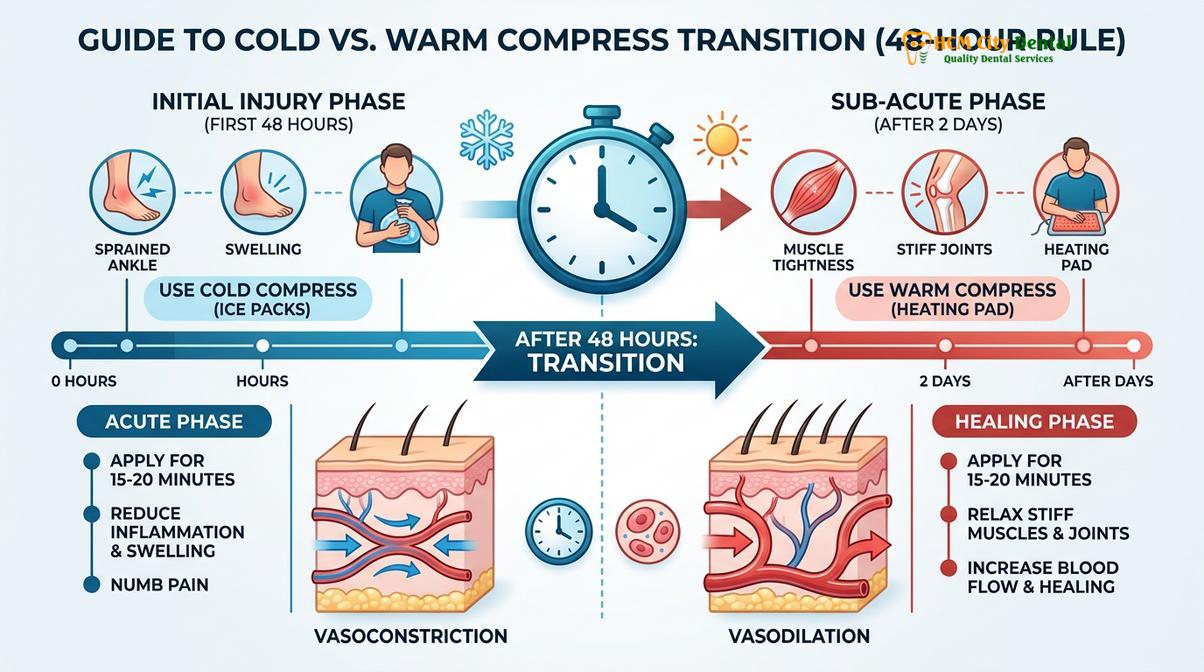
To counteract this, it is highly recommended to sleep with your head elevated for the first three to four nights following your extraction. The goal is to keep your head positioned above the level of your heart, ideally at a 30 to 45-degree angle. This incline maintains a gentle gravitational pull that encourages continuous lymphatic drainage throughout the night, preventing the morning accumulation of fluids.
There are several ways to achieve proper elevation:
- Wedge Pillows: A firm, triangular wedge pillow provides the most stable and comfortable incline, supporting your entire upper back and neck without causing spinal strain.
- Stacking Pillows: If a wedge pillow is unavailable, stack two or three standard pillows. Ensure they are arranged in a staggered formation to support your shoulders as well as your head, preventing neck cramps.
- Recliner Chair: Many patients find that sleeping in a reclining armchair for the first few nights is the easiest way to maintain a consistent, elevated posture without accidentally rolling over.
In addition to elevation, your sleeping position matters. You should make every effort to sleep on your back rather than your side or stomach. Sleeping on your side presses your cheek directly into the pillow, applying physical pressure and heat to the surgical site. This localized pressure can trap fluids on that side of the face, leading to severe asymmetric swelling, and may also increase throbbing pain. If you are a habitual side sleeper, placing rolled-up towels or body pillows alongside your torso can help prevent you from rolling over during the night.
Anti-inflammatory Medications and Supplements (Bromelain)
Nonsteroidal anti-inflammatory drugs (NSAIDs) and prescribed corticosteroids actively block the enzymes responsible for inflammation. Natural proteolytic enzymes like bromelain can also be integrated to break down inflammatory proteins and accelerate tissue recovery.
While physical interventions like ice and elevation are crucial, pharmacological management is often necessary to control the biochemical drivers of swelling. The inflammatory cascade is fueled by specific enzymes, and targeting these enzymes is the most effective way to reduce both edema and post-operative pain.
NSAIDs and Corticosteroids
Nonsteroidal anti-inflammatory drugs (NSAIDs), such as Ibuprofen, are the first-line defense against post-extraction swelling. NSAIDs work by inhibiting the cyclooxygenase (COX) enzymes, which are responsible for producing prostaglandins—the lipid compounds that cause blood vessels to dilate and leak fluid. By taking Ibuprofen on a strict schedule (usually every 6 to 8 hours) for the first few days, you maintain a steady blockade against prostaglandin synthesis, effectively capping the maximum volume of swelling.[4]
In cases involving deeply impacted teeth or complex bone removal, your oral surgeon may prescribe a short course of corticosteroids, such as Dexamethasone. Corticosteroids are potent anti-inflammatory agents that suppress the immune system’s inflammatory response at a much higher level than NSAIDs. They are often administered intravenously during IV sedation or given as oral tablets to be taken in a tapering dose over a few days. Corticosteroids are highly effective at preventing the massive fluid shifts that cause severe “chipmunk cheeks.”
Natural Supplements: The Role of Bromelain
For patients looking to supplement their pharmacological regimen with natural remedies, Bromelain is highly regarded in the dental community. Bromelain is a complex mixture of proteolytic enzymes extracted from the stem and fruit of the pineapple plant. Unlike NSAIDs, which block the creation of inflammatory mediators, bromelain works by actively breaking down the complex proteins (fibrin) that trap fluids in the tissues.
By degrading these proteins, bromelain improves tissue permeability, allowing the lymphatic system to reabsorb and flush out the edema more rapidly. Clinical studies have shown that taking bromelain supplements in the days leading up to surgery, and continuing for several days afterward, can significantly reduce both visible swelling and bruising. However, because bromelain can have a mild blood-thinning effect, it is imperative to consult with your dentist before adding it to your regimen, especially if you are taking other medications.
“A multimodal approach is always best. Combining the enzymatic blockade of an NSAID with the physical drainage promoted by head elevation and warm compresses creates the optimal environment for rapid, uncomplicated healing.”
Always follow the specific dosage instructions provided by your clinical team. Taking medications exactly as prescribed, rather than waiting for the swelling or pain to become unbearable, keeps the inflammatory response tightly controlled from the very beginning.
How Advanced Techniques (Piezotome, PRF) Minimize Trauma
Modern surgical approaches utilize ultrasonic Piezotome devices to precisely cut bone without damaging soft tissue, drastically reducing postoperative edema. Applying Platelet-Rich Fibrin (PRF) directly into the socket accelerates cellular regeneration and minimizes inflammatory responses.
The most effective way to reduce post-operative swelling is to minimize the surgical trauma inflicted during the procedure itself. Traditional wisdom tooth extraction often relies on high-speed rotary drills to remove bone and section the tooth. While effective, these drills generate significant friction, heat, and vibration, which can traumatize the surrounding bone cells and soft tissues, leading to a robust inflammatory response. Today, advanced clinical technologies have revolutionized the extraction process, making it far gentler on the body.
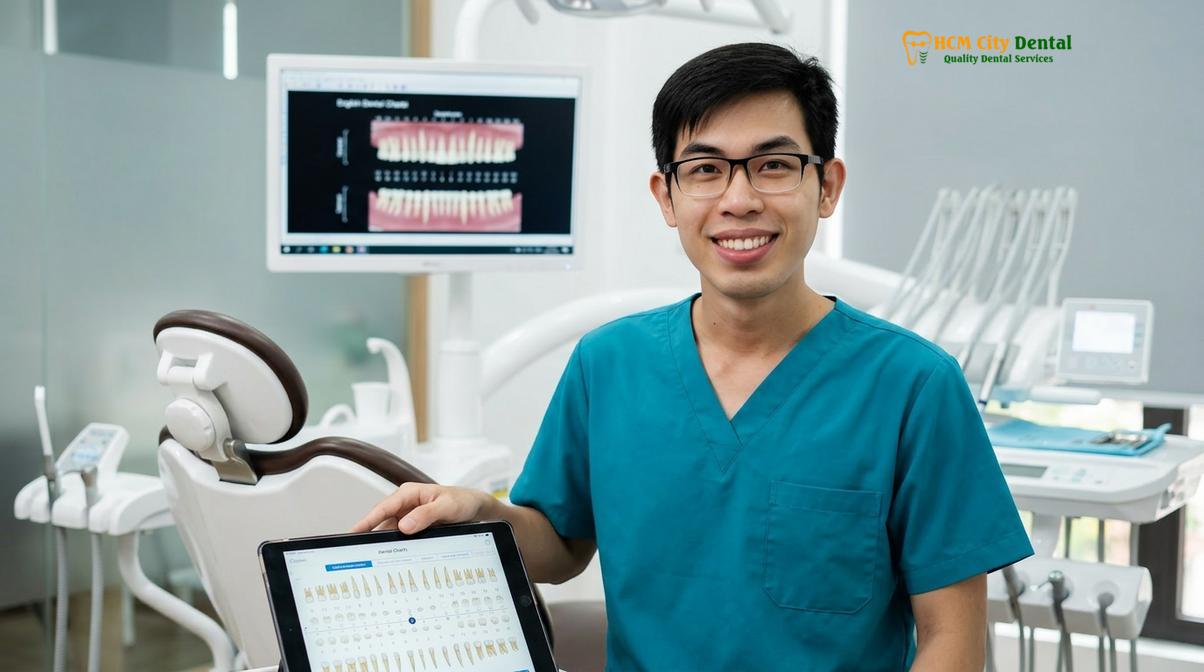
Piezotome Ultrasonic Surgery
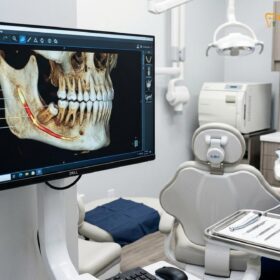
One of the most significant advancements in oral surgery is the use of Piezotome ultrasonic surgery. Instead of a spinning bur, the Piezotome uses high-frequency ultrasonic micro-vibrations to precisely cut through hard tissue (bone and tooth). The defining characteristic of piezoelectric surgery is its tissue selectivity; the ultrasonic frequency is calibrated to cut only mineralized bone, leaving adjacent soft tissues—such as gums, blood vessels, and delicate nerves—completely unharmed.
Because the Piezotome does not tear or overheat the surrounding tissues, the body’s immune system registers significantly less trauma. Consequently, the release of inflammatory mediators is drastically reduced. Patients who undergo ultrasonic extractions consistently report dramatically less facial swelling, minimal bruising, and a faster return to normal jaw function compared to traditional methods. This precision also significantly lowers nerve damage risks, particularly when extracting lower molars situated near the inferior alveolar nerve.
Platelet-Rich Fibrin (PRF)
Another groundbreaking technique used to control swelling and accelerate healing is the application of Platelet-Rich Fibrin (PRF). PRF is an autologous biomaterial, meaning it is created from the patient’s own blood. Prior to the extraction, a small sample of blood is drawn and spun in a specialized centrifuge. This process separates the red blood cells from the plasma, creating a concentrated matrix of platelets, white blood cells, and vital growth factors.
This PRF membrane is then placed directly into the empty extraction socket before it is sutured closed. The PRF acts as a biological bandage, immediately stabilizing the blood clot and releasing a slow, steady stream of growth factors over several days. These growth factors actively suppress excessive inflammation, promote rapid angiogenesis (the formation of new blood vessels), and accelerate the regeneration of bone and gum tissue. By jumpstarting the healing process at a cellular level, PRF significantly reduces the duration and severity of post-operative swelling.[5]
Clinical Case Review: A 24-year-old patient visited HCMC Dental Clinic in Ho Chi Minh City presenting with bilateral impacted lower wisdom teeth. To minimize recovery downtime, Dr. Nguyen Van Cuong utilized the Piezotome device for precise bone removal and applied PRF membranes to both sockets. The patient reported only mild puffiness peaking on day two, with no visible bruising, and was able to return to normal dietary habits by day four—demonstrating the profound impact of minimizing surgical trauma.
When to See a Doctor (Important Clinical Considerations)
While swelling is an expected part of the healing journey, it is vital to distinguish between normal inflammatory edema and pathological swelling caused by an infection. Normal swelling peaks around day three and then steadily improves. It should feel relatively soft and diffuse across the cheek.
You should seek immediate clinical evaluation if you experience any of the following red flag symptoms:
- Delayed or Worsening Swelling: If your swelling begins to subside but suddenly returns or worsens after the fourth or fifth day, this is a strong indicator of a secondary infection.
- Hard, Hot Tissues: Swelling that feels indurated (hard to the touch), localized to a specific lump, and radiates heat may indicate the formation of an abscess.
- Systemic Symptoms: The presence of a high fever, chills, or swollen lymph nodes in the neck suggests that an infection is spreading.
- Difficulty Swallowing or Breathing: If swelling extends down into the neck or throat, compromising your airway or making it difficult to swallow liquids, seek emergency medical care immediately.
- Purulent Exudate: The presence of foul-tasting, yellow or green pus draining from the extraction site is a definitive sign of bacterial infection.
If you suspect an infection, do not attempt to manage it at home with warm compresses or leftover painkillers. Contact your dental provider promptly. A clinical examination is necessary to determine if the socket needs to be irrigated or if a course of prescription antibiotics is required to resolve the infection.
Frequently Asked Questions
How long does swelling last after wisdom teeth removal?
Facial swelling typically lasts for 5 to 7 days after wisdom teeth removal, peaking around 48 to 72 hours post-surgery. After the third day, the puffiness should gradually subside as your lymphatic system clears the inflammatory fluids from the surgical site. By the end of the first week, your facial contours should largely return to normal, though slight stiffness may persist.
Why did I get bruising on my jaw/neck after extraction?
Bruising occurs when minor blood vessels are disrupted during surgery, allowing red blood cells to seep into the surrounding facial tissues. As these cells break down, the skin may turn blue, green, or yellow, which is a normal part of the healing process. This ecchymosis is harmless and will naturally fade over 7 to 14 days as the body reabsorbs the cellular debris.
Is asymmetric swelling normal after removing wisdom teeth?
Yes, asymmetric swelling is completely normal, especially if one wisdom tooth was more deeply impacted or required more complex bone removal than the other. The side that underwent more surgical trauma will naturally exhibit a stronger inflammatory response and greater swelling. Sleeping on one side of your face can also cause fluids to pool asymmetrically.
Does ice really help reduce swelling after 48 hours?
No, applying ice after 48 hours is generally ineffective and can actually delay healing. After the initial two days, you should switch to warm compresses to stimulate blood flow, which helps the body flush out the accumulated fluids causing the swelling. Continuing to use ice restricts this necessary blood flow and traps the edema in the tissues.
When is facial swelling a sign of an infection?
Swelling may indicate an infection if it suddenly worsens after the fourth day, feels hot and hard to the touch, or is accompanied by a fever, difficulty swallowing, or foul-tasting pus. Normal inflammatory swelling should steadily improve after day three; any deviation from this trajectory requires immediate clinical evaluation to prevent complications.
For personalized advice on managing your recovery or to schedule a consultation regarding wisdom tooth extraction in District 1, please contact the clinical team at HCMC Dental Clinic. Our specialists, including Dr. Cuong, are dedicated to ensuring a safe, comfortable, and highly predictable surgical experience.
References
- Journal of Oral and Maxillofacial Surgery. Inflammatory response and recovery after third molar extraction. (2021).
- International Journal of Oral and Maxillofacial Surgery. Efficacy of cryotherapy in reducing postoperative edema. (2020).
- British Dental Journal. Corticosteroids and NSAIDs in oral surgery swelling management. (2019).
- Journal of the American Dental Association. Piezotome vs rotary drill in wisdom teeth removal outcomes. (2022).
- Clinical Oral Investigations. The role of Platelet-Rich Fibrin in minimizing extraction trauma. (2023).