Yes, you can safely undergo wisdom teeth removal during pregnancy if clinically necessary. While elective extractions are typically postponed until after childbirth, severe pain or active infections require prompt intervention to protect both maternal health and fetal development.
Clinical Summary:
Managing impacted third molars in expectant mothers requires a delicate balance between alleviating maternal distress and ensuring fetal safety. Hormonal fluctuations often exacerbate existing dental impactions, leading to acute pericoronitis or systemic infections. Modern clinical guidelines confirm that diagnostic digital radiography with lead shielding and local anesthesia (such as lidocaine) are highly safe. When surgical intervention is unavoidable, the second trimester is the optimal window. Untreated oral infections pose a significantly higher risk of premature labor and fetal complications than the extraction procedure itself. Treatment protocols prioritize conservative management where possible, reserving surgical extraction for emergencies, followed by pregnancy-safe analgesics like acetaminophen.
Key Takeaways:
- Elective extractions should be delayed, but emergency removal of infected wisdom teeth is safe and necessary during pregnancy.
- The second trimester (weeks 13–28) is the safest clinical window for performing dental surgical procedures.
- Digital X-rays with proper abdominal and thyroid lead shielding pose virtually zero risk to fetal development.
- Lidocaine is the preferred, safe local anesthetic for numbing the extraction site in pregnant patients.
- Untreated dental infections can lead to systemic bacteremia, increasing the risk of preterm birth and low birth weight.
- Acetaminophen is the recommended post-operative analgesic, while NSAIDs like ibuprofen are generally contraindicated.
Understanding Wisdom Teeth Pain During Pregnancy
Pregnancy hormones significantly increase blood flow to gum tissues, making existing impacted wisdom teeth highly susceptible to severe inflammation, swelling, and acute pain.
The journey of pregnancy introduces profound physiological and hormonal changes throughout the expectant mother’s body, and the oral cavity is no exception. Many women who have previously experienced dormant or asymptomatic third molars suddenly find themselves dealing with intense discomfort. This phenomenon is primarily driven by the surge in estrogen and progesterone levels. These hormones increase vascular permeability and alter the body’s inflammatory response, making the gingival tissues hyper-responsive to dental plaque and bacteria[1].
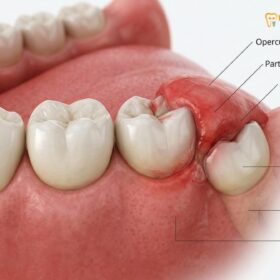
When a wisdom tooth is partially erupted, it creates a soft tissue flap known as an operculum. This flap acts as a trap for food debris and oral bacteria. In a non-pregnant individual, this might cause mild, transient irritation. However, due to the exaggerated inflammatory response during pregnancy, this minor irritation can rapidly escalate into a condition known as pericoronitis—a severe, localized infection of the gums surrounding the impacted tooth. Patients often report throbbing pain that radiates to the jaw, ear, or neck, accompanied by a foul taste and difficulty opening the mouth (trismus).
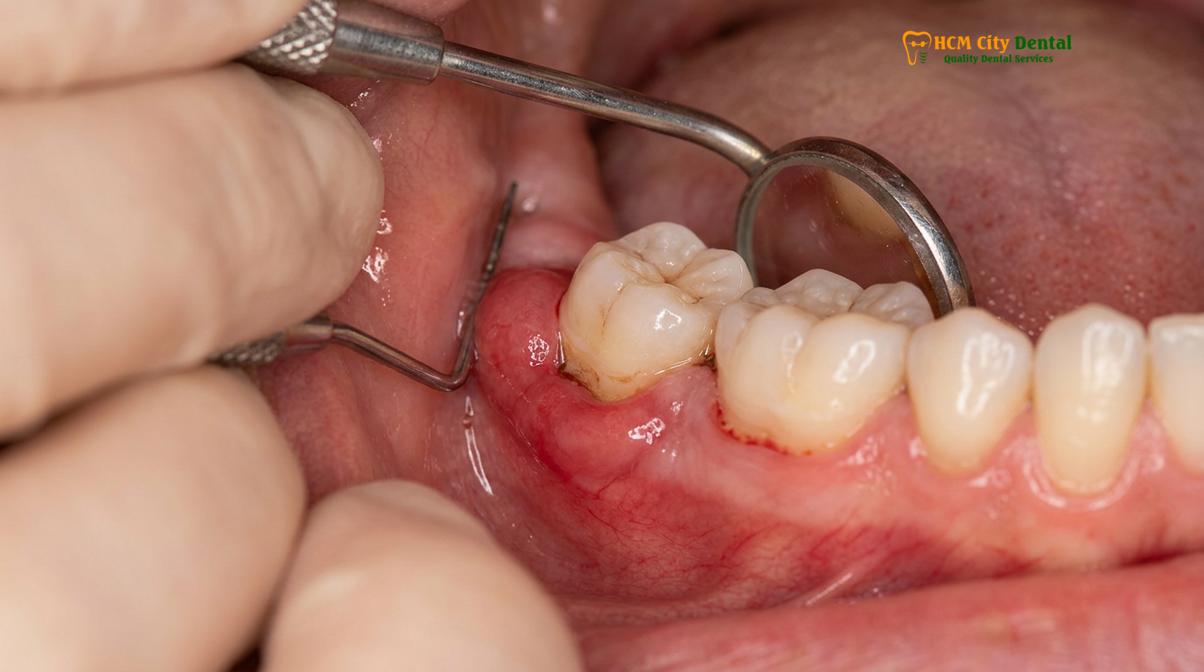
It is crucial to differentiate between generalized pregnancy gingivitis and localized third molar pathology. Dr. Nguyen Van Cuong, a leading specialist, frequently observes that patients mistake the generalized bleeding and swelling of their gums for a specific tooth issue. A thorough clinical examination is required to determine if the pain originates from an erupting tooth, deep dental decay, or an acute periodontal abscess. Understanding the root cause of wisdom teeth removal while pregnant is the first step in formulating a safe and effective treatment plan.
Furthermore, the changes in dietary habits and the frequent occurrence of morning sickness (hyperemesis gravidarum) during the first trimester expose the oral cavity to frequent acid attacks. This acidic environment accelerates the demineralization of enamel, making hard-to-reach wisdom teeth highly susceptible to rapid decay. If the decay reaches the dental pulp, it causes irreversible pulpitis, necessitating immediate endodontic therapy or surgical removal of third molars to prevent the spread of infection into the fascial spaces of the head and neck.
Safety First: Dental X-Rays and Local Anesthesia While Pregnant
Modern digital dental X-rays with lead shielding and standard local anesthetics like lidocaine are considered highly safe and essential for diagnosing and treating pregnant patients.
One of the most common anxieties expectant mothers face when visiting the dentist is the fear that diagnostic imaging or numbing medications will harm their developing baby. However, extensive clinical research and guidelines from major health organizations have definitively established the safety of these modalities when utilized correctly.
The Safety of Digital Radiography
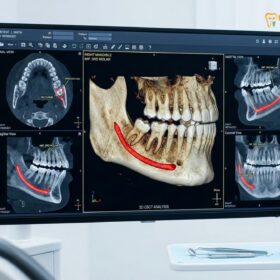
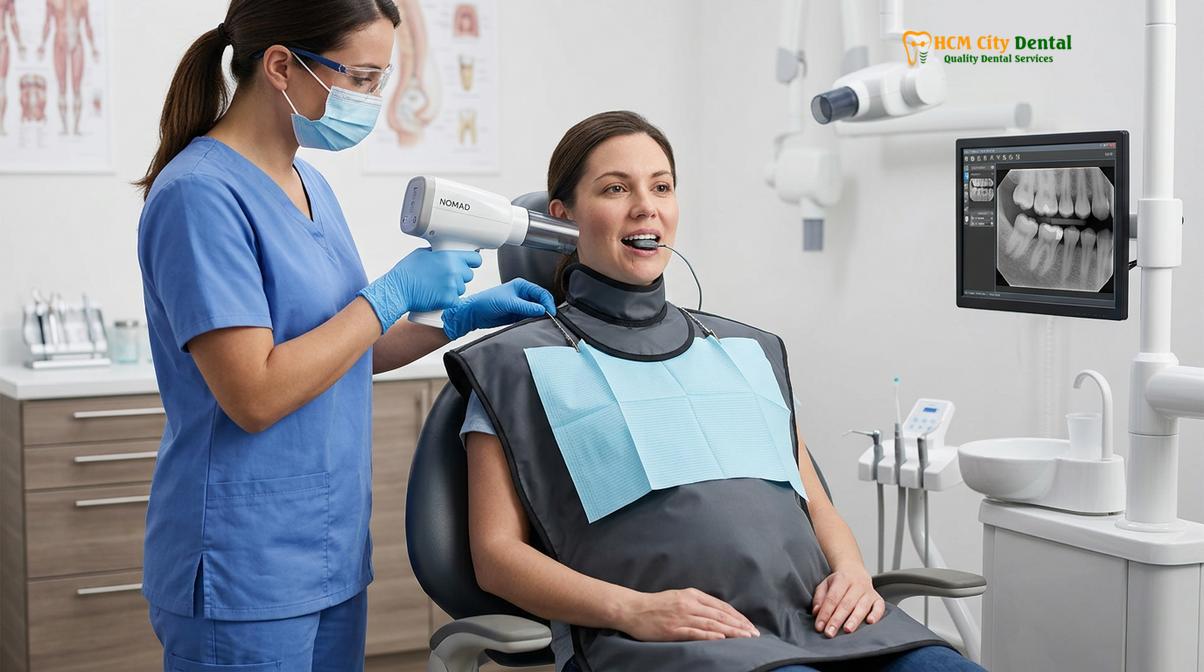
Accurate diagnosis is impossible without visualizing the root anatomy, the position of the impacted tooth, and its proximity to vital structures like the inferior alveolar nerve. Modern dental clinics utilize digital radiography, which emits a fraction of the radiation compared to traditional film X-rays. The radiation exposure from a single digital panoramic or periapical X-ray is negligible—often less than the natural background radiation a person absorbs during a short cross-country flight[2].
To ensure absolute safety, the concept of ALARA (As Low As Reasonably Achievable) is strictly enforced. Pregnant patients are always draped with a heavy lead apron that covers the abdomen and reproductive organs, along with a thyroid collar. This physical barrier completely blocks any potential scatter radiation from reaching the fetus. Discussing dental x-ray pregnancy safety with your provider can alleviate unnecessary stress, allowing for proper diagnostic protocols to proceed.
“Preventive, diagnostic, and restorative dental treatment is safe throughout pregnancy. Local anesthetics with epinephrine may be used during pregnancy. Radiographs are considered safe for the pregnant patient, at any stage during the pregnancy, when abdominal and thyroid shielding is used.” — American College of Obstetricians and Gynecologists (ACOG)[1]
Pharmacokinetics of Local Anesthesia
Pain management during the extraction is achieved through local anesthesia. Lidocaine, often combined with a low concentration of epinephrine (adrenaline), is the gold standard in obstetric dentistry. Lidocaine is classified as a Category B drug, meaning animal reproduction studies have failed to demonstrate a risk to the fetus, and there are no adequate and well-controlled studies in pregnant women indicating harm[4].
The addition of epinephrine is crucial; it acts as a vasoconstrictor, keeping the anesthetic localized to the surgical site. This not only prolongs the profound numbing effect—ensuring the mother feels no pain—but also minimizes the systemic absorption of the anesthetic into the maternal bloodstream, thereby preventing it from crossing the placenta in significant amounts. A pain-free procedure is vital because maternal stress and severe pain trigger the release of endogenous catecholamines, which can negatively impact fetal blood flow.
The Best Time for Extraction: The Second Trimester Rule
The second trimester (weeks 13 to 28) is the optimal window for dental surgery, balancing the completion of fetal organ development with maternal physical comfort.
Timing is a critical factor when planning any surgical intervention during pregnancy. While emergency treatments for severe infections must be performed immediately regardless of the gestational age, elective or semi-urgent procedures are carefully scheduled to minimize risks to both the mother and the fetus. The concept of a safe trimester wisdom tooth extraction is deeply rooted in fetal developmental biology and maternal hemodynamics.
First Trimester: The Period of Organogenesis
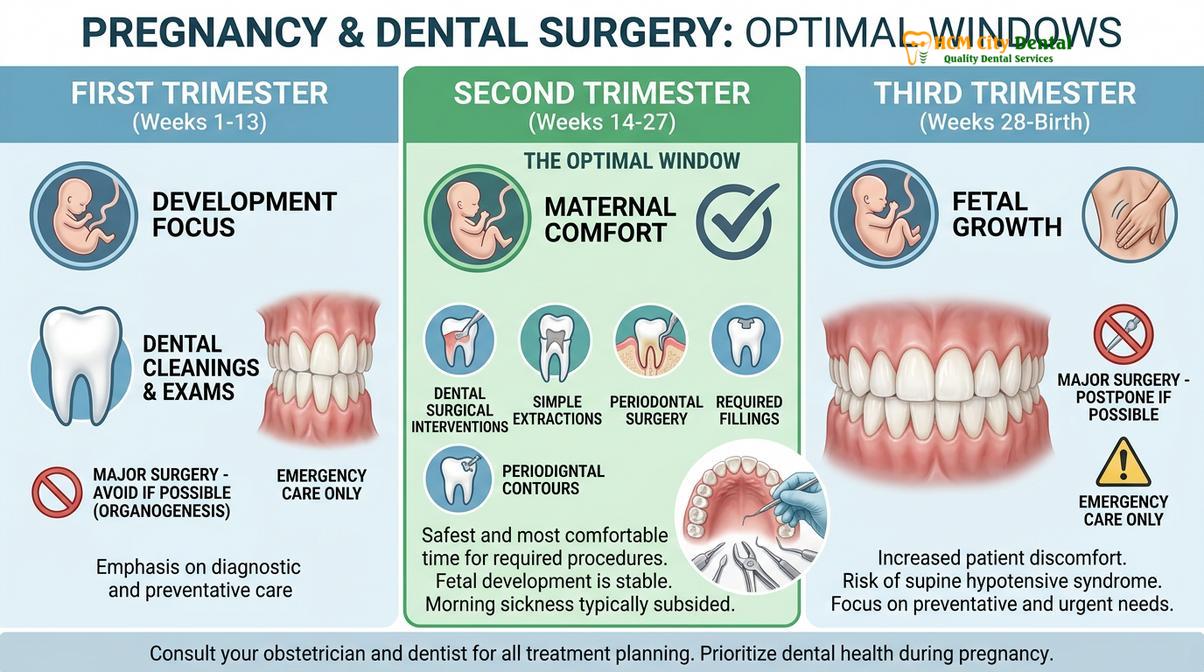
The first trimester (weeks 1 through 12) is the most critical phase of fetal development. During this time, organogenesis occurs—the formation of the baby’s major organs and central nervous system. The fetus is highly susceptible to environmental teratogens, medications, and maternal stress. Additionally, this is the period when the risk of spontaneous abortion (miscarriage) is at its highest. Furthermore, many expectant mothers experience severe nausea, vomiting, and fatigue, making it incredibly uncomfortable to tolerate dental instruments and fluids in the mouth. Therefore, unless there is an acute, life-threatening infection, surgical extractions are strictly avoided during the first trimester.
Second Trimester: The Optimal Window
The second trimester (weeks 13 through 28) is universally recognized as the safest period for dental treatments, including oral surgery. By this stage, fetal organogenesis is complete, significantly reducing the risk of teratogenic effects from medications. The maternal nausea associated with morning sickness has typically subsided, and the physical size of the uterus is not yet large enough to cause severe discomfort when lying down. If a wisdom tooth is causing moderate to severe issues, this is the ideal time to perform the extraction to prevent the condition from worsening later in the pregnancy.
Third Trimester: Hemodynamic Challenges
As the pregnancy progresses into the third trimester (week 29 until birth), the physical size and weight of the gravid uterus present significant clinical challenges. When a pregnant woman lies flat on her back in a dental chair, the heavy uterus can compress the inferior vena cava—the large vein that returns blood from the lower body to the heart. This compression leads to a condition known as supine hypotensive syndrome, characterized by a sudden drop in maternal blood pressure, dizziness, nausea, and potentially reduced placental blood flow, leading to fetal hypoxia[5].
To mitigate this risk, if an emergency extraction must occur in the third trimester, the patient is positioned in a semi-reclined state with a wedge placed under her right hip. This shifts the uterus to the left, relieving pressure on the vena cava. However, due to the general discomfort and the increased risk of inducing premature labor from surgical stress, treatments in the late third trimester are usually limited to palliative care until after delivery.
| Trimester | Gestational Weeks | Fetal Development Phase | Dental Surgery Recommendation | Primary Clinical Concerns |
|---|---|---|---|---|
| First | Weeks 1 – 12 | Organogenesis | Avoid unless absolute emergency | High risk of teratogenesis, miscarriage, severe maternal nausea. |
| Second | Weeks 13 – 28 | Growth and Maturation | Optimal Window | Safest period; organs formed, maternal comfort is highest. |
| Third | Weeks 29 – Birth | Rapid Fetal Growth | Postpone if possible; emergency only | Supine hypotensive syndrome, risk of premature labor, physical discomfort. |
Managing Wisdom Tooth Infections and Swelling During Pregnancy
Untreated oral infections pose a far greater risk to fetal health than the extraction procedure itself, necessitating prompt management with pregnancy-safe antibiotics and surgical drainage.
When a wisdom tooth becomes impacted, it creates an ideal breeding ground for anaerobic bacteria. If food debris and plaque accumulate beneath the gum flap, a localized infection called pericoronitis develops. In a pregnant patient, due to the altered immune response, this localized infection can rapidly spread into the surrounding fascial spaces of the head and neck, leading to facial cellulitis or a severe dental abscess.
Managing a wisdom tooth infection pregnant requires immediate and decisive clinical action. The primary goal is to eliminate the source of the infection and prevent systemic bacteremia. If oral bacteria enter the maternal bloodstream, they can travel to the uterus. Research indicates that systemic maternal infections trigger the release of inflammatory mediators like prostaglandins, which can induce uterine contractions, leading to premature labor and low birth weight infants[3].
Clinical Warning: Ignoring severe dental pain or swelling during pregnancy is highly dangerous. An untreated dental abscess can lead to systemic sepsis, posing a severe, life-threatening risk to both the mother and the unborn child. Immediate evaluation by a dental professional is mandatory if you experience facial swelling, fever, or difficulty swallowing.
Antimicrobial Therapy in Pregnancy
When an infection is present, the dentist will often prescribe a course of antibiotics to reduce the bacterial load before or immediately after the extraction. It is vital to use antibiotics that are proven safe for fetal development. Penicillin, Amoxicillin, and Cephalosporins are the most commonly prescribed and are considered safe (Category B) during pregnancy. If the patient has a penicillin allergy, Clindamycin may be used as an alternative. Tetracyclines (like doxycycline) are strictly contraindicated during pregnancy, as they can cause permanent discoloration of the baby’s developing teeth and affect fetal bone growth.
Alongside systemic antibiotics, localized treatment is crucial. The dentist will perform a thorough debridement and irrigation of the infected operculum using an antimicrobial solution, such as chlorhexidine gluconate or sterile saline. This mechanical removal of bacteria and debris provides immediate relief from acute symptoms and helps stabilize the area until a surgical extraction can be safely performed.
Patients must understand that antibiotics alone will not cure an impacted wisdom tooth infection; they merely suppress the acute phase. The anatomical defect—the impacted tooth—remains. Therefore, once the acute infection is controlled, the definitive treatment is the surgical removal of the offending tooth to prevent recurrent episodes throughout the remainder of the pregnancy.
Emergency Extraction vs. Postponing Treatment
Dentists will postpone asymptomatic or mildly symptomatic wisdom teeth until after delivery, reserving immediate surgical extraction for severe infections, cysts, or unmanageable pain.
The decision to extract a wisdom tooth during pregnancy is never taken lightly. It involves a careful risk-benefit analysis conducted collaboratively by the oral surgeon and the patient’s obstetrician. The guiding principle is conservative management: if the tooth is not causing significant harm, it is best left undisturbed until the postpartum period.
Criteria for Postponing Treatment
If a pregnant patient presents with mild, intermittent discomfort that can be managed with improved oral hygiene, warm salt water rinses, and occasional pregnancy-safe analgesics, the dentist will likely recommend watchful waiting. Asymptomatic impacted teeth, even if they are poorly positioned, do not require prophylactic removal during pregnancy. The physical and emotional stress of surgery, combined with the need for post-operative medications, outweighs the benefits of removing a non-problematic tooth.
Criteria for Emergency Surgical Intervention
Conversely, there are specific clinical scenarios where delaying treatment is medically irresponsible. Emergency extraction is indicated when the patient presents with:
- Acute, unmanageable pain: Pain that prevents the mother from eating, sleeping, or functioning normally, leading to maternal exhaustion and stress.
- Severe facial swelling (Cellulitis): Infection that has spread beyond the immediate tooth area, threatening the airway or systemic health.
- Unrestorable dental decay: Deep caries that have reached the pulp, causing irreversible pulpitis and risk of abscess.
- Pathological lesions: The presence of cysts or tumors associated with the impacted wisdom tooth that are actively destroying jawbone.
Clinical Case Review: A 26-year-old patient in her 18th week of pregnancy visited HCMC Dental Clinic in Ho Chi Minh City presenting with severe trismus (inability to open the mouth) and left-sided facial swelling. Dr. Nguyen Van Cuong diagnosed an acute pericoronal abscess associated with a horizontally impacted lower left third molar. After consulting with her obstetrician, Dr. Cuong performed an emergency extraction under local anesthesia. The procedure utilized advanced nerve preservation techniques to minimize trauma. The patient recovered smoothly with acetaminophen and amoxicillin, eliminating the infection risk to her fetus.
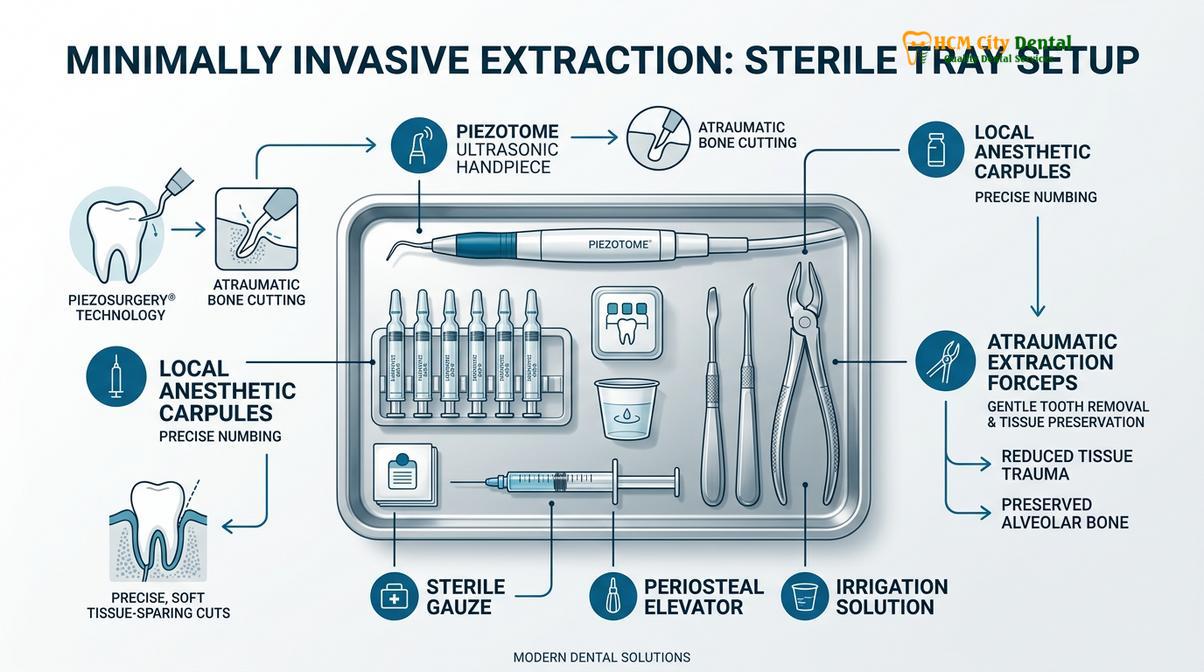
When an emergency extraction is performed, the surgical team employs minimally invasive techniques to reduce trauma and surgical time. The use of advanced instruments, such as ultrasonic Piezotome devices, allows for precise bone removal without damaging surrounding soft tissues, leading to a faster and more comfortable expected healing timeline.
Safe Post-Op Pain Relief Options for Pregnant Patients
Acetaminophen is the primary analgesic of choice for pregnant women, while NSAIDs like ibuprofen are generally avoided, especially in the later stages of pregnancy.
The post-operative phase following wisdom tooth removal requires meticulous care to ensure proper healing while strictly adhering to pharmacological safety guidelines for pregnant women. Managing pain and preventing secondary complications, such as dry socket (alveolar osteitis), are the primary objectives.
Pharmacological Pain Management
Pain management is the most challenging aspect of post-operative care during pregnancy because the standard arsenal of dental analgesics is restricted. Acetaminophen (Paracetamol) is the drug of choice and is considered safe throughout all trimesters when used at the recommended therapeutic doses. It effectively manages mild to moderate pain without posing teratogenic risks.
Nonsteroidal anti-inflammatory drugs (NSAIDs), such as Ibuprofen, Naproxen, and Aspirin, are generally avoided. The use of NSAIDs, particularly in the third trimester, is strictly contraindicated because they can cause premature closure of the ductus arteriosus—a vital fetal blood vessel—leading to severe cardiovascular complications for the baby. Furthermore, NSAIDs can reduce amniotic fluid levels (oligohydramnios) and increase the risk of maternal bleeding complications during delivery[4].
“Acetaminophen is the analgesic of choice during pregnancy. NSAIDs should be avoided in the third trimester due to the risk of premature closure of the fetal ductus arteriosus and oligohydramnios. Opioids should be prescribed only when absolutely necessary and for the shortest duration possible.” — British Dental Journal[4]
In cases of severe surgical trauma where acetaminophen is insufficient, a dentist may, in strict consultation with an obstetrician, prescribe a short course of a mild opioid, such as codeine. However, this is exceedingly rare and reserved only for extreme cases due to the risks of maternal respiratory depression and neonatal withdrawal syndrome.
Non-Pharmacological and Home Care Modalities
Because medication options are limited, pregnant patients must rely heavily on non-pharmacological methods to manage post-operative swelling and discomfort:
- Cold Therapy: Applying an ice pack to the outside of the face (20 minutes on, 20 minutes off) during the first 48 hours significantly reduces inflammation and numbs the area locally.
- Warm Salt Water Rinses: Starting 24 hours after surgery, gently rinsing with warm saline helps keep the extraction socket clean, reduces bacterial load, and promotes tissue healing.
- Elevation: Sleeping with the head elevated on extra pillows prevents blood from pooling in the head, reducing throbbing pain and swelling.
- Soft Diet: Consuming nutrient-dense, soft foods (like yogurt, mashed potatoes, and smoothies) prevents mechanical trauma to the surgical site. Hydration is critical, but patients must avoid using straws, as the suction can dislodge the blood clot, leading to a painful dry socket.
When to See a Doctor
While some swelling, mild bleeding, and discomfort are normal after an extraction, pregnant patients must be hyper-vigilant about monitoring their recovery. Because the immune system is modulated during pregnancy, infections can escalate rapidly. You should contact your oral surgeon or visit an emergency dental clinic immediately if you experience any of the following red-flag symptoms:
- Fever or Chills: A systemic temperature elevation indicates that an infection may be spreading into the bloodstream.
- Progressive Swelling: Swelling that continues to increase after the third post-operative day, especially if it spreads down the neck or up toward the eye.
- Difficulty Swallowing or Breathing: This is a medical emergency indicating that swelling is compromising the airway (Ludwig’s angina).
- Severe, Unrelenting Pain: Pain that is not managed by acetaminophen and worsens after a few days may indicate a dry socket or deep bone infection.
- Pus Discharge: A foul-tasting, yellowish discharge from the extraction site is a clear sign of active suppuration.
If you are experiencing severe dental pain while pregnant, do not delay seeking professional care. The team at HCMC Dental Clinic is highly experienced in managing complex obstetric dental emergencies. Our specialists collaborate closely with your medical providers to ensure that any necessary surgical intervention is performed with the utmost safety for both you and your baby. Early diagnosis and intervention are the keys to preventing serious complications.
Frequently Asked Questions
Can I get my wisdom teeth removed while pregnant?
Yes, you can safely undergo wisdom teeth removal during pregnancy if it is a medical emergency. While elective extractions are typically postponed until after childbirth, severe pain, active infections, or cysts require prompt surgical intervention to protect both maternal health and fetal development. Delaying treatment for a severe infection poses a much higher risk to the baby than the extraction procedure itself.
Is local anesthesia safe during pregnancy?
Yes, standard local anesthetics like lidocaine are considered highly safe for pregnant patients. Dentists use the lowest effective dose combined with a safe concentration of epinephrine to ensure profound numbness without crossing the placental barrier in harmful amounts, ensuring a stress-free procedure. A pain-free extraction is crucial, as severe maternal pain can cause stress that negatively impacts fetal blood flow.
Can dental X-rays harm my unborn baby?
No, modern digital dental X-rays pose virtually no risk to an unborn baby when proper safety protocols are followed. The radiation dose is exceptionally low, and the use of lead aprons with thyroid collars completely shields the abdomen and reproductive organs from scatter radiation. Diagnostic imaging is essential to safely plan the extraction and avoid complications like nerve damage.
What is the best trimester for tooth extraction?
The second trimester, spanning weeks 13 to 28, is the safest and most optimal time for dental surgery. During this period, fetal organogenesis is complete, the risk of miscarriage is significantly lower, and the mother is generally more comfortable lying in the dental chair. Procedures in the first trimester are avoided due to fetal development risks, while third-trimester procedures are complicated by maternal physical discomfort and the risk of supine hypotensive syndrome.
What pain medications are safe to take after extraction while pregnant?
Acetaminophen is the primary and safest over-the-counter pain medication recommended for pregnant women following an extraction. Nonsteroidal anti-inflammatory drugs (NSAIDs) like ibuprofen should generally be avoided, particularly in the third trimester, as they can cause premature closure of the fetal ductus arteriosus. Always consult with your dentist and obstetrician before taking any medication during pregnancy.
References
- American College of Obstetricians and Gynecologists (ACOG). Oral Health Care During Pregnancy and Through the Lifespan. (2013).
- Journal of the American Dental Association. Evidence-based clinical practice guideline on the use of dental radiographs. (2012).
- International Journal of Oral and Maxillofacial Surgery. Management of odontogenic infections during pregnancy. (2018).
- British Dental Journal. Pharmacological management of dental pain in pregnant and breastfeeding patients. (2020).
- Clinical Oral Investigations. Hemodynamic changes and positioning of the pregnant dental patient. (2021).