The cost of wisdom tooth extraction in Singapore typically ranges from $500 to $2,000 SGD per tooth, whereas the same clinical procedure in Vietnam costs approximately $100 to $300 SGD. This significant price difference, combined with advanced surgical technology, makes Ho Chi Minh City a premier destination for high-quality, affordable dental care.
Clinical Summary:
For patients comparing wisdom tooth extraction costs between Singapore and Vietnam, Ho Chi Minh City offers a compelling clinical and financial alternative. While Singaporean clinics provide excellent care, the high overhead costs often translate to steep out-of-pocket expenses for expats and locals alike. HCMC Dental Clinic utilizes identical international protocols, including 3D Cone Beam CT imaging, Piezotome ultrasonic surgery, and Platelet-Rich Fibrin (PRF) grafting, but at a fraction of the price. A short two-hour flight allows patients to undergo safe, minimally invasive extractions performed by highly specialized maxillofacial surgeons. Comprehensive post-operative care ensures a smooth recovery, making dental tourism a viable, evidence-based choice for complex oral surgery.
Key Takeaways:
- Surgical extraction in Vietnam costs roughly 70-80% less than comparable procedures in Singapore.
- Clinics in Saigon utilize advanced Piezotome and PRF technologies for atraumatic removal and faster healing.
- A direct two-hour flight makes weekend dental trips highly convenient for international patients.
- English-speaking specialists ensure seamless communication and adherence to international clinical standards.
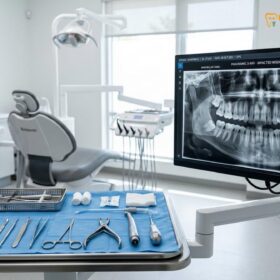
- Comprehensive digital diagnostics (CBCT) are standard protocol for preventing nerve complications.
Why Singapore Residents Choose HCMC for Wisdom Tooth Removal
Singapore residents travel to Ho Chi Minh City for wisdom tooth removal to access world-class surgical care, advanced diagnostic technology, and highly experienced specialists at significantly reduced costs.
The decision to undergo oral surgery abroad is rarely based on cost alone; clinical safety and surgical expertise are paramount. However, the economic reality of healthcare in major financial hubs often forces patients to seek alternatives. For many individuals, particularly those without comprehensive dental insurance or access to Medisave subsidies, the out-of-pocket expenses for complex oral surgery can be prohibitive. This dynamic has fueled a steady increase in singapore expats dental saigon searches, as patients look for viable, high-quality alternatives within the Southeast Asian region.
Ho Chi Minh City has rapidly emerged as a center of excellence for medical and dental tourism. The city’s premier dental institutions have invested heavily in the same cutting-edge diagnostic and surgical equipment found in top-tier clinics globally. When evaluating a surgical tooth removal, patients are not compromising on quality; rather, they are benefiting from a different macroeconomic environment where operational overheads—such as commercial real estate and administrative labor—are substantially lower [1].
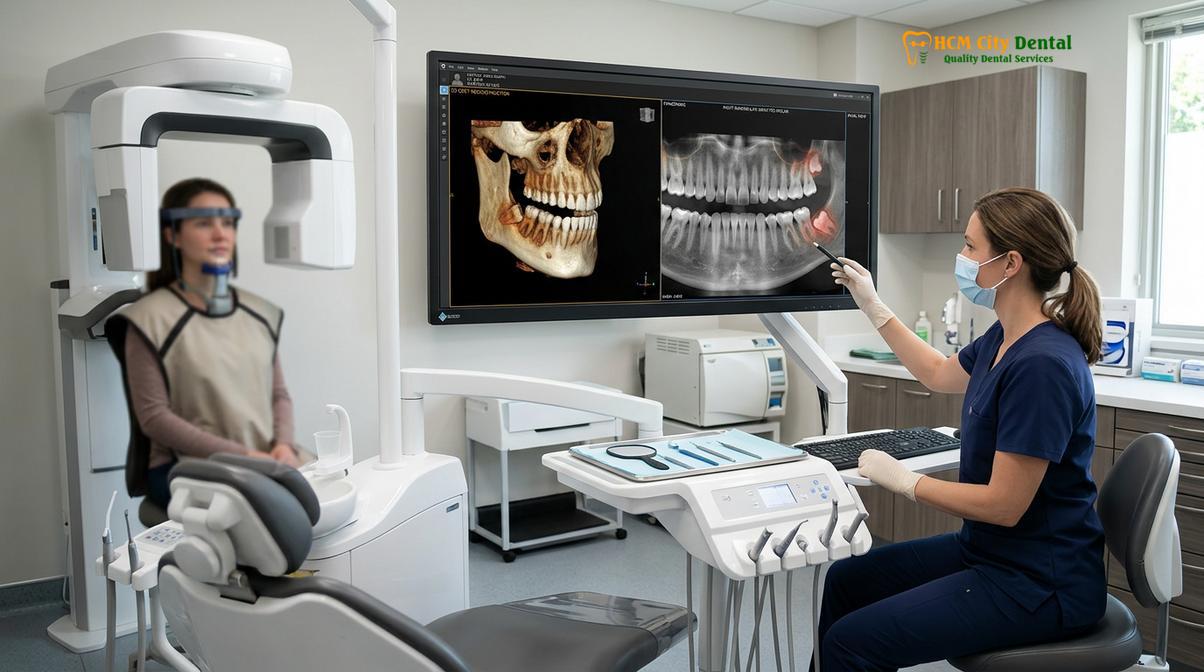
Dr. Nguyen Van Cuong, a leading maxillofacial specialist, notes that the clinical protocols utilized in Vietnam mirror those of international dental boards. “Our approach to impacted third molars involves rigorous preoperative 3D imaging to map the inferior alveolar nerve and adjacent anatomical structures. The surgical execution relies on minimally invasive techniques designed to preserve bone and accelerate soft tissue recovery,” explains Dr. Cuong. This commitment to evidence-based practice ensures that patients traveling from abroad receive care that meets or exceeds their domestic expectations.
Furthermore, the volume of complex extractions performed by specialists in Vietnam contributes to a high level of surgical proficiency. Surgeons routinely manage severe impactions—including horizontal, mesioangular, and distoangular classifications—honing their skills to minimize surgical time and reduce postoperative trauma. For international patients, this translates to a highly efficient procedure with a predictable recovery trajectory, making the brief journey highly worthwhile.
Cost Comparison Table: Vietnam vs. Singapore (SGD)
A direct cost comparison reveals that complex surgical extractions in Vietnam are priced between $150 and $300 SGD, compared to $1,200 to $2,000 SGD in Singapore.
Understanding the wisdom tooth price singapore vs vietnam requires a detailed breakdown of the individual components that constitute the total treatment fee. In many high-cost jurisdictions, the advertised price for an extraction may not include mandatory adjunct services such as specialized radiographic imaging, advanced surgical instrumentation, or biological grafting materials. Conversely, premier clinics in Vietnam often provide transparent, comprehensive pricing structures.
The following table provides an estimated comparative analysis of the costs associated with third molar extraction. Please note that these figures are approximate and subject to currency fluctuations and specific clinical complexities.
| Clinical Service / Procedure | Estimated Cost in Singapore (SGD) | Estimated Cost in Vietnam (SGD) |
|---|---|---|
| Initial Consultation & Clinical Exam | $50 – $150 | Free – $30 |
| 3D Cone Beam CT Scan (CBCT) | $150 – $300 | $30 – $60 |
| Simple Extraction (Fully Erupted) | $200 – $500 | $50 – $100 |
| Surgical Extraction (Partial/Full Impaction) | $800 – $2,000+ | $150 – $300 |
| Piezotome Ultrasonic Surgery (Surcharge) | $200 – $400 | $50 – $100 |
| Platelet-Rich Fibrin (PRF) Grafting | $300 – $600 | $80 – $150 |
The stark contrast in pricing is driven by macroeconomic factors rather than a disparity in clinical materials. Dental clinics in Vietnam import their anesthetics, suturing materials, and surgical instruments from the exact same global manufacturers (often based in Germany, Switzerland, or the USA) as their Singaporean counterparts [2]. The savings are generated entirely through lower facility leasing costs and a more favorable cost of living, which allows clinics to offer highly competitive rates while maintaining rigorous sterilization and operational standards.
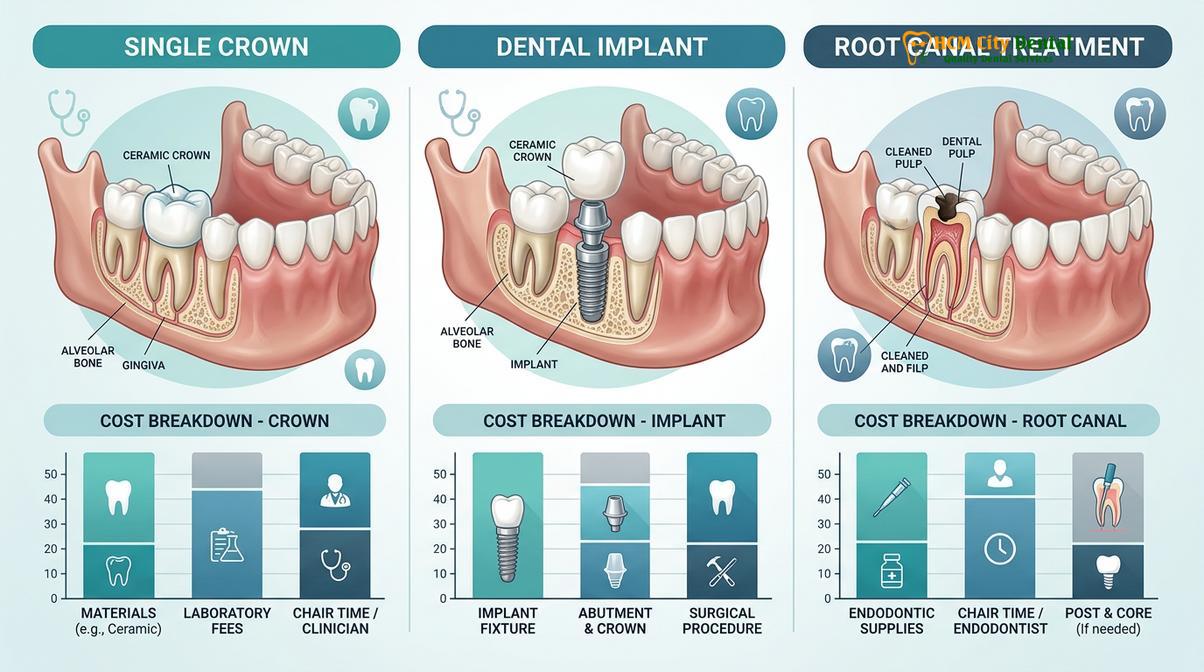
For patients requiring the removal of all four wisdom teeth—a common clinical recommendation to prevent future occlusal shifting or recurrent pericoronitis—the cumulative savings can easily exceed several thousand dollars. This substantial financial difference makes the prospect of cheap wisdom teeth singapore a reality, provided patients are willing to take a short flight to a neighboring medical hub.
Comparing Technologies: Piezotome and PRF in Saigon vs SG
Top clinics in both cities utilize Piezotome ultrasonic devices and PRF therapy to ensure atraumatic extractions, protect the mandibular nerve, and accelerate bone healing.
The evolution of oral surgery has moved away from traditional rotary drills and aggressive bone removal toward minimally invasive, biologically driven techniques. When evaluating a top-rated surgical facility, the presence of advanced technology is a critical indicator of the clinic’s commitment to patient safety and postoperative comfort.
Piezotome Ultrasonic Surgery
Traditional surgical extractions often rely on high-speed rotary burs to remove overlying bone and section the impacted tooth. While effective, rotary instruments generate significant heat and mechanical vibration, which can traumatize adjacent soft tissues and increase postoperative swelling. Furthermore, rotary drills carry a higher risk of iatrogenic injury to the inferior alveolar nerve or the lingual nerve if the tooth roots are in close proximity to these structures.
Piezotome technology utilizes high-frequency ultrasonic micro-vibrations to cut bone with extreme precision. The critical advantage of the Piezotome is its tissue selectivity; it cuts mineralized tissue (bone and tooth) but immediately ceases cutting upon contact with soft tissue (nerves, blood vessels, and mucosal membranes) [3]. This selective cutting mechanism drastically reduces the risk of nerve paresthesia and minimizes surgical trauma, leading to a significantly more comfortable recovery.
“The integration of ultrasonic bone surgery in the management of impacted third molars represents a paradigm shift. By minimizing mechanical trauma to the alveolar housing, we observe a marked reduction in postoperative edema and a faster return to normal masticatory function for our patients.”
Platelet-Rich Fibrin (PRF) Therapy
Following the extraction of a wisdom tooth, the empty socket must fill with a stable blood clot to initiate the healing cascade. If this clot is dislodged or fails to form, the patient may develop alveolar osteitis, commonly known as dry socket—a highly painful condition that delays recovery. To mitigate this risk and enhance tissue regeneration, advanced clinics employ Platelet-Rich Fibrin (PRF) therapy.
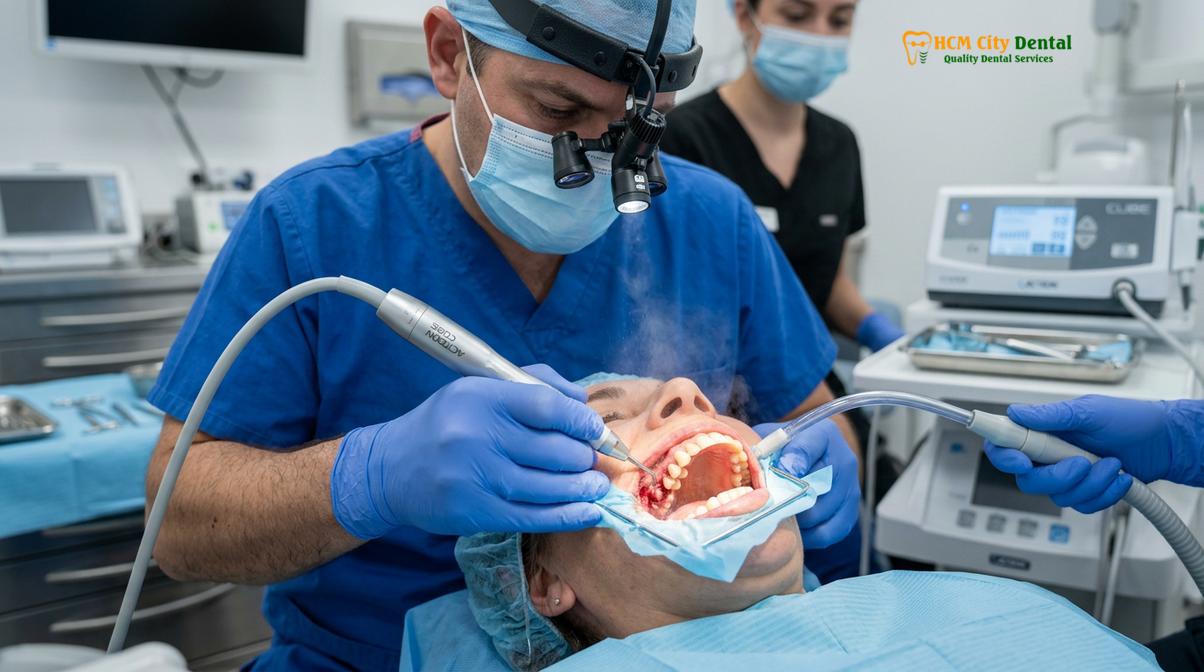
PRF is an autologous biomaterial derived from the patient’s own blood. Immediately prior to surgery, a small sample of blood is drawn and spun in a specialized centrifuge. This process isolates a dense fibrin matrix rich in platelets, leukocytes, and vital growth factors. The resulting PRF membrane is then placed directly into the extraction socket before suturing. The PRF acts as a biological scaffold, accelerating angiogenesis (new blood vessel formation), promoting rapid epithelialization, and virtually eliminating the risk of dry socket [4].
Clinical Case Review: Complex Bilateral Impaction
A 32-year-old expatriate residing in Singapore presented to HCMC Dental Clinic with recurrent pericoronitis associated with bilaterally impacted mandibular third molars. Due to the proximity of the tooth roots to the inferior alveolar nerve, the patient sought a minimally invasive approach. Dr. Nguyen Van Cuong performed the extractions utilizing Piezotome technology to safely section the teeth without nerve disturbance. PRF membranes were placed in both sockets. The patient reported minimal swelling and required only over-the-counter analgesics, returning to Singapore on a flight 48 hours post-surgery with no complications.
The utilization of these technologies ensures a highly comfortable surgical experience, bridging the gap between clinical efficacy and patient comfort. Whether in Singapore or Ho Chi Minh City, these protocols represent the gold standard of modern oral surgery.
Travel Logistics: A 2-Hour Flight for Massive Dental Savings
The short flight duration and frequent daily connections between Changi and Tan Son Nhat airports make traveling for dental surgery highly efficient and medically safe.
The logistical feasibility of dental tourism hinges on travel convenience and postoperative safety. The flight from Singapore to Ho Chi Minh City takes approximately two hours, with multiple airlines offering several daily departures. This high frequency allows patients to tailor their travel schedule precisely around their clinical appointments, minimizing time away from work or family commitments.
A common concern among international patients is the safety of flying shortly after oral surgery. Aviation medicine guidelines generally advise against flying immediately following a surgical extraction due to changes in cabin pressure. According to Boyle’s Law, gases expand as atmospheric pressure decreases. If air is trapped in tissue spaces or if the maxillary sinus was exposed during the extraction of an upper wisdom tooth, the pressure changes during ascent and descent can cause severe barodontalgia (pressure-related dental pain) or disrupt the fragile blood clot [5].
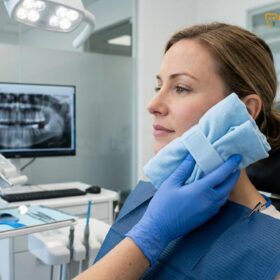
To ensure absolute safety, clinical protocols dictate a mandatory 48-hour observation period on the ground following complex surgical extractions. During this window, the initial blood clot stabilizes, and the risk of secondary hemorrhage significantly decreases. Patients are advised to rest, apply ice packs to manage localized edema, and adhere strictly to a soft diet. Once the 48-hour period has elapsed and the surgeon provides final clearance, flying is considered medically safe.
To manage the dental tourism flight singapore saigon effectively, patients should request an aisle seat for easy access to the lavatory for gentle mouth rinsing, stay highly hydrated, and avoid consuming hot beverages during the flight, as heat can promote vasodilation and minor oozing. Maintaining proper socket hygiene during transit is crucial for preventing infection.
Itinerary for Singapore Expats & Weekend Dental Trips
A structured three-day weekend itinerary allows patients to undergo consultation, surgery, and initial recovery while enjoying the comfort of Ho Chi Minh City.
For busy professionals, time is a critical asset. A well-planned itinerary ensures that the clinical objectives are met without unnecessary delays. Many patients opt to travel on a Thursday evening or Friday morning, utilizing the weekend for recovery before returning to work on Monday.
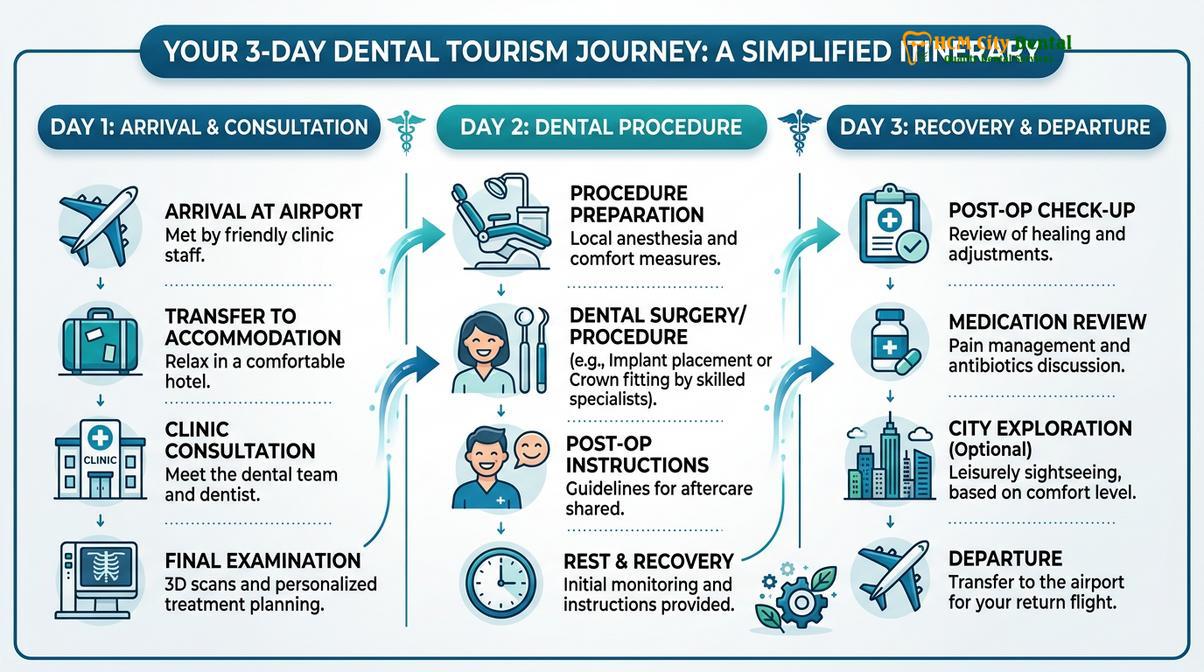
Day 1: Arrival, Diagnostics, and Surgery
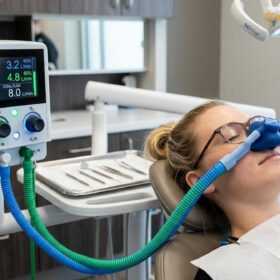
Upon arrival at Tan Son Nhat International Airport, patients proceed to their accommodation and then directly to the clinic. The initial appointment involves a comprehensive clinical examination and a 3D Cone Beam CT scan. The maxillofacial surgeon reviews the imaging, discusses the surgical plan, and addresses any patient concerns. If no acute infection is present that would contraindicate immediate treatment, the surgery is performed during this same visit. The use of profound local anesthesia ensures the procedure is painless. Following the extraction, patients are provided with detailed postoperative instructions, prescription medications (antibiotics and analgesics), and ice packs.
Day 2: Rest and Recovery
The second day is dedicated entirely to rest. Patients are advised to remain in their hotel, keeping their head elevated to minimize swelling. Dietary modifications are essential during this phase; patients must adhere to a strict regimen of cool, soft foods. Understanding the appropriate post-surgical nutrition is vital to avoid traumatizing the surgical site. Vigorous rinsing, spitting, or using a straw must be strictly avoided to protect the PRF graft and blood clot.
“The first 48 hours post-surgery are the most critical for wound stabilization. We strongly advise our international patients to prioritize rest over tourism during this brief window to ensure an optimal healing trajectory.”
Day 3: Postoperative Review and Departure
On the morning of the third day, patients return to the clinic for a brief postoperative review. The surgeon examines the extraction sites to confirm stable clot formation, absence of active bleeding, and normal tissue response. Once clinical clearance is granted, patients are free to travel to the airport for their return flight to Singapore. This streamlined approach is particularly beneficial for adult patients managing complex schedules.
Direct WhatsApp Booking & Multilingual Support
Dedicated international patient coordinators facilitate seamless communication, appointment scheduling, and post-operative monitoring via direct messaging platforms.
Navigating healthcare in a foreign country can be daunting, which is why premier clinics prioritize seamless, transparent communication. To accommodate international patients, clinics offer direct booking and consultation services via WhatsApp and other secure messaging platforms. This allows patients to initiate contact, ask preliminary questions, and coordinate their travel logistics long before they board a flight.
Patients are encouraged to send recent panoramic X-rays (OPG) or dental records via secure messaging. While a definitive diagnosis requires an in-person CBCT scan, providing preliminary imaging allows the surgical team to offer an accurate cost estimate and confirm the feasibility of the proposed treatment timeline. This transparency ensures there are no financial surprises upon arrival.
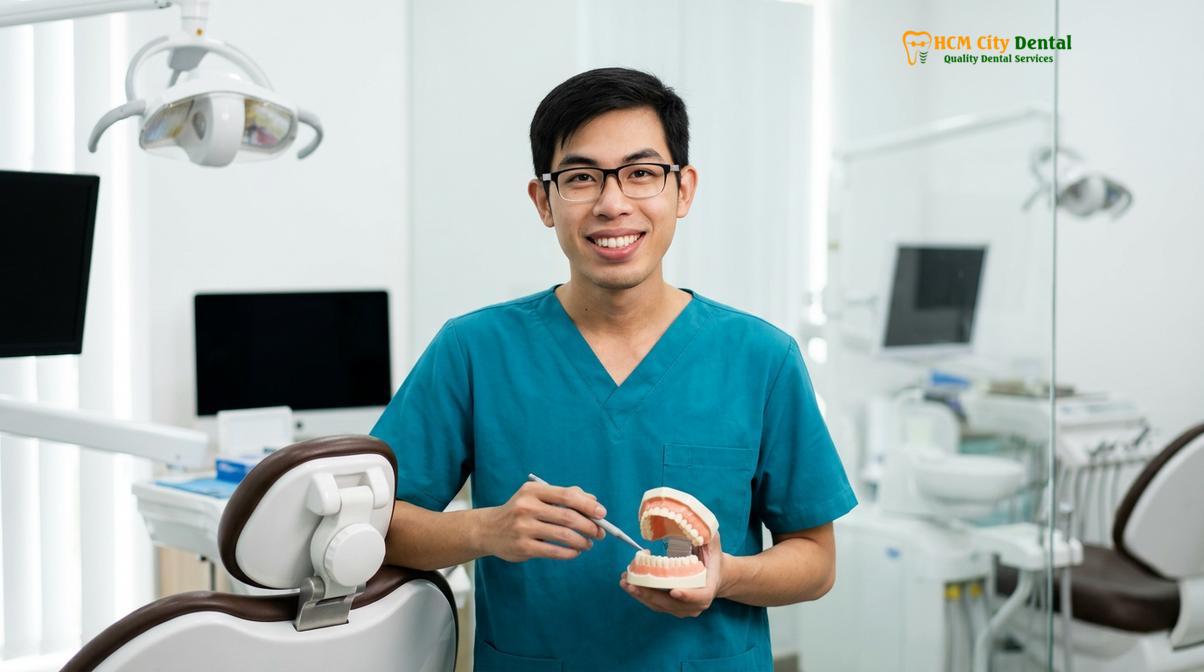
Furthermore, language barriers are non-existent at top-tier facilities. The clinical staff, including receptionists, dental assistants, and the surgeons themselves, are highly proficient in English. This ensures that complex medical information, surgical risks, and postoperative care instructions are communicated clearly and understood completely. Continuous support is maintained even after the patient returns to Singapore, with the clinic available via WhatsApp to address any concerns during the extended healing phase.
When to See a Doctor
While wisdom tooth extraction is a highly routine and safe procedure, it remains a surgical intervention with inherent, albeit low, risks. Patients must be vigilant during the postoperative period and recognize the signs that require professional clinical evaluation. Normal postoperative symptoms include mild to moderate swelling, minor oozing for the first 24 hours, and localized discomfort manageable with prescribed analgesics.
However, certain symptoms indicate a deviation from the normal healing process and necessitate immediate contact with the surgical team. Patients with underlying systemic conditions should be particularly observant and review specific guidelines regarding surgical recovery with medical comorbidities.
Important Clinical Considerations: Seek immediate medical attention if you experience:
- Severe, throbbing pain that radiates to the ear or neck and is not relieved by prescribed pain medication (potential sign of dry socket).
- Swelling that worsens after the third postoperative day or extends down the neck or up toward the eye.
- A persistent fever above 38.5°C (101.3°F) or chills, indicating a potential systemic infection.
- Prolonged numbness, tingling, or loss of sensation in the tongue, lip, or chin lasting more than 24 hours after the local anesthesia should have worn off (potential nerve paresthesia).
- Uncontrolled bleeding that fills the mouth rapidly and does not stop after applying firm pressure with gauze for 45 minutes.
Frequently Asked Questions
How much does wisdom tooth extraction cost in Singapore?
In Singapore, wisdom tooth extraction typically costs between $500 and $2,000 SGD per tooth, depending on the complexity of the impaction and the clinic’s location. Simple extractions of fully erupted teeth are on the lower end of the spectrum, while complex surgical removals requiring specialist intervention, bone removal, and advanced 3D imaging represent the higher end. Additional costs may apply for specialized sedation or biological grafting materials.
Why is dental care so much cheaper in Vietnam than Singapore?
Dental care in Vietnam is more affordable primarily due to significantly lower operational overhead, including commercial real estate leasing and administrative labor costs. The reduced pricing does not reflect a compromise in clinical quality. Top clinics in Ho Chi Minh City utilize the exact same imported dental materials, anesthetics, and diagnostic technologies (such as CBCT and Piezotome) found in Singapore, passing the operational savings directly to the patient.
Do HCMC dentists speak English and match Singapore standards?
Yes, specialists at premier clinics in Ho Chi Minh City are highly fluent in English and strictly adhere to international clinical standards. Many maxillofacial surgeons have undergone advanced training or fellowships abroad, ensuring that diagnostic protocols, sterilization procedures, and surgical techniques are identical to those practiced in Singapore and other developed healthcare markets.
Can I claim Medisave for wisdom tooth extraction in Vietnam?
Currently, Singapore’s Medisave cannot be directly claimed for dental procedures performed at clinics in Vietnam. However, the out-of-pocket cost for complex surgical extractions in Ho Chi Minh City is often substantially lower than the cash co-payment required even after Medisave deductions in Singapore, making it a highly cost-effective option for many patients.
How long do I need to stay in Saigon for a wisdom tooth procedure?
Patients should plan to stay in Ho Chi Minh City for a minimum of three to four days. This timeframe allows for a comprehensive preoperative consultation and imaging on day one, the surgical extraction, and a crucial 48-hour postoperative observation period. This resting phase is medically necessary to ensure stable blood clot formation and to mitigate the risks associated with cabin pressure changes before flying home.
References
- Journal of Oral and Maxillofacial Surgery. Economic analysis of third molar extractions in Southeast Asia. (2021).
- International Journal of Oral and Maxillofacial Surgery. Piezotome versus rotary instruments in impacted third molar surgery. (2019).
- British Dental Journal. The efficacy of Platelet-Rich Fibrin (PRF) in preventing alveolar osteitis. (2020).
- Journal of the American Dental Association. Aviation medicine and postoperative guidelines for oral surgery. (2022).
- Clinical Oral Investigations. Lingual and inferior alveolar nerve protection during surgical extraction. (2018).