The retainer cost in Vietnam typically ranges from $40 to $80 per arch, whereas the average price in South Korea spans $75 to $380 per arch. Both countries offer premium orthodontic retention, but Vietnam provides a highly cost-effective solution for expatriates and dental tourists without compromising clinical quality.
Clinical Summary:
Orthodontic retention is a critical physiological phase required to stabilize the periodontal ligament and prevent occlusal relapse after active tooth movement. When comparing international options, patients frequently evaluate the clinical standards and financial implications of obtaining retention devices abroad. South Korea is renowned for its advanced digital dentistry and rapid workflows; however, the associated costs are relatively high, and post-orthodontic appliances are generally excluded from national health insurance. Conversely, Vietnam has emerged as a premier destination for dental care, offering identical FDA-approved materials—such as Zendura and Essix plastics—at significantly reduced prices. For expatriates and international patients, securing a custom retainer in Vietnam ensures optimal periodontal stability, precise digital fabrication, and substantial financial savings.
Key Takeaways:
- Vietnam offers premium retainers at approximately one-third the cost of South Korean clinics.
- Korean national health insurance typically does not cover post-orthodontic retention devices.
- Both nations utilize advanced CAD/CAM technology and intraoral scanning for precise fabrication.
- Material choices include clear thermoplastic, traditional Hawley, and bonded lingual wires.
- Timely replacement of lost or damaged retainers is essential to prevent rapid orthodontic relapse.
The Clinical Importance of Orthodontic Retention
Orthodontic retention is a mandatory physiological phase following active tooth movement, designed to stabilize the periodontal ligament and prevent the natural tendency of teeth to relapse.
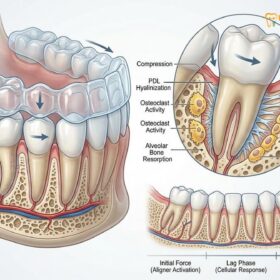
The completion of active Orthodontics marks the beginning of an equally critical phase: retention. When teeth are moved through alveolar bone via orthodontic forces, the surrounding periodontal ligament (PDL) and gingival fibers are stretched and remodeled. Once braces or clear aligners are removed, these elastic fibers possess a “memory” and exert a continuous pull, attempting to draw the teeth back to their original, pre-treatment positions. This phenomenon, known as orthodontic relapse, is most aggressive during the first six to twelve months post-treatment[1].
To counteract this physiological rebound, retainers are prescribed to hold the teeth in their newly established functional occlusion while the surrounding osteoblastic and osteoclastic cellular activity normalizes. The bone must calcify and harden around the new root positions, a process that requires uninterrupted stabilization. Dr. Nguyen Van Cuong frequently emphasizes to patients that failing to adhere to a strict retention protocol can undo years of complex orthodontic work within a matter of weeks.
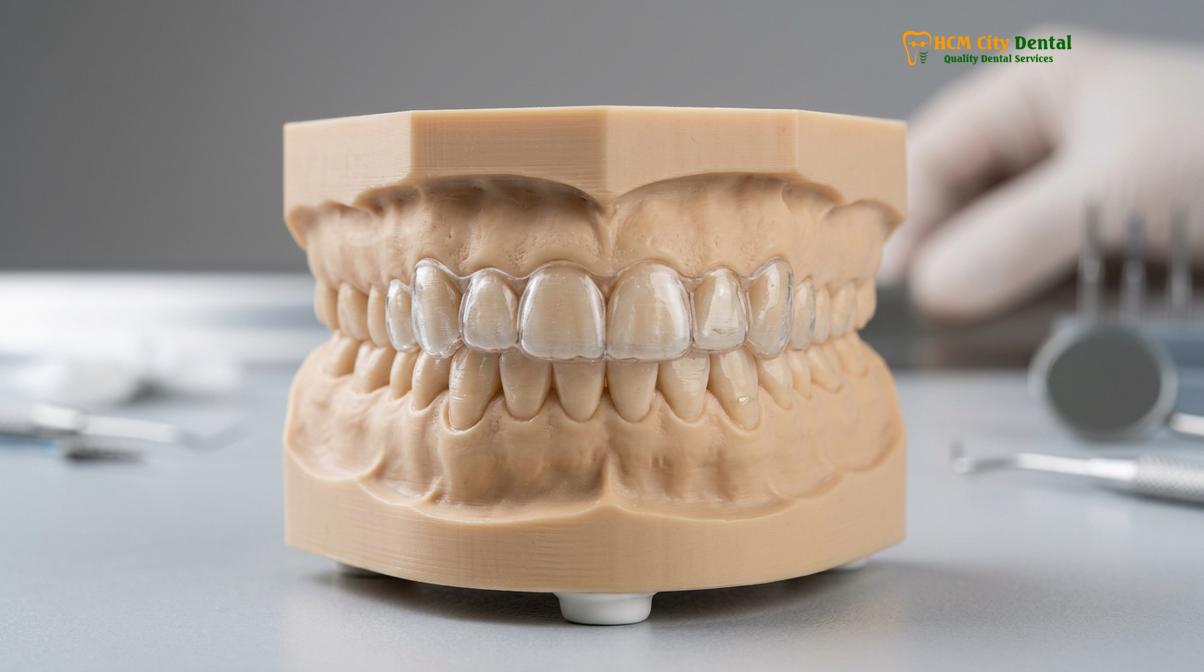
“Orthodontic treatment does not end when the braces come off; it transitions into the retention phase. The periodontal tissues require adequate time to reorganize, making consistent retainer wear the most critical factor in long-term occlusal stability.” – Dr. Nguyen Van Cuong
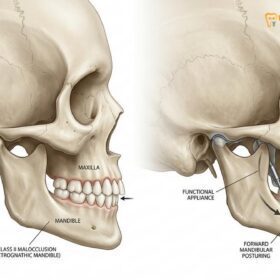
Furthermore, age-related physiological changes, such as late mandibular growth and natural mesial drift (the tendency of teeth to shift forward over time), continuously challenge dental alignment. Therefore, modern clinical guidelines generally advocate for lifetime retention—wearing the device nightly—to ensure the preservation of the aesthetic and functional results achieved during active therapy[2].
Retainer Cost Vietnam vs Korea: A Clinical and Financial Breakdown
While South Korea offers highly advanced orthodontic care, Vietnam provides identical premium materials and digital workflows at a fraction of the cost due to lower operational overhead.
When analyzing international dental economics, the disparity in pricing between developed and emerging medical tourism hubs becomes evident. In South Korea, the dental sector is characterized by high-tech infrastructure, particularly in affluent areas like Gangnam. However, this comes with elevated operational costs, high laboratory fees, and expensive commercial real estate. Consequently, the orthodontic clinic Seoul average for a single arch retainer can range from KRW 100,000 to KRW 500,000 (approximately $75 to $380 USD), depending on the material and the clinic’s prestige.
It is also important to note that NHIS dental coverage (National Health Insurance Service) in South Korea generally excludes elective orthodontic procedures and post-treatment retention devices. Patients are required to pay out-of-pocket for these services, making the financial burden significant, especially for those requiring dual-arch retention or frequent replacements.
🇰🇷 Cost Comparison: Vietnam vs South Korea (Per Arch)
Save up to 70% - 80% on high-quality custom dental retainers. Below is a detailed cost breakdown comparing local rates in South Korea with HCMC Dental Clinic.
| Retainer Type | South Korea Avg. Cost | HCMC Dental Cost | Your Savings |
|---|---|---|---|
| Essix (Clear Aligner) | ₩250,000 - ₩500,000 KRW | $72 USD (~₩100,000 KRW) | Save ~80% |
| Hawley (Acrylic & Wire) | ₩300,000 - ₩600,000 KRW | $120 USD (~₩165,000 KRW) | Save ~75% |
| Fixed Bonded (Wire behind teeth) | ₩250,000 - ₩450,000 KRW | $60 USD (~₩82,000 KRW) | Save ~80% |
In contrast, Vietnam has rapidly modernized its dental infrastructure, adopting the exact same digital scanners (such as iTero and 3Shape) and imported materials (like Zendura and Essix ACE) used in Korea and the West. Because the cost of labor, clinical operation, and in-house laboratory fabrication is substantially lower, clinics in Vietnam can offer these premium devices at a highly competitive rate. When evaluating the retainer cost korea against other international markets, Vietnam consistently emerges as a top-tier destination for value-driven, high-quality clinical care.
Clinical Case Example: Expatriate Retention Management
A 28-year-old expatriate living in Asia lost his upper clear retainer while traveling. Facing high replacement costs in neighboring countries, he visited HCMC Dental Clinic in Ho Chi Minh City. Utilizing an intraoral digital scan, the clinical team fabricated a precise, BPA-free thermoplastic replacement within 24 hours. The patient received a premium expat replacement retainer at approximately one-third of the cost he would have incurred in Seoul, ensuring his teeth remained stable without financial strain.
Types of Retainers and Material Specifications
Patients can choose between removable clear thermoplastic aligners, traditional wire-and-acrylic Hawley devices, or fixed lingual wires based on their specific retention and lifestyle requirements.
The selection of a retention device is not a one-size-fits-all decision; it requires a clinical assessment of the patient’s initial malocclusion, oral hygiene compliance, and occlusal dynamics. The three primary modalities of retention include clear thermoplastic retainers, Hawley retainers, and fixed bonded retainers.
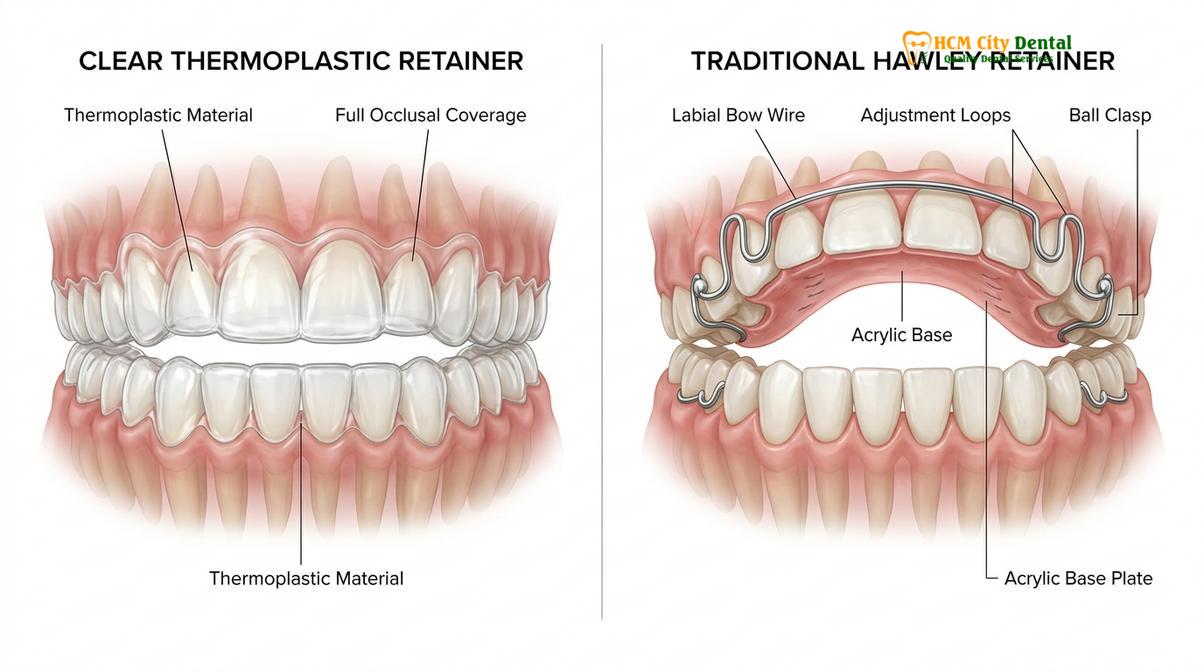
Clear Thermoplastic Retainers (Essix/Zendura)
Clear retainers are vacuum-formed or thermoformed over a 3D-printed model of the patient’s teeth. They are highly favored for their aesthetic invisibility and full occlusal coverage, which effectively prevents unwanted tooth eruption and rotational relapse. The clear retainer price in Vietnam is highly accessible, allowing patients to easily afford multiple backup sets. Modern clear retainers are fabricated from advanced polyurethane or copolyester materials that are BPA-free, highly durable, and resistant to cracking under normal occlusal forces[3].
Traditional Hawley Retainers
The Hawley retainer is the classic retention device, consisting of a polymethyl methacrylate (PMMA) acrylic base that rests against the palate or lingual mucosa, combined with a stainless steel labial bow. While less aesthetic than clear options, Hawley retainers are exceptionally durable and allow for minor occlusal settling—meaning the upper and lower teeth can naturally interlock over time. Furthermore, the wire can be clinically adjusted by an orthodontist to enact minor tooth movements if slight relapse has occurred.
Fixed (Bonded) Lingual Retainers
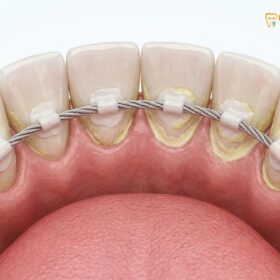
For patients with a high risk of anterior relapse—particularly those who initially presented with severe lower incisor crowding or a large midline diastema—a fixed retainer is often indicated. This involves bonding a custom-adapted, multi-stranded stainless steel or gold-braided wire to the lingual (tongue-facing) surfaces of the anterior teeth using dental composite resin. Fixed retainers provide continuous, compliance-free retention but require meticulous oral hygiene to prevent calculus accumulation along the wire[4].
The Fabrication Workflow: Impressions to Delivery
Modern dental clinics utilize intraoral digital scanners and 3D printing to fabricate highly precise retainers, ensuring an optimal fit and rapid clinical delivery.
The traditional method of fabricating a custom retainer Saigon involved taking physical impressions using alginate or polyvinyl siloxane (PVS) materials. While effective, this process could be uncomfortable for patients with a strong gag reflex and was susceptible to dimensional distortion during the casting phase.
Today, leading facilities like HCMC Dental Clinic employ a fully digital workflow. The process begins with an intraoral scanner capturing thousands of high-resolution images per second to create a flawless 3D digital model of the patient’s dentition. This digital file is then processed via CAD/CAM software. For clear retainers, a physical resin model is 3D-printed, and a thermoplastic sheet is thermoformed over it using precise heat and pressure. The edges are then meticulously trimmed and polished to ensure they do not impinge on the delicate gingival margins.
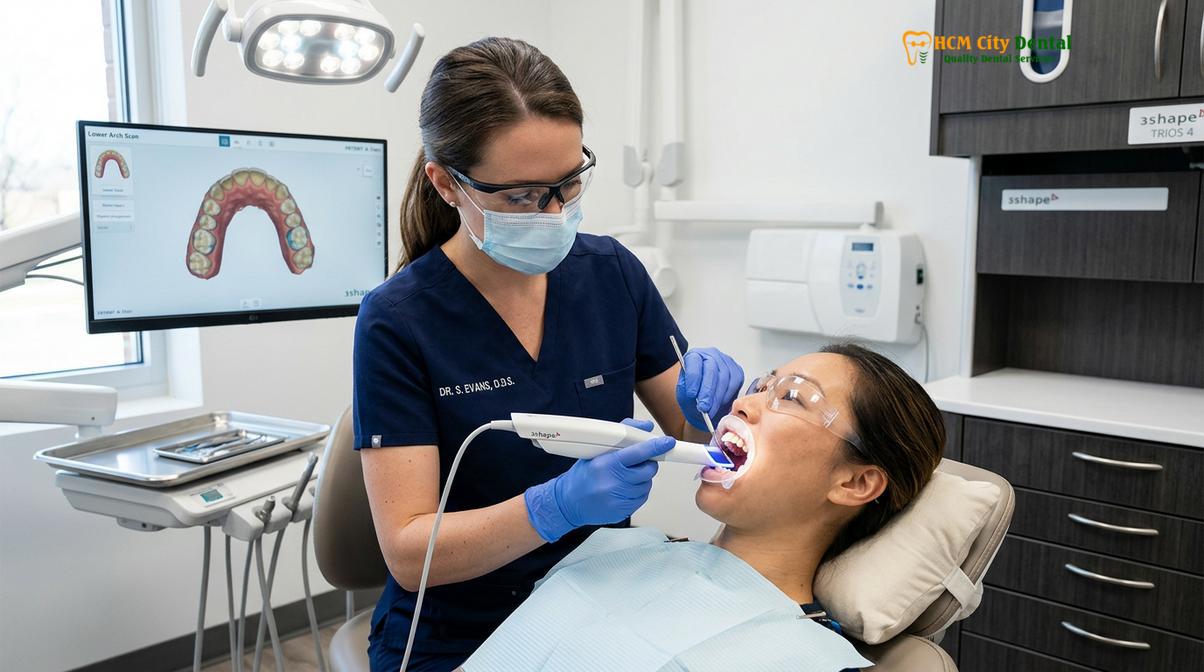
This digital workflow not only enhances the accuracy of the appliance but also significantly reduces turnaround time. Digital files can be stored indefinitely; if a patient loses their device, a new one can be printed and fabricated without the need for a new clinical impression, streamlining the replacement process.
Periodontal Health and Retainer Maintenance
Maintaining pristine oral hygiene and properly cleaning the retention device is essential to prevent plaque accumulation, gingival inflammation, and material degradation.
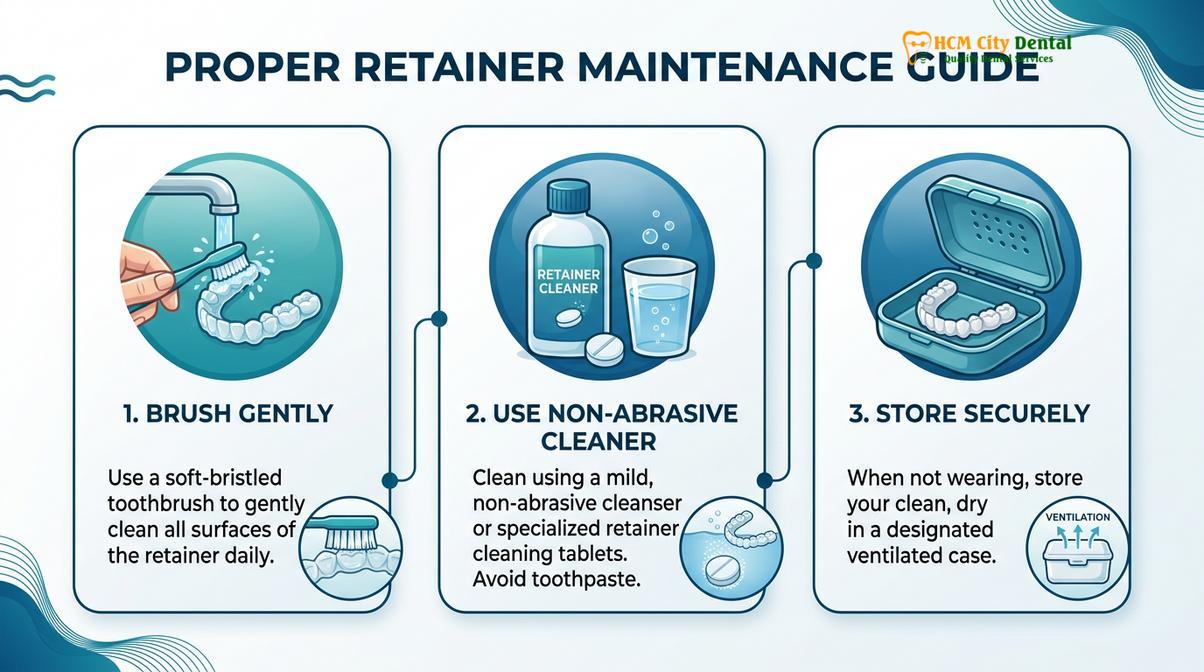
The introduction of any appliance into the oral cavity alters the natural self-cleansing mechanisms of saliva and the tongue. Removable retainers can harbor bacteria, plaque, and calculus if not cleaned rigorously. Patients are advised to brush their retainers daily using a soft-bristled toothbrush and non-abrasive liquid soap or specialized retainer cleaning tablets. Abrasive toothpaste should be avoided, as it can create micro-scratches in the thermoplastic material, rendering it cloudy and more susceptible to bacterial colonization.
For patients with fixed lingual retainers, interdental cleaning requires specific techniques. Floss threaders or specialized orthodontic floss must be used to navigate beneath the bonded wire. Failure to maintain adequate hygiene in this area frequently leads to localized gingivitis, periodontal pocketing, and the formation of hard calculus deposits that require professional ultrasonic scaling to remove[5].
“A retainer is only as effective as the environment it sits in. Poor maintenance not only degrades the appliance but actively contributes to periodontal disease, compromising the very foundation of the teeth we are trying to stabilize.” – Dr. Nguyen Van Cuong
When to See a Doctor: Managing Retainer Complications
While retainers are designed for long-term use, they are subjected to continuous mechanical stress and the harsh environment of the oral cavity. Patients must remain vigilant and seek professional clinical evaluation if they experience any of the following complications.
Important Clinical Considerations
Do not attempt to adjust, bend, or repair a damaged retainer at home. Improper modifications can apply adverse orthodontic forces, leading to unintended tooth movement, root resorption, or severe periodontal trauma. Always consult a licensed dental professional for adjustments or replacements.
You should schedule an immediate consultation if:
- The retainer feels excessively tight: This indicates that the teeth have begun to shift, usually due to inconsistent wear. Forcing a tight retainer onto the teeth can cause severe pain and potential damage to the periodontal ligament.
- Visible cracks or material fatigue: Thermoplastic retainers can develop micro-cracks over time, especially in patients who exhibit nocturnal bruxism (teeth grinding). A cracked retainer loses its structural integrity and cannot effectively hold the teeth in place.
- Debonding of a fixed retainer: If the composite resin holding a fixed wire breaks, or if the wire itself snaps, the affected teeth can relapse within days. Immediate rebonding is required.
- Gingival impingement: If the edges of a removable retainer begin to cut into the gums, causing ulcerations or bleeding, the appliance must be professionally adjusted and polished.
Ultimately, securing a high-quality retainer is an investment in your lifelong smile. Whether you are comparing costs internationally or seeking an urgent replacement while traveling, understanding the clinical standards ensures you make an informed decision. For personalized retention protocols and expert fabrication, patients are encouraged to book a consultation with the specialists at HCMC Dental Clinic in Ho Chi Minh City.
Frequently Asked Questions
Why is the retainer cost in Vietnam lower than in Korea?
The cost difference is primarily due to lower operational overhead and laboratory fees in Vietnam. Both countries utilize the same imported, FDA-approved dental materials and digital fabrication technologies, ensuring that the clinical quality remains identical despite the price variance.
Does Korean national insurance cover orthodontic retainers?
No, NHIS dental coverage in South Korea generally does not apply to post-orthodontic retention devices. Retainers are classified as elective or non-insured treatments, meaning patients must pay out-of-pocket at private clinic rates.
How long does it take to get a replacement retainer in Vietnam?
With modern digital scanning and in-house 3D printing, a replacement retainer can typically be fabricated within 24 to 48 hours. Some advanced clinics offer same-day delivery for urgent cases, which is highly beneficial for traveling expatriates.
Are clear retainers better than traditional wire retainers?
Neither is universally better; the choice depends on clinical indications. Clear retainers offer superior aesthetics and full occlusal coverage, while traditional Hawley wire retainers are highly durable and allow for minor occlusal settling and adjustability.
What should I do if my fixed retainer wire breaks?
You should schedule a dental appointment immediately to have the wire rebonded or replaced. A broken fixed retainer compromises tooth stability and can lead to rapid orthodontic relapse if left untreated for an extended period.
References
- Journal of Prosthodontic Research. Orthodontic retainer wear and stability. (2021).
- American Journal of Orthodontics. Relapse rates and retention protocols. (2019).
- European Journal of Orthodontics. Essix vs Hawley retainers clinical trial. (2020).
- Journal of Clinical Orthodontics. Plaque accumulation on fixed retainers. (2022).
- Australian Dental Journal. Patient compliance with dental retainers. (2018).