To store a dental retainer safely, clean it thoroughly immediately after removal, dry it, and place it inside a rigid, ventilated storage case. Keep the case away from extreme heat, direct sunlight, and household pets to prevent structural warping, bacterial colonization, and accidental destruction.
Clinical Summary:
Proper retainer storage is a critical component of post-orthodontic care, directly impacting both the longevity of the appliance and the patient’s oral health. Clinical guidelines dictate that removable appliances—whether thermoplastic clear aligners or traditional acrylic and wire models—must be stored in dedicated, rigid containers to prevent physical distortion and microbial contamination. Protecting the appliance from thermal shock, desiccation, and environmental hazards ensures its structural integrity, thereby maintaining the precise orthodontic forces required to prevent tooth relapse.
Key Takeaways:
- Always use a rigid, ventilated case to protect against physical crushing and bacterial overgrowth.
- Keep retainers away from heat sources, hot water, and direct sunlight to prevent thermoplastic warping.
- Never wrap your appliance in a tissue or napkin, which is the leading cause of accidental loss.
- Clean both the retainer and its storage container daily to prevent plaque and calculus accumulation.
- Keep appliances strictly out of reach of household pets, as the scent of saliva highly attracts them.
The Clinical Importance of Proper Retainer Storage
Safely storing your retainer prevents thermoplastic warping, structural fractures, and the proliferation of harmful oral pathogens that can compromise your dental health and orthodontic results.
Understanding how to store dental retainer safely requires a foundational knowledge of the materials used in modern Orthodontics tại HCMC Dental Clinic. Dental retainers are precision-engineered medical devices designed to hold teeth in their corrected positions while the surrounding periodontal ligament (PDL) and alveolar bone remodel and stabilize. Because these appliances are fabricated to micrometer accuracy, even the slightest distortion caused by improper storage can render them ineffective or actively harmful to your dental alignment[1].
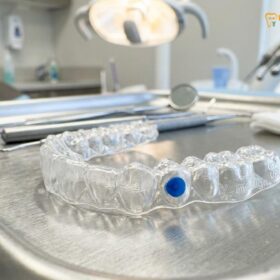
Modern retainers generally fall into two categories: thermoplastic clear retainers (such as Essix or Vivera) and traditional Hawley retainers, which consist of an acrylic base and stainless steel wire. Thermoplastic materials, typically made from polyurethane or polyethylene terephthalate glycol (PETG), are highly susceptible to thermal deformation. If a clear retainer is left on a sunny windowsill, near a radiator, or inside a hot vehicle, the polymer chains within the plastic can relax and warp. When a warped retainer is forced back onto the teeth, it no longer acts as a passive holding device; instead, it applies unintended, active orthodontic forces that can rapidly shift teeth out of alignment[2].
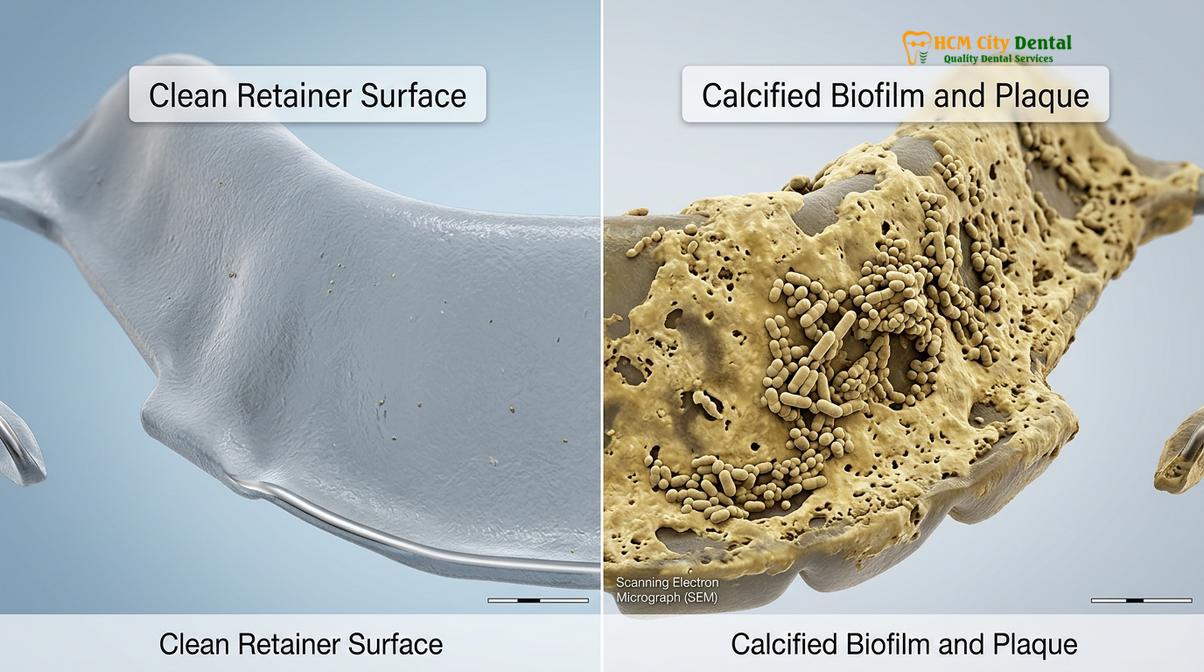
Beyond physical distortion, the microbiological environment of a stored retainer is a significant clinical concern. The oral cavity is home to hundreds of species of bacteria. When a retainer is removed, it is coated in saliva, plaque, and microscopic food debris. If the appliance is simply tossed onto a bathroom counter or placed into a dirty container, this organic matter begins to degrade. The presence of bacteria on dry retainer surfaces is a well-documented clinical issue. As the saliva evaporates, the remaining mucins and bacterial colonies form a hardened biofilm. This biofilm matrix protects the bacteria, allowing them to multiply and eventually calcify into hard tartar (calculus) directly on the plastic.
This calcification not only makes the retainer unsightly and foul-smelling but also creates a rough surface that irritates the delicate gingival tissues (gums) when worn. Furthermore, reinserting a heavily contaminated retainer introduces a massive bacterial load back into the mouth, significantly increasing the risk of dental caries (cavities), gingivitis, and oral candidiasis (thrush). Therefore, proper storage is not merely about preventing the loss of the appliance; it is a vital infection control measure.
Step-by-Step Guide: How to Store Dental Retainer Safely at Home
A safe home storage routine involves immediate rinsing, thorough mechanical cleaning, complete drying, and placement in a dedicated, ventilated container away from environmental hazards.
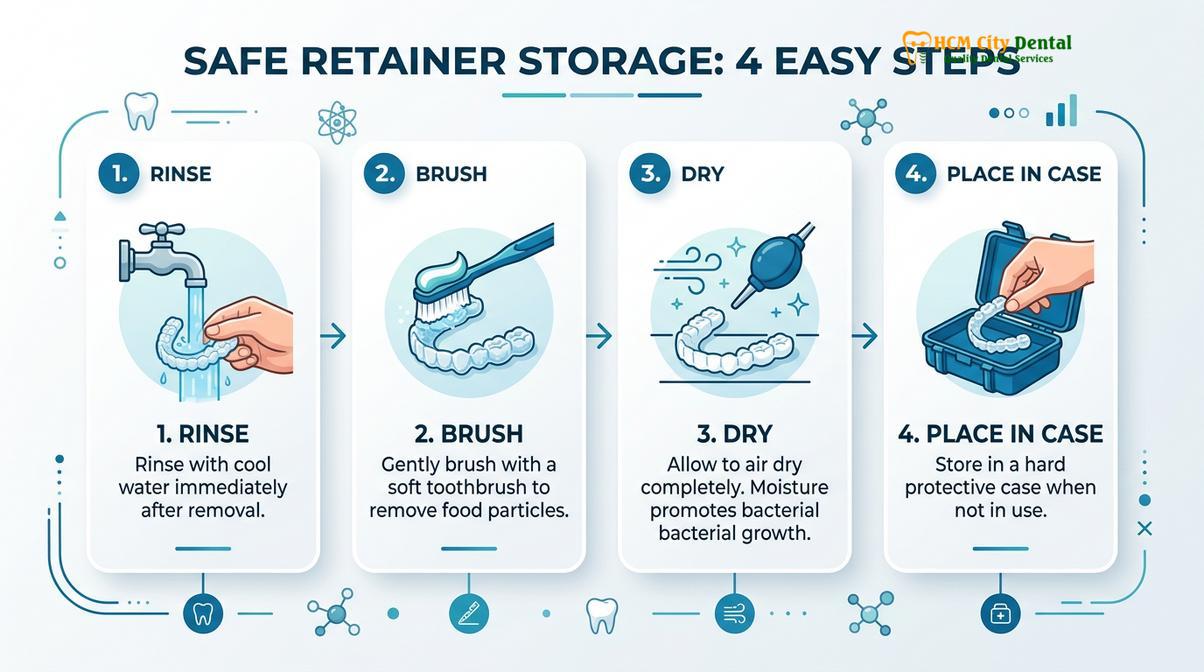
Establishing a strict daily protocol for retainer removal and storage is the most effective way to ensure the longevity of your appliance. The moment the retainer leaves your mouth, the clock starts on bacterial proliferation and the hardening of plaque. Clinical best practices dictate a specific workflow to mitigate these risks.
First, immediately rinse the retainer under lukewarm water upon removal. This simple step washes away loose saliva and debris before it has a chance to dry and adhere to the polymer surface. Never use hot water, as elevated temperatures can initiate the warping process in clear thermoplastic materials. Following the rinse, the appliance should be mechanically cleaned using a soft-bristled toothbrush and a mild, non-abrasive liquid soap. Avoid traditional toothpaste, as the silica and other abrasives it contains will create micro-scratches in the plastic, resulting in a cloudy appearance and providing microscopic crevices for bacteria to colonize.
Once the retainer is clean, the next step depends on the specific material of your appliance. For modern clear retainers, orthodontists generally recommend drying the appliance thoroughly before placing it in a clean storage case. Storing a wet clear retainer in a sealed, airtight container creates a humid micro-environment that is highly conducive to mold and bacterial growth. Conversely, traditional acrylic Hawley retainers may sometimes require a slightly moist environment to prevent the acrylic from becoming brittle, though this varies by manufacturer. Always defer to the specific How Long to Wear Retainers After Braces: Clinical Guide | HCMC Dental provided by your treating orthodontist.
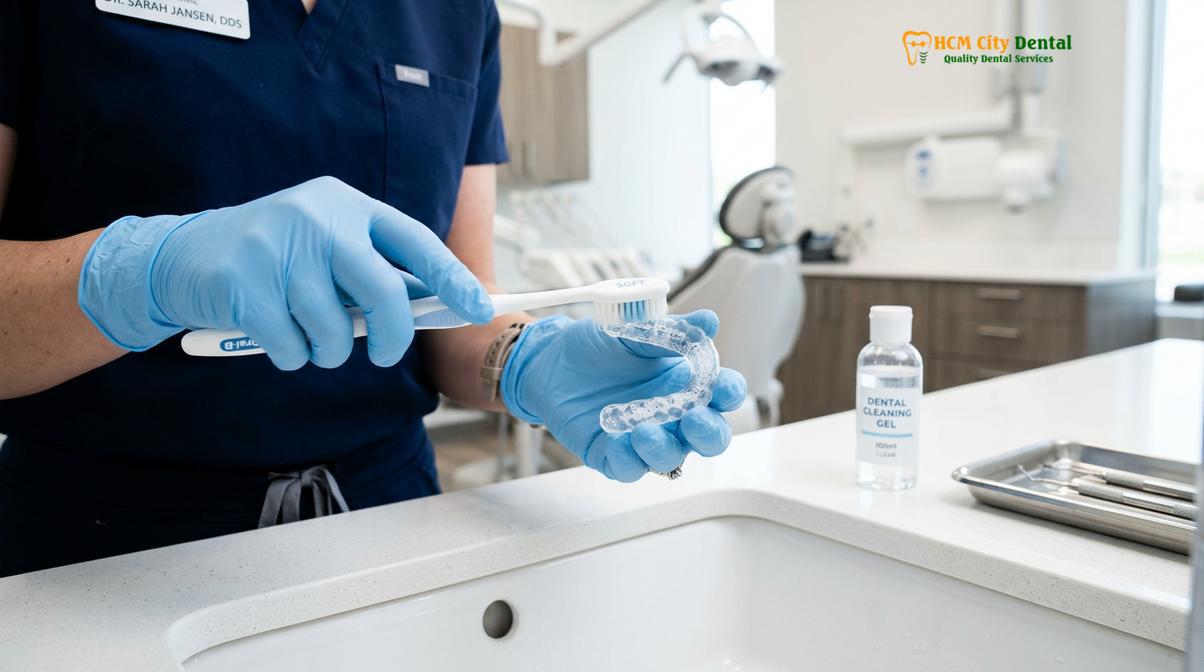
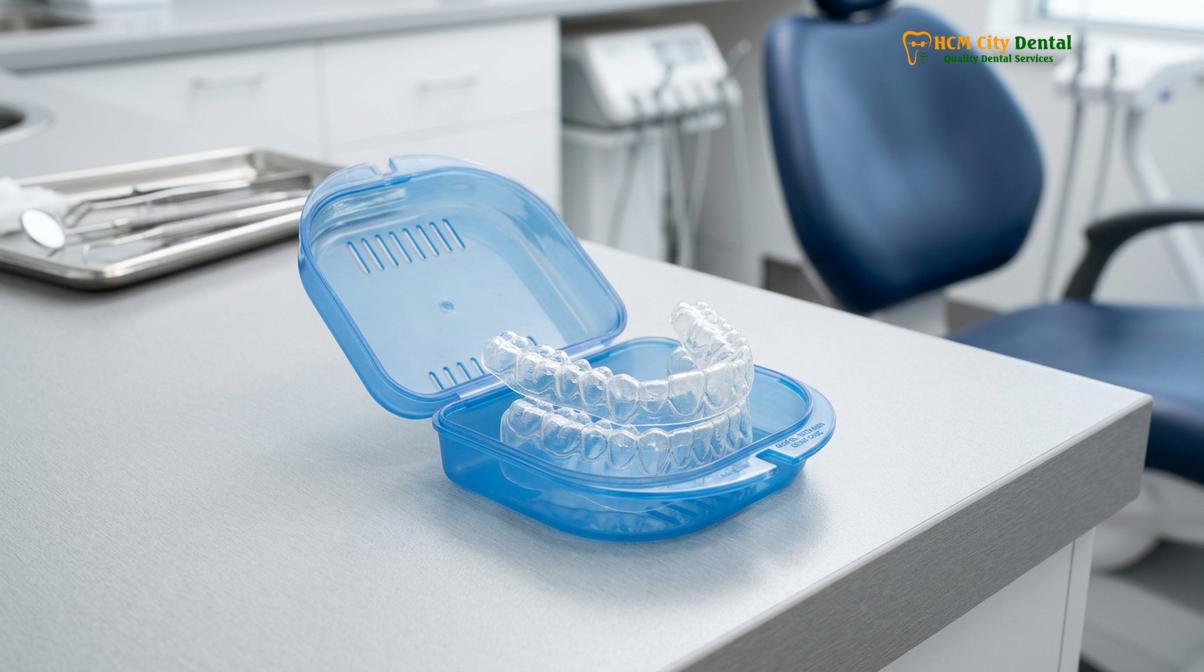
The storage case itself must be rigid to protect against crushing forces. A high-quality case will feature small ventilation holes that allow for air circulation, promoting the evaporation of any residual moisture while keeping airborne dust and contaminants out. The case should be kept in a cool, dry place, such as a bedroom nightstand or a dedicated bathroom drawer, well away from direct sunlight or heat-generating appliances.
| Retainer Type | Material Composition | Primary Storage Protocol | Key Vulnerability |
|---|---|---|---|
| Essix / Clear | PETG / Polyurethane | Clean, dry thoroughly, store in ventilated hard case. | Extreme heat (warping), abrasive scratching. |
| Vivera (Invisalign) | Proprietary SmartTrack | Clean, dry thoroughly, store in ventilated hard case. | Heat distortion, staining from colored liquids. |
| Hawley | Acrylic base, stainless wire | Clean, store in case (consult doctor on wet vs. dry). | Wire bending, acrylic fracture if dropped. |
Managing Retainers On the Go: Travel and Work Protocols
When traveling or at work, always carry a dedicated hard case to shield the appliance from physical damage, extreme temperature fluctuations, and accidental disposal.
Maintaining proper storage habits becomes significantly more challenging when patients are away from their home environment. Whether at school, in a restaurant, or traveling internationally, the risk of losing or damaging a retainer increases exponentially. Implementing strict travel retainer tips is essential for protecting your orthodontic investment. Clinical trials comparing Essix vs Hawley retainers have shown that both types are equally vulnerable to loss when proper storage protocols are ignored[3].
The most common clinical scenario involving a lost retainer occurs in dining environments. Patients frequently remove their retainers before a meal and, lacking a proper case, wrap the appliance in a paper napkin or tissue. Because the wrapped retainer is virtually indistinguishable from discarded trash, it is routinely thrown away by the patient, a companion, or restaurant staff. To prevent this, patients must develop the unbreakable habit of bringing their storage case to every meal. The rule is simple: if the retainer is not in your mouth, it must be in its case.
For patients who travel frequently, investing in robust retainer case protection is highly recommended. Travel cases with magnetic closures or secure latch mechanisms prevent the case from bursting open inside a backpack or luggage. Additionally, travelers must be acutely aware of temperature control. Leaving a retainer case inside a parked car on a warm day is a guaranteed way to destroy a thermoplastic appliance. The interior temperature of a vehicle can rapidly exceed the glass transition temperature of the plastic, causing irreversible melting and distortion. For international patients managing retention, carrying the appliance in personal hand luggage rather than checked baggage ensures it is not subjected to extreme temperature fluctuations in the cargo hold.
Clinical Warning: Pet Hazards and Heat Exposure
Household pets, particularly dogs, are highly attracted to the scent of human saliva and the materials used in dental appliances. A retainer left on a nightstand or coffee table can be destroyed in seconds by a chewing pet. Always store the case in a closed drawer or high cabinet. Furthermore, never attempt to sterilize your retainer by boiling it or running it through a dishwasher, as this will instantly and permanently warp the appliance.
The Microbiology of Retainer Cases: Preventing Infection
A neglected storage case acts as a reservoir for oral pathogens, requiring daily cleaning and weekly disinfection to prevent cross-contamination when the retainer is reinserted.
While much attention is given to cleaning the retainer itself, the hygiene of the storage case is frequently overlooked by patients. From a microbiological perspective, placing a pristine, freshly cleaned retainer into a contaminated case completely negates the cleaning process. The interior of a dark, enclosed retainer case provides an ideal micro-environment for the proliferation of bacteria, fungi, and mold. Studies on plaque accumulation on fixed retainers and removable appliances highlight the rapid rate at which these biofilms form[4].
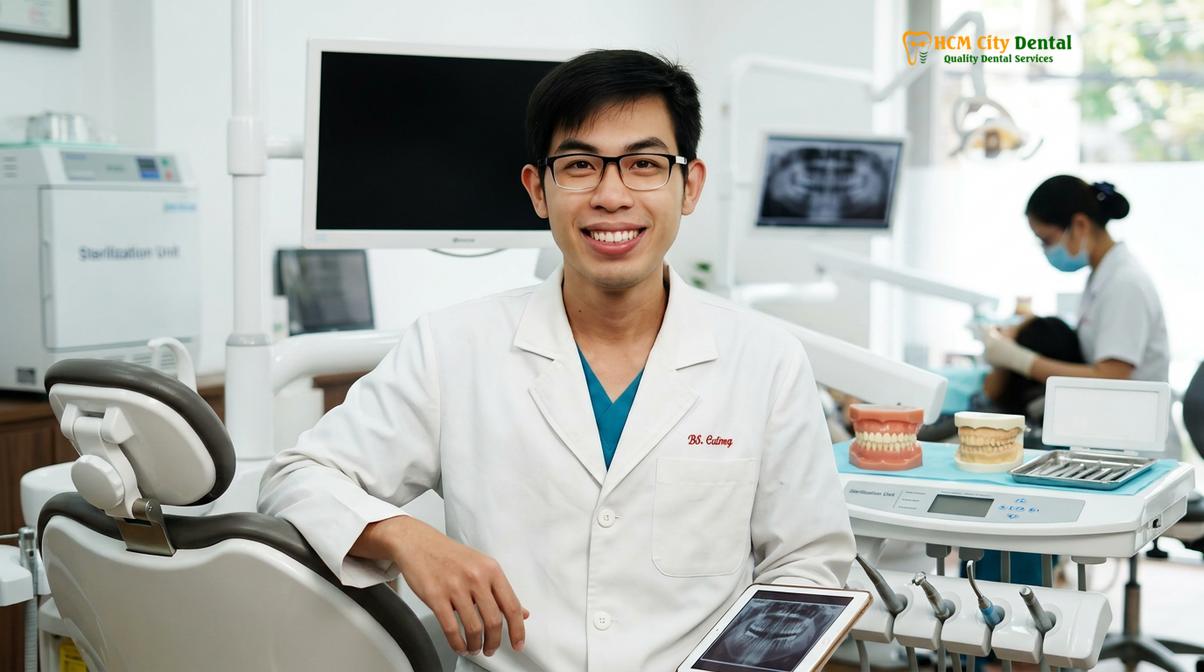
Dr. Nguyen Van Cuong, a leading specialist at HCMC Dental Clinic, emphasizes the importance of comprehensive appliance care. He frequently educates patients on how microscopic damage from improper storage can harbor dangerous bacteria. Dr. Cuong notes that maintaining a pristine storage environment is just as critical as cleaning the teeth themselves to ensure long-term oral health.
“We frequently see patients presenting with unexplained gingival inflammation or recurrent caries, despite claiming good oral hygiene. In many cases, the culprit is a highly contaminated retainer case that is continuously re-infecting the oral cavity. The storage case must be treated as an extension of the medical appliance itself and cleaned with equal diligence.”
To maintain a hygienic storage environment, the case must be washed daily. Warm water and mild dish soap are highly effective at breaking down the lipid barriers of bacterial cell walls and removing residual organic matter. Use a separate, dedicated toothbrush to scrub the corners and hinges of the case, where moisture and debris tend to accumulate. After washing, the case should be left open to air dry completely. Once a week, the case can be subjected to a deeper disinfection process, such as soaking in a mild antibacterial solution or a diluted chlorhexidine rinse, ensuring it is thoroughly rinsed before the retainer is placed back inside. Maintaining this level of hygiene is especially critical for patients utilizing Invisalign Vivera Retainers Cost & Clinical Guide | HCMC Dental systems, where clarity and cleanliness are paramount.
Clinical Case Study: The Cost of Improper Storage
Improper storage can lead to rapid appliance distortion, resulting in orthodontic relapse, compromised bite function, and the need for costly replacement or retreatment.
The consequences of failing to store a retainer safely extend far beyond the inconvenience of buying a new case. When an appliance is damaged due to poor storage, the patient’s teeth are left unsupported. Because the periodontal fibers have a “memory” and naturally pull teeth back toward their original, misaligned positions, relapse can occur with surprising speed. Research indicates that patient compliance with dental retainers is the single most important factor in preventing this relapse[5].
Clinical Case Review: Thermoplastic Warping and Relapse
A young adult patient presented to HCMC Dental Clinic in Ho Chi Minh City complaining that their upper Essix retainer was causing severe pain and no longer fit properly. Upon clinical examination, Dr. Nguyen Van Cuong noted that the appliance exhibited significant thermal distortion. The patient admitted to leaving the retainer in its case on the dashboard of their car during a hot afternoon.
Because the patient attempted to force the warped retainer onto their teeth for several nights, the appliance acted as an active aligner, pushing the central incisors out of their corrected arch form. The patient experienced a 1.5mm relapse. The clinical intervention required taking new digital intraoral scans to fabricate a new appliance that would gently guide the teeth back to their proper positions, incurring additional Essix Retainer Replacement Cost: Clinical Guide | HCMC Dental expenses and extending the retention phase.
This case highlights the critical importance of environmental awareness. If a retainer is lost or damaged due to improper storage, patients must seek Same Day Retainer Service Saigon: Clinical Guide | HCMC Dental solutions immediately. Delaying the replacement allows the teeth to shift further, potentially necessitating a return to active orthodontic treatment with braces or aligners to correct the relapse.
When to See a Doctor
Even with meticulous storage and cleaning habits, retainers have a finite lifespan and will eventually experience material fatigue. It is crucial to recognize the clinical signs that indicate an appliance is failing and requires professional evaluation. Continuing to wear a compromised retainer can cause irreversible damage to your dental alignment and periodontal health. The Vietnam Ministry of Health (MOH) guidelines on orthodontic retention emphasize regular clinical monitoring to ensure appliance efficacy[6].
You should schedule an appointment with your orthodontist if you observe any of the following issues:
- Loss of Retention: If the retainer feels loose, falls out during sleep, or no longer provides a snug “snap” fit over the teeth, the material has likely stretched or warped.
- Visible Cracks or Crazing: Micro-cracks (crazing) in the plastic compromise the structural integrity of the appliance and create breeding grounds for bacteria.
- Severe Calcification: If the retainer has accumulated hard, white, or yellowish tartar deposits that cannot be removed with normal brushing, professional ultrasonic cleaning or replacement is necessary.
- Gum Irritation: Rough edges caused by wear and tear, or an ill-fitting appliance, can cause localized gingival inflammation, ulcerations, or bleeding.
- Persistent Odor: A retainer that smells foul even after thorough cleaning indicates deep bacterial penetration into the porous polymer matrix.
“Patients should bring their retainers to every routine dental check-up. We evaluate not only the fit of the appliance on the teeth but also the microscopic wear patterns on the material. Early detection of material fatigue allows us to replace the retainer before any clinical relapse occurs.”
If you are experiencing issues with a removable appliance, or if you need assistance with Broken Wire on Permanent Retainer: Clinical Repair Guide | HCMC Dental, prompt clinical intervention is essential to safeguard your smile.
Conclusion
Properly storing your dental retainer is a fundamental aspect of maintaining your orthodontic results and protecting your overall oral health. By committing to a daily routine of rinsing, mechanical cleaning, thorough drying, and utilizing a rigid, ventilated storage case, you can significantly extend the lifespan of your appliance. Always remain vigilant against environmental hazards such as extreme heat and household pets, and never underestimate the importance of keeping the storage case itself meticulously clean.
If you need a replacement appliance or professional advice on retention, contact HCMC Dental Clinic in Ho Chi Minh City. Our specialists provide comprehensive care, including Dental Tourism Vietnam: Orthodontic Retention | HCMC Dental services for international patients.
Frequently Asked Questions
Can I store my retainer in water all day?
No, storing clear thermoplastic retainers in water all day is generally not recommended as it can degrade the material over time. However, older acrylic Hawley retainers may require soaking to prevent the plastic from drying out. Always follow your orthodontist’s specific material guidelines.
How do I properly clean my retainer storage case?
You should clean your storage case daily using warm water and mild dish soap, scrubbing it with a dedicated soft brush. Once a week, you can disinfect the case by soaking it in a mild antibacterial solution or running it through the top rack of a dishwasher if the manufacturer permits.
Is it safe to wrap my retainer in a tissue temporarily?
No, wrapping your retainer in a tissue or napkin is highly unsafe and is the leading cause of accidental disposal. Tissues offer zero structural protection against crushing and are easily mistaken for trash in restaurants or cafeterias.
What should I do if a pet chews on my retainer?
If a pet chews your retainer, stop wearing it immediately and contact your orthodontist for a replacement. Even microscopic punctures can harbor dangerous bacteria, and structural warping will apply incorrect orthodontic forces, leading to rapid tooth relapse.
Does a dry retainer breed more bacteria than a wet one?
A dry retainer does not necessarily breed more bacteria, but allowing saliva to dry on the appliance creates a hardened biofilm that protects existing bacteria. Thoroughly cleaning and drying the retainer before storage is the most effective way to prevent microbial proliferation.
References
- Journal of Prosthodontic Research. Orthodontic retainer wear and stability.
- American Journal of Orthodontics. Relapse rates and retention protocols.
- European Journal of Orthodontics. Essix vs Hawley retainers clinical trial.
- Journal of Clinical Orthodontics. Plaque accumulation on fixed retainers.
- Australian Dental Journal. Patient compliance with dental retainers.
- Vietnam Ministry of Health (MOH). National Guidelines on Orthodontic Retention and Appliance Hygiene.