The damon system braces cost typically ranges from $3,000 to $8,000, depending on case complexity, treatment duration, and whether you choose metal or clear brackets. These self-ligating braces eliminate elastic ties, offering a streamlined clinical approach to orthodontic alignment with potentially fewer adjustments.
Clinical Summary:
The Damon System represents a significant advancement in orthodontic biomechanics, utilizing passive self-ligating brackets and shape-memory archwires to achieve dental alignment. Unlike traditional braces that rely on elastomeric ligatures, this system uses a specialized sliding door mechanism to secure the wire. This design minimizes friction and binding, allowing teeth to move more freely and potentially reducing the discomfort associated with heavy orthodontic forces. From a financial perspective, the Damon system braces cost is influenced by the severity of the malocclusion, the geographic location of the practice, and the choice between standard metal or aesthetic clear brackets. Clinical evidence suggests that self-ligating systems also facilitate superior oral hygiene by eliminating the plaque-retentive elastic bands, making them a highly effective option for comprehensive orthodontic rehabilitation.
Key Takeaways:
- Average Investment: The overall cost generally spans between $3,000 and $8,000, comparable to other premium orthodontic solutions.
- Advanced Biomechanics: Utilizes a passive sliding mechanism that reduces friction and applies light, continuous forces to the periodontal ligament.
- Aesthetic Options: Available in both durable metal and discreet clear ceramic variations to suit different patient preferences.
- Hygiene Benefits: The absence of elastic ties significantly reduces plaque accumulation and bacterial retention around the brackets.
- Treatment Efficiency: May require fewer adjustment appointments, optimizing the overall clinical workflow and patient convenience.
Understanding the Damon System: Clinical Mechanics
The Damon System utilizes passive self-ligating brackets and high-technology shape-memory wires to move teeth efficiently without the need for friction-inducing elastic or metal ties.
To fully comprehend the value behind the damon system braces cost, it is essential to understand the underlying clinical mechanics that differentiate this treatment from conventional orthodontics. Traditional braces utilize elastomeric (rubber) bands or steel ligature wires to tie the orthodontic archwire into the slot of each bracket. While effective, these ligatures create significant friction and binding. When the wire attempts to slide through the bracket to align the teeth, the elastic tie acts as a brake, requiring the orthodontist to apply heavier forces to overcome this resistance.
The Damon System employs a fundamentally different approach known as passive self-ligation. Instead of using external ties, each Damon bracket features a built-in sliding door or clip. When this door is closed, it creates a passive tube that securely holds the archwire in place while allowing it to slide freely back and forth. This dramatic reduction in friction means that the teeth can be guided into their correct positions using much lighter, more biologically compatible forces. [1]
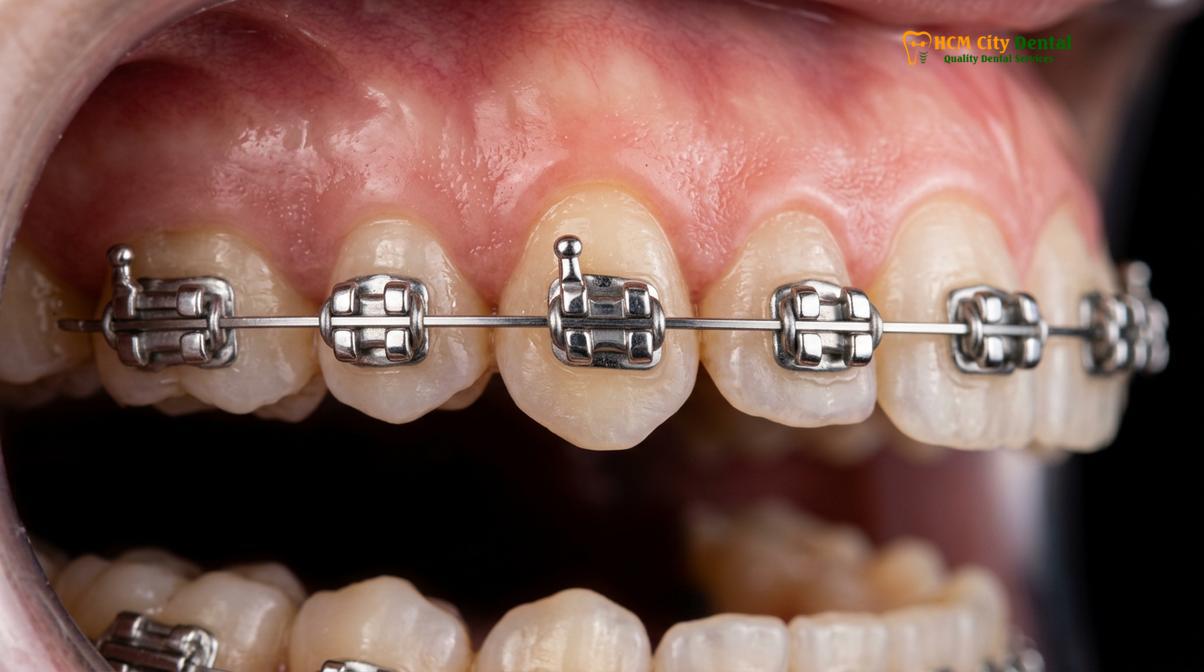
Dr. Nguyen Van Cuong emphasizes that the biological response to these lighter forces is a critical advantage. When heavy forces are applied to a tooth, the blood supply to the surrounding periodontal ligament (PDL) can be temporarily compressed, leading to localized hyalinization (tissue necrosis). The tooth cannot move until the body clears away this necrotic tissue, a process known as undermining resorption, which often causes patient discomfort. Conversely, the light, continuous forces applied by the Damon System’s shape-memory nickel-titanium (NiTi) wires respect the physiological limits of the PDL. This promotes direct frontal resorption of the alveolar bone, allowing for smoother, more continuous tooth movement and significantly reducing the soreness typically experienced after an adjustment appointment.
Furthermore, the Damon System is designed to work in harmony with the natural forces of the facial muscles. The passive nature of the brackets, combined with broad archwire forms, often allows for natural arch expansion. In many cases of moderate crowding, this transverse expansion can create sufficient space to align the teeth without the need for permanent tooth extractions or rapid palatal expanders, preserving a broader, more aesthetically pleasing smile arc.
Comprehensive Breakdown: Damon System Braces Cost
Patients can expect the financial investment for Damon braces to vary based on the choice between standard metal brackets and aesthetic clear options, alongside case complexity.
When evaluating orthodontic options, understanding the financial commitment is a primary concern for most patients. The damon system braces cost is generally positioned in the premium tier of orthodontic appliances, reflecting the advanced engineering of the self-ligating brackets and the high-quality shape-memory wires utilized throughout the treatment. However, when asking how much do top braces cost, it is important to recognize that the fee encompasses much more than just the physical hardware.
A comprehensive orthodontic fee typically includes the initial diagnostic records (panoramic and cephalometric radiographs, intraoral 3D scans, and clinical photography), the customized treatment planning, the placement of the appliances, all scheduled adjustment visits, the removal of the braces, and the first set of retention appliances (retainers). [2]
The specific material chosen for the brackets plays a significant role in the final price. The Damon System offers two primary variations:
- Damon Metal Braces: Constructed from high-grade medical stainless steel, these brackets are incredibly durable and resistant to deformation. They are typically the most cost-effective option within the Damon family. The estimated cost for a full comprehensive case using Damon Metal generally ranges from $3,000 to $7,000.
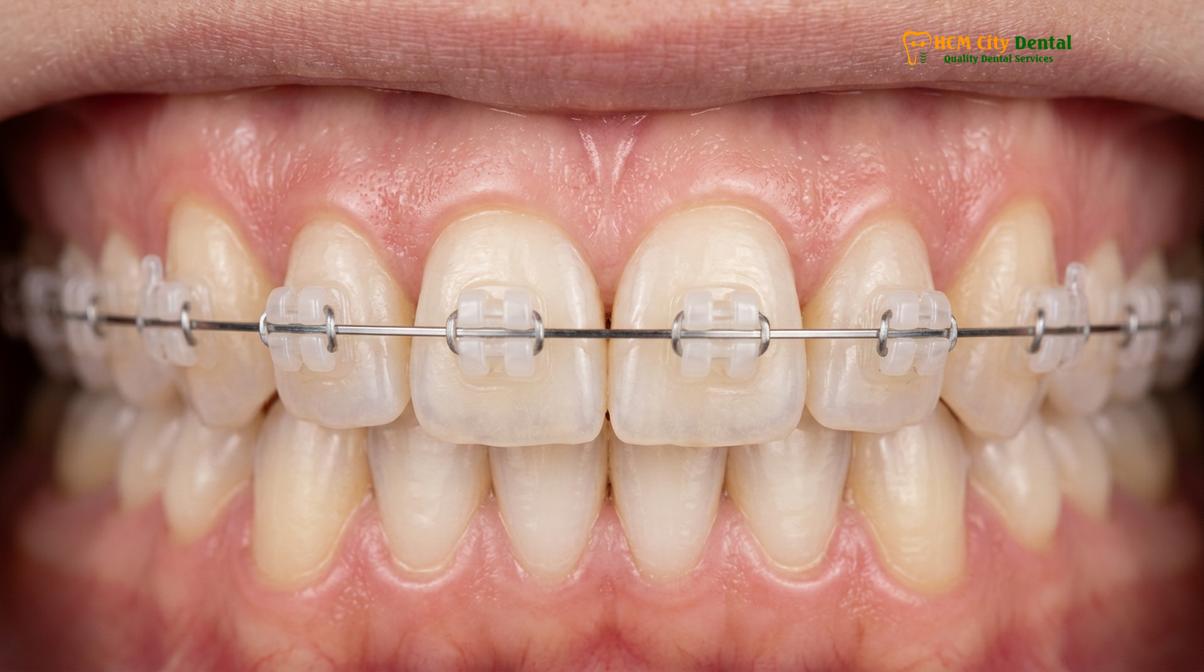
- Damon Clear Braces: For patients seeking a more discreet appearance, Damon Clear utilizes brackets made from polycrystalline alumina (PCA). This advanced ceramic material is impervious to staining and blends seamlessly with the natural color of the tooth enamel. Because the manufacturing process for these aesthetic brackets is more complex, the cost is higher. Treatment with Damon Clear typically ranges from $4,000 to $8,000.
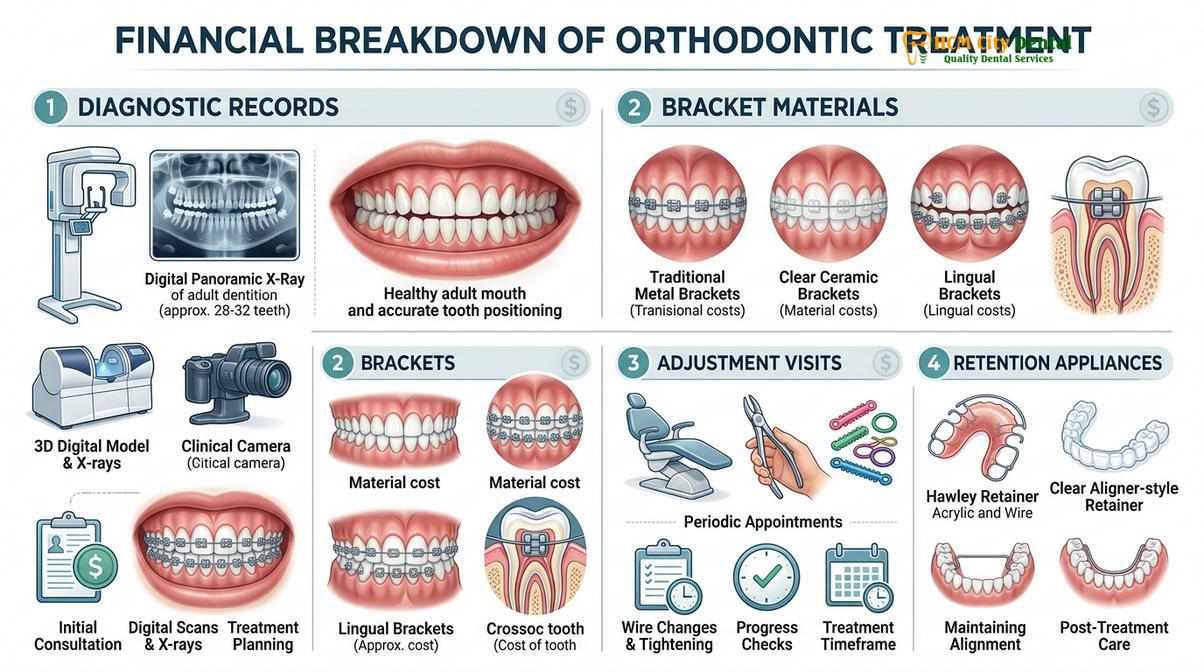
To provide a clearer perspective on how the Damon System compares financially to other modalities, consider the following clinical cost comparison table:
| Orthodontic System | Estimated Cost Range | Ligation Method | Aesthetic Profile | Typical Adjustment Interval |
|---|---|---|---|---|
| Damon Metal | $3,000 – $7,000 | Passive Self-Ligating | Visible Metal | 8 – 12 Weeks |
| Damon Clear | $4,000 – $8,000 | Passive Self-Ligating | Highly Discreet Ceramic | 8 – 12 Weeks |
| Traditional Metal | $2,500 – $6,000 | Elastomeric/Steel Ties | Visible Metal/Colored Ties | 4 – 6 Weeks |
| Clear Aligners | $3,500 – $8,000 | Removable Trays | Nearly Invisible | 6 – 10 Weeks |
It is crucial to note that these figures are estimates. For a precise quotation tailored to your specific anatomical needs, exploring a detailed orthodontic cost guide and scheduling an in-person clinical evaluation is highly recommended.
Factors Influencing Your Orthodontic Investment
The total expense of your orthodontic treatment is determined by diagnostic complexity, the estimated duration of tooth movement, and the specific materials selected.
The damon system braces cost is not a flat fee; rather, it is a customized investment based on a variety of clinical and logistical factors. Understanding these variables can help patients make informed decisions and set realistic expectations for their orthodontic journey.
1. Severity of Malocclusion: The most significant factor influencing the cost is the complexity of the dental and skeletal issues being addressed. A patient presenting with mild anterior crowding (Class I malocclusion) will require a shorter treatment time and fewer resources than a patient with a severe overbite, underbite, or crossbite (Class II or Class III malocclusions). Complex cases may require adjunctive appliances, such as bite turbos, intermaxillary elastics, or even temporary anchorage devices (TADs) to achieve the desired biomechanical vectors, all of which increase the overall fee. [3]
2. Estimated Treatment Duration: Orthodontic fees are closely tied to the amount of clinical time required to complete the case. While the Damon System’s efficient mechanics can sometimes reduce the overall treatment time, severe cases will still require 24 to 36 months of active management. Longer treatments necessitate more adjustment appointments, more archwire progressions, and increased chair time, which is reflected in the cost.
“Orthodontic treatment planning is not merely about straightening teeth; it is a comprehensive architectural redesign of the stomatognathic system. The investment reflects the meticulous biomechanical control required to ensure long-term occlusal stability and periodontal health.”
3. Provider Expertise and Location: The experience level of the clinician also plays a role. Consulting a certified dr damon dentist or a board-certified orthodontist who has undergone extensive specialized training in self-ligating mechanics may command a slightly higher fee than a general practitioner offering basic alignment. Furthermore, the geographic location of the clinic impacts overhead costs, which influences pricing. For instance, receiving treatment at a premier facility like HCMC Dental Clinic in Ho Chi Minh City offers access to world-class technology and expertise at highly competitive rates compared to Western markets.
4. Insurance and Financing: Dental insurance can significantly offset the out-of-pocket expense. Most plans with orthodontic coverage provide a lifetime maximum benefit (often ranging from $1,000 to $2,500) that can be applied to the damon system braces cost. For the remaining balance, many clinics offer flexible, interest-free monthly payment plans. Patients exploring ways to manage their investment should review comprehensive resources on the price of braces without insurance to understand all available financial pathways.
Damon Braces vs. Traditional Braces and Alternatives
While traditional braces use friction-inducing elastics, Damon braces utilize a sliding mechanism, and alternatives like clear aligners offer removable convenience.
When navigating the landscape of modern orthodontics, patients frequently compare the Damon System to other available modalities. Each system possesses unique biomechanical properties, aesthetic profiles, and clinical indications.
Traditional Ligated Braces: The standard of care for decades, traditional braces use elastomeric rings to hold the wire in the bracket slot. While highly effective and generally the most economical option, these elastic ties degrade over time, absorb moisture, and lose their elasticity, requiring replacement every 4 to 6 weeks. The friction created by these ties necessitates heavier forces to move teeth. In contrast, the Damon System’s passive sliding door eliminates this friction, allowing for lighter forces, potentially longer intervals between appointments (typically 8 to 12 weeks), and a more comfortable patient experience.
Aesthetic Alternatives: For patients prioritizing discretion, Damon Clear is often compared to other premium aesthetic brackets, such as clarity advanced braces or 3m clarity braces. Both systems utilize high-quality translucent ceramics that resist staining. However, traditional ceramic brackets still require ligatures (often clear elastics), which are highly prone to staining from coffee, tea, or spices between appointments. Because Damon Clear is self-ligating, it does not require these porous elastic ties, ensuring the brackets remain pristine and discreet throughout the entire treatment duration. [4]
Clear Aligners (Invisalign): The most prominent clear alternative to braces is the use of sequential thermoplastic aligners. Aligners offer the distinct advantage of being removable, allowing patients to eat without restrictions and perform oral hygiene routines with ease. They are excellent for mild to moderate crowding and spacing. However, aligners require strict patient compliance (wearing them 22 hours a day) to be effective. For complex cases involving severe rotations, significant vertical discrepancies (deep bites or open bites), or root torquing, fixed appliances like the Damon System offer superior, continuous biomechanical control. To explore a broader overview of all available treatments, patients can consult a comprehensive general dental guide.
Clinical Advantages of Self-Ligating Brackets
Self-ligating systems significantly improve oral hygiene by eliminating plaque-harboring elastics and provide a more comfortable patient experience through lighter orthodontic forces.
Beyond the aesthetic and financial considerations, the Damon System offers several distinct clinical advantages that contribute to a healthier and more efficient orthodontic experience. The design of the brackets and the nature of the forces applied have a direct impact on periodontal health and overall treatment mechanics.
Superior Oral Hygiene: One of the most significant challenges during orthodontic treatment is maintaining adequate plaque control. Traditional elastomeric ties are highly retentive; their porous surface and the microscopic gaps they create around the bracket act as a haven for bacterial biofilm. This accumulation can lead to gingival inflammation (gingivitis), hypertrophy, and the development of white spot lesions (enamel decalcification) around the brackets. The Damon System’s self-ligating clips are smooth and lack these retentive areas. Clinical studies consistently demonstrate that patients treated with self-ligating brackets exhibit lower levels of plaque accumulation and healthier gingival tissues compared to those treated with conventional ligatures. [5]
Clinical Case Review: Complex Crowding Resolution
A 26-year-old patient presented to HCMC Dental Clinic in Ho Chi Minh City with severe mandibular anterior crowding and a constricted maxillary arch. Dr. Nguyen Van Cuong utilized the Damon Clear system to address the malocclusion. By leveraging the passive self-ligating mechanics and broad archwires, Dr. Cuong achieved significant transverse arch expansion, creating sufficient space to align the crowded incisors without the need for premolar extractions. The patient reported minimal discomfort during the initial leveling phase, and the treatment was successfully completed in 18 months, resulting in a broad, aesthetic smile arc with excellent periodontal health.
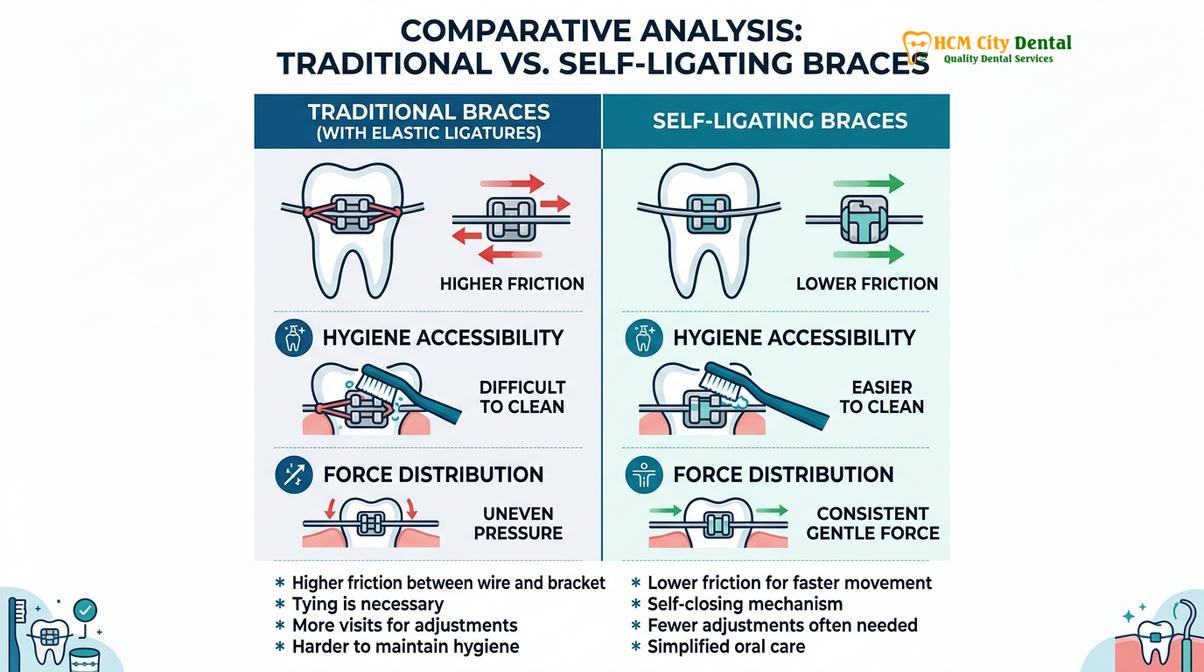
Optimized Treatment Timelines: While no system can guarantee a faster treatment time—as tooth movement is ultimately dictated by individual biology—the Damon System’s mechanics can optimize the workflow. The reduction in friction allows the teeth to slide more efficiently along the archwire during the initial leveling and aligning phases. Furthermore, because the shape-memory wires remain active for longer periods without the need for elastic tie replacements, patients require fewer adjustment appointments. This is particularly beneficial for busy adults or those traveling long distances for care.
Dietary Considerations: While the Damon System is robust, patients must still adhere to dietary modifications to prevent bracket debonding or wire distortion. Avoiding hard, sticky, or excessively crunchy foods is essential. For detailed nutritional advice during treatment, reviewing a clinical guide on the best food for braces ensures the integrity of the appliance is maintained.
When to See a Doctor for Orthodontic Evaluation
Determining the optimal time to initiate orthodontic treatment requires a comprehensive clinical evaluation. While the damon system braces cost is an important factor, the primary focus should always be on achieving functional harmony and long-term oral health. The American Association of Orthodontists recommends that children receive their first orthodontic screening by age 7 to intercept developing skeletal discrepancies, but adults can benefit from treatment at any age provided their periodontal health is stable.
You should schedule a consultation with an orthodontic specialist if you experience any of the following clinical indications:
- Visible Crowding or Spacing: Teeth that are overlapping, rotated, or have significant gaps between them, making proper oral hygiene difficult.
- Malocclusion (Bite Discrepancies): An overbite (upper teeth protruding excessively), underbite (lower teeth protruding past the upper teeth), crossbite (upper teeth sitting inside the lower teeth), or open bite (front teeth do not touch when the back teeth are closed).
- Functional Issues: Difficulty chewing, speech impediments, or frequent biting of the cheek or roof of the mouth.
- Temporomandibular Joint (TMJ) Symptoms: Chronic jaw pain, clicking, popping, or muscle tension that may be exacerbated by an improper bite relationship.
- Aesthetic Concerns: Dissatisfaction with the alignment of your teeth or the overall profile of your smile.
Important Clinical Considerations: Orthodontic treatment, including the Damon System, is contraindicated in patients with active, uncontrolled periodontal disease. The application of orthodontic forces to teeth with compromised bone support can accelerate bone loss and lead to tooth mobility or loss. A thorough periodontal clearance and stabilization are mandatory prerequisites before initiating any tooth movement.
“A successful orthodontic outcome relies heavily on accurate initial diagnostics. We utilize advanced 3D imaging and cephalometric analysis to ensure that every treatment plan is biologically sound, functionally stable, and aesthetically optimized for the individual patient.”
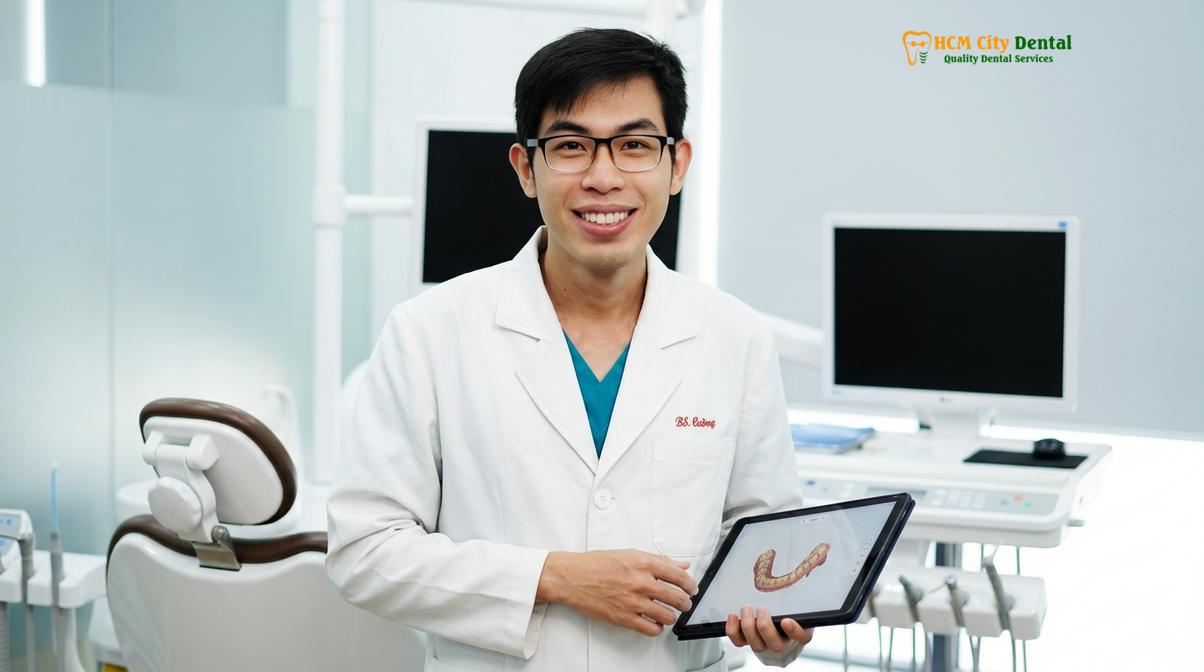
During your consultation, the clinician will perform a detailed examination, discuss your specific goals, and provide a transparent breakdown of the expected timeline and the cost of orthodontics. It is also highly recommended to review dentist feedback and clinical portfolios to ensure you are selecting a provider with a proven track record of excellence in self-ligating mechanics.
Frequently Asked Questions
Are Damon braces more expensive than traditional braces?
The Damon system braces cost is generally comparable to or slightly higher than traditional metal braces. The exact price difference depends on whether you select standard metal self-ligating brackets or the more aesthetic clear ceramic options. The premium reflects the advanced sliding-door technology and high-grade shape-memory wires used throughout the treatment.
Does dental insurance cover the Damon system braces cost?
Many dental insurance plans that include orthodontic benefits will cover a portion of the Damon system braces cost. Coverage typically applies a lifetime maximum benefit toward the overall treatment fee, regardless of the specific bracket system used. It is advisable to have your clinic’s financial coordinator verify your specific benefits prior to beginning treatment.
How long does treatment with Damon braces typically take?
Orthodontic treatment with Damon braces generally ranges from 12 to 36 months, depending on case complexity. The self-ligating mechanism may optimize tooth movement in certain phases, but individual biological responses dictate the final timeline. Severe malocclusions requiring significant root torquing or bite correction will naturally require more time.
Are Damon Clear braces completely invisible?
Damon Clear braces are highly discreet but not completely invisible. They utilize transparent or tooth-colored polycrystalline alumina brackets that blend with the natural enamel, though the thin metal archwire remains slightly visible upon close inspection. They offer a significant aesthetic upgrade over traditional metal brackets without the compliance requirements of removable aligners.
Do Damon braces cause less discomfort than conventional braces?
Many patients report experiencing less initial discomfort with Damon braces due to the passive self-ligating design. This mechanism exerts lighter, more continuous forces on the periodontal ligament compared to the tight elastic ties of traditional braces. However, some mild soreness is still expected for a few days following the initial placement and subsequent wire progressions.
References
- American Journal of Orthodontics and Dentofacial Orthopedics. Biomechanics of self-ligating brackets and friction reduction. (2021).
- Journal of Clinical Orthodontics. Comparative cost analysis of self-ligating versus conventional orthodontic systems. (2020).
- European Journal of Orthodontics. Periodontal health and plaque retention in passive self-ligating brackets. (2019).
- Angle Orthodontist. Treatment efficiency and arch expansion with the Damon system. (2022).
- International Journal of Dentistry. Patient-reported outcomes and discomfort levels during initial orthodontic alignment. (2018).