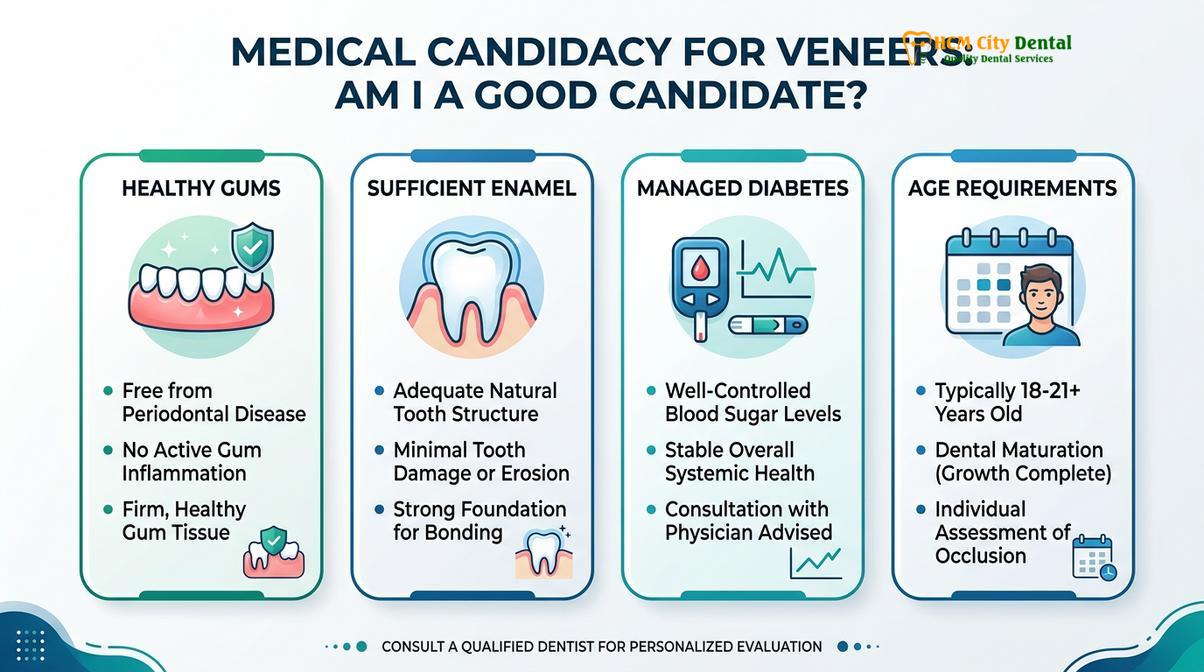
Most adults with healthy teeth and gums are excellent candidates for porcelain veneers. Ideal candidates have sufficient enamel, good periodontal health, and seek to correct cosmetic imperfections like discoloration, chips, or minor misalignment. A clinical evaluation determines individual suitability based on oral health status and specific aesthetic goals.
Clinical Summary:
Determining candidacy for cosmetic dental restorations involves a comprehensive assessment of periodontal health, enamel volume, and systemic medical conditions. While age is rarely a limiting factor for adults, dental maturity is required. Advanced digital workflows allow prosthodontists to design minimally invasive treatments. Authentic materials like E.max lithium disilicate provide durable, lifelike aesthetics. Patients with bruxism, diabetes, or prior orthodontic work can often receive veneers following tailored clinical protocols and the use of protective appliances like custom nightguards.
Key Takeaways:
- Patients must be at least 18 years old to ensure complete dental and skeletal maturity.
- There is no upper age limit; candidacy depends entirely on periodontal stability and enamel health.
- Systemic conditions like diabetes must be well-managed to ensure proper gingival healing.
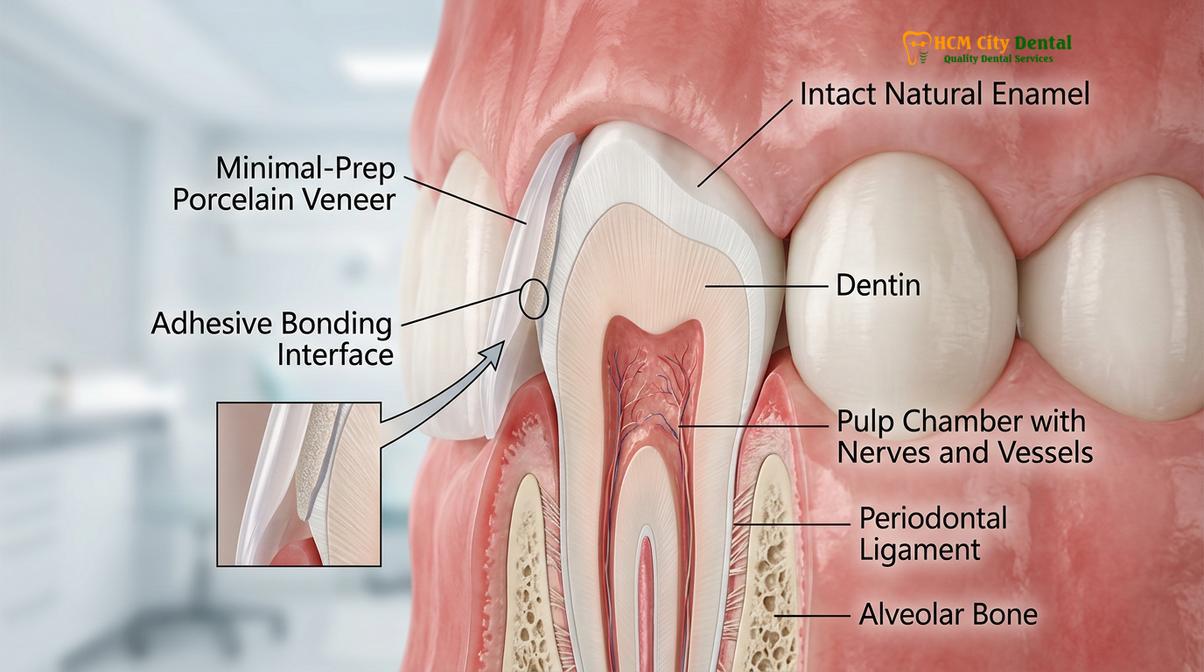
- Minimally invasive preparation preserves natural tooth structure, enhancing bond strength.
- Custom nightguards are clinically mandated for patients with sleep bruxism to protect ceramic restorations.
Minimum Age for Veneers: Why Dental Maturity Matters (18+)
Patients must be at least 18 years old to receive veneers, ensuring that jaw growth is complete and the gingival margins have stabilized to prevent future aesthetic discrepancies.
When younger patients inquire about cosmetic dentistry, the primary clinical concern is dental and skeletal maturity. The human jaw continues to grow and change shape throughout adolescence. Furthermore, the gums undergo a process known as passive altered eruption, where the gingival tissue slowly recedes to reveal the final anatomical crown of the tooth. Placing permanent restorations before this process is complete can lead to significant aesthetic challenges.
If a teenager receives veneers at age 16, their gums may continue to mature and recede over the next few years. This natural recession will eventually expose the margins of the veneers, revealing the underlying tooth structure and creating an unsightly visible line near the gumline. To avoid this, prosthodontists strictly adhere to an age minimum of 18, and sometimes recommend waiting until the early 20s for male patients, whose skeletal growth can continue slightly longer. These protocols align closely with the recommendations set forth by the Vietnam Odonto-Stomatology Association (VOSA) regarding aesthetic dental restorations[6].
Beyond gingival stability, young teeth have larger pulp chambers (the inner nerve center of the tooth). Aggressive tooth preparation in young patients increases the risk of penetrating the pulp chamber or causing irreversible pulpitis, which would necessitate a root canal. Therefore, when treating young adults, a minimally invasive preparation protocol is mandatory. By removing only a fraction of a millimeter of enamel, the clinician protects the vitality of the tooth while achieving the desired aesthetic outcome.
For teenagers who feel they are too young for veneers but struggle with cosmetic issues like severe discoloration or minor chips, conservative alternatives are recommended. Dental bonding using composite resin is an excellent transitional treatment. It requires zero enamel removal, is highly reversible, and can beautifully mask imperfections until the patient reaches the appropriate age for permanent ceramic restorations.
There Is No Upper Age Limit: Oral Health Determines Candidacy, Not Age
Advanced age does not disqualify a patient from receiving veneers; successful placement relies entirely on the presence of sufficient enamel and the absence of active periodontal disease.
A common misconception among older adults is that they are too old for veneers. In clinical reality, there is absolutely no upper age limit for cosmetic dentistry. Many patients in their 60s, 70s, and even 80s successfully undergo smile makeovers to restore teeth that have been worn down by decades of use, acid erosion, or minor trauma. The determining factors for candidacy are biological, not chronological.
“Age is merely a number in cosmetic dentistry. As long as the periodontal foundation is stable and we can achieve a strong enamel bond, older adults can safely enjoy the functional and aesthetic benefits of a complete smile makeover.”
The most critical requirement for long-lasting restorations is the presence of adequate, healthy enamel. Dental adhesives bond predictably and strongly to enamel, but bond strength drops significantly when adhering to dentin (the softer, inner layer of the tooth)[2]. Older patients who have experienced severe attrition (wear) or acid erosion may have exposed dentin. In these cases, the clinician must carefully evaluate whether a veneer will have sufficient retention or if a full-coverage dental crown is a more biomechanically sound option.
Furthermore, older patients often present with darker, more opaque natural teeth due to the accumulation of secondary dentin over a lifetime. When selecting materials, the prosthodontist must carefully balance opacity and translucency. Using premium materials like E.max (lithium disilicate) allows the clinician to mask underlying dark stains while maintaining a lifelike, natural appearance, avoiding an artificial look[1].
Veneers During Pregnancy and Breastfeeding: Clinical Guidance
While veneers are not inherently dangerous during pregnancy, clinicians strongly advise postponing elective cosmetic procedures until postpartum to avoid complications from pregnancy-induced gingivitis.
The question of getting veneers during pregnancy requires a careful balance of medical safety and aesthetic desires. From a purely toxicological standpoint, the materials used in porcelain veneers—such as ceramic, zirconia, and light-cured composite resins—are biocompatible and pose no direct threat to a developing fetus. However, the clinical environment and the physiological changes occurring in the mother’s body make pregnancy a less-than-ideal time for elective cosmetic dentistry.
Clinical Warning: Pregnancy hormones often trigger severe gingival inflammation (pregnancy gingivitis). Swollen, bleeding gums make it nearly impossible to achieve the dry, isolated field required for successful veneer bonding, significantly increasing the risk of restoration failure.
Additionally, the preparation and placement of veneers require the patient to recline in a dental chair for extended periods. For pregnant women, lying supine can cause supine hypotensive syndrome—where the weight of the uterus compresses the inferior vena cava, reducing blood flow to the heart and causing dizziness or fainting. Therefore, if a dental procedure is absolutely necessary, the second trimester is universally recognized as the safest window.
Medical Conditions: Diabetes, Blood Thinners, Autoimmune Disorders
Patients with chronic medical conditions can safely receive veneers, provided their conditions are well-managed and the clinician tailors the treatment protocol to accommodate altered healing responses.
Systemic health plays a profound role in oral health. When evaluating who can get veneers, a thorough medical history is just as important as a dental examination. Patients with chronic conditions are not automatically disqualified, but they do require specialized clinical management to ensure the longevity of their restorations and the safety of the procedure.
| Medical Condition | Candidacy Status | Clinical Protocol & Considerations |
|---|---|---|
| Diabetes | Conditional (Must be managed) | Requires stable HbA1c levels. Uncontrolled diabetes impairs healing and increases periodontal disease risk, which can compromise veneer margins. |
| Blood Thinners | Yes (With precautions) | Preparation is minimally invasive, but any associated laser gum contouring requires precise coagulation management to prevent prolonged bleeding. |
| Autoimmune Disorders | Conditional | Conditions causing dry mouth (xerostomia) increase decay risk. Patients require rigorous hygiene protocols and frequent professional cleanings. |
For patients taking anticoagulant medications, the preparation of teeth for veneers is generally minimally invasive and rarely causes significant bleeding. However, if the treatment plan includes laser gum contouring to correct a gummy smile or achieve gingival symmetry, the risk of prolonged bleeding increases. The clinician must utilize precise diode laser parameters to ensure proper coagulation and may consult with the patient’s primary care physician prior to treatment[4].
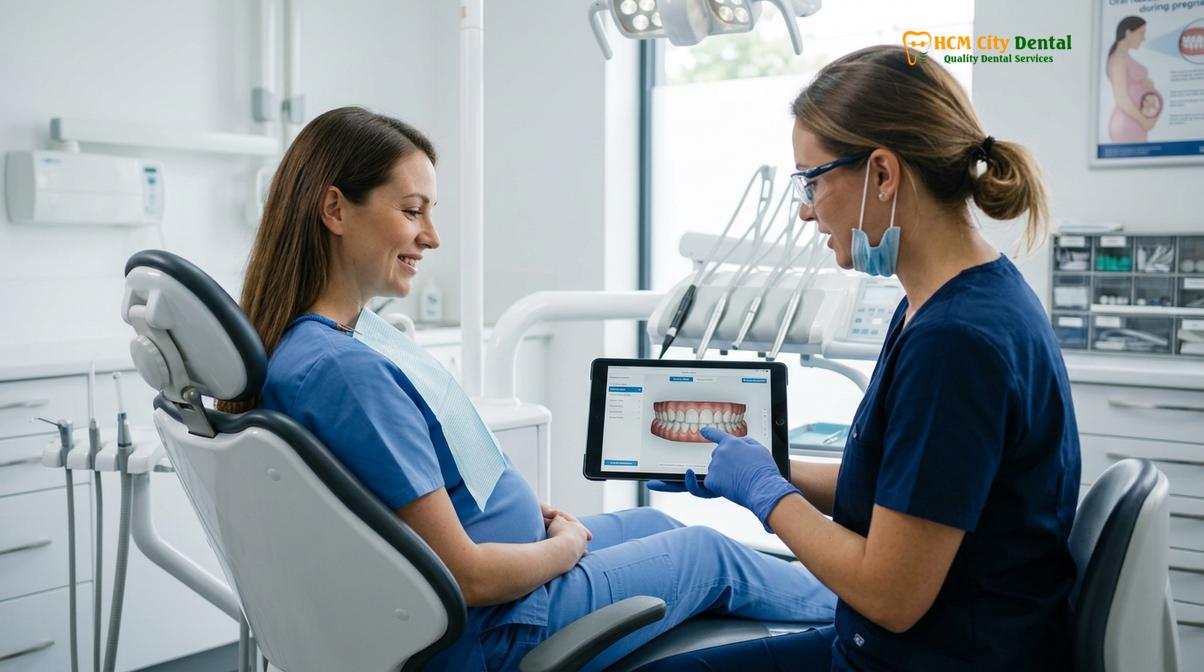
Autoimmune disorders, such as Sjögren’s syndrome, can also impact candidacy. This condition causes severe dry mouth. Saliva is essential for neutralizing oral acids and washing away food particles. A lack of saliva increases the risk of decay at the margins of the veneers. Patients with autoimmune-induced dry mouth must commit to rigorous home care and frequent professional cleaning protocols to protect the underlying tooth structure.
Existing Dental Work: Veneers After Braces, Implants, or Root Canals
Veneers can be seamlessly integrated with existing dental work, including post-orthodontic alignment, dental implants, and root canal-treated teeth, through meticulous material selection and digital planning.
Many patients seek cosmetic enhancements after having undergone previous dental procedures. A frequent scenario is the desire for veneers after braces. Orthodontic treatment successfully aligns the teeth and corrects the bite, but it cannot change the shape, size, or color of the teeth. Patients who have completed orthodontic alignment often choose minimal-prep veneers to refine the edges, close residual micro-gaps, and achieve a permanent, bright shade.
When placing veneers after orthodontics, the clinician must ensure that the teeth have stabilized in their new positions. Furthermore, the prosthodontist will design the veneers to harmonize with the newly established occlusal (bite) scheme, ensuring that functional movements do not place excessive stress on the ceramic edges. For patients who exhibit signs of bruxism (teeth grinding), selecting materials with high flexural strength is critical to prevent fractures[3]. These patients must also be fitted with a custom nightguard, as detailed in our guide on Bruxism and Veneers: Clinical Protocols for Teeth Grinders.
Teeth that have undergone root canal therapy present a unique challenge. Endodontically treated teeth become brittle and often darken significantly over time. While a veneer can mask the discoloration, a tooth with a root canal has lost a substantial amount of structural integrity. In many cases, a full-coverage crown is recommended over a veneer to provide comprehensive protection. If a veneer is deemed appropriate, the clinician must carefully manage the biological width attachment to ensure the restoration does not impinge on the gingival tissues[5].
When to Consult a Prosthodontist: Important Clinical Notes
Understanding when to seek professional evaluation is crucial for patients considering cosmetic dental restorations, especially if underlying dental or medical issues are present.
Not every patient is an immediate candidate for veneers. It is vital to consult a qualified prosthodontist if you experience any of the following symptoms, as they require resolution before cosmetic work can begin:
- Bleeding or Swollen Gums: Active periodontal disease must be treated to ensure a stable foundation for the veneers.
- Severe Tooth Sensitivity: This may indicate a lack of enamel or an underlying pulp issue that needs endodontic evaluation.
- Frequent Chipping of Natural Teeth: A sign of severe bruxism or malocclusion that could easily destroy delicate porcelain restorations if left unaddressed.
- Failing Existing Restorations: If you have old, discolored composite bonding, you should review the protocols for Replacing Old Veneers: Clinical Guide to Safe Removal & Upgrades.
By addressing these clinical warning signs early, patients can ensure a smoother treatment process and a more predictable, long-lasting aesthetic outcome.
Case Study: A Smile Transformation in Ho Chi Minh City
Real-world clinical applications demonstrate how comprehensive health assessments lead to successful veneer placements for international patients.
Patient Profile: Sarah, 34 years old, international patient visiting HCMC Dental Clinic in Ho Chi Minh City.
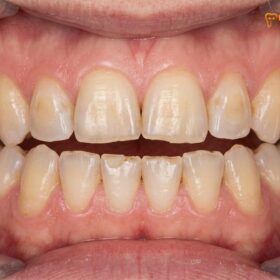
Clinical Presentation: Mild enamel erosion and a history of orthodontic treatment resulting in a dull, worn appearance despite straight alignment.
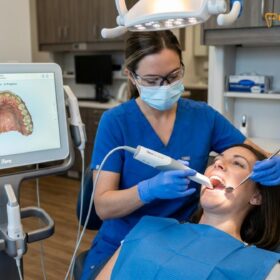
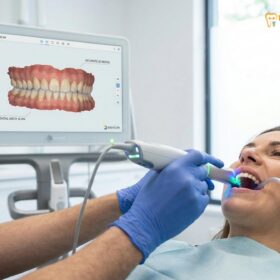
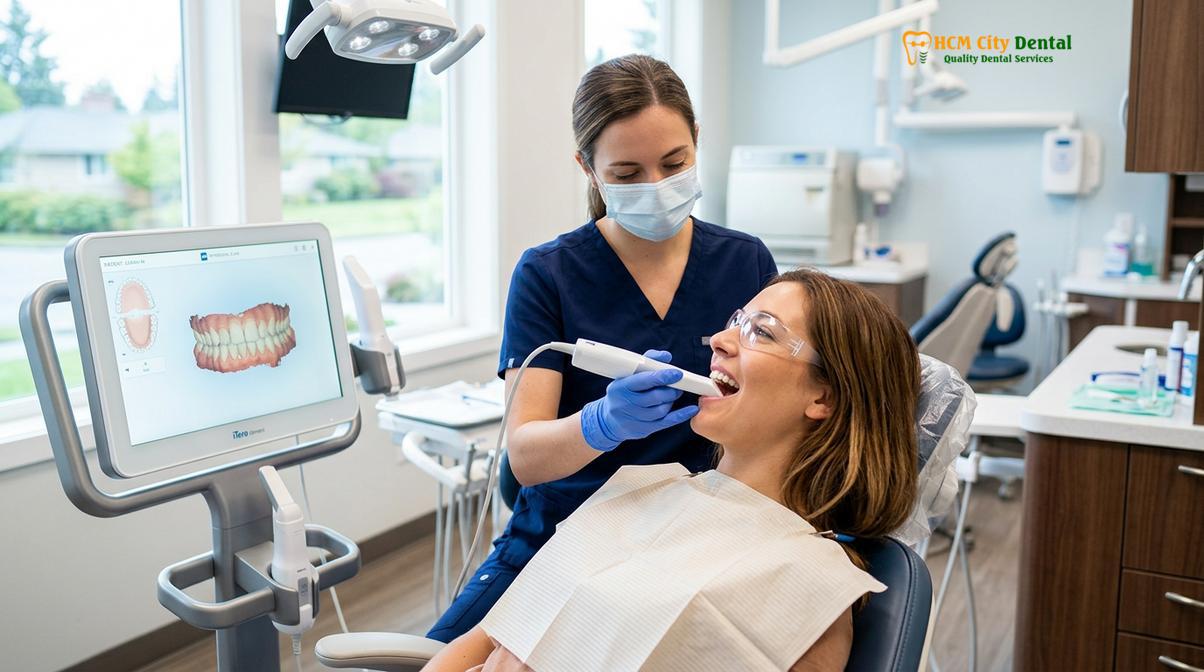
Treatment Plan: Comprehensive periodontal health check, 3D intraoral scanning, and placement of E.max lithium disilicate veneers to restore lost volume and brighten the smile.
“The meticulous attention to my dental history and the digital smile design process at HCMC Dental Clinic gave me complete confidence. They didn’t just look at the aesthetics; they ensured my teeth were structurally sound enough to support the veneers.”
Because Sarah’s periodontal health was excellent and her enamel volume was sufficient, she was deemed an ideal candidate. The team utilized premium materials to achieve a natural look. Following the placement, Sarah was provided with a comprehensive post-care plan, including instructions on What to Eat After Veneers: Clinical Diet Guide & Care Protocol, ensuring her new smile would remain pristine for years to come.
Dr. Cuong’s Pre-Treatment Health Assessment Protocol
A rigorous diagnostic workflow, utilizing advanced 3D scanning and digital smile design, ensures that every patient is a safe candidate and receives a highly predictable aesthetic outcome.
At HCMC Dental Clinic, patient safety and aesthetic excellence begin long before the first tooth is prepared. Dr. Nguyen Van Cuong, a leading specialist in cosmetic dentistry, employs a comprehensive pre-treatment health assessment protocol designed to evaluate every aspect of the patient’s oral and systemic health. By integrating advanced digital diagnostics, Dr. Cuong ensures that only suitable candidates proceed with Porcelain Veneers, minimizing risks and maximizing the longevity of the restorations.
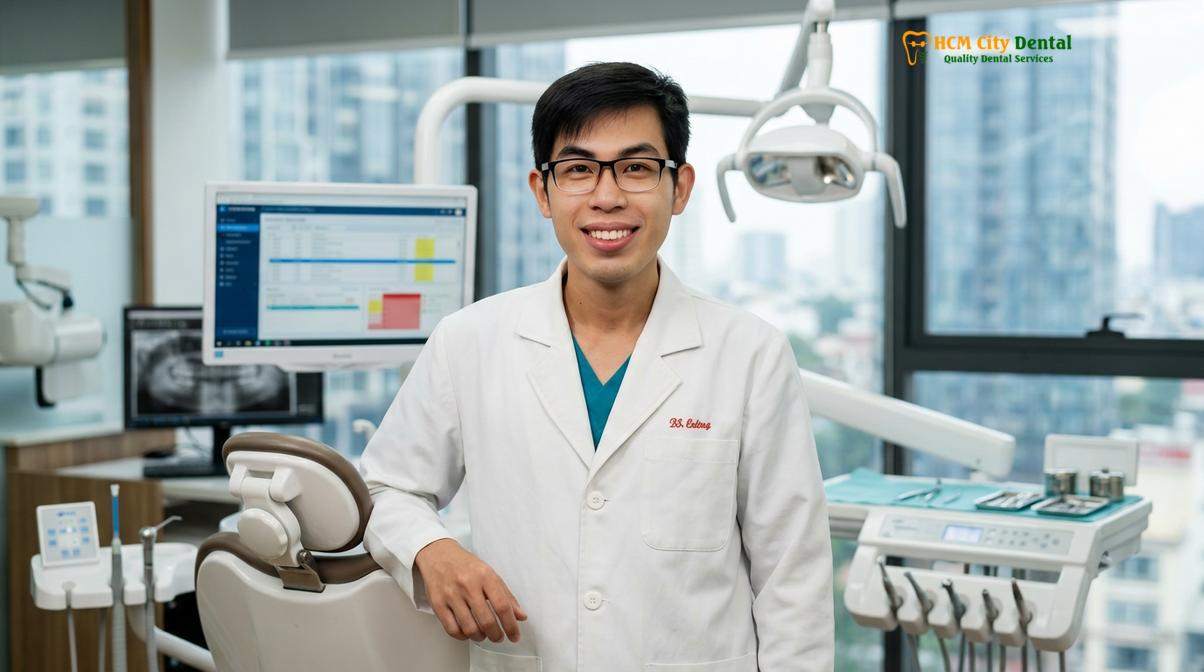
This evidence-based approach eliminates guesswork. Whether managing a patient with a complex medical history or designing a minimally invasive prep for a young adult, the clinical team prioritizes biological preservation alongside aesthetic enhancement. If you are wondering whether you are a candidate for cosmetic dentistry, schedule a comprehensive consultation at HCMC Dental Clinic in Ho Chi Minh City today to explore your personalized treatment options.
References
- Journal of Esthetic and Restorative Dentistry. Translucency of lithium disilicate. (2021).
- International Journal of Prosthodontics. Enamel preservation and bond strength. (2020).
- The Journal of Prosthetic Dentistry. Flexural strength of porcelain restorations. (2019).
- Clinical Oral Investigations. Diode laser gingival sculpting parameters. (2022).
- Journal of Clinical Periodontology. Biological width around restorations. (2018).
- Vietnam Odonto-Stomatology Association (VOSA). Clinical guidelines for aesthetic dental restorations. (2023).