After getting veneers, you can eat a normal diet, but you must stick to soft foods like mashed potatoes, yogurt, and scrambled eggs for the first 48 hours. Avoid hard, sticky, or tough foods to allow the bonding cement to fully cure and prevent premature chipping.
Clinical Summary:
Understanding what to eat after veneers is critical for the long-term success of your cosmetic dental restorations. While modern materials like E.max lithium disilicate and Zirconia HT are exceptionally durable, the initial 48-hour period requires a strict soft-food diet to allow the light-cured resin cement to achieve maximum bond strength. Long-term dietary habits must shift to avoid excessive shear forces on the anterior teeth—such as biting directly into apples or chewing ice. By adopting safe chewing mechanics, utilizing posterior molars for heavy mastication, and maintaining meticulous oral hygiene, patients can preserve the marginal integrity, biological width, and aesthetic brilliance of their custom porcelain veneers for decades.
Key Takeaways:
- Consume only soft, room-temperature foods for the first 48 hours to protect the curing resin bond.
- Never bite directly into hard foods like raw apples, carrots, or crusty bread with your front veneered teeth.
- High-quality porcelain resists stains from coffee and wine, but the underlying tooth and margins require careful cleaning.
- Shift heavy chewing forces to your back molars to prevent micro-fractures in anterior restorations.
- Protect your investment from nocturnal bruxism by wearing a custom-fitted nightguard while sleeping.
The First 48 Hours: Eating Safely with Freshly Bonded Veneers
During the first 48 hours, stick to a soft-food diet to allow the resin cement to fully stabilize and to minimize any temporary thermal sensitivity in the prepared teeth.
The immediate post-operative period is the most critical phase for the longevity of your new smile. Whether you have received temporary bis-acryl restorations or your final custom porcelain restorations, the protocol for eating with fresh veneers remains stringent. During the cementation process, the prosthodontist uses a light-cured resin adhesive to bond the ceramic shell to your natural enamel. While the curing light hardens the cement instantly, the chemical bond continues to mature and stabilize over the next 24 to 48 hours[1].
During this stabilization window, the teeth are often hyper-responsive. The minimal-prep technique (typically removing 0.3mm to 0.7mm of enamel) or prep-less Lumineers (0.2mm) preserves the tooth’s structural integrity but can temporarily expose dentinal tubules, leading to transient thermal sensitivity. To mitigate discomfort and protect the bond, patients must consume foods that require minimal masticatory effort and are neutral in temperature.
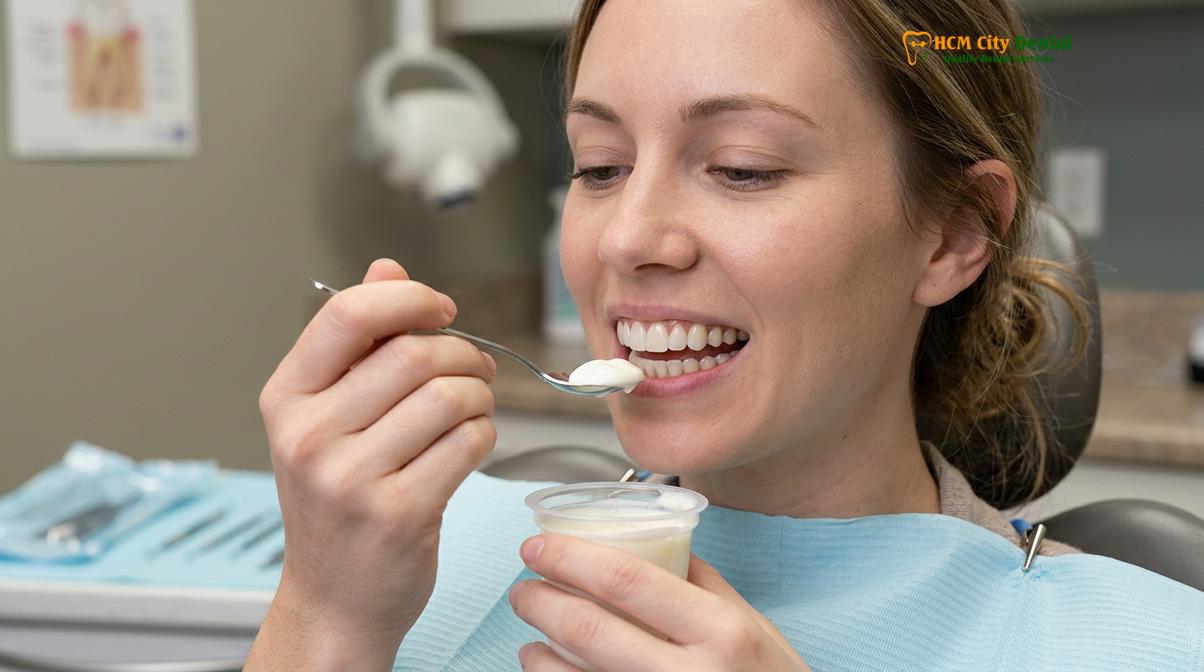
Recommended Foods for the First 48 Hours:
- Mashed Potatoes and Sweet Potatoes: Soft, filling, and require zero heavy chewing.
- Scrambled Eggs: An excellent source of protein that is gentle on newly bonded teeth.
- Yogurt and Smoothies: Consume at a cool (not freezing) temperature to soothe the gums. Avoid using a straw if you have had any concurrent extractions, though straws are generally safe for veneer patients.
- Oatmeal and Porridge: Ensure it is warm, not scalding hot, to prevent thermal shocks.
- Flaky Fish: Baked or steamed fish like salmon or cod provides necessary nutrients without stressing the bite.
If you are wearing temporary veneers while your permanent ones are being fabricated at the laboratory, these dietary restrictions are even more vital. Temporary veneers are affixed with a weaker, non-permanent cement designed to be easily removed. Chewing sticky or hard foods can easily dislodge or fracture these provisional restorations, exposing the sensitive prepared tooth structure beneath.
Foods to Avoid: Hard, Sticky, and Tough Foods That Pose Risks
To prevent catastrophic fractures and debonding, strictly avoid chewing ice, hard nuts, sticky caramels, and tough meats that exert excessive shear and tensile forces on the ceramic.
While advanced dental ceramics like E.max (lithium disilicate) and Zirconia HT possess remarkable flexural strength—often ranging from 400 MPa to over 1000 MPa—they are designed to withstand compressive forces (biting down) rather than shear forces (tearing and pulling)[2]. Understanding hard food risks is essential for protecting your investment.
When you bite into a hard object with your anterior (front) teeth, you create a lever effect that places immense stress on the bonding interface. Over time, this can lead to micro-leakage, where the cement seal breaks down, allowing bacteria to infiltrate and cause decay beneath the veneer. In severe cases, the porcelain itself may suffer a cohesive fracture.
Clinical Warning: Never use your veneered teeth as tools. Opening packages, biting off clothing tags, snapping thread, or chewing on pens and fingernails applies unnatural, concentrated stress that is a leading cause of premature veneer failure and ceramic chipping.
High-Risk Foods to Eliminate or Modify:
- Ice Cubes: Chewing ice is highly destructive. The extreme cold causes the porcelain to contract rapidly, while the hardness of the ice causes micro-fractures in the ceramic matrix.
- Hard Candies and Jawbreakers: Biting down on these can instantly crack both natural enamel and porcelain.
- Sticky Sweets (Caramel, Taffy, Nougat): These exert strong tensile (pulling) forces that can literally pull a veneer off the tooth, especially temporary ones.
- Crusty Breads and Bagels: The tearing motion required to eat tough bread places dangerous shear stress on the incisal edges of front teeth.
- Nuts and Seeds: Biting into a hard almond or unpopped popcorn kernel with a front tooth can cause immediate chipping.
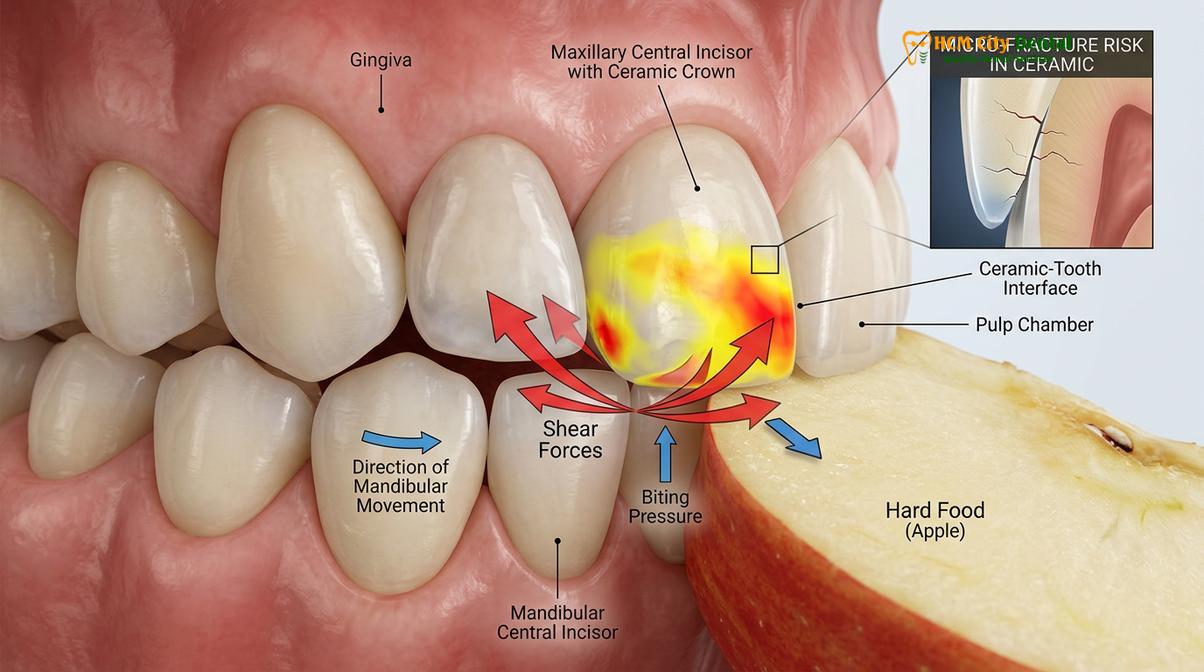
If you wish to consume these foods, modification is key. Nuts should be crushed or chewed exclusively with the posterior molars. Breads should be torn into small pieces by hand before being placed in the back of the mouth.
Stain Resistance Check: Why Red Wine, Coffee, and Tea Won’t Stain E.max
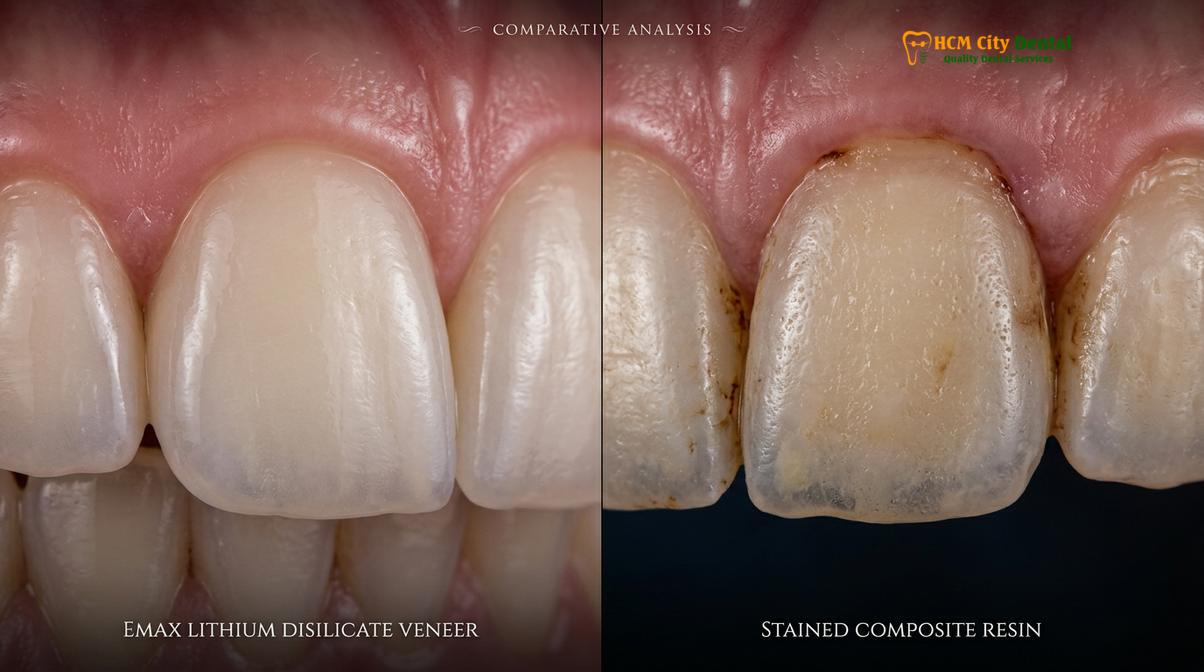
Premium porcelain veneers are non-porous and highly resistant to stains, but the underlying natural tooth and the composite bonding margins still require protection from dark pigments.
A primary reason patients choose comparing composite and porcelain materials is the superior stain resistance porcelain offers. Authentic certified materials from Liechtenstein (Ivoclar E.max) and Germany (Cercon HT Zirconia) undergo a high-temperature glazing process during fabrication. This creates an ultra-smooth, glass-like, non-porous surface that repels chromogenic (stain-causing) agents found in coffee, tea, red wine, and dark berries[3].
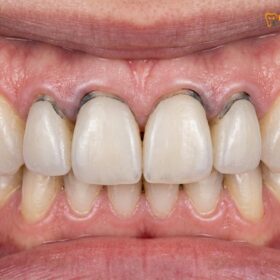
However, while the ceramic shell itself will not discolor, the restoration as a whole is not entirely immune to aesthetic degradation. The vulnerability lies at the margins—the microscopic junction where the porcelain meets the natural tooth structure and the gums. If plaque is allowed to accumulate at this junction, the composite resin cement can absorb stains, creating a dark line around the edge of the tooth. Furthermore, the natural teeth adjacent to the veneers, or the lingual (back) surfaces of the veneered teeth, can still stain, leading to a color mismatch over time.
“The brilliance of a smile makeover relies not just on the shade of the ceramic, but on the health of the surrounding tissues. Preserving the biological width and maintaining pristine margins through proper diet and hygiene is what keeps a veneer looking natural for decades.”
— Dr. Nguyen Van Cuong, Prosthodontic Specialist
To maintain the custom shading (such as a vibrant VITA BL1 or a natural B1 shade) and ensure margin decay prevention, patients should adopt mindful consumption habits. When drinking highly pigmented beverages, using a reusable straw can bypass the anterior teeth entirely. Additionally, rinsing the mouth with water immediately after consuming acidic or dark liquids helps neutralize the oral pH and wash away residual pigments before they can settle into the margins.
Safe Chewing Mechanics: Biting with Molars, Not Front Teeth
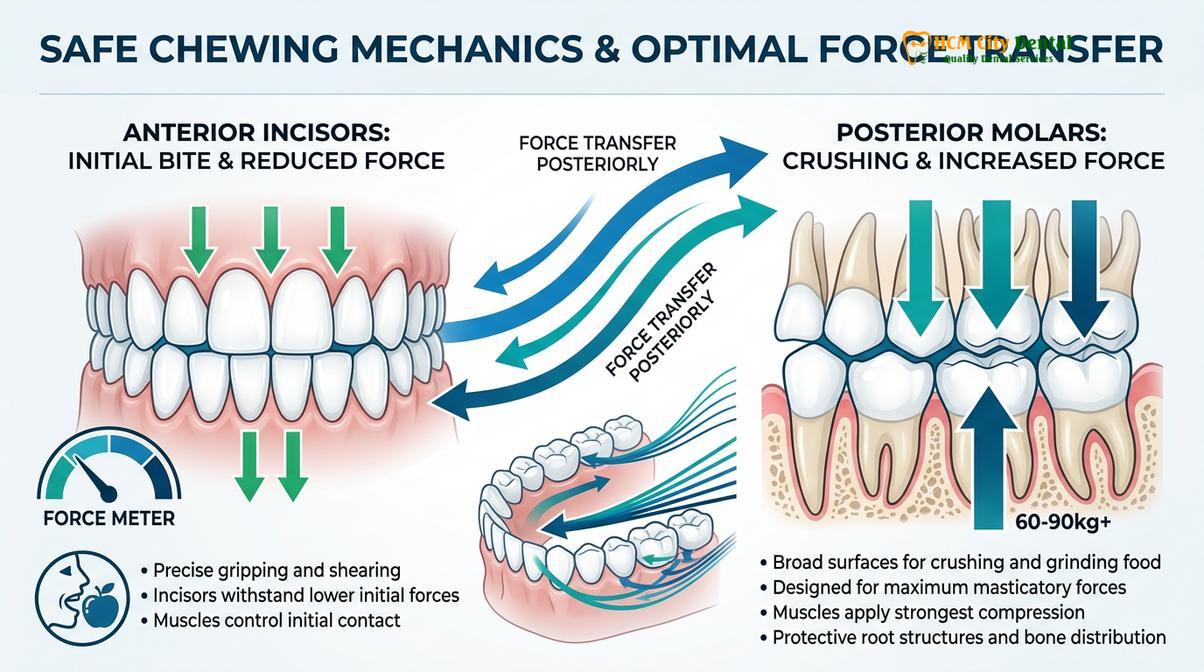
Protect your anterior veneers by shifting the workload of heavy chewing and tearing to your posterior molars, which are anatomically designed to handle high masticatory forces.
The human dentition is highly specialized. The anterior teeth (incisors and canines) are designed for slicing and guiding the bite, while the posterior teeth (premolars and molars) are built with broad, flat surfaces to crush and grind food. When a patient receives a smile makeover, mastering safe chewing mechanics is paramount to maximizing the lifespan of your restorations.
Veneers are typically placed on the “social six” or “social eight” upper and lower front teeth. Because these restorations are thin shells bonded to the facial (front) surface of the tooth, they are vulnerable to leverage forces. If you bite directly into a firm apple, a raw carrot, or a corn on the cob, the upward and outward pressure pushes against the bond. Over years of repeated stress, this can lead to fatigue failure of the cement or the ceramic.
| Food Type | Unsafe Habit (Front Teeth) | Safe Protocol (Molars) |
|---|---|---|
| Apples / Pears | Biting directly into the whole fruit | Slice into wedges; chew with back teeth |
| Raw Carrots | Snapping with incisors | Cut into thin sticks or rounds; chew with molars |
| Steak / Tough Meats | Tearing with front teeth | Cut into small, bite-sized pieces with a knife |
| Sandwiches / Burgers | Pulling/tearing the bread | Take small, controlled bites; avoid crusty baguettes |
Beyond active eating, passive forces can be equally destructive. Sleep bruxism (unconscious teeth grinding and clenching) exerts forces exponentially higher than normal chewing. For patients with a history of bruxism or heavy masseter muscle activity, bite force protection is non-negotiable. A custom night guard must be fabricated and worn every night to cushion the teeth, prevent porcelain-on-porcelain wear, and protect the restorations from catastrophic nocturnal fractures.
Long-Term Nutritional Tips for Healthy Teeth and Gums
A diet low in refined sugars and high in fibrous vegetables, combined with meticulous daily hygiene, prevents periodontal inflammation and protects the structural foundation of your veneers.
The longevity of a dental veneer is inextricably linked to the health of the underlying tooth and the surrounding gingival (gum) tissue. Veneers do not prevent the natural tooth structure from decaying. If a diet is high in fermentable carbohydrates and acidic foods, cariogenic bacteria will proliferate, potentially causing decay at the margins or on the lingual surfaces of the teeth[4].
Nutritional choices directly impact periodontal health. A diet rich in vitamins C and D, calcium, and phosphorus supports alveolar bone density and gingival resilience. Conversely, frequent snacking on sugary foods leads to chronic acid attacks, which can erode the cement margin and cause gingival recession. When gums recede, the margins of the veneers become exposed, compromising the aesthetic result and increasing the risk of root caries.
Clinical Case Review: A 34-year-old patient visited HCMC Dental Clinic in Ho Chi Minh City presenting with severe tetracycline staining and minor diastemas (gaps). Dr. Nguyen Van Cuong performed a comprehensive Digital Smile Design (DSD) and placed 16 E.max porcelain veneers. Post-treatment, the patient was educated on proper flossing technique veneers and the importance of a low-acid diet. At the 5-year follow-up, the patient exhibited zero marginal decay, perfectly stable gingival zeniths, and brilliant shade retention, underscoring the critical role of patient compliance in dietary and hygiene protocols.
To maintain optimal oral hygiene, patients must adopt specific tools and techniques. An electric soft toothbrush is highly recommended, as hard bristles can scratch the polished surface of the porcelain and cause the gums to recede. When flossing, the correct technique involves sliding the floss gently between the teeth and pulling it through horizontally, rather than snapping it forcefully upward, which could catch the edge of a veneer. Finally, incorporating a non alcoholic rinse into your daily routine helps reduce bacterial load without the drying and degrading effects that alcohol-based mouthwashes can have on composite bonding agents.
Clinical Workflows and Material Selection at HCMC Dental Clinic
Utilizing state-of-the-art digital scanning, premium certified ceramics, and a direct lab partnership, we deliver precision-crafted smile makeovers with express turnaround times for international patients.
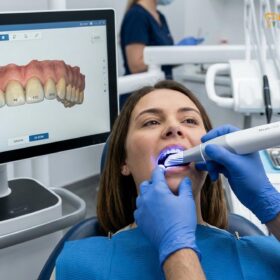
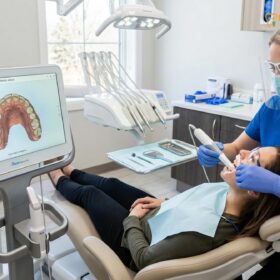
The success of your dietary adaptation post-veneers is heavily dependent on the precision of the initial clinical work. At HCMC Dental Clinic, the workflow begins with state-of-the-art digital scanning using the iTero Element 5D and Medit i700 Intraoral Scanners. This technology eliminates the need for messy, uncomfortable traditional silicone impressions, providing maximum comfort and sub-millimeter 3D precision. This precision ensures a flawless marginal fit, which is the primary defense against micro-leakage and decay when you eat.
We utilize only authentic, certified materials. For patients with heavy bite forces or a history of grinding, Zirconia HT (Cercon HT, Germany) is often selected for the posterior teeth or full arches due to its immense strength. For the anterior “social six,” E.max (Ivoclar, Liechtenstein) lithium disilicate is the gold standard, offering outstanding lifelike aesthetics, precise shade mapping, and natural translucency that mimics natural enamel[5].
“By partnering directly with a leading dental laboratory in Ho Chi Minh City, we maintain absolute quality control over the fabrication process. This direct collaboration between the prosthodontist and the master ceramist allows us to characterize each veneer perfectly to the patient’s facial aesthetics.”
— Dr. Nguyen Van Cuong
Understanding the structural differences between crowns and veneers is crucial when planning your treatment. For dental tourists and expats, our Express 3-5 Day Turnaround allows for complete smile makeovers to be fabricated, characterized, and fitted within a single week.
Transparent Pricing Structure & Support:
We offer a transparent fee schedule, heavily incentivized for international patients booking in advance. By utilizing our WhatsApp booking system, patients receive a 40% pre-arrival discount:
– Composite Veneer (Chair-side): Walk-in ~$80 | WhatsApp discount: From $48 (-40%).
– Zirconia Veneer (Cercon HT): Walk-in ~$240 | WhatsApp discount: From $144 (-40%).
– E.max Porcelain Veneer (Ivoclar): Walk-in ~$320 | WhatsApp discount: From $192 (-40%).
– Smile Design 3D Mock-up: Walk-in ~$200 | WhatsApp discount: From $120 (Free if treatment is performed).
– Laser Gum Contouring (Diode): Walk-in ~$160 | WhatsApp discount: From $96 per arch.
Every porcelain restoration is backed by global manufacturer warranty cards, alongside a 3-year clinic bonding and fit guarantee for E.max/Zirconia, and a 1-year guarantee for Composite. We also provide remote follow-up support via WhatsApp, utilizing photo and video assessment protocols to ensure your bite remains comfortable and secure long after you return home. For those requiring financial flexibility, 0% interest monthly credit card installment plans are available.
When to See a Doctor
While high-quality porcelain veneers are designed for long-term durability, certain clinical signs warrant immediate professional evaluation. You should schedule an appointment with your prosthodontist if you experience:
- Persistent Thermal Sensitivity: If sharp pain from hot or cold foods lasts longer than two to three weeks post-cementation, it may indicate nerve inflammation or a compromised bond.
- Bite Misalignment: If your bite feels “high” or uneven when chewing, the veneers may need minor occlusal adjustment to prevent premature fracture.
- Rough Edges or Chipping: If you feel a sharp edge with your tongue or notice a visible chip after eating something hard, do not attempt to smooth it yourself.
- Gingival Inflammation: Persistent redness, swelling, or bleeding around the veneer margins during brushing or flossing can indicate a violation of the biological width or retained cement.
- Mobility or Debonding: If a veneer feels loose or completely detaches, keep the ceramic shell safe in a hard container and contact the clinic immediately for re-bonding.
If you are planning your smile makeover or need an assessment of your current restorations, a thorough clinical examination is the only way to ensure the structural and biological health of your teeth.
Frequently Asked Questions
Can I bite into an apple with veneers?
No, you should not bite directly into a whole apple with front veneers. The extreme shear force required to incise hard fruits can fracture the porcelain or compromise the bonding cement. Always slice apples and hard fruits into bite-sized pieces and chew them using your posterior molars.
Do coffee and red wine stain porcelain veneers?
No, high-quality porcelain veneers like E.max are highly non-porous and resist staining from coffee and red wine. However, the natural tooth structure behind the veneer and the composite bonding margin can still stain over time, so maintaining excellent oral hygiene and rinsing after dark beverages is recommended.
What can I eat on the first day after getting veneers?
On the first day, you must strictly consume soft, room-temperature foods such as mashed potatoes, yogurt, scrambled eggs, and smoothies. This protects the newly cured resin cement and minimizes any temporary thermal sensitivity while your gums and teeth adjust to the new restorations.
How do I clean my veneers after eating?
Wait at least 30 minutes after eating before brushing to allow your saliva to neutralize dietary acids. Use a soft-bristled electric toothbrush and non-abrasive toothpaste, followed by careful flossing to remove plaque from the margins without pulling upward on the veneer edges.
Will eating hot or cold foods cause pain after veneer placement?
Mild thermal sensitivity is common for the first few days to a couple of weeks after veneer placement due to enamel preparation and the bonding process. If sharp pain persists beyond this period when consuming hot or cold foods, you should consult your prosthodontist for an evaluation.
References
- Journal of Esthetic and Restorative Dentistry. Translucency and flexural strength of lithium disilicate. (2021).
- International Journal of Prosthodontics. Enamel preservation and resin bond strength in minimal-prep veneers. (2020).
- The Journal of Prosthetic Dentistry. Masticatory forces and the survival rate of anterior porcelain restorations. (2019).
- Clinical Oral Investigations. Diode laser gingival sculpting parameters for aesthetic dentistry. (2022).
- Journal of Clinical Periodontology. Biological width preservation around subgingival restoration margins. (2018).