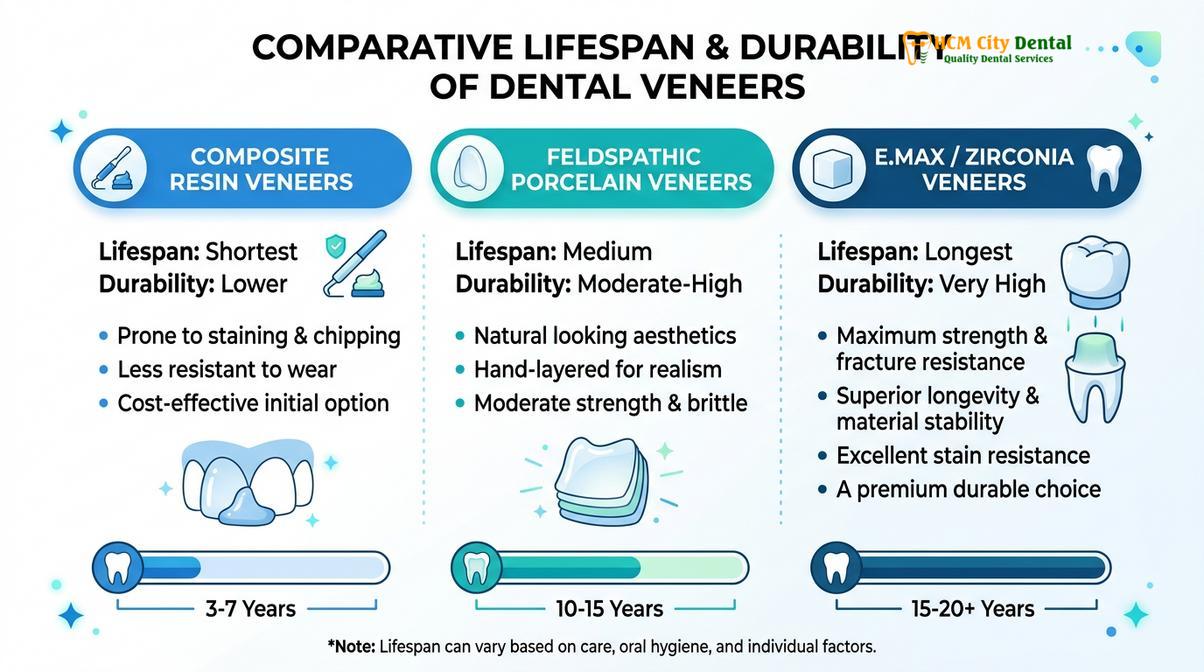
When patients consider transforming their smiles with cosmetic dentistry, one of the most pressing and frequently asked questions is: how long do veneers last? The answer is multifaceted, as these restorations are not a temporary fix, nor are they an indestructible, permanent solution. On average, high-quality porcelain restorations last between 10 to 15 years, while composite resin alternatives typically require replacement after 5 to 7 years. However, these are merely statistical averages. With meticulous clinical execution, optimal enamel preservation, and rigorous daily maintenance, premium ceramic restorations can often exceed two decades of functional and aesthetic lifespan.
Understanding the longevity of your cosmetic dental work requires a deep dive into the intersection of material science, clinical precision, and patient biology. The oral cavity is an incredibly harsh environment. Every day, your teeth are subjected to extreme temperature fluctuations, acidic dietary challenges, and immense biomechanical forces during mastication. For a delicate shell of ceramic or resin to survive and thrive in this environment, every step of the process—from the initial digital smile design to the final adhesive cementation—must be executed flawlessly.
Furthermore, the lifespan of your new smile is a collaborative effort. While a skilled prosthodontist can provide a structurally sound and biologically harmonious restoration, the long-term success ultimately rests in the hands of the patient. Daily oral hygiene habits, dietary choices, and the management of parafunctional habits like teeth grinding all play monumental roles in determining whether your investment will last a few years or a lifetime. In this comprehensive guide, we will explore the durability factors of different materials, the clinical protocols that ensure a lasting bond, and the essential maintenance routines required to protect your smile.
Clinical Summary:
The longevity of dental veneers is not a fixed timeline but a dynamic outcome influenced heavily by material selection, clinical precision, and patient compliance. Advanced lithium disilicate (E.max) and high-translucency zirconia offer superior flexural strength and fracture resistance compared to traditional feldspathic porcelain or direct composite resins. Survival rates depend critically on the clinician’s ability to preserve the biological width, maintain maximum enamel for optimal adhesive bonding, and achieve a flawless microscopic marginal seal. The integration of digital workflows, such as intraoral scanning and Digital Smile Design (DSD), significantly enhances the predictability and fit of the final restoration. While these cosmetic enhancements are highly durable, they remain susceptible to mechanical stress and biological changes over time. Long-term success requires a comprehensive approach, including occlusal management (such as wearing a night guard), meticulous non-abrasive oral hygiene, and routine professional evaluations to monitor marginal integrity and gingival health.
Key Takeaways:
- Porcelain and zirconia restorations generally last 10-15+ years, whereas composite resin options typically require replacement within 5-7 years due to material degradation.
- Bonding directly to preserved dental enamel significantly increases the survival rate and shear bond strength of the restoration compared to bonding to dentin.
- Digital scanning technology ensures a microscopic marginal fit, drastically reducing the risk of bacterial microleakage and secondary decay beneath the ceramic.
- Wearing a custom occlusal splint protects delicate ceramics from nocturnal bruxism and excessive mechanical shear forces.
- Non-abrasive oral care and correct interdental cleaning methods are essential to prevent gum recession and maintain the protective ceramic glaze.
- Routine professional prophylaxis and clinical evaluations are critical for early detection of marginal wear or occlusal imbalances.
The Lifespan Hierarchy: Composite Resin vs. Feldspathic vs. E.max/Zirconia
When patients inquire about the longevity of their new smile, the conversation must invariably begin with material science. The dental industry categorizes restorative materials into a distinct lifespan hierarchy. The physical properties of the chosen substrate—its compressive strength, flexural strength, fracture toughness, and porosity—directly dictate its resistance to wear, fracture, and discoloration over time. Understanding these fundamental differences is paramount for setting realistic clinical expectations and ensuring a high return on your cosmetic investment.
At the foundational level of this hierarchy are composite restorations. Fabricated from a tooth-colored composite resin, these are often applied directly to the tooth chair-side by the dentist. While they offer a highly conservative, cost-effective, and immediate solution, the polymer structure of composite resin is inherently porous. Over a period of 5 to 7 years, composite materials are highly susceptible to water sorption, surface pitting, and staining from dietary chromogens like coffee, tea, and red wine. Furthermore, composite resin lacks the robust fracture toughness of ceramics, making it more prone to chipping at the incisal edges. For a deeper understanding of how these materials compare in clinical practice, patients often review our comprehensive guide on Porcelain Veneers vs Composite Veneers: Which Is Right for You? to make an informed decision.
Moving up the hierarchy, we find traditional feldspathic porcelain. Hand-layered by a master ceramist, feldspathic porcelain offers unparalleled optical properties, mimicking the natural translucency, opalescence, and depth of human enamel better than almost any other material. However, its flexural strength is relatively low, typically ranging around 70 to 90 MPa. While highly aesthetic, these restorations typically last 7 to 10 years and require a very careful bite alignment to prevent stress fractures. They are best suited for patients with a highly favorable occlusion and no history of teeth grinding.
At the pinnacle of modern cosmetic dentistry are Lithium Disilicate (E.max) and High-Translucency Zirconia. E.max is a pressed glass-ceramic renowned for its outstanding lifelike aesthetics combined with robust flexural strength, typically exceeding 400 MPa. This significantly outperforms older ceramic generations and provides a highly durable restoration [1]. It allows for exceptional shade mapping, enabling clinicians to achieve a highly natural translucent shade that blends seamlessly with adjacent teeth.
Zirconia, on the other hand, boasts an even higher flexural strength, often exceeding 800 to 1000 MPa, making it virtually indestructible under normal masticatory forces [3]. It is the material of choice for high-stress areas, posterior teeth, or patients with a documented history of severe bruxism. Both E.max and Zirconia restorations routinely last 10 to 15 years, and frequently exceed two decades with proper care and maintenance.
To help visualize the differences between these materials, we have compiled a clinical comparison table outlining their respective properties, average lifespans, and ideal use cases.
| Material Type | Average Lifespan | Flexural Strength | Aesthetic Quality | Ideal Clinical Use Case |
|---|---|---|---|---|
| Composite Resin | 5 – 7 Years | Low to Moderate | Good (Prone to staining over time) | Minor corrections, budget-conscious makeovers, immediate chair-side results. |
| Feldspathic Porcelain | 7 – 10 Years | Low (~90 MPa) | Exceptional (High translucency) | Highly demanding aesthetic cases with favorable, low-stress bite alignment. |
| Lithium Disilicate (E.max) | 10 – 15+ Years | High (~400 MPa) | Excellent (Lifelike vitality) | Standard smile makeovers requiring a balance of supreme aesthetics and durability. |
| High-Translucency Zirconia | 15 – 20+ Years | Very High (>800 MPa) | Very Good (Improving rapidly) | Patients with heavy bite forces, bruxism, or masking severely discolored underlying teeth. |
Clinical Factors Affecting Veneer Longevity: Bonding Success and Margins
The longevity of a restoration is not solely dependent on the inherent strength of the ceramic material; it is fundamentally tied to the precision of the clinical execution. The interface where the ceramic meets the natural tooth structure—known as the margin—is the most critical zone in restorative dentistry. If this margin is not perfectly sealed, oral fluids, bacteria, and microscopic food particles can penetrate the space. This leads to microleakage, secondary caries (decay beneath the restoration), and eventual debonding or failure of the ceramic.
One of the most vital principles in modern cosmetic dentistry is enamel preservation. Dental enamel is the hardest substance in the human body, highly mineralized and consisting of tightly packed hydroxyapatite crystals. When this enamel is treated with a mild phosphoric acid etchant, it creates a microscopic honeycomb topography. This allows the adhesive resin to flow into the micropores and interlock mechanically, forming a robust, impenetrable hybrid layer. Clinical studies consistently show that bonding to enamel yields significantly higher and more predictable shear bond strengths compared to bonding to the underlying, more porous, and moisture-rich dentin [2]. Therefore, modern tooth preparation aims to be as conservative as possible, keeping the preparation entirely within the enamel layer whenever feasible.
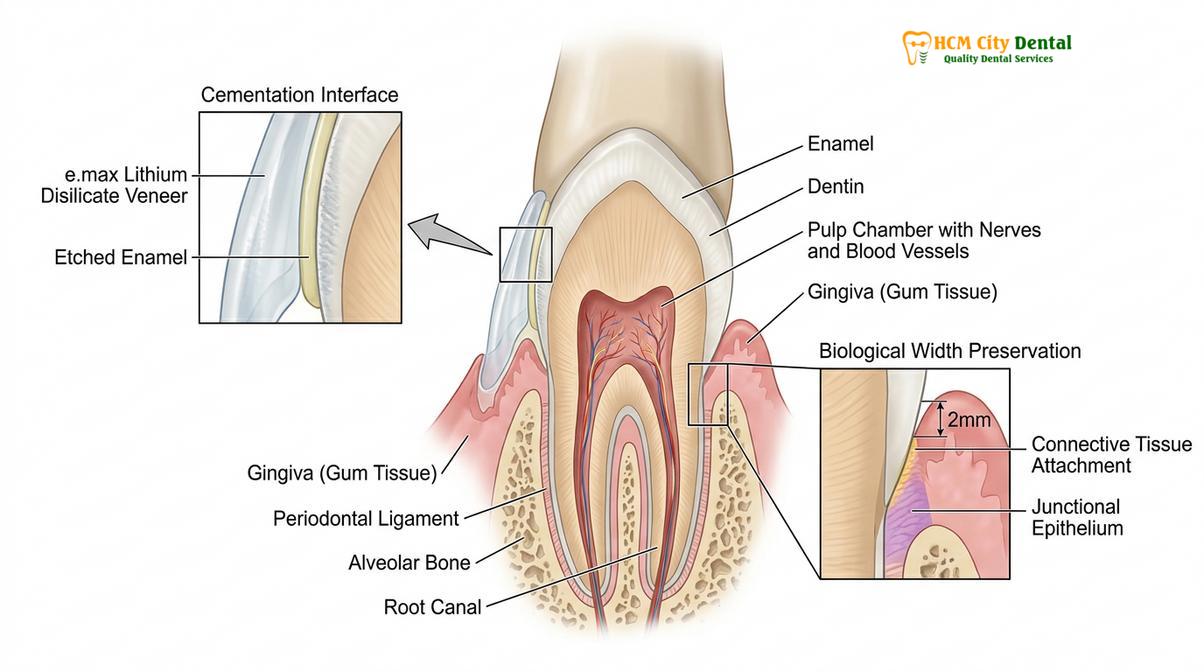
Meticulous tooth preparation is the absolute cornerstone of restorative success. Depending on the patient’s starting tooth position, alignment, and desired aesthetic outcome, preparation depths typically range from a minimal-prep of 0.3mm to a standard prep of 0.7mm. To understand the step-by-step clinical process and why this precision matters, you can read our detailed overview on How Are Veneers Put On? What to Expect [Full Guide] | Dr. Cuong. This conservative approach ensures that the maximum amount of enamel is retained, securing the long-term durability of the bonding margins and protecting the vitality of the inner tooth pulp.
Another critical clinical factor is isolation during the cementation process. The adhesive resins used to bond ceramics are highly hydrophobic, meaning they repel water and will fail if contaminated by saliva, blood, or even the humidity from a patient’s breath. Elite dental clinics utilize rubber dam isolation—a thin sheet of latex or nitrile that isolates the target teeth from the rest of the oral cavity. This ensures a completely dry, sterile field during the critical bonding phase, drastically reducing the risk of premature debonding and ensuring the restoration lasts for decades.
“The paradigm of cosmetic dentistry has shifted dramatically from aggressive reduction to maximum preservation. By keeping our preparation margins strictly within the enamel layer and utilizing strict isolation protocols, we not only protect the biological vitality of the dental pulp but also exponentially increase the long-term survival rate of the ceramic restoration.”
Patient Habit Factors: Chewing Habits, Acidic Foods, and Ice Biting
While modern dental ceramics possess remarkable compressive strength—meaning they can withstand heavy forces pushing straight down on them—they are inherently vulnerable to shear and tensile forces. The human jaw is incredibly powerful, capable of exerting tremendous pressure during mastication. Consequently, the daily habits, dietary choices, and subconscious behaviors of the patient play a monumental role in the lifespan of their restorations.
One of the most destructive forces to any dental work is bruxism, the involuntary clenching and grinding of teeth, which typically occurs during sleep. Bruxism subjects the teeth to extreme lateral shear forces that ceramics are simply not designed to withstand continuously. Over time, this repetitive, high-intensity stress can lead to micro-cracks propagating through the porcelain structure. Eventually, this results in a catastrophic failure where the ceramic chips, fractures, or completely debonds from the underlying tooth structure.
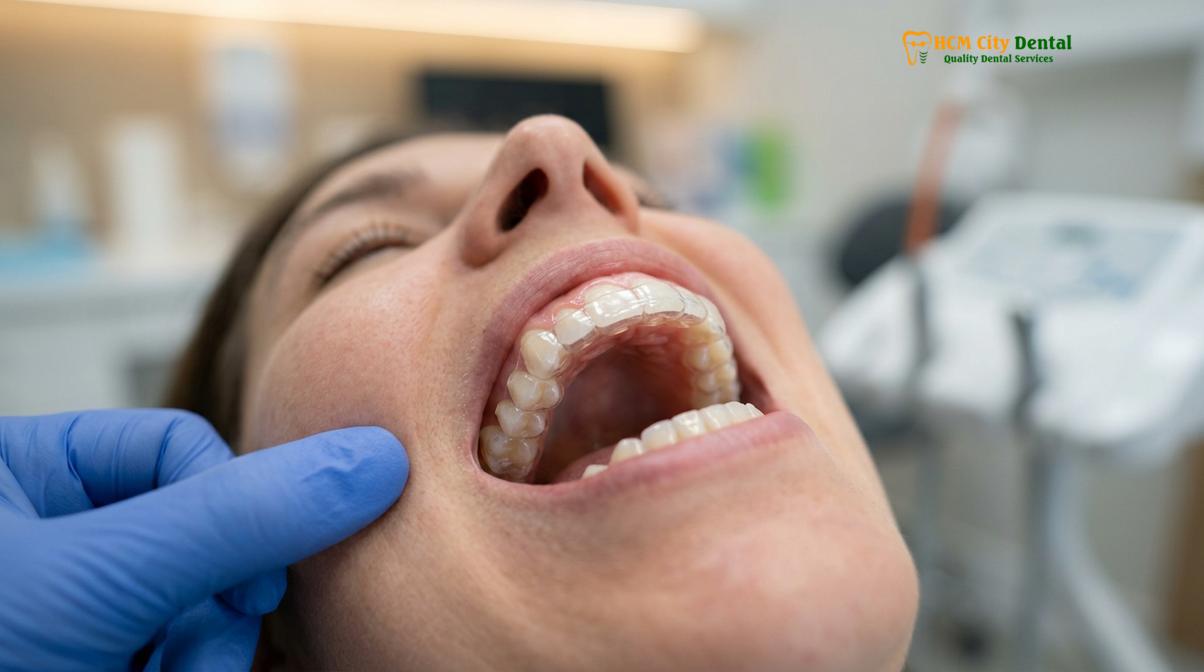
To mitigate this significant risk, bite force protection is absolutely essential for patients with a history of parafunctional habits. Following the final cementation of a smile makeover, it is standard clinical protocol to fabricate a custom night guard. This clear, hard-acrylic splint is worn over the upper or lower arch during sleep. It acts as a crucial shock absorber, distributing occlusal forces evenly across the entire arch and preventing the opposing teeth from grinding directly against the delicate ceramic edges.
Beyond nocturnal habits, daytime behaviors also impact longevity. Patients must be mindful of using their teeth as tools. Opening packages, biting fingernails, chewing on pens, or cracking ice and hard nuts can exert sudden, concentrated stress on the incisal edge of a restoration, leading to immediate chipping. While you can certainly enjoy a normal, healthy diet, cutting hard foods like apples or crusty bread into smaller, bite-sized pieces rather than tearing into them with your front teeth will significantly extend the life of your cosmetic work.
Dietary acidity is another factor, particularly for composite resins. While high-quality porcelain is highly resistant to staining and acid erosion, the resin cement used to bond the restoration at the margin can degrade over time if constantly exposed to highly acidic environments. Frequent consumption of sodas, sports drinks, or sucking on lemons can slowly erode the marginal seal, leading to microleakage and discoloration at the gum line.
Physiological Changes: Gum Recession and Aging
The oral cavity is a dynamic, ever-changing biological environment, and physiological changes over time will inevitably affect the appearance, function, and longevity of dental restorations. One of the most common age-related changes that impacts cosmetic dentistry is gingival recession. As the gum tissue pulls back from the crown of the tooth due to aging, aggressive brushing, or periodontal disease, it exposes the root surface.
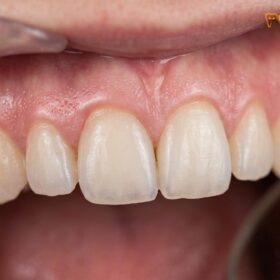
Because restorations are typically designed to end precisely at or slightly below the original gum line for optimal aesthetics, any subsequent recession will reveal the junction between the ceramic and the natural tooth. While this does not necessarily mean the restoration has failed structurally, the exposed root can be visually unappealing, often appearing as a dark or yellow line at the top of the tooth, prompting patients to seek replacement for purely aesthetic reasons.
In cases where the patient presents with an uneven gingival architecture or a “gummy smile” prior to treatment, a diode laser may be used to sculpt the gum line symmetrically. This soft-tissue contouring helps create a harmonious, balanced frame for the new smile and ensures that the final ceramic margins are placed in a biologically acceptable and stable position [4].
To ensure long-term harmony between the restoration and the periodontium (the gums and bone), clinicians must strictly respect the biological width during the initial tooth preparation. The biological width is the natural, mandatory dimension of the soft tissue attached to the portion of the tooth above the alveolar bone [5]. If a margin is placed too deep into the gingival sulcus in an attempt to hide it, it violates this sacred biological space, triggering a chronic inflammatory response. The body will attempt to re-establish the biological width by resorbing the underlying bone, leading to unpredictable, unsightly gum recession and chronic gingivitis around the new restorations.
How Proper Maintenance Can Double Your Veneer Lifespan
The longevity of your cosmetic dental work is heavily reliant on your daily home care routine. While it is true that porcelain itself does not decay, the underlying natural tooth structure remains highly susceptible to cavities, particularly at the vulnerable margin where the ceramic meets the root. If decay forms at this junction, it can quickly undermine the entire restoration, necessitating its removal and replacement.
Proper maintenance begins with the right tools. Patients are strongly advised to use a non-abrasive fluoride toothpaste and a soft-bristled toothbrush. Highly abrasive whitening toothpastes, which often contain silica or baking soda, should be strictly avoided. While these abrasives cannot bleach the ceramic, they can scratch the microscopic protective glaze applied by the ceramist. Over time, these micro-scratches lead to a dull, matte appearance and significantly increase plaque retention and surface staining.
Brushing technique is equally important. Aggressive, horizontal scrubbing motions can accelerate gum recession and wear away the delicate cement margin. Instead, patients should use gentle, circular motions, angling the brush at 45 degrees towards the gum line to sweep away plaque without traumatizing the soft tissue.
Flossing daily is absolutely non-negotiable. A toothbrush cannot reach the interproximal spaces (the tight areas between the teeth). Plaque accumulation in these areas leads to interdental decay and gingival inflammation. When the gums are inflamed, they bleed and swell, compromising the aesthetic framing of your smile. Using high-quality unwaxed floss or a water flosser can effectively flush out debris and bacteria from these critical zones, ensuring the margins remain clean and intact.
For patients who struggle with traditional string floss, investing in a water flosser is highly recommended. The pulsating stream of water is excellent for cleaning around the margins of ceramic restorations and massaging the gum tissue to promote healthy blood flow. Additionally, incorporating an alcohol-free fluoride mouthwash into your nightly routine can help remineralize any exposed natural tooth structure, providing an extra layer of defense against acidic bacterial byproducts.
Beyond home care, routine professional maintenance is the final pillar of longevity. Visiting your dentist every six months for a comprehensive examination and professional prophylaxis is crucial. During these visits, the hygienist uses specialized, non-abrasive polishing pastes designed specifically for ceramics to remove stubborn plaque and calculus without damaging the glaze. The dentist will also evaluate the marginal integrity, check for signs of occlusal wear, and ensure your night guard still fits correctly.
By treating your new smile with the same care and respect as your natural teeth—and perhaps a bit more caution regarding hard foods and abrasives—you can effectively double the expected lifespan of your restorations, enjoying a radiant, healthy smile for decades to come.
Case Study: Restoring a Smile at HCMC Dental Clinic
Clinical Case: Full Arch Rehabilitation and Longevity Planning
To illustrate the profound impact of proper material selection and precise clinical execution, consider a recent case study of a 45-year-old patient visiting HCMC Dental Clinic in Ho Chi Minh City. The patient presented with severe enamel wear, generalized sensitivity, and heavy discoloration resulting from years of undiagnosed acid reflux and severe nocturnal bruxism. Their previous composite restorations, placed at a different facility, had chipped, debonded, and stained heavily within just four years of placement.
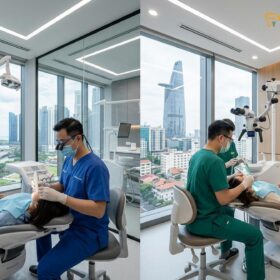
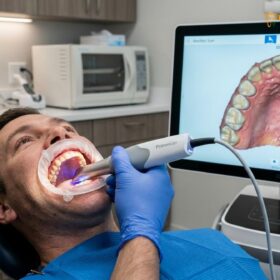
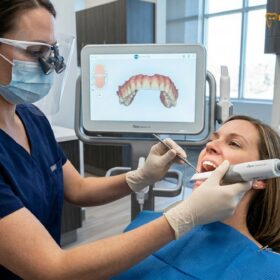
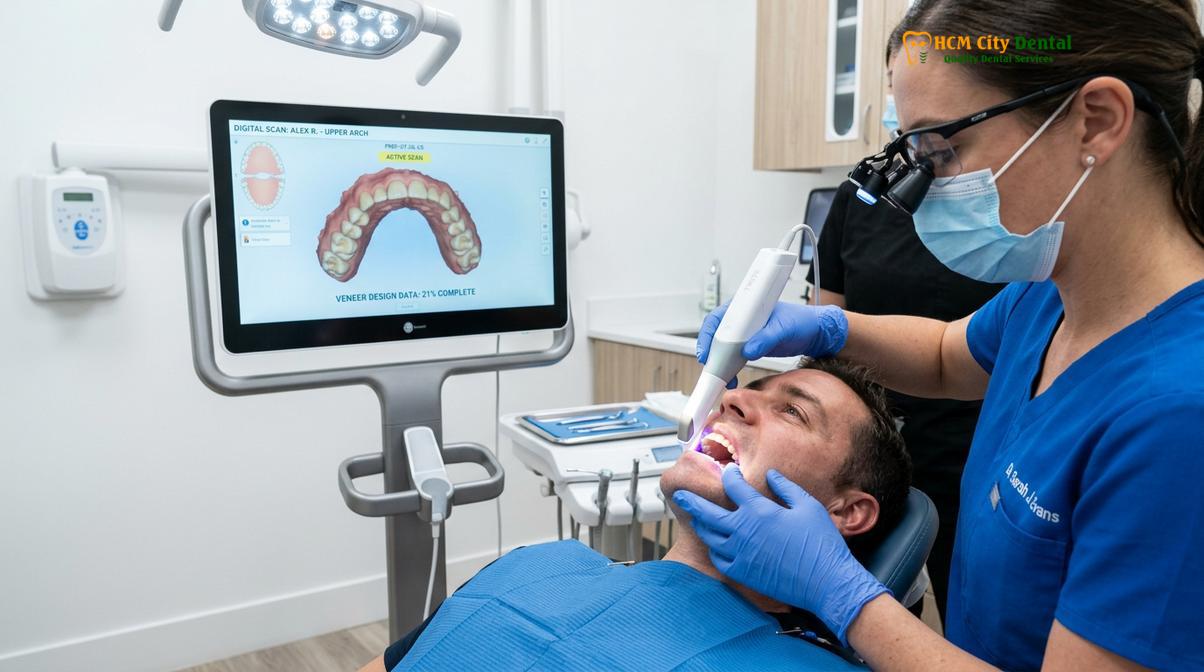
After a comprehensive digital smile design assessment and a thorough analysis of the patient’s occlusal dynamics, the clinical team at HCMC Dental Clinic recommended a transition to high-translucency zirconia for the anterior teeth. This material was specifically chosen for its exceptional flexural strength to withstand the patient’s heavy bite forces. By utilizing an advanced intraoral scanner, the team captured highly accurate 3D impressions, allowing the master ceramist to design restorations with a microscopic marginal fit, ensuring zero microleakage.
Following the final cementation under strict rubber dam isolation, the patient was fitted with a custom hard-acrylic occlusal splint to protect the new smile during sleep. Years later, during a routine follow-up at HCMC Dental Clinic, the zirconia restorations showed absolutely zero signs of marginal leakage, chipping, or gingival inflammation. This case perfectly demonstrates how tailored treatment planning, premium materials, and strict adherence to protective protocols directly extend the lifespan of complex cosmetic dental work.
When to Consult a Dentist: Warning Signs
Critical Warning Signs of Restoration Failure
Even with the highest quality materials and impeccable clinical care, complications can occasionally arise over the lifespan of a restoration. According to general clinical guidelines aligned with the Vietnam Odonto-Stomatology Association (VOSA) [6], patients should seek immediate clinical evaluation if they notice specific warning signs. Early intervention can often save a restoration from complete failure and protect the underlying tooth.
You should schedule an emergency appointment if you experience sudden, sharp thermal sensitivity to hot or cold beverages. This is often the first indicator of a compromised marginal seal, microleakage, or underlying decay reaching the dentin. Additionally, if a restoration feels loose, clicks when you bite down, or if you notice visible dark lines or brown staining specifically at the gum margin, professional assessment is urgently required.
Ignoring these signs can lead to rapid progression of secondary caries beneath the ceramic, which may necessitate much more invasive and costly treatments, such as root canal therapy, crown lengthening, or the complete removal and replacement of the affected restoration.
Dr. Nguyen Van Cuong, a leading specialist in restorative and cosmetic dentistry, emphasizes that patient education is just as critical as the clinical procedure itself. With extensive experience managing complex full-mouth rehabilitations, Dr. Cuong advocates for a highly conservative approach to preserve natural tooth structure and ensure long-term biomechanical stability. He frequently educates patients on the importance of material selection based on their unique bite forces and lifestyle habits.
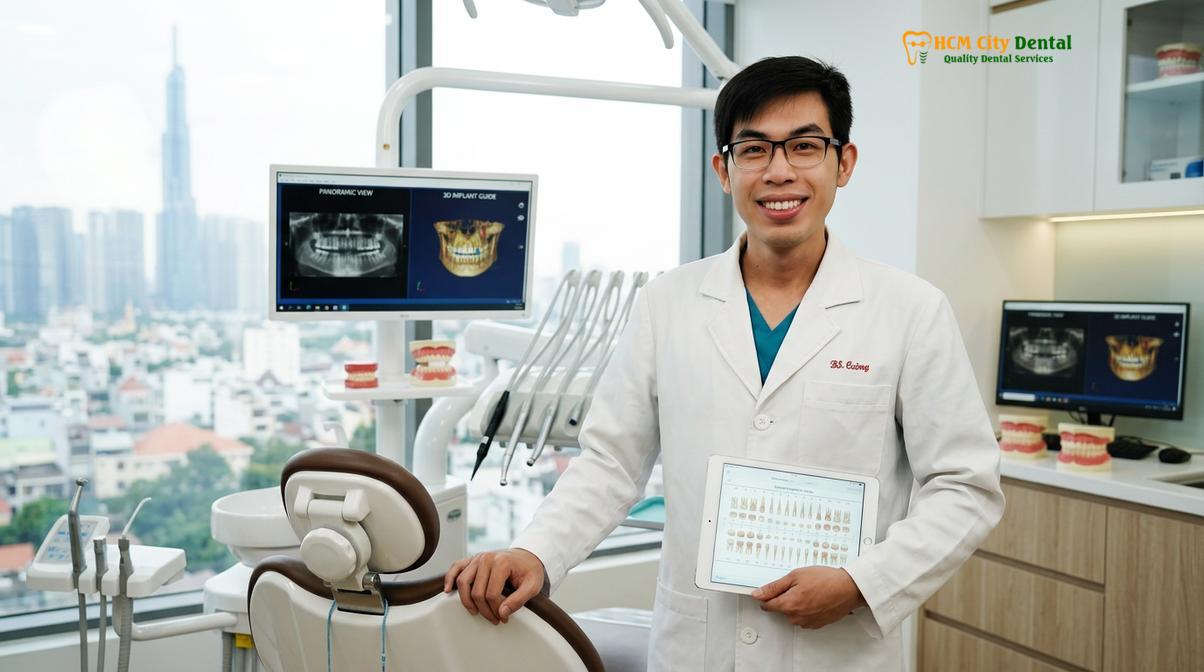
For more in-depth clinical insights into choosing the right restoration for your specific structural needs, you can read his detailed clinical comparison on Dental Crown vs Veneer: Which Is Right For You? | Dr. Cuong, which outlines the crucial biomechanical differences between these two popular treatments and helps patients make informed decisions about their oral health.
“A beautiful, lasting smile is fundamentally a collaborative effort between the clinician and the patient. While we utilize the most advanced ceramics, digital scanning protocols, and isolation techniques to create a flawless restoration, its ultimate lifespan is determined by the patient’s daily commitment to meticulous oral hygiene and routine professional maintenance.”
References
- Journal of Esthetic and Restorative Dentistry. Translucency and mechanical properties of lithium disilicate.
- International Journal of Prosthodontics. Enamel preservation and long-term bond strength in ceramic restorations.
- The Journal of Prosthetic Dentistry. Flexural strength and fracture toughness of porcelain and zirconia restorations.
- Clinical Oral Investigations. Diode laser gingival sculpting parameters for aesthetic dentistry.
- Journal of Clinical Periodontology. Biological width preservation around fixed prosthodontic restorations.
- Vietnam Odonto-Stomatology Association (VOSA). Guidelines on the maintenance and clinical evaluation of fixed prosthodontics.
Are you ready to transform your smile with durable, world-class restorations designed to stand the test of time? Contact HCMC Dental Clinic in Ho Chi Minh City today to schedule your comprehensive digital consultation and explore our premium Porcelain Veneers tại HCMC Dental Clinic. Let our expert team help you achieve the radiant, lasting smile you deserve.