Finding the best cosmetic dentist in ho chi minh city is a critical step for international patients, expats, and dental tourists seeking a highly aesthetic, natural-looking smile makeover. While general dentistry focuses on treating disease and restoring basic function, cosmetic dentistry is a highly specialized discipline that demands a profound understanding of facial aesthetics, biomaterials, and micro-prosthodontics. For patients traveling to Vietnam, the appeal is undeniable: the opportunity to receive world-class smile restorations at a fraction of the fees typically charged in the United States, Australia, or the United Kingdom, all while benefiting from highly predictable digital dentistry protocols [1].
However, achieving a truly natural result—one that enhances your facial features without looking artificial—requires more than just affordable pricing. It requires a comprehensive smile makeover in Vietnam executed by a master clinician. At HCMC Dental Clinic in Ho Chi Minh City, we merge cutting-edge digital technology with genuine European and American dental materials. From 3D CBCT imaging to Hospital-grade Class B autoclave sterilization, our protocols are designed to meet and exceed international standards of clinical excellence, ensuring that dental tourism safety protocols are strictly followed [4].
Clinical Summary:
Selecting the premier cosmetic dental specialist in Saigon involves evaluating a clinician’s expertise in biomimetic dentistry, their use of Digital Smile Design (DSD), and their commitment to minimally invasive protocols. High-end smile makeovers utilize premium materials like IPS E.max lithium disilicate or ultra-thin zirconia to replicate the optical properties of natural enamel. By combining advanced 3D diagnostics, master ceramic laboratory partnerships, and rigorous cross-infection controls, top-tier clinics provide international patients with predictable, long-lasting, and highly aesthetic restorative outcomes.
Key Takeaways:
- Artistry Meets Science: The finest cosmetic dentists utilize the Golden Proportion and facial symmetry analysis to design custom smiles.
- Premium Materials: Genuine IPS E.max and ultra-thin Zirconia are the gold standards for durability and lifelike translucency.
- Digital Predictability: Digital Smile Design (DSD) allows patients to visually approve their new smile before any tooth preparation occurs.
- Minimally Invasive: Advanced bonding protocols prioritize the preservation of natural enamel, aiming for long-term tooth vitality.
- Cost Efficiency: Patients can save significantly on full smile makeovers without compromising on material quality or clinical safety.
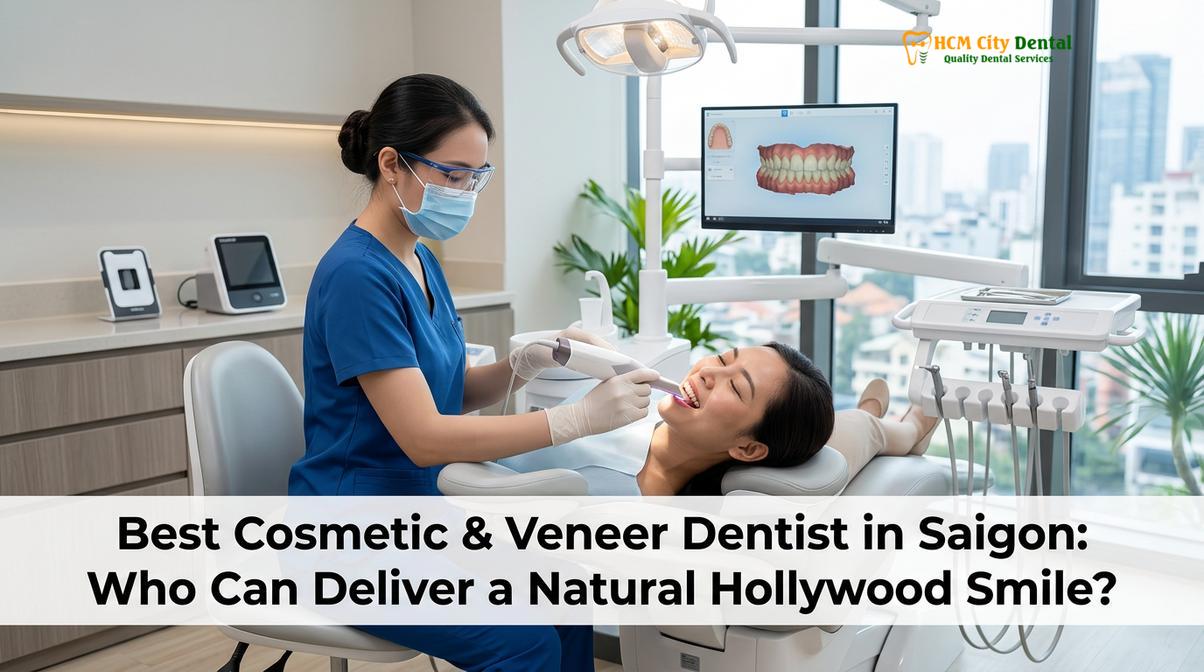
Cosmetic Dentist vs General Dentist: Why Artistry Matters
Many patients mistakenly assume that any licensed dentist can perform a high-level smile makeover. In reality, the distinction between a general dentist and an artistic cosmetic dentist is profound. General dentistry is primarily concerned with oral health maintenance, cavity prevention, and the functional repair of damaged teeth. Cosmetic dentistry, while still rooted in sound biomechanical principles, elevates dental care to an art form, especially when dealing with complex full-arch rehabilitations [2].
The Golden Proportion and Facial Aesthetics
A top-tier cosmetic dentist does not simply look at the teeth in isolation; they evaluate the entire face. This involves analyzing the interpupillary line (the line between the eyes), the facial midline, lip dynamics during speech and smiling, and the gingival (gum) architecture. The goal is to create restorations that harmonize with the patient’s unique facial structure. Clinicians utilize principles such as the “Golden Proportion” to determine the ideal width-to-length ratio of the central incisors, lateral incisors, and canines.
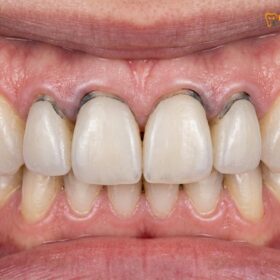
Furthermore, the optical properties of natural teeth are incredibly complex. Natural enamel is not a single, opaque color. It features a gradient of chroma (intensity) from the gumline to the biting edge, along with varying degrees of translucency, opalescence, and fluorescence. A master cosmetic dentist understands how to communicate these subtle nuances to the master ceramist in the dental laboratory, ensuring the final veneers closely mimic nature.
“A general dentist focuses on health and function, but an artistic cosmetic dentist must blend engineering with facial aesthetics. We are not just fixing teeth; we aim to design a smile that complements the patient’s personality, facial symmetry, and lip dynamics. The ultimate goal is a restoration that closely mimics natural enamel.”
The Importance of Advanced Training
Becoming a top smile makeover dentist requires extensive continuing education beyond standard dental school. This includes advanced training in occlusion (how the teeth bite together), biomimetic restorative techniques, and complex prosthodontics. If a cosmetic dentist fails to account for a patient’s bite forces, even the most beautiful porcelain veneers can chip or fracture prematurely. Therefore, a comprehensive functional assessment is always the first step in a successful aesthetic transformation.
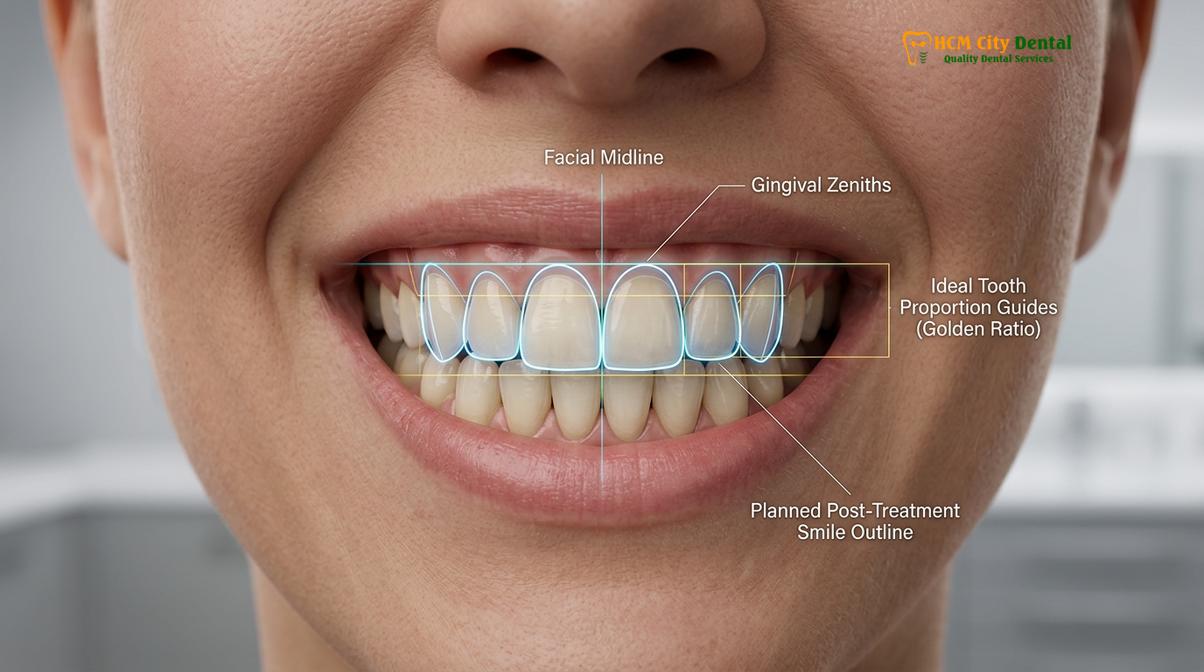
Digital Smile Design (DSD): Previewing Your Smile Before Treatment
One of the greatest anxieties patients face when undergoing a smile makeover is the fear of the unknown. To eliminate this guesswork, a digital smile design certified dentist employs the DSD protocol. This revolutionary approach integrates digital technology into every phase of the cosmetic treatment plan.
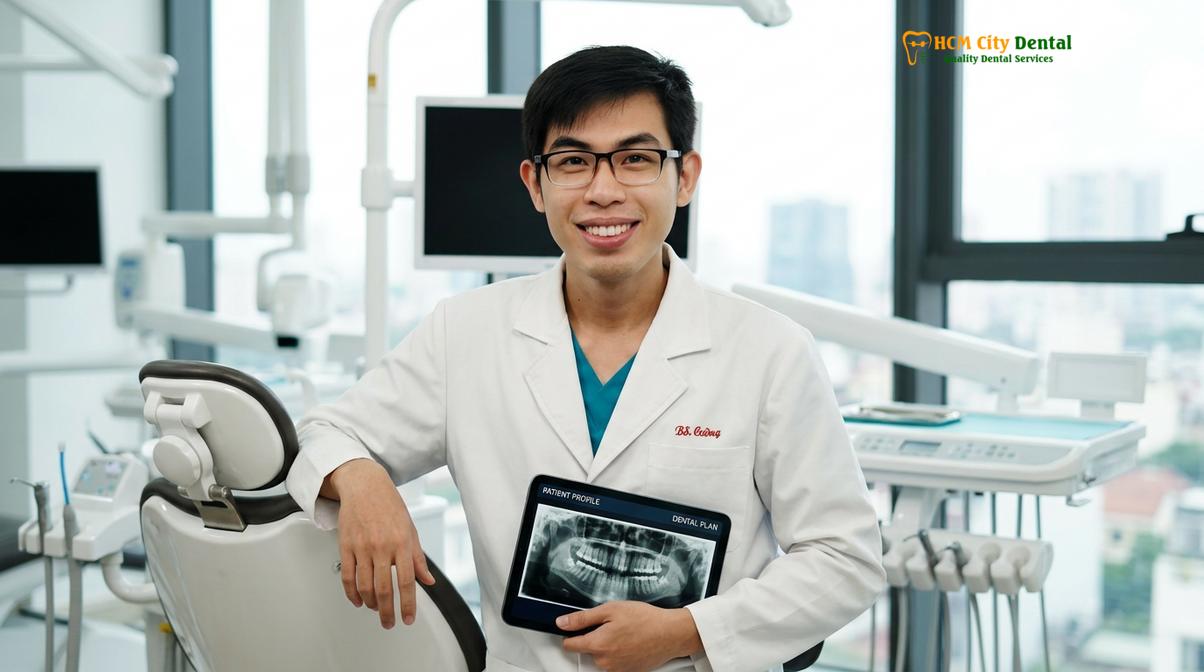
Under the clinical leadership of Dr. Nguyen Van Cuong, our team ensures every digital design translates harmoniously into reality. Dr. Cuong combines extensive prosthodontic expertise with an artistic eye, meticulously planning each case to complement the patient’s unique facial features. His commitment to precision is why so many international patients trust our clinic for their aesthetic transformations, often starting their journey with a comprehensive smile makeover guide to understand the clinical steps involved.
The DSD Workflow
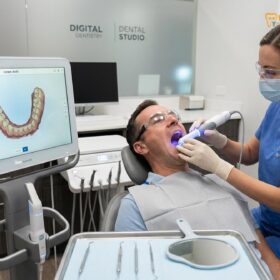
The Digital Smile Design process begins with comprehensive data collection. During your initial consultation, we capture high-resolution digital photographs of your face from multiple angles, record dynamic video of you speaking and smiling, and take a 3D intraoral scan of your current dentition using advanced scanners. We also utilize our in-house 3D CBCT imaging to assess the underlying bone structure and root health.
This data is imported into specialized DSD software. The clinician then designs your new smile digitally, overlaying the proposed tooth shapes, lengths, and proportions directly onto your facial photographs. This allows the dentist to ensure that the new smile aligns with your facial midline, lip line, and overall facial symmetry.
The Motivational Mock-Up
The most powerful aspect of DSD is the “motivational mock-up.” Once the digital design is complete, it is sent to a 3D printer to create a physical model. Using a temporary bis-acrylic material, the dentist can transfer this new design directly over your existing teeth—without any drilling or permanent alterations. You can look in the mirror, take photos, and see exactly what your final smile will look like before committing to the procedure.
This level of predictability is why so many international patients incorporate their treatment into a dental tourism Vietnam veneers itinerary, knowing they have full control over the aesthetic outcome.
Porcelain Veneers in Saigon: IPS E.max vs Ultra-Thin Zirconia
When planning a smile makeover, selecting the right material is just as important as choosing the right clinician. In modern cosmetic dentistry, two materials stand out for their exceptional aesthetics and durability: IPS E.max (Lithium Disilicate) and Ultra-Thin Zirconia. Both offer distinct clinical advantages depending on the patient’s specific needs.
| Feature | IPS E.max (Lithium Disilicate) | Ultra-Thin Zirconia |
|---|---|---|
| Aesthetics & Translucency | Exceptional. Closely mimics the natural translucency and light-reflecting properties of human enamel. | Very good, but slightly more opaque. Excellent for masking severely discolored underlying teeth. |
| Strength & Durability | High flexural strength (approx. 400-500 MPa). Ideal for anterior (front) teeth. | Extremely high flexural strength (up to 1200 MPa). Highly resistant to chipping and fracture. |
| Preparation Requirement | Minimal preparation required (0.3mm – 0.5mm) due to strong adhesive bonding capabilities. | Can be fabricated very thinly, but bonding protocols differ slightly from glass ceramics. |
| Best Clinical Use Case | Standard smile makeovers, closing gaps, and enhancing the shape of front teeth. | Patients with heavy bite forces, bruxism (teeth grinding), or dark underlying tooth stumps. |
During your consultation, your cosmetic dentist will evaluate your bite, the color of your underlying teeth, and your aesthetic goals to recommend the most appropriate material for your custom veneers.
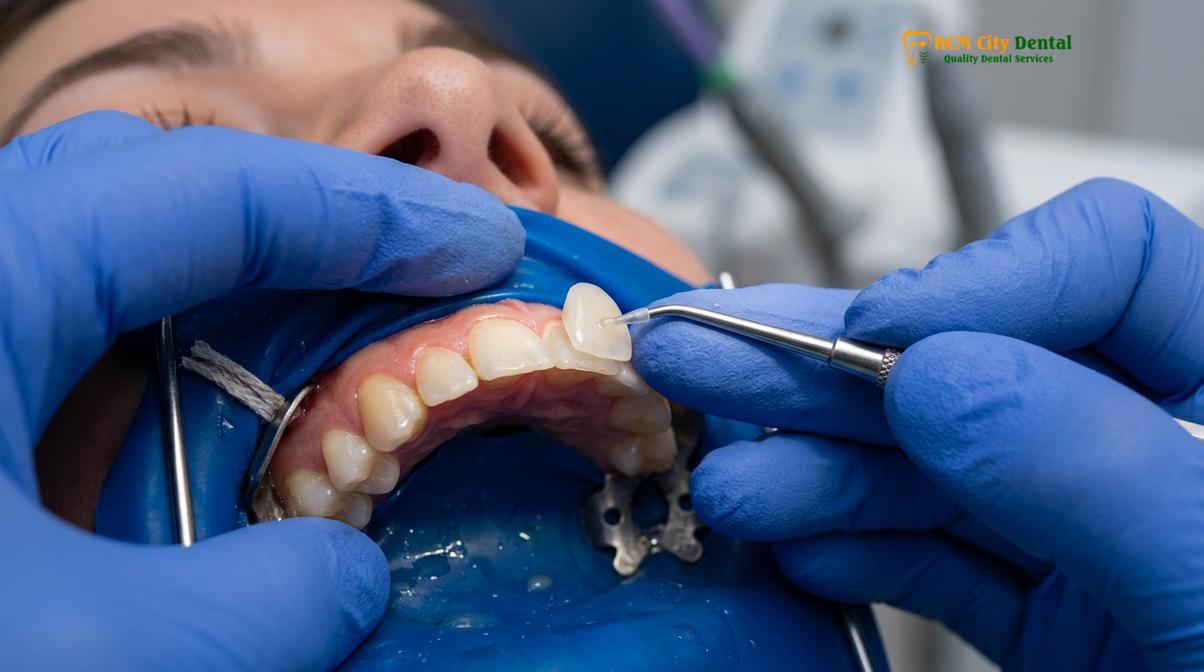
Minimally Invasive Prep vs No-Prep Veneers
A hallmark of a natural looking veneers dentist is their commitment to minimally invasive dentistry. The goal of modern cosmetic dentistry is to achieve maximum aesthetic improvement while preserving as much healthy, natural tooth structure as possible. This brings us to the critical discussion of tooth preparation techniques and minimal prep porcelain veneer longevity [3].
Traditional vs. Minimal Preparation
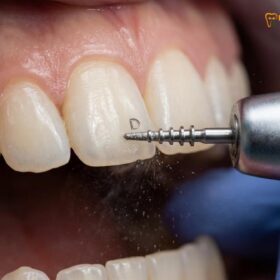
Historically, placing dental crowns or older styles of veneers required aggressive reduction of the tooth structure. Today, thanks to the incredible strength of modern adhesive bonding protocols and materials like E.max, veneers can be fabricated as thin as 0.3mm to 0.5mm—roughly the thickness of a contact lens. Consequently, the amount of enamel that needs to be gently recontoured is minimal.
Preserving the enamel is clinically vital. Dental adhesives bond significantly stronger to the dense, highly mineralized enamel layer than they do to the softer, underlying dentin layer. By keeping the preparation strictly within the enamel, the dentist ensures a stronger, longer-lasting bond and drastically reduces the risk of post-operative tooth sensitivity.
The Reality of “No-Prep” Veneers
Patients frequently ask about “no-prep” veneers. While the idea of zero drilling is appealing, true no-prep veneers are only suitable for a very specific subset of patients. If a patient already has relatively large teeth, or teeth that are positioned slightly forward, adding a layer of porcelain over them without any preparation can result in a bulky, unnatural appearance.
Determining who can get veneers with a no-prep approach requires a meticulous clinical evaluation of the patient’s existing arch form and tooth volume.
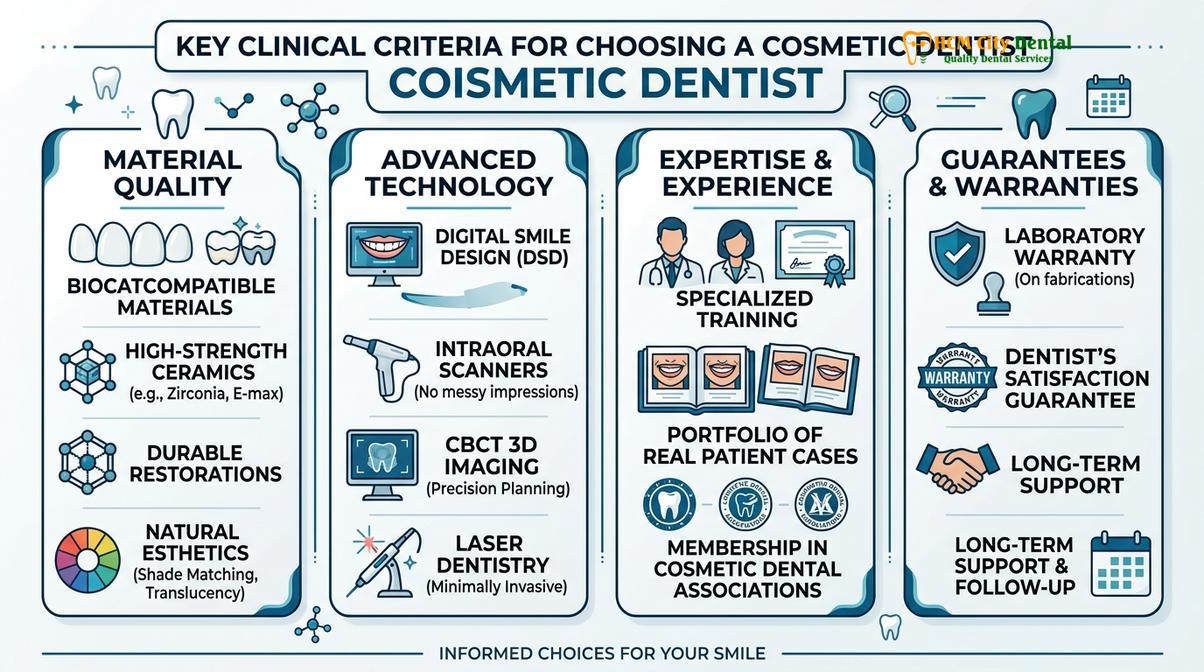
When to Consult a Cosmetic Dentist: Important Clinical Considerations
Knowing when to seek the expertise of a cosmetic specialist is crucial for maintaining both the function and aesthetics of your smile. Patients should consider a consultation if they experience severe enamel wear, persistent discoloration that does not respond to traditional whitening, or structural damage such as chips and cracks. Additionally, individuals with minor spacing issues or slight misalignments who wish to avoid lengthy orthodontic treatments often find that porcelain veneers offer an excellent alternative.
Important Clinical Note:
Before proceeding with any cosmetic enhancement, it is imperative to ensure that the foundational oral health is stable. This often involves a thorough professional dental hygiene session to remove calculus and assess gingival health. Active periodontal (gum) disease or untreated decay must be resolved before veneers can be placed.
Furthermore, patients traveling for care must prioritize clinics that adhere strictly to national guidelines on cross-infection control in dental facilities, such as those outlined by the Vietnam Odonto-Stomatology Association (VOSA) and the Ministry of Health [5]. A beautiful smile is only truly successful if it is built upon a healthy, disease-free foundation in a sterile clinical environment.
Real Smile Makeover Before & After Gallery
Viewing a clinic’s portfolio of past work is one of the most reliable ways to assess the skill and artistry of their cosmetic dental team. A genuine before-and-after gallery demonstrates the clinician’s ability to handle various aesthetic challenges, from severe discoloration and enamel wear to complex spacing and alignment issues.
Patient Case Study: A Complete Smile Transformation
Patient Profile: Sarah, an executive from Melbourne, Australia.
Clinical Presentation: Severe enamel wear, generalized yellowing, and minor crowding of the upper anterior teeth.
Treatment Plan: After visiting HCMC Dental Clinic in Ho Chi Minh City, Sarah underwent Digital Smile Design followed by 10 upper IPS E.max porcelain veneers. Prior to treatment, she received comprehensive general and preventive dentistry care to ensure optimal gingival health.
Outcome: Sarah achieved a radiant, youthful smile that beautifully complemented her facial features, saving significantly compared to the quotes she received in Melbourne.
Veneer Pricing Transparency & Warranty Coverage
One of the primary drivers for patients seeking top aesthetic dental care in Vietnam is the significant cost advantage. However, true value in healthcare is found at the intersection of affordability and uncompromising quality. At our clinic, we believe in absolute pricing transparency, ensuring patients fully understand the dental bonding price and veneer costs before treatment begins.
“True value in dental tourism is not found in the cheapest price, but in the intersection of world-class clinical protocols, premium materials, and predictable aesthetic outcomes.”
Understanding the Cost Savings
In Western countries, a single premium porcelain veneer can be prohibitively expensive, making a full smile makeover a major financial burden. In Vietnam, the exact same treatment, utilizing the same imported Ivoclar E.max materials and digital CAD/CAM technology, is available at a fraction of the cost. These savings are a reflection of Vietnam’s lower cost of living and reduced overhead expenses for clinic operations, not a compromise on clinical safety or material quality.
Frequently Asked Questions
What makes a cosmetic dentist ‘the best’ in Saigon?
The best cosmetic dentists combine advanced clinical prosthodontic training with an artistic eye for facial symmetry. They utilize Digital Smile Design, work with master ceramists, and prioritize minimally invasive techniques to preserve natural tooth structure.
How long do porcelain veneers last in Vietnam?
When crafted from premium materials like IPS E.max and bonded correctly to enamel, porcelain veneers can last for a very long time, provided the patient maintains excellent oral hygiene and attends regular professional maintenance sessions.
Are veneers in Vietnam the same quality as Australia or the USA?
Yes, leading clinics in Vietnam use the exact same globally recognized materials (such as Ivoclar Vivadent IPS E.max from Liechtenstein) and digital CAD/CAM technology as top-tier clinics in Australia and the USA.
What is Digital Smile Design and why does it matter?
Digital Smile Design (DSD) is a clinical protocol that uses 3D imaging, facial photography, and specialized software to design your ideal smile. It allows you to visually preview the final aesthetic outcome before any physical treatment begins.
How many visits do I need for a complete smile makeover in HCMC?
A comprehensive porcelain veneer smile makeover typically requires a few visits spread over several days. This allows adequate time for the initial consultation, digital design, tooth preparation, laboratory fabrication, and final bonding.
References
- Journal of the American Dental Association. Implant survival rates in digital dentistry. (2022).
- International Journal of Oral and Maxillofacial Implants. All-on-4 full arch rehabilitation. (2021).
- Journal of Esthetic and Restorative Dentistry. Minimal prep porcelain veneer longevity. (2020).
- British Dental Journal. Dental tourism safety protocols and material traceability. (2023).
- Vietnam Odonto-Stomatology Association (VOSA). National guidelines on cross-infection control in dental facilities. (2021).
Ready to transform your smile? Contact the specialists at HCMC Dental Clinic, Ho Chi Minh City today to schedule your comprehensive consultation and discover how our advanced cosmetic protocols can help you achieve the natural, radiant look you deserve.