A smile makeover is a comprehensive, customized clinical treatment plan designed to restore both the aesthetic appearance and functional health of your teeth. It strategically combines procedures like orthodontics, gum contouring, teeth whitening, and porcelain veneers to achieve optimal facial harmony and structural stability.
Clinical Summary:
A successful smile makeover requires meticulous sequencing, starting with periodontal stabilization and alignment before proceeding to cosmetic restorations. Utilizing advanced digital scanning technology (such as the iTero Element 5D) and minimally invasive preparation techniques, prosthodontists can preserve natural enamel while achieving lifelike aesthetics. Certified materials like E.max lithium disilicate and Zirconia HT provide superior durability, while direct lab partnerships enable express 3-5 day turnarounds for international patients seeking comprehensive aesthetic rehabilitation.
Key Takeaways:
- Comprehensive planning utilizes Digital Smile Design (DSD) for predictable, patient-approved aesthetic outcomes.
- Periodontal health and bite alignment must be stabilized before placing permanent ceramic restorations.
- Minimally invasive veneer preparation preserves up to 0.3mm–0.7mm of natural tooth enamel for optimal bond strength.
- Authentic materials like Ivoclar E.max provide superior translucency, mimicking natural dentition.
- Express treatments in Ho Chi Minh City offer 3-5 day turnarounds with global warranties and significant cost savings.
What is a Smile Makeover? More Than Just Veneers
A smile makeover is a sequenced architectural plan that addresses tooth color, shape, alignment, and gum symmetry to create a harmonious, functional bite.
When patients consider improving their teeth, they often jump straight to the idea of placing porcelain veneers. However, a true smile makeover is a holistic approach to dental aesthetics and function. It is not merely about covering up imperfections; it is about establishing a stable foundation and designing a total smile transformation that complements your unique facial features, lip dynamics, and skin tone.
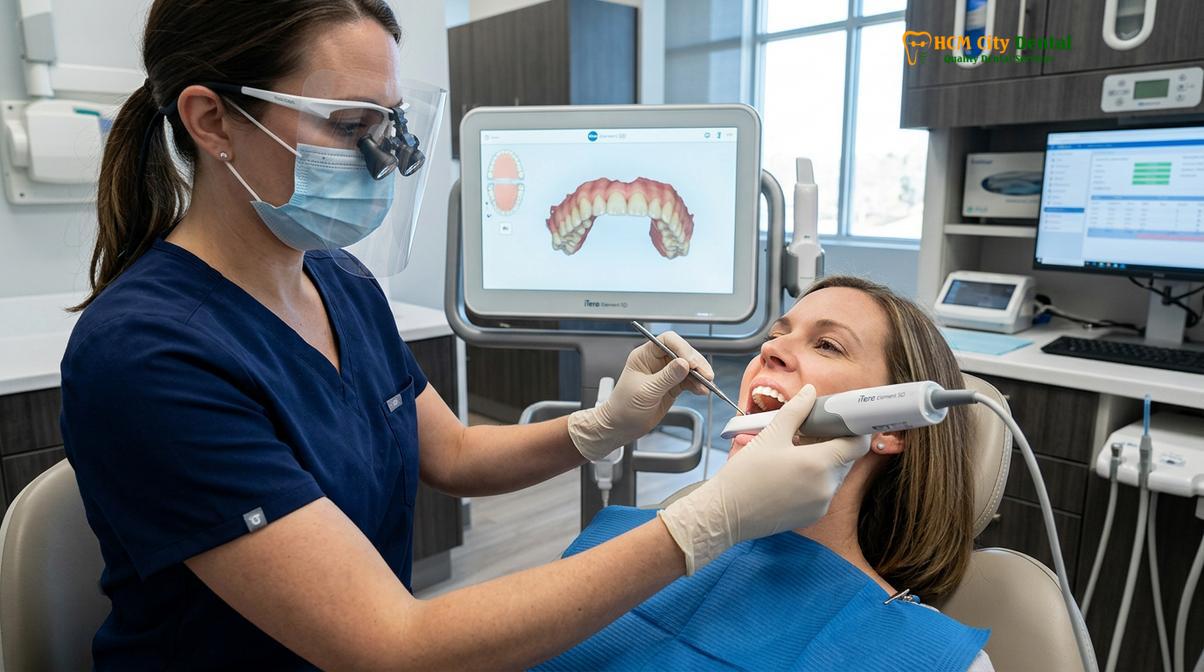
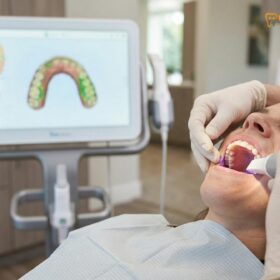
The process begins with advanced diagnostics. At HCMC Dental Clinic in Ho Chi Minh City, the clinical workflow relies heavily on state-of-the-art digital scanning technology, such as the iTero Element 5D and Medit i700 intraoral scanners. These devices eliminate the need for uncomfortable, messy traditional silicone impressions. Instead, they capture highly accurate 3D models of your dentition in minutes, providing maximum comfort and precision. This digital data is then integrated into Digital Smile Design (DSD) software, allowing the prosthodontist to engineer your new smile architecture mathematically before any physical treatment begins.
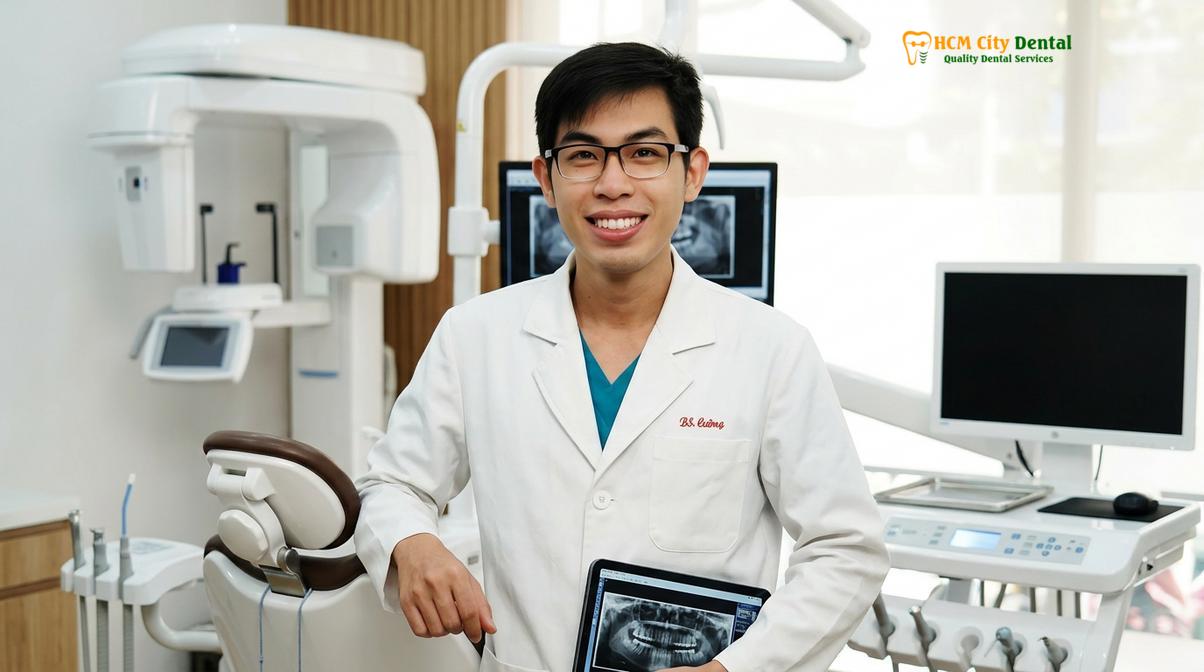
Dr. Nguyen Van Cuong emphasizes that a successful aesthetic rehabilitation must respect the natural biomechanics of the mouth. “We do not just look at the teeth in isolation,” notes Dr. Cuong. “We evaluate the entire stomatognathic system—how the teeth meet, how the jaw moves, and how the soft tissues frame the smile. This comprehensive evaluation ensures that our cosmetic enhancements are not only beautiful but structurally sound and long-lasting.”
An essential first step of any cosmetic workflow is a Pre-treatment dental cleaning.
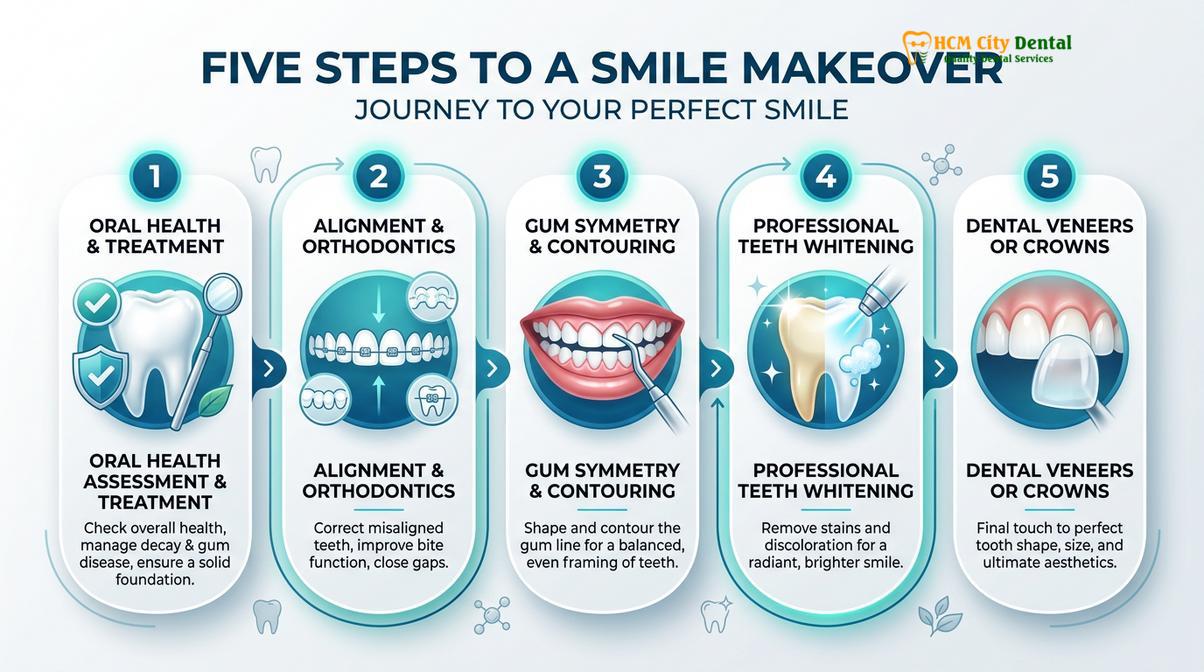
Step 1: Oral Health Foundation (Cleaning, Gum Treatment, Cavity Repair)
Establishing a disease-free oral environment is the mandatory first step to ensure the longevity and safety of any cosmetic dental work.
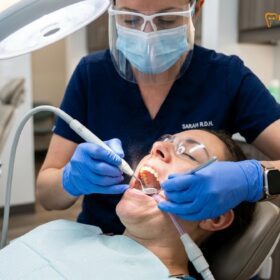
No reputable clinician will place permanent restorations on a foundation of active disease. The first phase of any full mouth cosmetic plan involves rigorous stabilization of your oral health. This includes professional scaling and root planing to resolve gingivitis or periodontitis, as well as the excavation of any active dental caries (cavities) and the replacement of failing amalgam or composite fillings.
Clinical Warning: Placing veneers or crowns over inflamed, bleeding gums severely compromises the adhesive cementation protocol. Moisture control is impossible with bleeding tissue, leading to microleakage, recurrent decay, and premature failure of the restorations.
A critical concept in this phase is the preservation of the biological width attachment. This refers to the natural dimension of soft tissue attached to the portion of the tooth above the alveolar bone. If a restoration encroaches on this space, it triggers chronic inflammation, bone loss, and gum recession [5]. By ensuring periodontal health first, the dentist guarantees that the gingival margins will remain stable and healthy around the new restorations for years to come.
Step 2: Alignment Correction (Invisalign for Mild Crowding)
Correcting tooth position prior to restorative work minimizes the need for aggressive enamel reduction and ensures balanced occlusal forces.
If teeth are significantly crowded, rotated, or misaligned, placing veneers directly over them often requires aggressive, irreversible removal of healthy tooth structure to create the illusion of straightness. To avoid this, a conservative smile makeover often incorporates a preliminary phase of orthodontic alignment, typically using clear aligners like Invisalign.
Moving the teeth into their proper arch form not only preserves enamel but also corrects bite discrepancies that could otherwise place excessive sheer force on delicate ceramic restorations. While this step extends the overall treatment timeline, it is a crucial investment in the structural integrity of your teeth. Once the teeth are properly aligned, the subsequent restorative phase becomes much more predictable, allowing for ultra-thin, prep-less, or minimal-prep veneer designs.
Step 3: Gum Symmetry (Laser Contouring for Gummy Smile)
Laser gingival contouring reshapes uneven gum lines to create a symmetrical frame that enhances the proportions of the final restorations.
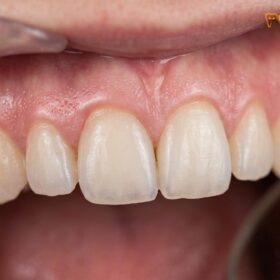
The gums act as the frame for your teeth. Even the most beautifully crafted porcelain veneers will look disproportionate if the gum line is uneven or if excessive gingival tissue covers the clinical crowns (a condition commonly known as a “gummy smile”). Step 3 involves gingival zenith calibration—adjusting the highest point of the gum tissue to align with the golden proportions of dental aesthetics.
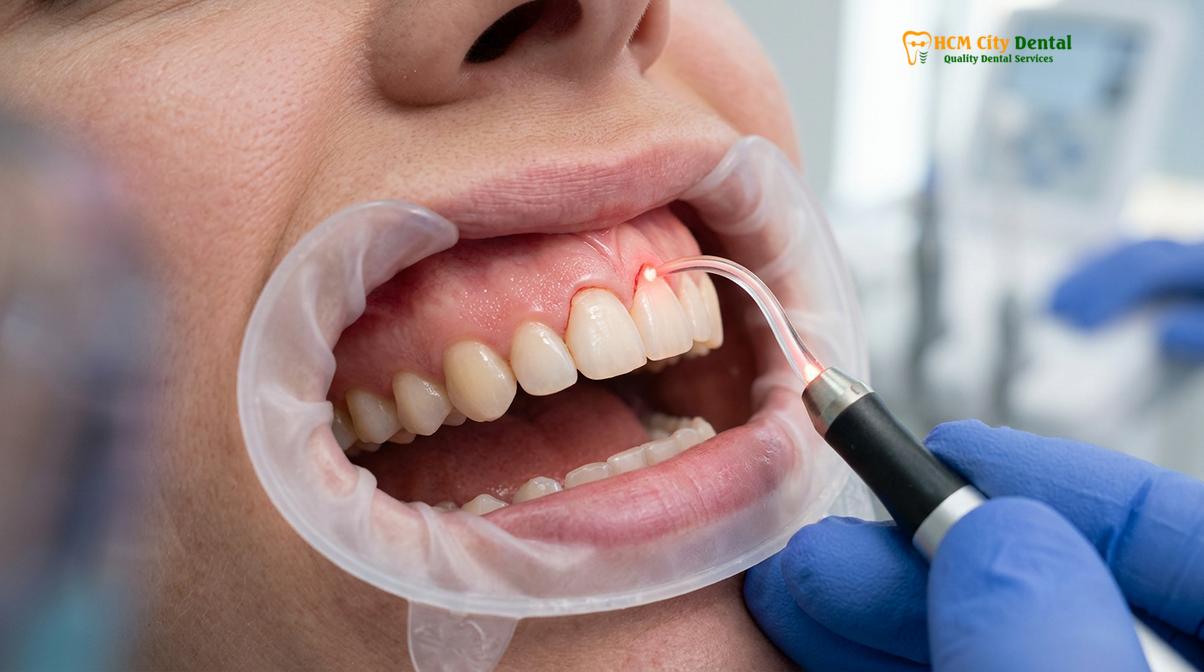
Modern clinics utilize soft-tissue diode lasers for this procedure. Laser contouring is highly precise, minimally invasive, and simultaneously cauterizes the tissue, resulting in virtually no bleeding and a rapid healing process [4]. By sculpting the gingival architecture, the dentist exposes more of the natural tooth structure, creating an ideal canvas for the final restorations and ensuring that the left and right sides of the smile mirror each other harmoniously.
Step 4: Teeth Whitening (Pre-Veneer Shade Optimization)
Professional whitening establishes a bright, uniform baseline shade for natural teeth before matching them to custom porcelain restorations.
Because porcelain veneers and crowns are highly translucent, the color of the underlying natural tooth can influence the final appearance. Furthermore, a smile makeover rarely involves veneering every single tooth in the mouth; typically, only the most visible teeth in the aesthetic zone (the front 6 to 10 teeth) are restored. Therefore, it is essential to brighten the surrounding natural teeth to match the new restorations.
In-office laser teeth whitening is performed to lift deep intrinsic stains caused by aging, coffee, or tobacco. This establishes a new “shade anchor.” Once the natural teeth have reached their maximum brightness and the color has stabilized (usually after a few days), the dentist and patient can select the final shade for the ceramics. Whether aiming for a natural B1 shade or a Hollywood-bright BL1 translucent shade, optimizing the underlying canvas ensures a vibrant, lifelike result without the need for overly opaque, artificial-looking porcelain.
Step 5: Veneer/Crown Placement (E.max or Zirconia Design)
The final restorative phase utilizes ultra-thin, custom-milled ceramics to refine tooth shape, length, and color with lifelike translucency.
The culmination of the smile makeover is the fabrication and bonding of the final restorations. Depending on the functional requirements and aesthetic goals, the prosthodontist will select the appropriate material. For the anterior (front) teeth, Ivoclar E.max (lithium disilicate) is widely considered the gold standard due to its exceptional light-optical properties and lifelike translucency [1]. For patients with heavy bite forces or for posterior teeth, Zirconia HT (High Translucency) from Germany provides unmatched flexural strength [3].
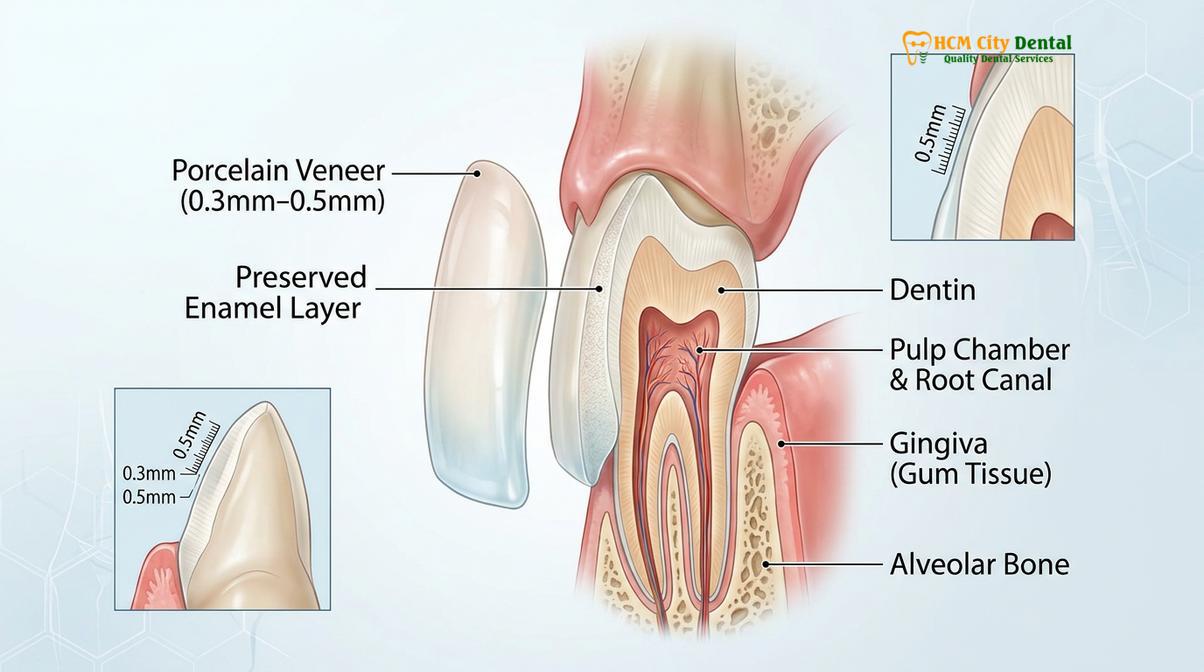
The clinical technique relies heavily on minimally invasive preparation. By removing only 0.3mm to 0.7mm of the outermost enamel layer, the dentist ensures that the restoration is bonded primarily to enamel rather than dentin, which exponentially increases the bond strength and longevity of the veneer [2]. In some cases, prep-less Lumineers (0.2mm) may be utilized if the tooth position allows.
“The paradigm of modern cosmetic dentistry is preservation. By utilizing advanced CAD/CAM milling and high-strength lithium disilicate, we can achieve profound aesthetic transformations while leaving the structural integrity of the natural tooth largely intact. The bond to preserved enamel is the secret to decades of clinical success.”
— Dr. Nguyen Van Cuong, Clinical Director
At HCMC Dental Clinic, a direct lab partnership allows for complete quality control and direct collaboration between the prosthodontist and the master ceramist. This synergy enables an express 3-5 day turnaround, tailored specifically for dental tourists and expats. Upon completion, patients receive a genuine emax identity card, certifying the authenticity and origin of the materials used. If you are upgrading from older restorations, understanding the process of replacing old veneers is crucial for maintaining this high standard of care.
Budgeting Your Full Smile Makeover in Ho Chi Minh City
Strategic medical tourism allows patients to access world-class cosmetic dentistry at significantly reduced costs without compromising on material quality.
One of the primary reasons patients travel internationally for complex dental care is the substantial financial advantage. Ho Chi Minh City has emerged as a premier destination for dental tourism, offering state-of-the-art technology and internationally trained specialists at a fraction of Western prices. When planning your trip, utilizing a comprehensive safety checklist dental abroad ensures you select a clinic with stringent sterilization protocols, transparent pricing, and verifiable material certifications.
To make treatments even more accessible, HCMC Dental Clinic offers a 40% pre-arrival discount for patients who book their consultations via WhatsApp. The clinic also partners with major international insurance networks (such as Allianz, Bupa, and Cigna) for direct billing, and offers 0% interest monthly credit card installment plans for eligible patients.
| Treatment / Material | Standard Walk-in Price | WhatsApp Discount (-40%) |
|---|---|---|
| Composite Veneer (Chair-side) | ~$80 (2.0M VND) | From $48 (1.2M VND) |
| Zirconia Veneer (Cercon HT, Germany) | ~$240 (6.0M VND) | From $144 (3.6M VND) |
| E.max Porcelain Veneer (Ivoclar) | ~$320 (8.0M VND) | From $192 (4.8M VND) |
| Smile Design 3D Mock-up | ~$200 (5.0M VND) | From $120 (Free if treated) |
| Laser Gum Contouring (Per Arch) | ~$160 (4.0M VND) | From $96 (2.4M VND) |
| In-Office Laser Teeth Whitening | ~$140 (3.5M VND) | From $84 (2.1M VND) |
Every premium restoration comes with a global manufacturer warranty card, alongside a 3-year clinic bonding and fit guarantee for E.max and Zirconia, and a 1-year guarantee for Composite. Remote follow-up support is seamlessly managed via WhatsApp, utilizing strict photo and video assessment protocols to ensure your smile remains pristine long after you return home.
Before & After: Typical Smile Makeover Transformations
Documented clinical cases demonstrate how sequenced treatments resolve complex aesthetic and functional dental issues to restore patient confidence.
Reviewing a clinic’s portfolio is an essential step in your research. A comprehensive smile photo guide provided during your consultation will showcase various case types, from closing diastemas (gaps) to masking severe tetracycline stains. These visual records highlight the transformative power of a well-executed treatment plan.
Clinical Case Study: Comprehensive Aesthetic Rehabilitation
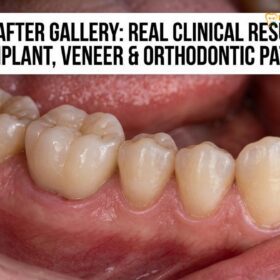
A 34-year-old patient visited HCMC Dental Clinic presenting with severe enamel wear, mild crowding, and intrinsic discoloration resistant to traditional whitening. The treatment plan commenced with a short course of clear aligners to correct the arch form, followed by diode laser gum contouring to lengthen the clinical crowns. Finally, 10 upper and 10 lower E.max lithium disilicate veneers (Shade BL2) were bonded using a minimal-prep protocol. The entire restorative phase was completed within a 5-day express turnaround, resulting in a balanced, youthful, and highly functional smile.
“The difference is night and day. Not only do my teeth look incredibly natural, but my bite feels more stable than it has in years. The digital preview allowed me to see exactly what I was getting, removing all the anxiety from the process.”
— Patient Testimonial, HCMC Dental Clinic
While porcelain is highly durable, accidents can happen. If you ever experience trauma to a restoration, knowing how to repair a chipped veneer and understanding your replacement options is an important part of long-term smile maintenance.
When to See a Doctor for a Smile Makeover Consultation
If you find yourself hiding your smile in photographs, experiencing functional issues due to worn enamel, or feeling dissatisfied with the color and shape of your teeth, it is time to schedule a clinical consultation. A smile makeover is highly personalized; therefore, a professional assessment is required to determine your candidacy.
Patients with active, untreated periodontal disease or severe tooth decay must have these conditions medically managed before any cosmetic work can begin. Additionally, if you suffer from sleep bruxism (chronic teeth grinding), you must inform your dentist. While modern ceramics are incredibly strong, the extreme forces of grinding can cause fractures. In such cases, managing bruxism with a custom nightguard is a mandatory post-operative requirement to protect your investment.
To ensure the longevity of your new smile, adopting proper daily habits is essential. This includes using a non-abrasive toothpaste for veneers to prevent scratching the ceramic glaze, following strict veneer cleaning protocols, and adhering to a veneer-friendly diet that minimizes the risk of chipping.
Frequently Asked Questions
How much does a full smile makeover cost in Vietnam?
A full smile makeover in Vietnam typically ranges from $1,500 to $4,000 depending on the materials and number of teeth involved. By booking via WhatsApp, patients can secure a 40% discount, bringing premium E.max veneers down to approximately $192 per tooth. This pricing structure makes comprehensive aesthetic rehabilitation highly affordable compared to Western clinics, without sacrificing the quality of certified materials or clinical expertise.
How long does a complete smile makeover take?
A complete cosmetic makeover utilizing veneers or crowns generally takes 3 to 5 days over two to three clinical visits. However, if foundational treatments like clear aligner orthodontics, implant placement, or extensive periodontal therapies are required, the total timeline may extend from several weeks to a few months. The express 3-5 day turnaround is specifically designed for international patients whose oral health is already stabilized.
What treatments are typically included in a smile makeover?
A smile makeover typically includes a combination of professional teeth whitening, laser gum contouring, and the placement of porcelain veneers or crowns. Depending on individual clinical needs, it may also incorporate clear aligner therapy to correct crowding, composite bonding for minor chips, and the replacement of old, failing restorations to achieve a cohesive, harmonious result.
Are porcelain veneers painful to get?
The veneer preparation and placement process is generally not painful, as it is performed under local anesthesia. Patients may experience mild, temporary temperature sensitivity for a few days following the procedure, which typically subsides as the teeth acclimate to the new ceramic restorations. The use of minimally invasive techniques further reduces post-operative discomfort.
How do I maintain my new smile makeover?
Maintaining your new smile requires strict daily oral hygiene, including brushing with a non-abrasive toothpaste and regular flossing. Additionally, attending biannual professional cleanings, avoiding biting on hard objects like ice or pens, and wearing a custom nightguard if you grind your teeth will significantly extend the lifespan of your restorations, ensuring they remain vibrant and intact for decades.
References
- Journal of Esthetic and Restorative Dentistry. Translucency and shade matching of lithium disilicate ceramics. (2021).
- International Journal of Prosthodontics. Enamel preservation techniques and long-term bond strength in veneer preparations. (2020).
- The Journal of Prosthetic Dentistry. Flexural strength and fracture resistance of monolithic zirconia restorations. (2019).
- Clinical Oral Investigations. Diode laser applications for gingival sculpting and aesthetic crown lengthening. (2022).
- Journal of Clinical Periodontology. Maintaining biological width around aesthetic dental restorations. (2018).