Veneers regret typically stems from aggressive tooth preparation, poor shade selection, or misaligned bite mechanics. By choosing a specialized prosthodontist who utilizes digital smile design and minimal-prep techniques, patients can achieve a natural, long-lasting aesthetic without compromising their underlying dental health.
Clinical Summary:
While porcelain veneers are considered the gold standard in cosmetic dentistry, patient dissatisfaction—often termed “veneers regret”—is a documented clinical phenomenon. This regret is rarely due to the material itself, but rather the execution of the treatment. The most common causes include aggressive enamel removal (leading to the infamous “turkey teeth” appearance), improper shade selection resulting in opaque, unnatural aesthetics, and the failure to address underlying periodontal or occlusal (bite) issues prior to cementation. Advanced clinical protocols, such as utilizing intraoral scanners for precise 3D modeling, adhering to strict enamel preservation guidelines, and employing authentic lithium disilicate (E.max) materials, are essential to mitigate these risks. A comprehensive diagnostic approach ensures that the final restorations are biologically harmonious, mechanically sound, and aesthetically tailored to the individual patient’s facial features.
Key Takeaways:
- Veneer regret is highly preventable through meticulous clinical planning and the use of modern digital dentistry tools.
- Aggressive tooth preparation damages the vital enamel layer, leading to irreversible sensitivity and structural weakness.
- Authentic E.max and Zirconia materials provide superior lifelike translucency compared to older, opaque ceramics.
- A comprehensive bite analysis and the provision of a custom nightguard are critical to preventing premature porcelain fractures.
- Choosing a specialized cosmetic clinic with a direct lab partnership ensures strict quality control and predictable aesthetic outcomes.
Why Veneer Regret Exists — and Why It Doesn’t Have to Happen to You
Veneer regret is a completely preventable outcome when clinical protocols prioritize enamel preservation and facial harmony over rushed, one-size-fits-all cosmetic treatments.
The psychological and financial toll of cosmetic dental failures can be devastating. Patients who seek out a brighter, more symmetrical smile often do so to boost their confidence, only to find themselves hiding their teeth due to unnatural results or suffering from chronic pain. The phenomenon of regret porcelain veneers is rarely an indictment of the treatment itself; rather, it highlights a breakdown in the clinical workflow, material selection, or patient-doctor communication.
In modern prosthodontics, the placement of Porcelain Veneers is a highly technique-sensitive procedure. It requires a deep understanding of dental anatomy, material science, and facial aesthetics. When these elements are ignored in favor of speed or cost-cutting, the results are predictably poor. Patients may experience bulky restorations that impede speech, opaque colors that glow unnaturally under certain lighting, or severe gum inflammation due to poorly contoured margins.
However, this narrative of regret is entirely avoidable. By adhering to a rigorous safety checklist dental abroad and domestically, patients can ensure they are receiving care that meets international standards. This includes verifying the credentials of the treating clinician, understanding the exact materials being used, and insisting on a diagnostic preview before any irreversible changes are made to the natural teeth. When executed correctly, ceramic restorations offer a durable, biocompatible, and stunningly natural enhancement to one’s smile.
Mistake #1: Choosing a General Dentist Instead of a Cosmetic Specialist
Cosmetic dentistry requires advanced prosthodontic training; relying on a general practitioner for complex smile makeovers significantly increases the risk of aesthetic and functional failure.
While any licensed dentist is legally permitted to place veneers, the clinical reality is that cosmetic dentistry is an art and science that demands specialized, ongoing education. A general dentist who primarily focuses on routine fillings, extractions, and basic cleanings may lack the nuanced understanding of macro and micro-aesthetics required for a full smile makeover. This gap in expertise is a primary driver of veneer mistakes.
A specialized cosmetic dentist or prosthodontist understands the intricate interplay between the lips, gums, and teeth. They evaluate the facial midline, the interpupillary line, and the dynamic movement of the lips during speech and smiling. Dr. Nguyen Van Cuong, a leading expert in aesthetic restorations, emphasizes that successful cosmetic outcomes rely heavily on the clinician’s ability to visualize the final result before the first instrument even touches a tooth. This level of foresight is developed through years of dedicated practice and thousands of successful cases.
Furthermore, specialists are adept at managing complex interdisciplinary cases. If a patient presents with severe crowding or a deep overbite, a cosmetic specialist will know when to recommend pre-prosthetic orthodontics (like clear aligners) rather than attempting to mask the issue with excessively thick porcelain. Understanding the distinction between treatments, such as Porcelain Veneers vs Porcelain Crowns: Which Is Right for You? | Dr. Cuong, is crucial for preserving tooth vitality and ensuring long-term success.
Mistake #2: Skipping the Digital Smile Design Preview
Proceeding without a 3D digital mockup forces patients to guess their final results, often leading to irreversible dissatisfaction with tooth shape and length.
One of the most profound advancements in modern cosmetic dentistry is the advent of Digital Smile Design (DSD). Historically, patients had to rely on physical wax-ups and verbal descriptions, hoping that the final ceramic restorations would match their vision. Today, skipping the digital preview is a critical error that frequently leads to patient dissatisfaction.
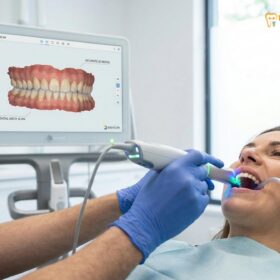
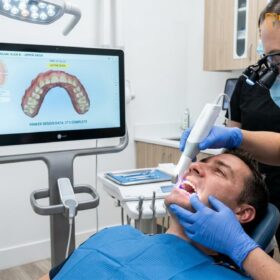
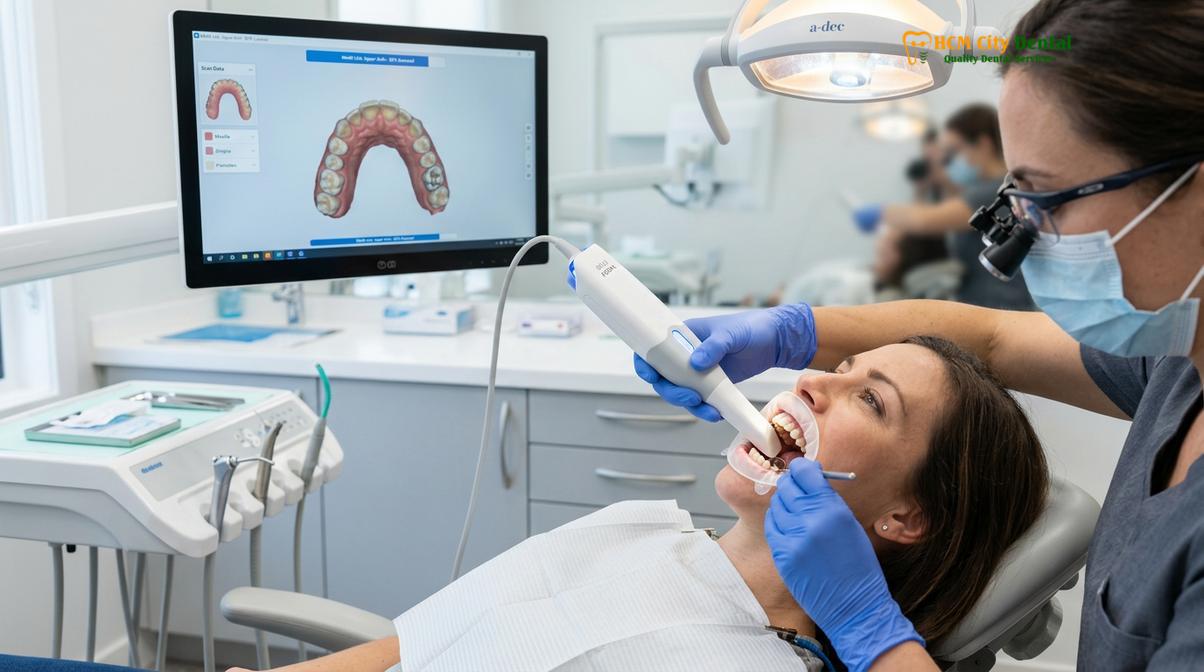
The workflow begins with state-of-the-art digital scanning technology, specifically the iTero Element 5D & Medit i700 Intraoral Scanners. These devices eliminate the need for messy, uncomfortable traditional silicone impressions. Instead, they capture highly accurate 3D topographical maps of the patient’s dentition in minutes. This digital data is then integrated with a comprehensive smile photo guide, which includes high-resolution images and videos of the patient speaking and smiling from various angles.
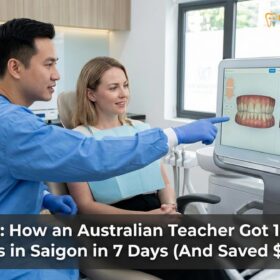
Using specialized CAD (Computer-Aided Design) software, the dentist and master ceramist collaborate to design the new smile virtually. The patient can view this 3D simulation on a screen, allowing them to provide immediate feedback on the shape, length, and characterization of the proposed teeth. More importantly, this digital design can be transferred to the patient’s mouth using a temporary bis-acryl resin matrix—a process known as a “mock-up.” This allows the patient to “test drive” their new smile in real life, ensuring absolute confidence before any permanent preparation begins.
Mistake #3: Accepting Over-Preparation (“Turkey Teeth” Problem)
Aggressive drilling that removes too much healthy enamel permanently damages the tooth structure, leading to sensitivity, nerve damage, and the dreaded “turkey teeth” appearance.
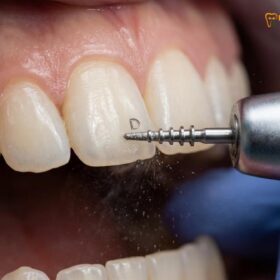
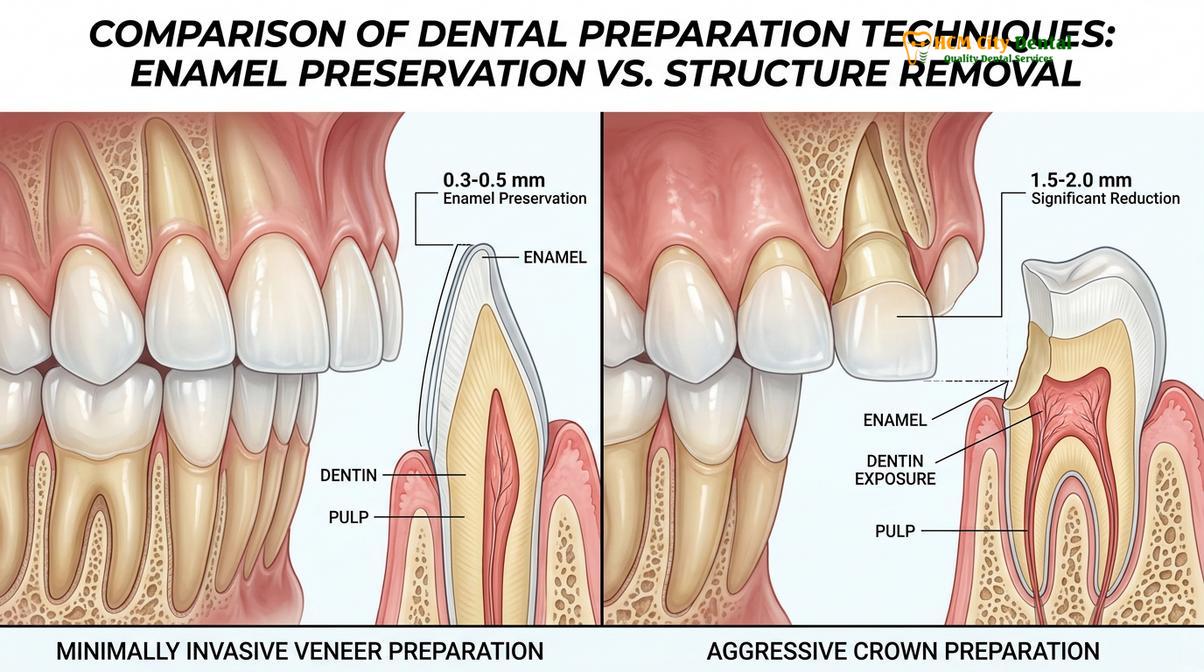
Perhaps the most alarming trend in cosmetic dental tourism is the rise of the “turkey teeth” phenomenon. This occurs when clinics aggressively shave down healthy, natural teeth into small, sensitive pegs. This destructive approach is often taken to expedite the treatment process or because the clinician lacks the skill to perform delicate, minimally invasive preparation. It is a catastrophic error that compromises the structural integrity and vitality of the tooth.
The clinical standard for porcelain veneers dictates that preparation should be restricted entirely to the enamel layer whenever possible. Enamel is highly mineralized and provides an exceptionally strong micromechanical bond when treated with specific etching protocols and silane coupling agents. Research indicates that preserving enamel is the single most critical factor in maximizing the bond strength and longevity of ceramic restorations [2]. Once the preparation extends deep into the dentin—the softer, inner layer of the tooth—the bond strength decreases significantly, increasing the risk of the veneer debonding or fracturing.
A skilled prosthodontist utilizes a minimally invasive preparation protocol, typically removing only 0.3mm to 0.7mm of enamel. In some cases, prep-less options like Lumineers (requiring as little as 0.2mm of space) can be utilized if the underlying tooth alignment permits. This conservative approach ensures that the tooth remains strong, the nerve is protected from thermal shock, and the final restoration blends seamlessly with the natural gingival architecture.
Clinical Warning: Aggressive tooth reduction (filing teeth into pegs) is a technique reserved for full-coverage crowns on severely decayed or damaged teeth, not for cosmetic veneers. If a clinic suggests this approach for healthy teeth, seek a second opinion immediately to prevent irreversible nerve damage and the need for future root canal therapies.
Mistake #4: Choosing the Wrong Shade (Too White, Looks Fake)
Selecting an opaque, ultra-white shade without considering skin tone or natural translucency results in an artificial, “Chiclet” appearance that patients quickly regret.
The desire for a bright, white smile is universal, but there is a fine line between a healthy, vibrant aesthetic and an artificial, glowing appearance. Choosing a shade that is excessively white, lacking in natural translucency and surface texture, is a primary cause of aesthetic regret. Natural teeth are not monochromatic; they exhibit a gradient of color, being slightly more chromatic (yellow/orange) at the gingival margin and highly translucent at the incisal edge.
Material selection plays a pivotal role in achieving a lifelike result. Older, traditional porcelain-fused-to-metal (PFM) crowns or low-quality ceramics often appear opaque because they must mask underlying structures. In contrast, modern materials like E.max (Ivoclar, Liechtenstein) lithium disilicate offer outstanding optical properties. E.max allows light to penetrate and scatter within the material, closely mimicking the light-transmitting behavior of natural human enamel [1]. For patients with heavy bruxism or in high-stress posterior areas, Zirconia HT (Cercon HT, Germany) provides immense strength while still offering excellent aesthetics.
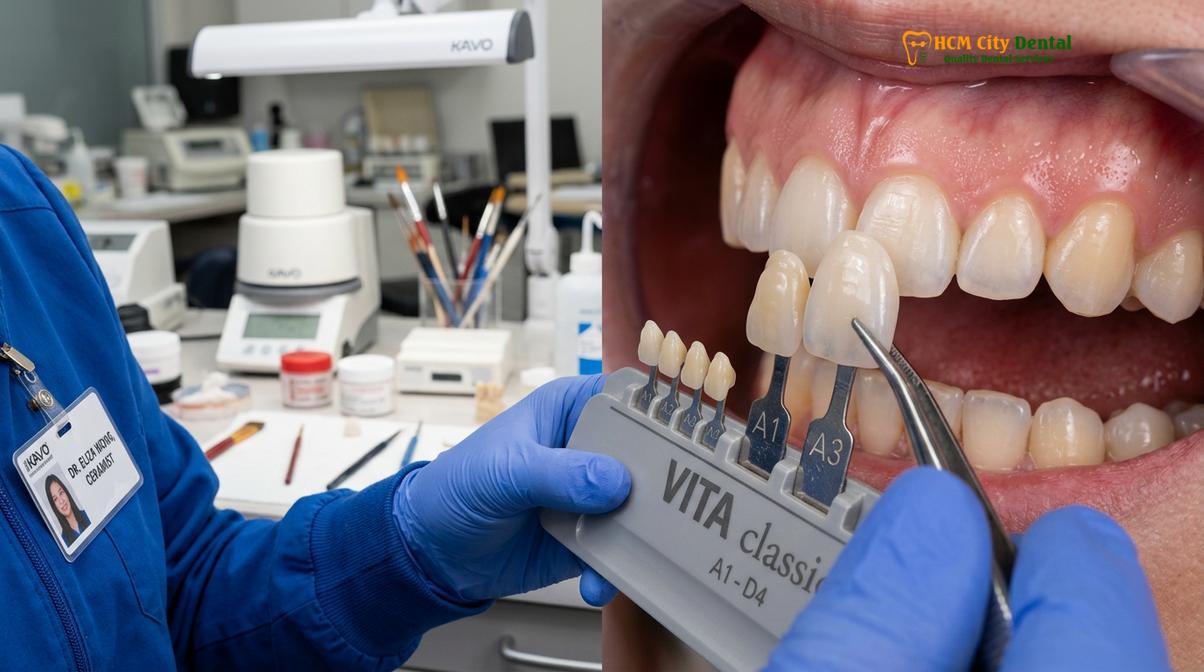
During the shade selection process, a meticulous clinician will use advanced shade mapping techniques. They will evaluate the VITA classical shade guide, discussing the nuances between a natural bleach shade (like BL1) and the lightest natural tooth shade (B1). The goal is to select a value (brightness) that complements the the whites of the patient’s eyes and their skin tone, ensuring the final result looks like a naturally perfect set of teeth rather than a synthetic dental appliance.
Mistake #5: Not Addressing Gum Health or Bite Issues First
Placing veneers over inflamed gums or an unbalanced bite guarantees premature failure, as biological and mechanical foundations must be stabilized prior to cosmetic bonding.
A beautiful house cannot be built on a crumbling foundation, and the same principle applies to cosmetic dentistry. Ignoring the health of the periodontium (gums and bone) or the mechanics of the occlusion (bite) is a recipe for disaster. Patients who rush into cosmetic treatments without addressing these underlying issues often find themselves seeking a bad veneers fix shortly after their initial procedure.
Periodontal health is paramount. If veneers are placed while the gums are inflamed (gingivitis or periodontitis), the margins of the restorations will inevitably be compromised. Furthermore, the clinician must respect the biological width attachment—the natural dimension of soft tissue attached to the portion of the tooth above the crest of the alveolar bone [5]. If the veneer margin invades this space, it triggers a chronic inflammatory response, leading to red, bleeding gums, localized bone loss, and eventual recession that exposes the margins of the restorations.
In cases where the gum line is uneven or a “gummy smile” is present, gingival zenith calibration is required. This often involves Laser Gum Contouring using a precise Diode laser to reshape the soft tissue architecture, creating a symmetrical and harmonious frame for the new teeth [4]. Similarly, if the patient’s bite is misaligned, placing delicate ceramics into an environment of traumatic occlusal forces will lead to rapid chipping and failure. A comprehensive bite analysis ensures that the forces of mastication are evenly distributed.
Mistake #6: Ignoring Bruxism Risk Without Ordering a Nightguard
Failing to diagnose sleep bruxism and provide a custom nightguard exposes delicate porcelain restorations to extreme occlusal forces, leading to catastrophic chipping or debonding.
Bruxism, the involuntary clenching and grinding of teeth (most commonly during sleep), is a widespread condition that poses a severe threat to dental restorations. The human jaw muscles are incredibly powerful, capable of exerting hundreds of pounds of force per square inch. While modern ceramics like lithium disilicate possess excellent flexural strength [3], they are not designed to withstand the sustained, extreme shear forces generated by nocturnal grinding.
A thorough clinical examination must include an assessment for signs of bruxism, such as flattened enamel, abfractions at the gumline, or hypertrophied masseter muscles. If a patient with untreated bruxism receives veneers, it is only a matter of time before the porcelain fractures or the restorations completely debond from the underlying tooth structure.
“The longevity of any ceramic restoration is directly proportional to the management of occlusal forces. A custom-fabricated occlusal guard is not an optional accessory for a bruxer; it is an absolute clinical necessity to protect the investment of a smile makeover.”
To mitigate this risk, a custom nightguard must be fabricated and delivered at the time the final veneers are cemented. This hard acrylic appliance acts as a protective barrier, absorbing the forces of grinding and preventing the upper and lower teeth from making destructive contact. Educating the patient on the importance of wearing this appliance nightly is a critical component of preventing long-term regret.
Mistake #7: Poor Communication of Expectations
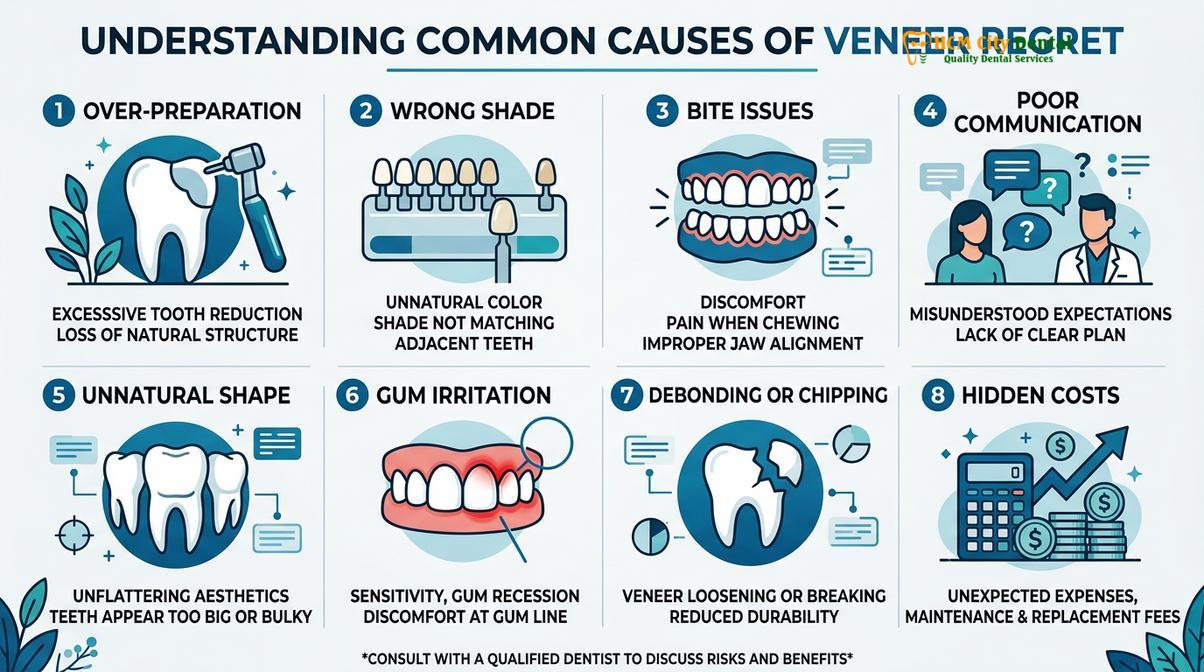
A lack of clear, documented communication between the patient, dentist, and master ceramist often results in final restorations that do not align with the patient’s aesthetic goals.
Cosmetic dentistry is highly subjective; what one patient considers the perfect smile, another may view as overly dominant or artificial. When expectations are not clearly communicated, documented, and agreed upon, the risk of disappointment skyrockets. This communication triangle involves the patient, the clinical dentist, and the dental laboratory technician (ceramist) who actually fabricates the restorations.
Many clinics outsource their lab work to massive, overseas milling centers where the ceramist never sees the patient’s face or understands their unique personality. This disconnect often results in generic, mass-produced teeth. To combat this, elite clinics maintain a Direct Lab Partnership. By partnering directly with a leading laboratory, the prosthodontist and the ceramist can collaborate intimately. The ceramist receives the digital scans, the comprehensive photo series, and detailed instructions regarding surface texture, incisal translucency, and specific shade gradients.
Furthermore, the provisional (temporary) veneer stage serves as a vital communication tool. The temporaries are a physical prototype of the final design. The patient wears them for a few days, evaluating their appearance, speech, and function. Any desired changes—such as rounding a sharp edge or shortening a central incisor—can be made to the temporaries and then communicated to the lab, ensuring the final porcelain restorations are exactly what the patient envisioned.
Mistake #8: Choosing a Clinic Without Post-Treatment Follow-Up Protocol
Opting for a clinic that abandons patients after cementation leaves them vulnerable to unmanaged complications, making structured remote and in-person follow-up essential.
The cementation of the final veneers is not the end of the clinical journey; it is the beginning of the maintenance phase. Patients who travel for dental care or choose clinics based solely on the lowest price often find themselves abandoned once the procedure is paid for. If a complication arises—such as a minor bite adjustment needed, localized sensitivity, or a question about flossing technique—they have no recourse and no support.
A reputable clinic establishes a rigorous post-treatment follow-up protocol. This includes immediate post-operative checks to ensure excess cement has been completely removed from the gingival sulcus and that the bite is perfectly balanced. For international patients or dental tourists, this protocol must extend beyond the physical clinic walls.
Providing a genuine emax identity card ensures the patient has a permanent record of the exact materials used, which is invaluable if they ever need maintenance in their home country. Additionally, offering remote follow-up support via WhatsApp—utilizing structured photo and video assessment protocols—allows the clinical team to monitor the healing process, address concerns promptly, and provide ongoing guidance for the long-term care of the restorations.
How HCMC Dental Prevents Every Single One of These Mistakes
By combining world-class digital technology, master ceramist partnerships, and strict minimal-prep protocols, our clinic ensures predictable, stunning results with zero regrets.
At HCMC Dental Clinic in Ho Chi Minh City, we have engineered our clinical workflows specifically to eliminate the risks associated with cosmetic dental treatments. We understand that our patients, many of whom are expats or dental tourists, demand excellence, efficiency, and absolute safety. Our approach is rooted in evidence-based prosthodontics and driven by cutting-edge digital technology.
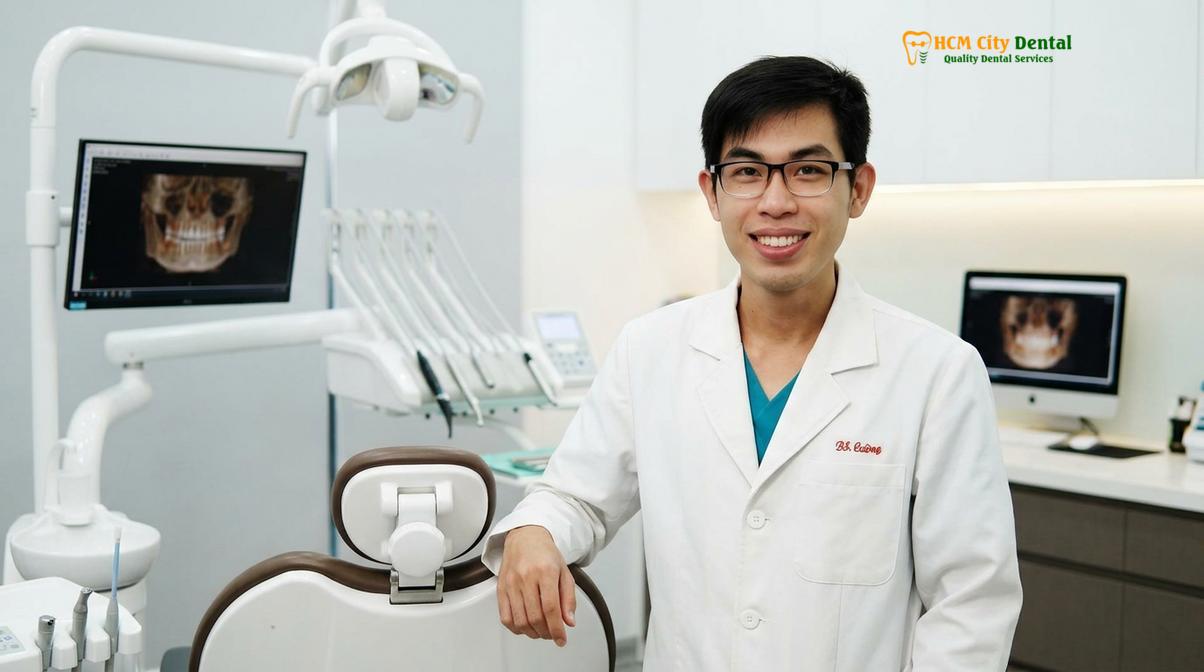
Dr. Nguyen Van Cuong and our team of specialists utilize the iTero Element 5D and Medit i700 scanners to capture flawless digital impressions, forming the foundation of our Digital Smile Design process. We never proceed with irreversible preparation until the patient has approved their 3D mockup. Our commitment to enamel preservation is unwavering; we utilize high-magnification loupes to ensure preparation depths are kept to the absolute minimum required for structural integrity and aesthetic excellence.
Because we maintain a Direct Lab Partnership in Ho Chi Minh City, we offer an Express 3-5 Day Turnaround without compromising quality. This allows complete smile makeovers to be fabricated, characterized, and fitted within a single week. We exclusively use certified materials, including Zirconia HT (Cercon HT, Germany) and E.max (Ivoclar, Liechtenstein), ensuring optimal biocompatibility and lifelike aesthetics.
Clinical Case Study: A 34-year-old patient visited HCMC Dental Clinic seeking to correct severe tetracycline staining and minor crowding. Previous consultations elsewhere had recommended aggressive crown preparation. Utilizing a minimal-prep protocol and highly opaque yet natural-looking E.max lithium disilicate, our team successfully masked the dark underlying dentin while preserving the patient’s vital enamel. The result was a vibrant, natural BL2 shade smile achieved in just 4 days, with zero post-operative sensitivity.
We believe in transparent, accessible care. Our pricing structure is designed to provide world-class dentistry at an exceptional value, incorporating a 40% pre-arrival discount for WhatsApp bookings. We also offer 0% interest monthly credit card installment plans to make your dream smile a reality.
| Treatment / Material | Standard Walk-in Price (Est.) | WhatsApp Discount Price (-40%) | Warranty & Support |
|---|---|---|---|
| Composite Veneer (Chair-side) | ~$80 (2.0M VND) | From $48 (1.2M VND) | 1-year clinic guarantee |
| Zirconia Veneer (Cercon HT, Germany) | ~$240 (6.0M VND) | From $144 (3.6M VND) | 3-year bonding & fit guarantee |
| E.max Porcelain Veneer (Ivoclar) | ~$320 (8.0M VND) | From $192 (4.8M VND) | 3-year bonding & fit guarantee |
| Smile Design 3D Mock-up | ~$200 (5.0M VND) | From $120 (3.0M VND)* | *Free if treatment is performed |
| Laser Gum Contouring (Diode) | ~$160 (4.0M VND) | From $96 (2.4M VND) | Per arch |
“Our philosophy is simple: cosmetic dentistry should enhance your natural biology, not destroy it. By integrating digital precision with master craftsmanship, we deliver smiles that are as healthy and functional as they are beautiful.”
Every ceramic restoration comes with global manufacturer warranty cards and our comprehensive remote follow-up support. If you are considering enhancing your smile and want to explore your options safely, we encourage you to read our guide on How Many Veneers Do I Need? (Guide to Planning Your Smile) or learn more about the differences in materials in our article Porcelain Veneers vs Composite Veneers: Which Is Right for You?.
When to See a Doctor
While high-quality veneers are designed to be durable and trouble-free, certain clinical signs indicate the need for immediate professional evaluation. You should schedule an appointment with a specialized prosthodontist if you experience any of the following:
- Persistent Sensitivity: Sharp pain when consuming hot or cold foods that lasts longer than a few weeks post-cementation may indicate nerve inflammation or a compromised bond.
- Bleeding or Swollen Gums: Chronic redness, swelling, or bleeding around the margins of the veneers suggests a violation of the biological width or retained cement, requiring immediate periodontal intervention.
- Visible Cracks or Chips: Any structural damage to the porcelain compromises its integrity and can lead to further fracture or decay of the underlying tooth.
- Changes in Bite Alignment: If your teeth feel “high” or you experience jaw pain and headaches, your bite may be unbalanced, necessitating an occlusal adjustment.
Early intervention is critical to preserving both the cosmetic restoration and the health of the underlying natural tooth.
Frequently Asked Questions
What is “turkey teeth” and how do I avoid it?
“Turkey teeth” refers to the aggressive over-preparation of natural teeth into small pegs, often mistakenly performed for veneers when crowns are actually being placed. To avoid this, insist on minimally invasive preparation protocols (0.3mm to 0.7mm) and consult a specialized prosthodontist who prioritizes enamel preservation. Always ask to see a digital mockup and confirm the exact amount of tooth structure that will be removed before consenting to treatment.
Can bad veneers be fixed?
Yes, a bad veneers fix is entirely possible through a careful removal and replacement process. A skilled cosmetic dentist can safely remove failing or aesthetically displeasing restorations using specialized magnification and lasers, re-evaluate the underlying tooth structure, and bond new, custom-designed porcelain veneers. The success of the revision depends heavily on how much healthy enamel remains from the initial procedure.
How do I know if my dentist is over-preparing my teeth?
You can prevent over-preparation by asking for a diagnostic wax-up and a clear explanation of the reduction required. A conservative dentist will discuss removing only a fraction of a millimeter of enamel, whereas aggressive preparation involves filing the tooth down to a sensitive dentin peg. If a clinic suggests shaving your teeth down significantly for purely cosmetic reasons, seek a second opinion immediately.
Do porcelain veneers ruin your natural teeth?
No, when performed correctly by a qualified specialist, porcelain veneers do not ruin your natural teeth. The procedure requires only a microscopic layer of enamel to be removed, leaving the core structure, nerve, and overall health of the tooth completely intact and protected. In fact, the ceramic shell can add structural support to teeth that are slightly worn or chipped.
How long do porcelain veneers last before needing replacement?
High-quality porcelain veneers typically last between 10 to 15 years, and often much longer with excellent oral hygiene and regular dental check-ups. Wearing a custom nightguard if you grind your teeth can significantly extend the lifespan of your ceramic restorations. While the porcelain itself does not decay, the underlying tooth is still susceptible to cavities, making daily brushing and flossing essential.
References
- Journal of Esthetic and Restorative Dentistry. Translucency of lithium disilicate. (2021).
- International Journal of Prosthodontics. Enamel preservation and bond strength. (2020).
- The Journal of Prosthetic Dentistry. Flexural strength of porcelain restorations. (2019).
- Clinical Oral Investigations. Diode laser gingival sculpting parameters. (2022).
- Journal of Clinical Periodontology. Biological width around restorations. (2018).