Traveling for dental veneers abroad is safe when patients rigorously verify clinic credentials, digital technology standards, and material authenticity. The primary risks involve aggressive tooth reduction disguised as veneers and the use of counterfeit ceramics, which can be mitigated by choosing internationally accredited specialists.
Clinical Summary:
The safety of acquiring cosmetic dental restorations overseas hinges on strict adherence to international clinical protocols. While dental tourism offers significant financial advantages, patients must navigate potential hazards such as the unethical substitution of crowns for veneers and the utilization of uncertified laboratory materials. A safe clinical experience requires the use of advanced intraoral scanning, minimally invasive enamel preparation techniques, and transparent documentation including physical material warranty cards. By partnering with clinics that maintain direct laboratory oversight and employ specialized prosthodontists, patients can achieve highly predictable, aesthetic, and biologically sound smile makeovers.
Key Takeaways:
- Safety depends on verifying the clinic’s use of authentic, certified materials like Ivoclar E.max or Cercon HT Zirconia.
- Patients must be vigilant against the “veneer vs crown” bait-and-switch, which permanently damages healthy tooth structure.
- State-of-the-art digital workflows, including 3D intraoral scanners, are mandatory for precise marginal fit and biological compatibility.
- Reputable international clinics provide comprehensive remote follow-up protocols and global warranties.
- Proper clinical execution preserves the enamel layer, ensuring long-term bond strength and preventing secondary decay.
The “Veneer vs Crown” Bait-and-Switch: The #1 Red Flag
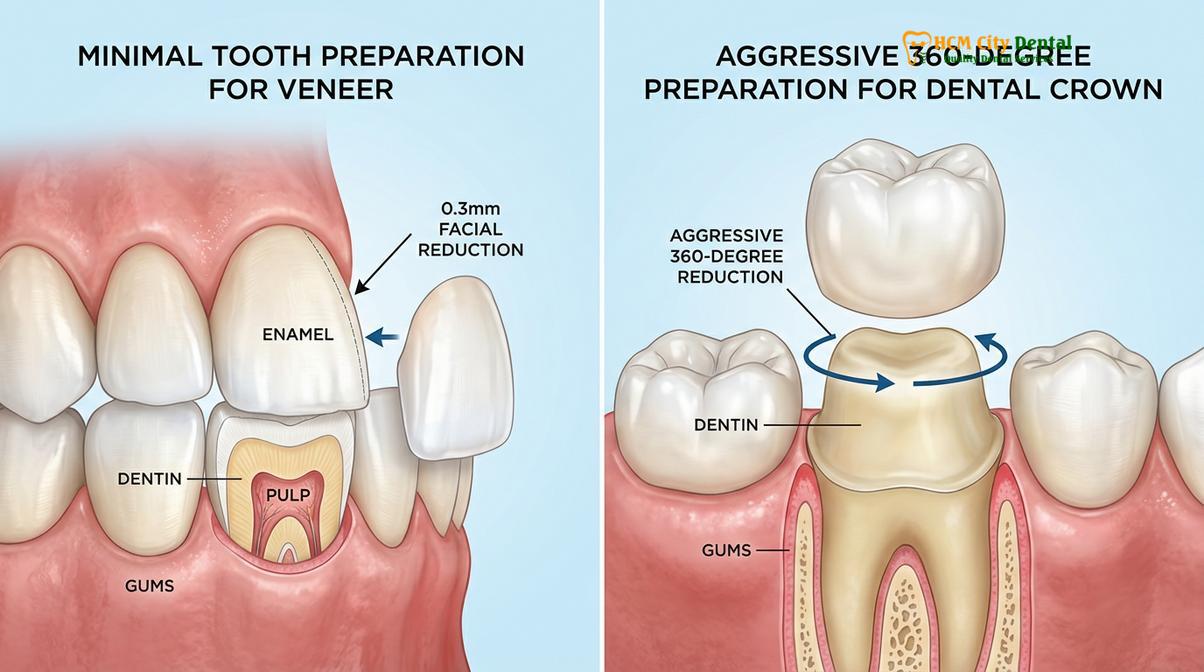
The most severe risk in dental tourism is clinics performing aggressive 360-degree tooth reduction for crowns while falsely marketing the procedure as minimally invasive porcelain veneers.
When evaluating the safety of cosmetic dentistry abroad, the most critical clinical distinction a patient must understand is the difference between a true veneer and a full-coverage dental crown. In ethical prosthodontics, Porcelain Veneers are ultra-thin ceramic shells bonded exclusively to the facial (front) surface of the tooth. This procedure requires a minimally invasive preparation, typically removing only 0.3mm to 0.7mm of the outermost enamel layer. In some cases, prep-less options require as little as 0.2mm of reduction, leaving the vast majority of the natural tooth structure completely intact.
Conversely, a dental crown requires aggressive 360-degree reduction, removing up to 1.5mm to 2.0mm of tooth structure from all sides, often exposing the underlying dentin. The “bait-and-switch” occurs when high-volume, low-quality clinics abroad market “cheap veneers” but actually perform crown preparations because crowns are easier to fabricate and cement for unskilled practitioners. This unethical practice is one of the most prominent dental tourism red flags, as it permanently mutilates healthy teeth and significantly increases the risk of future root canal therapy due to pulpal trauma [1].
Dr. Nguyen Van Cuong, a leading specialist in aesthetic restorations, emphasizes that the long-term success of a veneer relies heavily on enamel preservation. “The bond strength between dental adhesive and natural enamel is exceptionally strong and predictable. When a tooth is over-prepared into the softer dentin layer, the risk of the restoration debonding or micro-leakage occurring increases exponentially,” explains Dr. Cuong. Patients must demand a clear, written treatment plan that explicitly states the type of preparation being performed before any irreversible drilling begins.
How to Verify Lab Material Authenticity (Counterfeit Ceramics)
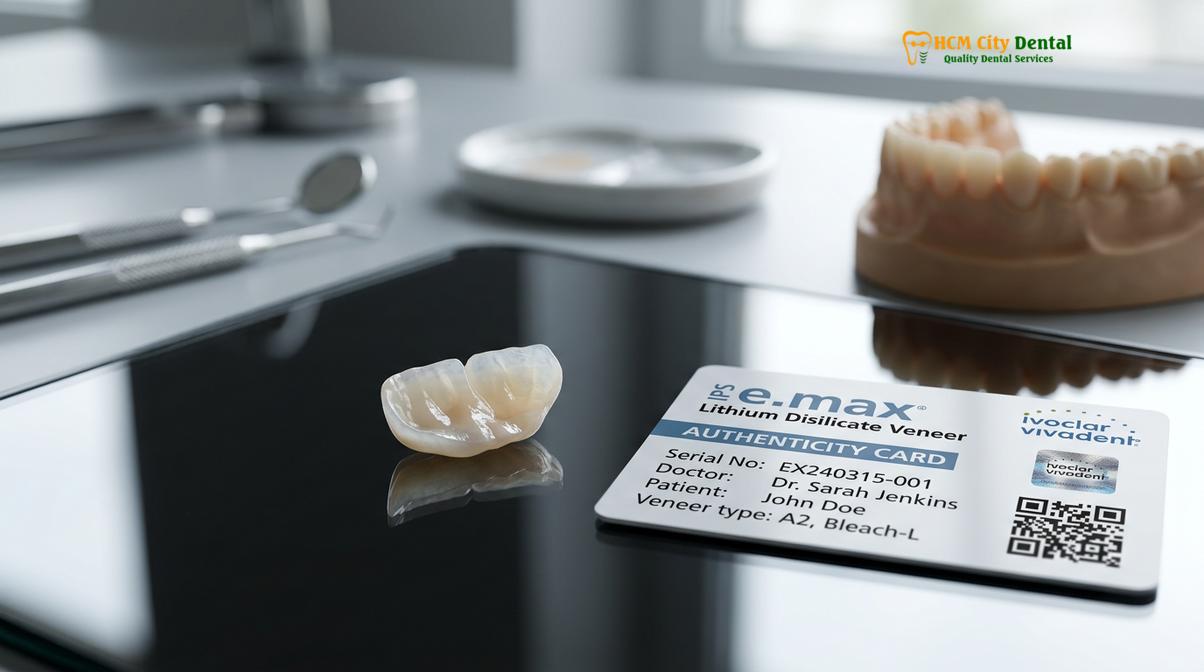
Patients must demand physical manufacturer certification, such as a genuine E.max identity card, to ensure their restorations are fabricated from authentic, biocompatible ceramics rather than cheap, porous alternatives.
The aesthetic outcome and structural longevity of a smile makeover depend entirely on the quality of the ceramic blocks used in the CAD/CAM milling process. The gold standard for anterior (front) teeth is lithium disilicate, globally recognized under the brand name E.max (manufactured by Ivoclar in Liechtenstein). E.max offers unparalleled lifelike aesthetics, allowing for precise custom shading and light-reflecting properties that mimic natural enamel [2].
However, the rise of medical tourism has unfortunately led to the proliferation of counterfeit ceramics. Counterfeit materials are often highly opaque, lack proper fluorescence, and possess inferior flexural strength, making them highly susceptible to chipping, staining, and catastrophic failure under normal biting forces [3].
“Authenticity in dental materials is not just about aesthetics; it is a matter of biological safety. Uncertified ceramics can cause gingival inflammation, allergic reactions, and rapid degradation of the cementation margin, leading to irreversible decay beneath the restoration.”
To protect yourself, you must request the genuine identity card upon completion of your treatment. This physical card contains a unique lot number, a barcode, and a hologram that traces the exact ceramic block used for your smile back to the original manufacturer. Similarly, if Zirconia HT is used for high-stress areas or for patients who are heavy grinders, a corresponding certificate of authenticity must be provided. Never accept verbal assurances regarding material quality; documented proof is a mandatory standard of care.
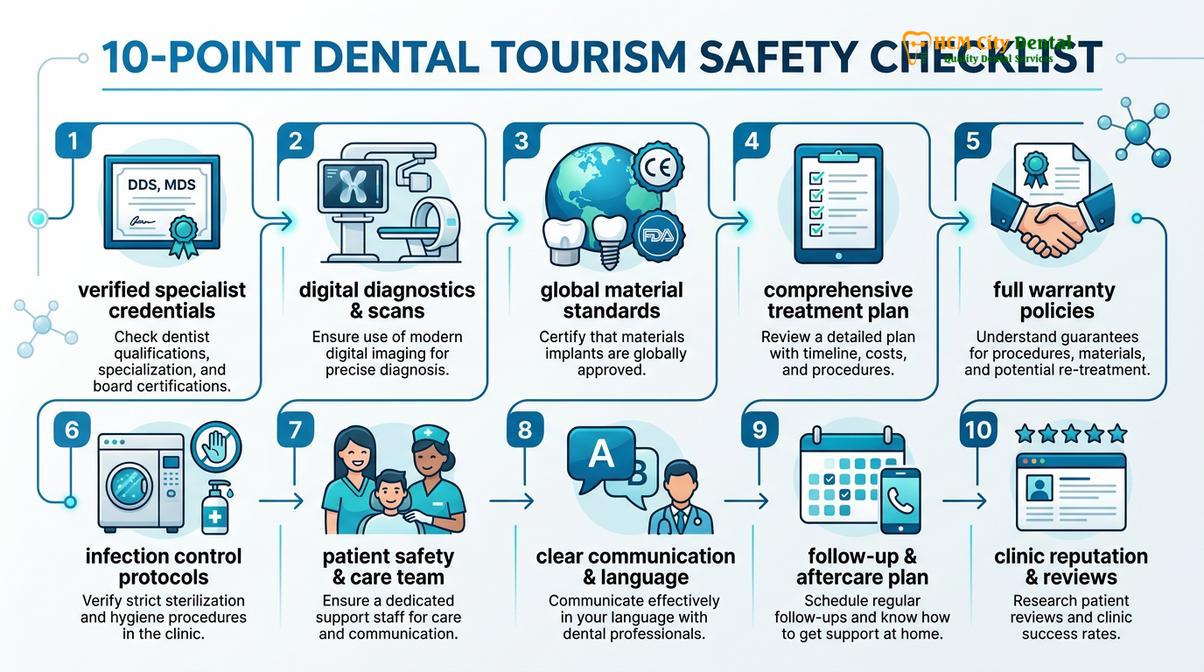
10-Point Safety Checklist Before Booking Any Dental Clinic Abroad
A comprehensive safety checklist ensures that international dental clinics adhere to strict sterilization protocols, utilize certified materials, and employ specialized prosthodontists for complex smile makeovers.
Navigating the international dental landscape requires a systematic approach to risk management. Patients should never base their decision solely on price or social media marketing. Instead, utilizing a rigorous safety checklist is essential to filter out substandard facilities and identify centers of clinical excellence.
When conducting your clinic verification, ensure the facility meets the following criteria:
| Safety Checkpoint | Standard of Care (Safe Clinic) | Red Flag (Risky Clinic) |
|---|---|---|
| 1. Specialist Credentials | Treatment performed by a licensed Prosthodontist or Cosmetic Specialist. | Treatment performed by general dentists with no advanced aesthetic training. |
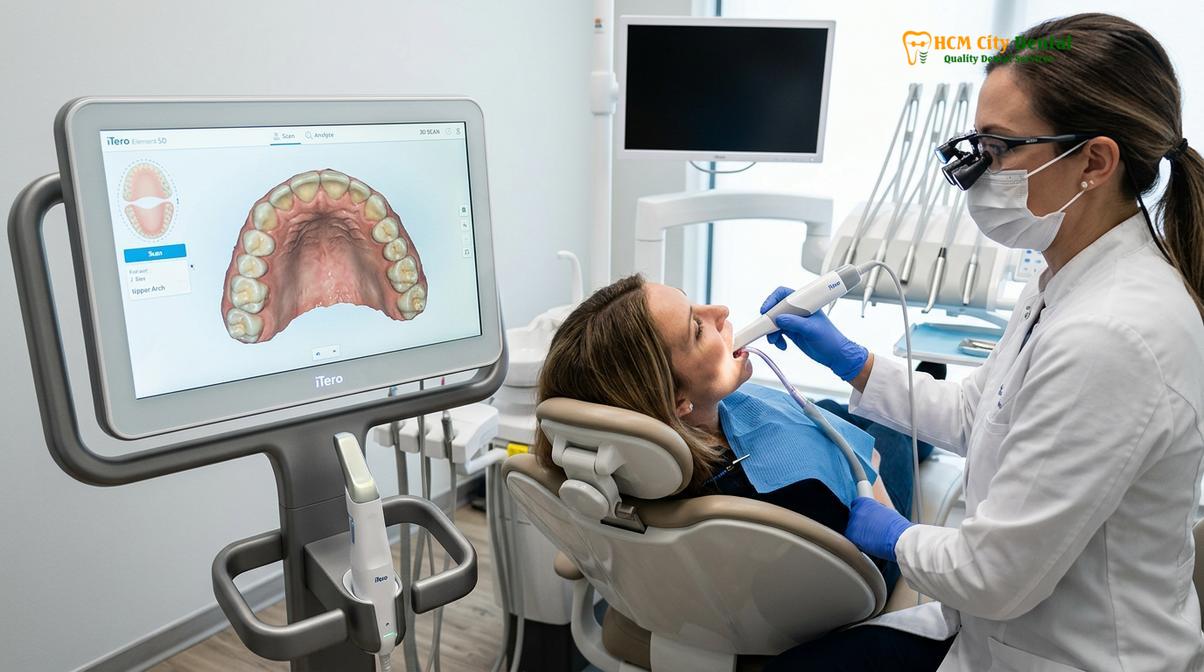
| 2. Digital Impressions | Uses iTero Element 5D or Medit i700 intraoral scanners. | Relies solely on messy, traditional silicone putty impressions. |
| 3. Material Certification | Provides physical warranty cards (e.g., genuine E.max identity card). | Refuses to provide documentation or uses generic “porcelain” terms. |
| 4. Preparation Protocol | Strict adherence to minimal-prep (0.3mm – 0.7mm) enamel preservation. | Routinely shaves teeth down to pegs (bait-and-switch to crowns). |
| 5. Laboratory Access | Direct Lab Partnership with in-house or local master ceramists. | Outsources to unknown, unregulated third-party overseas labs. |
| 6. Smile Design | Utilizes Digital Smile Design (DSD) and 3D printed mock-ups. | No preview available; patient sees teeth only after cementation. |
| 7. Sterilization | Class B Autoclaves and strict ISO-certified infection control. | Unclear sterilization protocols or reused disposable items. |
| 8. Biological Respect | Careful management of the gingival zenith and biological width. | Cement left under gums, causing chronic bleeding and inflammation. |
| 9. Follow-Up Support | Structured remote support via WhatsApp and global warranties. | No communication or support once the final payment is made. |
| 10. Transparent Pricing | Clear, itemized quotes with no hidden fees or upcharges. | Bait pricing that doubles once the patient arrives at the clinic. |
Furthermore, safe clinics adhere to strict regional and international infection control mandates. For instance, top-tier facilities in Vietnam strictly follow the guidelines set forth by the Vietnam Odonto-Stomatology Association (VOSA), ensuring that sterilization and prosthodontic safety standards meet or exceed global benchmarks [6].
Digital Technology Requirements: Why Clinics Without Digital Scans Are Risky
Advanced intraoral scanners eliminate impression errors, ensuring a microscopic marginal fit that protects the biological width and prevents secondary decay.
The integration of digital technology is no longer an optional luxury in modern cosmetic dentistry; it is a fundamental requirement for clinical safety and precision. Clinics that still rely exclusively on traditional polyvinyl siloxane (putty) impressions are inherently riskier. Traditional impressions are subject to material shrinkage, expansion, and human error during the pouring of stone models, which can lead to ill-fitting restorations.
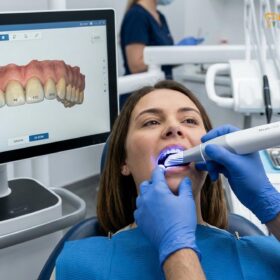
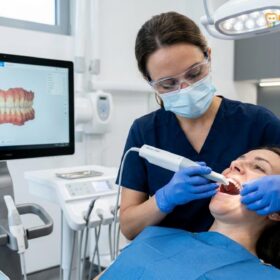
State-of-the-art clinics utilize advanced digital scanning technology, such as the iTero Element 5D and the Medit i700 Intraoral Scanners. These devices capture thousands of high-definition 3D images per second, creating a flawless digital replica of the patient’s oral cavity. This digital file is then transmitted instantly to the CAD/CAM milling machine. The result is a restoration with a microscopic marginal fit, which is crucial for maintaining the biological width attachment—the natural seal of gum tissue around the tooth. If a veneer is bulky or ill-fitting, it violates this biological width, leading to chronic gingivitis, bone loss, and eventual failure of the restoration [4].
Furthermore, digital workflows enable the use of Digital Smile Design (DSD). Before any physical alteration of the teeth occurs, the dentist can use a comprehensive smile photo guide to analyze facial symmetry, lip dynamics, and the gingival zenith. A 3D mock-up is then printed and temporarily placed over the patient’s un-prepped teeth. This allows the patient to “test drive” their new smile, ensuring the shape, length, and veneer-friendly diet compatibility meet their expectations before committing to the final procedure [5].
When to Seek Immediate Clinical Attention After Veneers
Patients must be aware of post-operative red flags, such as severe pain or chronic bleeding, which require prompt clinical evaluation to prevent irreversible damage.
While minor sensitivity is normal after receiving new or replacement veneers, certain symptoms require immediate clinical evaluation. Patients should contact their dentist if they experience severe, throbbing pain that disrupts sleep, as this may indicate irreversible pulpitis. Additionally, gums that bleed profusely when using non-abrasive toothpaste or floss, or a bite that feels noticeably uneven, are significant red flags.
“Ignoring an imbalanced bite or chronic gingival bleeding after veneer placement can lead to catastrophic ceramic fractures or localized periodontal disease. Early intervention is critical to preserving both the restoration and the underlying biological structures.”
If you experience any of these symptoms after returning home, it is imperative to utilize your clinic’s remote support channels immediately to determine if a local intervention is necessary.
Follow-Up Protocols: What Happens If Something Goes Wrong After You Fly Home?
Reputable international clinics provide structured remote follow-up protocols, global warranty documentation, and clear contingency plans to address any post-cementation issues after the patient returns home.
One of the most common anxieties regarding dental tourism is the lack of immediate access to the treating dentist once the patient boards their flight home. While high-quality porcelain restorations are incredibly durable, minor adjustments are occasionally necessary. A patient might experience slight occlusal (bite) interference, transient temperature sensitivity, or require guidance on how to clean veneers properly to maintain their luster.
Safe clinics proactively address these concerns by establishing robust remote follow-up protocols. This typically involves scheduled virtual check-ins via WhatsApp, where patients submit specific intraoral photos and videos based on a standardized clinical protocol. If a patient experiences nocturnal teeth grinding, the clinic will have already fabricated a custom nightguard prior to departure to protect the ceramics from excessive shear forces.
Clinical Case Example: An expatriate patient visited HCMC Dental Clinic in Ho Chi Minh City for a full upper arch restoration to correct severe tetracycline staining. Following the cementation of 10 E.max veneers, the patient returned to Australia. Two weeks later, she reported slight sensitivity on a single canine. Utilizing the clinic’s remote WhatsApp support, the clinical team reviewed her high-resolution photos and determined it was a minor occlusal high spot. The clinic coordinated with a local partner dentist in Sydney to perform a simple 5-minute bite adjustment, fully covered under the clinic’s global warranty, resolving the issue immediately.
Furthermore, a legitimate clinic will provide a comprehensive warranty. For instance, premium materials should carry a global manufacturer warranty, supplemented by the clinic’s own bonding and fit guarantee. This documentation ensures that if a structural failure occurs due to material defect or clinical error, the patient is financially protected and can seek a repair for a chipped veneer or a full replacement without incurring exorbitant out-of-pocket costs.
Why HCMC Dental Passes Every Safety Checkpoint
By combining state-of-the-art digital workflows, direct laboratory partnerships, and transparent pricing, our facility ensures international patients receive world-class aesthetic restorations without compromising clinical safety.
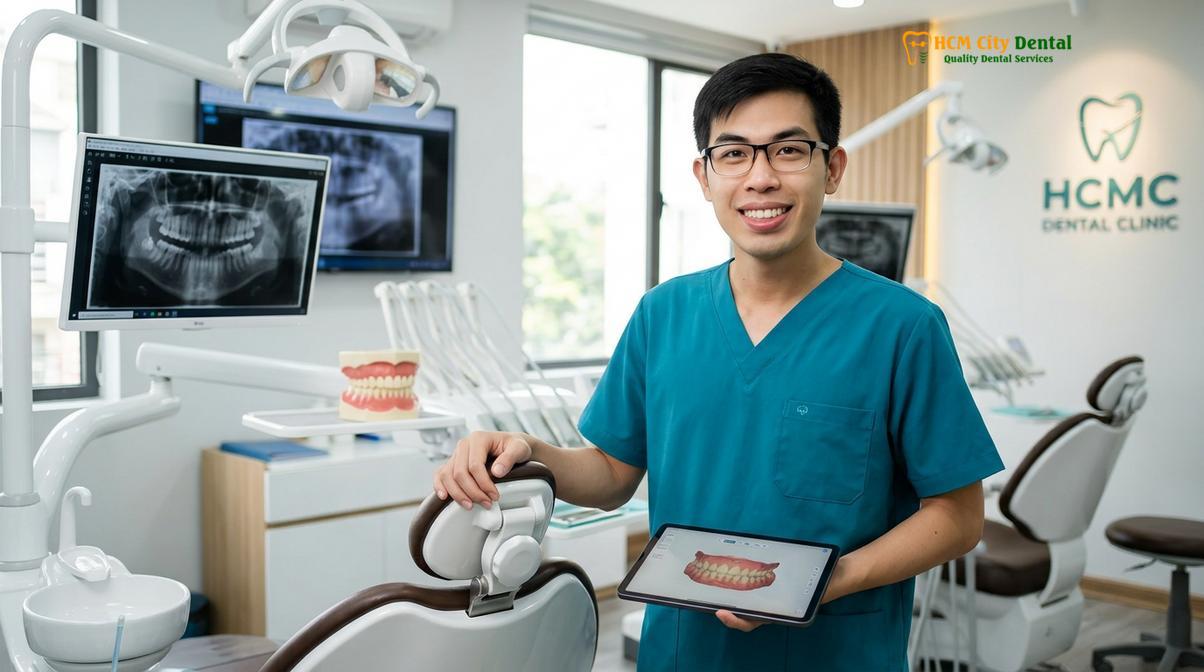
At HCMC Dental Clinic in Ho Chi Minh City, we have engineered our clinical workflows to eliminate the risks traditionally associated with dental tourism. By combining state-of-the-art digital scanning, direct partnerships with master ceramists, and strict adherence to minimal-prep protocols, we ensure that every international patient receives world-class aesthetic restorations. Our transparent pricing and comprehensive global warranties provide peace of mind long after you return home. If you are considering a smile makeover, contact HCMC Dental Clinic, Ho Chi Minh City, to schedule a comprehensive digital consultation and discover how we prioritize your clinical safety and aesthetic success.
References
- Journal of Esthetic and Restorative Dentistry. Translucency of lithium disilicate.
- International Journal of Prosthodontics. Enamel preservation and bond strength.
- The Journal of Prosthetic Dentistry. Flexural strength of porcelain restorations.
- Clinical Oral Investigations. Diode laser gingival sculpting parameters.
- Journal of Clinical Periodontology. Biological width around restorations.
- Vietnam Odonto-Stomatology Association (VOSA). National guidelines on infection control and prosthodontic safety standards.