Traveling to Vietnam for porcelain veneers offers international patients a unique combination of world-class aesthetic dentistry and significant cost savings. By utilizing advanced digital workflows and certified European materials, patients achieve precise, natural-looking smile makeovers within a single week while enjoying a vibrant cultural destination.
Clinical Summary:
Dental tourism in Vietnam for aesthetic restorations relies on strict clinical protocols, advanced CAD/CAM technology, and globally certified materials such as Ivoclar E.max and Cercon HT Zirconia. The standard clinical workflow involves digital intraoral scanning (utilizing the iTero Element 5D or Medit i700), Digital Smile Design (DSD), and minimal-preparation techniques (0.3mm to 0.7mm) to preserve natural enamel and ensure optimal bond strength. With direct lab partnerships in Ho Chi Minh City, prosthodontists can deliver custom-characterized veneers in an express 3-5 day turnaround. Patients benefit from comprehensive care, including laser gum contouring, custom nightguards for sleep bruxism, and global warranty support, all while reducing treatment costs by up to 70% compared to Western clinics.
Key Takeaways:
- Minimal-prep techniques preserve healthy enamel, requiring only 0.3mm to 0.7mm of reduction for optimal bonding.
- Authentic lithium disilicate (E.max) and high-translucency zirconia ensure lifelike aesthetics, durability, and biocompatibility.
- Digital intraoral scanners eliminate messy silicone impressions, enhancing patient comfort and marginal fit precision.
- Complete smile makeovers are typically completed within a 5 to 7-day express turnaround tailored for international visitors.
- Pre-arrival consultations via WhatsApp offer significant discounts and streamlined, predictable treatment planning.
Why Ho Chi Minh City is a Global Hub for Cosmetic Dental Tourism
Ho Chi Minh City combines state-of-the-art digital dentistry, internationally trained prosthodontists, and highly competitive pricing, making it a premier destination for aesthetic smile restorations.
The rapid emergence of dental tourism HCMC is driven by a commitment to international clinical standards and the integration of cutting-edge dental technology. For patients seeking comprehensive ceramic veneer restorations, the city offers an ecosystem of advanced clinics that rival top-tier facilities in North America, Australia, and Europe. The foundation of this high-quality care lies in the meticulous selection of materials, precision diagnostics, and highly skilled clinical execution.
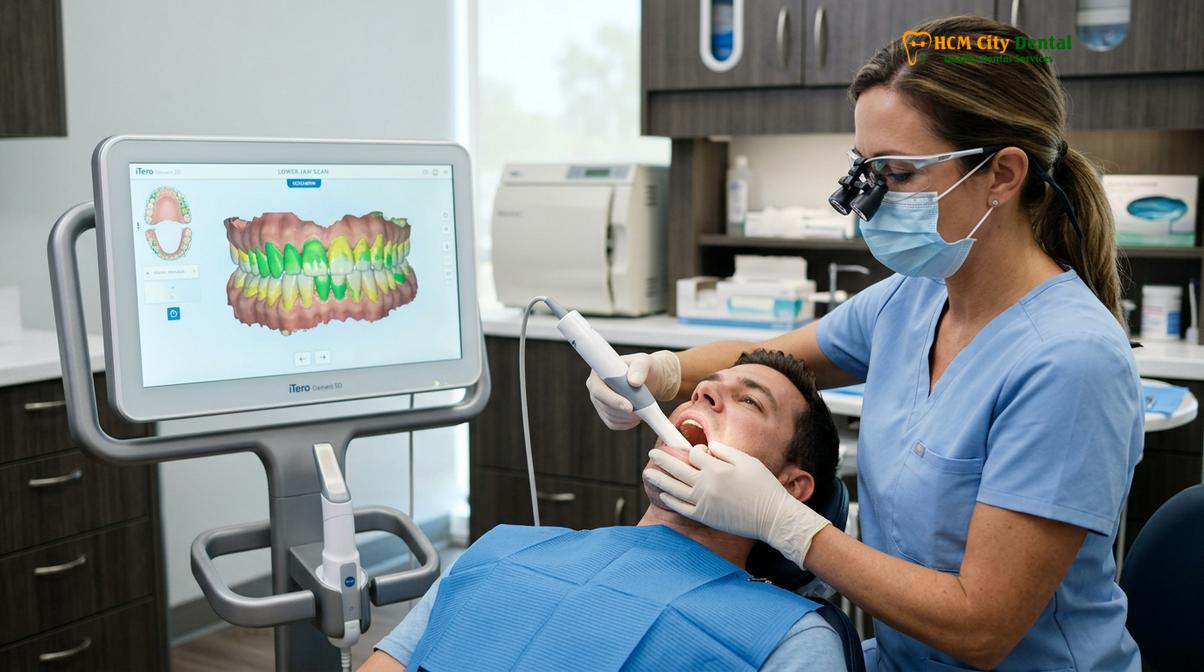
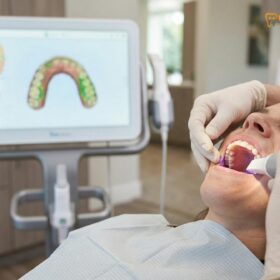
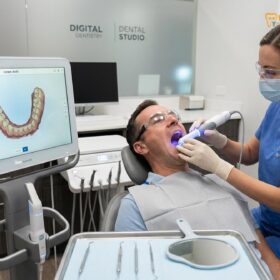
Modern aesthetic dentistry relies heavily on digital data acquisition. Clinics in Ho Chi Minh City utilize state-of-the-art iTero Element 5D and Medit i700 Intraoral Scanners. These devices capture highly accurate 3D topographies of the dentition, eliminating the need for uncomfortable traditional silicone impressions. Dr. Nguyen Van Cuong frequently emphasizes the clinical perspective on digital scan comfort, noting that digital impressions not only improve the patient experience but also provide the laboratory with micron-level accuracy, ensuring a flawless marginal fit for the final restorations.[1]
Direct Lab Partnerships and Material Certification
A significant advantage of seeking treatment in Vietnam is the direct lab partnership model. Leading clinics collaborate directly with advanced in-house or local laboratories equipped with CAD/CAM milling machines. This close relationship between the prosthodontist and the master ceramist allows for complete quality control, custom shade characterization, and an express 3-5 day turnaround. This rapid fabrication is specifically tailored for international patients, allowing a full smile makeover to be completed within a single vacation week.
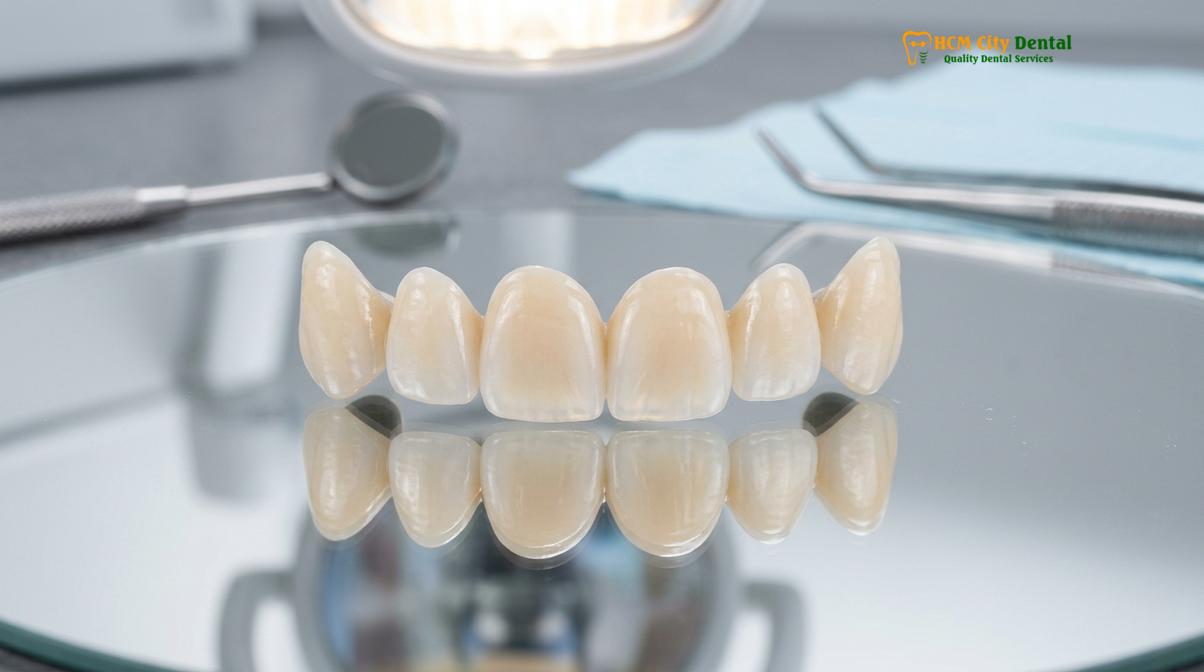
Material integrity is paramount in aesthetic dentistry. Reputable clinics use only authentic, certified materials imported from leading global manufacturers. For high-stress areas, patients with heavy bites, or those requiring the masking of severe tetracycline stains, Zirconia HT (Cercon HT, Germany) is often indicated due to its exceptional flexural strength. Conversely, for outstanding lifelike aesthetics in the anterior region, E.max (Ivoclar, Liechtenstein) lithium disilicate is the gold standard. E.max allows for precise shade mapping (such as achieving a natural VITA BL1 or B1 shade) and mimics the natural light transmission and translucency of human enamel.[2]
Transparent Pricing and Financial Advantages
The financial appeal of traveling for dental care is undeniable. By utilizing a cosmetic savings calculator, patients often discover that even after factoring in flights and accommodation, the total expenditure is significantly lower than domestic treatment. To provide clarity, clinics offer an all-inclusive quote prior to arrival. Furthermore, patients who book their consultations remotely can access substantial pre-arrival discounts.
Below is a detailed overview of the current pricing structure, highlighting the significant savings available through advanced booking channels:
| Treatment / Material | Standard Walk-in Fee (Estimated) | WhatsApp Pre-Booking Discount (-40%) |
|---|---|---|
| Composite Veneer (Chair-side) | ~$80 (2.0M VND) | From $48 (1.2M VND) |
| Zirconia Veneer (Cercon HT, Germany) | ~$240 (6.0M VND) | From $144 (3.6M VND) |
| E.max Porcelain Veneer (Ivoclar) | ~$320 (8.0M VND) | From $192 (4.8M VND) |
| Smile Design 3D Mock-up | ~$200 (5.0M VND) | From $120 (Free if treatment performed) |
| Laser Gum Contouring (Diode) per arch | ~$160 (4.0M VND) | From $96 (2.4M VND) |
| In-Office Teeth Whitening (Laser) | ~$140 (3.5M VND) | From $84 (2.1M VND) |
In addition to these highly competitive rates, many facilities offer 0% interest monthly credit card installment plans, making world-class aesthetic dentistry highly accessible. When comparing porcelain and composite materials, the long-term durability and color stability of ceramic options often justify the initial investment, especially given the reduced costs available in Vietnam.
For travel logistics and requirements, read our Full dental tourism planning guide.
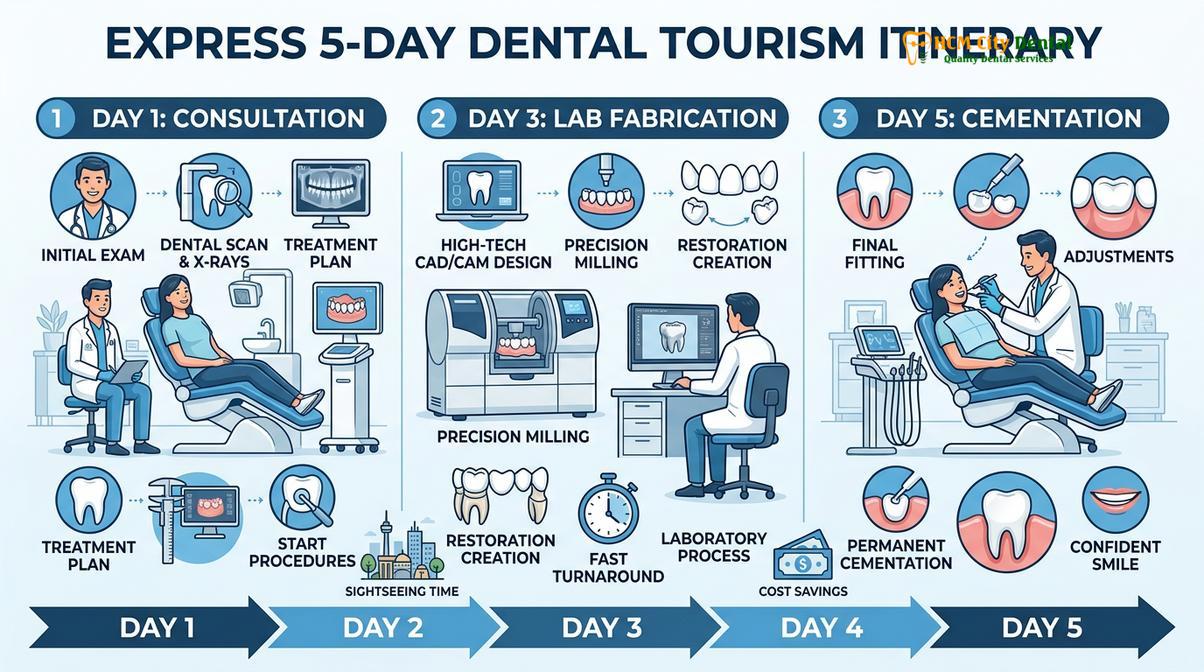
Step-by-Step Veneer Trip Itinerary: Day 1 to Day 7
A well-structured clinical itinerary allows international patients to complete comprehensive diagnostic, preparatory, and cementation phases within a single week without compromising biological principles.
Executing a flawless smile makeover requires meticulous planning and adherence to strict clinical protocols. The dental tourism itinerary is optimized to maximize clinical efficiency while allowing the patient ample time for recovery and relaxation. Understanding determining the optimal number of restorations is the first step in this highly coordinated process.
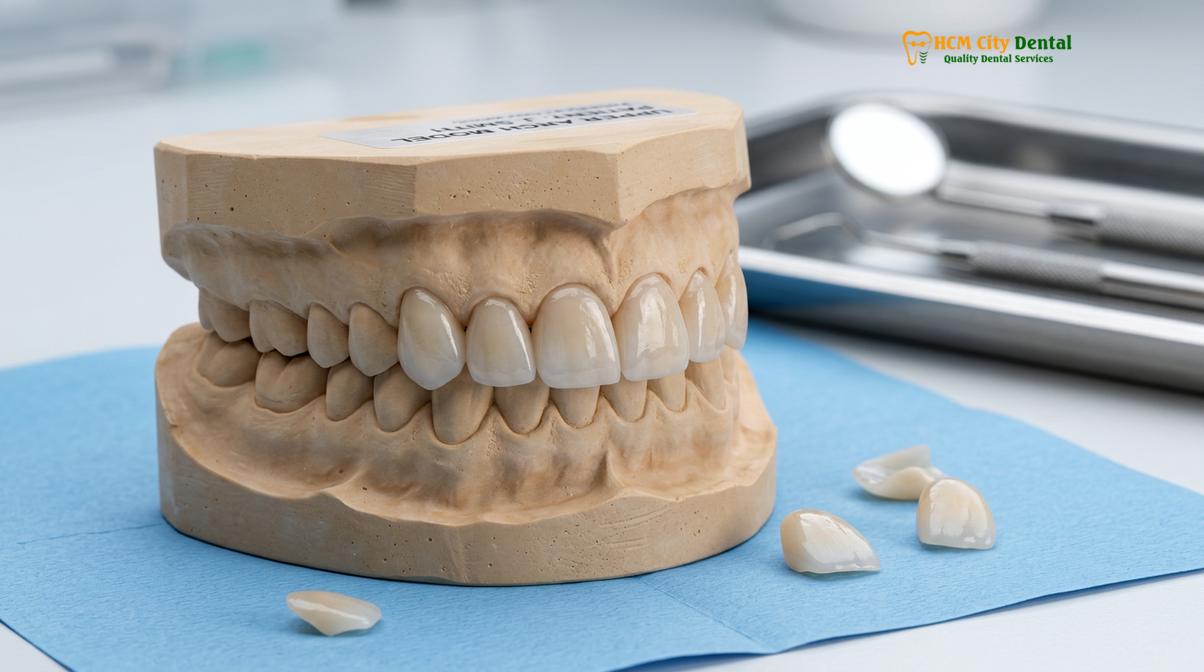
Day 1: Diagnostics, Digital Smile Design, and Preparation
The journey begins with a comprehensive clinical examination. The prosthodontist evaluates periodontal health, occlusal dynamics (bite alignment), and facial aesthetics. High-resolution intraoral scans and CBCT imaging (if necessary) are captured. Utilizing Digital Smile Design (DSD) software, the clinician calibrates the gingival zenith, evaluates the biological width, and designs a smile that harmonizes with the patient’s facial midline and interpupillary line.
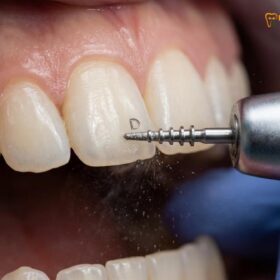
Once the design is approved via a 3D mock-up, the tooth preparation phase commences. Dr. Cuong advocates for a minimal-prep philosophy, emphasizing enamel preservation. Depending on the case, tooth preparation depth ranges from a conservative 0.3mm to 0.7mm. In highly specific cases involving microdontia or slight lingual inclination, prep-less Lumineers (0.2mm) may be utilized. Staying within the enamel layer is critical, as enamel provides a highly predictable and robust surface for adhesive bonding compared to dentin. Following preparation, temporary veneers are fabricated chair-side and temporarily cemented, protecting the teeth and providing an immediate aesthetic preview.
Day 2 to Day 3: Laboratory Fabrication and Quality Control
While the patient enjoys the city, the digital impressions are transmitted to the in-house laboratory. Here, CAD/CAM milling machines sculpt the restorations from solid blocks of lithium disilicate or zirconia. Master ceramists then hand-characterize each veneer, applying subtle translucent layers to mimic the natural optical properties of human teeth. This direct collaboration ensures that any specific requests regarding shade matching or surface texture are executed with absolute precision.[3]
Clinical Case Review: Express Smile Makeover
A 34-year-old patient from Australia visited HCMC Dental Clinic presenting with mild diastemas (gaps) and intrinsic tetracycline staining. Following a WhatsApp consultation, a 7-day itinerary was established. On Day 1, minimal preparation (0.5mm) was performed to preserve enamel while allowing enough thickness to mask the underlying discoloration. Ten E.max veneers (Shade BL1) were milled and hand-layered by Day 3. By Day 5, the restorations were permanently bonded using a strict isolation protocol. The patient received a custom nightguard on Day 6 and returned home with a fully restored, naturally translucent smile, having saved approximately 65% compared to domestic quotes.
Day 4 to Day 5: Try-in and Adhesive Cementation
The patient returns to the clinic for the try-in phase. The temporary veneers are carefully removed, and the final ceramic restorations are placed using a water-soluble try-in paste. This allows the patient and the clinician to evaluate the marginal fit, color, and overall aesthetics before permanent bonding.
The cementation protocol is the most technique-sensitive phase of the treatment. The teeth are isolated to prevent moisture contamination. The internal surfaces of the E.max veneers are etched with hydrofluoric acid and treated with a silane coupling agent to enhance chemical adhesion. The tooth enamel is etched with phosphoric acid, and a premium bonding agent is applied. The veneers are then seated with a light-cure resin cement. Excess cement is meticulously removed to respect the biological width and prevent iatrogenic gingival inflammation.[4]
Day 6 to Day 7: Final Occlusal Review and Warranty Delivery
A final follow-up appointment is scheduled to evaluate the gingival response and perform any minor occlusal (bite) adjustments. To protect the new restorations from sleep bruxism (teeth grinding), a custom nightguard is fabricated and delivered. Patients are provided with global manufacturer warranty cards, which typically include a 3-year clinic bonding and fit guarantee for E.max and Zirconia, and a 1-year guarantee for composite restorations. The clinic also establishes a protocol for remote follow-up support via WhatsApp, allowing for continuous photo and video assessment.
Visa Requirements and Flight Connections to Tan Son Nhat (SGN)
Navigating entry requirements and airport logistics is straightforward, ensuring a stress-free arrival for your medical vacation in Vietnam.
Planning the logistical aspects of your trip is just as important as the clinical preparation. A comprehensive Ho Chi Minh visa guide is essential for international travelers. Citizens of many countries, including the UK, certain European nations, and ASEAN members, enjoy visa exemptions for short stays (typically 15 to 30 days). For citizens of the US, Australia, Canada, and others, Vietnam offers a highly efficient e-Visa system. The e-Visa is applied for online, usually processes within 3 to 5 working days, and grants a single or multiple-entry stay of up to 90 days, providing more than enough time for any dental procedure.
When booking travel, you will look for flight connections saigon, officially landing at Tan Son Nhat International Airport (SGN). SGN is the largest and busiest airport in Vietnam, serving as a major hub with direct flights from numerous international cities, including Sydney, Melbourne, London, Paris, and major Asian transit hubs like Singapore, Bangkok, and Seoul. For North American travelers, convenient one-stop connections are widely available.
“Seamless logistical support, from airport transfers to accommodation guidance, is a critical component of modern medical tourism, reducing patient stress and improving overall treatment outcomes.” [5]
To ensure a smooth transition from the airport to your accommodation, premium clinics often arrange a complimentary airport pickup transfer. A dedicated driver meets you at the arrivals terminal, eliminating the stress of navigating local taxis or ride-sharing apps after a long international flight. This concierge-level service sets the tone for a highly organized and supportive medical journey.
Managing Your Treatment Around Sightseeing, Shopping, and Dining
Patients can comfortably explore the cultural and culinary highlights of the city while adhering to temporary dietary restrictions during the fabrication phase.
One of the primary appeals of a dental vacation is the opportunity to experience a new culture. Ho Chi Minh City is a dynamic metropolis blending historic French colonial architecture with modern skyscrapers. To maximize convenience, it is highly recommended to book accommodation among the many District 1 hotels. District 1 is the commercial and cultural heart of the city, placing you within walking distance of major attractions like the Ben Thanh Market, the Saigon Opera House, and the Nguyen Hue Walking Street. Crucially, most top-tier dental clinics are also located in or immediately adjacent to District 1, minimizing transit times for your appointments.
During the 2 to 3 days while your permanent veneers are being fabricated in the laboratory, you will be wearing temporary acrylic or bis-acryl restorations. While these temporaries look highly aesthetic, they are bonded with temporary cement and are not as robust as the final ceramics. Therefore, managing your diet is an important part of your trip.
Patients are advised to enjoy the incredible local cuisine with a few modifications. Soft foods such as traditional Pho (noodle soup), Banh Cuon (steamed rice rolls), and various seafood dishes are excellent choices. However, you must strictly avoid biting into hard foods (like crusty Banh Mi bread, apples, or ice) and sticky foods (like chewing gum or caramel) that could dislodge or fracture the temporaries.
“Maintaining a soft diet and avoiding excessive occlusal forces during the provisional phase prevents micro-leakage and ensures the health of the prepared enamel surface prior to final cementation.”
Once the final E.max or Zirconia restorations are permanently bonded, you can resume a normal diet, confident in the high flexural strength of the ceramics. Understanding the longevity of ceramic restorations helps patients appreciate the durability of their new smile once the final cementation is complete.
Checklist: What to Prepare Before Traveling for Dental Work
Proper pre-departure preparation, including gathering dental records and securing an all-inclusive quote, ensures a highly efficient and predictable clinical experience.
To ensure your treatment proceeds without delay, completing a thorough dental tourist checklist before boarding your flight is essential. The process begins with a remote consultation. Patients are encouraged to send clear, well-lit photographs of their current smile (front view, side views, and retracted views showing the bite) via WhatsApp or email. If you have recent panoramic X-rays or CBCT scans from your local dentist, forwarding these allows the prosthodontist in Vietnam to assess bone levels, root health, and identify any hidden pathologies.
Based on this digital assessment, the clinic will provide a comprehensive treatment plan and an all-inclusive quote. This transparency ensures there are no hidden fees upon arrival. The quote will detail the costs of the veneers, any necessary adjunctive treatments (such as laser gum contouring or minimally invasive aesthetic alternatives), and outline the payment schedule. Confirming your preferred payment method—whether utilizing international credit cards or arranging for 0% interest monthly credit card installment plans—should be finalized prior to departure.
Finally, ensure your passport has at least six months of validity remaining from your date of entry, secure your e-Visa if required, and confirm your airport pickup transfer details with the clinic’s international patient coordinator.
Clinical Considerations & When to See a Doctor
While aesthetic restorations offer transformative results, a thorough clinical evaluation is mandatory to rule out active periodontal disease or severe occlusal instability.
Aesthetic dentistry must always be built upon a foundation of optimal oral health. Porcelain veneers are highly predictable and durable, but they are not suitable for every clinical scenario. Before proceeding with cosmetic enhancements, the clinician must ensure that the supporting periodontal tissues (gums and bone) are completely healthy. Active gingivitis or periodontitis must be treated and stabilized prior to any restorative work, as inflamed gums can compromise the isolation required for adhesive bonding and alter the gingival margins.
Patients presenting with severe sleep bruxism (chronic teeth grinding) or significant malocclusion (bite misalignment) require careful evaluation. While high-strength materials like Zirconia HT can withstand significant occlusal forces, placing veneers on an unstable bite can lead to premature chipping or debonding. In such cases, orthodontic pre-alignment or differentiating between crowns and partial coverage restorations may be necessary. For patients with moderate bruxism, the fabrication and nightly use of a custom hard acrylic nightguard is an absolute clinical requirement to protect the investment.
Clinical Warning: Enamel Preservation
Aggressive tooth preparation that penetrates deep into the dentin layer significantly reduces the bond strength of porcelain veneers and increases the risk of post-operative sensitivity and pulpal inflammation. Patients should seek clinics that strictly adhere to minimal-prep or prep-less philosophies, utilizing magnification and digital depth gauges to ensure maximum enamel preservation. If a tooth requires extensive reduction due to severe decay or structural compromise, structural requirements for crowns versus veneers dictate that a full-coverage crown is the safer, more biologically sound option.
If you experience persistent pain, significant thermal sensitivity lasting more than a few weeks after cementation, or notice any changes in your bite alignment, it is crucial to contact your dental provider immediately. The remote follow-up support via WhatsApp provided by reputable clinics ensures that any post-operative concerns can be assessed promptly, and guidance can be provided regardless of your geographic location.
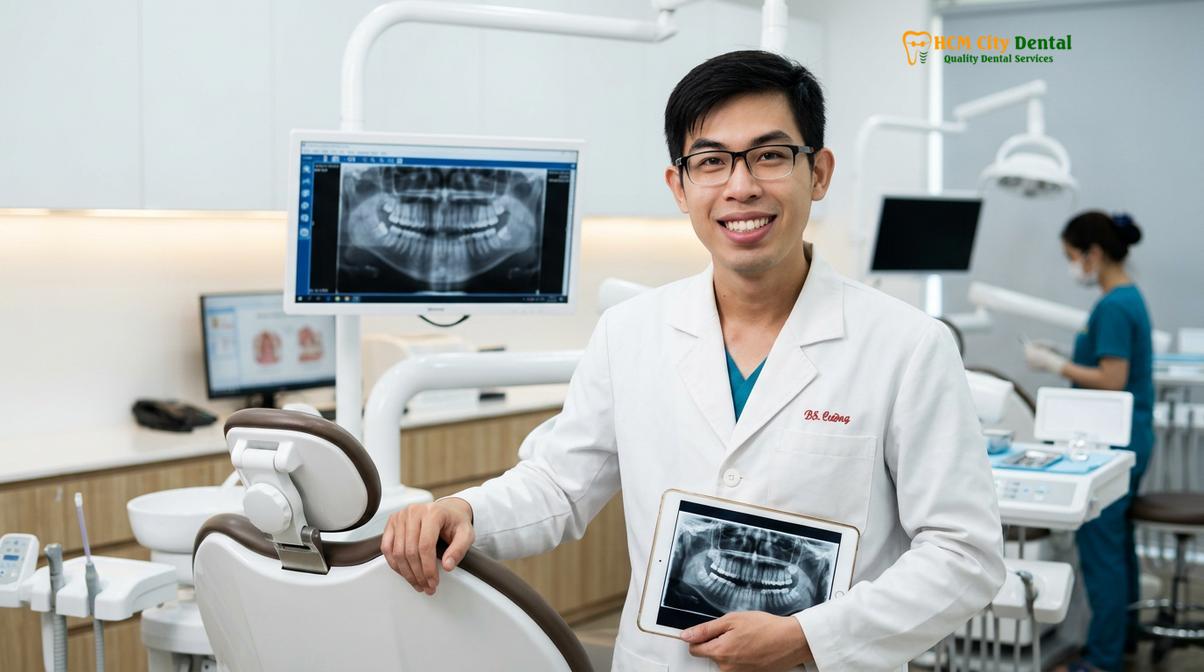
For international patients seeking a transformative, evidence-based approach to aesthetic dentistry, HCMC Dental Clinic in Ho Chi Minh City offers a seamless blend of advanced clinical expertise and dedicated patient care. By adhering to strict international protocols and utilizing premium materials, achieving a radiant, long-lasting smile is both highly predictable and accessible.
Frequently Asked Questions
How many days should I plan for a veneer trip to Vietnam?
International patients should plan for a 5 to 7-day stay to complete a comprehensive veneer treatment. This timeframe accommodates the initial digital scanning, the express 3-5 day laboratory fabrication turnaround, the meticulous cementation protocol, and a final occlusal review before departure. This ensures all clinical steps are performed without rushing the biological processes.
Can I travel and explore Ho Chi Minh City during treatment?
Yes, patients can comfortably explore the city during the laboratory fabrication phase. While wearing temporary veneers, you can enjoy sightseeing and cultural activities, provided you adhere to a soft diet and avoid excessively hard or sticky foods that might dislodge the provisional restorations. The clinic’s central location makes navigating the city highly convenient.
What payment methods should I bring for my dental trip?
Most major dental facilities accept international credit cards (Visa, Mastercard), cash in major currencies (USD, EUR, AUD), and local currency (VND). Additionally, many clinics offer 0% interest monthly credit card installment plans to help manage the financial aspects of your treatment. It is advisable to notify your bank of your travel plans to prevent any card blocks during large transactions.
Are the ceramic materials used in Vietnam the same as in my home country?
Yes, reputable clinics utilize authentic, globally certified materials imported directly from international manufacturers. This includes Ivoclar E.max (Liechtenstein) for highly translucent lithium disilicate restorations and Cercon HT Zirconia (Germany) for high-stress areas, ensuring identical material quality, biocompatibility, and longevity to what is offered in Western clinics.
Will my teeth need to be aggressively shaved down for veneers?
No, modern aesthetic dentistry prioritizes enamel preservation through minimal-preparation techniques. Depending on your clinical presentation, the prosthodontist will typically remove only 0.3mm to 0.7mm of enamel, and in some cases, prep-less options (0.2mm) are utilized to maximize bond strength and biological health. Aggressive reduction is avoided to prevent sensitivity and ensure long-term structural integrity.
References
- Journal of Esthetic and Restorative Dentistry. Translucency and flexural strength of lithium disilicate. (2021).
- International Journal of Prosthodontics. Enamel preservation and long-term bond strength in ceramic restorations. (2020).
- The Journal of Prosthetic Dentistry. Marginal adaptation and CAD/CAM milling precision. (2019).
- Clinical Oral Investigations. Diode laser gingival sculpting parameters and biological width. (2022).
- Journal of Clinical Periodontology. Periodontal response to subgingival restorative margins. (2018).