When choosing between veneers, crowns, and bonding, the decision hinges on the extent of tooth damage and your aesthetic goals. Veneers cover the front surface for cosmetic enhancement, crowns encase the entire tooth for structural repair, and bonding offers a quick, conservative fix for minor chips.
Clinical Summary:
Selecting the appropriate dental restoration requires a careful evaluation of remaining healthy tooth structure, bite alignment, and aesthetic objectives. Porcelain veneers provide durable, lifelike enhancements for the visible smile zone with minimal preparation. Dental crowns offer maximum 360-degree protection for severely compromised or root-canal-treated teeth. Composite bonding serves as a highly conservative, single-visit solution for localized imperfections. Advanced digital workflows, including intraoral scanning and precise material selection (such as lithium disilicate or zirconia), ensure optimal marginal fit, longevity, and biocompatibility for each specific clinical indication.
Key Takeaways:
- Veneers are ultra-thin ceramic shells designed to enhance the facial surface of anterior teeth while preserving natural enamel.
- Crowns provide full-coverage protection, restoring the strength and function of heavily decayed, fractured, or endodontically treated teeth.
- Composite bonding utilizes tooth-colored resin for immediate, minimally invasive repairs of minor chips, gaps, and localized discoloration.
- Material selection, such as E.max or Zirconia, dictates the restoration’s translucency, flexural strength, and long-term aesthetic stability.
- Digital smile design and intraoral scanning significantly improve treatment predictability, marginal adaptation, and overall patient comfort.
Structural Coverage: Front Surface vs. 360° Encasement vs. Spot Restoration
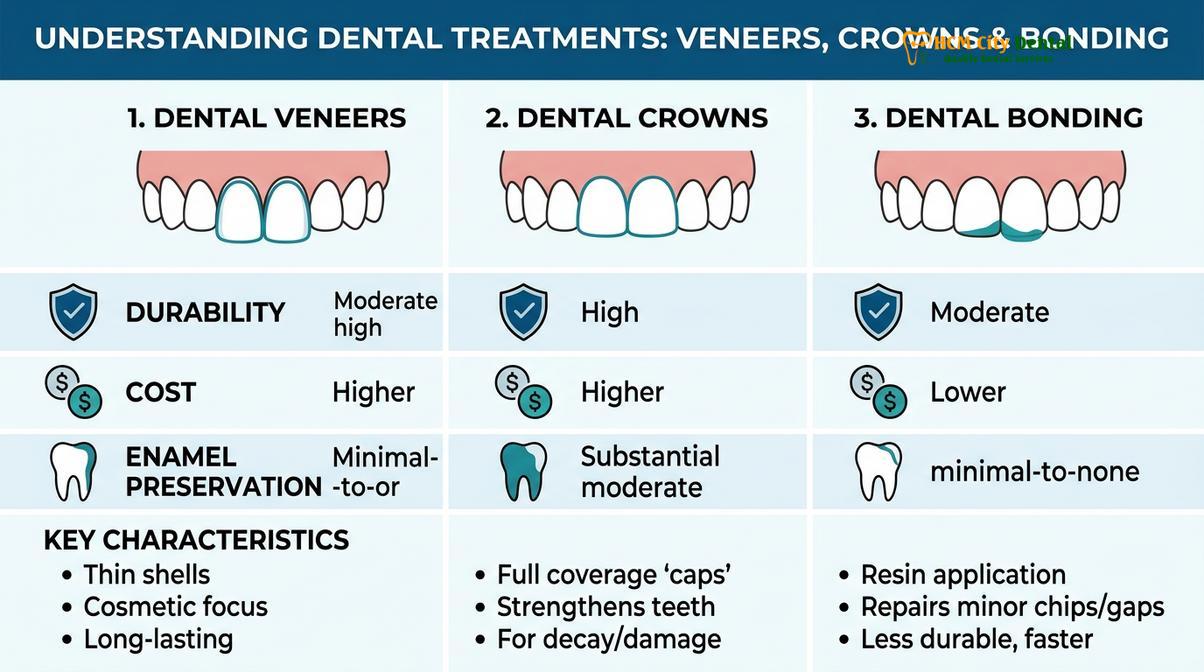
Veneers mask the facial surface, crowns provide complete circumferential protection, and bonding targets isolated defects. Understanding this structural distinction is the first step in restorative planning.
The fundamental difference between these three popular restorative treatments lies in how much of the natural tooth anatomy they replace or cover. When a patient presents with aesthetic or functional concerns, the initial clinical assessment focuses on the structural integrity of the existing dentition. The goal is always to utilize a tooth saving restoration whenever clinically viable, balancing the need for strength with the desire for conservative treatment.
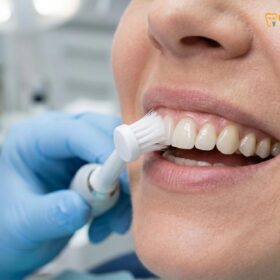
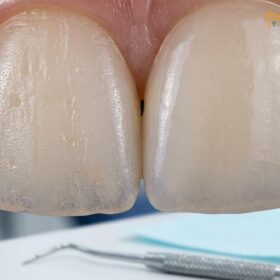
Porcelain veneers are meticulously crafted, ultra-thin ceramic shells that are bonded exclusively to the facial (front) surface of the teeth, occasionally wrapping slightly over the incisal edge. They are designed to alter the color, shape, length, or alignment of teeth within the aesthetic zone. Advanced variations, such as ultra-thin contact lens veneers, require microscopic preparation, allowing the restoration to blend seamlessly with the natural gingival contours. Because they rely heavily on the underlying tooth for support, veneers are indicated primarily for teeth that are structurally sound but cosmetically flawed[1].
In contrast, a full dental crown is a comprehensive restoration that encases the entire visible portion of the tooth above the gum line. This 360-degree encasement acts as a protective helmet, absorbing and distributing occlusal (biting) forces. Crowns are structurally necessary when a tooth has suffered extensive decay, severe fractures, or has undergone root canal therapy, which inherently weakens the tooth structure. The circumferential coverage ensures that the remaining tooth is protected from further catastrophic failure.
Composite bonding represents the most localized approach. Instead of fabricating a separate prosthetic piece in a laboratory, a skilled clinician applies a pliable, tooth-colored composite resin directly to the specific area of the tooth that requires repair. This spot restoration is sculpted freehand to rebuild a chipped edge, close a minor diastema (gap), or mask a localized stain. Because the material is applied only where needed, it respects the natural dentin-enamel junction (DEJ) and rarely requires the removal of healthy tissue.
To understand how full coverage restorations work, Learn more about dental crowns and bridges.
Conservative Dentistry: Comparison of Tooth Structure Conservation
Preserving natural tooth structure is a primary goal in modern dentistry, making the choice of preparation depth a critical clinical consideration for long-term success.
The paradigm of modern restorative dentistry is heavily skewed toward minimally invasive preparation. The more natural tooth structure a clinician can preserve, the better the long-term prognosis for the tooth’s vitality and structural integrity. The amount of enamel and dentin removed varies drastically among veneers, crowns, and bonding.
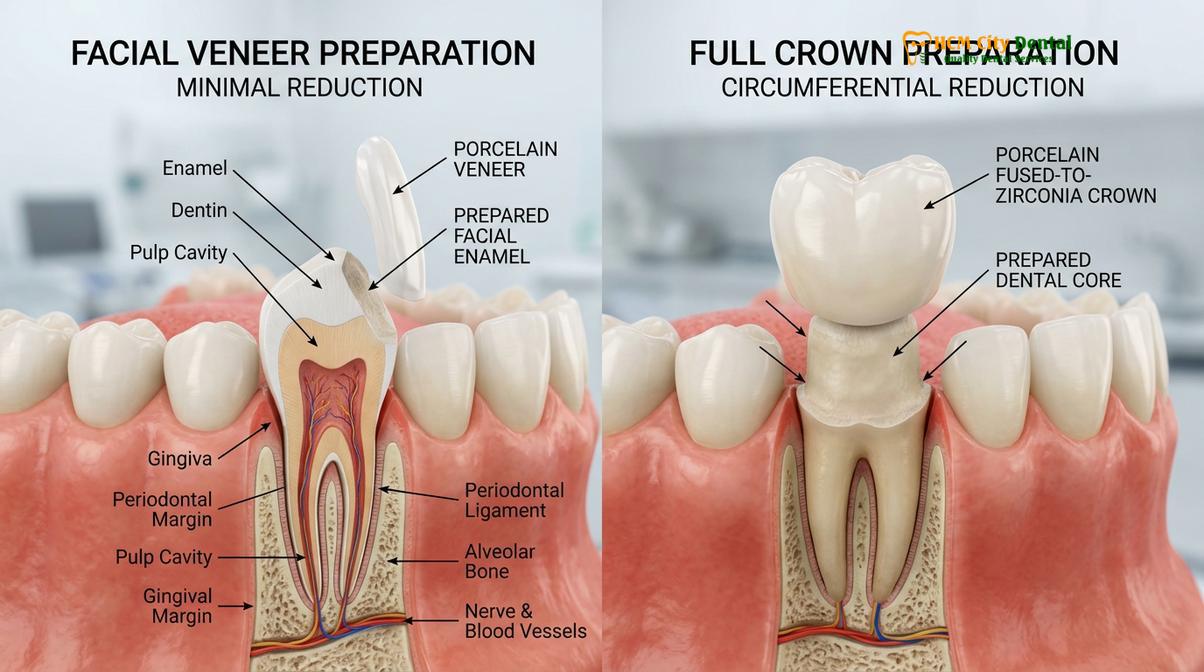
For porcelain veneers, the preparation is highly conservative. A clinician typically uses a specialized enamel depth-cutter bur to remove a mere 0.3mm to 0.7mm of the facial enamel. In some highly selected cases, prep-less options (such as Lumineers, which are approximately 0.2mm thick) can be utilized, requiring virtually no enamel removal. The critical objective during veneer preparation is to keep the preparation entirely within the enamel layer. Enamel provides a vastly superior bonding surface compared to dentin, ensuring a strong, predictable, and long-lasting adhesive bond[2].
“The paradigm of modern prosthodontics dictates that we must preserve as much healthy enamel as possible, utilizing advanced adhesive technologies to maximize bond strength while minimizing the biological cost to the patient.”
Conversely, preparing a tooth for a crown requires significant circumferential reduction. To accommodate the thickness of the restorative material—whether it be porcelain, zirconia, or metal—and to ensure the crown has adequate bulk for strength, the dentist must remove between 1.5mm and 2.0mm of tooth structure from all sides and the biting surface. This extensive reduction often exposes the dentin and brings the preparation closer to the dental pulp (nerve), which can occasionally result in transient postoperative sensitivity.
Composite bonding is the champion of tissue conservation. In most scenarios, the tooth requires zero reduction. The surface is simply micro-etched with a mild conditioning gel to create microscopic pores, allowing the resin to interlock mechanically and chemically with the enamel. This makes bonding a highly attractive option for younger patients or those seeking reversible cosmetic enhancements.
Primary Indications: Aesthetic Fixes vs. Functional Damage vs. Minor Chips
Clinical indications dictate the treatment modality; cosmetic enhancements favor veneers, structural compromises necessitate crowns, and minor localized defects are ideal for bonding.
Selecting the correct procedure is not merely a matter of patient preference; it is a clinical decision based on specific diagnostic criteria. A thorough examination, often involving digital radiographs and 3D intraoral scanning, is required to determine the most appropriate path forward.
Veneers are the gold standard for comprehensive smile makeovers. They are the treatment of choice for correcting intrinsic discoloration that does not respond to traditional whitening (such as tetracycline stains), closing multiple diastemas, masking mild to moderate crowding without orthodontic intervention, and restoring teeth that are worn down due to age or mild attrition. During the fabrication period, patients are fitted with provisional restorations, which serve as a functional and aesthetic blueprint for the final ceramic pieces.
Clinical Case Review: Comprehensive Smile Rehabilitation
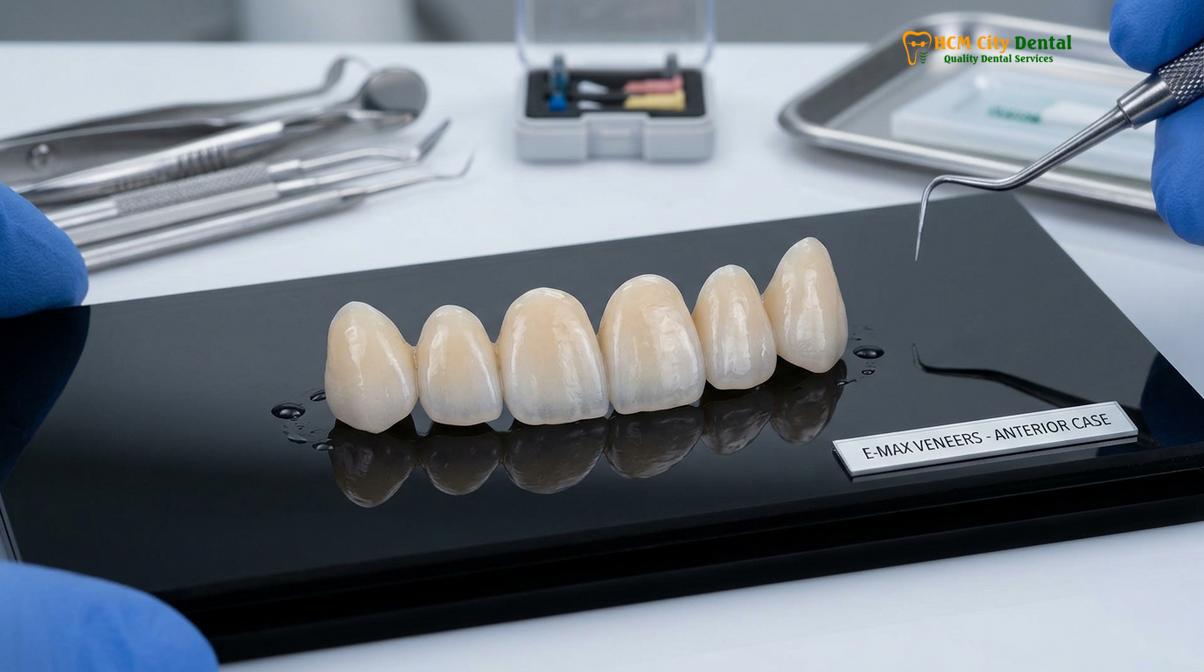
A patient visited HCMC Dental Clinic in Ho Chi Minh City presenting with a combination of severe enamel wear on the anterior teeth and fractured old amalgam fillings on the posterior molars. After a detailed digital smile design assessment, Dr. Nguyen Van Cuong developed a hybrid treatment plan. The posterior teeth, which bear the brunt of masticatory forces, were restored with high-strength zirconia crowns. The anterior teeth, requiring meticulous aesthetic detailing, were treated with minimal-prep E.max porcelain veneers. This strategic combination restored both optimal bite function and a harmonious, natural-looking smile.
Crowns are indicated when the structural integrity of the tooth is fundamentally compromised. If a tooth has a fracture line extending near the gum line, a cavity that consumes more than half the width of the tooth, or has become brittle following endodontic (root canal) therapy, a crown is mandatory. By evaluating the differences between a dental crown and a veneer, clinicians can ensure that teeth subjected to heavy occlusal loads receive the necessary full-coverage protection to prevent catastrophic splitting.
Composite bonding is best suited for minor, localized aesthetic corrections. It is frequently used to repair a single chipped incisor following minor trauma, to reshape a peg lateral (an abnormally small tooth), or to cover an isolated white spot lesion. Because the application requires meticulous moisture control, clinicians often utilize rubber dam isolation to ensure the bonding area remains completely free of saliva and crevicular fluid, which is critical for the longevity of the resin bond.
Cost-Benefit Analysis: Lifespan, Upfront Fees, and Replacement Costs
Evaluating the long-term value of dental restorations involves balancing initial financial investment against expected longevity, material durability, and maintenance requirements.
Understanding the financial implications and the expected lifespan of each treatment is crucial for making an informed decision. At HCMC Dental Clinic, we prioritize transparency in our pricing structure, offering significant advantages for international patients and dental tourists through our direct lab partnerships and streamlined digital workflows.
Porcelain restorations (both veneers and crowns) represent a higher initial investment but offer superior longevity and aesthetic stability. High-quality ceramics are highly resistant to extrinsic staining from coffee, tea, and red wine. With excellent oral hygiene, these restorations routinely last 10 to 15 years, and often much longer. Composite bonding, while highly cost-effective upfront, is more porous and susceptible to staining and chipping over time, typically requiring polishing, repair, or replacement every 5 to 7 years[3].
To accommodate our international clientele, we utilize an Express 3-5 Day Turnaround protocol. By partnering directly with a leading dental laboratory in Ho Chi Minh City, our prosthodontists collaborate closely with master ceramists to design, mill, characterize, and fit custom restorations within a single week. Furthermore, patients who book their consultations remotely via WhatsApp can access a specialized pricing tier, offering a 40% discount on standard walk-in rates.
| Treatment Modality | Standard Walk-in Price (Est.) | WhatsApp Booking (-40%) | Expected Lifespan | Clinic Warranty |
|---|---|---|---|---|
| Composite Veneer / Bonding (Chair-side) | ~$80 (2.0M VND) | From $48 (1.2M VND) | 5 – 7 Years | 1-Year Guarantee |
| Zirconia Veneer / Crown (Cercon HT, Germany) | ~$240 (6.0M VND) | From $144 (3.6M VND) | 15+ Years | 3-Year Guarantee |
| E.max Porcelain Veneer (Ivoclar, Liechtenstein) | ~$320 (8.0M VND) | From $192 (4.8M VND) | 10 – 15 Years | 3-Year Guarantee |
| Smile Design 3D Mock-up | ~$200 (5.0M VND) | From $120 (Free if treated) | N/A (Diagnostic) | N/A |
| Laser Gum Contouring (Diode) per arch | ~$160 (4.0M VND) | From $96 (2.4M VND) | Permanent | N/A |
In addition to competitive pricing, we provide global manufacturer warranty cards and remote follow-up support via WhatsApp, utilizing structured photo and video assessment protocols. For patients requiring extensive rehabilitation, 0% interest monthly credit card installment plans are available to make comprehensive care accessible.
Choosing the Right Option Based on Clinical Integrity
The final restorative decision relies on a comprehensive clinical assessment, integrating material science, bite dynamics, and precise adhesive protocols to ensure lasting success.
The success of any cosmetic or restorative dental procedure is deeply rooted in the selection of authentic, certified materials and the precision of the clinical execution. At our facility, we exclusively utilize premium materials from globally recognized manufacturers. For areas subjected to high occlusal stress, or for patients with a history of grinding, high-strength zirconia restorations (such as Cercon HT from Germany) provide unparalleled fracture resistance.
For the anterior aesthetic zone, where light transmission and lifelike vitality are paramount, lithium disilicate glass-ceramic (E.max by Ivoclar, Liechtenstein) is the material of choice. E.max allows for outstanding translucency matching and custom shade mapping. Whether a patient desires a natural B1 shade or a bright, Hollywood-style VITA BL1 translucent shade, the ceramic can be characterized to mimic the natural opalescence and fluorescence of human enamel.
“Aesthetic durability is not merely about the initial shade match; it is the result of meticulous material selection, precise marginal adaptation, and rigorous moisture control during the final cementation phase.”
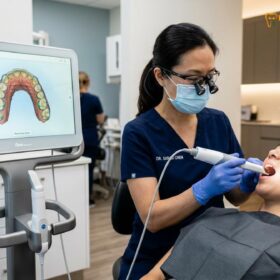
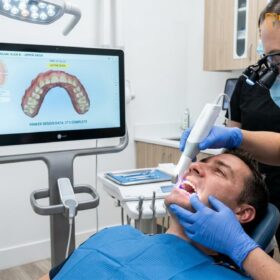
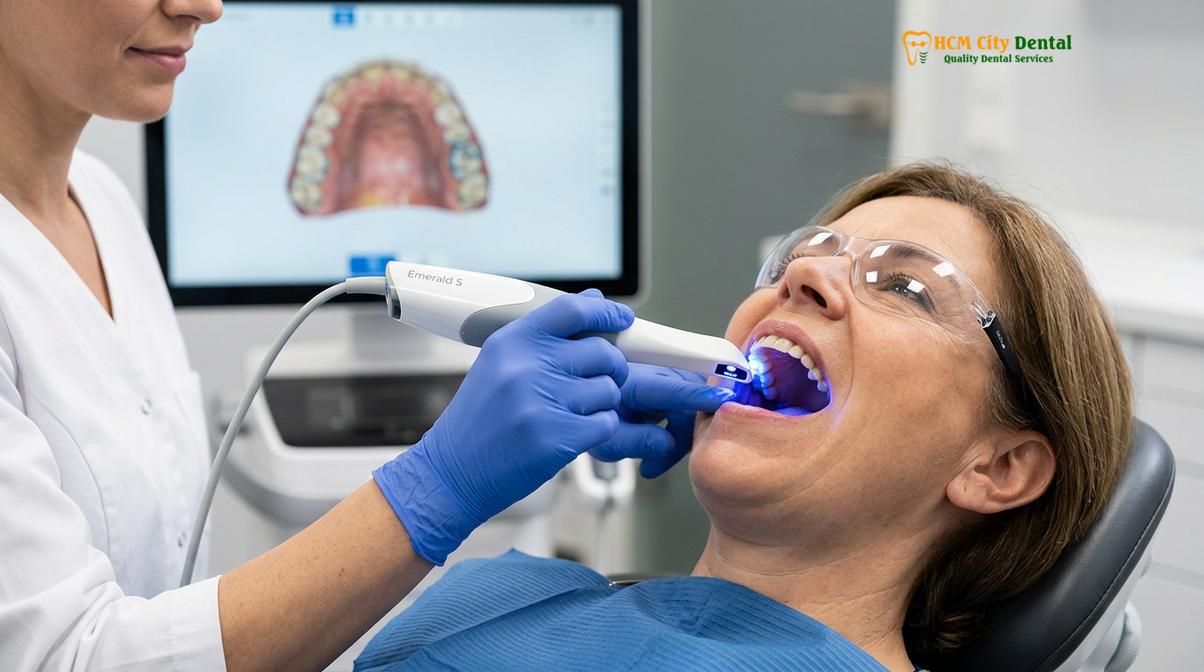
The integration of state-of-the-art digital scanning technology, specifically the iTero Element 5D and Medit i700 Intraoral Scanners, has revolutionized the patient experience. These devices eliminate the need for messy, uncomfortable traditional silicone impressions. They capture highly accurate 3D models of the dentition, allowing for precise calibration of the biological width and gingival zenith during the Digital Smile Design (DSD) process. This digital precision ensures that the final restorations exhibit an impeccable marginal fit, reducing the risk of microleakage and secondary decay.
Clinical Warning: Sleep Bruxism and Restorations
Patients who suffer from nocturnal bruxism (teeth grinding or clenching) place immense stress on their dentition. Regardless of whether you choose porcelain veneers, zirconia crowns, or composite bonding, the excessive forces generated during sleep can lead to chipping, debonding, or catastrophic fracture of the restorative material. It is clinically imperative that bruxism patients are fitted with a custom, hard-acrylic nightguard to protect their investment and ensure the long-term survival of their restorations.
The final, and arguably most critical, step in the veneer or crown workflow is the cementation phase. A strict adhesive bonding protocol must be followed. The internal surface of the ceramic is treated with hydrofluoric acid and silane coupling agents, while the tooth surface is etched and primed. This creates a micromechanical and chemical bond that essentially fuses the ceramic to the tooth, providing exceptional strength and aesthetic durability.
When to See a Doctor
While cosmetic enhancements can dramatically improve self-confidence, they must be built upon a foundation of excellent oral health. It is crucial to schedule a comprehensive clinical examination before committing to any restorative procedure. A qualified prosthodontist or cosmetic dentist will evaluate your periodontal health, occlusal dynamics, and the structural integrity of your teeth.
You should seek professional consultation if you experience persistent tooth sensitivity, notice visible cracks or deep discoloration, or if old fillings are beginning to fail. Furthermore, active periodontal disease (gum disease) or untreated dental caries (cavities) are strict contraindications for elective cosmetic procedures like veneers or bonding. These underlying infections must be fully resolved to ensure the biological width is respected and the gingival tissues are stable before any final impressions are taken[4].
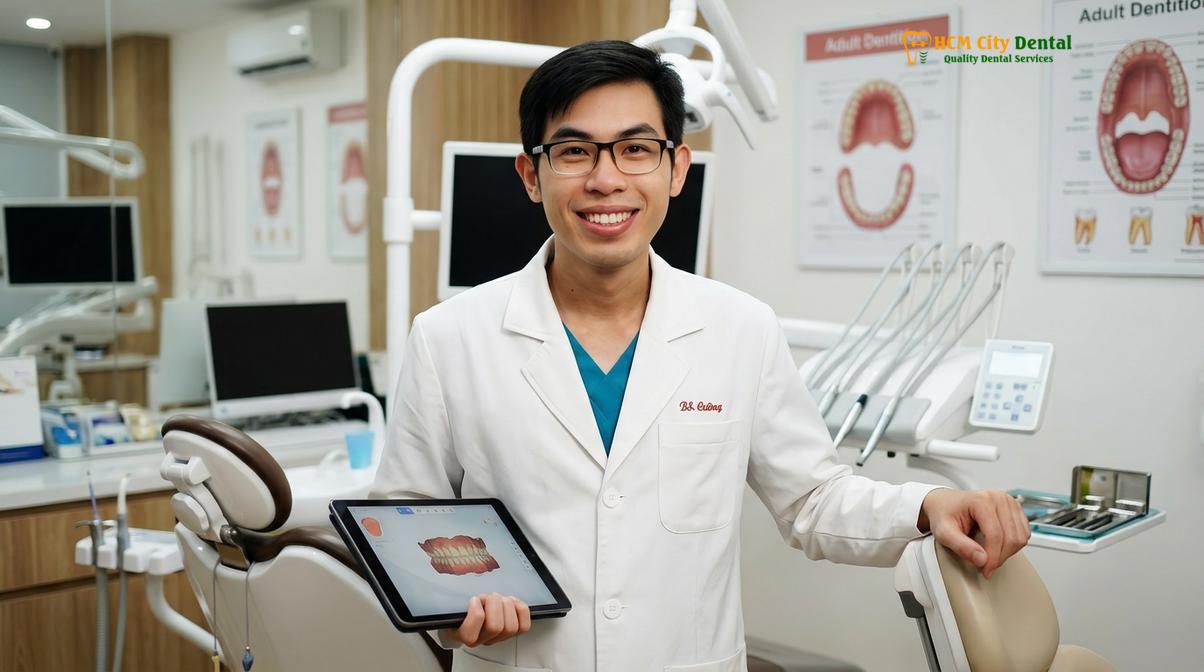
During your consultation with Dr. Nguyen Van Cuong at HCMC Dental Clinic, a personalized diagnostic approach will be utilized. Through advanced imaging and digital smile mock-ups, you will be able to visualize potential outcomes and discuss the specific benefits and limitations of veneers, crowns, and bonding as they apply to your unique clinical presentation[5]. This evidence-based approach ensures that your final treatment plan aligns with both your aesthetic desires and your long-term oral health requirements.
Frequently Asked Questions
What is the difference between a dental crown and a veneer?
A veneer covers only the front surface of a tooth for cosmetic enhancement, while a crown encases the entire tooth structure to restore strength and function. The choice depends on the amount of healthy enamel remaining and the specific clinical objective. Veneers are ideal for aesthetic upgrades on healthy teeth, whereas crowns are necessary for teeth compromised by extensive decay, large fractures, or root canal therapy.
Is bonding cheaper than veneers?
Yes, composite bonding is significantly more affordable than porcelain veneers because it is a direct, single-visit procedure that does not require laboratory fabrication. However, bonding has a shorter lifespan and is more susceptible to staining over time. While the upfront cost is lower, patients should factor in the potential need for more frequent touch-ups or replacements compared to durable ceramic options.
Which option preserves the most enamel?
Composite bonding preserves the most enamel, often requiring zero tooth reduction, followed closely by minimal-prep veneers. Dental crowns require the most extensive enamel removal to accommodate the thickness of the restorative material. Modern adhesive dentistry prioritizes tissue conservation, making bonding and ultra-thin veneers the preferred choices whenever structurally viable.
How long do porcelain veneers typically last?
With proper oral hygiene and routine professional care, high-quality porcelain veneers can last between 10 to 15 years, and sometimes longer. Their longevity depends heavily on the patient’s bite dynamics, dietary habits, and adherence to wearing a nightguard if bruxism is present. Unlike natural enamel, porcelain does not decay, but the underlying tooth remains vulnerable, making excellent home care essential.
Can I switch from composite bonding to porcelain veneers later?
Yes, patients frequently upgrade from composite bonding to porcelain veneers for enhanced durability and superior aesthetics. The transition requires a comprehensive clinical evaluation to ensure the underlying tooth structure and gingival health can support the new ceramic restorations. The old composite material is carefully removed, and the tooth is then minimally prepared to receive the custom porcelain veneer.
References
- Journal of Esthetic and Restorative Dentistry. Translucency of lithium disilicate. (2021).
- International Journal of Prosthodontics. Enamel preservation and bond strength. (2020).
- The Journal of Prosthetic Dentistry. Flexural strength of porcelain restorations. (2019).
- Clinical Oral Investigations. Diode laser gingival sculpting parameters. (2022).
- Journal of Clinical Periodontology. Biological width around restorations. (2018).
For customized Digital Smile Design (DSD), material options, or to book a free smile assessment with Dr. Cuong, visit our Porcelain Veneers & Smile Makeover service page at HCMC Dental Clinic in Ho Chi Minh City.