The cost of porcelain veneers in Vietnam is typically 70% to 80% lower than in the USA, averaging $192 to $320 per tooth compared to $1,500 to $2,500 stateside. This significant price difference allows international patients to achieve premium smile makeovers while utilizing world-class, certified dental materials.
Clinical Summary:
Comparing veneers cost vietnam vs usa reveals a profound economic advantage for international patients seeking aesthetic restorations. By leveraging advanced digital dentistry, including iTero Element 5D scanners and direct laboratory partnerships, clinics in Ho Chi Minh City deliver authentic E.max and Zirconia veneers at a fraction of North American fees. Treatment protocols strictly adhere to international standards, prioritizing minimal-prep enamel preservation, precise gingival zenith calibration, and long-term structural integrity.
Key Takeaways:
- Patients save up to 80% on full smile makeovers compared to standard US and Canadian dental fees.
- Authentic materials like Ivoclar E.max and Cercon HT Zirconia are standard, ensuring global quality compliance.
- Digital Smile Design (DSD) and intraoral scanning eliminate messy impressions and enhance marginal fit accuracy.
- Express 3-5 day turnaround times cater specifically to international dental tourists.
- Comprehensive warranties and remote follow-up protocols provide long-term peace of mind.
The Cosmetic Dental Price Crisis in the US and Canada
Skyrocketing overhead, exorbitant laboratory fees, and a lack of insurance coverage in North America have made cosmetic dentistry financially inaccessible for many patients.
The landscape of aesthetic dentistry in North America is currently defined by prohibitive pricing structures. Because elective cosmetic procedures are rarely covered by standard dental insurance policies, patients are forced to bear the entire financial burden out-of-pocket. When a patient visits a cosmetic dentist canada or the United States, they are not merely paying for the ceramic material; they are absorbing the clinic’s massive operational overhead, malpractice insurance premiums, and domestic laboratory fabrication costs.
Furthermore, the domestic supply chain for custom dental prosthetics involves multiple intermediaries. A single lithium disilicate restoration requires the expertise of a highly paid local ceramist, driving the baseline cost of production to levels that make full-arch rehabilitations unfeasible for the average consumer. This economic reality has catalyzed the exponential growth of cross-border healthcare, with patients actively seeking out affordable porcelain veneer packages in Southeast Asia. By bypassing the inflated domestic market, individuals can access identical clinical outcomes without the associated financial distress.
Reference Fee Comparison: American Academy of Cosmetic Dentistry (AACD) vs. HCMC Dental
A direct fee comparison demonstrates that patients can access identical premium ceramic materials in Vietnam for a fraction of the AACD benchmark costs.
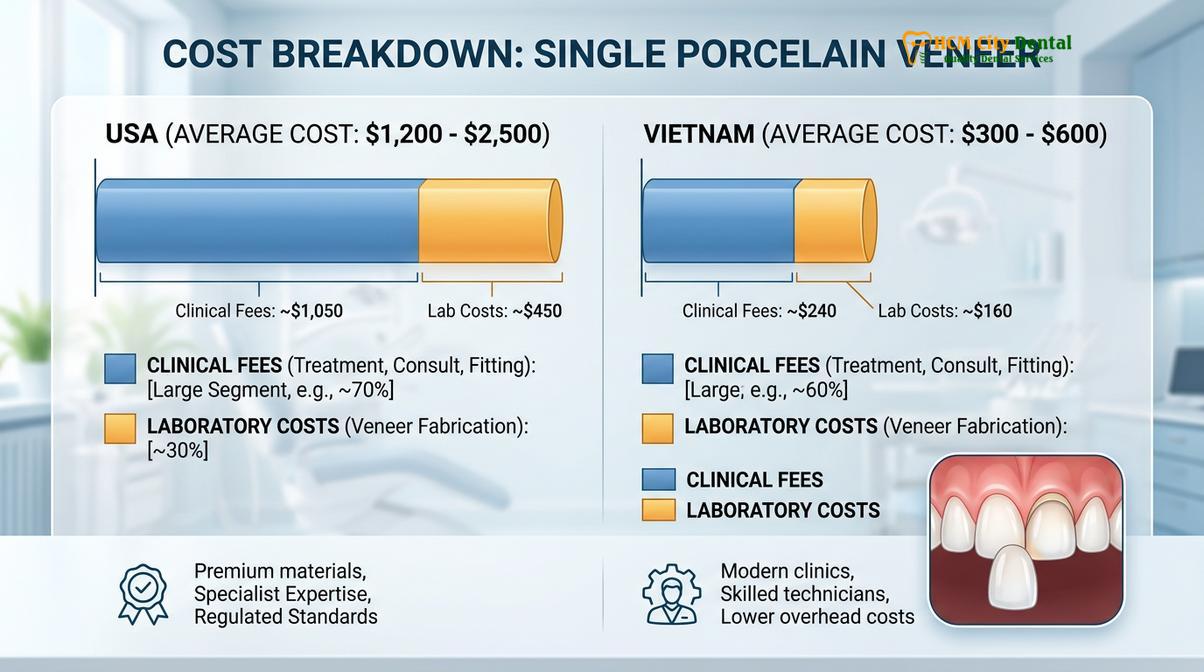
To understand the magnitude of the price disparity, one must examine the benchmark data. According to industry averages and reports aligned with the American Academy of Cosmetic Dentistry (AACD), the standard dental fees USA for a single porcelain veneer range from $1,500 to $2,500. In stark contrast, elite facilities in Vietnam offer the exact same certified materials at a fraction of the cost, driven by optimized operational efficiency rather than a reduction in clinical quality.
At HCMC Dental Clinic, the pricing structure is highly transparent, offering significant incentives for international patients who book their treatments in advance. By utilizing a direct booking channel, patients can secure a comprehensive 40% pre-arrival discount, making the financial proposition even more compelling.
| Treatment / Material | Standard Walk-in Fee (Estimated) | WhatsApp Pre-Booking Discount (-40%) |
|---|---|---|
| Composite Veneer (Chair-side) | ~$80 (2.0M VND) | From $48 (1.2M VND) |
| Zirconia Veneer (Cercon HT, Germany) | ~$240 (6.0M VND) | From $144 (3.6M VND) |
| E.max Porcelain Veneer (Ivoclar, Liechtenstein) | ~$320 (8.0M VND) | From $192 (4.8M VND) |
| Smile Design 3D Mock-up | ~$200 (5.0M VND) | From $120 (3.0M VND) *Free if treatment is performed |
| Laser Gum Contouring (Diode Laser) | ~$160 (4.0M VND) per arch | From $96 (2.4M VND) per arch |
| In-Office Teeth Whitening (Laser) | ~$140 (3.5M VND) | From $84 (2.1M VND) |
This transparent fee schedule highlights the profound economic advantage of seeking custom porcelain veneers abroad. The savings are not derived from inferior materials, but rather from a streamlined healthcare ecosystem that prioritizes patient accessibility.
Savings Breakdown: Single Tooth to Full Smile Makeover Packages
Scaling from a single restoration to a full arch dramatically multiplies the financial benefits, easily offsetting all associated travel expenses.
While saving over $1,000 on a single tooth is notable, the true financial power of this model is realized during comprehensive smile makeovers. A standard aesthetic rehabilitation typically involves 8 to 10 teeth per arch to ensure a broad, uniform smile line. In the United States, a 10-unit E.max case would conservatively cost $20,000. Utilizing a cosmetic savings calculator for the same treatment in Vietnam reveals a total clinical fee of approximately $1,920 (based on the discounted E.max rate).
This represents a gross savings of over $18,000. Even when factoring in the cost of premium long-haul flights, luxury accommodations, and local transportation, the net savings remain overwhelmingly positive. This economic efficiency allows patients to upgrade their treatment scope—perhaps adding laser gum contouring or addressing the lower arch—while still spending significantly less than they would for a partial treatment at home. When determining how many veneers are required, patients are no longer restricted by prohibitive per-unit costs, allowing the prosthodontist to design the smile based purely on aesthetic and functional ideals.
“The economic efficiency of cross-border dental care is not achieved by compromising material quality, but rather through optimized operational overhead and direct laboratory integration, allowing patients to access world-class ceramics without financial distress.”
Airfare, Accommodation, and Treatment Budgeting
Strategic planning of flights, lodging, and clinical fees ensures a seamless and highly cost-effective medical travel experience.
Executing a successful medical journey requires careful management of the dental travel budget. Fortunately, the infrastructure supporting dental tourism HCMC is highly developed. International flights to Tan Son Nhat International Airport (SGN) from major North American hubs are frequent and increasingly affordable. Upon arrival, many premium clinics facilitate a stress-free transition by providing a complimentary airport pickup transfer directly to the patient’s accommodation.
For optimal convenience, patients are advised to book District 1 hotels. This central location places them within walking distance or a short drive of top-tier dental facilities, alongside world-class dining and cultural attractions. To further streamline the financial process, reputable clinics provide an all-inclusive quote prior to travel, ensuring there are no hidden fees or unexpected surcharges upon arrival. Additionally, to assist with cash flow management, many facilities offer an international credit card installment plan with 0% interest, allowing patients to distribute their payments comfortably.
Clinical Standards: ISO Regulations and Lab Credentials in Vietnam
Top-tier clinics in Vietnam operate under strict ISO guidelines, utilizing authentic, globally certified ceramics and state-of-the-art digital fabrication.
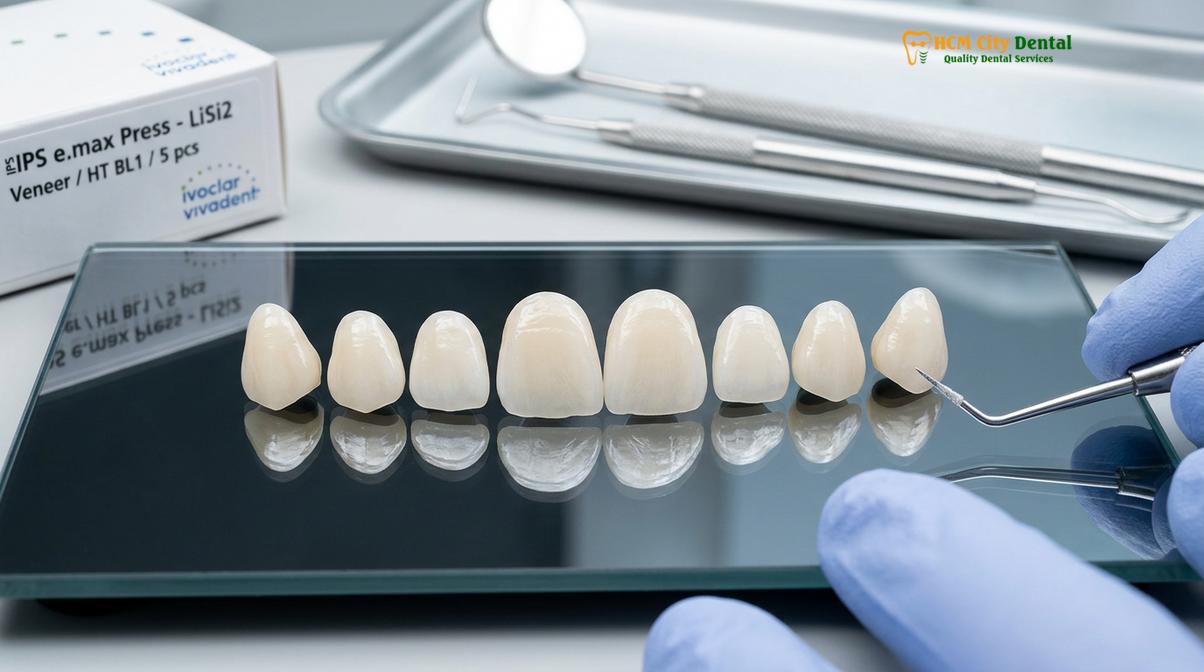
A common misconception regarding cross-border healthcare is the assumption of relaxed clinical standards. In reality, elite dental centers in Ho Chi Minh City operate under rigorous international protocols. They exclusively utilize FDA approved ceramics and materials that carry CE marking for the European market. This ensures that every restoration meets the highest global standards for biocompatibility, flexural strength, and aesthetic longevity [1].
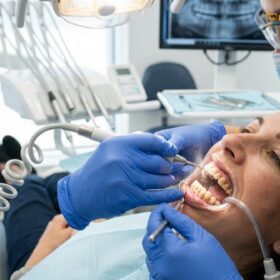
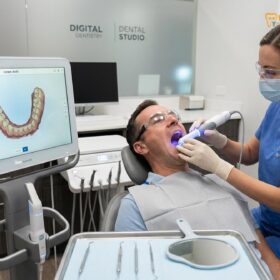
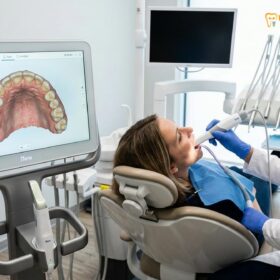
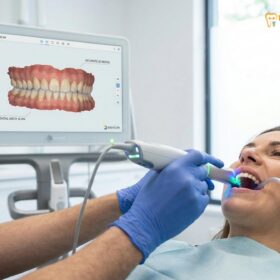
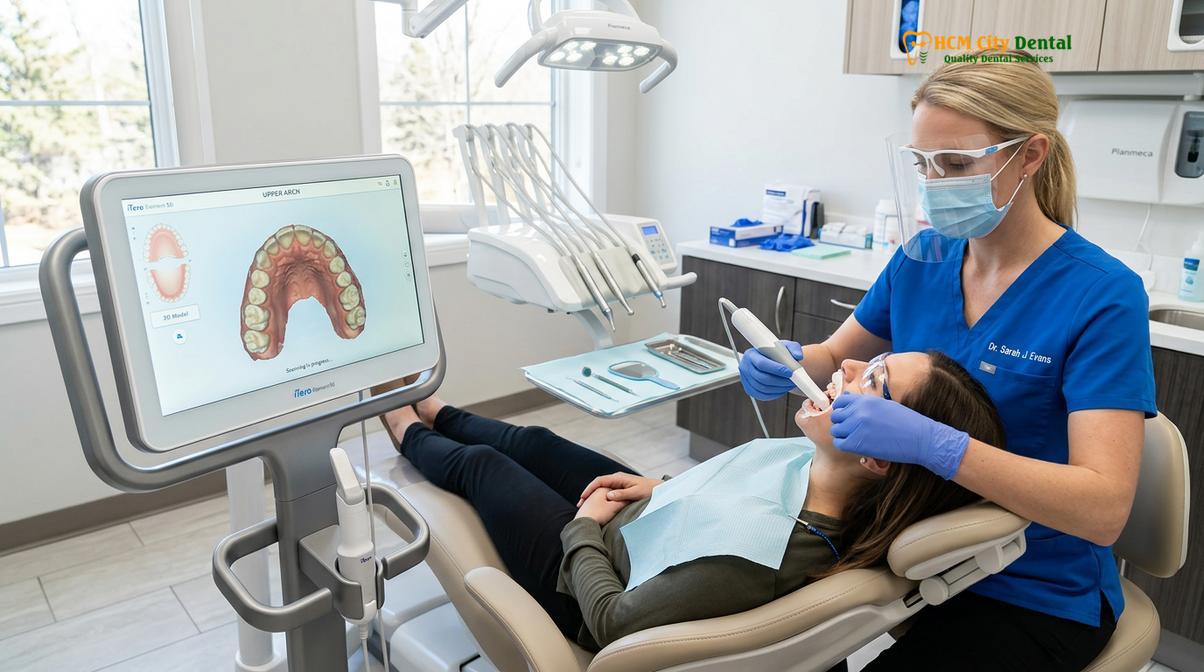
The technological infrastructure is equally impressive. Modern clinics have abandoned messy, uncomfortable traditional silicone impressions in favor of iTero Element 5D and Medit i700 Intraoral Scanners. These devices capture highly accurate 3D topographical maps of the dentition, which are instantly transmitted to the CAD/CAM milling center. By maintaining a Direct Lab Partnership within the city, clinics can offer an Express 3-5 Day Turnaround. This rapid fabrication cycle is specifically tailored for international visitors, allowing a complete smile makeover to be designed, milled, characterized, and fitted within a single week.
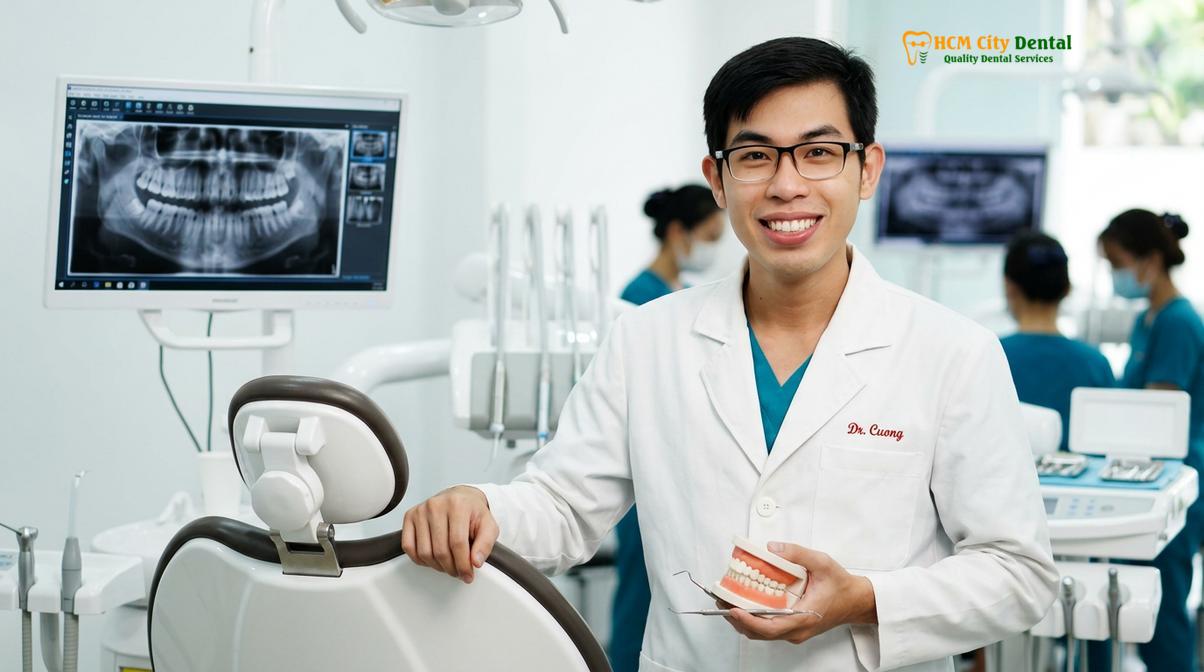
According to Dr. Nguyen Van Cuong, the integration of a direct laboratory partnership allows the prosthodontist and the master ceramist to collaborate in real-time. This synergy ensures that custom shading—such as achieving the highly sought-after VITA BL1 natural translucent shade—and translucency matching meet the exact aesthetic demands of the patient. Furthermore, patients receive global manufacturer warranty cards alongside a 3-year clinic bonding and fit guarantee for E.max and Zirconia restorations, backed by remote follow-up support via WhatsApp.
Clinical Case Study: Full Arch Rehabilitation
A 34-year-old patient traveled from Los Angeles to Ho Chi Minh City seeking to correct severe tetracycline staining and minor diastemas. After a comprehensive digital scan, the clinical team designed a 10-unit upper arch utilizing authentic Ivoclar E.max lithium disilicate. The minimal-prep protocol preserved over 85% of the natural enamel. The entire process, from initial consultation to final cementation, was completed in 5 days. The patient achieved a flawless, natural BL1 shade, saving approximately $16,000 compared to their local US quote, while enjoying a week-long cultural experience in Vietnam.
Clinical Workflows: Enamel Preservation and Cementation Protocols
Advanced cosmetic restorations rely on ultra-conservative tooth preparation, precise digital smile design, and rigorous adhesive cementation techniques.
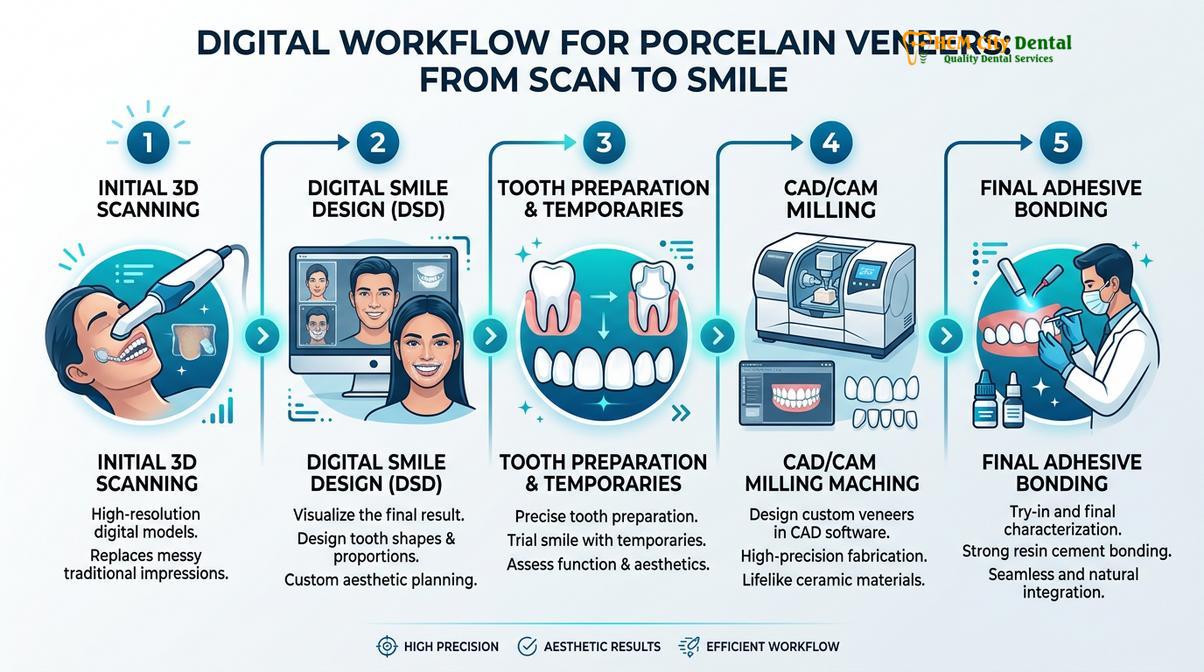
The clinical success of a ceramic restoration is dictated by the precision of the underlying workflow. The process begins with Digital Smile Design (DSD), a protocol that utilizes facial photography and dynamic video analysis to engineer a smile that harmonizes with the patient’s unique facial proportions. During this phase, the clinician meticulously evaluates the biological width and performs gingival zenith calibration, sometimes utilizing a diode laser for minor gum contouring to ensure perfect symmetry before any tooth preparation begins [4].
When it comes to tooth preparation, the modern standard is ultra-conservative. Depending on the material chosen—whether comparing porcelain and composite options or selecting ultra-thin ceramics—the preparation depth typically ranges from a minimal-prep 0.3mm to 0.7mm. In specific cases involving favorable alignment, prep-less Lumineers requiring only 0.2mm of clearance may be utilized. This strict adherence to enamel preservation is critical, as bonding to enamel yields a significantly higher and more predictable bond strength than bonding to dentin [2].
Dr. Cuong emphasizes that respecting the biological width and achieving a flawless marginal fit are non-negotiable principles for preventing gingival inflammation and ensuring the longevity of ceramic restorations. Once the custom veneers are milled from either Zirconia HT (ideal for high-stress areas or patients with heavy bites) or E.max lithium disilicate (renowned for its lifelike translucency), the cementation protocol begins. This involves isolating the teeth, etching the internal surface of the ceramic with hydrofluoric acid, applying a silane coupling agent, and utilizing a premium light-cured resin cement to create an unbreakable micromechanical bond [3]. Finally, to protect the investment, a custom nightguard is often fabricated to shield the ceramics from nocturnal sleep bruxism.
“Ultra-thin lithium disilicate restorations demand a meticulous adhesive protocol, where absolute moisture control and precise light-curing dictate the ultimate bond strength and long-term clinical success.”
When to See a Doctor for Cosmetic Dental Evaluation
While porcelain veneers offer transformative aesthetic benefits, they are a medical procedure that requires careful clinical patient selection. Not every individual is an immediate candidate for minimal-prep ceramics. Patients should seek a comprehensive evaluation from a qualified prosthodontist to determine their specific structural and biological suitability.
During the consultation, the clinician will assess the volume of available enamel, the health of the periodontal tissues, and the patient’s occlusal (bite) dynamics. If a patient presents with severe misalignment, orthodontic intervention may be required prior to veneering to prevent excessive tooth reduction. Similarly, individuals with active periodontal disease or untreated dental caries must have these foundational issues resolved before any aesthetic work commences [5]. For those with severe structural damage, the dentist may recommend structural differences between crowns and veneers to ensure adequate protection, exploring aesthetic crown alternatives where necessary.
Important Clinical Considerations:
Porcelain veneers are generally contraindicated for patients with severe, unmanaged sleep bruxism (teeth grinding), insufficient natural enamel for bonding, or active gingival infections. A personalized clinical examination, including 3D CBCT imaging and occlusal analysis, is mandatory to determine the safest and most effective treatment pathway. In some cases, non-invasive cosmetic alternatives may be recommended.
Frequently Asked Questions
How much can a US patient save by getting veneers in Vietnam?
A US patient can typically save between 70% and 80% on porcelain veneers in Vietnam compared to domestic prices. While a single veneer in the USA averages $1,500 to $2,500, the exact same certified E.max or Zirconia restoration in Ho Chi Minh City costs approximately $192 to $320, making full smile makeovers highly economical even after travel expenses.
Are the veneer materials used in Vietnam approved in the USA?
Yes, reputable clinics in Vietnam exclusively utilize globally certified, FDA-approved ceramics. Materials such as Ivoclar E.max (lithium disilicate) from Liechtenstein and Cercon HT Zirconia from Germany are the exact same premium brands utilized by top-tier cosmetic dentists in North America, ensuring identical structural integrity and biocompatibility.
How long does a US patient need to stay in Vietnam for veneers?
International patients should plan to stay in Vietnam for approximately 5 to 7 days for a complete veneer treatment. Thanks to direct laboratory partnerships and advanced CAD/CAM digital milling, clinics can offer an express 3-5 day turnaround, allowing ample time for initial preparation, fabrication, trial fitting, and final cementation.
Can I finance my cosmetic dental treatment in Vietnam?
Yes, many modern dental facilities catering to international patients offer flexible payment solutions. Patients can often utilize an international credit card installment plan with 0% interest, allowing them to distribute the cost of their smile makeover over several months while maximizing their dental travel budget.
Does minimal-prep mean no natural tooth enamel is removed?
Minimal-prep does not always mean zero preparation; it typically involves removing an ultra-thin layer of enamel (0.3mm to 0.7mm) to ensure a seamless marginal fit and prevent a bulky appearance. However, prep-less options like Lumineers (0.2mm) may require virtually no enamel removal, depending on the patient’s original tooth alignment and aesthetic goals.
References
- Journal of Esthetic and Restorative Dentistry. Translucency and mechanical properties of lithium disilicate ceramics. (2021).
- International Journal of Prosthodontics. Enamel preservation techniques and their impact on resin bond strength. (2020).
- The Journal of Prosthetic Dentistry. Flexural strength and marginal adaptation of CAD/CAM porcelain restorations. (2019).
- Clinical Oral Investigations. Diode laser gingival sculpting parameters for aesthetic crown lengthening. (2022).
- Journal of Clinical Periodontology. Maintaining biological width around subgingival and supragingival restorations. (2018).