A dental implant allergy is an extremely rare immune response, typically a Type IV hypersensitivity to titanium or its alloy components like nickel or vanadium. While most patients integrate titanium perfectly, those with metal sensitivities may experience localized inflammation, rash, or unexplained implant failure, requiring specialized diagnostic testing and alternative materials.
Clinical Summary:
Titanium has long been the gold standard in implantology due to its exceptional biocompatibility and resistance to corrosion. However, true titanium hypersensitivity, though statistically rare (affecting less than 1% of patients), can lead to aseptic implant failure and chronic peri-implant inflammation. Recognizing the subtle differences between mechanical failure, bacterial peri-implantitis, and an immunological allergic reaction is critical for long-term restorative success. Modern diagnostics, including the MELISA test, allow clinicians to verify metal sensitivities before surgery. For patients with confirmed allergies, zirconia implants provide a highly predictable, metal-free alternative. Dr. Nguyen Van Cuong emphasizes that comprehensive preoperative screening is the most effective method to prevent immune-mediated complications in implant dentistry.
Key Takeaways:
- Titanium allergies are exceptionally rare, with an estimated prevalence of less than 1% in dental implant patients.
- Symptoms often mimic bacterial infections but are driven by an immune response to trace metal ions.
- The MELISA blood test is the most accurate diagnostic tool for identifying specific metal hypersensitivities.
- Aseptic implant failure occurs when the body rejects the implant without the presence of bacterial plaque.
- Zirconia (ceramic) implants offer a completely metal-free, highly biocompatible solution for allergic patients.
The Rarity of Titanium Allergies in Modern Medicine
True titanium allergies are exceptionally rare, affecting an estimated 0.6% of implant patients, as titanium naturally forms a protective oxide layer that prevents the immune system from detecting the metal.
For decades, titanium has been the undisputed cornerstone of modern orthopedic and dental reconstructive surgery. Its widespread adoption is primarily due to a unique biochemical phenomenon known as passivation. When commercially pure titanium (cpTi) or titanium alloys (such as Ti-6Al-4V) are exposed to oxygen, they instantaneously form a microscopic layer of titanium dioxide (TiO2) on their surface. This oxide layer is highly stable, biologically inert, and effectively cloaks the underlying metal from the body’s immune surveillance system. Because of this remarkable property, Dental Implants boast an extraordinarily high success rate, often exceeding 95% over a ten-year period.
Despite this high success rate, the human immune system is incredibly complex, and in a very small subset of the population, this cloaking mechanism fails. Clinical studies suggest that the prevalence of true titanium allergy in the general population is remarkably low, often cited at approximately 0.6% [1]. However, the incidence of metal allergies in general—particularly to nickel, cobalt, and chromium—is much higher, affecting up to 15% of the population. The critical distinction in implantology is that modern dental implants are manufactured from highly purified titanium, minimizing the presence of these common allergenic trace metals.
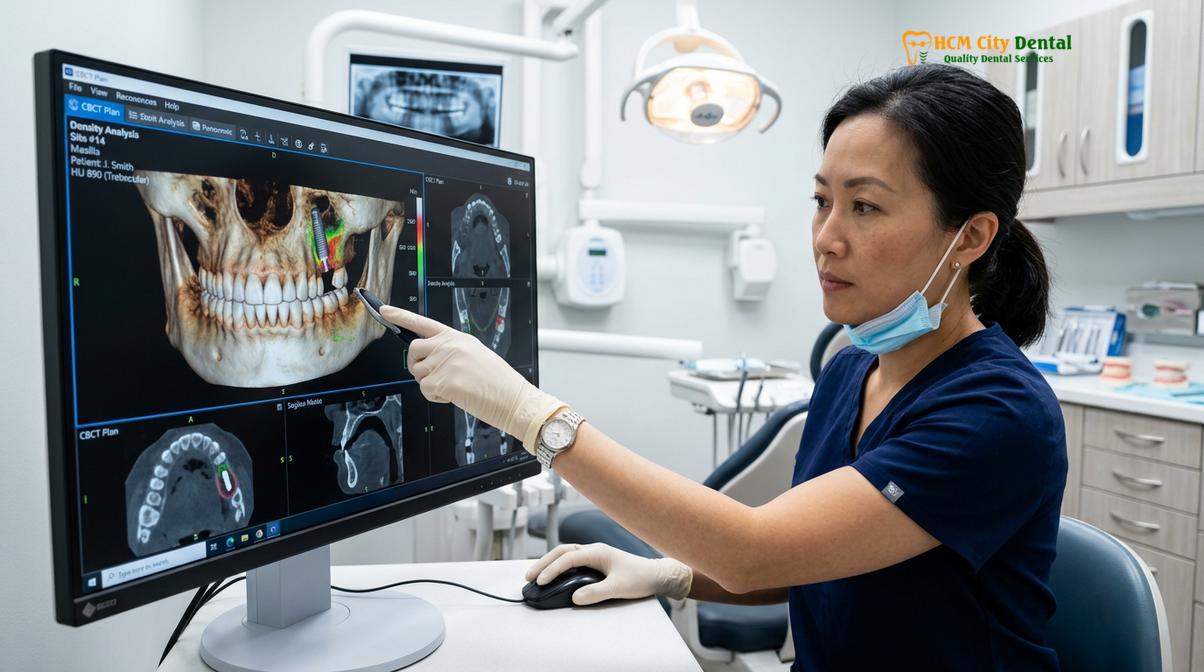
When an allergic reaction to titanium does occur, it is almost exclusively classified as a Type IV delayed hypersensitivity reaction. Unlike a Type I allergic reaction (such as a peanut allergy or bee sting), which is mediated by IgE antibodies and occurs within minutes, a Type IV reaction is cell-mediated. It involves the activation of T-lymphocytes and can take days, weeks, or even months to manifest clinically. This delayed onset makes diagnosing a titanium allergy particularly challenging, as the initial surgical healing phase may appear entirely normal.
“The immunological mechanism of titanium hypersensitivity relies on the release of trace metal ions through tribocorrosion. These ions act as haptens, binding to endogenous proteins to form a complex that the immune system mistakenly identifies as a foreign pathogen, triggering a localized inflammatory cascade.”
The process of tribocorrosion is central to understanding how a highly stable metal can suddenly become an allergen. The oral cavity is a harsh environment, characterized by fluctuating pH levels from acidic foods, constant moisture from saliva, and immense biomechanical forces generated during mastication. Over time, the combination of chemical corrosion and mechanical wear can disrupt the protective titanium dioxide layer. When this layer is breached, microscopic titanium particles and trace ions are released into the surrounding peri-implant tissues [2]. In a non-allergic patient, these ions are safely phagocytized (engulfed) by macrophages and cleared from the body. In a sensitized patient, however, these ions bind to local tissue proteins, creating a hapten-protein complex that initiates the Type IV immune response.
At HCMC Dental Clinic in Ho Chi Minh City, comprehensive patient screening is a mandatory first step in the implant workflow. Dr. Nguyen Van Cuong notes that while titanium allergies are rare, taking a detailed medical history regarding past reactions to jewelry, watch straps, or orthopedic joint replacements is a vital clinical protocol to ensure patient safety and long-term restorative success.
Signs and Symptoms of a Potential Titanium Sensitivity
Symptoms of a titanium allergy typically manifest as localized gum inflammation, mucosal erythema, unexplained pain, or even systemic skin rashes occurring months after the implant placement.
Identifying an allergic reaction to a dental implant requires acute clinical observation, as the symptoms frequently mimic other, more common dental complications. Because Type IV hypersensitivity is a delayed immune response, patients rarely exhibit symptoms immediately following the surgical placement of the implant. Instead, the clinical presentation often unfolds gradually, sometimes months or even years after the prosthesis has been loaded and the patient has been functioning normally.
The most common titanium hypersensitivity symptoms are localized to the oral cavity, specifically in the peri-implant mucosa (the gums surrounding the implant). Patients may present with chronic erythema (redness) and edema (swelling) of the gingival tissues. Unlike plaque-induced gingivitis, this inflammation does not resolve with improved oral hygiene or professional scaling. The tissue may appear hyperplastic (overgrown) and bleed easily upon probing, even in the absence of significant bacterial biofilm. Furthermore, patients frequently report a persistent, dull ache or a burning sensation in the jawbone surrounding the implant site, which is highly atypical for a fully integrated, healthy implant.
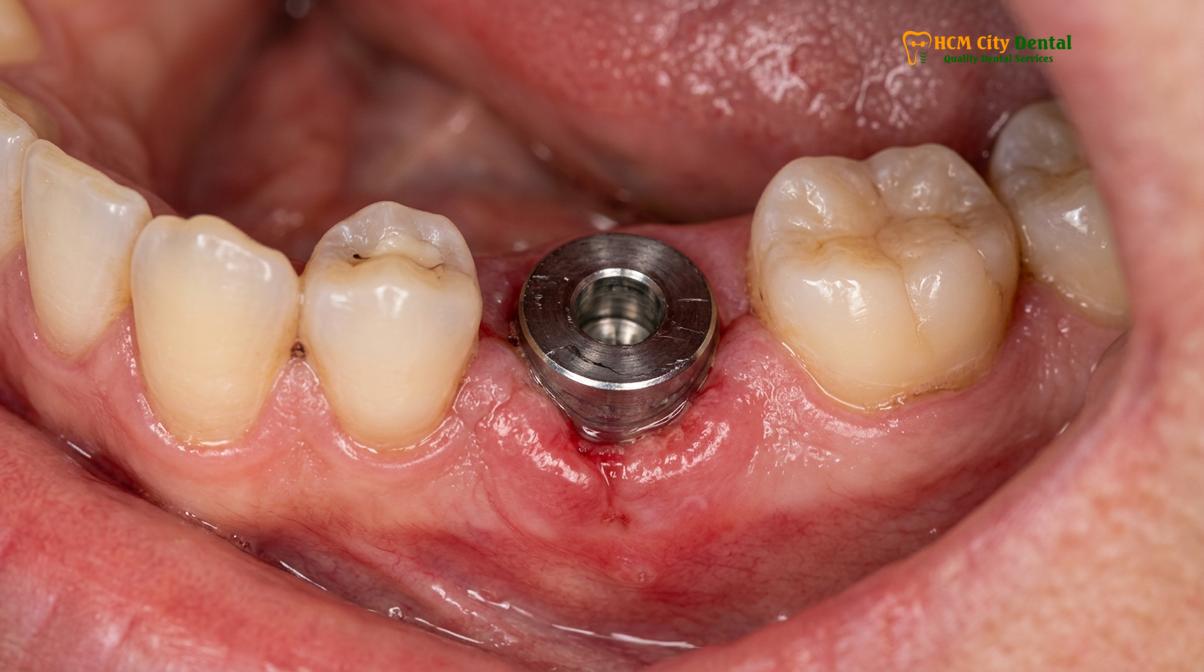
In addition to localized oral symptoms, some patients experience systemic manifestations of metal hypersensitivity. While less common, these systemic reactions are a hallmark of a true immunological response. Documented systemic symptoms include:
- Eczematous skin rashes: Unexplained dermatitis or eczema appearing on the face, neck, or extremities, often worsening when the implant is under heavy occlusal load.
- Chronic fatigue and malaise: A generalized feeling of lethargy, which some immunologists attribute to the constant, low-grade activation of the immune system.
- Facial swelling: Intermittent, non-infectious swelling of the facial tissues adjacent to the implant site.
- Neurological symptoms: In exceedingly rare cases, patients have reported paresthesia (tingling) or altered sensation in the distribution of the trigeminal nerve, though this must be carefully differentiated from surgical nerve trauma.
Clinical Warning: The symptoms of a titanium allergy are nearly identical to those of peri-implantitis (a bacterial infection of the bone surrounding the implant). Misdiagnosing an allergy as an infection can lead to unnecessary antibiotic prescriptions and failed surgical interventions. A definitive diagnosis requires specialized immunological testing.
The diagnostic challenge lies in differentiating these allergic symptoms from mechanical complications. For instance, when evaluating the pros and cons of dental implants, patients must understand that a loose implant is not always a rejected implant. A loose prosthetic crown or a fractured abutment screw can cause localized inflammation that mimics an allergic response. Therefore, a thorough clinical examination, including high-resolution CBCT imaging and a review of the prosthetic components, is essential before concluding that an allergy is the root cause of the patient’s discomfort.
Explaining Implant Rejection: Biological Rejection vs. Poor Integration
Implant rejection from an allergy is an immune-mediated response, whereas poor integration usually stems from biomechanical overload, poor bone density, or bacterial infections like peri-implantitis.
In the realm of implant dentistry, the term “rejection” is often used colloquially by patients to describe any scenario where an implant fails to survive in the mouth. However, from a clinical perspective, true biological rejection is vastly different from a failure of osseointegration. Understanding the distinct etiology of these two phenomena is crucial for determining the appropriate corrective treatment.
Osseointegration is the direct structural and functional connection between living bone and the surface of a load-bearing artificial implant. When an implant fails to integrate, it is typically due to mechanical or biological factors unrelated to the immune system. Common causes of integration failure include poor initial bone density, excessive surgical trauma (overheating the bone during drilling), micromotion of the implant during the critical healing phase, or uncontrolled systemic conditions like severe diabetes. In these cases, the body responds by forming a layer of fibrous scar tissue around the implant instead of solid bone, leading to clinical mobility and eventual failure.
Conversely, an allergic reaction leads to a specific phenomenon known as aseptic implant failure [3]. In aseptic failure, the implant may initially achieve perfect osseointegration. However, as the immune system becomes sensitized to the released titanium ions, it launches a targeted attack. T-lymphocytes infiltrate the peri-implant tissues, releasing pro-inflammatory cytokines such as Interleukin-1 (IL-1) and Tumor Necrosis Factor-alpha (TNF-α). These cytokines are potent stimulators of osteoclasts—the cells responsible for breaking down bone tissue. As a result, the body actively resorbs the bone surrounding the implant in an attempt to isolate and expel the perceived foreign body, all in the complete absence of bacterial infection.
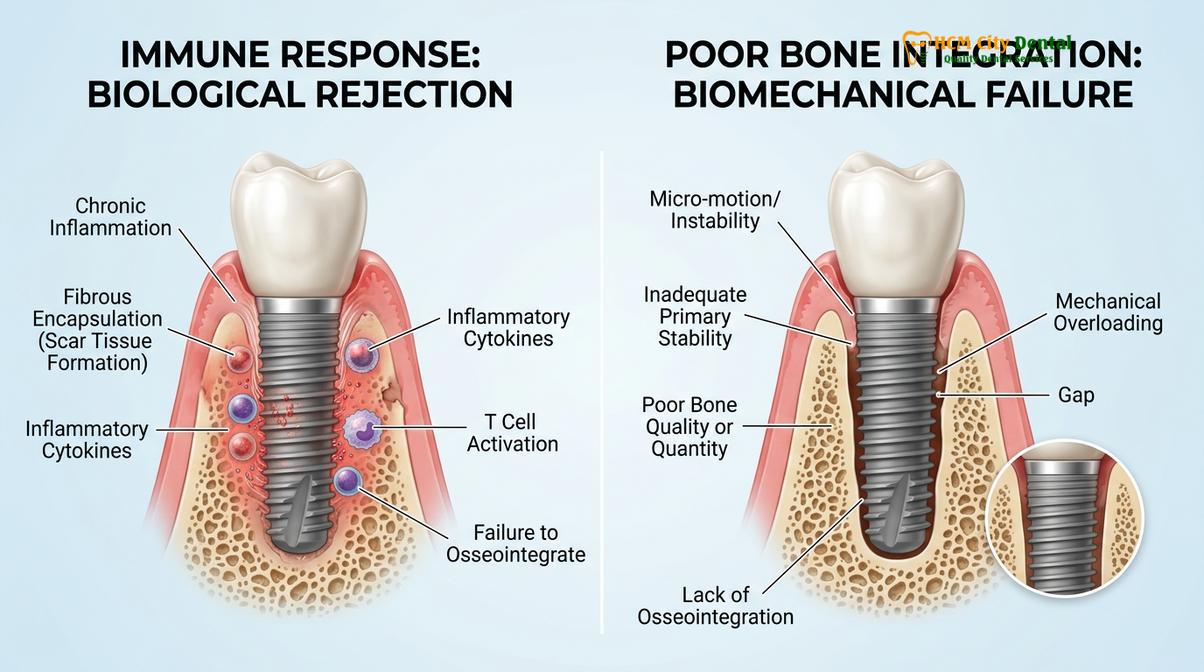
To clarify the clinical distinctions, the following table outlines the primary differences between immune-mediated rejection, biomechanical failure, and bacterial peri-implantitis:
| Clinical Parameter | Allergic Rejection (Aseptic Failure) | Biomechanical Failure (Poor Integration) | Peri-implantitis (Bacterial Infection) |
|---|---|---|---|
| Primary Cause | Type IV hypersensitivity to metal ions | Micromotion, poor bone quality, overload | Bacterial plaque biofilm accumulation |
| Onset of Symptoms | Delayed (months to years post-placement) | Early (during the initial healing phase) | Late (years after successful loading) |
| Presence of Plaque/Calculus | Minimal to none | Variable | Heavy plaque and calculus present |
| Bone Loss Pattern | Rapid, often crater-like around the fixture | Fibrous encapsulation (no true integration) | Progressive, horizontal or vertical defects |
| Systemic Symptoms | Possible (eczema, fatigue, rash) | None | None (strictly localized) |
Differentiating between these conditions is particularly critical when planning complex restorative cases, such as comparing implants to traditional dentures for full-arch rehabilitation. If a patient experiences aseptic implant failure due to an undiagnosed allergy, simply replacing the failed titanium implant with another titanium fixture will inevitably result in a second failure. The immune system’s memory T-cells will mount an even faster and more aggressive response upon re-exposure to the allergen. Therefore, identifying the exact mechanism of failure dictates the entire subsequent treatment protocol.
Diagnostic Tests for Metal Allergies (MELISA Test)
The MELISA test is a highly specific blood test used to diagnose metal allergies by measuring the proliferation of memory lymphocytes when exposed to titanium ions in a laboratory setting.
When a clinician suspects a titanium allergy based on the patient’s clinical presentation and medical history, empirical diagnosis is insufficient. Objective, scientifically validated testing is required to confirm the hypersensitivity before altering the treatment plan. Historically, dermatologists have relied on epicutaneous patch testing to diagnose metal allergies. In a patch test, small amounts of various allergens are taped to the patient’s back, and the skin is evaluated for a reaction after 48 to 72 hours.
While patch testing is highly effective for diagnosing contact dermatitis caused by nickel or cobalt (often found in jewelry), it is notoriously unreliable for diagnosing titanium allergies. Titanium particles are relatively large and do not easily penetrate the stratum corneum (the outermost layer of the skin). Consequently, a patient with a profound systemic allergy to titanium may yield a false-negative result on a traditional skin patch test, leading the clinician down the wrong diagnostic path.
To overcome the limitations of skin testing, modern immunology utilizes the MELISA test for metals (Memory Lymphocyte Immunostimulation Assay) [4]. The MELISA test is an advanced, in vitro blood test specifically designed to detect Type IV delayed hypersensitivity at the cellular level. Because it evaluates the immune response directly in the blood rather than through the skin barrier, it offers significantly higher sensitivity and specificity for implant-grade metals.
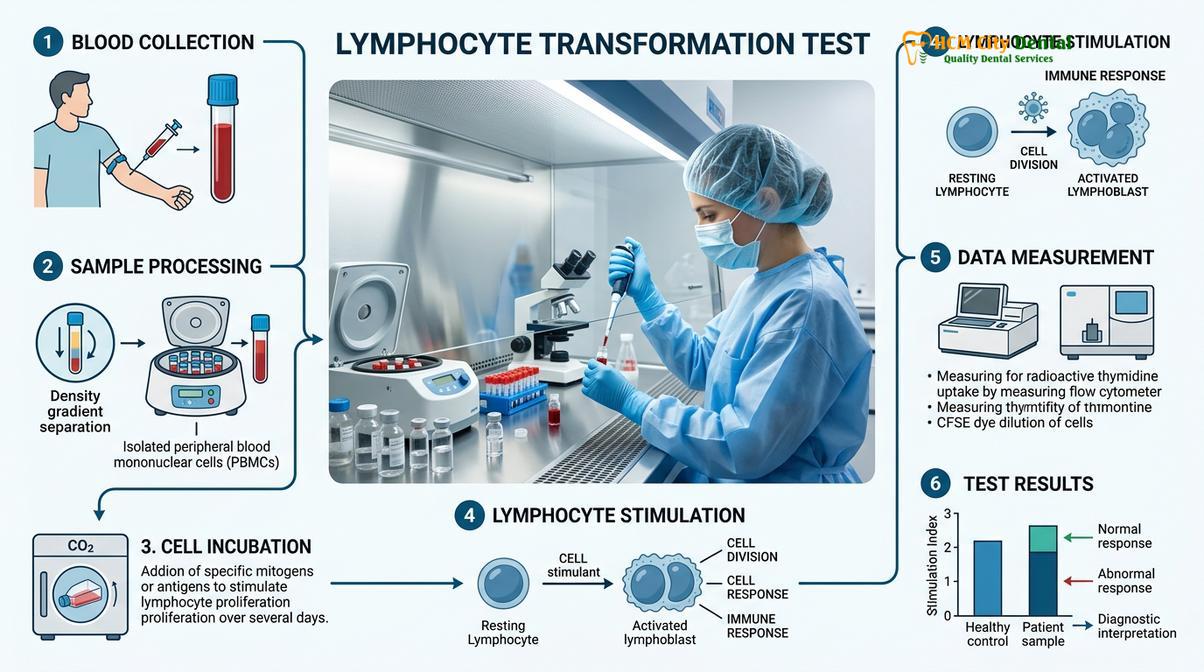
The clinical workflow for the MELISA test involves drawing a standard sample of the patient’s venous blood. In the laboratory, the white blood cells (specifically the peripheral blood mononuclear cells, or PBMCs) are isolated and cultured. These cells are then exposed to various concentrations of titanium ions, as well as other metals commonly used in dentistry, such as vanadium, aluminum, and nickel. If the patient is allergic, their memory T-lymphocytes will recognize the metal ions and begin to rapidly divide and proliferate. The laboratory measures this cellular proliferation; a significant increase in lymphocyte count confirms a positive allergic response to that specific metal.
Clinical Case Review: A 45-year-old female patient presented to HCMC Dental Clinic in Ho Chi Minh City with chronic, unexplained pain and gingival erythema around a fully integrated titanium implant placed two years prior. Radiographs showed rapid, aseptic bone loss. Traditional periodontal therapies failed to resolve the inflammation. Dr. Cuong ordered a MELISA test, which confirmed a severe Type IV hypersensitivity to titanium. The titanium fixture was surgically explanted, the site was grafted, and a zirconia implant was successfully placed six months later, resulting in complete resolution of all symptoms.
For patients considering premium implant systems like Straumann and Nobel Biocare, which utilize highly purified titanium alloys, preoperative MELISA testing is generally not required unless the patient has a documented history of severe metal hypersensitivity. However, for those who have experienced unexplained implant failures in the past, this diagnostic tool is invaluable for preventing recurrent complications and guiding the selection of alternative biomaterials.
Alternative Restorative Materials: Zirconia (Ceramic) Implants
Zirconia implants offer a completely metal-free, highly biocompatible alternative for patients with confirmed titanium allergies, providing excellent aesthetics and comparable osseointegration rates.
A confirmed diagnosis of titanium hypersensitivity does not preclude a patient from receiving fixed, implant-supported restorations. The evolution of dental biomaterials has led to the development of high-performance ceramics that serve as excellent alternatives to traditional metal fixtures. The most prominent and clinically successful of these materials is Yttria-stabilized Tetragonal Zirconia Polycrystal (Y-TZP), commonly referred to simply as zirconia.
Zirconia is a transitional metal oxide, but in its ceramic crystalline form, it behaves entirely differently from a metal. It is completely inert, non-corrosive, and does not release free ions into the surrounding tissues, thereby eliminating the risk of triggering a Type IV hypersensitivity reaction. For patients with a documented allergy, utilizing a ceramic dental implant post is the definitive, evidence-based solution for replacing missing teeth safely [5].
Beyond its hypoallergenic properties, zirconia offers several distinct clinical advantages. One of the most significant benefits is its exceptional soft-tissue biocompatibility. Clinical studies have consistently demonstrated that gingival fibroblasts adhere more readily to zirconia surfaces than to titanium. Furthermore, zirconia has a significantly lower affinity for bacterial plaque accumulation. This reduced plaque retention translates to a lower risk of peri-implant mucositis and peri-implantitis, promoting healthier, more resilient gum tissue over the long term.
Aesthetics represent another major advantage of zirconia implants. Because the material is naturally white and opaque, it closely mimics the optical properties of a natural tooth root. In patients with thin gingival biotypes (thin gums), a traditional titanium implant can sometimes cast a grayish hue through the tissue, compromising the aesthetic outcome, particularly in the anterior (front) aesthetic zone. Zirconia eliminates this risk, ensuring a natural, vibrant appearance at the gum line.
“The transition from titanium to zirconia in allergic patients is not merely a substitution of materials; it represents a paradigm shift toward biologically inert restorations that harmonize perfectly with the host’s immune system while delivering uncompromising aesthetic results.”
However, the clinical application of zirconia implants requires specialized surgical expertise. Historically, zirconia implants were manufactured exclusively as one-piece systems, where the implant body and the abutment were a single, continuous unit. While this design eliminates the micro-gap between components (further reducing bacterial colonization), it requires the surgeon to achieve perfect three-dimensional positioning at the time of surgery, as the angle of the abutment cannot be altered later. Modern advancements have introduced two-piece zirconia systems, offering greater prosthetic flexibility, though they demand meticulous handling to prevent micro-fractures of the ceramic components.
When discussing the cost of dental implants in Vietnam, patients should be aware that zirconia implants typically command a premium over standard titanium fixtures due to the complex manufacturing processes and the specialized surgical protocols required for their placement. Nevertheless, for patients with a confirmed metal allergy, the investment in a biocompatible, metal-free solution is essential for achieving a durable, healthy, and complication-free smile.
When to See a Doctor (Important Clinical Considerations)
Immediate clinical evaluation is required if you experience progressive implant mobility, severe localized pain, or purulent discharge, as these symptoms indicate active tissue destruction.
While minor discomfort and mild swelling are normal during the initial days following implant surgery, persistent or worsening symptoms are clinical red flags that demand immediate professional attention. Do not wait for the symptoms to “heal on their own,” as active immune rejection or bacterial infection can rapidly destroy the surrounding jawbone, compromising the potential for future restorative treatments.
You should schedule an urgent consultation with your implantologist if you experience any of the following:
- Progressive Mobility: A dental implant should feel as solid as a natural tooth. Any perceptible movement or shifting of the implant fixture (not just the crown) is a sign of integration failure.
- Purulent Exudate: The presence of pus or a foul-tasting discharge from the gums surrounding the implant indicates an active inflammatory or infectious process.
- Severe, Unrelenting Pain: While mild soreness is expected post-operatively, sharp, throbbing, or radiating pain that does not respond to standard analgesics requires investigation.
- Systemic Reactions: The sudden onset of unexplained skin rashes, facial swelling, or chronic fatigue following implant placement warrants a comprehensive immunological evaluation.
Particularly for cases involving implant placement in older adults, where immune responses and healing capacities may be altered, vigilant postoperative monitoring is critical. Early intervention allows the clinician to accurately diagnose the issue—whether it be biomechanical overload, peri-implantitis, or a rare titanium allergy—and implement the appropriate corrective measures before extensive bone loss occurs.
Frequently Asked Questions
How common is titanium allergy in dentistry?
Titanium allergy in dentistry is exceptionally rare, with clinical studies estimating an incidence rate of approximately 0.6% among implant patients. Because titanium is highly biocompatible and forms a protective oxide layer, the vast majority of patients integrate the material without any adverse immunological response. Routine screening is generally only recommended for patients with a known history of severe metal hypersensitivities.
What are the signs of dental implant rejection?
Signs of dental implant rejection include severe localized pain, progressive mobility of the implant fixture, chronic swelling, purulent exudate (pus) from the gums, and rapid crestal bone loss visible on dental radiographs. These symptoms require immediate clinical evaluation to prevent further tissue destruction. It is important to differentiate true immunological rejection from bacterial peri-implantitis through professional diagnostics.
Is zirconia a safe alternative for patients with metal allergies?
Yes, zirconia is a highly predictable and safe alternative for patients with confirmed metal allergies. As a biocompatible ceramic material, zirconia does not release metallic ions, thereby eliminating the risk of metal-induced Type IV hypersensitivity while providing excellent osseointegration and superior gingival aesthetics. It is considered the gold standard for metal-free implantology.
Can a titanium allergy develop years after the implant is placed?
Yes, a titanium allergy can theoretically develop years after initial placement due to a process called tribocorrosion. Mechanical wear and acidic oral environments can slowly release trace metal ions over time, potentially sensitizing the immune system and triggering a delayed hypersensitivity reaction long after osseointegration has been successfully achieved.
Does the MELISA test require a tissue biopsy?
No, the MELISA test does not require a tissue biopsy. It is a specialized in vitro blood test that requires only a standard venous blood draw. The laboratory isolates your white blood cells and exposes them to various metal allergens to measure immune reactivity, making it a minimally invasive and highly accurate diagnostic tool.
References
- Clinical Oral Implants Research. Titanium allergy in dental implant patients: a clinical study on 1500 consecutive patients. (2008).
- Journal of Periodontology. Tribocorrosion and the release of titanium ions in the oral environment. (2019).
- International Journal of Oral and Maxillofacial Implants. Aseptic implant failure and immunological responses to titanium. (2021).
- Contact Dermatitis. The utility of the MELISA test in diagnosing metal hypersensitivity. (2017).
- Journal of Prosthetic Dentistry. Clinical outcomes of zirconia implants compared to titanium: a systematic review. (2022).