Flying after dental implants is generally safe after 24 to 72 hours for straightforward single-tooth procedures. However, complex surgeries involving bone grafts or sinus lifts require a longer waiting period of 10 to 14 days to prevent complications from cabin pressure changes and ensure initial blood clot stability.
Clinical Summary:
Air travel following dental implant surgery requires careful consideration of physiological healing phases and atmospheric pressure changes. While modern commercial aircraft are pressurized, the simulated high-altitude environment can induce barometric stress on fresh surgical sites, potentially disrupting hemostasis and exacerbating localized edema. For uncomplicated single implants, a brief recovery window of a few days is often sufficient. Conversely, extensive rehabilitations—such as full-arch immediate loading or maxillary sinus augmentations—demand extended observation periods to mitigate the risks of graft displacement or membrane perforation. A thorough pre-departure clinical evaluation is paramount. Securing a fit-to-fly clearance ensures that soft tissue closure is progressing optimally, sutures remain intact, and the patient is equipped with the necessary pharmacological protocols to manage any in-flight discomfort safely.
Key Takeaways:
- Wait 48–72 hours before flying after a routine single dental implant placement.
- Delay air travel for 10–14 days if your procedure included a sinus lift or extensive bone grafting.
- Cabin pressure fluctuations can temporarily increase the risk of minor bleeding and facial swelling.
- Always pack a dedicated in-flight care kit with sterile gauze, prescribed analgesics, and saline.
- Obtain a formal clinical clearance and suture check from your implantologist before boarding an international flight.
The Physics of Flight: Cabin Pressure and Healing Wounds
Airplane cabins are pressurized to simulate high altitudes, which causes gases in body cavities to expand and can temporarily increase blood pressure. This physiological shift can disrupt fragile blood clots and exacerbate swelling at the fresh surgical site.
Understanding the interaction between aviation physiology and oral wound healing is critical for any patient planning to travel shortly after oral surgery. When a commercial airliner ascends to its cruising altitude, the cabin is typically pressurized to an equivalent of 6,000 to 8,000 feet above sea level. According to Boyle’s Law, as ambient pressure decreases, the volume of a gas increases. This fundamental principle of physics has direct clinical implications for patients who have recently undergone invasive dental procedures[1].
During the initial phases of wound healing—specifically hemostasis and the early inflammatory response—the body relies on the formation of a stable fibrin blood clot to seal the surgical site. This clot acts as a biological scaffold, protecting the underlying bone and the newly placed titanium fixture from oral bacteria. According to the Vietnam Ministry of Health guidelines on maxillofacial post-operative care, maintaining a stable blood clot is the primary objective during the first 72 hours[6]. The mild hypoxia (reduced oxygen concentration) and the expansion of trapped gases in the maxillofacial region during a flight can exert mechanical stress on this delicate clot. If the clot is dislodged, patients may experience delayed healing, increased discomfort, or a painful condition known as alveolar osteitis (dry socket).
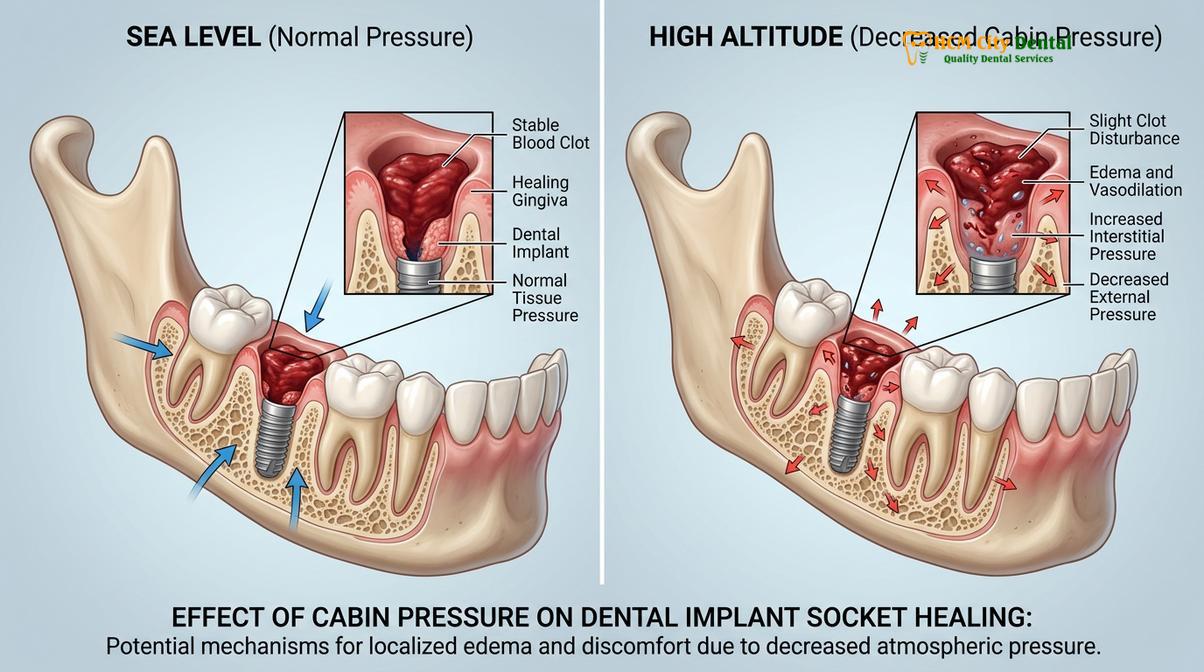
Furthermore, the phenomenon of barodontalgia—tooth or jaw pain caused by changes in barometric pressure—is a well-documented occurrence in aviation medicine[4]. While healthy teeth and fully integrated implants are generally unaffected, a fresh surgical wound is highly sensitive to these fluctuations. The localized vasodilation that occurs as the body attempts to deliver more oxygen to the healing tissues can lead to increased fluid extravasation, resulting in noticeable facial edema (swelling) during and immediately after the flight. This is the primary mechanism behind the cabin pressure bleeding risk that clinicians frequently warn traveling patients about.
“The physiological stress of a pressurized aircraft cabin can challenge the early stages of osseointegration and soft tissue closure. Managing barometric trauma requires strict adherence to post-operative timelines and prophylactic care.”
Beyond pressure changes, the environmental conditions inside an aircraft cabin also play a role in recovery. Cabin air is notoriously dry, often dropping below 20% humidity. This arid environment rapidly depletes the oral cavity of saliva, which is naturally rich in antibacterial enzymes and essential for maintaining a healthy oral microbiome. A dry mouth can irritate healing gingival margins and increase the susceptibility to opportunistic infections. Therefore, maintaining rigorous hydration and utilizing specialized oral rinses are non-negotiable components of post-surgery flight safety protocols.
Minimum Safe Intervals: Single Implants vs. All-on-X and Sinus Lifts
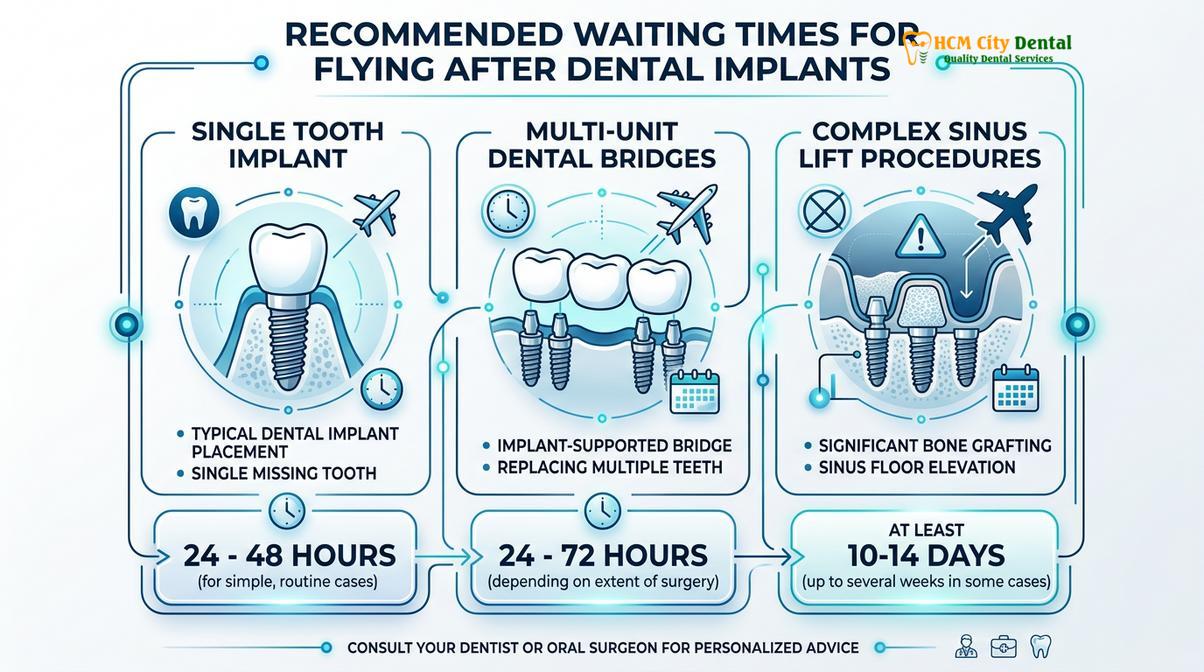
The safe waiting period before flying depends entirely on surgical complexity, ranging from 48 hours for a single implant to 14 days for full-arch restorations or sinus augmentations. Adhering to these intervals prevents implant micromovement and graft displacement.
The timeline for safe air travel is not a one-size-fits-all recommendation. It is meticulously calculated based on the invasiveness of the surgical intervention, the volume of bone manipulated, and the patient’s individual healing capacity. Dental professionals categorize these waiting periods to ensure that the critical early stages of cellular proliferation and angiogenesis (the formation of new blood vessels) are not compromised by the stresses of travel.
For a straightforward, single-tooth implant placed in native bone with excellent density, the recovery is typically rapid. In these uncomplicated scenarios, clinicians generally advise waiting a minimum of 48 to 72 hours before boarding a flight. This brief window allows the acute inflammatory phase to peak and begin subsiding. By the third day, the primary blood clot has usually organized into a more resilient granulation tissue, significantly reducing the likelihood of spontaneous hemorrhage mid-flight.
However, the clinical calculus changes dramatically when dealing with full-arch rehabilitations. Procedures that involve the extraction of multiple failing teeth, extensive alveolar bone leveling, and the immediate placement of a provisional prosthesis—often referred to as same day dental implants—induce a much higher degree of surgical trauma. The extensive mucoperiosteal flap reflection required for these surgeries results in more pronounced swelling and a higher risk of post-operative oozing. For these patients, a mandatory grounding period of 7 to 10 days is strongly advised to allow for adequate soft tissue reattachment and the initial stabilization of the rigid prosthetic splint.
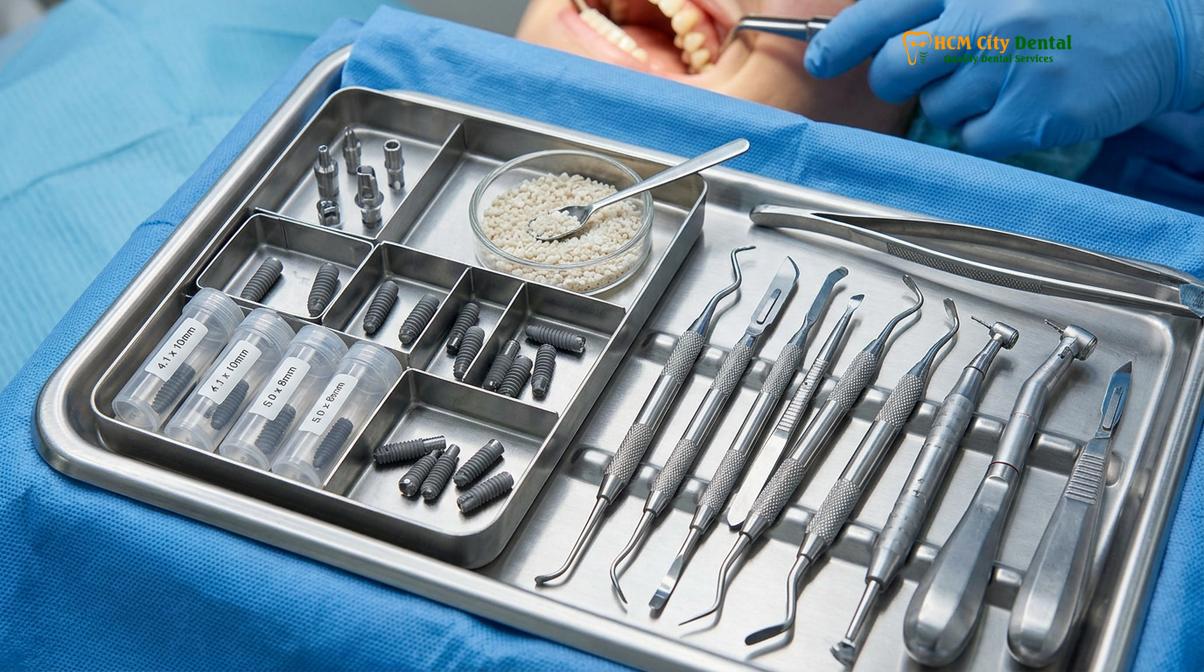
The most stringent travel restrictions apply to patients who have undergone maxillary sinus floor elevation or substantial particulate bone grafting. The maxillary sinus is an air-filled cavity lined by a delicate mucosal layer known as the Schneiderian membrane. During a sinus lift procedure, this membrane is gently elevated to create space for regenerative materials. Because the sinus cavity is directly affected by respiratory airflow and barometric pressure, flying too soon can be disastrous[2].
The expansion of air within the sinus during flight ascent can exert immense pressure on the newly grafted site. This sinus pressure flying restrictions protocol exists because premature flying can cause the Schneiderian membrane to tear, leading to the displacement of the bone graft into the sinus cavity, acute sinusitis, and the ultimate failure of the implant site. Consequently, an absolute minimum waiting period of 10 to 14 days is enforced for sinus lift patients, accompanied by strict instructions to avoid forceful nose blowing or suppressing sneezes.
| Surgical Procedure | Recommended Wait Time Before Flying | Primary Clinical Risk of Early Flight |
|---|---|---|
| Single Implant (No Grafting) | 48 – 72 Hours | Minor bleeding, localized swelling, discomfort. |
| Multiple Implants / Full Arch | 7 – 10 Days | Moderate hemorrhage, severe edema, suture rupture. |
| Minor Bone Grafting | 7 – 10 Days | Graft micromovement, delayed angiogenesis. |
| Maxillary Sinus Lift | 10 – 14 Days | Membrane perforation, graft displacement, barotrauma. |
It is also vital to consider the type of restorative components used. The selection of the dental implant abutment and the method of soft tissue closure (submerged vs. non-submerged healing) can subtly influence the travel timeline. Submerged implants, where the gum tissue is fully sutured over the implant, offer a more protected healing environment against the dry cabin air compared to implants left exposed with a healing abutment.
Post-Op Care Package for Long Flights (Gauze, Painkillers, Centrifuge)
Preparing a comprehensive in-flight medical kit containing sterile gauze, prescribed analgesics, and saline rinses is crucial for managing post-operative symptoms at 30,000 feet. Advanced clinical techniques like PRF centrifugation prior to departure significantly accelerate tissue closure.
When embarking on a long-haul flight shortly after oral surgery, proactive preparation is the key to a comfortable and complication-free journey. The aircraft cabin is an isolated environment, far removed from immediate medical assistance. Therefore, patients must be entirely self-sufficient in managing their post-operative care regimen. Assembling a dedicated, easily accessible carry-on medical kit is a mandatory step in the travel planning process.
The cornerstone of this in-flight care package is an ample supply of sterile woven gauze. While active bleeding should have ceased before clearance to fly is granted, the changes in cabin pressure can occasionally provoke minor capillary oozing. If this occurs, the patient must be prepared to fold a piece of sterile gauze, place it directly over the surgical site, and apply firm, continuous occlusal pressure by biting down for 30 to 45 minutes. It is imperative to avoid the temptation to constantly check the site, as releasing the pressure disrupts the coagulation cascade.
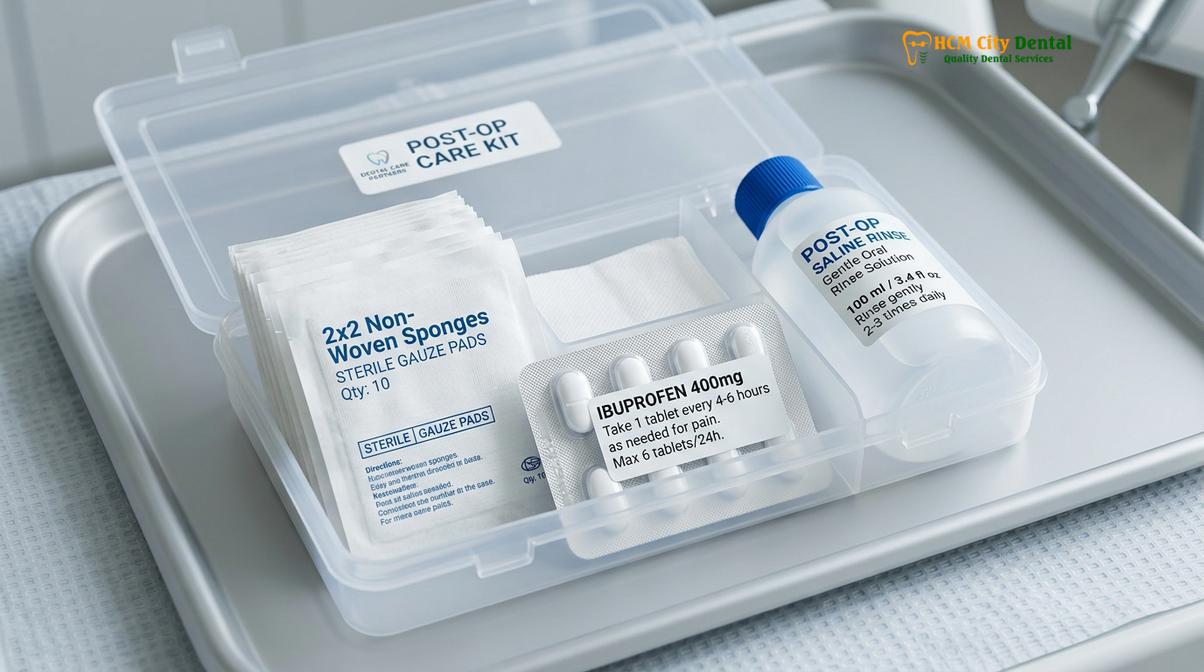
Pharmacological management is equally critical. The kit must contain all prescribed medications in their original, clearly labeled pharmacy containers to comply with international aviation security regulations. A standard regimen typically includes a broad-spectrum antibiotic to prevent opportunistic infections and a combination of analgesics. Non-steroidal anti-inflammatory drugs (NSAIDs), such as Ibuprofen, are highly effective at managing both pain and the inflammatory edema exacerbated by flight[5]. However, patients should strictly avoid aspirin-based products, as their anti-platelet properties can encourage unwanted bleeding.
“Never underestimate the dehydrating effects of cabin air on oral mucosa. Continuous hydration and the use of sterile saline rinses are non-negotiable for protecting vulnerable surgical sites at cruising altitude.”
To combat the severely low humidity of the aircraft cabin, hydration strategies must be aggressively employed. Patients should consume copious amounts of bottled water throughout the flight, avoiding caffeinated beverages and alcohol, which act as diuretics and further dehydrate the body. A travel-sized bottle of sterile saline or a prescribed chlorhexidine gluconate oral rinse should be used gently to keep the surgical site clean and moist. Vigorous swishing or spitting must be avoided; instead, the liquid should be allowed to passively roll over the surgical area and gently fall from the mouth.
At advanced centers, the integration of cutting-edge biological technologies has revolutionized post-operative recovery, making early travel significantly safer. One such advancement is the use of Platelet-Rich Fibrin (PRF). Prior to the implant surgery, a small sample of the patient’s venous blood is drawn and processed in a specialized centrifuge. This process isolates a concentrated matrix of platelets, leukocytes, and growth factors[3].
When this PRF membrane is applied directly to the surgical site or mixed with bone graft material, it acts as a biological catalyst. It dramatically accelerates soft tissue epithelialization, reduces post-operative pain, and minimizes swelling. For the traveling patient, the application of PRF means the surgical wound achieves a higher degree of stability in a fraction of the normal time, providing an added layer of security against the physiological stresses of air travel.
Emergency Signs to Postpone Your Flight Home
Patients must delay their travel plans if they experience uncontrolled hemorrhage, rapidly expanding facial swelling, severe throbbing pain, or a fever exceeding 38°C. Flying with these acute symptoms risks severe medical emergencies in an environment lacking immediate dental intervention.
While the vast majority of dental implant procedures heal uneventfully, the biological response to surgery can occasionally deviate from the expected trajectory. Recognizing the clinical warning signs of impending complications is vital. Boarding an international flight while experiencing acute post-operative distress is highly dangerous, as the pressurized, isolated environment of an aircraft can rapidly exacerbate these conditions, turning a manageable complication into a severe medical emergency.
Important Clinical Warning: If you experience uncontrolled bleeding, rapidly spreading facial swelling, or a fever exceeding 38°C before your flight, you must seek immediate emergency dental care. Do not board an aircraft under these conditions, as cabin pressure will severely exacerbate these symptoms and compromise your airway or systemic health.
The most immediate red flag is uncontrolled or active hemorrhage. It is normal for saliva to be slightly pink-tinged for the first 24 to 48 hours. However, if the surgical site is actively pooling dark red venous blood or pulsating bright red arterial blood that does not subside after 45 minutes of continuous, firm gauze pressure, the flight must be canceled. This level of bleeding indicates a failure of hemostasis, potentially due to a severed vessel or an underlying coagulopathy, requiring immediate clinical intervention such as electrocautery or additional suturing.
Another critical sign to postpone travel is the presence of severe, unremitting pain that is refractory to prescribed analgesics. While mild to moderate discomfort is an expected part of the inflammatory phase, intense, throbbing pain that radiates to the ear or neck often signals acute infection, severe barodontalgia, or nerve impingement. Flying with this level of pain will not only be excruciating due to cabin pressure changes but also indicates an underlying pathology that requires diagnostic imaging and immediate management.
Signs of acute systemic infection are absolute contraindications for air travel. If a patient develops a fever exceeding 38°C (100.4°F), experiences chills, or notices purulent exudate (pus) discharging from the implant site, they must seek immediate medical attention. Furthermore, if localized facial swelling suddenly begins to spread rapidly toward the eye (periorbital region) or down into the neck spaces, it may indicate a spreading fascial space infection. This requires aggressive intravenous antibiotic therapy and potentially surgical drainage, making any form of travel strictly prohibited until the infection is fully resolved.
Sourcing Pre-Flight Clinical Clearance from Bác sĩ Cường
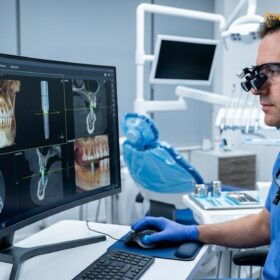
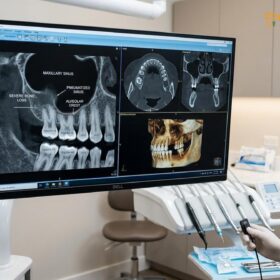
A mandatory pre-flight clinical evaluation ensures the surgical site is stable, sutures are intact, and no early signs of infection are present. Advanced imaging is utilized to verify implant positioning before international departure.
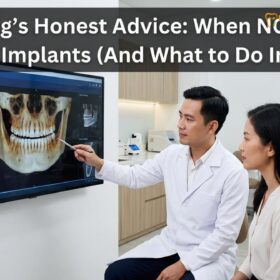
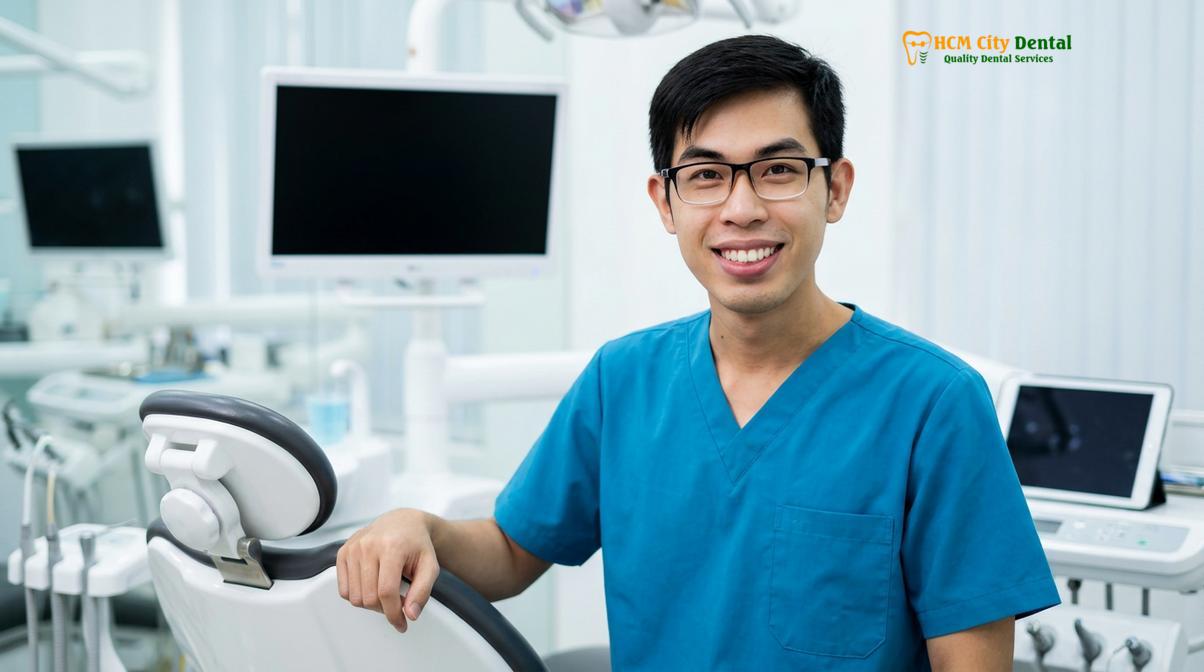
Securing a formal fit-to-fly clearance is a mandatory final step for any international patient. Dr. Nguyen Van Cuong emphasizes that a comprehensive pre-departure evaluation is essential to verify that soft tissue closure is progressing optimally and sutures remain intact. By conducting a thorough final examination, Dr. Cuong ensures that patients are fully prepared for the physiological demands of air travel, minimizing the risk of mid-flight complications.
Clinical Case Study: A 55-year-old international patient visiting HCMC Dental Clinic in Ho Chi Minh City underwent a complex sinus lift and dual implant placement. By adhering strictly to Dr. Cuong’s 14-day no-fly protocol and utilizing the prescribed in-flight care kit, the patient successfully completed a 15-hour return flight without experiencing any barometric trauma, bleeding, or graft displacement.
During this final clearance appointment, the clinical team will carefully irrigate the surgical site, assess the integrity of the mucosal margins, and confirm that the initial stages of osseointegration are proceeding without signs of peri-implant inflammation. For patients combining treatment with travel, understanding the nuances of dental tourism in Vietnam includes planning adequate recovery time before flying to accommodate these vital follow-up checks.
If any minor issues are detected, such as a loose suture or localized gingival irritation, they can be swiftly addressed before the patient heads to the airport. This proactive approach not only safeguards the long-term success of the dental implants but also provides the patient with immense peace of mind as they embark on their journey home.
References
- Journal of Oral and Maxillofacial Surgery. Effects of barometric pressure changes on post-extraction hemostasis and wound healing.
- International Journal of Implant Dentistry. Clinical guidelines for air travel following advanced bone augmentation and sinus floor elevation.
- Clinical Oral Implants Research. The role of platelet-rich fibrin (PRF) in accelerating early soft tissue closure in implantology.
- Aviation, Space, and Environmental Medicine. Barodontalgia and aviation dentistry: clinical considerations for traveling patients.
- Journal of the American Dental Association. Post-operative pharmacological management and complication prevention in implant surgery.
- Vietnam Ministry of Health (MOH). National Guidelines on Oral and Maxillofacial Surgery Post-Operative Care.
If you are planning to travel internationally for restorative dentistry, ensuring your safety during the flight home is our top priority. Contact the specialists at HCMC Dental Clinic in Ho Chi Minh City to discuss your personalized treatment timeline and learn more about our comprehensive Dental Implants protocols, including advanced options like implant supported overdentures.