When comparing dental implant cost Vietnam vs USA, patients typically save 60% to 80% on full-mouth restorations and single units. While a single implant in the US averages $4,000 to $6,000, the same premium titanium fixture in Vietnam costs between $900 and $1,500, including the abutment and crown.
Clinical Summary:
The stark contrast in dental implant pricing between the United States and Vietnam is driven primarily by differing operational overheads, not a disparity in clinical quality or material standards. US clinics face exorbitant facility leases, malpractice insurance premiums, and localized laboratory fees, which are passed directly to the patient. Conversely, top-tier facilities in Ho Chi Minh City utilize the exact same globally recognized implant systems—such as Straumann and Nobel Biocare—but operate within a significantly lower-cost economic framework. Dr. Nguyen Van Cuong notes that international patients receive identical titanium fixtures and zirconia crowns, often with faster laboratory turnaround times due to in-house digital workflows. For complex cases like All-on-4 or full-arch rehabilitations, the financial savings easily offset international travel expenses, making dental tourism a clinically viable and economically sound decision for North American patients seeking comprehensive oral rehabilitation.
Key Takeaways:
- Patients save an average of 70% on comprehensive implant procedures in Vietnam compared to US pricing.
- Top clinics in Saigon utilize authentic, globally certified implant brands like Straumann and Nobel Biocare.
- The lower cost is attributed to reduced operational overhead, not compromised clinical standards.
- Comprehensive treatment packages often include digital surgical planning and in-house laboratory fabrication.
- Travel and accommodation expenses are easily offset by the massive savings on multi-unit or full-arch restorations.
Why Dental Care in the United States has Exploded in Price
The exponential rise in US dental costs is primarily fueled by massive operational overhead, exorbitant malpractice insurance, and high domestic laboratory fees, rather than the raw cost of medical materials.
To understand the vast discrepancy in international healthcare pricing, one must examine the underlying economic structure of a modern dental practice. In the United States, the raw cost of a titanium implant fixture and a ceramic crown represents only a small fraction of the final bill presented to the patient. The majority of the fee is absorbed by the staggering dental overhead cost required to keep a clinical facility operational.
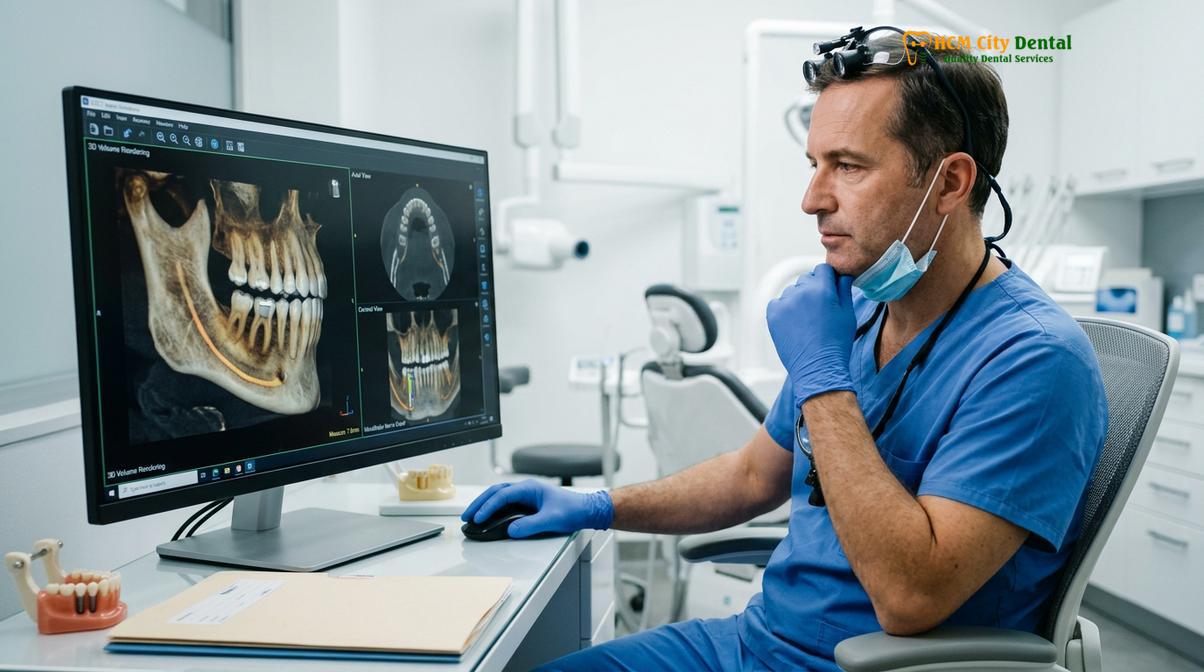
American dental practitioners face some of the highest operational expenses in the world. Facility leases in major metropolitan areas, competitive staff salaries, and mandatory continuing education contribute heavily to the baseline cost of care. Furthermore, malpractice insurance premiums for oral surgeons and periodontists in the US are exceptionally high, forcing clinicians to adjust their fee schedules accordingly[1]. When a patient pays $5,000 for a single tooth replacement in New York or Los Angeles, they are effectively subsidizing the clinic’s operational ecosystem.
“The financial burden of running a specialized surgical practice in North America has reached a point where the overhead dictates the treatment fee, often pricing out patients who desperately need comprehensive functional rehabilitation.”
In contrast, the economic landscape in Vietnam allows for a much leaner operational model without sacrificing clinical efficacy. Facilities like HCMC Dental Clinic in Ho Chi Minh City benefit from lower real estate costs, reasonable administrative expenses, and a highly efficient domestic supply chain for clinical consumables. This allows specialists to focus on delivering premium care—such as advanced implant dentistry—at a fraction of the cost. The savings are passed directly to the patient, making high-end restorative dentistry accessible to a broader demographic.
Direct Cost Comparison Table: US Major Cities vs. HCMC Dental
Comparing the average cost of a single implant in the US to Ho Chi Minh City reveals a price gap of up to 80%, allowing patients to receive premium restorations for a fraction of the domestic price.
When evaluating the financial logistics of cross-border healthcare, a transparent breakdown of fees is essential. The average cost single implant US varies wildly depending on the geographic location and the specialist’s credentials, but it rarely falls below the $4,000 threshold when factoring in the surgical placement, the abutment, and the final prosthetic crown. Furthermore, adjunctive procedures such as bone grafting or sinus lifts are almost always billed as separate, high-cost line items.
Below is a comparative analysis illustrating the stark financial differences for standard implant procedures. These figures represent comprehensive costs, including the surgical phase and the final prosthetic restoration.
| Procedure / Treatment Phase | Average US Cost (Estimated) | HCMC Dental Clinic Cost (Estimated) | Approximate Savings |
|---|---|---|---|
| Single Titanium Implant (Complete with Crown) | $4,500 – $6,500 | $900 – $1,500 | 75% – 80% |
| Bone Grafting (Per Site) | $500 – $1,200 | $200 – $400 | 60% – 65% |
| Sinus Lift (Unilateral) | $1,500 – $3,000 | $500 – $800 | 65% – 70% |
| All-on-4 Full Arch (Per Jaw) | $25,000 – $35,000 | $6,000 – $9,000 | 70% – 75% |
For patients requiring extensive rehabilitation, such as those exploring the most affordable All-on-4 solutions, the financial disparity is life-changing. A full-mouth restoration that might cost upwards of $60,000 in the United States can be completed in Vietnam for under $18,000, utilizing the exact same surgical protocols and premium materials.
Material Quality Check: Authentic Global Brands in Saigon
Leading clinics in Vietnam utilize the exact same FDA-approved and CE-certified titanium implants, such as Straumann and Nobel Biocare, ensuring identical osseointegration and long-term success rates.
A common misconception regarding dental tourism is that lower prices equate to inferior materials. In the realm of modern implantology, this is categorically false. Reputable institutions in Ho Chi Minh City do not manufacture proprietary, off-brand implants; instead, they import their surgical inventory directly from the world’s leading biomedical manufacturers. The titanium fixtures placed in a patient’s jaw in Saigon are identical to those placed in Beverly Hills or Manhattan.
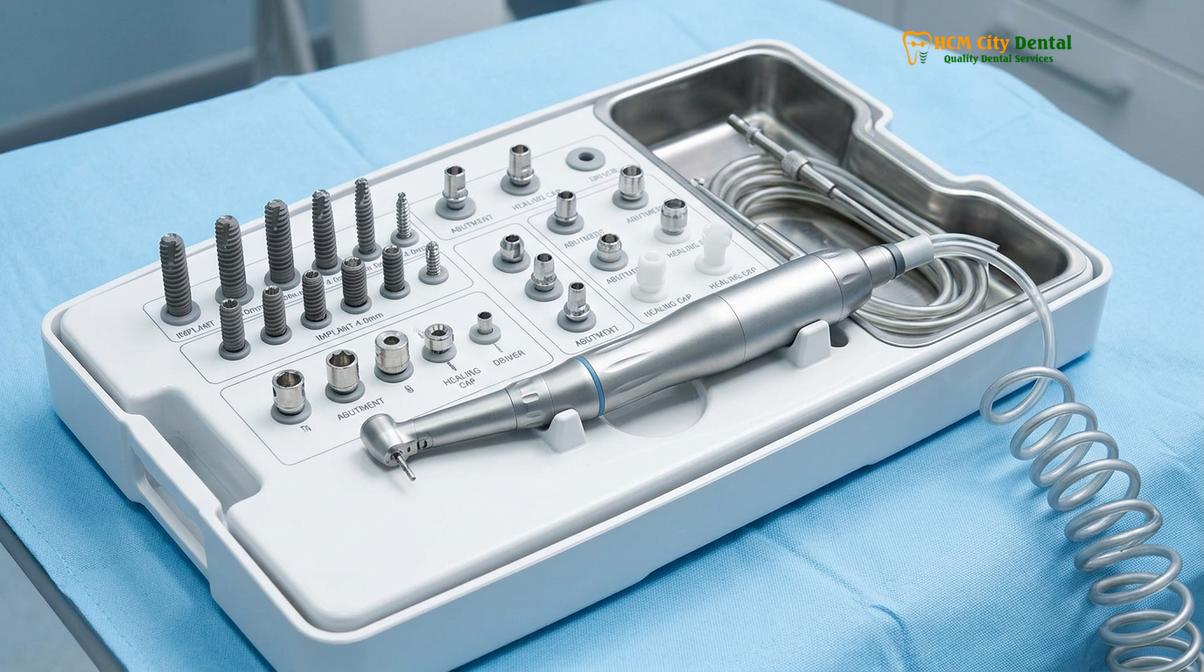
The success of an implant relies heavily on the biological process of osseointegration—the structural and functional connection between living bone and the surface of a load-bearing artificial implant. To achieve predictable osseointegration, surgeons rely on high-grade materials, typically Grade 4 commercially pure titanium or Grade 5 titanium alloys. These materials undergo proprietary surface treatments, such as sandblasting and acid-etching, to increase cellular adhesion[2].
When patients inquire about Straumann vs Nobel Biocare implants, they are discussing the pinnacle of dental engineering. Both brands offer extensive clinical research backing their efficacy, and both are readily available at top-tier Vietnamese clinics. Dr. Cuong emphasizes that utilizing these premium systems ensures that patients receive an international warranty. Should a patient relocate or require maintenance years later in their home country, any qualified prosthodontist worldwide will have the necessary drivers and components to service the restoration.
“Material integrity is the foundation of implant longevity. By utilizing globally recognized brands, we eliminate the variable of material failure, allowing our clinical focus to remain entirely on surgical precision and optimal prosthetic design.”
Beyond the surgical fixture, the prosthetic phase also adheres to rigorous standards. In-house digital laboratories utilize CAD/CAM technology to mill crowns from monolithic zirconia, providing exceptional tensile strength and lifelike aesthetics. This digital workflow not only enhances precision but significantly reduces the turnaround time, which is crucial for international patients on a tight travel schedule.
Travel and Lodging Cost Simulation for US Citizens
Even when factoring in premium flights and extended hotel stays, the total travel expenses to Saigon remain substantially lower than the domestic out-of-pocket costs for major dental surgeries.
When calculating the true cost of cross-border healthcare, prospective patients must account for the logistical expenses associated with international travel. However, even with these added variables, the mathematics overwhelmingly favor treatment in Vietnam, particularly for multi-unit cases.
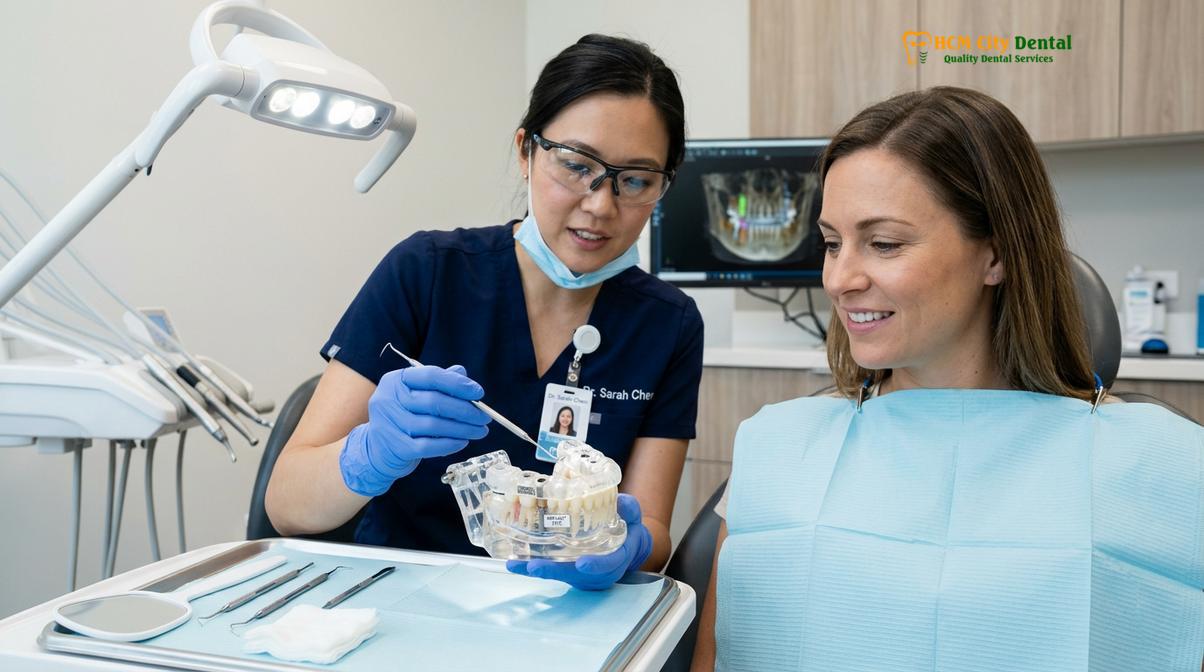
To provide a realistic perspective, let us simulate the travel expenses saigon for a patient flying from Los Angeles (LAX) to Ho Chi Minh City (SGN) for a two-stage implant procedure. The treatment timeline typically requires two separate visits: the first for the surgical placement of the titanium roots, and the second (three to six months later) for the attachment of the final ceramic crowns.
- Round-Trip Airfare: Economy flights from major US hubs to SGN generally range from $800 to $1,300 per trip. For two trips, the total airfare is approximately $2,000.
- Accommodation: Ho Chi Minh City offers exceptional hospitality at highly competitive rates. A comfortable, modern hotel in District 1 or District 3 (close to major clinics) averages $40 to $80 per night. Assuming a total stay of 14 nights across both trips, lodging costs roughly $800.
- Local Transportation and Dining: Ride-sharing apps and local cuisine are highly affordable. A generous budget of $50 per day for 14 days adds $700 to the total.
In this simulation, the total logistical overhead is approximately $3,500. If a patient requires three implants, the domestic US cost would be roughly $15,000. In Vietnam, the clinical cost for three premium implants would be approximately $3,600. Adding the $3,500 travel budget brings the total investment to $7,100—resulting in a net savings of nearly $8,000, alongside the experience of visiting a vibrant international destination[3].
Securing the WhatsApp Booking Discount (40% off eligible lines)
International patients can lock in significant promotional rates and streamline their consultation process by utilizing direct messaging platforms and live currency conversion tools prior to arrival.
Modern dental clinics catering to international patients have streamlined their onboarding processes to eliminate friction and provide immediate clarity regarding treatment scopes and financial obligations. By leveraging digital communication tools, patients can initiate their clinical journey long before boarding a flight.
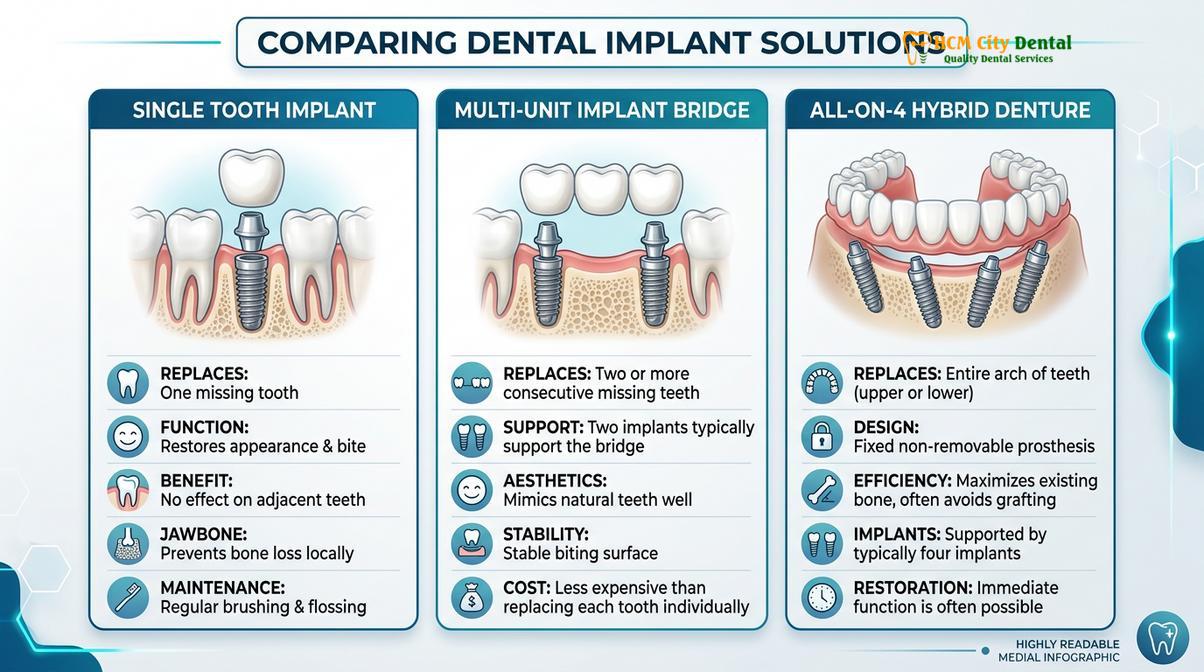
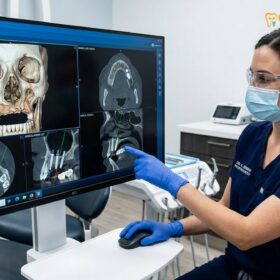
The initial step involves a remote consultation. Patients are encouraged to obtain a panoramic X-ray or a 3D CBCT scan from a local imaging center in the US and forward the digital files via secure messaging platforms like WhatsApp or dedicated patient portals. The clinical team at HCMC Dental Clinic can then analyze the bone volume, identify anatomical landmarks (such as the inferior alveolar nerve or the maxillary sinus), and draft a preliminary, itemized treatment plan.
During this remote planning phase, patients can utilize a live exchange rate calculator to understand the exact conversion from USD to VND, ensuring complete financial transparency. Many clinics offer promotional packages or seasonal discounts for international patients who secure their surgical dates in advance. By finalizing the treatment scope remotely, patients can lock in these rates, protecting themselves against currency fluctuations and ensuring that their travel budget remains predictable and controlled.
When to See a Doctor (Important Clinical Considerations)
While the financial benefits of traveling for dental care are compelling, the decision to undergo oral surgery must be rooted in sound medical reasoning. Not every patient is an immediate candidate for implant placement, and a thorough clinical evaluation is mandatory to ensure long-term success and mitigate the risk of complications.
Clinical Warning: Absolute Contraindications
Patients with uncontrolled systemic conditions, such as severe diabetes (HbA1c > 8.0%), active periodontal disease, or those undergoing intravenous bisphosphonate therapy for osteoporosis, face a significantly higher risk of implant failure and osteonecrosis of the jaw. These conditions must be medically managed and stabilized prior to any surgical intervention.
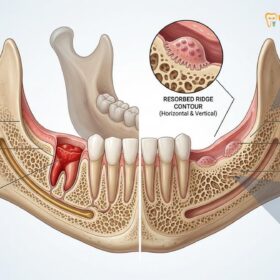
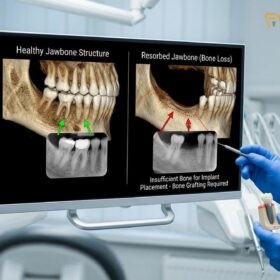
A critical factor in implant success is the availability of sufficient alveolar bone volume. Following tooth extraction, the jawbone naturally begins to resorb (shrink) due to the lack of biomechanical stimulation. If a patient has been missing teeth for several years, they may require adjunctive procedures such as guided bone regeneration (bone grafting) or a sinus lift to create a stable foundation for the titanium fixture[4]. Dr. Nguyen Van Cuong stresses that these preparatory procedures, while adding time to the overall treatment plan, are non-negotiable for ensuring the biomechanical stability of the final restoration.
Clinical Case Review: Managing Bone Resorption
A 62-year-old patient presented to HCMC Dental Clinic with long-standing edentulism in the posterior maxilla. Initial CBCT imaging revealed severe vertical bone loss, leaving only 3mm of native bone below the sinus cavity. Attempting to place an implant directly would have resulted in sinus membrane perforation. The clinical team performed a lateral window sinus elevation, grafting the site with a xenograft particulate. After a six-month consolidation period, the site demonstrated adequate bone density, allowing for the successful placement of two premium implants. The patient ultimately received a functional, aesthetic restoration that would not have been possible without the preliminary grafting phase.
Furthermore, lifestyle factors play a crucial role in healing. Heavy smoking severely impairs peripheral blood flow, delaying angiogenesis and significantly increasing the risk of early implant failure. Patients are strongly advised to adhere to strict smoking cessation protocols before and after surgery to optimize their healing capacity[5]. For older adults wondering about their candidacy, age itself is not a contraindication; rather, it is the patient’s overall physiological health that dictates their suitability for implant procedures in senior patients.
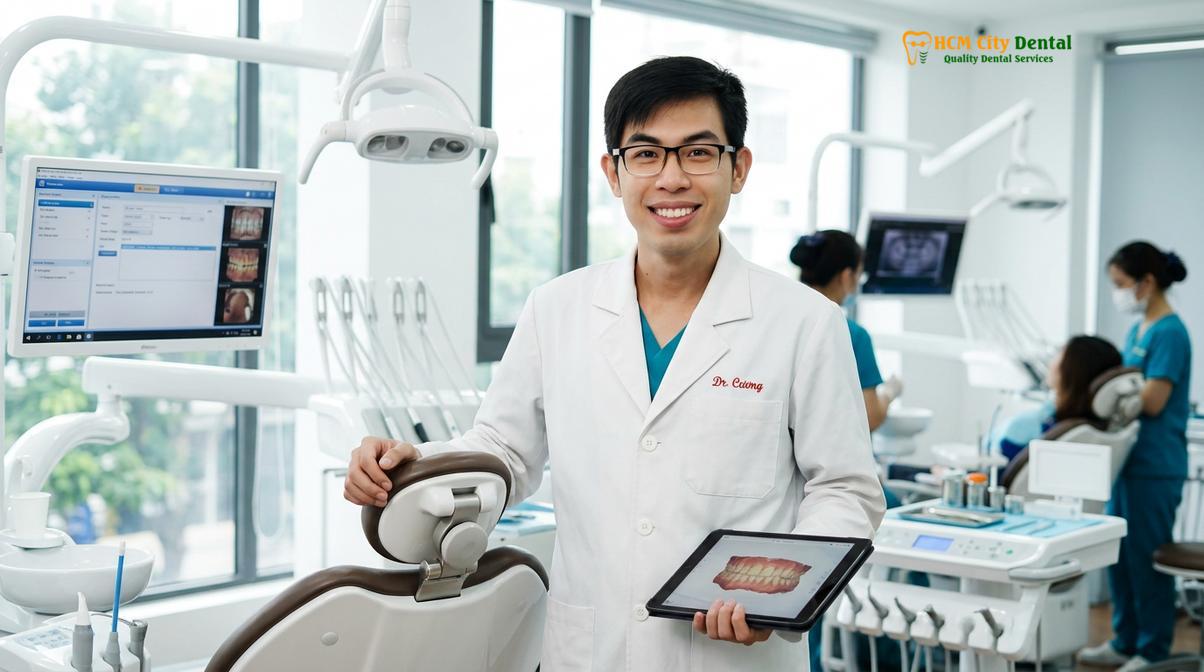
Ultimately, the decision between the pros and cons of dental implants versus traditional removable prosthetics should be made in consultation with a qualified specialist who can assess your unique anatomical and medical profile.
Frequently Asked Questions
Is it really cheaper to fly to Vietnam for dental implants?
Yes, even after factoring in flights and accommodation, patients save thousands of dollars. The total cost of travel plus treatment in Vietnam is significantly lower than the out-of-pocket expenses for identical procedures performed in the United States. For multi-unit restorations or full-arch rehabilitations, the financial disparity becomes even more pronounced, often resulting in net savings exceeding tens of thousands of dollars while maintaining equivalent clinical standards.
Are implant standards in Vietnam similar to the US?
Yes, top-tier clinics in Vietnam adhere to strict international protocols and utilize the exact same FDA-approved materials used in the US. Leading facilities import premium titanium fixtures directly from global manufacturers in Switzerland, the United States, and Germany. Furthermore, many Vietnamese implantologists have undergone advanced surgical training internationally, ensuring that surgical precision, sterilization protocols, and prosthetic fabrication meet or exceed global benchmarks.
How many days should a US patient spend in HCMC for dental work?
Patients should plan for an initial stay of 7 to 10 days for the surgical placement of the implants. This window allows for comprehensive diagnostics, the surgical procedure, and crucial post-operative monitoring. After a healing period of three to six months for osseointegration, a second trip of similar duration is required to fabricate and attach the final permanent ceramic crowns or hybrid bridges.
Will my US dental insurance cover any part of the procedure in Vietnam?
Most standard US dental insurance plans do not cover international implant surgery, as implants are often classified as elective or cosmetic. However, some specialized PPO plans may offer partial reimbursement for out-of-network international care, particularly for diagnostic imaging or basic extractions. Patients are strongly advised to request a detailed, itemized treatment plan from their overseas provider to submit to their insurance carrier for potential out-of-network claims.
What happens if I need a warranty repair after returning to the US?
Reputable clinics provide international warranties on the implant fixtures themselves, which are honored by any global provider using the same brand system. If a structural failure occurs with a premium brand like Straumann or Nobel Biocare, the replacement fixture is typically covered by the manufacturer. However, clinical labor costs for replacing the fixture in the US would be the patient’s responsibility, which is why selecting a highly skilled initial surgeon is paramount.
References
- Journal of Oral Implantology. Economic analysis of dental practice overhead and its impact on patient fees. (2021).
- International Journal of Oral and Maxillofacial Implants. Comparative osseointegration rates of Grade 4 vs Grade 5 titanium fixtures. (2020).
- Journal of Travel Medicine. Outcomes and economic benefits of cross-border dental care in Southeast Asia. (2019).
- Clinical Implant Dentistry and Related Research. Systemic risk factors and absolute contraindications in implantology. (2022).
- Journal of the American Dental Association. Long-term survival rates of computer-guided implant placement. (2018).