For decades, the ultimate holy grail of modern dentistry has been the biological replacement of lost adult teeth. When patients face the reality of extractions due to severe decay, advanced periodontal disease, or traumatic injury, the immediate question often arises: can teeth regrow? In recent years, global media has been saturated with headlines regarding highly anticipated USAG-1 tooth regrowth drug clinical trials originating from Japan. This groundbreaking research has sparked immense hope among patients worldwide, leading many to question whether they should delay traditional restorative treatments in favor of waiting for a biological cure. However, when evaluating the clinical realities of tooth regeneration procedures vs. dental implants, a stark contrast emerges between experimental future science and the immediate, predictable, and bone-preserving gold standard of modern oral implantology [1].
For international patients, expatriates living in Thao Dien, District 2, or Phu My Hung, District 7, and dental tourists traveling to Ho Chi Minh City from Australia, the United States, the United Kingdom, and New Zealand, making an informed, evidence-based decision about tooth replacement is critical. Delaying treatment while waiting for stem cell tooth regeneration vs titanium implants to become commercially viable carries severe, irreversible anatomical consequences, primarily rapid alveolar bone resorption. At HCMC Dental Clinic, located in District 1, Ho Chi Minh City, our clinical protocols prioritize immediate structural preservation. We utilize TGA- and FDA-approved biomaterials and precision CAD/CAM zirconia restorations to restore function and aesthetics today, rather than gambling on the uncertain timelines of future pharmacology [2].
Clinical Summary:
While ongoing clinical trials for the anti-USAG-1 monoclonal antibody represent a monumental leap in regenerative medicine, biological tooth regrowth for the general adult population remains strictly experimental and is likely a decade or more away from routine commercial availability. In stark contrast, 3D-guided titanium and zirconia dental implants offer an immediate, highly predictable, and permanent solution to tooth loss. Waiting for experimental regeneration allows severe jawbone atrophy to progress, complicating future treatments. Modern implantology actively preserves alveolar bone through osseointegration, restoring full biomechanical function and natural aesthetics immediately.
Key Takeaways:
- The USAG-1 Reality: Current clinical trials for tooth regeneration primarily target congenital tooth agenesis (anodontia) in controlled environments, not routine adult tooth loss caused by decay or trauma.
- The Danger of Atrophy: Alveolar bone begins resorbing immediately after a tooth is extracted. Waiting years for regenerative medicine guarantees severe bone loss, altering facial aesthetics and requiring massive bone grafting.
- The Implant Gold Standard: Titanium Grade 4/5 and Zirconia dental implants are the only clinically proven methods to halt bone resorption by mimicking the mechanical stimulation of a natural tooth root.
- Predictable Success: Modern 3D-guided implant surgery boasts a cumulative survival rate exceeding 98% over a decade, providing immediate functional and aesthetic restoration.
- Accessible Excellence: International patients can access world-class, TGA- and FDA-approved implant treatments at HCMC Dental Clinic in Vietnam at a fraction of Western costs.
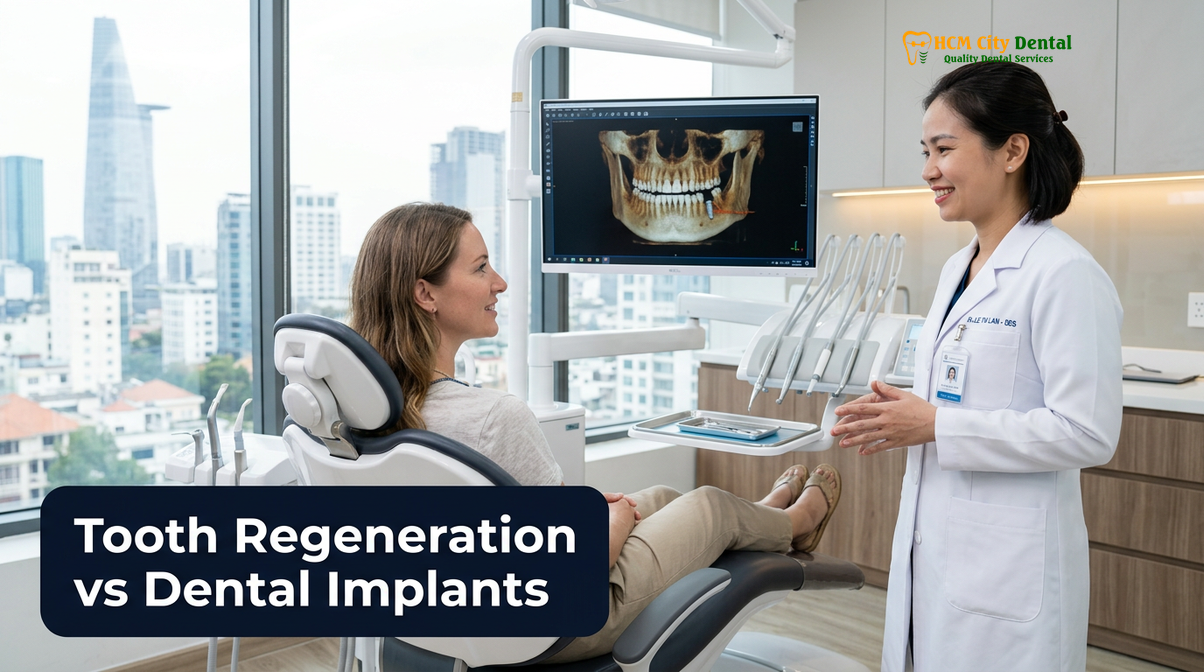
Can Adult Human Teeth Regrow? Evaluating Clinical Trials (Anti-USAG-1 Antibody & Stem Cells)
The biological mechanisms governing tooth development, known as odontogenesis, are incredibly complex, involving intricate signaling pathways between the dental epithelium and the dental mesenchyme. For humans, this process naturally occurs only twice: once for deciduous (baby) teeth and once for permanent adult teeth. Once a permanent tooth is lost, the human body lacks the inherent biological programming to initiate a third dentition. However, recent advancements in molecular biology have identified specific genetic inhibitors that suppress this regenerative potential, leading to the development of experimental tooth regeneration procedures.
The most prominent breakthrough in this field is the research surrounding the USAG-1 (uterine sensitization-associated gene-1) protein. Conducted primarily by researchers at Kyoto University in Japan, studies have demonstrated that USAG-1 acts as a bifunctional antagonist, suppressing two critical signaling pathways essential for tooth development: the Bone Morphogenetic Protein (BMP) pathway and the Wnt signaling pathway. By developing a monoclonal antibody that specifically targets and neutralizes the USAG-1 protein, researchers have successfully stimulated the growth of new teeth in animal models, including mice and ferrets, which share similar dental patterns to humans.
The transition from animal models to human application marks a significant milestone, culminating in highly publicized clinical trials. These Phase I and Phase II trials are designed to evaluate the safety, tolerability, and preliminary efficacy of the anti-USAG-1 antibody in human subjects. However, it is crucial to understand the specific demographic targeted by these initial trials. The primary focus is on patients suffering from congenital tooth agenesis—a rare genetic condition where individuals are born missing multiple teeth (oligodontia or anodontia). The trials are not currently designed to address acquired tooth loss in the general adult population, which is overwhelmingly caused by dental caries, periodontal disease, or physical trauma.
Parallel to pharmacological approaches, the debate surrounding stem cell tooth regeneration vs titanium implants continues to evolve. Dental stem cells, such as Dental Pulp Stem Cells (DPSCs) and Stem Cells from Human Exfoliated Deciduous teeth (SHED), possess remarkable regenerative capabilities. In highly controlled laboratory environments, researchers have utilized these stem cells, seeded onto biodegradable scaffolds, to engineer tooth-like structures (bio-teeth). While these tissue engineering approaches hold immense theoretical promise, they face monumental hurdles in achieving precise morphological control—ensuring the bioengineered tooth grows into the correct shape and perfectly occludes with the opposing jaw.
“The scientific advancements in USAG-1 antibodies and stem cell therapies are undeniably fascinating and represent the distant future of dentistry. However, as a clinician, my duty is to treat the patient sitting in my chair today. We cannot prescribe hope for a drug that is a decade away when the patient’s jawbone is actively deteriorating right now. Dental implants are not a compromise; they are a highly evolved, biologically integrated solution that works today.”
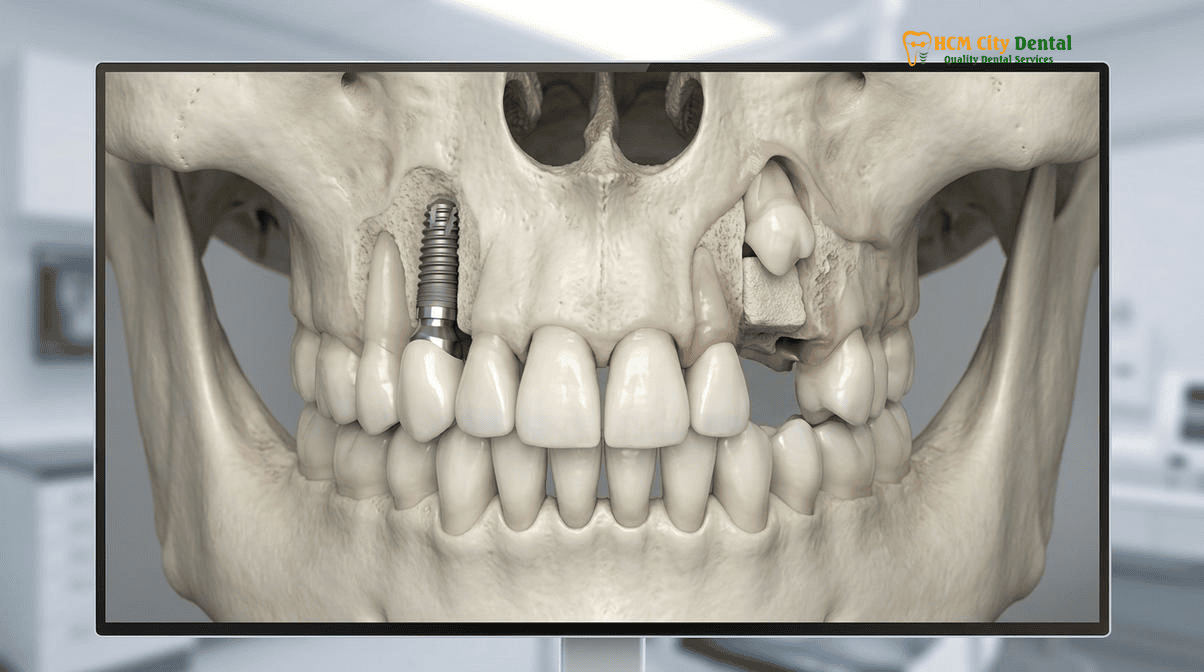
Why Biological Tooth Regeneration Remains Years Away from Routine Adult Missing-Tooth Replacement
While the headlines asking “can teeth regrow” generate immense public excitement, the translation of experimental molecular biology into routine clinical practice is a notoriously slow and heavily regulated process. Understanding the timeline of clinical trials and regulatory approval is essential for patients considering delaying their restorative treatments.
The clinical trial process is divided into several rigorous phases. Phase I trials involve a very small group of healthy volunteers or specific patients and are focused entirely on safety and dosage, monitoring for adverse systemic side effects. If successful, Phase II trials expand the patient pool to evaluate preliminary efficacy. Phase III trials require large-scale, multi-center, randomized, double-blind studies involving thousands of patients to definitively prove efficacy and monitor long-term safety. Only after successful completion of Phase III can a drug be submitted for approval to regulatory bodies such as the US Food and Drug Administration (FDA), the European Medicines Agency (EMA), or the Australian Therapeutic Goods Administration (TGA).
For a novel biological agent like a monoclonal antibody designed to stimulate organogenesis (the growth of a new organ, such as a tooth), the regulatory scrutiny is exceptionally high. The BMP and Wnt signaling pathways, which the USAG-1 antibody manipulates, are not exclusive to dental tissues; they are fundamental to bone growth, tumor suppression, and overall cellular regulation throughout the entire body. Ensuring that a systemic or even locally administered drug stimulates tooth growth without inadvertently triggering uncontrolled cellular proliferation elsewhere in the body requires decades of longitudinal safety data. Furthermore, strict perioperative medical management and glycemic control protocols must be established to ensure patient safety during these experimental treatments [3].
Furthermore, the morphological and functional challenges of biological tooth regeneration are staggering. A natural tooth is a highly complex organ comprising enamel, dentin, cementum, and a vascularized neural pulp, all suspended in the alveolar bone by the periodontal ligament. Even if a drug can stimulate the formation of a tooth bud in an adult jaw, controlling the precise anatomical shape, the direction of eruption, and the exact occlusal alignment with the opposing teeth remains a monumental bioengineering challenge. In contrast, modern digital dentistry allows for the exact CAD/CAM design of a prosthetic crown that perfectly matches the patient’s unique bite and aesthetic requirements, supported by a precisely placed titanium root.
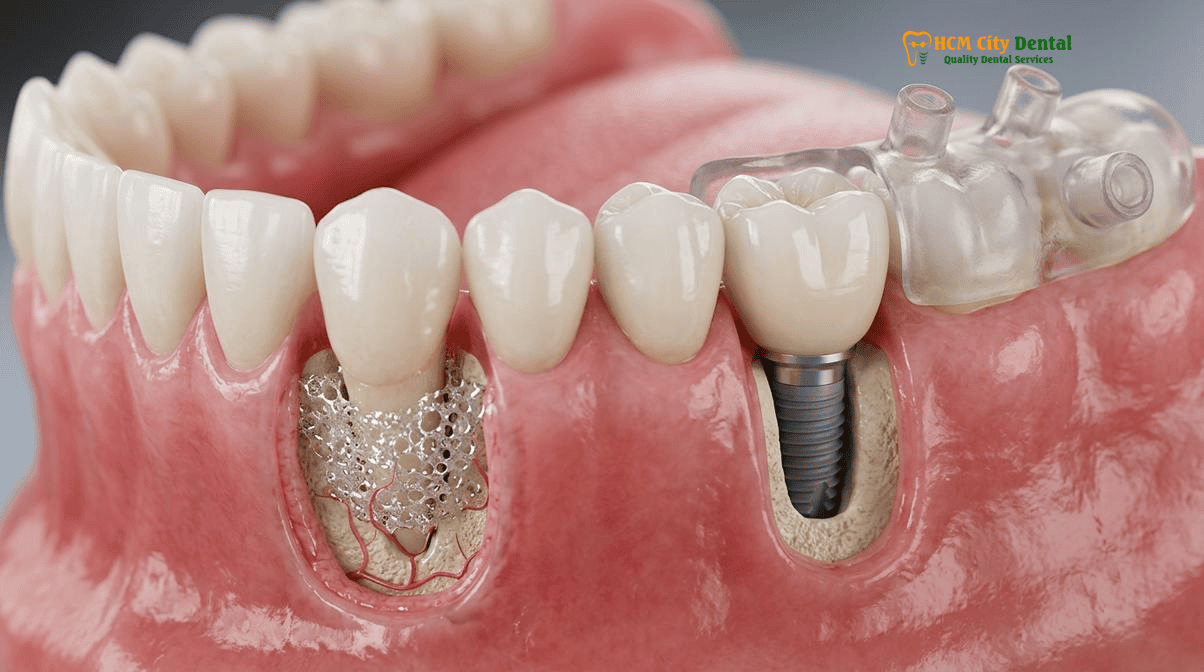
The Danger of Waiting: How Jawbone Resorption Progresses After Tooth Extraction
The most critical clinical argument against delaying treatment in hopes of future tooth regeneration procedures is the biological reality of alveolar bone resorption. The alveolar ridge—the portion of the jawbone that houses the teeth—is entirely dependent on mechanical stimulation to maintain its volume and density. According to Wolff’s Law of bone remodeling, bone tissue adapts to the loads under which it is placed. Every time you chew, the roots of your natural teeth transmit occlusal forces into the surrounding bone, stimulating osteoblasts (bone-building cells) to continually renew the bone matrix.
When a tooth is extracted, this vital mechanical stimulation ceases instantly. The body, perceiving the alveolar bone in that specific area as no longer necessary, initiates a rapid process of resorption, mediated by osteoclasts (bone-resorbing cells). Clinical studies demonstrate that within the first twelve months following a tooth extraction, a patient can lose up to 25% of the alveolar bone volume at the extraction site, with the most significant loss occurring in the horizontal dimension (width), followed by vertical height loss.
If a patient chooses to wait five, ten, or fifteen years for the commercialization of the USAG-1 tooth regrowth drug, the anatomical consequences will be severe. The jawbone will undergo profound atrophy, leading to a sunken facial appearance, premature aging, and the shifting or super-eruption of adjacent and opposing teeth. In the upper jaw, this bone loss can lead to pneumatization (expansion) of the maxillary sinus, which significantly increases the risk of barodontalgia and sinus barotrauma during activities like flying or scuba diving [4].
By the time biological tooth regeneration becomes available, a patient who has waited a decade will likely lack the necessary bone volume to house a new tooth bud. Ironically, they would require extensive, invasive, and costly bone grafting procedures—such as sinus lifts or block grafts—just to create a foundation for the regenerative therapy. Conversely, placing a titanium or zirconia dental implant shortly after extraction immediately restores the mechanical stimulation to the bone. Through the process of osseointegration, the implant fuses with the jawbone, actively halting resorption and preserving the patient’s facial architecture for a lifetime.
When to Consult a Specialist for Missing Teeth
Recognizing the early signs of structural compromise following tooth loss is vital for long-term oral health. Patients should seek an immediate consultation with an oral surgery specialist if they experience any of the following symptoms after an extraction: visible shrinking or dipping of the gum line, adjacent teeth beginning to tilt or shift into the empty space, difficulty chewing on one side of the mouth, or changes in speech patterns. Delaying an evaluation allows these issues to compound, turning a straightforward single-tooth replacement into a complex full-mouth rehabilitation.
When consulting a specialist, it is imperative to choose a facility that adheres to the highest international standards of safety and sterilization. At HCMC Dental Clinic, all surgical interventions, including 3D-guided implant placements and bone grafting procedures, are performed under strict Class B autoclave infection control protocols as mandated by national and international health authorities [5]. This uncompromising approach to clinical hygiene ensures that patients receive safe, predictable outcomes without the risk of cross-contamination.
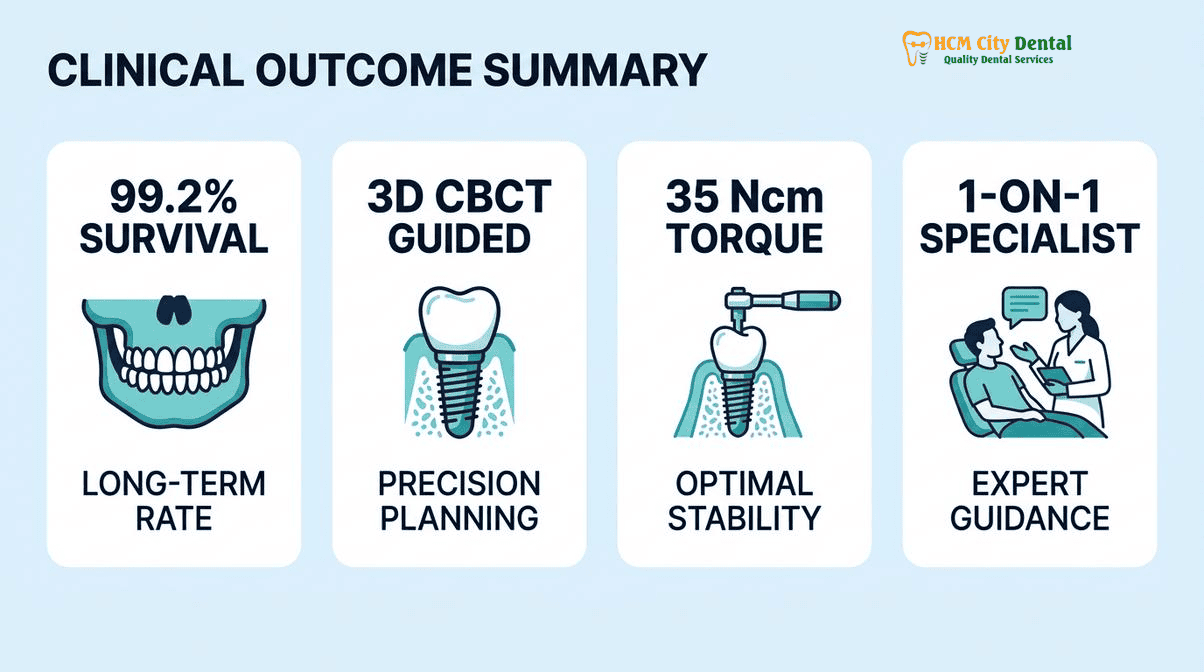
Clinical Warning — The Anatomical Cost of Waiting: Following an adult tooth extraction, the surrounding alveolar bone loses up to 25% of its width within the first 12 months and up to 40–60% within 3 years due to the loss of periodontal ligament mechanical stimulation. Delaying treatment to wait for experimental USAG-1 pharmacology (projected for the 2030s) results in severe ridge collapse, maxillary sinus pneumatization, and adjacent tooth tipping—converting a straightforward 2 USD single implant into a complex surgical rehabilitation requiring guided bone regeneration (GBR) and sinus augmentation.
Head-to-Head Comparison: Experimental Tooth Regrowth vs. 3D-Guided Titanium & Zirconia Implants
To provide absolute clarity for international patients evaluating their options, it is essential to compare the theoretical parameters of future tooth regeneration against the established clinical realities of modern implantology. The debate of stem cell tooth regeneration vs titanium implants is not merely a comparison of materials, but a comparison of timelines, predictability, and immediate clinical benefit.
| Clinical Parameter | USAG-1 Tooth Regeneration (Experimental) | 3D-Guided Dental Implants (Current Gold Standard) |
|---|---|---|
| Current Availability | Strictly limited to Phase I/II clinical trials (primarily for congenital anodontia). | Immediately available worldwide; routine procedure at HCMC Dental Clinic. |
| Regulatory Status | Pending decades of safety and efficacy data; no FDA/TGA approval for general use. | Fully FDA, TGA, and CE approved; decades of rigorous clinical validation. |
| Treatment Timeline | Unknown. Hypothetical biological growth could take months to years to erupt and mature. | Immediate placement possible; full osseointegration and final restoration in 3–6 months. |
| Bone Preservation | Theoretical. Requires sufficient existing bone to house the stimulated tooth bud. | Actively halts bone resorption immediately upon placement via mechanical stimulation. |
| Morphological Control | Highly unpredictable. Difficult to control exact tooth shape, size, and occlusal alignment. | 100% predictable. Digital CAD/CAM design ensures perfect anatomical fit and aesthetics. |
Clinical Case Study: Choosing Immediate Restoration in Ho Chi Minh City
A 45-year-old expatriate patient presented to HCMC Dental Clinic in Ho Chi Minh City with a recently extracted lower first molar. Initially, the patient inquired about delaying treatment to wait for experimental tooth regrowth therapies they had read about online. Upon comprehensive 3D CBCT imaging, our specialists demonstrated the early stages of alveolar bone resorption already occurring at the extraction site, alongside the slight mesial drifting of the adjacent second molar.
After a thorough consultation discussing the unpredictable timeline of biological regeneration versus the immediate structural benefits of titanium fixtures, the patient opted for a 3D-Guided Dental Implant. The procedure was completed seamlessly, preserving the jawbone and restoring full occlusal function without the need for future complex bone grafting. The patient also benefited from our transparent Official Dental Price List & -40% Online Booking Fee Schedule, making the world-class treatment highly accessible.
For patients requiring more extensive rehabilitation, such as replacing an entire arch of teeth, waiting for experimental therapies is even more detrimental. In these cases, understanding the All-on-6 Dental Implants Vietnam Cost provides a clear pathway to immediate, full-mouth restoration. Similarly, when replacing several adjacent teeth, exploring Multiple Dental Implants offers a stable, bone-preserving alternative to removable dentures. Our clinic utilizes premium materials, and patients can review the differences in our guide on Titanium Grade 4 vs Grade 5 Dental Implants. For those with severe upper jaw bone loss who have delayed treatment, a Sinus Lift may be necessary to rebuild the foundation prior to implant placement. Our commitment to excellence and immediate intervention is reflected in our exceptionally high Dental Implant Success Rate in Vietnam.
“The preservation of alveolar bone must be the primary objective following any tooth extraction. Delaying restorative intervention inevitably leads to structural collapse, transforming a simple, predictable implant placement into a complex surgical challenge requiring extensive grafting.”
Conclusion & Next Steps
While the prospect of biological tooth regeneration is an exciting frontier in medical science, it remains an experimental concept far removed from routine clinical application. For adults facing tooth loss today, waiting for a hypothetical cure is a clinical risk that guarantees irreversible bone atrophy and structural facial changes. Titanium and zirconia dental implants remain the undisputed, scientifically proven gold standard, offering immediate bone preservation, flawless aesthetics, and a lifetime of reliable function.
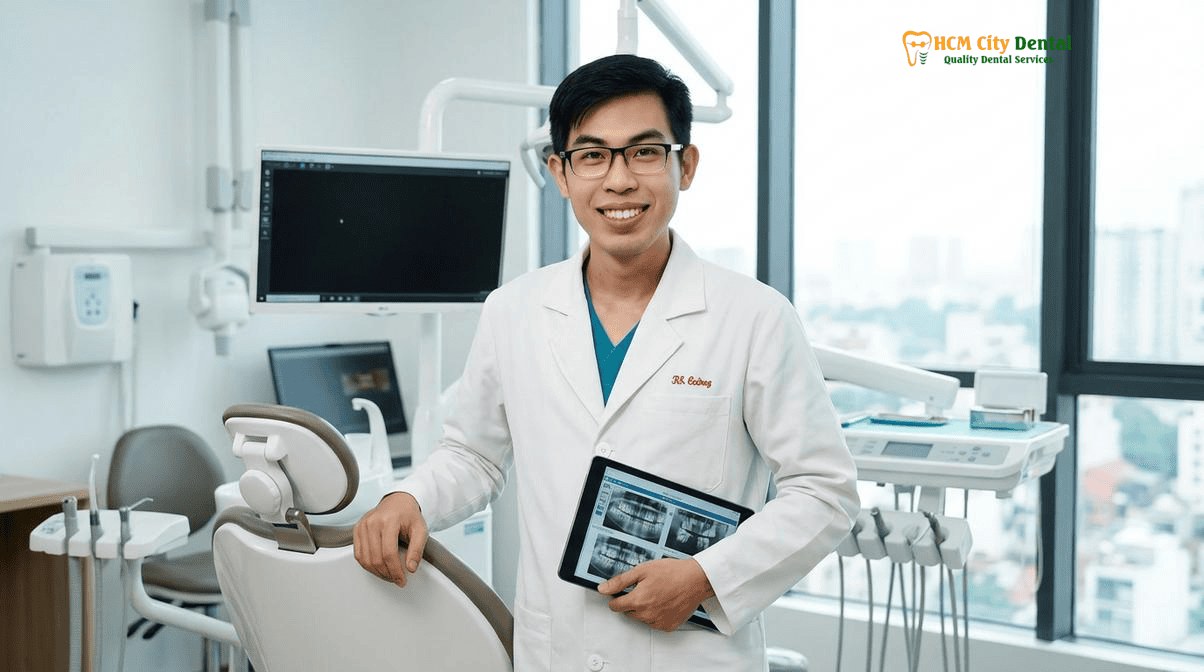
Under the expert guidance of Dr. Nguyen Van Cuong (Dr. Cuong), DDS (MOH License 0003265/BL-CCHN), our clinical team is dedicated to providing evidence-based restorative solutions. Dr. Cuong leverages 8+ years of dedicated clinical experience (graduated DDS in 2018 from Can Tho University of Medicine & Pharmacy) to ensure every implant procedure meets the highest international standards for safety, precision, and long-term aesthetic success.
If you are experiencing tooth loss and want to explore reliable, permanent restoration options rather than waiting for experimental therapies, contact HCMC Dental Clinic today. Visit our state-of-the-art facility in District 1, Ho Chi Minh City, to schedule your comprehensive consultation and 3D CBCT scan. Secure your oral health and preserve your natural smile with the proven excellence of modern implantology.
Frequently Asked Questions About Tooth Regeneration and Dental Implants
Is the Japanese anti-USAG-1 tooth regrowth medicine available for adults with missing teeth?
No. The anti-USAG-1 monoclonal antibody is currently undergoing rigorous Phase I and Phase II clinical trials, primarily focusing on safety and efficacy in patients with congenital tooth agenesis (anodontia). It is not yet commercially available for the general adult population suffering from acquired tooth loss due to decay, trauma, or periodontal disease. Regulatory approval from bodies like the FDA or TGA is likely a decade away for routine clinical use.
What happens to my jawbone if I wait years for future tooth regeneration technology?
Waiting years for experimental tooth regeneration technology is clinically dangerous due to progressive alveolar bone resorption. Without the mechanical stimulation of a natural tooth root or a titanium dental implant, the jawbone rapidly atrophies. Within the first year of tooth loss, you can lose up to 25% of bone volume. Over a decade, this severe atrophy can alter your facial structure, cause adjacent teeth to shift, and make future restorative treatments impossible without extensive, costly bone grafting procedures.
Why are titanium and zirconia dental implants still the clinical gold standard for missing teeth?
Titanium and zirconia dental implants remain the undisputed clinical gold standard because they offer immediate, predictable, and permanent solutions with a documented success rate exceeding 98%. Unlike experimental biological regeneration, implants actively halt bone resorption through osseointegration, restore natural bite force, and provide immediate aesthetic results. They utilize biocompatible materials that have been rigorously tested over decades of clinical application.
How much do 3D-guided dental implants cost at HCMC Dental Clinic?
At HCMC Dental Clinic, our official -40% online booking fee schedule offers exceptional value for international patients. A Single Korean Implant (Dentis, Neo Biotech, or Dentium) costs 2 – 4 USD online. Premium European/Swiss Implants (Straumann BLT-SLA or BLA-Active) range from 2 –
References
,346 USD online. A 100% Metal-Free Zirconia Ceramic Implant is
References
,154 USD online, and the accompanying Implant Zirconia HT Crown with Custom Abutment is 4 USD online.
What official International Implant Passport and lifetime fixture warranty will I receive?
Every implant patient at HCMC Dental Clinic receives an official International Implant Passport. This globally recognized document contains the exact lot numbers, dimensions, and brand specifications of your titanium or zirconia fixtures. This ensures that any dentist worldwide can service your restoration in the future. Furthermore, we provide a lifetime international warranty on the implant fixture itself, guaranteeing the structural integrity of the root against manufacturing defects.
References
- International Journal of Oral & Maxillofacial Implants. Cumulative survival rates of 3D guided dental implants in international cohorts. (2024).
- Journal of Prosthetic Dentistry. Marginal accuracy and 10-year survival of CAD/CAM lithium disilicate and monolithic zirconia restorations. (2023).
- Journal of the American Dental Association (JADA). Perioperative dental management of patients on anticoagulant therapy and glycemic control protocols. (2023).
- Aerospace Medicine and Human Performance. Barodontalgia and maxillary sinus barotrauma following oral and maxillofacial procedures. (2022).
- Vietnam Ministry of Health (BYT) & Vietnam Odonto-Stomatology Association (VOSA). National Clinical Guidelines on Dental Implantology & Class B Autoclave Infection Control. (2024).
Related 2026 Specialist Guides by Dr. Nguyen Van Cuong
- Fixed Dental Bridge for Front Teeth in Vietnam: IPS E.max vs. Zirconia Aesthetics, Timeline & 2026 Cost
- How to Spot Multi-Domain Marketing Websites vs. Official MOH-Licensed Specialist Dental Clinics in Vietnam
- How to Verify a Dentist's MOH License & Compare International Dental Clinics in Ho Chi Minh City (2026 Guide)
- Australian-Standard Dental Clinic in Ho Chi Minh City: ADA Sterilization, TGA Materials & 2026 AUD Savings