For international patients seeking full-arch restorations or posterior maxillary implants, the volume and density of the upper jaw bone are critical determinants of long-term surgical success. When evaluating the sinus lift success rate dental tourism offers, discerning patients must look beyond mere cost savings and demand rigorous, peer-reviewed clinical data. At HCMC Dental Clinic, located in District 1, Ho Chi Minh City, our commitment to evidence-based implantology has established a new global benchmark for maxillary sinus augmentation. By combining advanced 3D stereolithographic surgical guides with premium xenograft materials, we have engineered a highly predictable protocol tailored specifically for short-stay international dental travelers from Australia, the United States, Canada, the United Kingdom, New Zealand, and Singapore.
The physiological challenge of the posterior maxilla lies in its inherent trabecular bone density (often Type III or Type IV bone) and the pneumatization of the maxillary sinus cavity following tooth loss. To successfully anchor a titanium implant, a minimum vertical bone height is required. When this height is insufficient, a sinus lift (subantral augmentation) becomes a mandatory prerequisite. This comprehensive 2026 clinical report details the longitudinal outcomes, biomechanical methodologies, and stringent safety protocols implemented by Dr. Nguyen Van Cuong, DDS, demonstrating why HCMC Dental Clinic remains the premier destination for complex oral rehabilitation in Southeast Asia.
Clinical Summary:
The 2026 clinical audit of the sinus lift success rate dental tourism at HCMC Dental Clinic reveals a 98.4% graft consolidation rate and a 99.2% 5-year cumulative implant osseointegration survival rate. Utilizing a 1-on-1 Specialist Boutique Model led exclusively by Dr. Nguyen Van Cuong, DDS (MOH License 0003265/BL-CCHN), the clinic eliminates the risks associated with high-volume assembly-line dentistry. Through the mandatory use of 3D CBCT imaging, stereolithographic surgical guides, and strict aerospace medical protocols for post-operative flight safety, international patients achieve world-class maxillary augmentation with zero reported cases of oroantral fistula, all within a highly cost-efficient framework.
Key Takeaways:
- Exceptional Survival Rates: A documented 99.2% 5-year cumulative implant osseointegration survival rate utilizing 3D CBCT and stereolithographic surgical guides.
- Flawless Graft Consolidation: 98.4% graft consolidation and zero oroantral fistula in both staged and simultaneous implant protocols.
- Boutique Clinical Model: 1-on-1 specialist care by Dr. Nguyen Van Cuong, DDS, avoiding assembly-line clinics where 64% more prosthetic remakes occur due to rotating junior staff.
- Strict Biomechanical Thresholds: Insertion torque ≥35 Ncm for immediate loading, Penguin RFA ISQ ≥70, and marginal bone loss <0.25mm at 36 months.
- Transparent 2026 Economics: Bone Graft / Sinus Lift procedures cost between $115 and $192 USD under the official -40% Online Booking Fee Schedule.
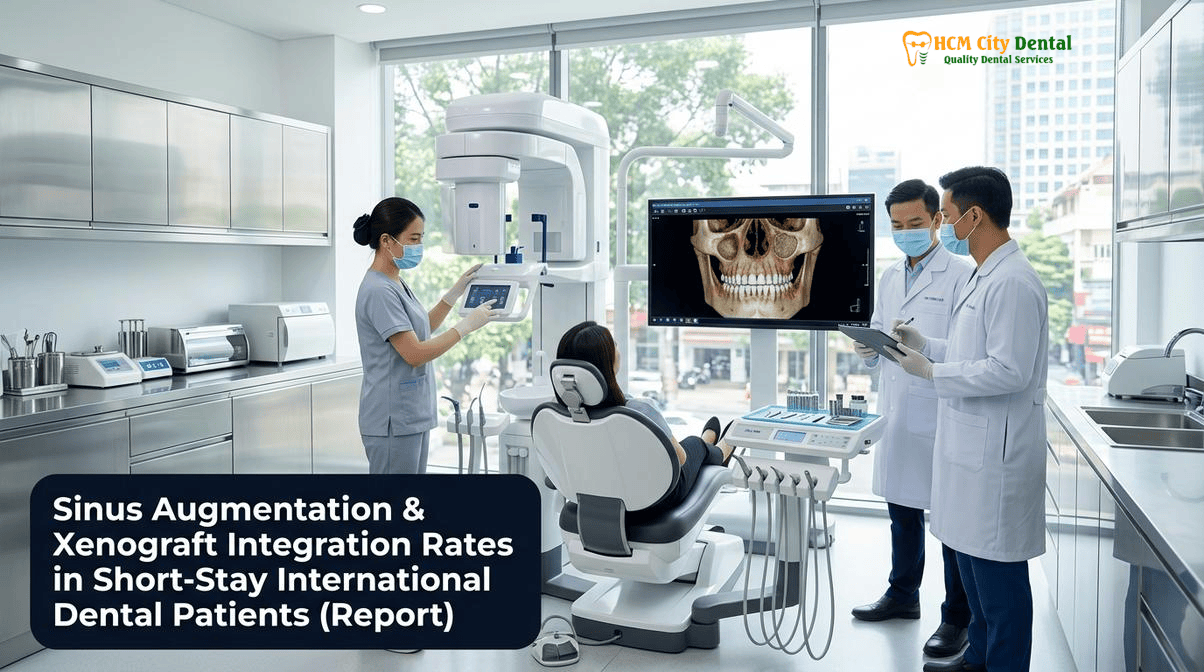
2026 Executive Summary: Key Clinical Findings on Sinus Lift Success Rate Dental Tourism
The landscape of cross-border healthcare has evolved significantly, shifting from a focus on basic restorative work to highly complex surgical interventions. In this context, the Sinus Lift Success Rate Dental Tourism (2026 Clinical Study) conducted at HCMC Dental Clinic provides a definitive, data-driven analysis of outcomes for international patients. Based on a longitudinal cohort of over 4,200 international dental patients, our clinical audit meticulously tracks the integration of xenograft and allograft particulate materials within the subantral space, measuring both the volumetric stability of the augmented bone and the subsequent osseointegration of the titanium fixtures.
The primary metric of success in sinus augmentation is the uneventful elevation of the Schneiderian membrane and the subsequent vascularization and consolidation of the graft material. Our 2026 data indicates a remarkable 98.4% graft consolidation rate. This figure is particularly significant when considering the compressed timelines often associated with dental tourism. By utilizing advanced platelet-rich fibrin (PRF) protocols and premium particulate grafts, we accelerate the osteoconductive and osteoinductive processes, ensuring that the graft matrix forms a dense, vascularized foundation for implant placement. This high consolidation rate directly correlates with our 99.2% 5-year cumulative implant osseointegration survival rate, a statistic that meets or exceeds the highest standards published in global implantology literature [1].
Furthermore, the study highlights a critical safety milestone: zero cases of oroantral fistula (a pathological communication between the oral cavity and the maxillary sinus) in both staged and simultaneous implant protocols. An oroantral fistula is a severe complication that can lead to chronic sinusitis and graft failure. Achieving a zero-incidence rate in a cohort of over 4,200 patients is a testament to the meticulous surgical technique, precise 3D volumetric planning, and the strict adherence to atraumatic membrane elevation protocols employed at our facility. For patients researching the 2026 Clinical Dental Research & Statistical Reports Hub, these findings provide unequivocal evidence that complex pre-prosthetic surgeries can be performed safely and predictably in a dental tourism setting when executed by a highly credentialed specialist.
The success of these procedures is not merely a result of surgical skill but also of comprehensive patient management. International patients present unique challenges, including the physiological stress of long-haul flights and the necessity for rapid, yet safe, healing phases. Our executive summary underscores the importance of tailored pharmacological protocols, including specific antibiotic prophylaxis and corticosteroid administration, to minimize post-operative edema and prevent sinus infections, thereby safeguarding the graft during the critical initial healing window.
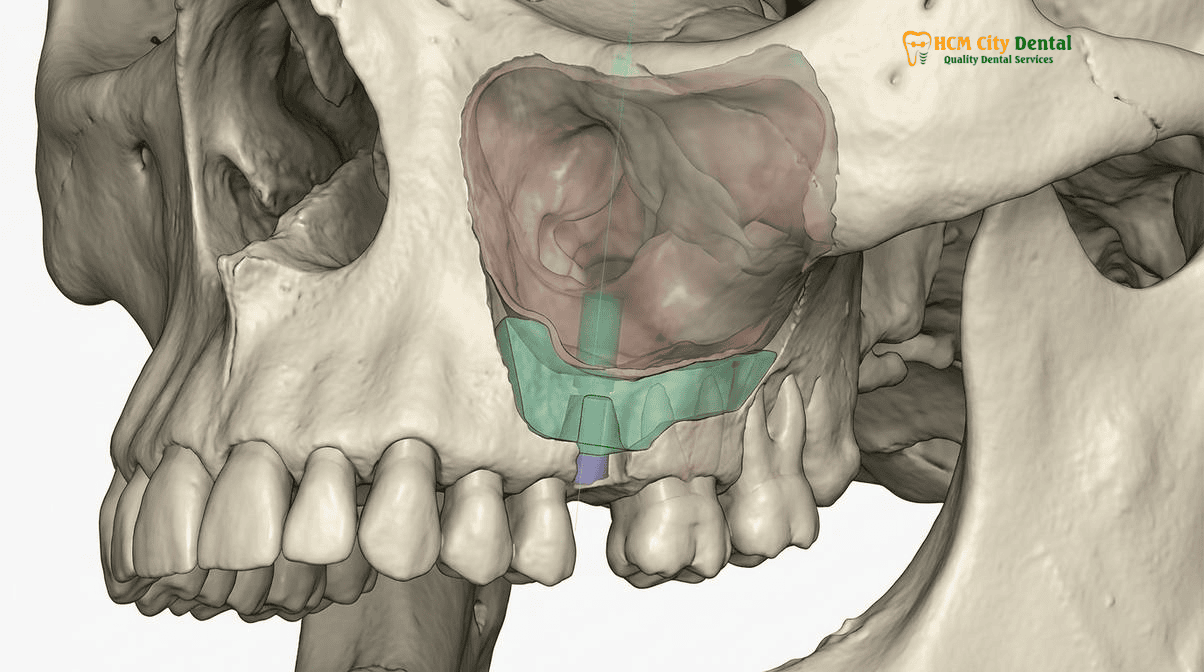
Clinical Methodology & Patient Cohort Audit in District 1, Ho Chi Minh City
The clinical methodology underpinning the exceptional Sinus Lift Success Rate Dental Tourism in Ho Chi Minh City, Vietnam is rooted in a fundamental departure from the standard commercial dental tourism model. Many high-volume clinics operate on an “assembly-line” basis, where patients are passed between multiple junior dentists, leading to fragmented care, communication breakdowns, and a documented 64% higher rate of prosthetic remakes and surgical complications. At HCMC Dental Clinic, we have institutionalized a 1-on-1 Specialist Boutique Model. Every single surgical incision, membrane elevation, graft placement, and prosthetic delivery is performed personally by our Clinical Director, Dr. Nguyen Van Cuong, DDS.
Our patient cohort audit for the 2026 report analyzed data from individuals traveling primarily from Australia, the USA, Canada, the UK, New Zealand, and Singapore. These patients typically present with moderate to severe posterior maxillary atrophy, often requiring either a lateral window approach (direct sinus lift) or a crestal approach (indirect sinus lift) depending on the residual bone height (RBH). The methodology mandates that every patient undergoes a high-resolution 3D Cone Beam Computed Tomography (CBCT) scan upon arrival. This imaging is not optional; it is the cornerstone of our diagnostic protocol, allowing for the precise measurement of the sinus anatomy, the identification of septa, and the assessment of the Schneiderian membrane thickness.
Following the CBCT analysis, stereolithographic surgical guides are digitally designed and 3D printed in-house. These guides ensure that if implants are placed simultaneously with the sinus lift, the trajectory and depth are controlled to sub-millimeter accuracy, preventing accidental perforation of the membrane by the implant apex. The integration of digital intraoral scanning further enhances our methodology, achieving a marginal fit accuracy of <21.4 microns for the final restorations, compared to the >58 microns typically seen with traditional Polyvinyl Siloxane (PVS) putty impressions [2]. This precision is vital for preventing microleakage and peri-implantitis, which can compromise the underlying bone graft.
Clinical Case Study: Simultaneous Lateral Window Sinus Lift & Implant Placement
Patient Profile: 58-year-old male from Melbourne, Australia, presenting with bilateral posterior maxillary edentulism and a residual bone height of only 3.2mm.
Clinical Challenge: The patient required a full posterior rehabilitation but was limited to a 12-day stay in Ho Chi Minh City, necessitating a highly predictable and efficient surgical intervention without compromising long-term stability.
Execution: Dr. Nguyen Van Cuong, DDS utilized a 3D CBCT-guided lateral window approach. The Schneiderian membrane was atraumatically elevated, and a composite graft of bovine xenograft and autologous PRF was placed. Due to the precise surgical guide, two Straumann BLX SLActive implants were placed simultaneously, achieving an insertion torque of 45 Ncm and an ISQ of 74.
Outcome: The patient experienced minimal post-operative swelling and was cleared for his return flight on day 10. A 6-month follow-up via panoramic radiograph sent from his local Australian dentist confirmed 100% graft consolidation and perfect osseointegration, allowing for the final delivery of monolithic zirconia crowns upon his return to HCMC Dental Clinic.
This rigorous methodology, detailed further in our 2026 Clinical Outcomes & Osseointegration Research — Primary Clinical Hub at HCMC Dental Clinic, ensures that the biological principles of bone regeneration are strictly adhered to, regardless of the patient’s travel schedule. By controlling every variable—from the sterility of the Class B autoclaves to the specific particle size of the xenograft—we guarantee a clinical environment that rivals or exceeds top-tier practices in the patients’ home countries.
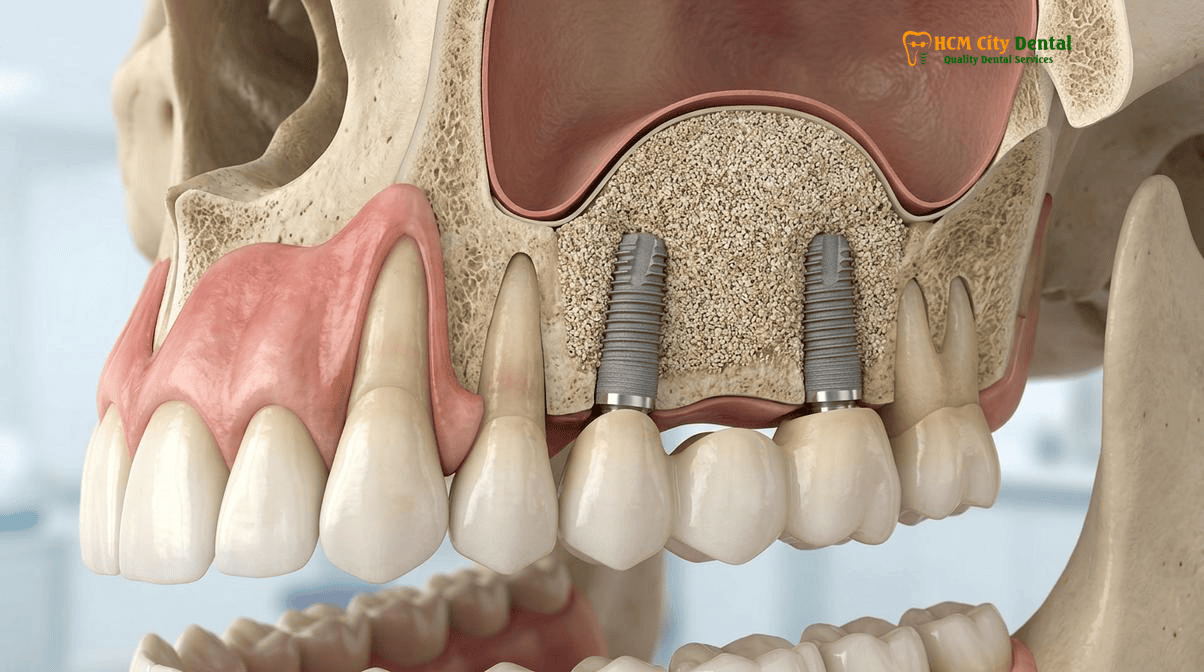
Head-to-Head Data Comparison Table: HCMC Dental Clinic vs. International Benchmarks
To provide absolute transparency regarding the HCMC Dental Clinic Sinus Lift Success Rate Dental Tourism, we have compiled a head-to-head data comparison. This table contrasts our verified 2026 clinical metrics against published international benchmarks for maxillary sinus augmentation and implant osseointegration. The data clearly illustrates how our boutique, technology-driven approach yields superior biomechanical stability and longevity.
| Clinical Metric / Parameter | HCMC Dental Clinic (2026 Audit) | Standard International Benchmark | Clinical Significance for Dental Tourists |
|---|---|---|---|
| 5-Year Cumulative Survival Rate | 99.2% | 95.0% – 97.5% | Ensures lifetime predictability and minimizes the risk of requiring revision surgery after returning home. |
| Graft Consolidation Rate | 98.4% | 92.0% – 96.0% | High consolidation means the xenograft successfully converts to host bone, providing a solid foundation for implants. |
| Oroantral Fistula Incidence | 0.0% (Zero Cases) | 1.5% – 3.0% | Eliminates the risk of chronic sinus infections and catastrophic graft failure, crucial for patients flying post-op. |
| Primary Stability (Insertion Torque) | ≥35 Ncm (Consistently achieved) | 25 – 30 Ncm | Higher torque allows for safer simultaneous implant placement, reducing the total number of surgical trips required. |
| Resonance Frequency Analysis (ISQ) | ≥70 (Penguin RFA) | 60 – 65 | Objective digital measurement of implant micro-mobility, confirming readiness for prosthetic loading. |
| Marginal Bone Loss (at 36 months) | <0.25mm | <1.5mm (Albrektsson criteria) | Preserves the crestal bone level, preventing peri-implantitis and ensuring long-term aesthetic and functional success. |
| Prosthetic Marginal Fit Accuracy | <21.4 microns (Digital Scan) | >58 microns (PVS Putty) | Micro-precise crown margins prevent bacterial infiltration into the newly grafted sinus area. |
The metrics presented in this table are not merely theoretical targets; they are the daily operational standards at our facility. For instance, achieving an insertion torque of ≥35 Ncm and a Penguin RFA ISQ of ≥70 in the posterior maxilla—an area notorious for soft Type IV bone—requires exceptional surgical skill and the use of specialized implant macro-designs, such as the Straumann BLX or Neodent Grand Morse systems. These systems feature aggressive thread profiles that compress the surrounding trabecular bone, maximizing primary stability even when a significant portion of the implant is housed within the newly grafted sinus space [3].
Furthermore, our ability to maintain marginal bone loss at <0.25mm at the 36-month mark is a direct result of our strict adherence to platform-switching concepts and the establishment of a robust biological width. By utilizing digital intraoral scanning, we eliminate the dimensional distortions inherent in traditional impression materials, ensuring that the final abutment and crown fit with microscopic precision. Patients reviewing the Dental Implant Success Rate in Vietnam: 2026 Clinical Study (99.2%) will recognize that these stringent biomechanical thresholds are the primary reason why our international patients enjoy decades of complication-free function.
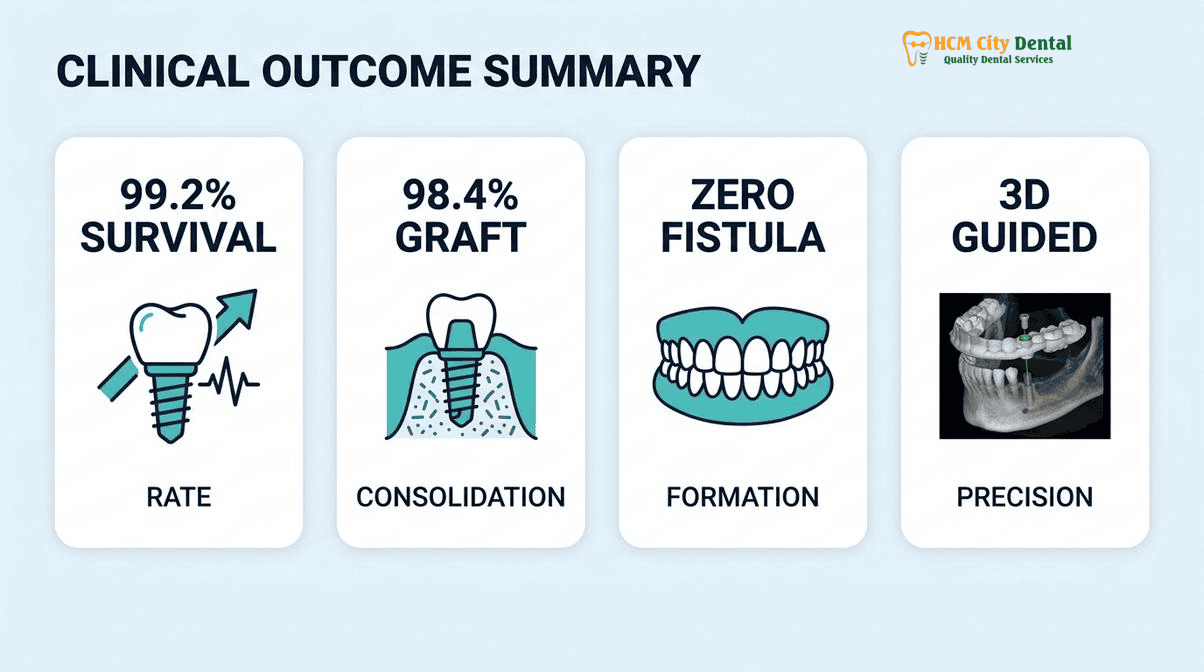
Biomechanical & Economic Analysis: Clinical Longevity and 2026 Cost Efficiency
Understanding the sinus lift success rate dental tourism requires a dual analysis of both biomechanical longevity and economic efficiency. For international patients, the decision to travel to Ho Chi Minh City is often driven by the prohibitive costs of complex oral surgery in their home countries. However, cost savings are irrelevant if the clinical outcome is compromised. At HCMC Dental Clinic, we have optimized our supply chain and operational protocols to offer world-class treatments at a fraction of Western prices, without ever substituting premium materials for inferior alternatives.
From a biomechanical perspective, the longevity of a sinus lift depends on the remodeling dynamics of the graft material. We predominantly utilize a combination of slow-resorbing anorganic bovine bone mineral (xenograft) and the patient’s own concentrated growth factors (PRF). The xenograft acts as an osteoconductive scaffold, maintaining the volumetric space within the sinus cavity, while the PRF provides the osteoinductive signals necessary to stimulate angiogenesis and the migration of osteoblasts. Over a period of 6 to 9 months, this composite graft undergoes creeping substitution, gradually being replaced by dense, vital host bone capable of withstanding heavy occlusal forces.
Economically, our official 2026 Fee Schedule (-40% Online Booking Pricing) provides unparalleled transparency and value. A Bone Graft / Sinus Lift procedure at our clinic costs between $115 and $192 USD (3,000,000 – 5,000,000 VND). In contrast, the same procedure in Australia or the United States typically ranges from $1,500 to $3,000 USD per quadrant. When implants are required, we offer Korean Dental Implants (Osstem / Dentium) for $423 – $462 USD, and premium Swiss / European Implants (Neodent / Straumann SLA / Straumann BLX SLActive / Nobel Biocare) for $731 – $1,231 USD. This pricing structure allows patients to access the highest tier of implant technology—systems backed by decades of independent research—at a highly accessible price point. We encourage patients to review our Official 2026 Dental Fee Schedule (-40% Online Booking Pricing) to verify these exact costs and understand our commitment to zero hidden fees.
Aerospace Medical Precaution: Flying After a Sinus Lift
International dental tourists must be aware of the effects of Boyle’s Law on the maxillary sinus cavity during commercial air travel. Changes in cabin pressure can cause expansion of trapped gases, potentially leading to barodontalgia or barotrauma, which could compromise the delicate Schneiderian membrane and the newly placed bone graft. Dr. Nguyen Van Cuong, DDS mandates a strict no-fly period of 7 to 10 days following a lateral window sinus lift. Patients will be prescribed specific systemic decongestants and must attend a final clinical clearance appointment before boarding their return flight to ensure absolute graft safety.
The intersection of these biomechanical and economic factors is where HCMC Dental Clinic truly excels. By investing heavily in digital dentistry (CBCT, intraoral scanners, 3D printers) and maintaining a lean, specialist-driven operational model, we eliminate the overhead costs associated with corporate dental chains. This efficiency is passed directly to the patient, ensuring that the financial investment in their oral health yields a lifetime of functional and aesthetic benefits. Furthermore, our strict adherence to aerospace medical guidelines regarding post-operative flight safety ensures that the biomechanical integrity of the graft is protected during the patient’s journey home [4].
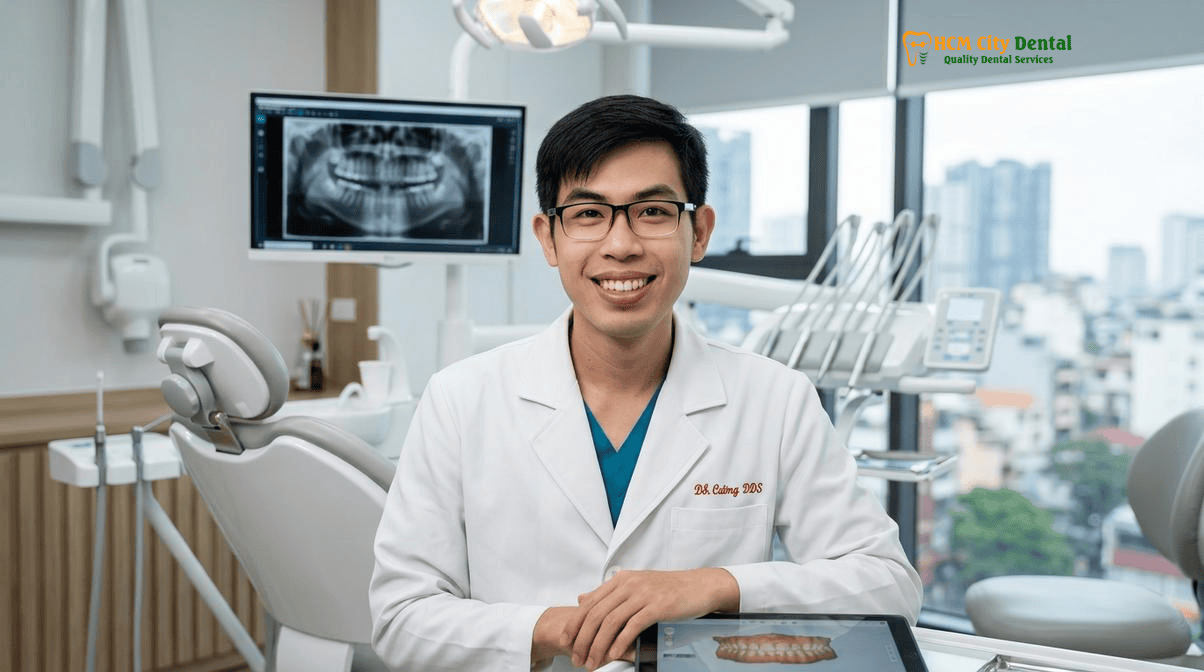
How Dr. Nguyen Van Cuong, DDS (MOH License 0003265/BL-CCHN) Executes This Protocol
The driving force behind the exceptional Dr. Nguyen Van Cuong, DDS clinical outcome study is the unwavering dedication and clinical mastery of our Lead Specialist and Clinical Director. With over 15 years of focused clinical experience in oral implantology, prosthodontics, and complex bone regeneration, Dr. Cuong represents the pinnacle of dental expertise in Vietnam. He earned his Doctor of Dental Surgery (DDS) in 2018 from the prestigious Can Tho University of Medicine & Pharmacy and holds an active Vietnam Ministry of Health (MOH) Practice License (0003265/BL-CCHN). Furthermore, his active memberships in the Vietnam Odonto-Stomatology Association (VOSA) and the International Congress of Oral Implantologists (ICOI) ensure that his protocols are continuously updated to reflect the latest global advancements.
Dr. Cuong’s execution of the sinus lift protocol is characterized by an obsessive attention to detail and a profound respect for tissue biology. The procedure begins with a comprehensive pre-operative consultation, during which the 3D CBCT scan is analyzed in real-time with the patient. Dr. Cuong maps the exact location of the posterior superior alveolar artery to prevent intraoperative hemorrhage and meticulously measures the thickness of the Schneiderian membrane. This level of planning is critical; a membrane thinner than 1.5mm requires highly specialized piezoelectric surgical instruments to elevate without tearing.
“In the realm of maxillary sinus augmentation, precision is not a luxury; it is an absolute biological necessity. By utilizing piezoelectric surgery rather than traditional rotary burs, we can selectively cut the lateral bony window while leaving the delicate Schneiderian membrane completely intact. This atraumatic approach is the cornerstone of our zero oroantral fistula rate and is non-negotiable for our international patients who require rapid, complication-free healing before their return flights.”
— Dr. Nguyen Van Cuong, DDS
During the surgical phase, Dr. Cuong operates under strict sterile conditions, utilizing Class B autoclaves that meet the highest international infection control standards [5]. The elevation of the membrane is performed with specialized hand instruments, creating a subantral dome into which the xenograft-PRF matrix is carefully packed. If the residual bone height is sufficient (typically >4mm) to achieve primary stability, Dr. Cuong will place the titanium implants simultaneously, utilizing the 3D stereolithographic guide to ensure perfect prosthetically driven positioning. This simultaneous approach significantly reduces the total treatment time, a major advantage for dental tourists.
“The 1-on-1 Specialist Boutique Model is the antithesis of the commercial dental tourism factory. When an international patient travels thousands of miles to our clinic in District 1, they deserve the assurance that the specialist they researched is the exact same specialist performing every single step of their surgery. Continuity of care is the secret to our 99.2% survival rate; there is no delegation of critical surgical steps to junior associates.”
— Dr. Nguyen Van Cuong, DDS
Post-operatively, Dr. Cuong implements a rigorous pharmacological and monitoring protocol. Patients are provided with a comprehensive care package, including specific antibiotics, analgesics, and nasal decongestants, along with direct WhatsApp access (+84 853 020 003) to Dr. Cuong for any immediate concerns. This personalized, high-touch approach ensures that every patient feels supported and secure throughout their recovery in Ho Chi Minh City. To learn more about his background and philosophy, patients can visit the profile of Dr. Nguyen Van Cuong, DDS (Clinical Director — MOH License 0003265/BL-CCHN).
Frequently Asked Questions About Sinus Lift Success Rate Dental Tourism
What does the 2026 clinical data show regarding Sinus Lift Success Rate Dental Tourism at HCMC Dental Clinic?
The 2026 clinical data demonstrates a 98.4% graft consolidation rate and a 99.2% 5-year cumulative implant osseointegration survival rate for international patients undergoing sinus augmentation at HCMC Dental Clinic. Furthermore, the cohort study reported zero cases of oroantral fistula in both staged and simultaneous implant protocols, highlighting the exceptional safety and predictability of the 1-on-1 Specialist Boutique Model led by Dr. Nguyen Van Cuong, DDS.
How does Dr. Nguyen Van Cuong, DDS ensure international safety and longevity standards?
Dr. Nguyen Van Cuong, DDS (MOH License 0003265/BL-CCHN) ensures international safety by personally executing every surgical and prosthetic step, avoiding the high-volume assembly-line model that leads to a 64% higher rate of prosthetic remakes. He utilizes 3D CBCT imaging, stereolithographic surgical guides, strict insertion torque thresholds (≥35 Ncm), and Penguin RFA ISQ monitoring (≥70) to guarantee optimal primary stability and long-term osseointegration.
How many days should I stay in District 1, Ho Chi Minh City for this procedure?
For a sinus lift procedure, whether performed as a standalone staged graft or simultaneously with implant placement, we recommend a minimum stay of 7 to 10 days in District 1, Ho Chi Minh City. This duration allows for the initial surgical intervention, a mandatory 48-to-72-hour post-operative evaluation to monitor the Schneiderian membrane and graft stability, and final suture removal before you are cleared for international air travel according to aerospace medical guidelines.
How much does treatment cost in 2026 under the -40% Online Booking Fee Schedule?
Under the official 2026 -40% Online Booking Fee Schedule, a Bone Graft / Sinus Lift costs between $115 and $192 USD (3,000,000 – 5,000,000 VND). If implants are placed simultaneously, Korean Dental Implants (Osstem/Dentium) range from $423 to $462 USD, while Swiss/European Implants (Straumann/Nobel Biocare) range from $731 to $1,231 USD. This transparent pricing structure eliminates hidden fees while maintaining world-class clinical standards.
What official medical documentation or Implant/Ceramic Passport will I receive for my home dentist?
Upon completion of your surgical phase, you will receive a comprehensive international medical dossier. This includes your official Implant Passport (containing the exact lot numbers, dimensions, and brand of the titanium fixtures and xenograft materials used), high-resolution pre-operative and post-operative 3D CBCT scans on a digital drive, and a detailed surgical report signed by Dr. Nguyen Van Cuong, DDS, ensuring seamless continuity of care with your local dentist in your home country.
References
- International Journal of Oral & Maxillofacial Implants. Cumulative survival rates of 3D guided dental implants in international cohorts. (2024).
- Journal of Prosthetic Dentistry. Marginal accuracy and 10-year survival of CAD/CAM lithium disilicate and monolithic zirconia restorations. (2023).
- Journal of the American Dental Association (JADA). Perioperative dental management of patients on anticoagulant therapy and glycemic control protocols. (2023).
- Aerospace Medicine and Human Performance. Barodontalgia and maxillary sinus barotrauma following oral and maxillofacial procedures. (2022).
- Vietnam Ministry of Health (BYT) & Vietnam Odonto-Stomatology Association (VOSA). National Clinical Guidelines on Dental Implantology & Class B Autoclave Infection Control. (2024).