Sedation for dental crowns involves administering pharmacological agents like nitrous oxide or oral sedatives to alleviate anxiety and discomfort during tooth preparation. This clinical approach aims to ensure patients remain completely relaxed while the dentist precisely shapes the enamel for custom porcelain restorations.
Clinical Summary:
Dental crown and veneer preparations require meticulous enamel reduction, which can trigger dentinal hypersensitivity and significant patient anxiety. Integrating sedation dentistry protocols—ranging from minimal inhalation sedation to moderate oral conscious sedation—allows clinicians to manage patient comfort effectively. Combining profound local anesthesia with appropriate systemic sedation not only mitigates pain but also reduces involuntary patient movements, thereby enhancing the precision of the final prosthetic margins. This comprehensive approach is particularly beneficial for complex, multi-unit smile makeovers where prolonged chair time is anticipated, facilitating a safe and highly tolerable experience for the patient.
Key Takeaways:
- Sedation dentistry minimizes anxiety and suppresses hyperactive gag reflexes during prolonged crown and veneer preparations.
- Nitrous oxide provides rapid, mild relaxation with quick recovery, making it ideal for single-unit crown procedures.
- Oral conscious sedation offers deeper relaxation and anterograde amnesia for extensive, multi-tooth smile makeovers.
- Profound local anesthesia remains mandatory to block peripheral pain signals during the physical shaping of enamel and dentin.
- A thorough clinical assessment is required to determine the safest and most effective sedation modality for each individual patient.
Anxiety and Tooth Sensitivity During Crown and Veneer Preps
Preparing teeth for crowns or veneers exposes sensitive dentin tubules, which can cause significant discomfort and trigger severe dental anxiety if not proactively managed with modern clinical protocols.
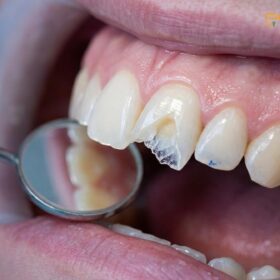
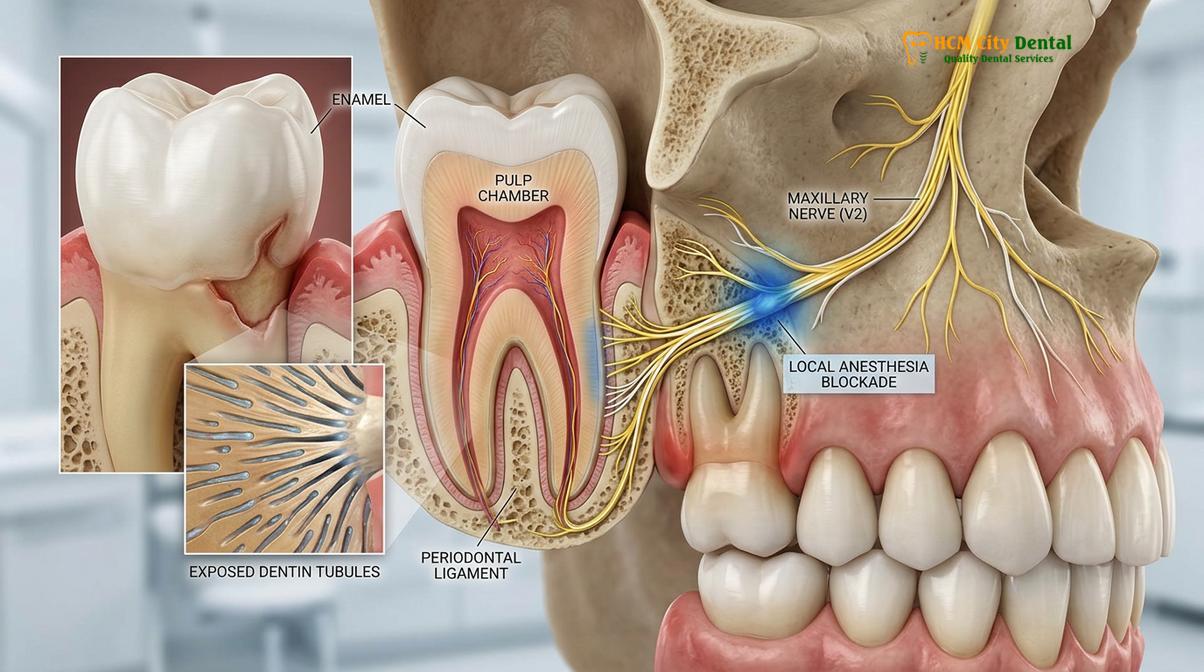
The process of preparing a tooth for a fixed prosthetic restoration, such as a crown or a veneer, is a highly precise microsurgical procedure. It involves the strategic removal of the outer enamel layer to create sufficient restorative space for the dental laboratory to fabricate a lifelike, durable prosthetic. However, this necessary reduction often exposes the underlying dentin. Unlike the highly mineralized and insensate enamel, dentin is a porous tissue containing thousands of microscopic tubules that communicate directly with the dental pulp—the nerve center of the tooth.
According to the hydrodynamic theory of dentinal hypersensitivity, fluid movement within these tubules—triggered by thermal changes, air blasts from the dental syringe, or the tactile vibration of a high-speed handpiece—stimulates the A-delta nerve fibers within the pulp[1]. This stimulation translates into a sharp, sudden pain response. For patients who already suffer from dental anxiety symptoms, the mere anticipation of this sensation can trigger a cascade of physiological stress responses, including tachycardia (elevated heart rate), diaphoresis (sweating), and muscular tension.
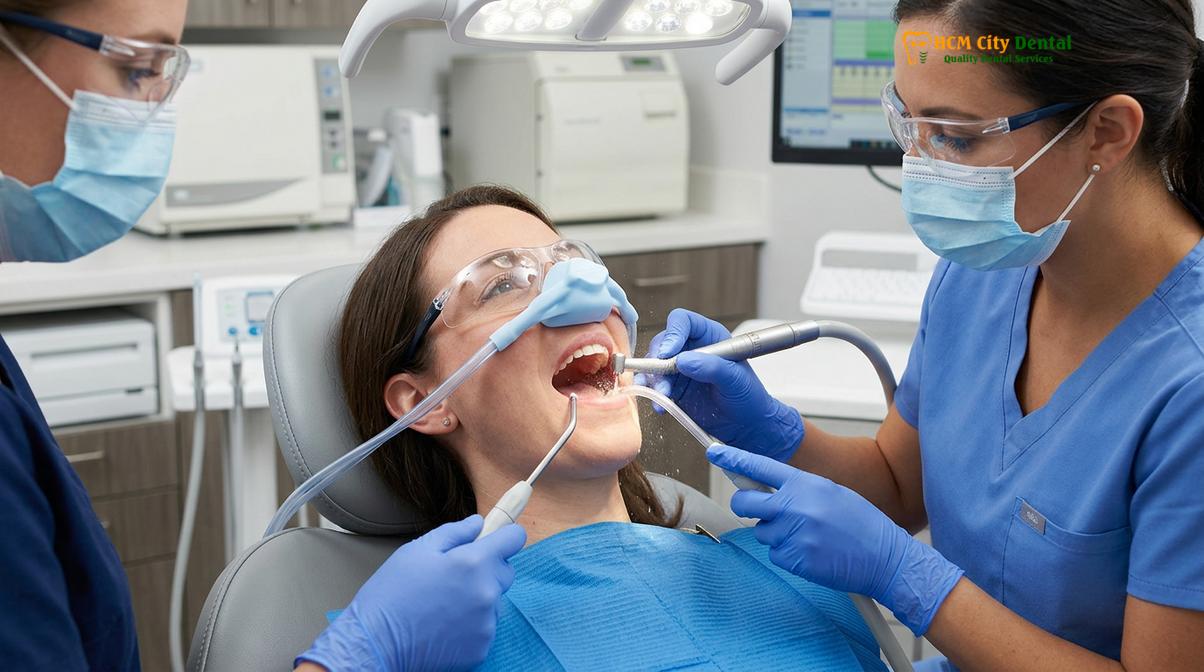
Furthermore, the sensory experience of a sedation dental crown prep involves more than just potential thermal sensitivity. The high-frequency acoustic vibrations of the dental drill, the pressure applied to the mandible, and the continuous presence of water spray and suction devices in the oral cavity can be overwhelming. Psychological distress can actually lower a patient’s physiological pain threshold, making stimuli that would normally be perceived as mere pressure feel acutely painful. By recognizing the intricate link between psychological fear and physical sensitivity, clinicians can implement targeted pharmacological strategies to break the cycle of anxiety and pain, ensuring the patient remains cooperative and comfortable throughout the preparation phase.
Why Local Anesthesia is Standard for Cosmetic Shaping
Local anesthesia is the foundational requirement for cosmetic tooth shaping, as it directly blocks nerve conduction to ensure the physical preparation process is entirely painless.
While sedation is highly effective at managing the psychological components of dental fear, it is not a substitute for profound local anesthesia. Sedation provides anxiolysis (anxiety relief) and, in some cases, mild analgesia, but it does not completely block the transmission of nociceptive (pain) signals from the peripheral nerves to the brain. Therefore, achieving profound local anesthesia is an absolute clinical necessity before commencing any irreversible structural changes to the tooth during porcelain veneers or crown preparations.
Local anesthetics, such as lidocaine or articaine, function by temporarily binding to voltage-gated sodium channels on the nerve membrane. This binding inhibits the influx of sodium ions, thereby preventing the depolarization of the nerve and halting the propagation of the action potential along the trigeminal nerve pathways[2]. When administered correctly via infiltration or regional nerve blocks, the patient will feel pressure and vibration but no sharp pain during the enamel and dentin reduction.
“The success of any complex restorative procedure relies heavily on the foundation of profound local anesthesia. When the peripheral pain pathways are completely blocked, systemic sedation can function optimally to manage the patient’s psychological comfort, resulting in a synergistic effect that elevates the entire clinical experience.”
In the context of a painless smile design, the integration of advanced local anesthesia delivery systems—such as computer-controlled local anesthetic delivery (CCLAD) devices—further enhances patient comfort. These devices regulate the flow rate of the anesthetic solution, minimizing the tissue distension that typically causes the “pinch” associated with traditional dental injections. Once the operative site is completely numb, the dentist can proceed with the meticulous margin design required for high-quality restorations without the risk of sudden patient movement, which could compromise the integrity of the preparation.
When to Choose Nitrous Oxide for Dental Crown Preparation
Nitrous oxide is the optimal minimal sedation choice for patients with mild anxiety undergoing straightforward, single or dual-unit dental crown preparations.
Nitrous oxide (N2O), commonly referred to as laughing gas, is a colorless, faintly sweet-smelling gas that has been utilized in dentistry for decades due to its exceptional safety profile and predictable pharmacokinetics. Administered via a comfortable nasal hood in a titrated mixture with pure oxygen, nitrous oxide induces a state of minimal conscious sedation. The gas is rapidly absorbed through the pulmonary alveoli into the bloodstream and crosses the blood-brain barrier almost instantaneously, exerting its anxiolytic effects within three to five minutes[3].
The primary mechanism of action involves the modulation of ligand-gated ion channels in the central nervous system, resulting in a mild euphoria, a generalized feeling of warmth, and a significant reduction in the perception of time. This makes it an excellent adjunct for patients who feel claustrophobic in the dental chair or who are bothered by the sensory inputs of the dental environment. Because it does not undergo significant biotransformation in the liver and is exhaled unchanged through the lungs, the recovery from nitrous oxide sedation is remarkably rapid.
| Feature | Nitrous Oxide (Inhalation) | Oral Conscious Sedation |
|---|---|---|
| Depth of Sedation | Minimal (Anxiolysis) | Moderate |
| Onset Time | Rapid (3-5 minutes) | Slow (45-60 minutes) |
| Recovery Time | Immediate (5-10 minutes) | Prolonged (Several hours) |
| Amnesic Effect | Minimal to None | High (Anterograde amnesia) |
| Post-Op Driving | Permitted immediately | Strictly prohibited for 24 hours |
Clinically, nitrous oxide is highly recommended for routine crown preparations, replacing old restorations, or when managing patients with a sensitive gag reflex. Once the procedure is complete, the patient is placed on 100% oxygen for five minutes to flush the remaining gas from their system, preventing diffusion hypoxia. This rapid offset allows patients to leave the clinic unescorted and resume their normal daily activities immediately, making it a highly convenient option for busy professionals.
Oral Conscious Sedation for Full Smile Makeover Sessions
Oral conscious sedation utilizes prescribed benzodiazepines to induce a moderate state of relaxation, making it highly effective for lengthy, multi-tooth cosmetic procedures.
For patients undergoing extensive restorative work—such as preparing eight to ten teeth for conscious sedation porcelain veneers—the anticipated chair time can extend for several hours. In these scenarios, maintaining the patient’s comfort and cooperation is paramount. Oral conscious sedation offers a deeper level of central nervous system depression compared to nitrous oxide, effectively bridging the gap between minimal inhalation sedation and deep intravenous anesthesia.
The protocol typically involves the administration of a sedative-hypnotic medication, most commonly from the benzodiazepine family (e.g., Triazolam, Diazepam, or Lorazepam), approximately one hour prior to the scheduled procedure. These medications function by enhancing the inhibitory effects of gamma-aminobutyric acid (GABA) at the GABA-A receptors in the brain. This pharmacological action results in profound anxiolysis, skeletal muscle relaxation, and a significant degree of anterograde amnesia.
Clinical Case Review: Multi-Unit Veneer Preparation
A 42-year-old patient presented to HCMC Dental Clinic in Ho Chi Minh City with severe dental phobia and a desire for a comprehensive smile makeover. Due to the need to prepare ten maxillary teeth in a single session, the clinical team recommended an oral sedation dentistry protocol utilizing Triazolam. The patient remained conscious and able to respond to verbal commands throughout the three-hour appointment but reported feeling completely relaxed. Post-operatively, the patient experienced profound amnesia regarding the local anesthetic injections and the high-speed preparation phase, describing the extensive procedure as feeling like it lasted only twenty minutes.
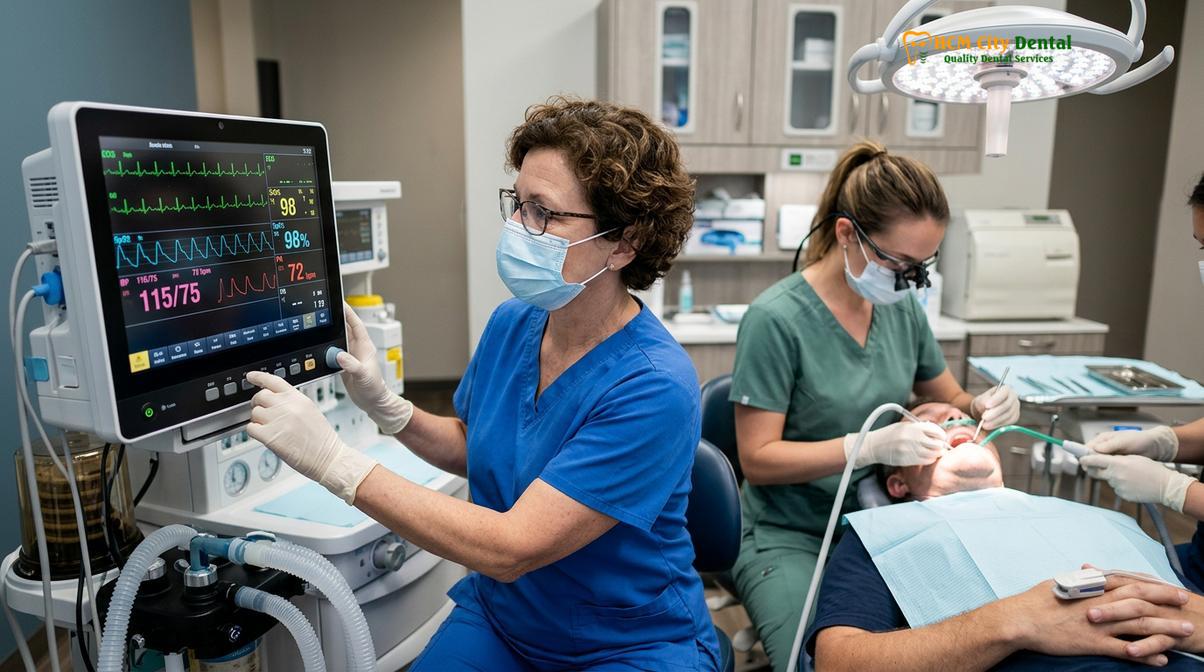
The amnesic property of oral sedatives is particularly beneficial, as patients often have little to no memory of the sights, sounds, or duration of the procedure, which helps prevent the reinforcement of dental fear. However, because the onset and offset of oral medications are less predictable than inhalation agents, patients must be accompanied by a responsible adult who can drive them home and monitor them until the medication fully metabolizes. Continuous monitoring of vital signs, including blood pressure, heart rate, and oxygen saturation via pulse oximetry, is strictly maintained throughout the duration of the appointment to ensure optimal physiological stability and high patient satisfaction[5].
Reducing the Discomfort of Physical Impressions
Sedation significantly depresses the hyperactive gag reflex, transforming the traditionally uncomfortable physical impression process into a highly tolerable experience.
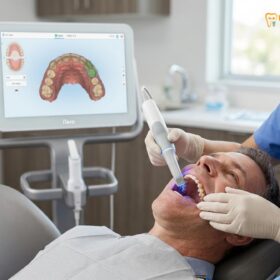
Following the precise preparation of the teeth, the clinician must capture an exact replica of the dental arches to send to the laboratory. While digital intraoral scanners have largely revolutionized this step, there are still specific clinical situations—such as capturing deep subgingival margins or full-arch rehabilitations—where traditional physical impressions using polyvinyl siloxane (PVS) or polyether materials are required. For many patients, the insertion of bulky impression trays loaded with viscous material triggers a severe pharyngeal reflex, commonly known as the gag reflex.
The gag reflex is a protective neuromuscular response mediated by the glossopharyngeal (Cranial Nerve IX) and vagus (Cranial Nerve X) nerves, designed to prevent foreign objects from entering the airway[4]. In patients with heightened dental phobia, this reflex can be hypersensitive, leading to retching, panic, and the inability to tolerate the impression material for the required setting time.
“Managing a hyperactive gag reflex is critical for obtaining accurate impressions. If a patient gags and moves the tray while the elastomer is polymerizing, the resulting distortion will lead to a poorly fitting crown. Sedation effectively blunts the central nervous system’s response to pharyngeal stimulation, allowing us to capture flawless impressions on the first attempt.”
Both nitrous oxide and oral conscious sedation are highly effective at suppressing the gag reflex. Nitrous oxide, in particular, alters the patient’s perception of the sensory input at the back of the throat, making the presence of the impression tray feel less intrusive. By combining sedation with behavioral techniques—such as instructing the patient to breathe deeply through their nose and tilt their chin downward—the clinician can ensure the impression phase is completed smoothly, accurately, and without distress.
Planning Your Comfortable Smile Design Sequence
A structured clinical workflow combining pre-operative anxiety assessment, tailored sedation protocols, and precise restorative techniques ensures a seamless smile design experience.
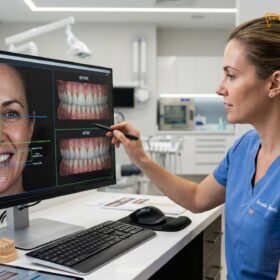
Executing a complex restorative treatment plan requires meticulous organization and clear communication between the clinical team and the patient. The journey toward sedation dental crowns begins with a comprehensive consultation. During this initial visit, the dentist will evaluate the patient’s oral health, discuss their aesthetic goals, and conduct a thorough review of their medical history to determine their candidacy for various sedation modalities. Utilizing tools like a dental anxiety scale helps the clinician objectively quantify the patient’s fear level and tailor the pharmacological approach accordingly.
Once the treatment plan is finalized, the clinical sequence typically follows a structured pathway. On the day of the preparation, the chosen sedation protocol is initiated. For oral sedation, the patient arrives early to take the medication and relax in a quiet environment until the desired level of central nervous system depression is achieved. The clinical team then administers profound local anesthesia. The teeth are meticulously prepared, impressions are captured, and custom provisional (temporary) restorations are fabricated and cemented into place. These provisionals protect the exposed dentin and allow the patient to evaluate the proposed aesthetics while the final ceramics are being crafted.
Important Pre-Sedation Instructions
Patient compliance with pre-operative instructions is critical for safety. If you are undergoing oral conscious sedation, you must strictly adhere to fasting guidelines—typically no solid foods for 6 to 8 hours and clear liquids up to 2 hours before the appointment. Failure to follow these fasting rules increases the risk of pulmonary aspiration and will result in the cancellation of your procedure.
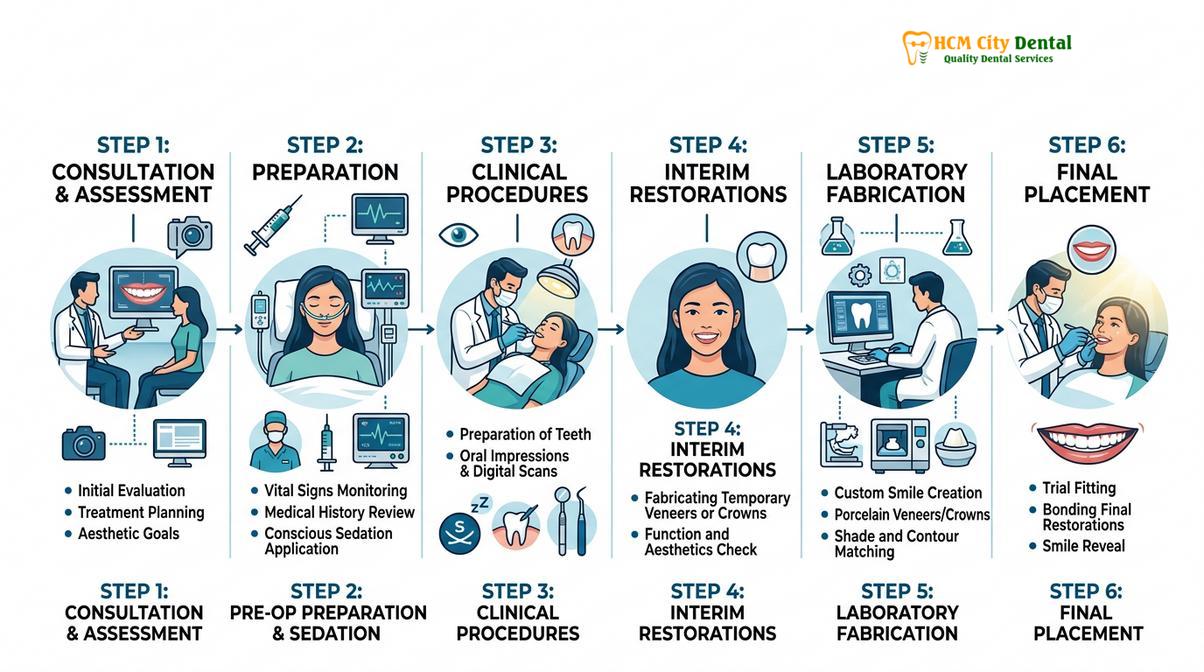
The final appointment involves the removal of the provisional restorations and the permanent bonding of the custom porcelain crowns or veneers. Because the teeth have already been prepared, this delivery phase is generally much faster and less invasive. However, for patients who still experience anxiety about the bonding process, nitrous oxide can be easily readministered to ensure the final step of their smile transformation is just as comfortable as the first.
When to Consult Your Dentist & Important Clinical Notes
Understanding when to seek professional guidance and adhering to established clinical safety protocols are vital steps in ensuring a successful sedation dentistry experience.
If you experience severe anxiety at the thought of dental treatment, or if you have a history of avoiding necessary restorative work due to fear, it is crucial to consult with a qualified dental professional. Dr. Nguyen Van Cuong, a leading specialist at HCMC Dental Clinic, emphasizes that managing patient psychology is just as critical as the physical preparation of the tooth. He frequently utilizes advanced clinical strategies to overcome dental fear, ensuring that every patient receives personalized, compassionate care. By integrating these tailored sedation protocols, Dr. Cuong helps patients achieve their aesthetic goals without the burden of anxiety.
It is also important to note that not all patients are ideal candidates for every type of sedation. Individuals with severe respiratory conditions, such as chronic obstructive pulmonary disease (COPD), or those taking certain central nervous system depressants, may require alternative management strategies. In accordance with the safety guidelines established by the Vietnam Ministry of Health and the Vietnam Odonto-Stomatology Association, all moderate sedation procedures require continuous physiological monitoring and the presence of trained emergency personnel to ensure the highest standards of patient safety.
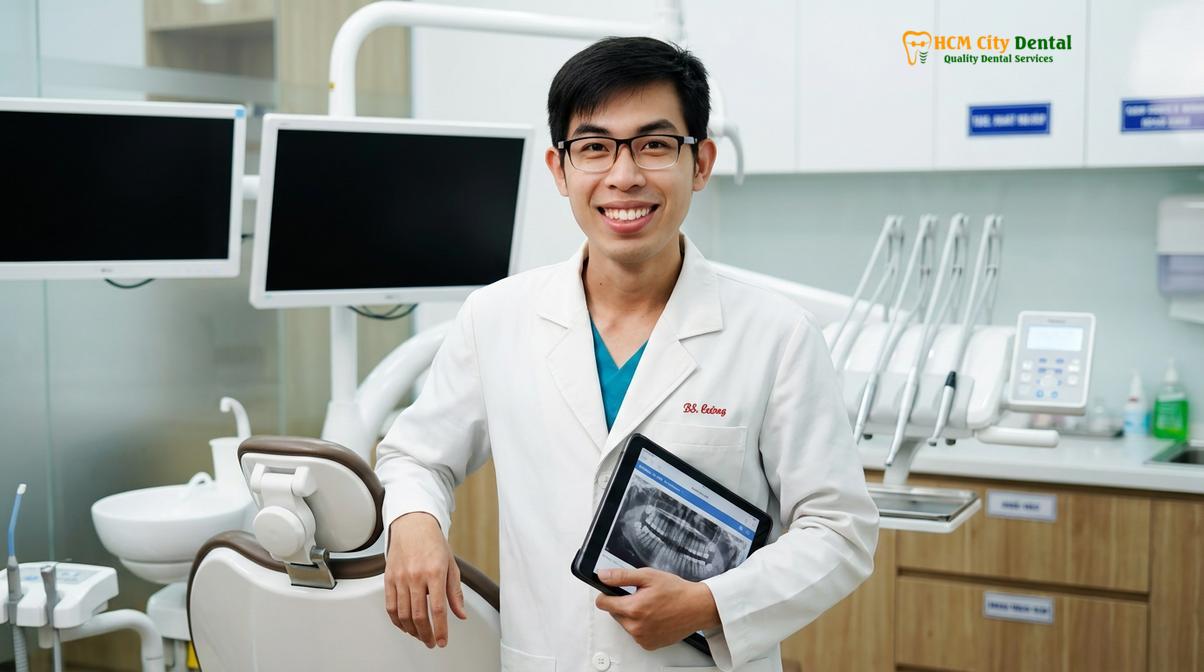
If you are considering cosmetic dental enhancements but are held back by fear, modern sedation techniques offer a safe and highly effective solution. To explore how sedation dental crowns can transform your smile comfortably, schedule a comprehensive consultation with the expert team at HCMC Dental Clinic in Ho Chi Minh City today.
References
- Journal of the American Dental Association. Pharmacological management of dental anxiety and dentinal hypersensitivity. (2021).
- International Journal of Prosthodontics. The role of local anesthesia and conscious sedation in fixed prosthodontics. (2020).
- British Dental Journal. Nitrous oxide inhalation sedation in restorative dentistry: clinical efficacy and safety. (2019).
- Journal of Clinical Pediatric Dentistry. Managing the hyperactive gag reflex during dental impressions. (2022).
- Clinical Oral Investigations. Patient satisfaction and physiological monitoring during oral conscious sedation for cosmetic dentistry. (2018).
For premium porcelain crowns, bridges, and advanced smile reconstructions, visit our Dental Crowns & Bridges service page at HCMC Dental Clinic in Ho Chi Minh City.