Same day dental implants represent a highly advanced clinical protocol where a titanium fixture and a temporary prosthetic crown are placed within a single surgical visit. This immediate loading technique restores aesthetics and basic function instantly, bypassing the traditional three-to-six-month edentulous healing phase required in conventional implantology.
Clinical Summary:
The immediate loading of dental implants is a sophisticated surgical and restorative procedure designed to provide patients with fixed provisional teeth on the day of surgery. Success in this protocol hinges entirely on achieving exceptional primary mechanical stability, which is dictated by the patient’s native bone density and the surgical technique employed. While this approach significantly reduces treatment time and psychological distress associated with missing teeth, it requires strict patient compliance regarding diet and occlusal forces. Clinical evaluation utilizing 3D Cone Beam Computed Tomography (CBCT) is mandatory to assess bone architecture and rule out contraindications such as active periodontitis or severe parafunctional habits. When executed correctly by an experienced implantologist, same-day protocols yield survival rates comparable to traditional delayed loading.
Key Takeaways:
- Immediate loading attaches a provisional crown within 48 hours of implant surgery.
- High insertion torque (typically >35 Ncm) is the absolute prerequisite for same-day placement.
- Patients must adhere to a strict soft-food diet to prevent micromotion and implant failure.
- Advanced 3D imaging and computer-guided surgery enhance the predictability of the procedure.
- Not all patients qualify; adequate bone volume and absence of infection are mandatory.
What is Immediate Loading? The Teeth-in-a-Day Protocol
Immediate loading, commonly known as teeth in a day, is an advanced implantology protocol where a provisional restoration is attached to the implant fixture within 48 hours of surgery, providing immediate aesthetic and functional benefits.
In the foundational years of implant dentistry, the standard protocol dictated a strict two-stage surgical approach. A titanium fixture was placed into the alveolar bone and completely submerged under the gingival tissue. The patient was then required to wait anywhere from three to six months for biological osseointegration to occur before the implant could be uncovered and loaded with a prosthetic crown. While highly predictable, this delayed approach often left patients dealing with uncomfortable removable dentures or aesthetic gaps for extended periods.
The advent of immediate loading has revolutionized the restorative timeline. In this protocol, the implant is placed, and an immediate provisional crown or full-arch bridge is attached during the very same appointment. This technique leverages the initial mechanical friction between the titanium threads and the surrounding bone to support the temporary restoration while biological healing occurs simultaneously [1]. The primary objective is to restore the patient’s smile, maintain soft tissue architecture, and provide immediate psychological relief without compromising the long-term integration of the implant.
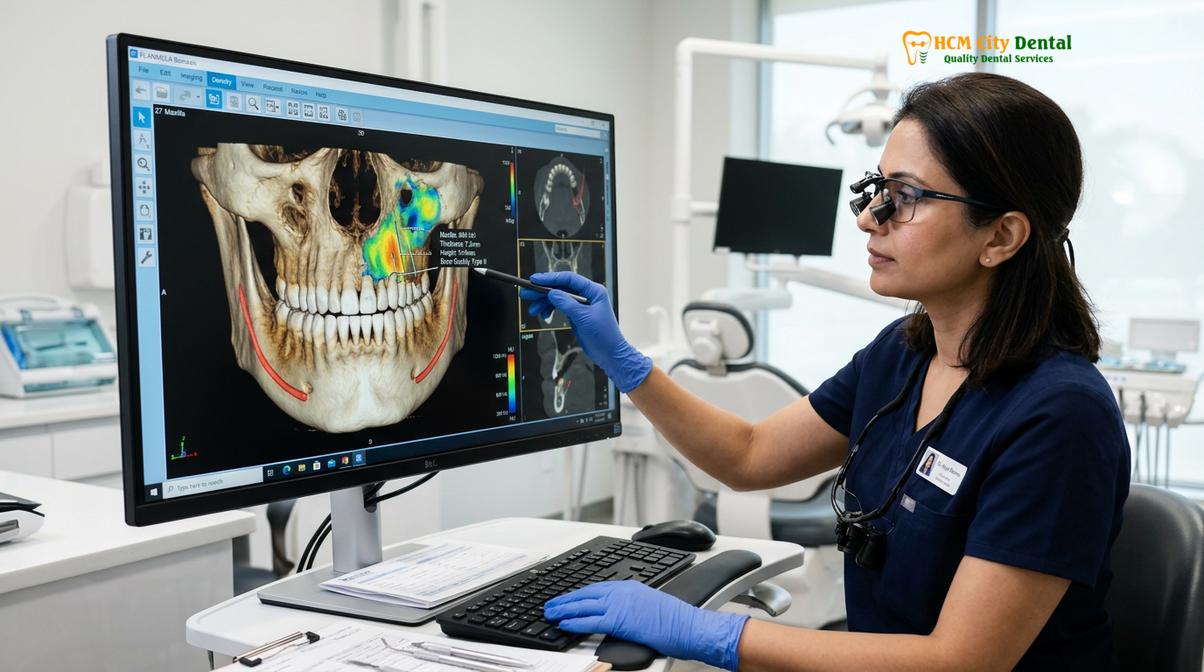
From a clinical perspective, the transition from delayed to immediate loading requires a profound understanding of bone biology and biomechanics. Dr. Nguyen Van Cuong frequently emphasizes that while the aesthetic results of same day dental implants are instantaneous, the biological reality is that the bone is still undergoing a complex remodeling process. The provisional restoration is carefully designed to be out of direct occlusal contact during heavy chewing, ensuring that the implant is protected from excessive lateral forces. This careful balance between immediate aesthetic restoration and functional protection is the cornerstone of the teeth in a day methodology.
Furthermore, immediate loading plays a crucial role in preserving the gingival emergence profile. When a tooth is extracted, the surrounding gum tissue naturally begins to collapse. By placing an implant and a custom-contoured provisional crown immediately, the clinician can support the gingival architecture, guiding the soft tissue to heal in a natural, scalloped shape. This results in a final restoration that emerges from the gums indistinguishably from a natural tooth, a critical factor in the highly aesthetic anterior (front) regions of the mouth. For a broader understanding of how this compares to traditional tooth replacement methods, patients often review the clinical differences between Dental Implants and conventional bridges.
Primary Stability: The Mechanical Requirement for Same-Day Crown Placement
Primary stability is the rigid mechanical locking of a dental implant within the surrounding bone at the time of placement, measured by insertion torque and resonance frequency analysis, which is strictly required for immediate loading.
The absolute prerequisite for any immediate loading protocol is the achievement of high primary implant stability. Unlike secondary stability, which is the biological fusion of bone cells to the titanium surface (osseointegration) that develops over several months, primary stability is purely mechanical. It is the physical friction and tight interlocking between the implant threads and the osteotomy (the surgically prepared hole in the bone) at the exact moment of insertion [2].
Clinicians measure primary stability using two primary metrics: insertion torque and Implant Stability Quotient (ISQ). Insertion torque is the rotational force required to advance the implant into the bone, measured in Newton-centimeters (Ncm). For a same-day restoration to be viable, the implant must typically achieve an insertion torque of at least 35 Ncm, though many clinicians prefer values closer to 45-50 Ncm for immediate loading. If the torque is too low, the implant is deemed mechanically unstable and must be buried to heal conventionally. Conversely, excessive torque (e.g., >70 Ncm) can cause pressure necrosis, leading to bone die-back and subsequent implant failure.
“The success of immediate loading is inextricably linked to the control of micromotion at the bone-implant interface. If primary stability is compromised, functional forces will induce micromovements exceeding the critical threshold, resulting in fibrous encapsulation rather than true osseointegration.”
The micro-design and macro-design of the implant itself play a significant role in achieving this stability. Modern implants designed for immediate loading often feature aggressive, deep threads and a tapered body that compresses the bone as it is inserted, maximizing mechanical engagement even in softer bone types. The surface topography is also micro-roughened (often through sandblasting and acid-etching) to stimulate rapid blood clot stabilization and accelerate the migration of osteoblasts (bone-forming cells) to the titanium surface. Patients researching specific implant brands will find that the engineering behind Straumann vs Nobel Biocare Implants heavily focuses on optimizing these stability parameters.
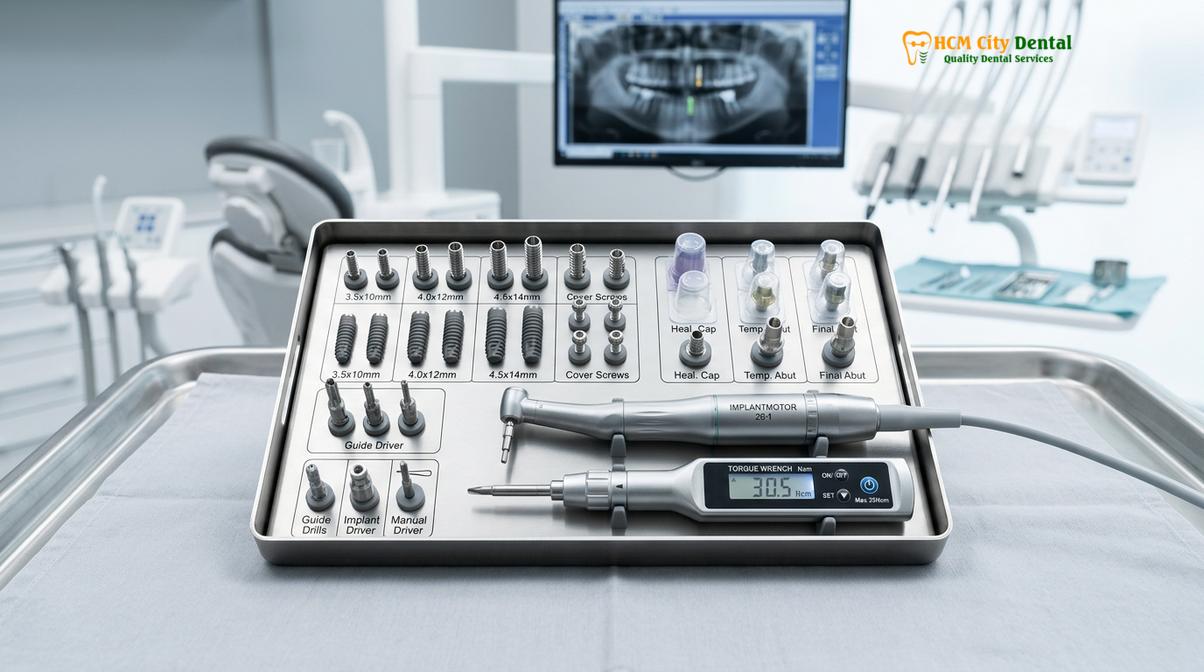
The critical danger during the healing phase is micromotion. Clinical studies have established that if an implant moves more than 150 micrometers within the bone during the first few weeks of healing, the body perceives the implant as a foreign irritant rather than a stable structure to integrate with [3]. Instead of forming rigid bone around the threads, the body forms a soft fibrous capsule. This fibrous encapsulation means the implant has failed to osseointegrate and will eventually become loose and require removal. Therefore, achieving robust primary stability is not merely a preference; it is a strict biomechanical mandate for same-day protocols.
Candidacy Check: Bone Density and Infection Control Limits
Not all patients qualify for immediate loading; successful candidacy strictly requires a high bone density requirement, absence of active periodontal infection, and favorable occlusal forces to prevent premature implant failure.
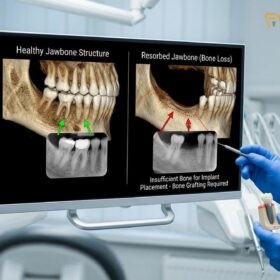
While the prospect of leaving the clinic with a new tooth in a single day is highly appealing, rigorous patient selection is the most critical factor in preventing clinical failures. The anatomical and physiological realities of the patient’s oral cavity dictate whether immediate loading is a safe and predictable option. The foremost consideration is the quality and quantity of the recipient bone.
Bone density in the human jaw is clinically categorized into four types, ranging from D1 (dense cortical bone, similar to oak wood) to D4 (soft medullary bone, similar to styrofoam). The high bone density requirement for immediate loading means that patients with D1 or D2 bone—typically found in the anterior mandible (lower front jaw)—are excellent candidates. The dense bone provides exceptional mechanical friction, allowing for high insertion torque. Conversely, the posterior maxilla (upper back jaw) often consists of D3 or D4 bone. Placing an immediate restoration in soft D4 bone carries a significantly higher risk of micromotion and failure, often necessitating a delayed approach or specialized surgical techniques like osteotome condensation to artificially densify the bone.
Clinical Warning: Bruxism and Immediate Loading
Patients with severe, uncontrolled bruxism (involuntary teeth grinding or clenching) are generally contraindicated for immediate loading protocols. The immense lateral forces generated during bruxism can easily exceed the micromotion threshold of a newly placed implant, leading to catastrophic failure of osseointegration. A delayed loading approach combined with a protective occlusal splint is strongly recommended for these individuals.
Beyond bone density, the surgical site must be entirely free of acute or chronic infection. Active periodontitis, periapical abscesses, or severe gingival inflammation introduce pathogenic bacteria into the surgical field. If these bacteria colonize the surface of the newly placed titanium implant, it can lead to early peri-implantitis and rapid loss of the supporting bone. Therefore, comprehensive periodontal therapy and infection control must be achieved before any implant surgery is considered.
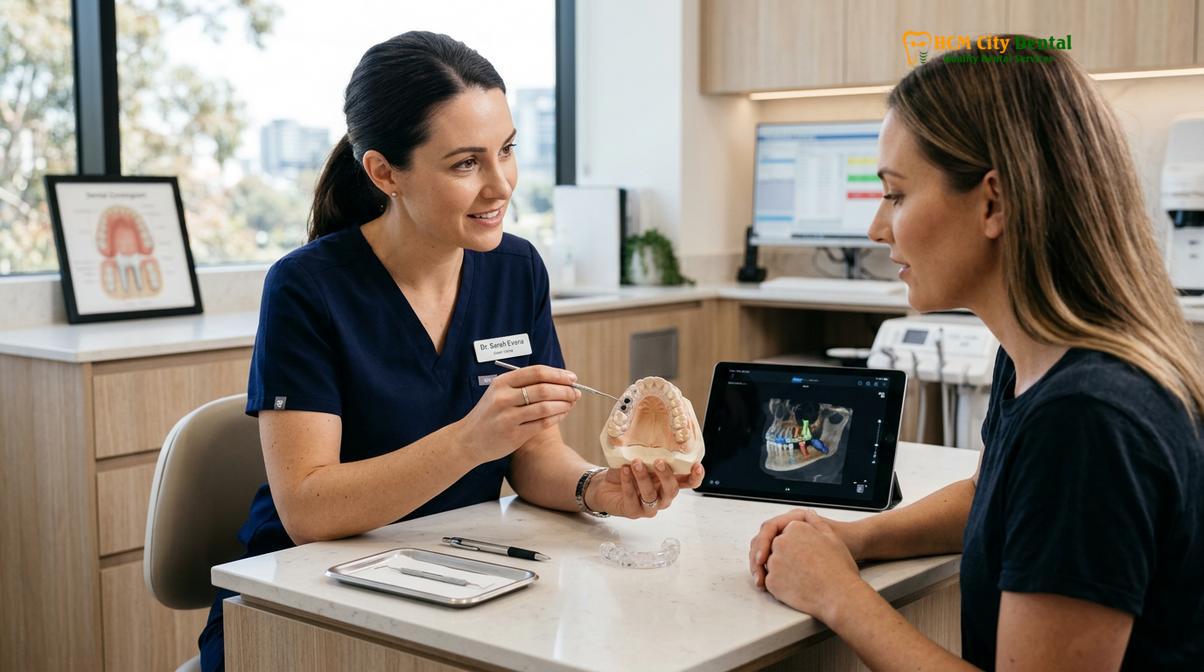
Systemic health also plays a vital role in candidacy. Conditions that impair microcirculation and immune response, such as uncontrolled diabetes mellitus (HbA1c > 8.0%) or heavy tobacco smoking, significantly depress the body’s ability to heal and integrate the implant. Nicotine causes peripheral vasoconstriction, reducing blood flow to the surgical site and starving the healing bone of oxygen and essential nutrients. For older adults considering this treatment, a thorough medical evaluation is necessary to ensure systemic readiness, a topic explored deeply in discussions regarding Dental Implants for Seniors.
| Clinical Parameter | Ideal Candidate (Immediate Loading) | Contraindicated Candidate (Delayed Loading) |
|---|---|---|
| Bone Density | D1 or D2 (Dense cortical bone) | D4 (Soft, porous medullary bone) |
| Insertion Torque | > 35 Ncm | < 35 Ncm |
| Periodontal Health | Healthy gingiva, no active infection | Active periodontitis, purulent exudate |
| Occlusal Forces | Normal bite, favorable opposing dentition | Severe bruxism, heavy clenching habits |
| Systemic Health | Non-smoker, controlled blood glucose | Heavy smoker, uncontrolled diabetes |
The Surgical and Restorative Workflow: Fast Curing in the Chair
The clinical workflow for same day dental implants involves 3D digital planning, atraumatic extraction, precise implant placement, and the immediate fabrication and attachment of a provisional acrylic crown or bridge.
The execution of an immediate loading protocol is a highly choreographed sequence of surgical and restorative steps. It requires seamless coordination between the implantologist, the restorative dentist, and the dental laboratory. The process begins long before the patient sits in the surgical chair, relying heavily on advanced digital diagnostics.
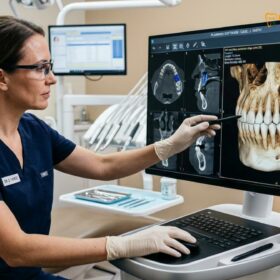
At facilities like HCMC Dental Clinic in Ho Chi Minh City, the workflow initiates with a high-resolution Cone Beam Computed Tomography (CBCT) scan and an intraoral digital impression. These datasets are merged in specialized implant planning software, allowing the surgeon to visualize the jawbone in three dimensions. The clinician maps the trajectory of the mandibular nerve, locates the maxillary sinus cavities, and measures the exact volume of available bone. A virtual implant is then placed into the digital model to determine the optimal size, angulation, and depth. This digital plan is often used to 3D print a surgical guide—a custom template that fits over the patient’s teeth or gums, directing the surgical drill with sub-millimeter accuracy.
Clinical Case Review: Anterior Aesthetic Restoration
A 35-year-old patient presented to HCMC Dental Clinic with a vertically fractured maxillary central incisor. Because the fracture extended subgingivally, the tooth was deemed unrestorable. Dr. Nguyen Van Cuong performed an atraumatic extraction, preserving the delicate buccal bone plate. A tapered titanium implant was placed immediately into the extraction socket, achieving an insertion torque of 45 Ncm. An immediate provisional crown was fabricated chairside and attached to the implant, carefully adjusted to be out of occlusion. The patient left the clinic the same day with a fully restored smile, and the soft tissue architecture was perfectly preserved during the 4-month integration phase.
On the day of surgery, if a failing tooth is present, it is removed using atraumatic extraction techniques. The goal is to preserve the surrounding bone, particularly the fragile buccal (lip-side) plate, which is crucial for aesthetic outcomes. The osteotomy is then prepared using a sequence of calibrated drills under copious sterile saline irrigation to prevent bone overheating. The implant is inserted, and the torque is carefully monitored. If the required stability is achieved, the surgical phase transitions immediately into the restorative phase.
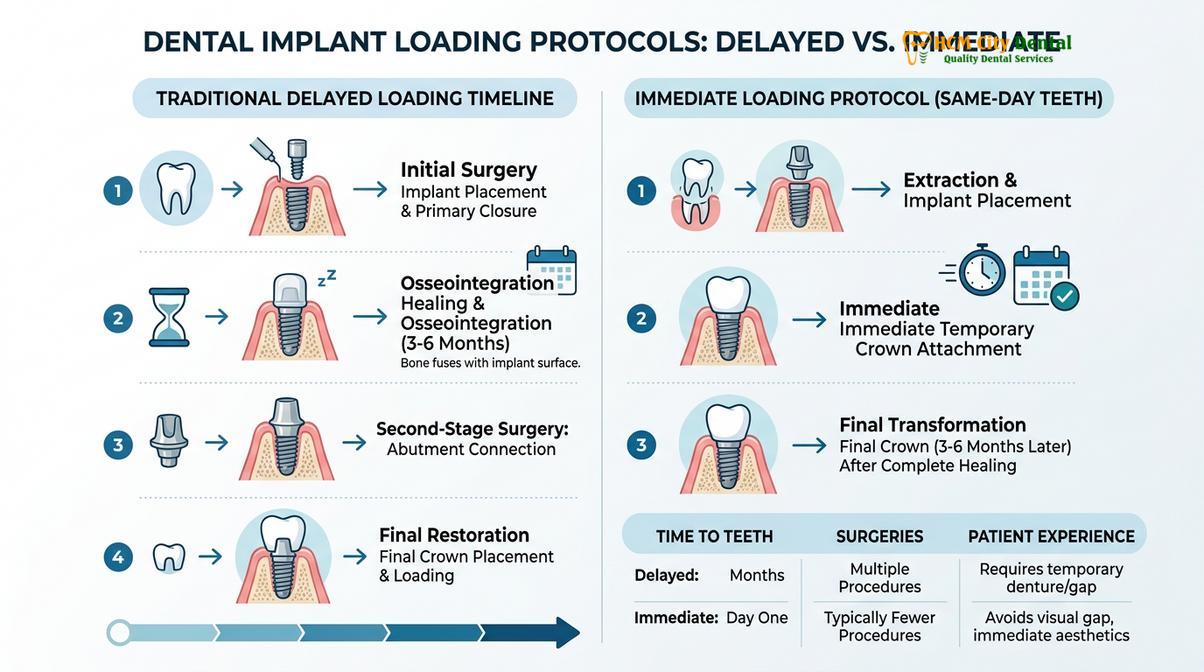
The restorative clinician attaches a temporary abutment to the implant. A pre-fabricated acrylic shell or a custom-milled composite crown is then hollowed out and filled with a fast-curing temporary resin. This shell is seated over the temporary abutment, allowing the resin to cure and lock onto the cylinder. Once cured, the immediate provisional crown is removed from the mouth, meticulously contoured, and polished to a high shine. It is critical that the subgingival contours are perfectly smooth; any rough acrylic flash left under the gums will trap plaque and trigger localized inflammation [4]. Finally, the provisional crown is screwed back onto the implant. The clinician meticulously adjusts the bite to ensure the new tooth does not contact the opposing teeth during normal chewing or lateral jaw movements, thereby protecting the integrating implant from destructive forces. Patients evaluating the financial investment of this advanced workflow often consult resources detailing How Much Do Dental Implants Cost in Vietnam? to understand the value of digital precision.
Care Guidelines for Immediate Temporary Acrylic Restorations
Post-operative care for immediate restorations requires a strict soft-food diet, meticulous oral hygiene without disturbing the surgical site, and avoiding any heavy chewing forces to ensure uninterrupted osseointegration.
The success of same day dental implants does not end when the patient leaves the dental chair; it relies heavily on strict patient compliance during the critical 12-week healing phase. The immediate provisional crown is not a final restoration. It is fabricated from acrylic or composite resin, materials that are intentionally softer than the final zirconia or porcelain crowns. This design choice is deliberate, ensuring that if accidental heavy forces are applied, the temporary crown will fracture before the underlying implant is traumatized.
Dietary modification is the most crucial aspect of post-operative care. Patients must adhere to a strict soft-food diet for the first six to eight weeks. Clinically, a “soft diet” means consuming foods that can be easily cut with a fork without applying significant pressure. Examples include scrambled eggs, flaky fish, mashed potatoes, and well-cooked pasta. Hard, crunchy, or tough foods—such as nuts, crusty bread, raw carrots, or tough meats—must be strictly avoided. Biting into an apple or tearing meat with an immediately loaded anterior implant can generate sheer forces that instantly break the mechanical lock of the implant, leading to catastrophic failure.
“Patient compliance regarding dietary restrictions during the first 8 weeks of immediate loading is non-negotiable. The biological ‘stability dip’ occurs around weeks 3 to 4, when primary mechanical stability decreases before secondary biological stability fully matures. During this vulnerable window, even moderate occlusal trauma can disrupt fibro-osseous integration.”
Oral hygiene must be maintained meticulously, but with extreme care around the surgical site. During the first two weeks, patients are typically instructed not to brush directly over the surgical area to avoid tearing the delicate healing tissues or disturbing the sutures. Instead, chemical plaque control is achieved using a prescribed antimicrobial mouthwash, such as 0.12% Chlorhexidine Gluconate, gently rinsed twice daily. After the initial healing phase, a surgical-grade ultra-soft toothbrush can be used to clean the provisional crown [5]. Water flossers should be avoided on high settings around the new implant until the clinician confirms complete integration. Understanding these maintenance protocols is vital for anyone asking Are Dental Implants Right For You?, as long-term success demands dedicated home care.
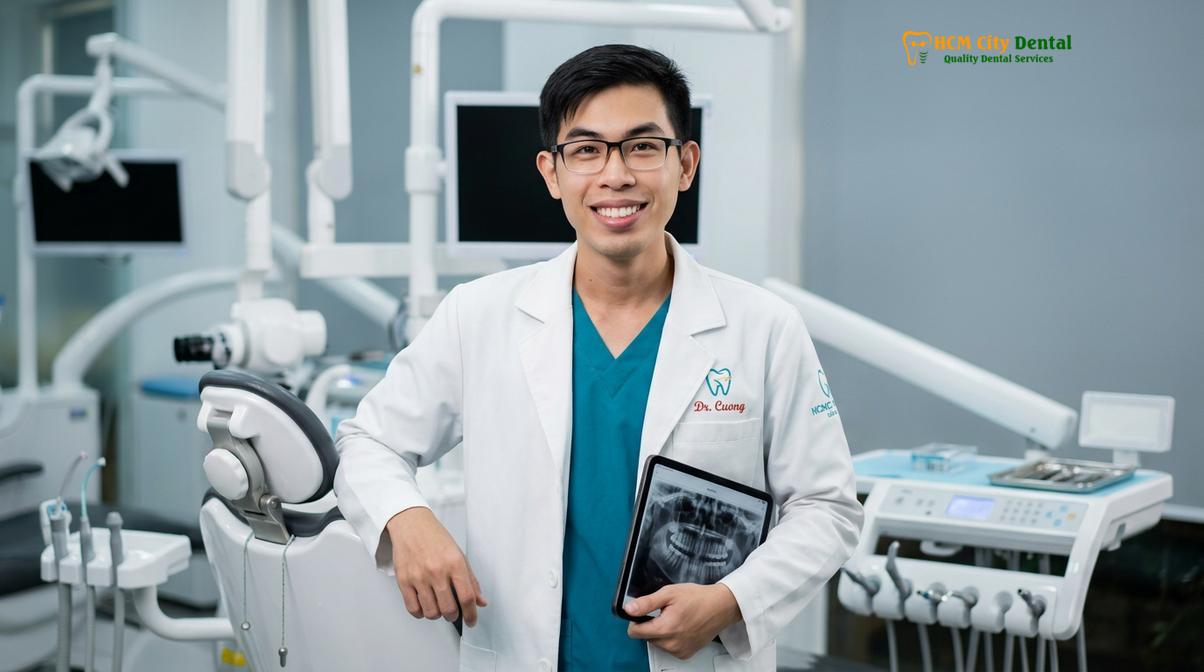
When to See a Doctor
While same day dental implants boast a high success rate when protocols are strictly followed, complications can occasionally arise. It is imperative to monitor the surgical site and contact your implantologist immediately if you experience any of the following warning signs:
- Mobility: If the provisional crown or the underlying implant feels loose or shifts when touched with the tongue.
- Severe or Worsening Pain: While mild discomfort is normal for the first few days, throbbing pain that intensifies after day four may indicate infection or implant failure.
- Purulent Exudate: The presence of pus or a foul-tasting discharge originating from the gum line around the implant.
- Prolonged Swelling: Swelling that does not begin to subside after 72 hours, or swelling that spreads to the neck or eye region.
- Fracture of the Provisional: If the temporary acrylic crown chips or breaks, it must be repaired promptly to maintain soft tissue contours and prevent unwanted shifting of adjacent teeth.
Early intervention is critical. A loose provisional crown can often be tightened, but a loose implant requires immediate clinical evaluation to determine if it can be salvaged or must be removed. For patients weighing the risks of implant complications against alternative treatments, reviewing Dental Implants vs Dentures provides valuable context on long-term stability.
Frequently Asked Questions
Can anyone get same-day dental implants?
No, not every patient is a suitable candidate for immediate loading. Successful same-day implant placement strictly requires adequate bone volume, excellent primary stability, and the absence of active oral infections or severe bruxism. Patients with poor bone density or uncontrolled systemic conditions like diabetes are typically advised to undergo traditional delayed loading to ensure predictable osseointegration.
Are temporary same-day teeth as strong as final teeth?
No, immediate provisional crowns are intentionally fabricated from softer acrylic or composite materials. They are designed for aesthetics and light function, preventing heavy occlusal forces from disrupting the underlying implant during the critical healing phase. Once the implant has fully fused with the jawbone (usually after 3 to 6 months), the temporary tooth is replaced with a highly durable, permanent ceramic or zirconia crown.
What happens if the immediate implant moves during healing?
If an implant experiences micromotion exceeding 150 micrometers during the healing phase, the body will form a fibrous capsule around the titanium fixture instead of integrating it with bone, leading to complete implant failure. This is why strict adherence to a soft-food diet and avoiding heavy chewing on the newly placed implant is absolutely critical for the first several weeks.
How long does the same-day implant procedure take?
The surgical placement and immediate provisionalization typically take between two to four hours per arch. This includes tooth extraction, implant insertion, digital scanning, and the chairside fabrication of the temporary restoration. Complex cases requiring multiple extractions or extensive bone contouring may take longer, but the patient will still leave the clinic with fixed provisional teeth on the same day.
Is the same-day implant procedure painful?
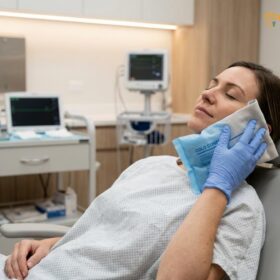
The procedure is performed under profound local anesthesia or conscious sedation, rendering it virtually painless. Post-operative discomfort is generally manageable with prescribed analgesics and typically subsides within a few days. Because the immediate placement of a provisional crown protects the surgical site and stabilizes the blood clot, many patients report less post-operative pain compared to traditional extraction and delayed grafting procedures.
References
- Journal of Oral Implantology. Biomechanics of immediate implant loading and primary stability thresholds. (2021).
- Clinical Implant Dentistry and Related Research. The impact of bone density on insertion torque and implant survival. (2020).
- International Journal of Oral and Maxillofacial Implants. Micromotion and fibrous encapsulation in immediately loaded prostheses. (2019).
- Journal of Prosthetic Dentistry. Provisional materials for immediate implant restorations: A clinical review. (2022).
- Periodontology 2000. Soft tissue healing and emergence profile management in immediate implantology. (2018).