For patients comparing the wisdom tooth cost Vietnam Australia, the financial advantage is substantial and immediately apparent. While Australian clinics often charge exorbitant fees for complex surgical extractions, Ho Chi Minh City offers world-class, technologically advanced oral surgery at a fraction of the price, making dental tourism a highly viable and safe alternative.
Clinical Summary:
The disparity in wisdom tooth extraction fees between Australia and Vietnam is driven by differing domestic operational overheads, not a compromise in clinical quality. Premium facilities like HCMC Dental Clinic utilize international standard protocols, including 3D Cone Beam CT imaging and Piezotome ultrasonic surgery, ensuring safe and precise impaction removal. For Australian patients, combining necessary oral surgery with a short stay in Saigon provides significant financial relief while maintaining rigorous, evidence-based medical standards.
Key Takeaways:
- Surgical extraction of impacted third molars in Vietnam costs significantly less than standard Australian private dental fees.
- Modern clinics in Saigon utilize advanced diagnostic tools like 3D CBCT and minimally invasive Piezotome technology.
- The financial savings from complex extractions often cover the entirety of travel, flights, and accommodation expenses.
- A standard clinical timeline requires a 5 to 7-day stay to ensure proper post-operative monitoring and suture removal.
- Comprehensive care includes platelet-rich fibrin (PRF) therapy to accelerate socket healing and minimize dry socket risks.
Why Australians are Traveling to Saigon for Wisdom Tooth Surgery
The primary catalyst for this medical migration is the prohibitive cost of specialized oral surgery in Australia, contrasted with the highly accessible, premium care available in Vietnam.
In recent years, the landscape of international healthcare has shifted dramatically. Australian citizens are increasingly looking beyond their borders for elective and necessary medical procedures due to escalating domestic costs. The extraction of third molars, commonly known as wisdom teeth, is a prime example of this trend. In Australia, even patients with private health insurance often face substantial out-of-pocket gap payments when requiring the surgical extraction of third molars. This financial burden is particularly heavy when multiple teeth are impacted and require specialist intervention.
Conversely, Vietnam has rapidly developed into a premier hub for medical tourism in Southeast Asia. The rise of the saigon dentist aussie dental tourist phenomenon is not merely a pursuit of cheaper services, but a calculated decision to access high-quality care without the inflated price tag. Clinics in Ho Chi Minh City have adapted to this influx by elevating their clinical standards, employing internationally trained maxillofacial surgeons, and investing in state-of-the-art sterilization and surgical equipment [1].
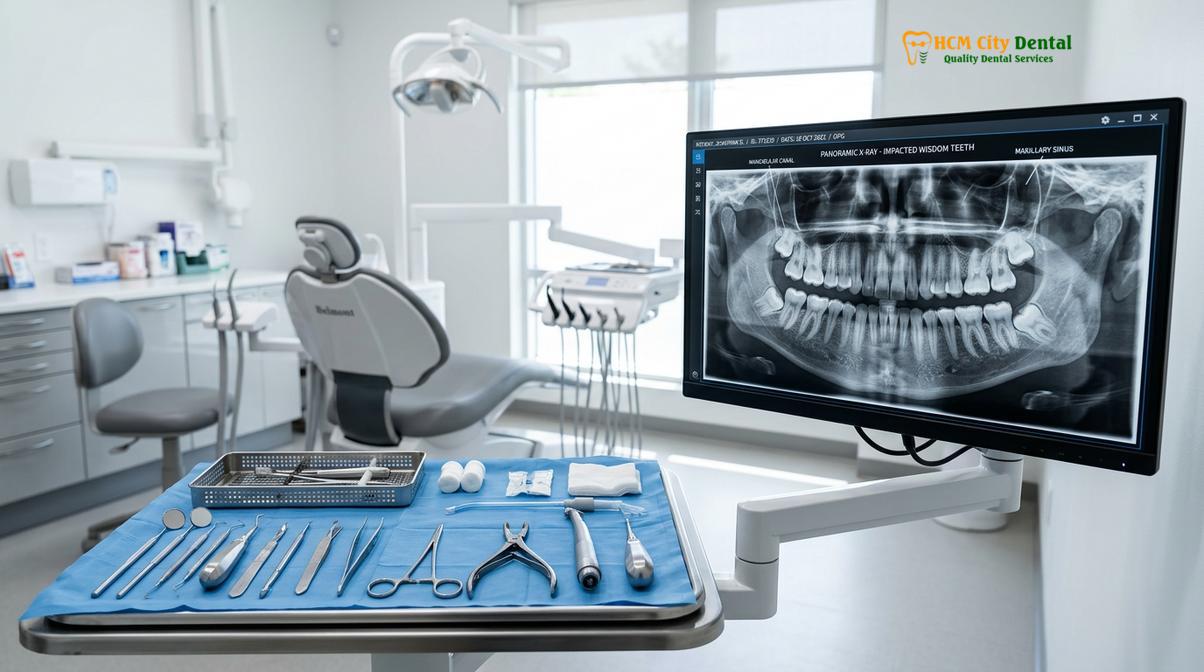
When an Australian patient presents with impacted wisdom teeth, the clinical requirement often involves complex bone removal and tooth sectioning. In a domestic setting, this usually necessitates a referral to an oral and maxillofacial surgeon, incurring high consultation fees, facility fees, and anesthetist charges. In Vietnam, premium dental centers consolidate these services. Facilities like HCMC Dental Clinic in Ho Chi Minh City offer comprehensive in-house diagnostics and surgical treatments, streamlining the patient experience while drastically reducing the overall financial output.
Cost Comparison Table: Vietnam vs. Australia (AUD)
Analyzing the fee structures reveals that patients can save up to 70% on complex impaction surgeries by choosing certified Vietnamese dental centers over Australian private practices.
To truly understand the financial dynamics, it is essential to break down the costs based on the clinical complexity of the extraction. Wisdom teeth do not all erupt uniformly; their position within the jawbone dictates the surgical approach and, consequently, the price. When evaluating the wisdom tooth cost australia vs vietnam, the most significant disparities emerge in the realm of surgical impactions.
Below is a comparative analysis of estimated costs for various extraction procedures. Please note that these figures are indicative averages and can fluctuate based on the specific clinical presentation and the exact exchange rate at the time of treatment.
| Procedure Type / Clinical Complexity | Average Cost in Australia (AUD) | Average Cost in Vietnam (AUD) |
|---|---|---|
| Simple Extraction (Fully erupted, straight roots) | $250 – $400 per tooth | $60 – $100 per tooth |
| Surgical Extraction (Soft tissue impaction, minor sectioning) | $450 – $600 per tooth | $120 – $180 per tooth |
| Complex Bony Impaction (Partial or full bone coverage, close to nerve) | $800 – $1,200+ per tooth | $200 – $350 per tooth |
| 3D CBCT Scan (Essential for nerve mapping) | $150 – $250 | $20 – $50 (Often included in packages) |
| Sedation / Anesthesia Fees (IV Sedation) | $500 – $1,000+ | $150 – $300 |
As demonstrated in the table, a patient requiring the removal of four impacted wisdom teeth under sedation in Australia could easily face a total bill exceeding $4,000 AUD. In contrast, the same comprehensive treatment plan in Vietnam would typically cost between $1,000 and $1,500 AUD. This stark contrast highlights why the wisdom tooth cost Vietnam Australia comparison heavily favors medical travel for those requiring extensive oral surgery [2].
Analyzing the Price Difference: Quality of Care & Technology
The lower fees in Vietnam stem from reduced domestic operational and labor costs, allowing clinics to invest heavily in cutting-edge surgical technology and premium materials.
A common misconception among prospective dental tourists is that lower costs equate to inferior clinical quality. In the context of top-tier Vietnamese dental clinics, this assumption is fundamentally incorrect. The price differential is driven by macroeconomic factors—specifically, lower costs for commercial real estate, administrative staffing, and general operational overheads in Vietnam compared to Australia. Rather than pocketing these margins, reputable clinics reinvest them into advanced medical technology to attract and retain international clientele.
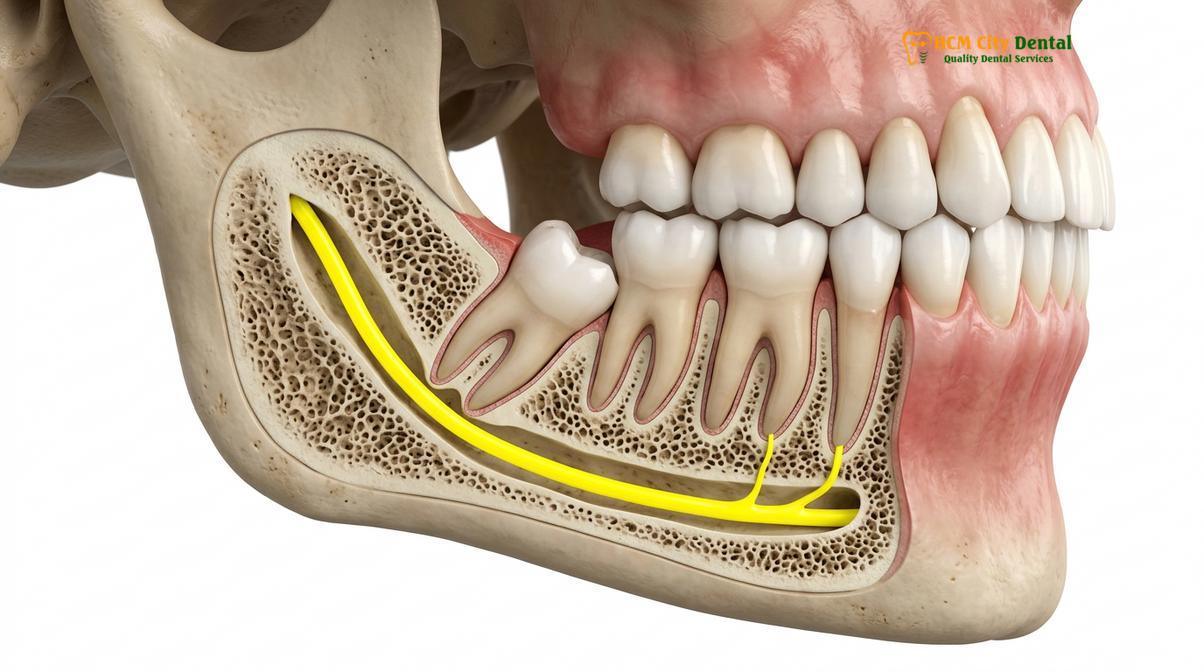
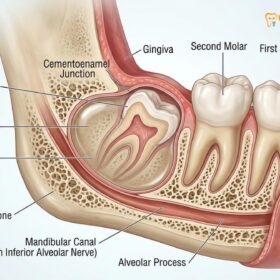
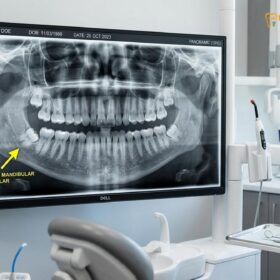
One of the most critical advancements utilized in modern Vietnamese clinics is Cone Beam Computed Tomography (CBCT). Unlike traditional 2D panoramic X-rays, a CBCT scan provides a three-dimensional volumetric reconstruction of the maxillofacial region. This is paramount when dealing with mandibular (lower) wisdom teeth, whose roots frequently intertwine with or sit adjacent to the inferior alveolar nerve. Accurate 3D mapping allows the surgeon to plan a precise trajectory for extraction, mitigating the risk of iatrogenic nerve damage (paresthesia).
“The affordability of oral surgery in Vietnam does not equate to a reduction in clinical standards. By minimizing administrative overhead, we can allocate resources directly into advanced surgical modalities like ultrasonic bone cutting, which significantly reduces patient morbidity and accelerates recovery.”
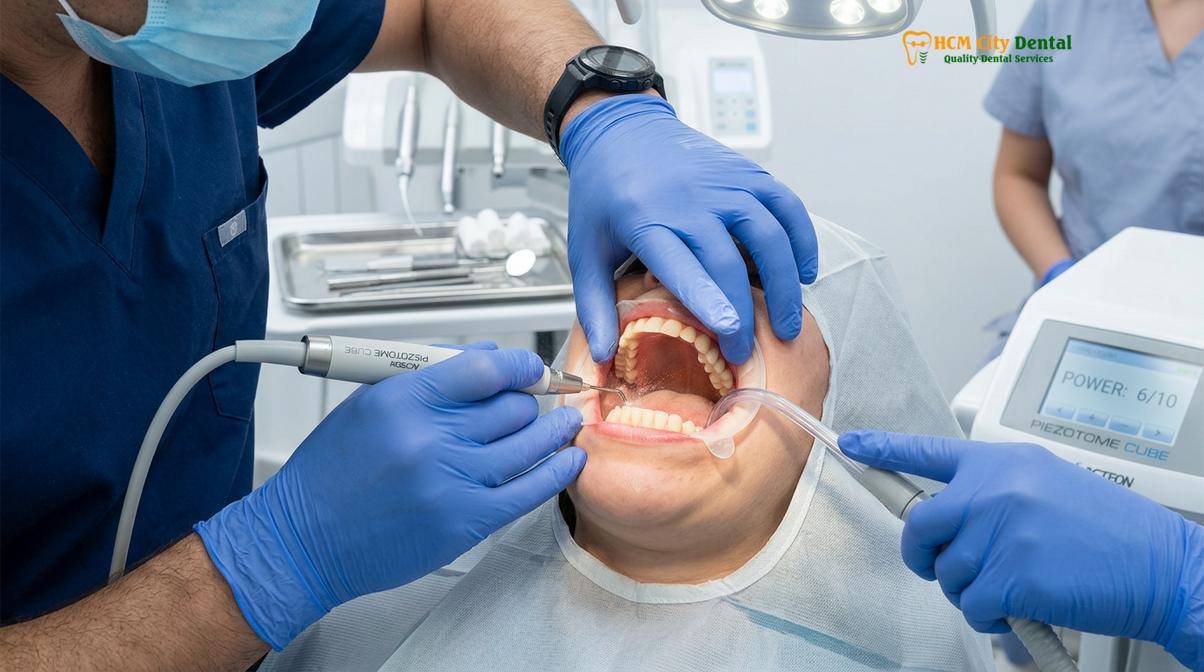
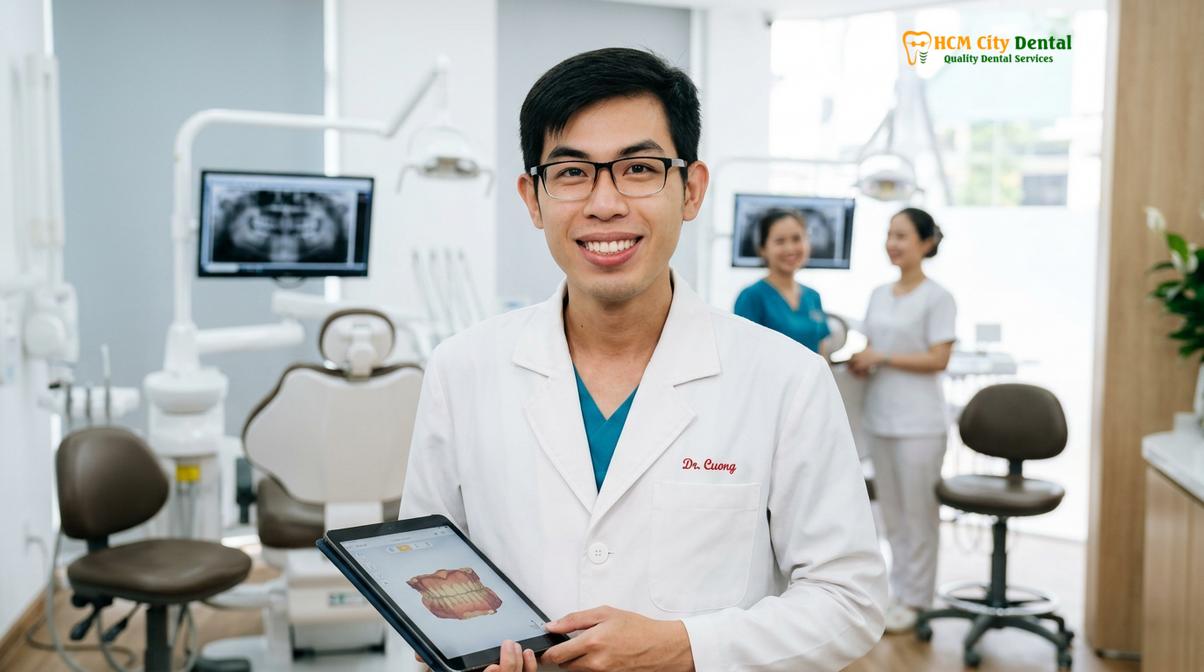
Furthermore, the surgical technique itself has evolved. Leading practitioners, such as Dr. Nguyen Van Cuong, advocate for the use of ultrasonic extraction technology, commonly known as Piezotome surgery. Traditional rotary drills generate heat and can inadvertently traumatize adjacent soft tissues. Piezotome utilizes high-frequency ultrasonic micro-vibrations that selectively cut dense bone while preserving delicate soft tissues, nerves, and blood vessels. This results in significantly less post-operative swelling, reduced pain, and a faster return to normal function.
Additionally, the integration of Platelet-Rich Fibrin (PRF) therapy has become a standard of care in premium Vietnamese clinics. By drawing a small amount of the patient’s blood and centrifuging it, the clinical team creates a fibrin matrix rich in leukocytes and growth factors. When placed into the extraction socket, PRF accelerates soft tissue healing, promotes bone regeneration, and drastically reduces the incidence of alveolar osteitis (dry socket) [3].
Travel Expenses vs. Dental Savings: Is it Worth It?
When evaluating the total expenditure, the savings from extracting multiple impacted wisdom teeth comfortably offset the costs of international flights and premium accommodation.
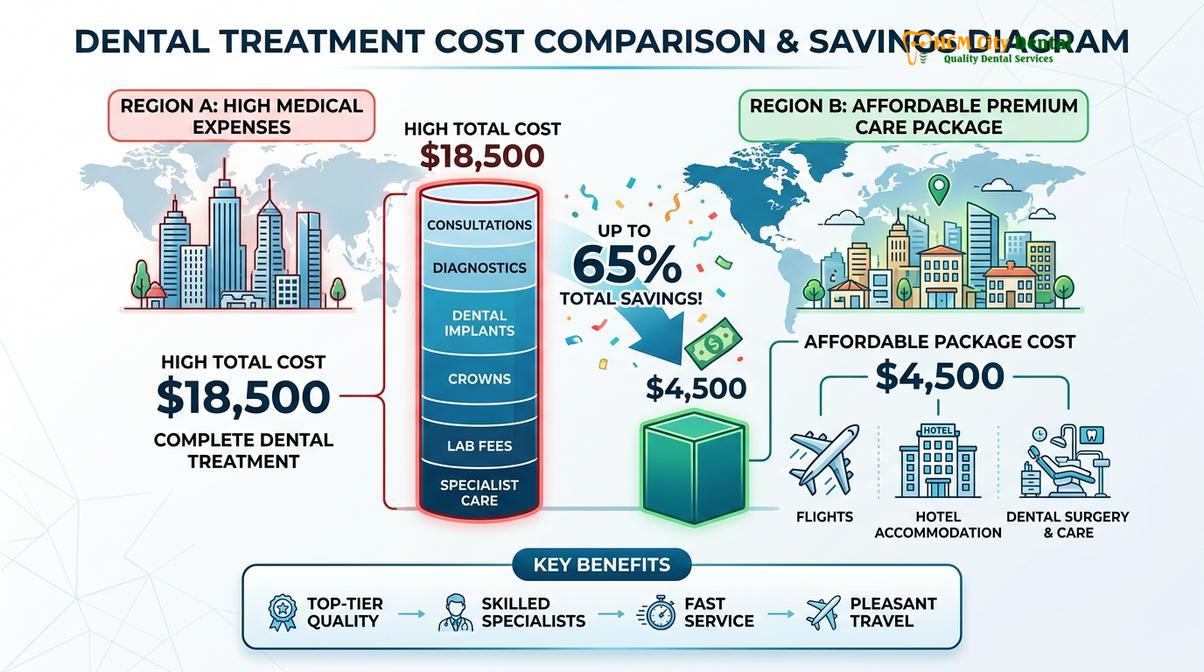
To determine the true value of dental tourism, one must conduct a comprehensive dental travel cost comparison. It is not enough to simply compare the clinical fees; the logistical expenses of traveling from Australia to Vietnam must be factored into the equation. However, because the clinical savings are so substantial, the mathematics frequently work out in the patient’s favor, effectively subsidizing a Southeast Asian holiday.
Consider a standard logistical breakdown for an Australian traveler:
- Return Flights (e.g., Sydney/Melbourne to Ho Chi Minh City): $700 – $1,000 AUD depending on the season and airline.
- Accommodation (5 to 7 nights in a 4-star hotel): $350 – $600 AUD.
- Food and Local Transport: $200 – $300 AUD (Vietnamese cuisine and ride-hailing apps like Grab are highly affordable).
Total travel expenses average around $1,500 AUD. If a patient saves $3,000 AUD on the surgical extraction of four impacted wisdom teeth, they are still $1,500 AUD ahead financially, even after paying for the entire trip. This economic reality makes the journey highly logical for those facing extensive dental work.
Clinical Case Study: Bilateral Mandibular Impaction
Patient Profile: A 32-year-old Australian male presenting with bilateral mesioangular impacted mandibular third molars, experiencing recurrent pericoronitis.
Clinical Action: Facing a quote of over $3,200 AUD in Brisbane, the patient traveled to HCMC Dental Clinic in Ho Chi Minh City. Pre-operative CBCT confirmed the proximity of the tooth roots to the inferior alveolar nerve. Dr. Nguyen Van Cuong performed a minimally invasive surgical extraction utilizing Piezotome technology, followed by the application of autologous PRF membranes into the sockets.
Outcome: The patient experienced minimal post-operative edema and required only standard NSAIDs for pain management. He returned to a normal dietary function within four days and saved over $2,000 AUD net, inclusive of his travel expenses.
Beyond the financial metrics, recovering in a comfortable hotel environment with access to room service and soft, nutritious local foods—such as traditional Vietnamese Pho broth or Chao (rice porridge)—can actually enhance the post-operative experience. The stress of daily domestic chores is removed, allowing the body to focus entirely on the healing process. For older patients, removing third molars in adulthood requires careful recovery management, making a relaxed environment highly beneficial.
Standard Clinical Timelines for Aussie Dental Tourists
A safe and effective dental tourism itinerary requires a minimum stay of five to seven days to accommodate surgery, initial recovery, and a final clinical evaluation.
Proper clinical planning is essential when traveling abroad for surgery. Patients cannot simply fly in, have their teeth extracted, and fly out the next day. Changes in cabin pressure during air travel can exacerbate post-operative bleeding and swelling, making immediate flights contraindicated. A structured timeline ensures patient safety and optimal healing outcomes.
Day 1: Arrival and Comprehensive Consultation
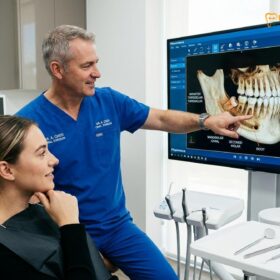
Upon arriving at the clinic, the patient undergoes a thorough clinical examination. This includes taking a 3D CBCT scan to map the exact anatomy of the jaw and nerves. The oral surgeon will review the patient’s medical history, discuss the surgical approach, and finalize the treatment plan. If intravenous sedation is planned, pre-operative blood tests may be conducted to ensure systemic health [4].
Day 2: The Surgical Procedure
The patient arrives for the extraction. Depending on the complexity and the number of teeth being removed, the surgery typically lasts between 45 minutes to two hours. Following the procedure, the patient rests in a dedicated recovery room until the effects of the sedation or local anesthesia begin to wear off. They are then discharged with comprehensive post-operative instructions, prescribed medications (antibiotics, analgesics, and anti-inflammatory drugs), and ice packs.
Day 3 to 4: Acute Recovery Phase
These days are dedicated to rest. Patients are advised to remain in their hotel, keep their head elevated, and apply ice intermittently to manage facial swelling. Adhering to soft diet recommendations is crucial during this phase to prevent trauma to the surgical sites. Vigorous rinsing or spitting is strictly prohibited to protect the forming blood clots.
Day 5 to 7: Post-Operative Review and Clearance
Before returning to Australia, the patient must attend a final follow-up appointment. The surgeon will evaluate the healing of the soft tissues, check for any signs of infection, and perform post-operative socket irrigation if necessary. If non-resorbable sutures were used, they are removed at this stage. Once the surgeon provides clinical clearance, the patient is safe to board their flight home.
Special Packages and Booking Guides for Australians
Navigating international healthcare requires careful planning, prioritizing clinics that offer transparent pricing, comprehensive diagnostic inclusions, and dedicated patient coordinators.
When organizing a medical trip, the logistics can seem daunting. However, premium clinics catering to international patients have streamlined this process. Many facilities offer dedicated “dental tourism packages” designed specifically for overseas visitors. These packages often bundle the cost of the surgery, 3D imaging, medications, and sometimes even airport transfers and local accommodation partnerships into one transparent fee.
While some individuals may search online for cheap wisdom teeth aussie expats solutions, it is vital to prioritize clinical safety over finding the absolute lowest price. The goal is to find high-value, premium care, not budget-basement surgery. When researching clinics, Australian patients should look for the following indicators of quality:
- Surgeon Credentials: Ensure the operating dentist is a specialized oral and maxillofacial surgeon or a highly experienced minor oral surgeon, not a general dentist performing complex impactions occasionally.
- Technological Infrastructure: The clinic must have an in-house CBCT scanner. Attempting complex mandibular extractions without 3D imaging is a significant clinical risk.
- Sterilization Protocols: Look for clinics that explicitly detail their cross-infection control measures, ideally adhering to ISO or ADA (American Dental Association) standards.
- Communication: The clinic should have fluent English-speaking staff and dedicated patient coordinators to assist with pre-arrival planning and post-operative support.
“International patients must ensure their chosen facility adheres to global cross-infection control standards. A comprehensive pre-surgical assessment, including 3D volumetric imaging, is non-negotiable for preventing neurological complications during mandibular extractions.”
Booking usually begins with an online consultation. Patients can often send their existing panoramic X-rays from their Australian dentist to the Vietnamese clinic via secure email. The clinical team in Saigon can then provide a preliminary assessment and a highly accurate cost estimate before the patient even books their flight.
When to See a Doctor
While wisdom tooth extraction is a highly routine procedure with a high success rate, it is still a surgical intervention. Proper post-operative care is essential, and patients must be vigilant in monitoring their healing process once they return to Australia. Delayed complications, though rare when proper protocols are followed, require prompt professional attention to prevent systemic issues or damage to adjacent teeth.
Important Clinical Considerations
Seek immediate emergency dental care from a local professional if you experience any of the following symptoms after returning home:
- Severe, throbbing pain that radiates to the ear, temple, or neck, and is unresponsive to prescribed analgesic medications (a primary indicator of alveolar osteitis, or dry socket).
- Progressive facial swelling that continues to worsen after the third post-operative day, rather than subsiding.
- The presence of purulent discharge (pus), a persistent foul taste in the mouth, or a sustained systemic fever exceeding 38°C (100.4°F).
- Prolonged numbness, tingling, or loss of sensation in the lower lip, chin, or tongue (paresthesia) lasting beyond the expected duration of the local anesthetic.
Patients with underlying health issues must be particularly cautious. Managing extractions with systemic conditions such as diabetes or those requiring anticoagulant therapy necessitates strict adherence to the surgeon’s customized recovery protocols to ensure proper hemostasis and immune response [5].
Frequently Asked Questions
How much do Australians save on wisdom teeth in Vietnam?
Australians typically save between 50% to 70% on wisdom tooth extractions in Vietnam compared to domestic private clinic fees. For complex surgical impactions requiring bone removal, the savings can amount to thousands of dollars, easily offsetting the cost of international flights and accommodation while still receiving premium, technology-driven care.
What is the average cost of wisdom tooth extraction in Australia?
The average cost in Australia ranges from $250 AUD for a simple extraction to over $1,200 AUD per tooth for complex surgical impactions. When factoring in specialist consultation fees, 3D imaging, and intravenous sedation or general anesthesia, the total out-of-pocket expense for removing all four wisdom teeth can frequently exceed $3,500 to $4,500 AUD, even with partial private health insurance rebates.
Is the quality of dentists in Saigon equal to Australia?
Yes, top-tier dental clinics in Saigon employ highly qualified specialists who utilize the same international protocols and advanced technologies found in Australia. Leading practitioners often hold international certifications and utilize state-of-the-art equipment such as Cone Beam CT scanners, Piezotome ultrasonic surgical units, and strict autoclave sterilization processes. Patients receive evidence-based care that meets or exceeds global clinical standards.
Does Australian travel insurance cover dental work in Vietnam?
Standard Australian travel insurance typically only covers emergency dental treatments required for sudden pain relief or trauma, not planned elective surgeries. If you are traveling specifically for dental tourism, you must check with your provider regarding specific medical tourism policies. Routine or pre-planned wisdom tooth extractions will generally require out-of-pocket payment, though the significantly lower fees in Vietnam make this highly manageable.
How many days should an Australian stay in Saigon for wisdom teeth?
Australians should plan to stay in Saigon for a minimum of five to seven days when undergoing wisdom tooth surgery. This timeline allows for a comprehensive initial consultation and 3D imaging on day one, the surgical procedure on day two, and sufficient time for initial recovery and a mandatory post-operative clinical review before flying home safely.
References
- Journal of Oral and Maxillofacial Surgery. Economic analysis of third molar extractions in international healthcare. (2021).
- International Journal of Oral and Maxillofacial Surgery. Piezotome versus rotary instruments in impacted third molar surgery. (2019).
- British Dental Journal. The efficacy of Platelet-Rich Fibrin (PRF) in preventing alveolar osteitis. (2020).
- Journal of the American Dental Association. Diagnostic accuracy of CBCT in assessing inferior alveolar nerve proximity. (2022).
- Clinical Oral Investigations. Post-operative morbidity and recovery timelines following surgical extractions. (2018).