Seeking TMJ treatment in Vietnam, specifically in Ho Chi Minh City, offers patients access to world-class diagnostic imaging and evidence-based therapies at a fraction of Western costs. From custom occlusal splints to advanced joint interventions, specialized clinics like HCMC Dental Clinic provide comprehensive care designed to alleviate chronic jaw pain and restore optimal masticatory function.
Clinical Summary:
Temporomandibular joint disorders (TMD) represent a complex group of musculoskeletal conditions requiring precise diagnosis and multidisciplinary management. In Ho Chi Minh City, leading dental centers utilize internationally recognized protocols, combining advanced 3D Cone Beam Computed Tomography (CBCT) with comprehensive clinical examinations to differentiate between muscular (myogenous) and joint-related (arthrogenous) pathologies. Treatment philosophies heavily favor conservative, reversible modalities as the first line of defense. This includes the fabrication of custom occlusal splints, targeted physical therapy, and pharmacological support to decompress the joint and reduce muscle hyperactivity. For refractory cases involving severe internal derangement or osteoarthritis, minimally invasive procedures such as arthrocentesis are available. By leveraging state-of-the-art technology and highly trained specialists, Vietnam has established itself as a premier destination for patients seeking effective, affordable, and long-term relief from debilitating jaw dysfunction.
Key Takeaways:
- Accurate diagnosis relies on differentiating between muscle-based pain and structural joint pathology using advanced imaging.
- Conservative therapies, including custom splints and physical therapy, successfully resolve the majority of TMD symptoms.
- Custom occlusal appliances are essential for protecting dentition and reprogramming hyperactive masticatory muscles.
- Minimally invasive interventions like arthrocentesis are reserved for cases unresponsive to conservative management.
- Seeking care at HCMC Dental Clinic in Ho Chi Minh City provides access to international-standard treatments at highly competitive global rates.
TMJ Disorders: An Overview
Temporomandibular disorders (TMD) encompass a complex group of musculoskeletal and neuromuscular conditions affecting the temporomandibular joint, masticatory musculature, and associated anatomical structures.
The temporomandibular joint (TMJ) is one of the most complex joints in the human body. It is a bilateral, synovial, ginglymoarthrodial joint, meaning it functions both as a hinge (ginglymoid) and a sliding (arthrodial) joint. This unique dual-action mechanism allows for the intricate movements required for mastication, speech, and deglutition. The joint connects the mandibular condyle to the glenoid fossa of the temporal bone, with a dense, fibrous articular disc interposed between the bony structures to absorb shock and facilitate smooth articulation[1]. When the harmonious relationship between the bones, disc, ligaments, and surrounding musculature is disrupted, a temporomandibular disorder develops.
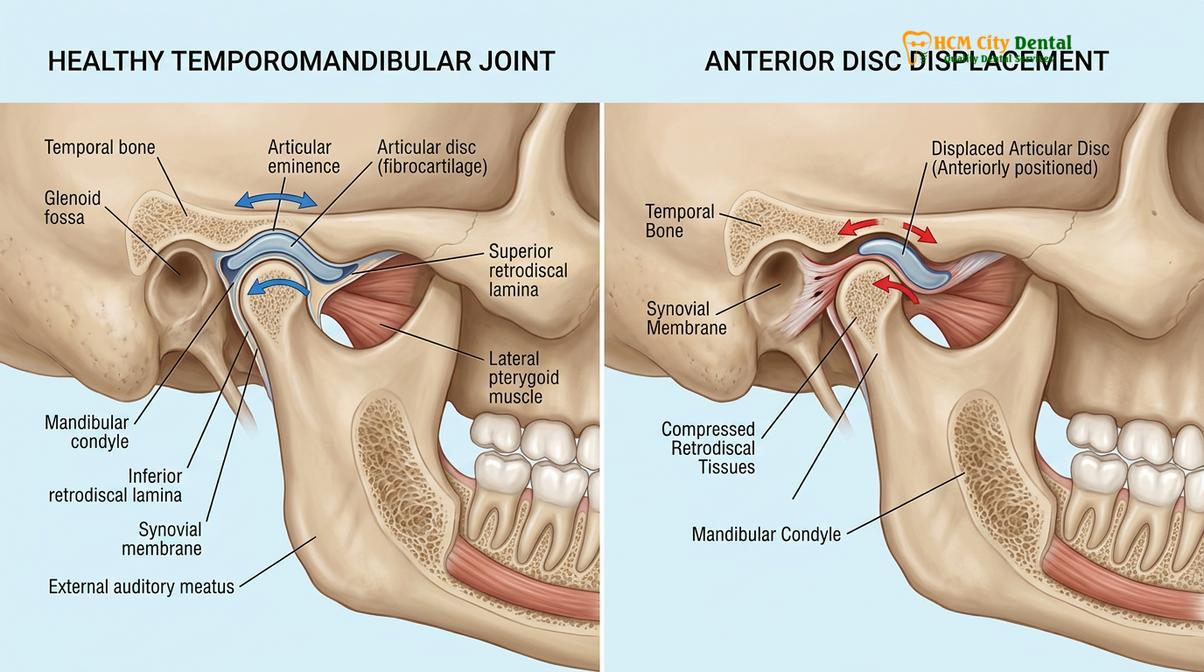
TMD is not a single disease entity but rather an umbrella term for various clinical problems. Understanding what is bruxism teeth grinding is essential, as parafunctional habits are a primary contributor to these disorders. According to internationally accepted diagnostic criteria, these conditions are broadly categorized into three main groups. The first category is myogenous TMD, which involves the muscles of mastication (primarily the masseter, temporalis, and pterygoid muscles). Patients with myogenous issues typically present with myofascial pain, muscle spasms, and localized tenderness. The second category is arthrogenous TMD, which involves true joint pathology such as capsulitis, synovitis, or osteoarthritis. The third category involves internal derangements, most commonly an anterior displacement of the articular disc, which manifests clinically as clicking, popping, or locking of the jaw.
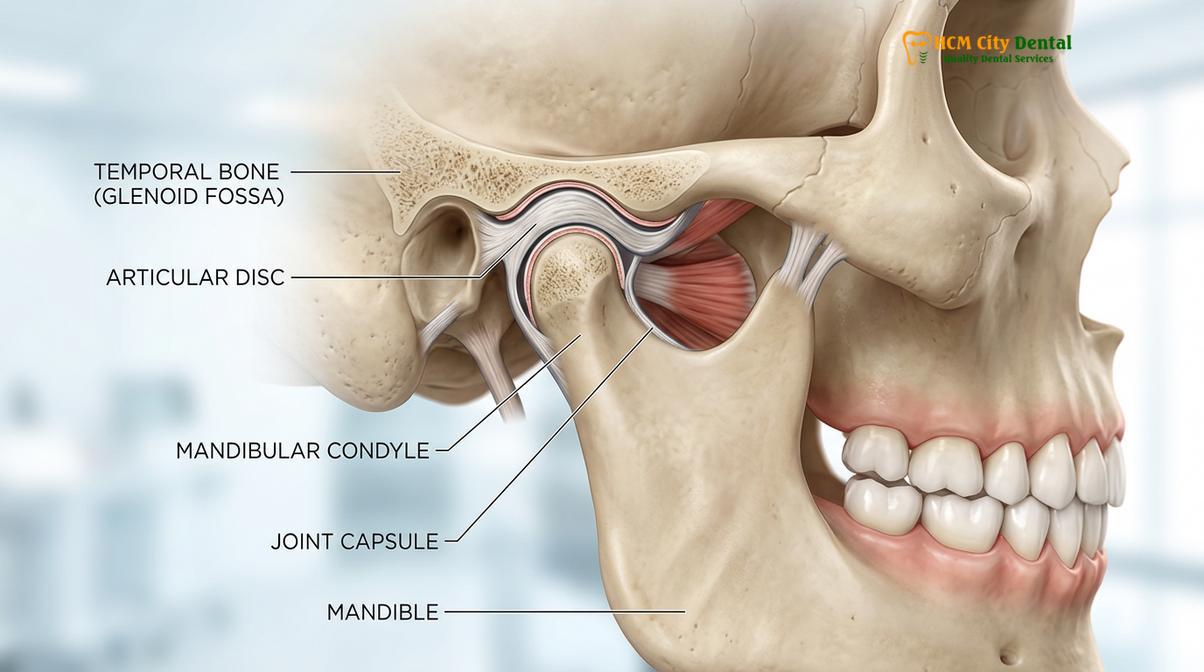
The etiology of TMD is multifactorial, making it a challenging condition to manage without a comprehensive clinical approach. Biomechanical factors, such as severe malocclusion or premature occlusal contacts, can force the condyle into an unnatural position within the fossa, leading to chronic microtrauma. Psychological factors, including chronic stress and anxiety, are strongly correlated with increased muscle tension, creating a cyclical pattern of pain and dysfunction. Additionally, macrotrauma, such as a direct blow to the mandible or a whiplash injury, can instantly damage the retrodiscal tissues or displace the articular disc.
Diagnostic Process in Vietnam
Accurate TMD diagnosis relies on internationally recognized protocols, combining comprehensive clinical palpation with advanced 3D imaging to identify the specific joint or muscle pathology.
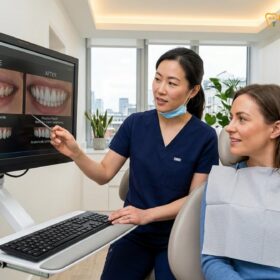
The foundation of successful TMJ management is an accurate, highly specific diagnosis. Because TMD symptoms frequently mimic other orofacial pain conditions—such as trigeminal neuralgia, endodontic infections, or otitis media—a meticulous diagnostic workflow is essential. Leading clinics in Ho Chi Minh City adhere strictly to the dual-axis Diagnostic Criteria for Temporomandibular Disorders (DC/TMD). Axis I focuses on the physical assessment of the joint and muscles, while Axis II evaluates the psychosocial factors, such as pain-related disability and psychological distress, which heavily influence the patient’s perception of pain and response to treatment.
The clinical examination begins with a detailed functional assessment of mandibular dynamics. The clinician measures the maximum incisal opening (MIO), noting any deviations or deflections in the mandibular path upon opening and closing. A normal MIO typically ranges from 40 to 55 millimeters; restricted opening often indicates muscle trismus or a closed lock due to an unreduced displaced disc. The clinician then performs systematic palpation of the masticatory muscles to identify trigger points and localized myalgia. Joint palpation is conducted to detect capsular inflammation, while auscultation helps in identifying sounds such as clicking or crepitus[2].
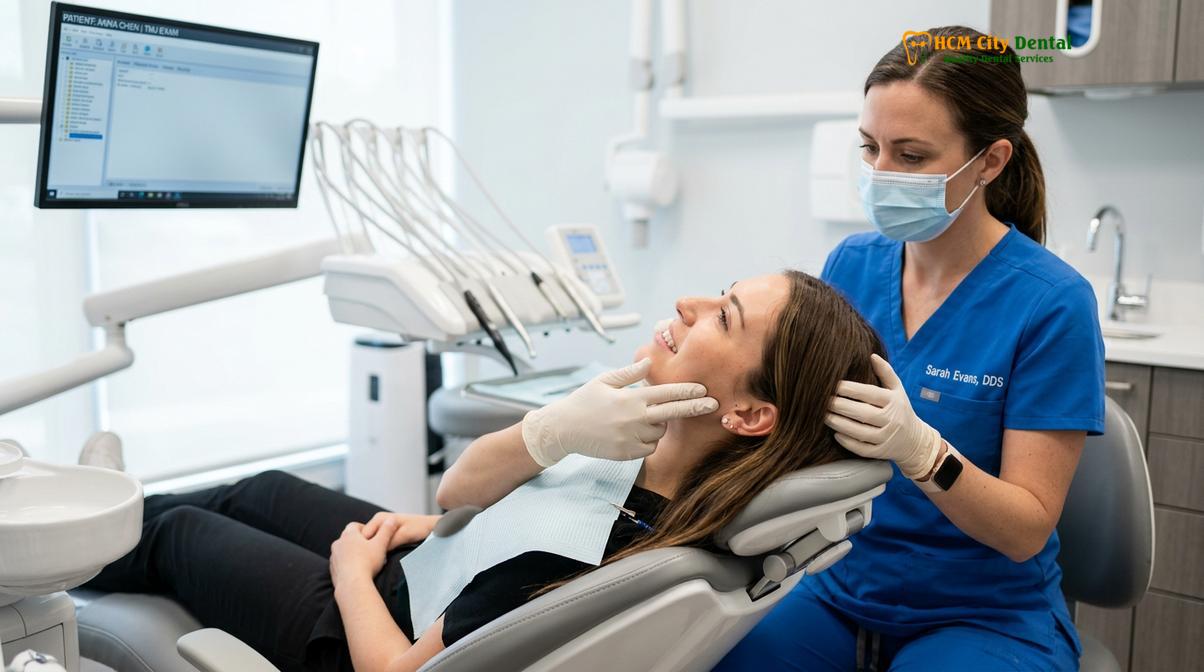
Following the clinical evaluation, advanced diagnostic imaging is employed to visualize the hard and soft tissues of the temporomandibular complex. In modern Vietnamese dental centers, Cone Beam Computed Tomography (CBCT) is the standard of care for evaluating the osseous structures. Unlike traditional two-dimensional panoramic radiographs, CBCT provides high-resolution, three-dimensional views of the condyle and glenoid fossa without superimposition. This allows the specialist to detect subtle bony changes, such as cortical erosion, osteophyte formation (bone spurs), subchondral cysts, and joint space narrowing, which are hallmarks of degenerative joint disease.
Conservative Treatment Options
First-line TMJ therapy prioritizes reversible, non-invasive modalities such as physical therapy, pharmacological management, and behavioral modifications to reduce inflammation and muscle hyperactivity.
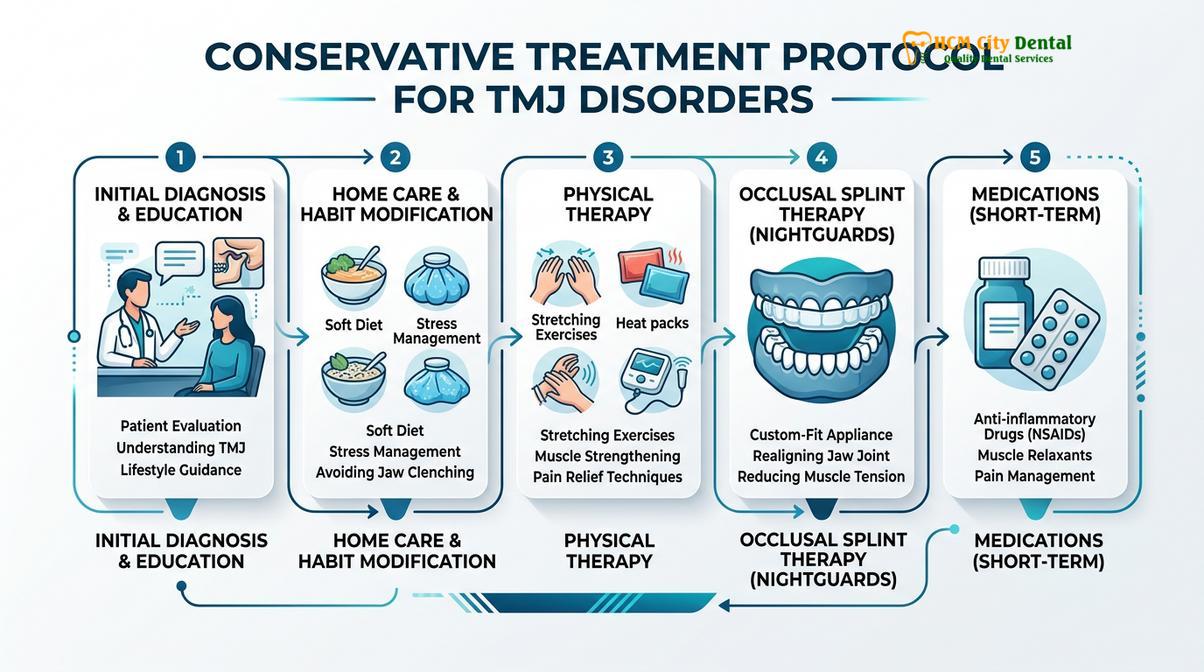
The overarching philosophy in modern temporomandibular joint management is to exhaust all conservative, reversible therapies before considering irreversible occlusal changes or surgical interventions. The majority of TMD cases—particularly those of myogenous origin—respond favorably to non-invasive management. The primary goals of conservative therapy are to reduce pain, decrease joint loading, restore normal muscle function, and improve the patient’s overall quality of life.
“The cornerstone of temporomandibular disorder management lies in the principle of reversibility. By prioritizing conservative modalities such as physical therapy and occlusal splinting, clinicians can successfully resolve the vast majority of TMD symptoms without exposing the patient to the risks of permanent occlusal alteration or surgical intervention.”
Physical therapy plays a crucial role in the rehabilitation of the temporomandibular joint. A structured physiotherapy program typically includes manual therapy techniques, such as joint mobilization and myofascial release, to improve capsular elasticity and reduce muscle tension. Therapeutic exercises are prescribed to stretch tight elevator muscles and strengthen the depressor muscles, promoting coordinated mandibular movement. Furthermore, behavioral modification—such as adopting a soft diet, avoiding extreme jaw movements, and learning how to stop grinding teeth through stress-reduction techniques—is essential for long-term success.
For patients with refractory myofascial pain that does not respond to standard physical therapy, trigger point injections or the off-label use of Botulinum Toxin Type A (Botox) may be considered. Botox works by inhibiting the release of acetylcholine at the neuromuscular junction, effectively inducing a temporary, localized paresis of the injected muscle. When carefully administered into the hyperactive masseter and temporalis muscles, Botox significantly reduces clenching force, thereby decreasing the mechanical load on the TMJ and alleviating muscle-tension headaches[5]. While highly effective for myogenous TMD, it is important to note that Botox does not correct underlying structural joint pathology.
Night Guard and Splint Therapy
Custom occlusal splints are the cornerstone of conservative TMD management, designed to decompress the joint space, protect dentition from bruxism, and reprogram masticatory muscle engrams.
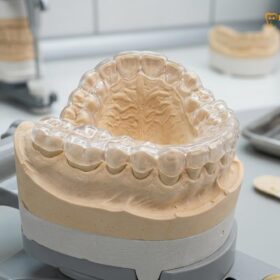
Occlusal splint therapy remains the most widely prescribed and clinically validated intervention for managing temporomandibular disorders and nocturnal bruxism. These custom-fabricated intraoral appliances, typically worn over the maxillary or mandibular arch, serve multiple therapeutic functions. Primarily, they provide a stable, interference-free occlusal platform that allows the condyles to seat in their most orthopedically stable position within the glenoid fossa. By altering the sensory input from the periodontal ligaments to the central nervous system, splints help to decrease masticatory muscle hyperactivity and break the cycle of chronic clenching[4].
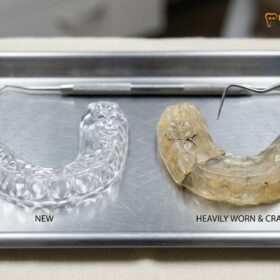
There is a significant clinical distinction between professionally fabricated appliances and over-the-counter alternatives. A clinical comparison of custom versus over-the-counter guards reveals that store-bought “boil-and-bite” guards often exacerbate TMD symptoms. Because they are made of soft, compressible materials, they can inadvertently stimulate the chewing reflex, leading to increased muscle activity. Furthermore, they lack precise occlusal contacts, which can cause unwanted tooth movement or joint destabilization over time. In contrast, Nightguards tại HCMC Dental Clinic are meticulously designed based on accurate digital impressions and specific bite registrations, ensuring optimal force distribution and joint support.
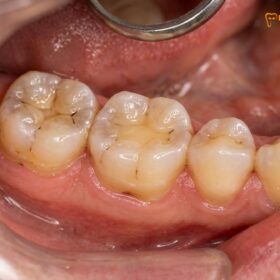
The choice of splint design depends entirely on the patient’s specific diagnosis. The most common type is the stabilization splint, which provides uniform, simultaneous contact of all opposing teeth, effectively eliminating premature occlusal interferences. It is highly effective for managing myogenous pain and protecting the teeth from the structural damage to the dentition caused by severe grinding. When considering materials, specialists often evaluate rigid acrylic versus flexible materials. Hard acrylic splints are generally preferred for TMD management because they provide definitive occlusal stops and are easier to adjust precisely.
For patients diagnosed with an anterior disc displacement with reduction, an anterior repositioning splint may be indicated. This specialized appliance guides the mandible into a slightly protruded position, temporarily recapturing the articular disc and preventing the condyle from resting on the highly innervated retrodiscal tissues. This decompression allows the inflamed tissues to heal. Splint therapy is not a passive treatment; it requires meticulous calibration. As the muscles relax and the joint inflammation subsides, the patient’s bite will subtly change. Therefore, regular follow-up appointments are necessary to adjust the splint, ensuring it continues to provide optimal therapeutic benefit for nocturnal bruxism management and joint stabilization.
Advanced Interventions
When conservative therapies fail to resolve intra-articular pathology, minimally invasive surgical interventions like arthrocentesis or arthroscopy are utilized to restore joint mobility and reduce pain.
While the vast majority of TMD patients achieve significant relief through conservative measures, a small percentage with severe internal derangements or advanced degenerative joint disease may require further intervention. In these cases, minimally invasive procedures like arthrocentesis can be highly effective[3]. Arthrocentesis involves flushing the superior joint space with a sterile saline or lactated Ringer’s solution using two small needles. This lavage removes inflammatory mediators, breaks up intra-articular adhesions, and improves joint mobility. Often, a corticosteroid or hyaluronic acid is injected at the end of the procedure to provide prolonged anti-inflammatory effects and joint lubrication.
If arthrocentesis is insufficient, TMJ arthroscopy may be considered. This procedure involves inserting a small camera (arthroscope) into the joint space, allowing the surgeon to directly visualize the articular surfaces, disc, and synovium. Through a second puncture, specialized instruments can be introduced to remove inflamed tissue, reposition the disc, or smooth fibrillated cartilage. Open joint surgery (arthrotomy) is strictly reserved for end-stage joint disease, severe trauma, or ankylosis, where total joint replacement may be the only viable option to restore function.
Why HCMC for TMJ Treatment
Ho Chi Minh City has emerged as a leading destination for specialized dental care, offering international patients access to advanced TMJ diagnostics and expert clinicians at highly competitive rates.
Choosing Ho Chi Minh City for temporomandibular joint therapy provides a unique combination of high-quality clinical care and significant cost savings. Leading facilities in the city are equipped with the latest diagnostic technology, including high-resolution CBCT scanners and digital intraoral scanners, ensuring that patients receive the same standard of care they would expect in North America, Europe, or Australia. Furthermore, clinical protocols align closely with the recommendations set forth by international bodies and the Vietnam Odonto-Stomatology Association (VOSA)[6], ensuring evidence-based management of complex orofacial pain.
Dr. Nguyen Van Cuong actively diagnoses and treats a wide spectrum of temporomandibular joint disorders using these evidence-based clinical protocols at HCMC Dental Clinic. His approach emphasizes conservative, non-invasive management first, utilizing custom-calibrated occlusal splints, physical therapy recommendations, and precise bite adjustments. For patients with complex intra-articular pathology, Dr. Cuong coordinates comprehensive care plans, ensuring that every intervention is tailored to the patient’s specific anatomical and functional needs.
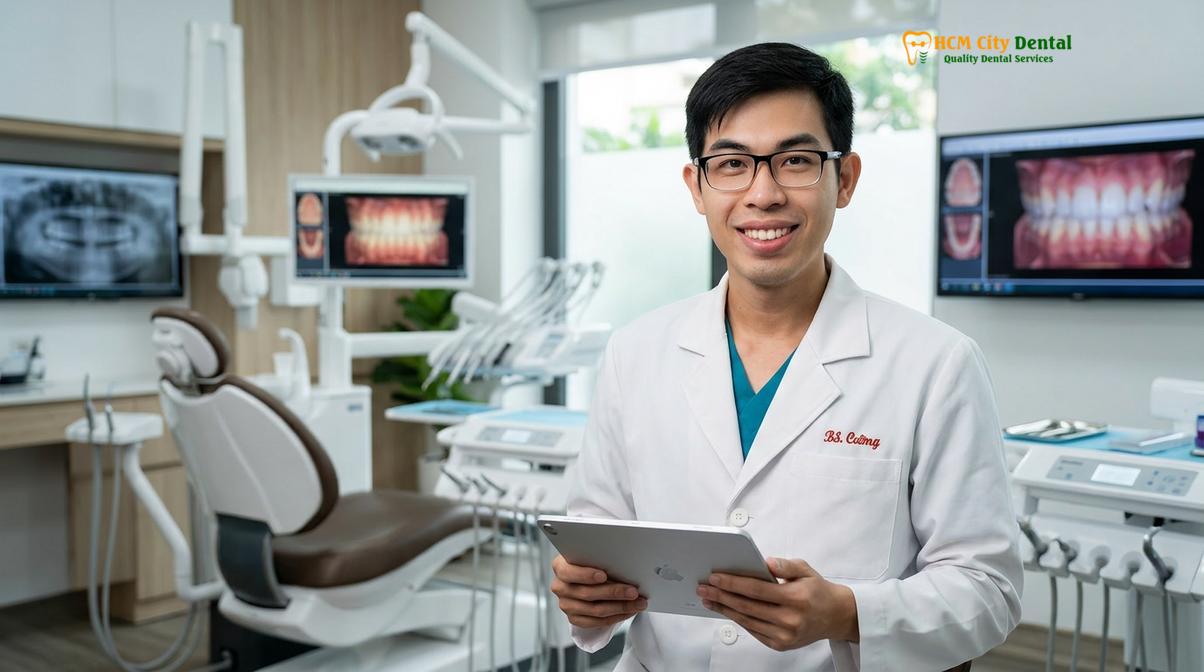
Beyond the clinical expertise, the efficiency of care in Vietnam is a major advantage for international patients. Diagnostic imaging, specialist consultations, and the fabrication of custom occlusal splints can often be completed within a matter of days, minimizing the time spent away from home. The multidisciplinary approach adopted by top clinics ensures that patients receive holistic care, addressing both the physical and biomechanical aspects of their jaw dysfunction.
Cost Comparison: Vietnam vs Home Country
Patients traveling to Vietnam for TMJ treatment can expect to save up to 70% on diagnostics, custom splints, and advanced interventions compared to Western healthcare systems.
The financial burden of managing chronic temporomandibular disorders can be substantial, particularly in countries where dental insurance provides limited coverage for specialized appliances or joint therapies. In Ho Chi Minh City, the cost of comprehensive TMJ care is significantly lower, without compromising on the quality of materials or clinical expertise. The table below outlines a general comparison of common TMD treatments.
| Treatment / Procedure | Estimated Cost (USA/Australia) | Estimated Cost (Vietnam) |
|---|---|---|
| Comprehensive TMJ Consultation & Exam | $150 – $300 | $30 – $80 |
| 3D CBCT Scan (Joint Imaging) | $250 – $500 | $50 – $100 |
| Custom Hard Acrylic Occlusal Splint | $500 – $1,200 | $150 – $350 |
| Botox for Masticatory Muscles | $600 – $1,500 | $200 – $500 |
| TMJ Arthrocentesis (per joint) | $1,500 – $3,000 | $500 – $1,000 |
These cost efficiencies allow patients to access premium diagnostic tools and custom-fabricated appliances that might otherwise be financially prohibitive. When combined with the opportunity to experience the vibrant culture of Ho Chi Minh City, medical tourism for TMJ treatment presents a highly attractive option for those suffering from chronic jaw pain.
Case Study: Restoring Jaw Function
Clinical Case: Chronic Myofascial Pain and Limited Opening
Patient Profile: A 34-year-old international patient visited HCMC Dental Clinic in Ho Chi Minh City presenting with severe bilateral jaw pain, frequent tension headaches, and a restricted maximum incisal opening of only 28mm. The patient reported a long history of nocturnal bruxism and had previously tried over-the-counter mouthguards without success.
Clinical Intervention: A comprehensive examination, including a 3D CBCT scan, revealed no severe structural joint degeneration but highlighted significant masseter muscle hypertrophy and spasm. The clinical team diagnosed the patient with acute myogenous TMD secondary to severe bruxism. Treatment commenced with a short course of muscle relaxants and the fabrication of a custom hard acrylic stabilization splint. The splint was meticulously adjusted over two follow-up visits to ensure even occlusal contacts and joint decompression.
Outcome: Within four weeks of consistent nighttime splint wear and prescribed jaw exercises, the patient reported an 80% reduction in morning headaches and jaw pain. The maximum incisal opening improved to a healthy 45mm, restoring normal masticatory function and significantly improving the patient’s quality of life.
When to See a Doctor & Important Notes
Clinical Warning Signs
While occasional jaw clicking without pain is common and often benign, certain symptoms require prompt evaluation by a TMJ specialist to prevent progressive joint damage:
- Sudden inability to open or close the mouth fully (jaw locking).
- Severe, persistent pain in the jaw joint, face, or ear that does not resolve with rest.
- A sudden change in how the upper and lower teeth fit together (acute malocclusion).
- Grating or crunching sounds (crepitus) accompanied by pain during chewing.
- Swelling on one or both sides of the face near the temporomandibular joint.
“Early intervention is critical in the management of temporomandibular disorders. Ignoring persistent jaw pain or restricted movement can lead to chronic inflammatory changes within the joint capsule, making future conservative treatments less effective and increasing the likelihood of requiring invasive procedures.”
References
- Journal of Oral Rehabilitation. Diagnostic Criteria for Temporomandibular Disorders (DC/TMD): Clinical Applications. (2020).
- American Academy of Orofacial Pain. Guidelines for Assessment, Diagnosis, and Management of TMD. (2021).
- International Journal of Oral and Maxillofacial Surgery. Efficacy of Arthrocentesis in TMJ Internal Derangement. (2019).
- Journal of Prosthetic Dentistry. Occlusal Splint Therapy in TMD Management: A Systematic Review. (2022).
- Clinical Oral Investigations. Botulinum Toxin Applications in Masticatory Muscle Hyperactivity. (2023).
- Vietnam Odonto-Stomatology Association (VOSA). National Guidelines on Temporomandibular Joint Disorder Management. (2022).
If you are experiencing chronic jaw pain, frequent headaches, or restricted jaw movement, expert care is available. Contact HCMC Dental Clinic in Ho Chi Minh City today to schedule a comprehensive TMJ evaluation and discover how custom splint therapy can restore your comfort and oral function.
For pricing, booking, and a free clinical assessment, visit our Night Guard & Mouthguard service page at HCMC Dental Clinic in Ho Chi Minh City.