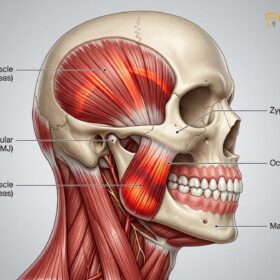
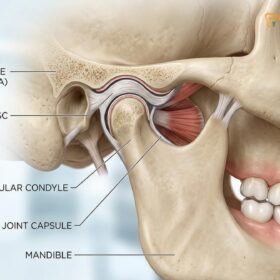
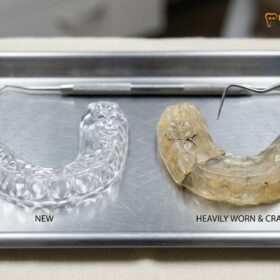
A night guard for TMJ is a custom-fabricated oral appliance designed to alleviate jaw pain, reduce muscle tension, and protect dental structures. By repositioning the mandible and decompressing the temporomandibular joint, these clinical devices provide essential, non-invasive relief for patients suffering from acute or chronic jaw dysfunction.
Clinical Summary:
Temporomandibular joint (TMJ) disorders encompass a complex spectrum of conditions affecting the jaw joint and surrounding facial musculature. A custom night guard for TMJ serves as a primary therapeutic intervention, functioning to decompress the articular space, stabilize the occlusal bite, and mitigate the destructive biomechanical forces of nocturnal bruxism. Unlike generic over-the-counter options, professionally fabricated splints are meticulously calibrated to a patient’s specific dental anatomy. While a properly adjusted appliance is highly effective for symptom management and neuromuscular relaxation, comprehensive treatment often requires a detailed diagnostic approach to address underlying structural, postural, or airway-related etiologies.
Key Takeaways:
- Custom night guards decompress the temporomandibular joint and relax hyperactive masticatory muscles.
- Over-the-counter boil-and-bite guards can exacerbate TMJ symptoms by encouraging uneven clenching.
- Stabilization splints and repositioning splints serve distinct clinical purposes based on joint versus muscle pathology.
- Consistent use of a prescribed guard protects dental enamel from severe bruxism damage.
- Professional clinical evaluation is mandatory to determine the exact type of TMD before appliance fabrication.
Understanding TMJ Disorders
Temporomandibular disorders (TMD) involve complex dysfunctions of the jaw joint and masticatory muscles, requiring precise clinical diagnosis to differentiate between muscular tension and structural joint derangement.
The temporomandibular joint is one of the most complex joints in the human body. It acts as a sliding hinge, connecting your jawbone (mandible) to your skull (temporal bone). Between these two bones lies a small, fibrous cartilaginous disc known as the articular disc. This disc absorbs shock and allows the jaw to move smoothly during speaking, chewing, and swallowing. When this intricate system falls out of harmony, it results in a group of conditions collectively known as Temporomandibular Disorders (TMD), though patients commonly refer to the condition simply as “TMJ.”
Clinically, TMJ disorders are generally categorized into two primary classifications: myogenous (muscle-related) and arthrogenous (joint-related). Myogenous TMD is characterized by pain and dysfunction in the masticatory muscles—primarily the masseter, temporalis, and medial/lateral pterygoids. This muscular hypertonicity is frequently driven by stress, poor posture, or nocturnal teeth grinding in sleep. Patients with myogenous pain often report dull, aching facial pain, tension headaches, and a sensation of jaw fatigue upon waking.
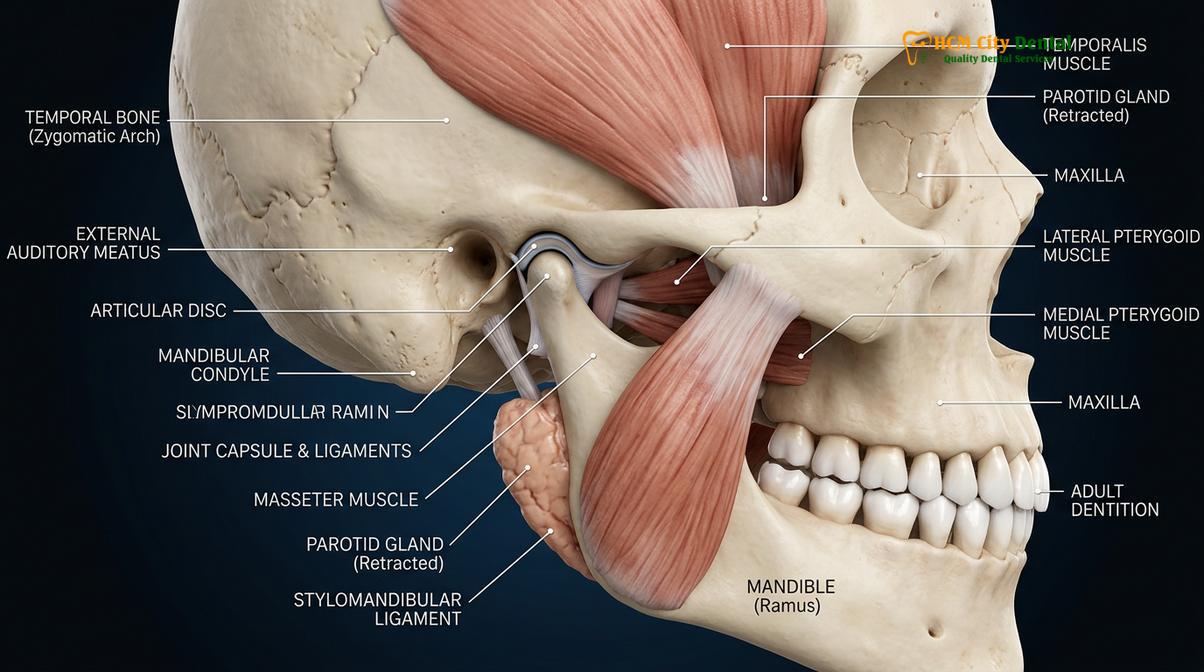
Conversely, arthrogenous TMD involves structural pathology within the joint itself. This can include disc displacement (where the articular disc slips out of its normal position, often causing a clicking or popping sound), osteoarthritis (degeneration of the joint cartilage), or inflammatory conditions such as rheumatoid arthritis affecting the jaw. In severe arthrogenous cases, patients may experience “closed lock,” a terrifying condition where the jaw cannot open fully due to the displaced disc physically blocking the translation of the condyle [1].
Understanding the distinction between acute and chronic TMJ pain is vital for effective treatment. Acute pain often arises from a specific trigger—such as a prolonged dental procedure, sudden trauma, or a period of intense psychological stress leading to severe clenching. If left unmanaged, the central nervous system can undergo neuroplastic changes, transforming acute nociceptive signals into a chronic pain syndrome. A properly designed TMJ night guard is frequently the first line of defense in preventing acute flare-ups from transitioning into chronic, debilitating conditions.
How Night Guards Address TMJ
A properly calibrated night guard unloads the temporomandibular joint, establishes a stable occlusal relationship, and reduces the neuromuscular triggers that cause involuntary jaw clenching.
The therapeutic efficacy of a night guard for jaw pain lies in its ability to alter the biomechanical and neurological feedback loops of the masticatory system. When a patient clenches or grinds their teeth, the periodontal ligaments (the tiny fibers holding the teeth in the bone) send proprioceptive signals to the trigeminal nerve. This nerve then signals the brain to activate the motor neurons controlling the jaw muscles, creating a self-perpetuating cycle of extreme muscular contraction. A custom oral appliance disrupts this cycle.
By introducing a smooth, flat acrylic surface between the upper and lower teeth, a stabilization splint removes the specific interferences of the patient’s natural bite. Without the familiar interlocking of the upper and lower cusps, the brain receives altered proprioceptive feedback. This “permissive” environment allows the lower jaw to glide freely and find its most comfortable, anatomically neutral resting position, known as centric relation. As the jaw settles into this optimal posture, the hyperactive masseter and temporalis muscles begin to relax, significantly reducing myofascial pain [2].
“The primary objective of splint therapy is not merely to protect the teeth, but to reprogram the neuromuscular engrams. By providing a frictionless occlusal surface, we allow the condyle to seat properly in the fossa, effectively decompressing the highly innervated retrodiscal tissues.”
Furthermore, a TMJ splint acts as a physical shock absorber. During severe episodes of sleep bruxism, the human jaw can exert hundreds of pounds of force per square inch. Without intervention, this force is transmitted directly into the temporomandibular joint, compressing the articular disc and inflaming the retrodiscal tissues (a highly vascular and nerve-rich area behind the joint). The appliance slightly increases the vertical dimension of occlusion (VDO), which physically increases the space within the joint capsule, relieving pressure on these sensitive tissues and allowing localized inflammation to subside.
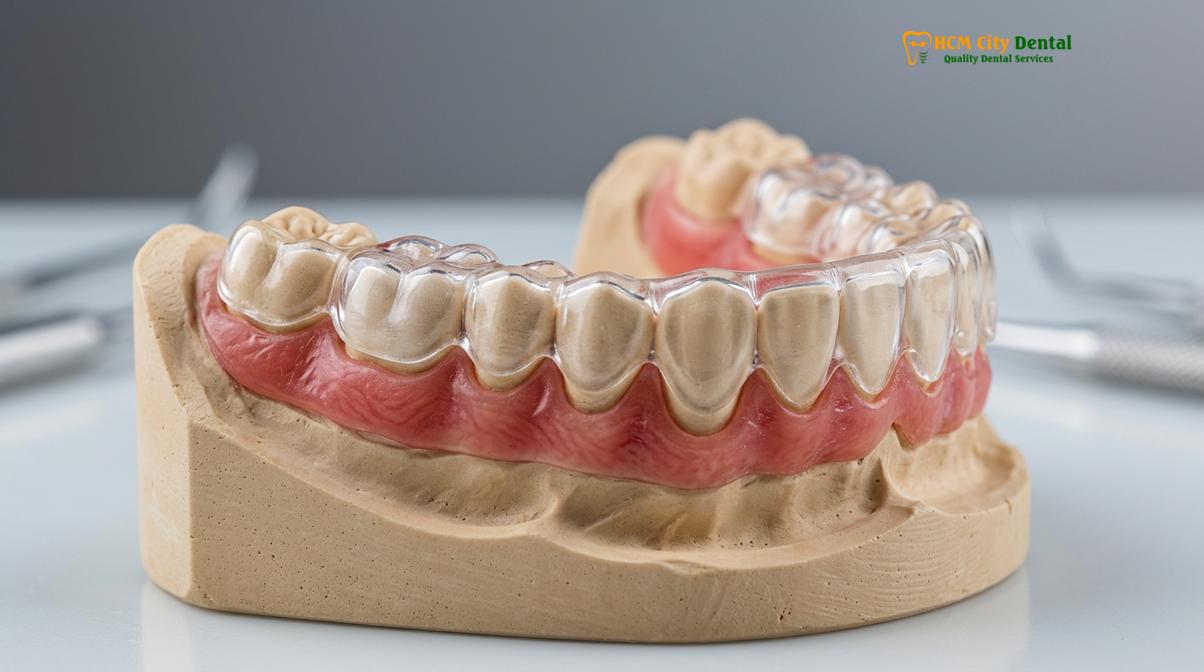
It is also crucial to recognize the protective role these devices play for the dentition itself. Chronic bruxism associated with TMD can lead to severe enamel attrition, micro-fractures, and even tooth mobility. By wearing a custom night guard, the destructive forces are absorbed by the acrylic material rather than the natural tooth structure. Replacing a worn-out acrylic splint after several years is infinitely preferable to performing full-mouth reconstructive dentistry to repair shattered teeth, effectively mitigating the long-term effects of bruxism on teeth.
Types of Guards for TMJ Relief
Clinical TMJ treatment utilizes specific appliance designs—such as stabilization splints, repositioning splints, and anterior bite planes—tailored to the patient’s unique anatomical and symptomatic presentation.
Not all oral appliances are created equal. The selection of the appropriate TMD treatment guard is a highly specific clinical decision based on a comprehensive evaluation of the patient’s joint health, muscle activity, and occlusal scheme. Prescribing the wrong type of appliance can not only fail to relieve symptoms but can actively worsen the patient’s condition.
Stabilization Splints (Flat Plane Splints): This is the most commonly prescribed appliance for generalized TMJ pain and bruxism. Typically fabricated from hard acrylic and worn on the upper arch (maxilla), a stabilization splint provides a perfectly flat, even surface for the lower teeth to contact. It is designed to be “permissive,” meaning it does not force the jaw into any specific position but rather allows it to slide freely. This freedom eliminates the neuromuscular triggers caused by uneven tooth contacts, promoting profound muscle relaxation [3].
Anterior Repositioning Splints: Unlike stabilization splints, repositioning splints are “directive.” They feature subtle indentations or ramps designed to hold the lower jaw in a slightly forward (protrusive) position. This specific positioning is utilized primarily for arthrogenous TMD, specifically to “recapture” an anteriorly displaced articular disc. By holding the condyle forward, the disc can slip back into its proper place, eliminating the painful clicking and popping. However, these splints must be monitored closely by a professional, as long-term use can cause permanent, unwanted changes to the patient’s natural bite.
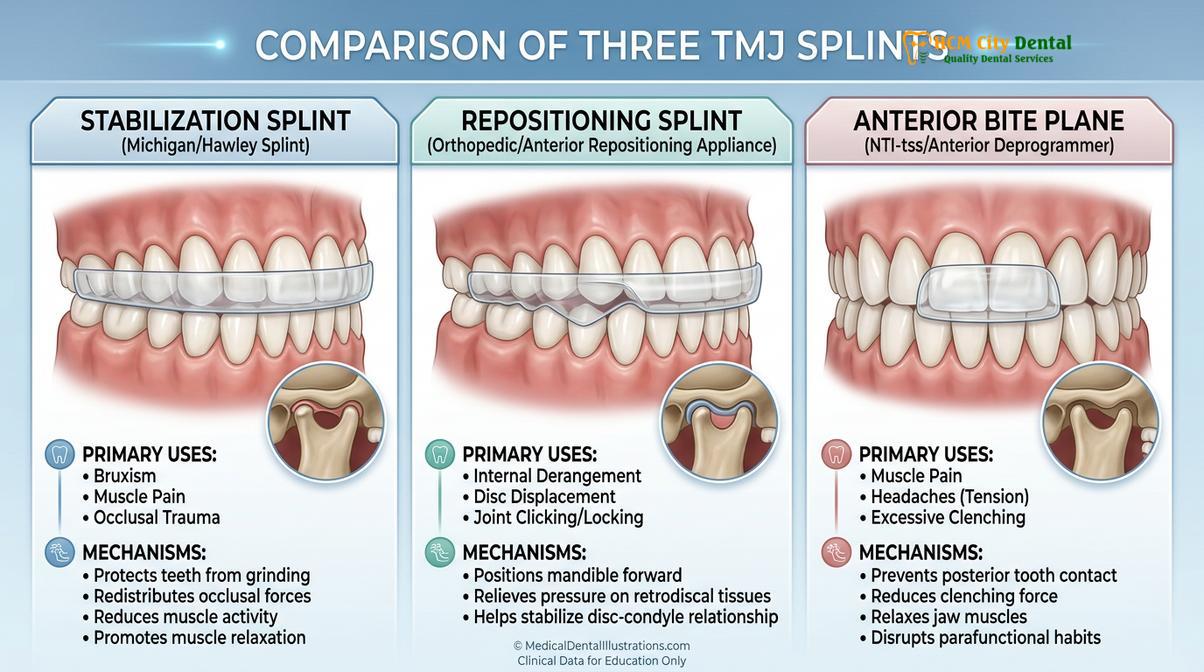
Anterior Bite Planes (e.g., NTI-tss devices): These are small appliances that fit only over the front teeth (incisors). Their mechanism of action relies on the physiological principle that the jaw muscles cannot contract with maximum force when only the front teeth are engaged. By preventing the posterior teeth (molars) from touching entirely, anterior bite planes drastically reduce the clenching force of the masseter and temporalis muscles. While highly effective for acute tension headaches and severe clenching, they carry a risk of causing the posterior teeth to over-erupt if worn continuously for extended periods without supervision.
When discussing materials, the clinical consensus strongly favors hard acrylic over soft, rubbery materials for TMJ management. For a detailed breakdown of this distinction, patients can review the clinical differences between hard and soft night guards. Soft guards can inadvertently stimulate the chewing reflex, causing the patient to clench more intensely into the spongy material, thereby exacerbating muscle fatigue and joint loading.
| Splint Type | Mechanism of Action | Primary Clinical Indication | Potential Clinical Risk |
|---|---|---|---|
| Stabilization (Flat Plane) | Provides even, frictionless contact; allows jaw to find neutral position. | Muscle pain (myogenous TMD), severe bruxism, joint decompression. | Minimal risk if properly adjusted; requires precise occlusal balancing. |
| Anterior Repositioning | Forces mandible forward to recapture displaced articular disc. | Joint pain (arthrogenous TMD), painful clicking, intermittent locking. | Can cause permanent bite changes (posterior open bite) if used too long. |
| Anterior Bite Plane | Discludes posterior teeth to inhibit maximum muscle contraction. | Acute tension headaches, severe morning jaw fatigue, clenching. | Risk of posterior tooth super-eruption or anterior tooth intrusion. |
| Over-the-Counter (Boil & Bite) | Soft material molded at home; uneven bite distribution. | Temporary athletic protection only; NOT recommended for TMJ. | High risk of increasing muscle hyperactivity and worsening joint pain. |
The distinction between professional and generic appliances cannot be overstated. For a deeper understanding of why generic options fail, patients should explore the clinical comparison between custom and store-bought night guards. A custom appliance is fabricated using precise digital impressions and articulated models to ensure perfect harmony with the patient’s unique jaw movements.
Clinical Evidence and Research
Extensive dental research validates that custom-fabricated oral splints significantly reduce myofascial pain and joint inflammation when integrated into a comprehensive TMD management protocol.
The efficacy of splint therapy in managing temporomandibular disorders is supported by decades of peer-reviewed clinical research. While the exact mechanism of action has been debated—ranging from mechanical unloading to cognitive placebo effects—the consensus within the dental community remains that custom oral appliances are a cornerstone of conservative TMD management.
Advanced imaging studies, including Magnetic Resonance Imaging (MRI) and Cone Beam Computed Tomography (CBCT), have provided visual evidence of the physiological changes induced by splint therapy. When a patient wears a properly calibrated stabilization splint, imaging often reveals an increase in the superior joint space. This physical decompression allows for enhanced circulation of synovial fluid within the joint capsule. Synovial fluid provides essential nutrients to the avascular articular cartilage and helps flush out inflammatory cytokines, such as Interleukin-6 (IL-6) and Tumor Necrosis Factor-alpha (TNF-α), which are heavily concentrated in painful, inflamed joints [4].
“Clinical trials consistently demonstrate that hard acrylic stabilization splints yield a statistically significant reduction in masticatory muscle hyperactivity compared to soft resilient appliances or no treatment, particularly in patients presenting with concurrent sleep bruxism.”
Furthermore, electromyography (EMG) studies measuring the electrical activity of the masseter and temporalis muscles show a marked decrease in nocturnal muscle firing when a hard, flat-plane splint is introduced. This reduction in muscle hypertonicity correlates directly with patient-reported improvements in morning jaw pain and headache frequency. However, research also highlights that splint therapy is most effective when utilized as part of a broader biopsychosocial treatment model, addressing stress, sleep hygiene, and postural habits.
When a Guard Alone Isn’t Enough
While highly effective for symptom management, a night guard cannot resolve severe structural joint degeneration, systemic inflammatory conditions, or advanced postural airway issues without adjunctive therapies.
It is a clinical reality that while a night guard is an indispensable tool, it is not a panacea for all temporomandibular disorders. In complex cases, the appliance serves merely to manage symptoms and prevent further damage while the underlying etiology is addressed through a multidisciplinary approach.
For instance, if a patient’s TMD is driven by severe obstructive sleep apnea (OSA), a standard stabilization splint may be insufficient. In cases of OSA, the body subconsciously thrusts the jaw forward and clenches the teeth to open a collapsing airway during sleep. This sympathetic nervous system response results in intense bruxism. In such scenarios, an airway-focused approach, potentially involving a mandibular advancement device (MAD) or CPAP therapy, is required to address the root cause. Patients seeking comprehensive strategies should review clinical guides on how to stop grinding teeth.
Additionally, patients with advanced osteoarthritis of the TMJ may experience continued pain despite splint therapy due to the severe degradation of the bone and cartilage. These cases may require adjunctive treatments such as physical therapy to improve joint mobility, pharmacologic management (NSAIDs, muscle relaxants), therapeutic Botox injections to paralyze hyperactive muscles, or, in rare and severe instances, arthrocentesis or joint surgery.
Comprehensive TMJ Treatment at HCMC Dental
Effective management of temporomandibular disorders requires a personalized, evidence-based approach that addresses both the immediate symptoms and the underlying biomechanical causes.
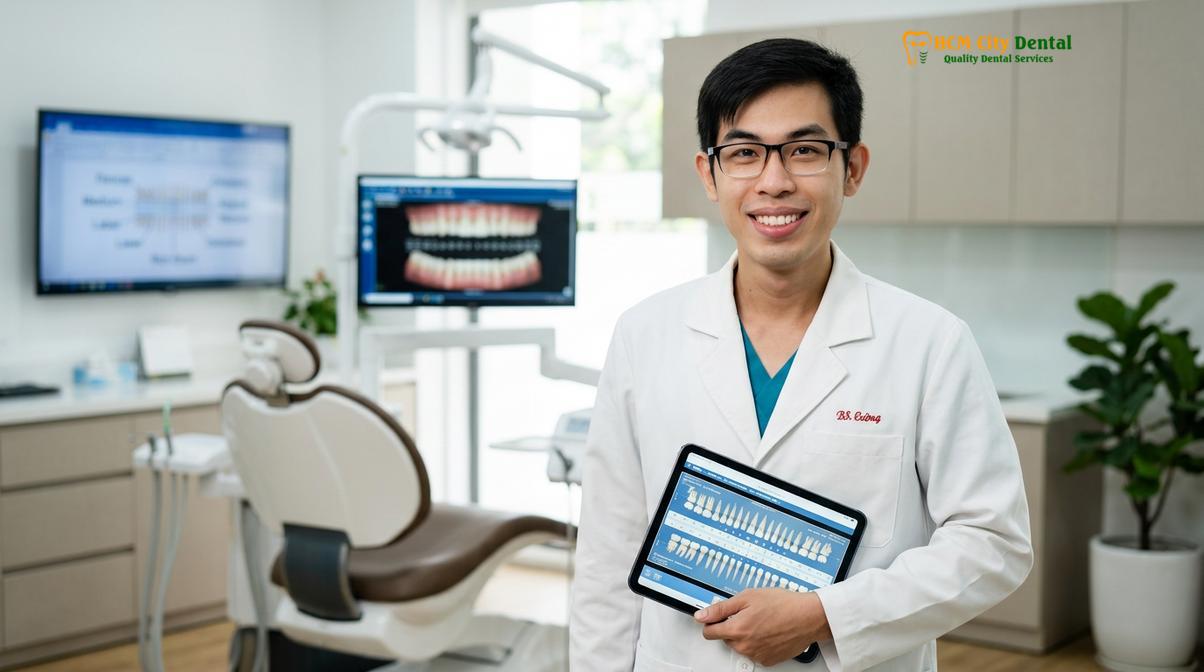
At HCMC Dental Clinic in Ho Chi Minh City, we approach temporomandibular disorders with a comprehensive, evidence-based methodology. Dr. Nguyen Van Cuong emphasizes that successful TMJ management requires more than just handing a patient an appliance; it demands a precise understanding of their unique neuromuscular anatomy. Under Dr. Cuong’s clinical guidance, every patient undergoes a thorough occlusal analysis to ensure their custom splint provides optimal joint decompression and muscle relaxation.
Clinical Case Study: Resolving Chronic Jaw Pain
Patient Profile: A 34-year-old patient visited HCMC Dental Clinic in Ho Chi Minh City presenting with severe morning jaw pain, restricted mouth opening, and chronic tension headaches.
Clinical Assessment: Diagnostic evaluation revealed significant masseter hypertrophy and articular disc compression secondary to nocturnal bruxism. The patient had previously tried a generic store-bought guard, which exacerbated the symptoms.
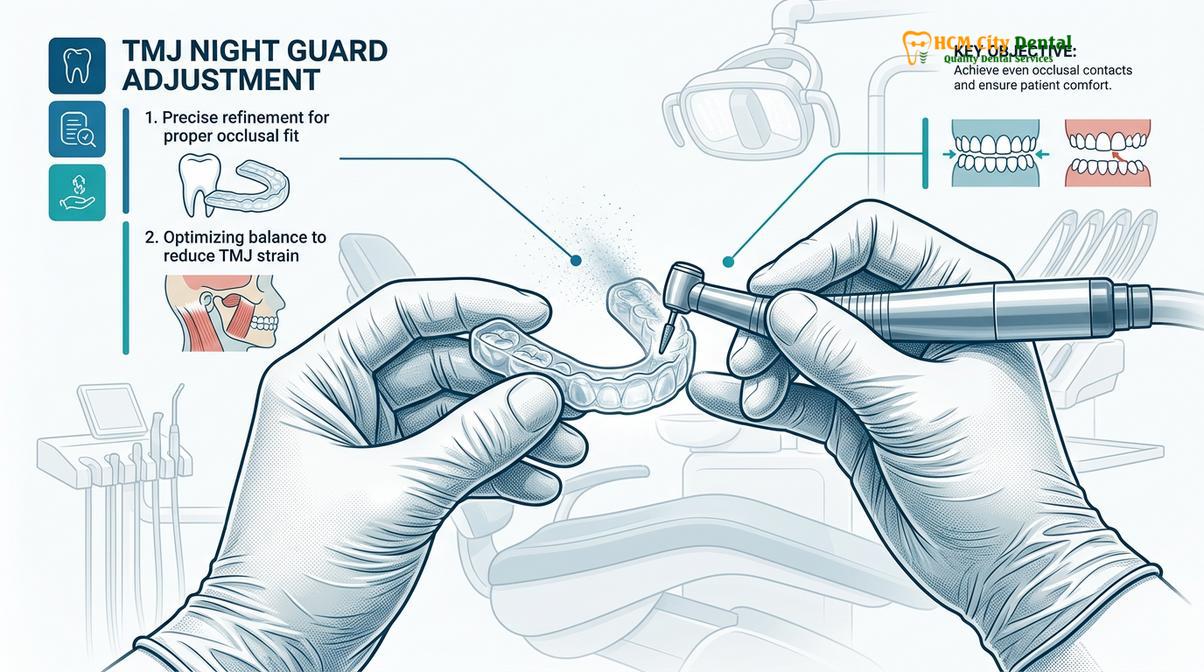
Treatment Protocol: The clinical team fabricated a custom hard acrylic stabilization splint. The appliance was meticulously adjusted to provide bilateral, simultaneous occlusal contacts, allowing the mandible to rest in centric relation.
Outcome: Within three weeks of consistent nocturnal wear, the patient reported a profound reduction in facial pain and a return to normal range of motion. This case highlights the critical importance of professional appliance calibration in accordance with guidelines from the Vietnam Odonto-Stomatology Association (VOSA) [5].
When to Consult a TMJ Specialist
Recognizing the clinical signs that require professional intervention is crucial to preventing irreversible damage to the temporomandibular joint and surrounding structures.
Patients often wonder when their jaw discomfort crosses the line from temporary stress-induced tension to a clinical disorder requiring professional intervention. If you are experiencing any of the following symptoms, it is imperative to seek a comprehensive evaluation to determine what is bruxism teeth grinding versus a structural joint issue:
- Chronic, aching pain in the face, jaw, or around the ear that persists for more than a few days.
- Difficulty or pain while chewing, speaking, or opening the mouth wide.
- A jaw that frequently “locks” in an open or closed position.
- Loud, painful clicking, popping, or grating sounds in the jaw joint when opening or closing the mouth.
- A sudden change in how the upper and lower teeth fit together (a feeling that your bite is “off”).
Clinical Warning: Do not attempt to treat chronic jaw pain with over-the-counter, soft boil-and-bite mouthguards. These generic devices often introduce premature occlusal contacts and stimulate the chewing reflex, which can drastically increase muscle hyperactivity, compress the joint further, and severely worsen TMJ symptoms.
If you are experiencing persistent jaw pain or suspect you need a professional Nightguards tại HCMC Dental Clinic, scheduling a clinical evaluation is the first step toward relief. Contact HCMC Dental Clinic in Ho Chi Minh City to explore custom therapeutic options tailored to your specific anatomical needs.
References
- Journal of Oral Rehabilitation. Efficacy of stabilization splints for the management of patients with masticatory muscle pain.
- American Academy of Orofacial Pain. Temporomandibular Disorders: Guidelines for Classification, Assessment, and Management.
- International Journal of Prosthodontics. Biomechanical effects of occlusal splint therapy on the temporomandibular joint.
- Journal of Clinical Medicine. The relationship between sleep bruxism and temporomandibular disorders.
- Vietnam Odonto-Stomatology Association (VOSA). National Clinical Guidelines on the Management of Temporomandibular Joint Disorders and Bruxism.
For pricing, booking, and a free clinical assessment, visit our Night Guard & Mouthguard service page at HCMC Dental Clinic in Ho Chi Minh City.
Read also: If you experience severe tooth pain, refer to managing dental pain at night or what to do for a toothache in Vietnam.