Finding the best dental guard (also commonly referred to as a night guard) for severe nocturnal bruxism requires a clinical understanding of occlusal forces and dental materials. For patients exerting extreme jaw pressure, a custom-fitted, rigid acrylic appliance is clinically recommended to help prevent catastrophic enamel wear, alleviate muscle tension, and protect restorative dental work.
Clinical Summary:
Severe sleep bruxism generates immense occlusal forces that can rapidly destroy natural dentition and standard dental appliances. The clinical consensus for managing heavy grinding points to custom-fabricated hard acrylic or dual-laminate night guards, typically ranging from 2mm to 3mm in thickness. Soft over-the-counter guards are generally contraindicated for severe cases, as their spongy texture often exacerbates the chewing reflex and leads to rapid material failure. A comprehensive clinical assessment, including digital occlusal mapping and temporomandibular joint (TMJ) evaluation, is essential to design an appliance that not only withstands extreme pressure but also maintains proper jaw alignment. Regular monitoring by a dental professional ensures the appliance continues to provide optimal protection without compromising the patient’s bite mechanics.
Key Takeaways:
- Hard acrylic is widely considered the gold standard material for resisting the extreme forces of heavy grinding.
- Optimal thickness for severe bruxism appliances generally falls between 2mm and 3mm to ensure durability without disrupting jaw posture.
- Soft vinyl guards are typically contraindicated for heavy grinders as they can stimulate increased muscle activity.
- Dual-laminate guards offer a compromise between comfort and durability but may delaminate under maximum stress.
- Custom fabrication based on precise clinical impressions is mandatory for effective force distribution.
- Routine dental evaluations are necessary to monitor appliance wear and adjust occlusal contacts.
Classifying Grinding Severity
Grinding severity is clinically classified into mild, moderate, and severe categories based on the frequency of episodes, the magnitude of occlusal force, and the resulting structural damage to the teeth and jaw muscles.
Before selecting a protective appliance, it is medically necessary to accurately diagnose the severity of the patient’s bruxism. Understanding What Is Bruxism Teeth Grinding? Causes & Treatments | HCMC Dental reveals that this condition is not uniform; it exists on a spectrum ranging from occasional stress-induced clenching to chronic, severe nocturnal grinding. According to sleep medicine guidelines, identifying the specific classification is the first step in determining the appropriate intervention [1].
Mild bruxism often presents with minimal symptoms. Patients may occasionally wake up with slight jaw stiffness, and clinical examination typically reveals only superficial wear on the enamel, primarily on the incisal edges of the anterior teeth. In these cases, the primary goal is preventive protection, and a wider variety of appliance materials may be suitable.
Moderate bruxism is characterized by more frequent episodes and noticeable clinical signs. Dentists often observe distinct wear facets (flattened areas on the chewing surfaces), localized gingival recession, and early signs of abfraction (notches at the gumline caused by tooth flexure). Patients frequently report tension headaches and localized pain in the masseter muscles.
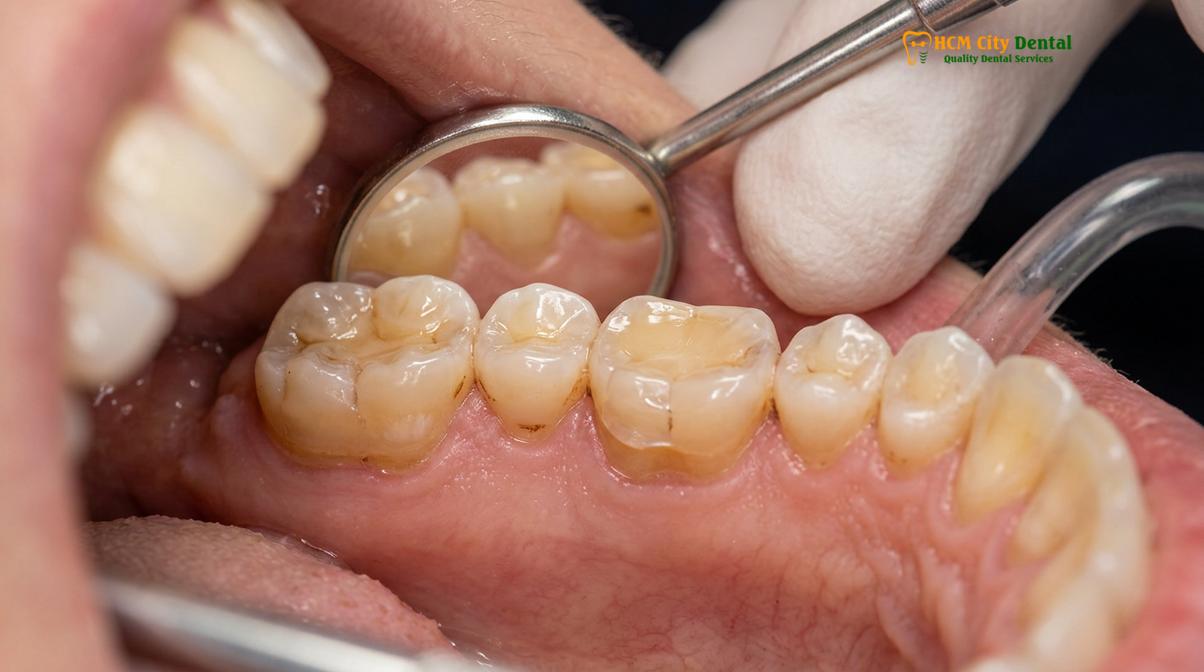
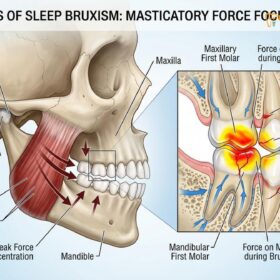
Severe bruxism, or heavy grinding, is a destructive parafunctional habit that requires immediate and robust clinical intervention. Patients with severe bruxism can exert occlusal forces up to 250 pounds per square inch—significantly higher than the forces used during normal mastication [2]. The clinical presentation of heavy grinding is unmistakable:
- Advanced Attrition: Complete loss of cusp anatomy on molars and premolars, often exposing the underlying, sensitive dentin layer.
- Restoration Failure: Frequent fracturing or dislodgement of dental crowns, bridges, and composite fillings due to overwhelming shear forces.
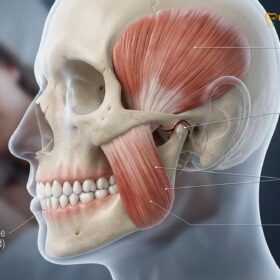
- Muscle Hypertrophy: Visible enlargement of the masseter and temporalis muscles, giving the jaw a widened, square appearance.
- TMJ Dysfunction: Chronic pain, clicking, popping, or restricted range of motion in the temporomandibular joint.
- Tooth Mobility: Widening of the periodontal ligament space, leading to loose teeth without the presence of active periodontal disease.
Material Options for Heavy Grinders
Heavy grinders require rigid materials like heat-cured polymethyl methacrylate (PMMA) or dual-laminate composites, as soft thermoplastic materials degrade rapidly and can inadvertently increase muscle activity.
The selection of material is the most critical factor when designing a heavy grinder mouth guard. The material must possess high compressive strength, excellent wear resistance, and the ability to be precisely adjusted by a clinician. When evaluating a Custom vs Store Bought Night Guard: Clinical Comparison | HCMC Dental, it becomes evident that boil-and-bite guards are universally inadequate for severe bruxism due to their inferior material properties.
Soft Vinyl (EVA – Ethylene Vinyl Acetate): Soft guards are highly flexible and comfortable, making them popular for mild clenchers. However, they are strictly contraindicated for heavy grinders. From a biomechanical standpoint, the spongy texture of a soft guard can trigger a proprioceptive response in the periodontal ligaments, essentially tricking the brain into thinking there is food in the mouth. This stimulates the chewing reflex, causing the patient to grind harder and more frequently. Furthermore, heavy grinding forces will quickly puncture or tear soft vinyl, rendering the guard useless within weeks.
Hard Acrylic (PMMA – Polymethyl Methacrylate): This is the clinical gold standard for severe bruxism. Hard acrylic is a rigid, dense plastic that does not yield under pressure. When a heavy grinder bites down on a hard acrylic guard, the force is distributed evenly across the entire dental arch, preventing localized stress concentrations that cause tooth fractures. Because the surface is smooth and unyielding, the opposing teeth can glide over the guard without catching, which helps to disengage the jaw muscles and reduce overall grinding activity [3]. Hard acrylic guards are highly durable and can be precisely adjusted by a dentist to ensure perfect occlusal balance.
Dual-Laminate (Thermoplastic Polyurethane/Copolyester): Dual-laminate guards attempt to offer the best of both worlds. They feature a rigid outer shell to withstand grinding forces and a soft, flexible inner lining to provide comfort against the teeth and gums. This material is excellent for patients who find hard acrylic too rigid or uncomfortable to sleep in. However, under the most extreme grinding conditions, the sheer forces can sometimes cause the two layers to delaminate (separate), or the hard outer shell may wear through to the soft inner layer.
| Material Type | Durability Profile | Force Distribution | Clinical Recommendation |
|---|---|---|---|
| Soft Vinyl (EVA) | Low (Prone to tearing) | Poor (Absorbs but concentrates force) | Contraindicated for heavy grinding; suitable only for light clenching. |
| Dual-Laminate | High (Resists moderate-to-heavy wear) | Good (Soft interior absorbs shock, hard exterior distributes force) | Recommended for heavy grinders prioritizing comfort. |
| Hard Acrylic (PMMA) | Maximum (Highly resistant to fracture) | Excellent (Evenly distributes extreme occlusal loads) | Gold standard for severe, destructive bruxism. |
Understanding the Hard vs Soft Night Guard: Clinical Differences | HCMC Dental is essential. For patients with a history of destroying dental appliances, the clinical consensus strongly favors the rigid properties of hard acrylic to ensure long-term protection.
Thickness and Durability Factors
The optimal thickness for a severe bruxism appliance is typically 2mm to 3mm, balancing the need for structural durability with the biomechanical requirement to maintain a comfortable resting jaw posture.
When engineering a thick night guard for a patient with severe bruxism, clinicians must carefully calculate the appliance’s vertical dimension. It is a common misconception that thicker is always better. While a thicker guard provides more material to wear through, excessive thickness can violate the jaw’s natural freeway space (the interocclusal rest space).
The freeway space is the natural gap of 2mm to 4mm that exists between the upper and lower teeth when the jaw muscles are completely relaxed. If a night guard is too thick and encroaches significantly beyond this space, it forces the temporomandibular joint into an unnatural, open position. This constant stretching of the masticatory muscles and joint ligaments throughout the night can lead to severe TMJ inflammation, muscle spasms, and an exacerbation of pain.
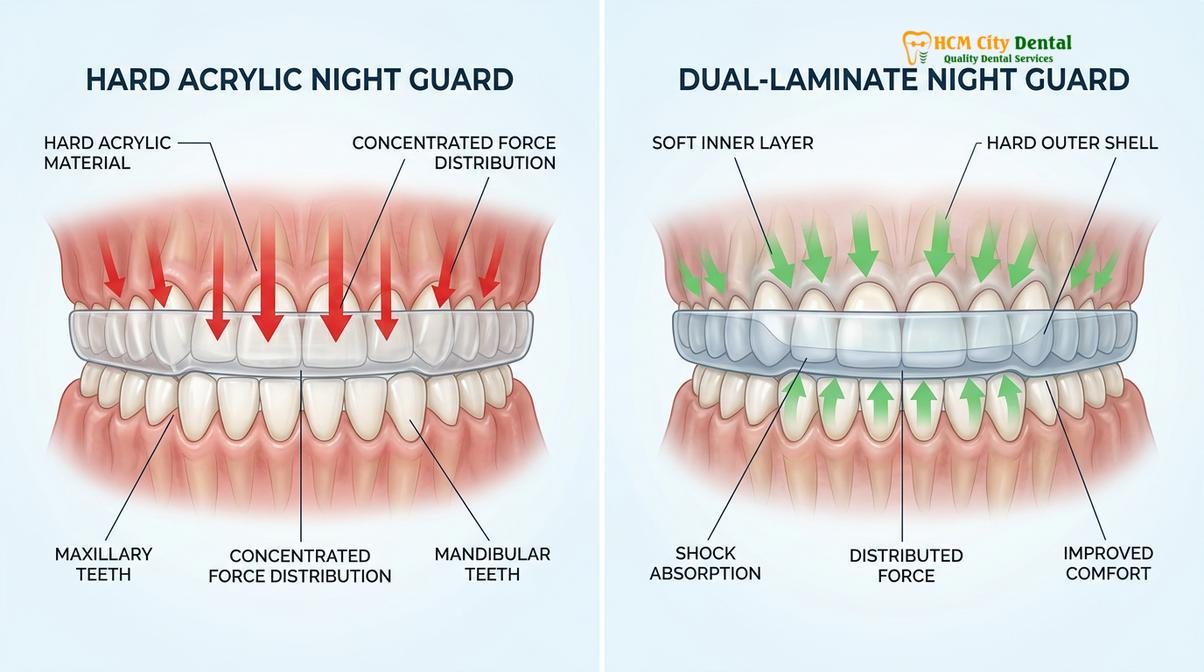
Conversely, if the guard is too thin (e.g., 1mm), it lacks the structural integrity required to withstand heavy grinding. The extreme forces will quickly cause material fatigue, leading to micro-cracks and eventual catastrophic failure of the appliance [4]. A thin guard also fails to provide adequate shock absorption for the underlying tooth roots and periodontal ligaments.
“In cases of severe nocturnal bruxism, our primary objective is to establish an occlusal scheme that protects the dentition without triggering muscle hyperactivity. A precisely calibrated hard acrylic appliance, typically around 2.5mm thick, provides the necessary durability while respecting the physiological limits of the temporomandibular joint.”
Therefore, the standard clinical recommendation for a heavy grinder is a guard thickness of 2mm to 3mm. This thickness provides a robust barrier against Bruxism Effects on Teeth: Clinical Damage & Treatments | HCMC Dental while keeping the jaw in a relaxed, therapeutic posture. The exact thickness is determined during the clinical assessment, taking into account the patient’s specific anatomy, the severity of wear, and the presence of any existing TMJ pathology.
Hard Acrylic vs Dual-Laminate for Severe Cases
While dual-laminate guards offer superior initial comfort, hard acrylic guards remain the definitive choice for the most severe bruxism cases due to their unmatched resistance to material fatigue and occlusal wear.
The debate between hard acrylic and dual-laminate materials is a central topic in the management of severe bruxism. Both are highly effective, but they cater to slightly different clinical needs and patient tolerances.
Hard acrylic guards are fabricated using a heat-curing or pressure-forming process that results in a highly dense, homogenous material. The primary clinical advantage of hard acrylic is its dimensional stability. Once adjusted by the dentist, the occlusal surface remains flat and smooth. This allows the opposing teeth to slide freely (canine guidance and anterior guidance) without encountering resistance. By eliminating occlusal interferences, hard acrylic guards help to decrease the neuromuscular triggers that cause grinding, effectively acting as a therapeutic splint rather than just a protective barrier.
Dual-laminate guards, on the other hand, are constructed by bonding a rigid copolyester outer shell to a soft polyurethane inner layer. The soft interior provides a cushioning effect against the teeth, making the appliance significantly more comfortable to insert and wear, especially for patients with sensitive teeth or complex dental restorations. The hard outer shell provides the necessary durability to resist grinding forces.
However, for the absolute most severe cases of heavy grinding, dual-laminate guards have potential drawbacks. The interface between the hard and soft layers is a point of structural vulnerability. Under extreme, repetitive shear forces, the layers can begin to peel apart (delamination). Additionally, the hard outer shell of a dual-laminate guard is typically slightly softer than pure PMMA acrylic, meaning it may wear down faster under the relentless pressure of a heavy grinder.
Clinical Case Study: Managing Severe Attrition
A 45-year-old male patient presented to HCMC Dental Clinic in Ho Chi Minh City with a history of fracturing multiple over-the-counter guards and significant wear on his lower anterior teeth. He reported chronic morning jaw pain and high stress levels. After a comprehensive occlusal analysis, the clinical team diagnosed severe nocturnal bruxism. The patient was fitted with a custom 2.5mm hard acrylic night guard. The rigid, smooth surface allowed his jaw to glide freely, disengaging the hyperactive masseter muscles. At his six-month follow-up, the patient reported a complete cessation of morning jaw pain, and the acrylic appliance showed only minimal, expected surface wear, successfully protecting his natural dentition from further destruction.
Ultimately, the choice between the two depends on a careful clinical evaluation. If a patient has a history of destroying dual-laminate guards, transitioning to a pure hard acrylic appliance is often the logical next step in their treatment protocol.
Clinical Assessment at HCMC Dental
A thorough clinical evaluation is mandatory to design a night guard that effectively mitigates heavy grinding forces without compromising the patient’s bite mechanics or joint health.
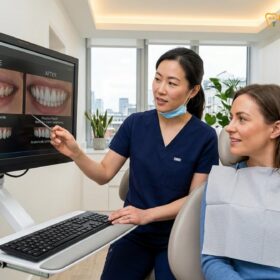
Creating an effective appliance for severe bruxism goes far beyond simply taking an impression. At our facility, the process begins with a comprehensive diagnostic protocol. The clinical team evaluates the extent of enamel attrition, checks for mobility in the teeth, and assesses the health of the temporomandibular joint. This detailed examination ensures that the final appliance addresses the root biomechanical issues rather than just masking the symptoms.
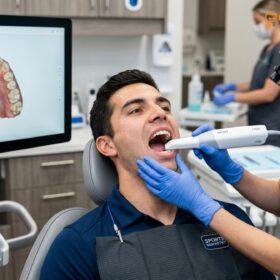
Digital scanning technology is often utilized to capture highly accurate 3D models of the patient’s dental arches. These digital impressions eliminate the distortions sometimes associated with traditional putty materials, ensuring a precise fit. The data is then used to fabricate Nightguards tại HCMC Dental Clinic that conform perfectly to the unique contours of the patient’s teeth, maximizing retention and comfort.
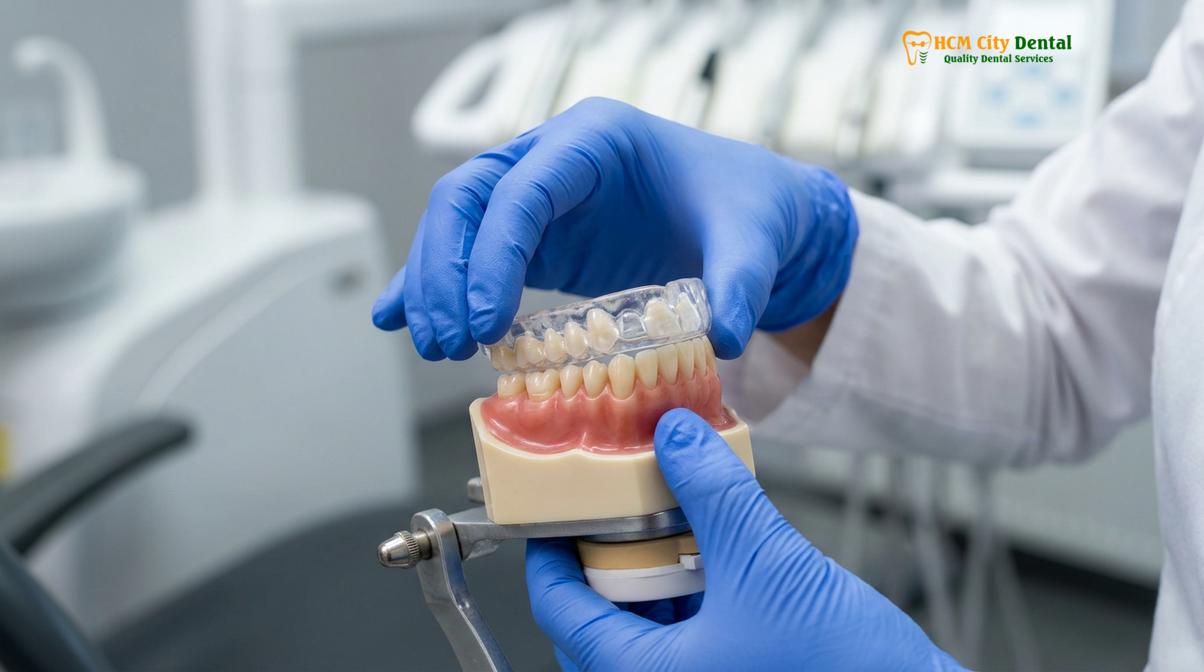
Once the custom appliance is manufactured, a critical fitting appointment takes place. The dentist will use articulating paper to map the occlusal contacts while the patient wears the guard. Micro-adjustments are made to the acrylic surface to ensure that all teeth meet the guard simultaneously and evenly. This meticulous balancing act is essential to prevent localized pressure points that could lead to tooth pain or muscle spasms.
How Often Heavy Grinders Replace Guards
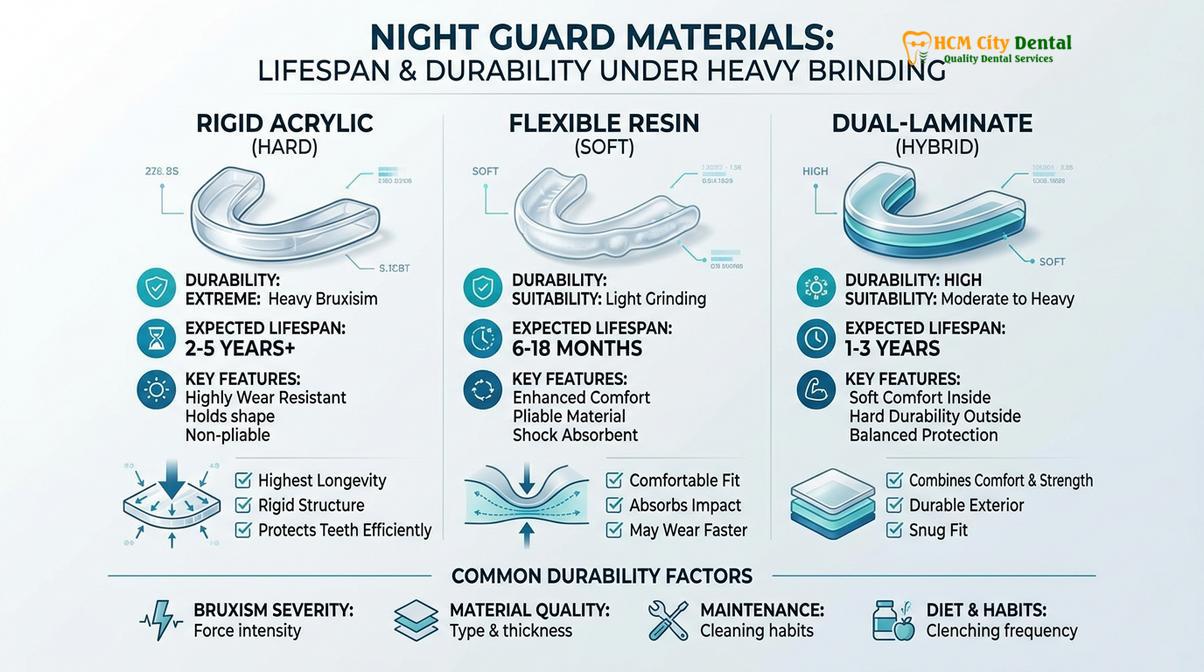
Heavy grinders typically need to replace their custom night guards every one to three years, depending on the material used, the intensity of the grinding forces, and adherence to proper maintenance protocols.
Even the most durable night guard is not invincible. It is a sacrificial appliance designed to absorb the destructive forces that would otherwise damage the natural teeth. Consequently, wear and tear are expected and indicate that the guard is performing its intended function.
For a patient diagnosed with severe Teeth Grinding in Sleep: Clinical Causes & Treatments | HCMC Dental, a custom hard acrylic guard generally has a clinical lifespan of one to three years. Dual-laminate guards, due to their slightly softer outer shell and potential for delamination, may need replacement every 12 to 24 months. However, these timelines are highly variable. A patient experiencing a period of acute stress may grind through an appliance much faster than anticipated.
It is crucial for patients to recognize the clinical signs that indicate a night guard has reached the end of its functional life:
- Deep Grooves or Indentations: While minor surface scratching is normal, deep grooves that lock the opposing teeth into place are problematic. These grooves restrict the free movement of the jaw, which can strain the TMJ and increase muscle tension.
- Micro-Cracks and Fractures: Any visible cracks compromise the structural integrity of the appliance. A cracked guard can flex under pressure, failing to distribute forces evenly and potentially pinching the gingival tissues.
- Loss of Retention: A custom guard should fit snugly over the teeth without rocking or falling out. If the guard becomes loose, it may be due to material distortion or changes in the patient’s dental anatomy (e.g., new fillings or shifting teeth).
- Discoloration and Odor: Despite proper cleaning, acrylic materials can eventually absorb oral fluids and bacteria. Severe discoloration or a persistent foul odor indicates that the material has become porous and unhygienic.
When to Seek Clinical Intervention
Patients experiencing chronic jaw pain, visible tooth wear, or frequent damage to their oral appliances should seek immediate professional evaluation to prevent irreversible dental complications.
Important Clinical Note: Over-the-counter boil-and-bite guards are not suitable for heavy grinders. Using soft, ill-fitting appliances can exacerbate muscle tension, alter your natural bite, and fail to provide adequate protection against severe occlusal forces.
Ignoring the signs of severe bruxism can lead to devastating consequences for oral health. If you wake up consistently with a sore jaw, dull headaches, or notice that your teeth are becoming shorter or more sensitive, it is time to consult a dental professional. Learning How to Stop Grinding Teeth: Clinical Guide | HCMC Dental involves a multi-disciplinary approach that often starts with a robust protective appliance.
Furthermore, clinical guidelines from organizations such as the Vietnam Odonto-Stomatology Association (VOSA) emphasize the importance of early intervention in managing parafunctional habits to preserve the structural integrity of the dentition [5]. Delaying treatment often results in the need for complex and costly restorative procedures, such as full-mouth crowns or root canal therapy, to repair the damage caused by unchecked grinding.
“A night guard is not merely a piece of plastic; it is a prescribed medical device designed to alter neuromuscular feedback and protect the stomatognathic system. For heavy grinders, investing in a professionally fabricated hard acrylic appliance is the most effective strategy to safeguard their long-term oral health.”
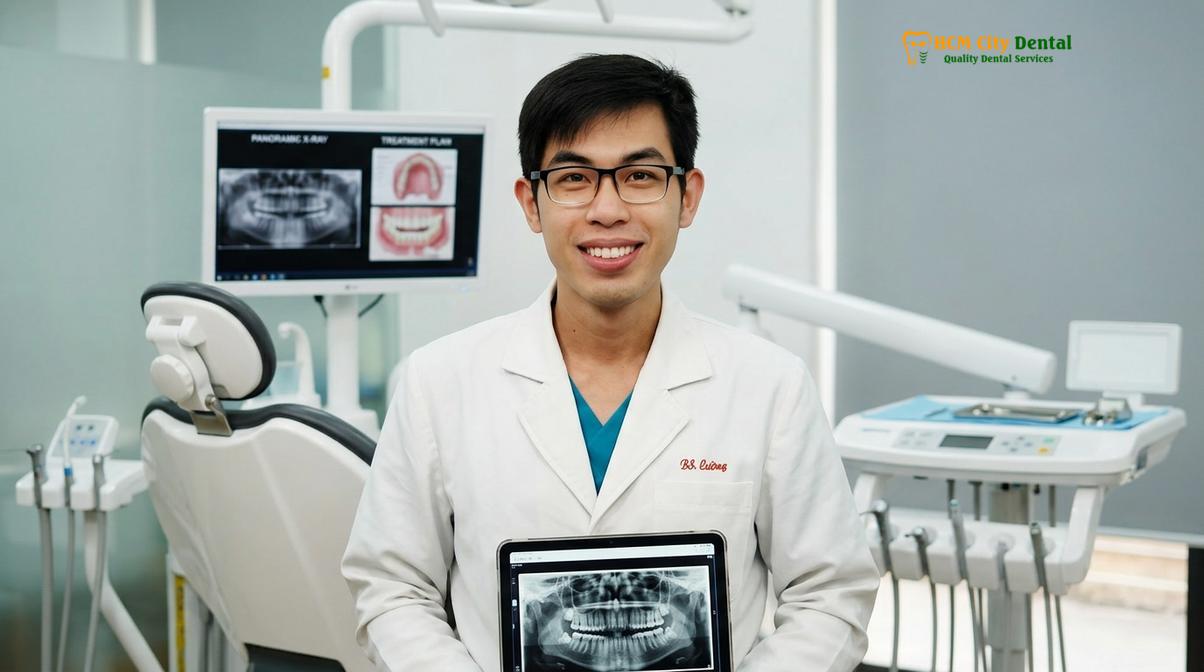
Dr. Nguyen Van Cuong, a leading specialist in restorative dentistry and occlusal management, emphasizes the importance of personalized care for severe bruxism. Through his extensive clinical experience, Dr. Cuong has helped numerous patients protect their natural dentition and alleviate chronic jaw pain using precisely calibrated oral appliances. His approach integrates advanced digital diagnostics to ensure every night guard delivers optimal force distribution and long-term durability.
If you are experiencing symptoms of severe bruxism or frequently damaging your oral appliances, professional evaluation is essential. Contact HCMC Dental Clinic in Ho Chi Minh City to schedule a comprehensive occlusal assessment and discover the ideal custom night guard for your clinical needs.
References
- American Academy of Sleep Medicine. Clinical guidelines for the management of sleep bruxism.
- Journal of Prosthetic Dentistry. Biomechanical properties of occlusal splint materials.
- International Journal of Prosthodontics. Long-term efficacy of hard acrylic vs dual-laminate splints.
- Journal of Oral Rehabilitation. Wear resistance of thermoplastic dental materials under heavy occlusal load.
- Vietnam Odonto-Stomatology Association (VOSA). Clinical guidelines on managing parafunctional habits and severe bruxism.
For pricing, booking, and a free clinical assessment, visit our Night Guard & Mouthguard service page at HCMC Dental Clinic in Ho Chi Minh City.