Yes, clear retainers are highly safe to wear when fabricated from modern, biocompatible materials. Extensive clinical research confirms that high-quality orthodontic retainers do not pose significant health risks, provided patients follow proper hygiene protocols and replace them as directed by their dental professional.
Clinical Summary:
Clear retainers are a cornerstone of post-orthodontic retention, offering an aesthetic and effective method to prevent teeth from shifting. Contemporary aligners and retainers are manufactured using advanced polymers that undergo rigorous biocompatibility testing. While concerns regarding microplastics and chemical leaching exist in popular media, clinical evidence demonstrates that under normal intraoral conditions, these devices are safe. Ensuring optimal safety involves proper cleaning, avoiding heat exposure, and attending regular dental check-ups to monitor the appliance’s integrity.
Key Takeaways:
- Modern clear retainers are fabricated from highly tested, biocompatible polymers.
- Clinical studies show no significant health risks from chemical leaching under normal wear.
- Proper maintenance prevents bacterial accumulation and material degradation.
- Heat and harsh chemicals can compromise the structural integrity of the plastic.
- Regular replacement is necessary to maintain both safety and orthodontic efficacy.
The Science Behind Clear Retainer Materials
Clear retainers are primarily made from advanced polyurethane or copolyester blends designed specifically for prolonged intraoral use, ensuring they remain biologically inert and structurally stable.
To understand whether clear retainers are safe, one must first examine the complex material science behind their fabrication. The transition from traditional metal and acrylic appliances to transparent thermoplastics represents a significant leap in Orthodontics. Today, the industry standard relies heavily on an FDA-approved thermoplastic, which is specifically engineered to withstand the unique and often harsh environment of the human mouth.
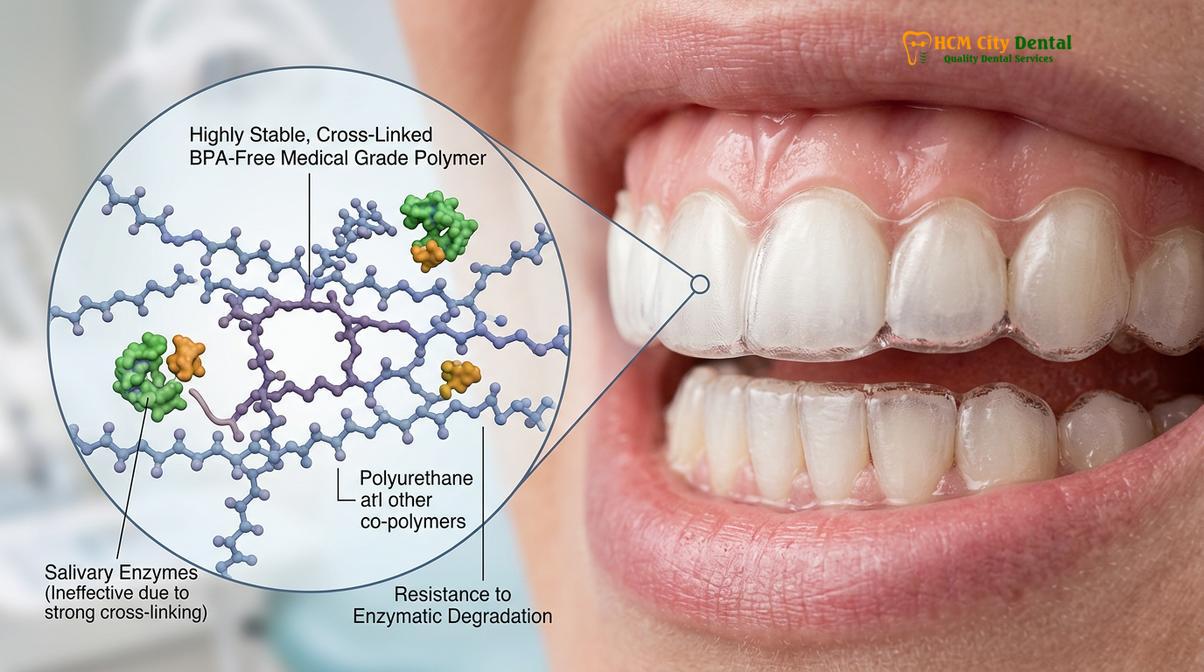
The oral cavity is a dynamic ecosystem characterized by constant fluctuations in temperature, varying pH levels from dietary intake, and the continuous presence of salivary enzymes and diverse microbial flora. For a material to be deemed safe for long-term intraoral use, it must possess high chemical stability. This means the polymer chains must be tightly cross-linked, preventing the breakdown of the material and the subsequent release of unreacted monomers into the patient’s saliva[1].
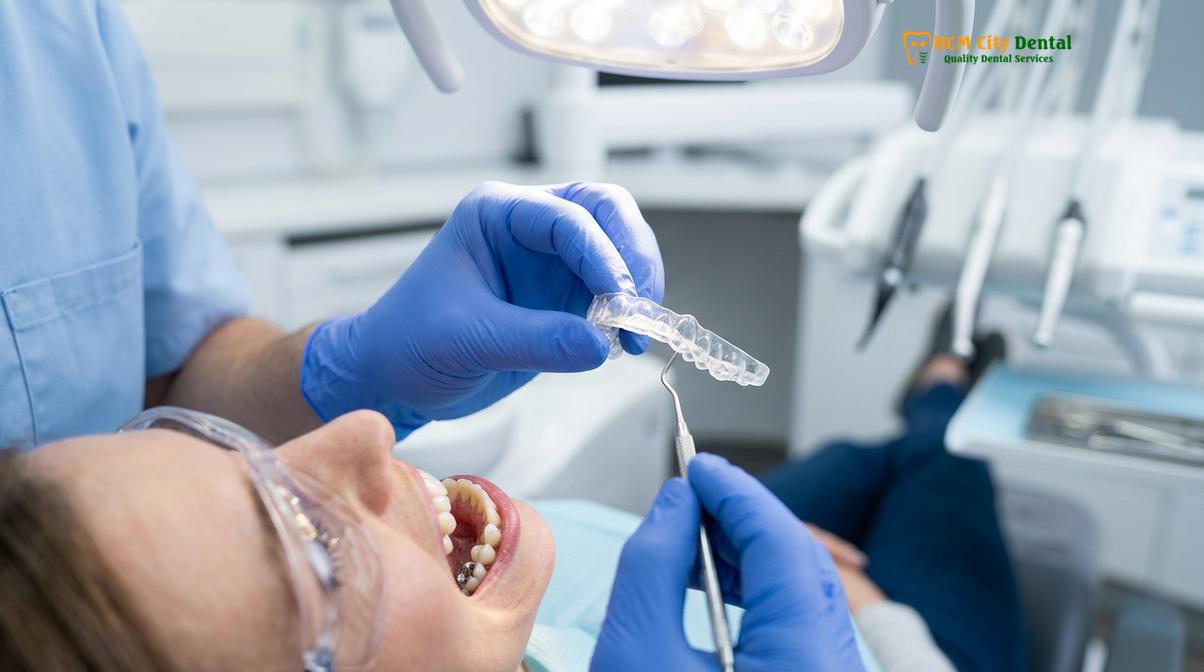
Most premium clear retainers, such as Essix or Vivera, are manufactured using a BPA-free medical-grade plastic. Bisphenol-A (BPA) is an industrial chemical historically used to make certain plastics and resins, which has raised health concerns due to its potential endocrine-disrupting properties. Recognizing these concerns, the dental industry has largely eradicated BPA from modern thermoformed aligners and retainers. Instead, manufacturers utilize advanced polyurethane, polyethylene terephthalate glycol (PETG), or proprietary copolyesters. These materials provide the necessary flexural strength to hold teeth in alignment while maintaining a pristine safety profile.
At HCMC Dental Clinic in Ho Chi Minh City, the selection of retention materials is a critical step in the treatment workflow. Dr. Nguyen Van Cuong emphasizes that the safety of a retainer is not just about the raw material, but also how it is processed. He notes that utilizing state-of-the-art laboratory equipment and adhering to strict manufacturing protocols is essential to ensure the final product is entirely safe for the patient. If the heating process during fabrication is not strictly controlled, the material can degrade, altering its biocompatibility.
Addressing Concerns: Are Microplastics and Toxicity Real Risks?
Current scientific consensus indicates that the risk of microplastic ingestion or chemical toxicity from clear retainers is negligible compared to everyday environmental exposures.
In recent media reports, public concern has grown regarding the potential for clear retainer toxicity and the ingestion of microplastics. It is a valid question: if you wear a plastic device in your mouth for 8 to 12 hours a day, are you absorbing harmful chemicals? To answer this, we must look at peer-reviewed clinical data rather than sensationalized headlines.
Laboratory studies investigating the degradation of orthodontic plastics often subject the materials to extreme conditions—such as soaking them in high-concentration ethanol or subjecting them to artificial accelerated aging—to force a chemical breakdown. Under these severe, non-physiological conditions, trace amounts of chemical leaching can be detected. However, when these same materials are tested in simulated human saliva at normal body temperature, the release of chemical compounds is virtually undetectable, falling well below any threshold that could cause biological harm[2].
“The biocompatibility of modern orthodontic thermoplastics is exceptionally high. While trace degradation can occur over years of mechanical wear, the systemic risk to the patient is clinically insignificant, especially when weighed against the profound benefits of maintaining dental alignment and occlusal health.”
Regarding microplastics, it is true that mechanical wear—such as grinding your teeth against the retainer—can create microscopic abrasions on the plastic surface. Over time, minute particles may be shed. However, context is crucial. Studies have shown that the average human ingests thousands of microplastic particles daily through drinking water, seafood, and even inhaling indoor dust. The contribution of a clear retainer to this overall exposure is minuscule. Furthermore, the specific polymers used in dental retainers are biologically inert, meaning that if a microscopic particle is swallowed, it passes through the digestive tract without being absorbed or causing systemic toxicity.
To further mitigate any theoretical risks, patients who suffer from severe bruxism (teeth grinding) should consult their dentist. Heavy grinding can accelerate the physical breakdown of a clear retainer. In such cases, a thicker, more durable material or a specialized night guard may be recommended. For more information on managing this condition, patients can review our clinical guide on the best retainer for teeth grinding.
Clinical Comparison: Clear vs. Traditional Retainers
While clear retainers offer superior aesthetics and comfort, traditional Hawley retainers provide different benefits regarding durability; both maintain high standards of safety.
When discussing dental materials safety, it is helpful to compare clear thermoplastic retainers with the traditional Hawley retainer. The Hawley retainer has been a staple in orthodontics for decades, consisting of a metal wire that wraps around the anterior teeth and an acrylic base that sits against the palate or lingual mucosa.
The acrylic used in Hawley retainers is typically polymethylmethacrylate (PMMA). During the fabrication of PMMA, a liquid monomer is mixed with a powder polymer. If the curing process is incomplete, residual unreacted monomer can remain in the appliance. In rare cases, this residual monomer can leach into the saliva and cause localized allergic contact stomatitis (inflammation of the oral tissues)[3]. In contrast, clear retainers are thermoformed from pre-polymerized sheets, meaning there is no liquid monomer involved in the final fabrication step, virtually eliminating the risk of monomer-induced allergic reactions.
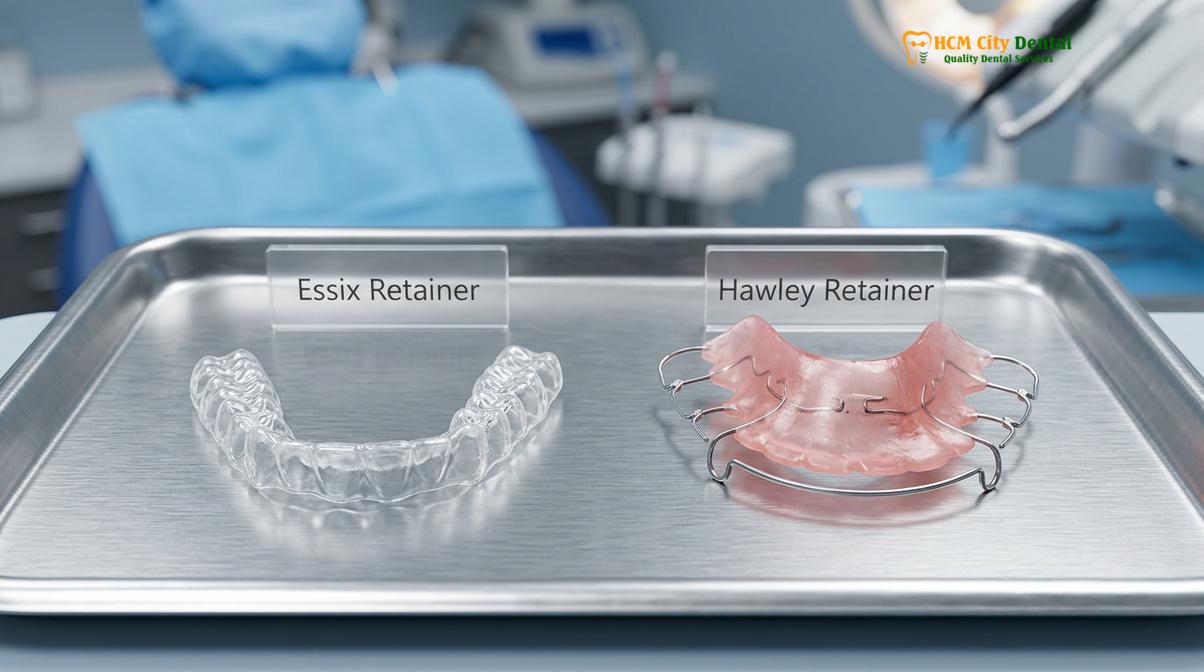
Below is a clinical comparison of the safety and functional profiles of different retention appliances:
| Feature | Clear Retainers (Essix/Vivera) | Traditional Hawley Retainers | Fixed (Bonded) Retainers |
|---|---|---|---|
| Material Composition | Polyurethane, PETG, Copolyester | PMMA Acrylic and Stainless Steel | Stainless Steel Wire and Dental Composite |
| Biocompatibility | Excellent; pre-polymerized, no residual monomer. | Good; potential for trace residual monomer release. | Excellent; uses standard restorative composites. |
| Allergy Risk | Extremely low (hypoallergenic). | Low, but possible (acrylic or nickel allergy). | Low (nickel-free wires available). |
| Hygiene Maintenance | Requires daily cleaning; can harbor bacteria if scratched. | Easy to clean, but porous acrylic can absorb odors. | Requires specialized flossing; high risk of calculus buildup. |
| Durability | 6 to 24 months (subject to occlusal wear). | 5 to 10+ years (highly durable). | Years, but composite pads may debond. |
From a safety standpoint, all three options are highly secure when prescribed and monitored by a qualified dental professional. The choice often comes down to patient compliance, aesthetic preferences, and specific clinical needs. For instance, if a patient is concerned about their teeth shifting back to their original positions after a period of non-wear, they might wonder, can clear retainers move teeth back? While a slightly tight retainer can provide minor corrections, significant relapse requires professional intervention rather than forcing an ill-fitting plastic tray onto the teeth, which could damage both the appliance and the periodontal ligaments.
Biological Interactions in the Oral Environment
The safety of a clear retainer is heavily influenced by how the material interacts with saliva, oral bacteria, and the mechanical forces of the jaw.
Once a clear retainer is placed in the mouth, it immediately interacts with the oral environment. Within minutes, a layer of salivary proteins, known as the acquired pellicle, coats the plastic surface. This pellicle acts as a double-edged sword. On one hand, it provides a protective lubricating layer that reduces friction between the retainer and the oral mucosa. On the other hand, it serves as an attachment site for oral bacteria.
If a retainer is not cleaned properly, these pioneer bacteria multiply, forming a complex biofilm (plaque). Over time, this biofilm can calcify into tartar, just as it does on natural teeth. The presence of a thick bacterial biofilm on a retainer is a significant safety concern, not because of the plastic itself, but because the bacteria produce acidic byproducts and volatile sulfur compounds. This can lead to dental caries (cavities), gingival inflammation, and halitosis (bad breath)[4]. Patients struggling with this issue should refer to our comprehensive guide on smelly clear retainer fixes.
Furthermore, the mechanical forces exerted by the jaw muscles during swallowing and sleeping place stress on the thermoplastic material. While the material is designed to be flexible, repetitive stress can cause micro-cracks. These microscopic fissures become ideal hiding spots for bacteria, making the retainer harder to clean and potentially compromising the patient’s oral hygiene. This is why regular replacement of clear retainers is a fundamental aspect of their safety profile.
Best Practices for Safe and Hygienic Retainer Wear
Maintaining the safety and longevity of your clear retainer requires a strict daily hygiene routine, avoiding heat, and using appropriate non-abrasive cleaning agents.
The safety of a clear retainer is largely in the hands of the patient. Proper maintenance ensures that the material remains clear, hygienic, and structurally sound. At HCMC Dental Clinic, we provide every orthodontic patient with a detailed protocol for appliance care to ensure maximum safety and compliance[5].
First and foremost, temperature control is vital. Thermoplastics are, by definition, sensitive to heat. Exposing a clear retainer to hot water, hot coffee, or leaving it in a hot car will cause the polymer chains to relax and warp. A warped retainer will no longer fit accurately. Forcing a warped retainer onto the teeth can apply unintended, harmful orthodontic forces, potentially causing root resorption or unwanted tooth movement.
Clinical Warning: Never use boiling water or the dishwasher to clean your clear retainers. High temperatures will irreversibly distort the FDA-approved thermoplastic, rendering the appliance useless and potentially harmful to your dental alignment.
When it comes to cleaning, mechanical abrasion must be minimized. Many patients mistakenly use regular toothpaste and a hard-bristled toothbrush to scrub their retainers. Toothpaste contains abrasives (like silica) designed to polish hard dental enamel. However, these abrasives are too harsh for medical-grade plastics and will create thousands of micro-scratches. These scratches not only make the retainer look cloudy but also create a porous surface that traps bacteria and pigments, leading to discoloration. If your appliance has already become discolored, you can learn how to remove yellow stains on a clear retainer using safe, non-abrasive methods.
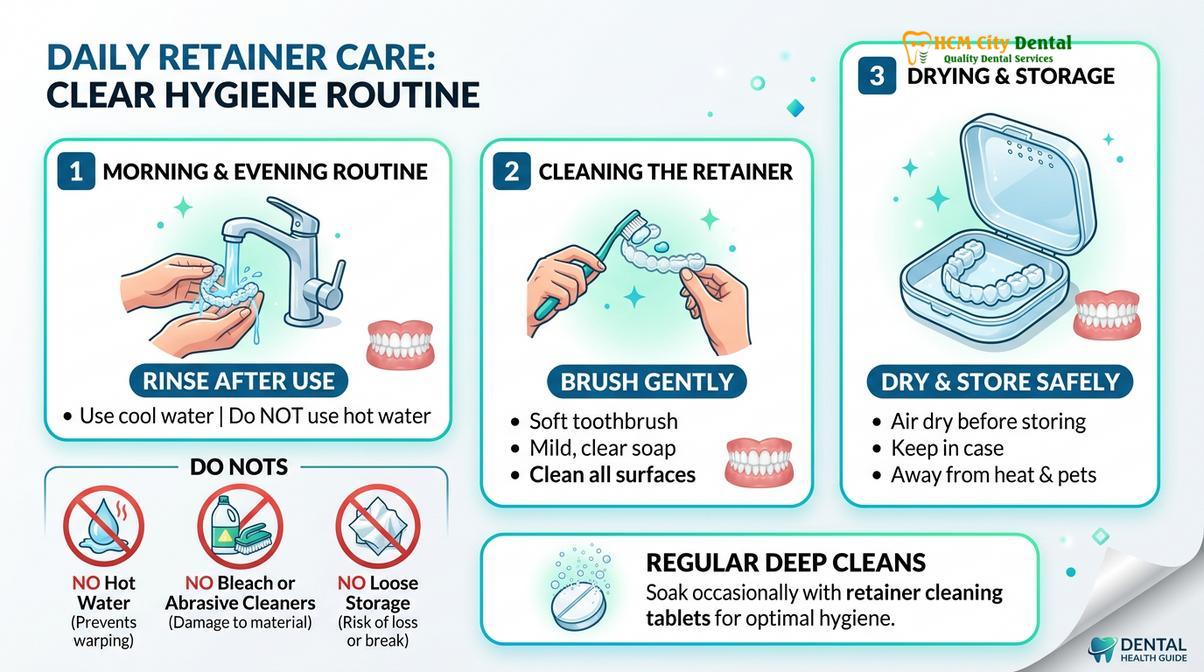
The recommended cleaning protocol involves:
- Rinsing immediately: Rinse the retainer with cold or lukewarm water immediately upon removal to prevent saliva from drying on the surface.
- Soft brushing: Use a dedicated soft-bristled toothbrush and a mild, clear antibacterial soap to gently remove debris.
- Chemical soaking: Use specialized retainer cleaning tablets (effervescent cleansers) formulated for thermoplastics. These tablets use oxidative processes to break down biofilm without scratching the plastic.
- Proper storage: When not in the mouth, the retainer must be kept in a hard, ventilated protective case. Leaving it wrapped in a tissue or exposed on a counter increases the risk of damage or contamination. For more details, read our guide on how to store a dental retainer safely.
“Patient compliance with hygiene protocols is the single most important factor in preventing adverse reactions to removable orthodontic appliances. A clean retainer is a safe retainer.”
Clinical Case Example:
A 24-year-old patient visited HCMC Dental Clinic in Ho Chi Minh City complaining of persistent gum irritation and a foul taste in her mouth. Upon examination, Dr. Cuong noted that her clear retainers were heavily scratched, cloudy, and harbored a significant bacterial biofilm. The patient admitted to brushing the retainers vigorously with whitening toothpaste and occasionally soaking them in hot water. After replacing the compromised retainers with a new set of BPA-free medical-grade plastic trays and educating the patient on proper non-abrasive cleaning techniques, the gingival inflammation resolved completely within one week.
When to See a Doctor
You should consult your dental professional if you experience persistent pain, notice visible damage to your retainer, or exhibit signs of an allergic reaction in your oral tissues.
While clear retainers are overwhelmingly safe, there are specific clinical scenarios where professional intervention is necessary. Patients must remain vigilant and monitor both their appliance and their oral health. The Vietnam Association of Orthodontists (VAO) provides clear guidelines on the safety and biocompatibility of orthodontic retention appliances, emphasizing the need for regular clinical evaluations[6].
You should schedule an appointment with your orthodontist or dentist if you experience any of the following:
- Visible Cracks or Breakage: A cracked retainer can have sharp edges that lacerate the tongue, lips, or gingival tissues. Furthermore, a broken retainer cannot apply the even pressure required to keep teeth in alignment.
- Extreme Tightness or Pain: It is normal for a retainer to feel slightly snug when first inserted, especially if it has been left out for a few hours. However, if the retainer causes severe pain or cannot be fully seated, your teeth may have shifted significantly. Forcing it can damage the teeth. Learn more about why your retainer is tight in the morning to understand normal versus abnormal pressure.
- Allergic Reactions: Although exceptionally rare with modern thermoplastics, if you develop persistent redness, swelling, or a burning sensation in your gums or palate shortly after receiving a new retainer, remove the appliance and seek immediate dental advice.
- Severe Discoloration or Odor: If your retainer remains cloudy, yellow, or foul-smelling despite rigorous cleaning, the plastic has likely degraded and become deeply porous. It is no longer hygienic and must be replaced.
References
- American Journal of Orthodontics and Dentofacial Orthopedics. Biocompatibility of orthodontic thermoplastic materials. (2021).
- Journal of Clinical Orthodontics. Evaluation of microplastic release and cytotoxicity in clear aligners. (2022).
- European Journal of Orthodontics. Long-term stability and material degradation of Essix retainers. (2020).
- Dental Materials Journal. Chemical leaching and estrogenic effects of dental polymers. (2019).
- International Journal of Dentistry. Patient compliance and hygiene protocols for removable orthodontic appliances. (2023).
- Vietnam Association of Orthodontists (VAO). Guidelines on the safety and biocompatibility of orthodontic retention appliances. (2023).
If you have concerns about the safety, fit, or material quality of your retention appliance, contact HCMC Dental Clinic in Ho Chi Minh City today. Our specialists provide comprehensive Orthodontics care to ensure your smile remains healthy, safe, and perfectly aligned for years to come.