To clean a Hawley retainer effectively, rinse it immediately after removal with lukewarm water. Gently brush the acrylic base and metal wires daily using a soft-bristled toothbrush and mild, non-abrasive dish soap. Avoid hot water and regular toothpaste, which can warp the plastic or scratch the surface.
Clinical Summary:
Maintaining a Hawley retainer requires a delicate balance of mechanical plaque removal and chemical disinfection. Because the appliance consists of porous polymethyl methacrylate (PMMA) and stainless steel wires, abrasive agents like standard toothpaste must be avoided to prevent micro-scratches that harbor bacteria. Clinical protocols recommend daily brushing with mild soap and weekly soaking in specialized effervescent solutions to dissolve calculus and prevent oral infections. Proper hygiene preserves the structural integrity of the retainer, ensuring optimal orthodontic retention and safeguarding the patient’s periodontal health.
Key Takeaways:
- Use lukewarm water and mild dish soap for daily brushing to prevent acrylic degradation.
- Avoid abrasive toothpastes, which create micro-scratches where bacteria thrive.
- Perform a weekly deep clean using specialized retainer tablets or a diluted vinegar soak.
- Handle the metal labial bow gently to prevent bending and altering the orthodontic fit.
- Store the appliance in a ventilated, dry case away from heat sources and pets.
The Clinical Importance of Proper Hawley Retainer Maintenance
Proper maintenance of a Hawley retainer prevents bacterial colonization, preserves the integrity of the acrylic and metal components, and ensures the appliance continues to hold teeth in their corrected positions effectively.
The transition from active orthodontic treatment to the retention phase is a critical period in stabilizing the dental arches. Once braces or clear aligners are removed, the periodontal ligaments and surrounding alveolar bone require time to reorganize and solidify around the teeth in their new positions. During this phase, Orthodontics specialists frequently prescribe the Hawley retainer, a highly durable and adjustable appliance composed of a polymethyl methacrylate (PMMA) acrylic base and stainless steel wire components, including Adams clasps and a labial bow.
While the Hawley retainer is celebrated for its longevity and clinical efficacy, its materials present unique hygiene challenges. The acrylic base, though seemingly smooth to the naked eye, is microscopically porous. When placed in the oral cavity, it is immediately coated with a salivary pellicle—a thin layer of proteins and glycoproteins. Within hours, oral bacteria, predominantly Streptococcus mutans and various anaerobic species, begin to adhere to this pellicle, initiating the formation of a complex biofilm[1]. If this biofilm is not disrupted through meticulous daily cleaning, it matures into a dense plaque matrix.
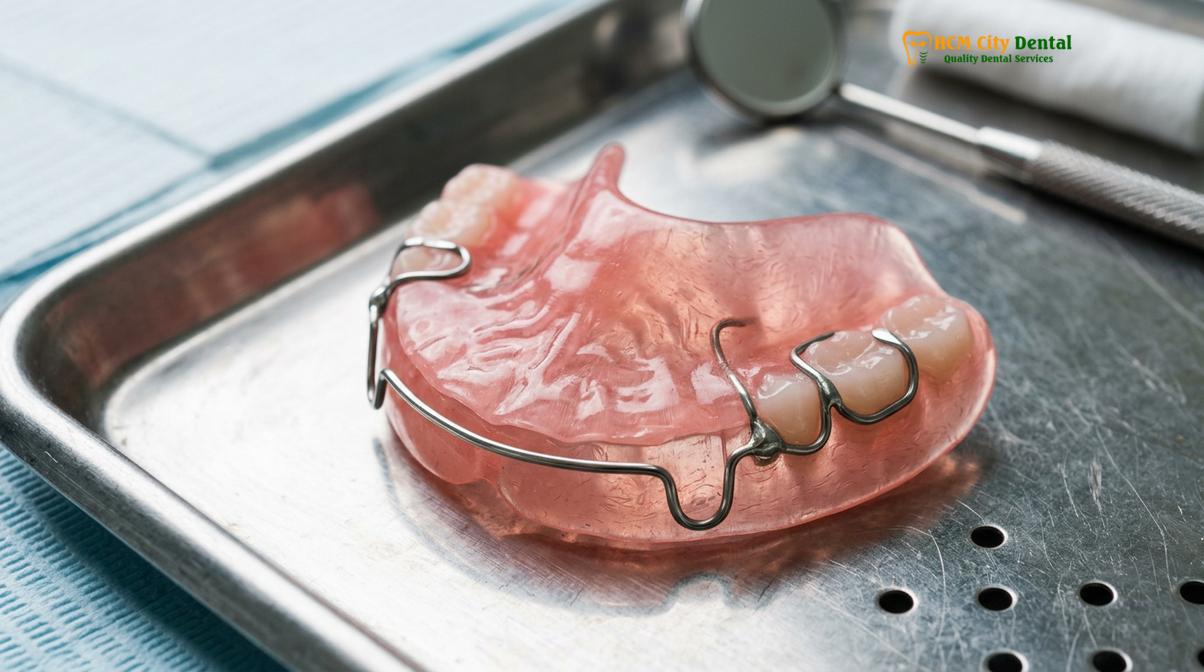
Effective retainer plaque removal is not merely a matter of aesthetic maintenance; it is a fundamental requirement for preserving oral health. When a plaque-laden retainer is worn tightly against the palate, lingual surfaces of the teeth, and marginal gingiva for extended periods, it acts as a continuous reservoir for pathogenic bacteria. This prolonged exposure can lead to localized gingival inflammation (gingivitis), decalcification of the dental enamel (white spot lesions on the teeth), and an increased risk of dental caries. Furthermore, the porous nature of the PMMA acrylic makes it susceptible to colonization by Candida albicans, a fungal pathogen that can cause denture stomatitis—a condition characterized by painful, erythematous (red) inflammation of the oral mucosa beneath the appliance.
“The oral appliance acts as a fomite if not properly sanitized. A compromised hygiene routine allows opportunistic pathogens to thrive in the micro-porosities of the acrylic, directly threatening the periodontal stability achieved during active orthodontic therapy.”
Beyond biological risks, neglecting proper hygiene compromises the structural integrity of the retainer itself. As plaque calcifies into tartar (calculus) on the appliance, it alters the precise fit of the acrylic base against the soft tissues and teeth. This calculus buildup can interfere with the seating of the retainer, potentially applying unintended orthodontic forces that may lead to minor tooth movement or relapse. Therefore, understanding the exact protocols for cleaning and disinfecting the appliance is paramount for long-term success, as detailed in comprehensive Orthodontic Care Guide: Braces, Retainers & Aligners resources.
Step-by-Step Daily Cleaning Protocol for Hawley Retainers
A daily cleaning routine involves rinsing the appliance upon removal, gently brushing with a soft-bristle toothbrush and mild soap, and thoroughly rinsing before reinsertion to maintain optimal hygiene.
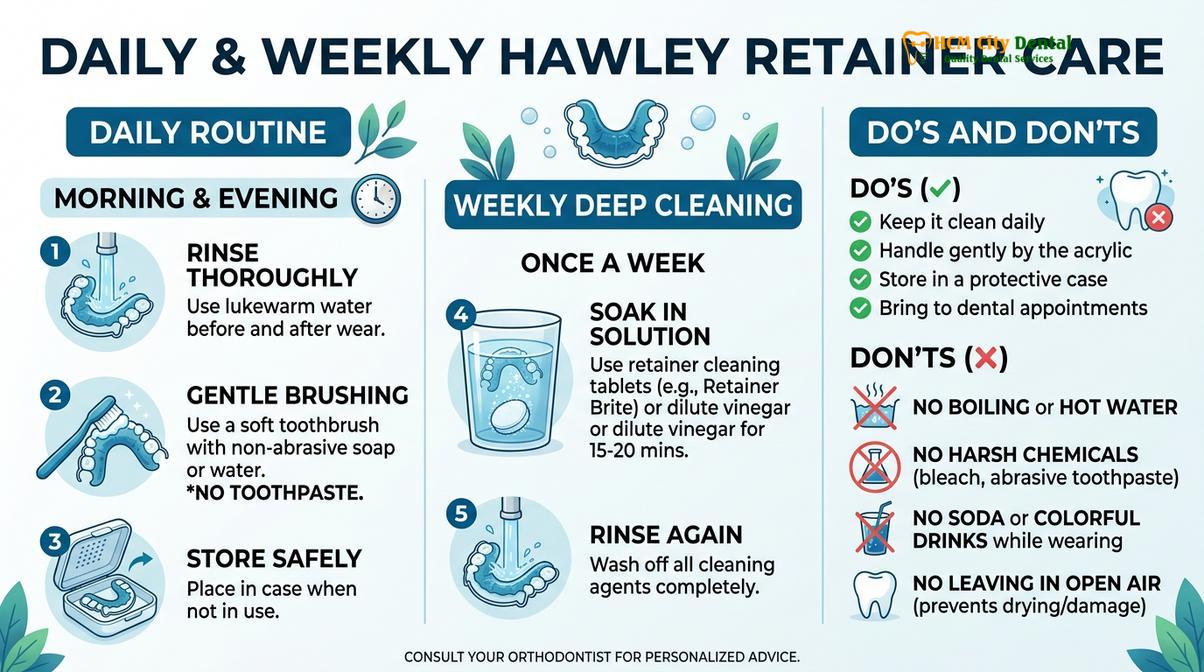
Establishing a rigorous daily cleaning routine is the most effective defense against biofilm accumulation and material degradation. The protocol for daily maintenance should be performed every time the retainer is removed from the mouth, particularly in the morning after overnight wear and in the evening before bed. The goal is to mechanically disrupt the bacterial biofilm without inflicting microscopic damage to the appliance.
The Morning and Evening Routine
Upon waking, the retainer should be immediately removed and rinsed under a gentle stream of lukewarm water. This initial rinse flushes away loose saliva, cellular debris, and unattached bacteria before they have an opportunity to dry and harden onto the acrylic surface. It is crucial to emphasize the use of lukewarm water; hot or boiling water must be strictly avoided, as high temperatures can induce thermal distortion, warping the PMMA acrylic and rendering the custom-fitted appliance useless.
Following the rinse, the mechanical cleaning phase begins. To properly clean acrylic retainer surfaces, patients should use a dedicated, soft-bristled toothbrush. A brush with medium or hard bristles is contraindicated, as it can easily scratch the polished surface of the acrylic. These micro-scratches may be invisible to the naked eye, but they create ideal retentive niches for bacteria and extrinsic stains, leading to a dull, discolored, and malodorous appliance over time.
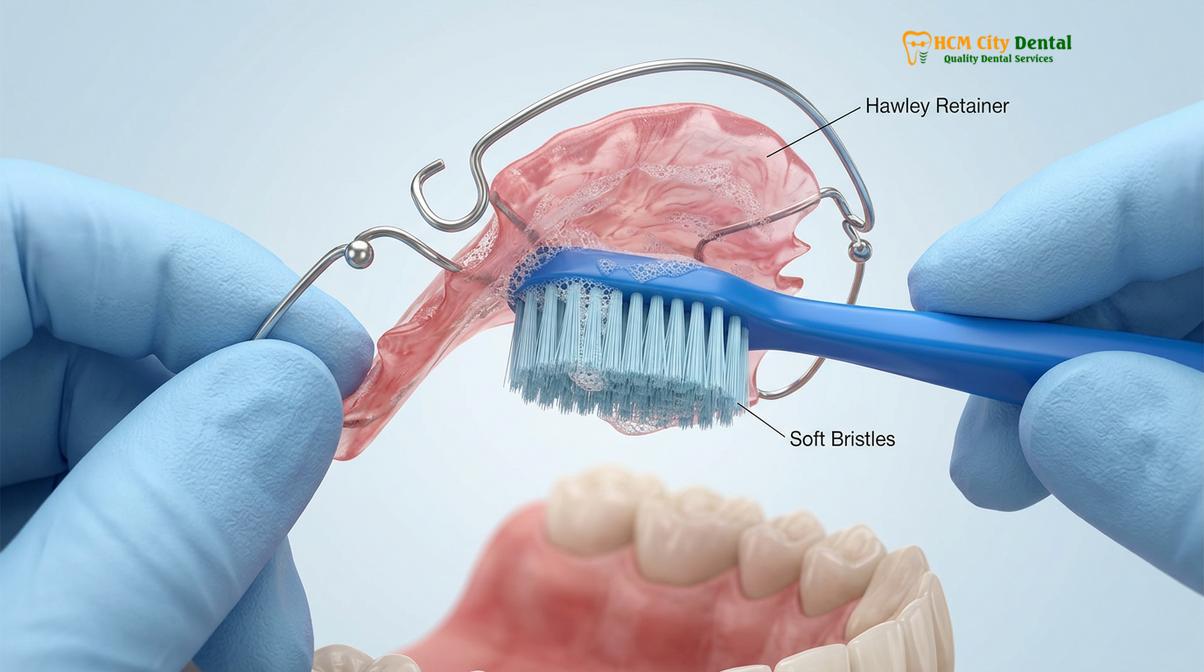
The choice of cleaning agent is equally critical. While it may seem intuitive to use standard toothpaste, clinical guidelines strongly advise against it. Most commercial toothpastes contain abrasive agents—such as hydrated silica, calcium carbonate, or baking soda—designed to polish hard dental enamel. When applied to the significantly softer PMMA acrylic, these abrasives act like microscopic sandpaper. Instead, a mild, uncolored, and unscented liquid dish soap is the recommended cleaning agent. Dish soap is formulated to break down lipids and organic debris without relying on mechanical abrasion, making it highly effective and safe for daily use[2].
Proper Brushing Technique
Apply a small drop of mild dish soap to the wet, soft-bristled toothbrush. Hold the retainer securely but gently by the thickest part of the acrylic base. Avoid gripping the appliance by the delicate metal wires, as excessive pressure can distort the labial bow or the Adams clasps. Brush all surfaces of the acrylic base using small, circular motions. Pay special attention to the tissue-bearing surface (the side that touches the roof of the mouth or the lingual gums), as this area features complex contours that closely mimic the oral anatomy and can easily trap plaque.
When performing Hawley wire cleaning, exercise extreme caution. The stainless steel wires are engineered to apply specific, passive forces to maintain tooth alignment. Brush the wires gently to remove any accumulated debris, ensuring that the bristles reach the junctions where the wire is embedded into the acrylic base—a common site for plaque stagnation. After thorough brushing, rinse the retainer copiously under lukewarm water until all soap residue is completely removed. Residual soap can cause an unpleasant taste and may irritate the oral mucosa upon reinsertion.
| Do’s of Retainer Cleaning | Don’ts of Retainer Cleaning |
|---|---|
| Use lukewarm water for rinsing and washing. | Never use hot or boiling water (causes warping). |
| Use a soft-bristled toothbrush dedicated to the retainer. | Never use medium/hard bristles or your regular toothbrush. |
| Clean with mild, non-abrasive liquid dish soap. | Never use abrasive toothpaste or baking soda pastes. |
| Hold the retainer by the sturdy acrylic base. | Never grip or squeeze the delicate metal wires. |
| Store in a ventilated, dry protective case when not in use. | Never wrap in a napkin or leave exposed to pets/heat. |
Consistency in this daily routine is vital. Patients often wonder about the duration of the retention phase and the necessity of such strict hygiene. As outlined in clinical literature regarding How Long to Wear Retainers After Braces: A Clinical Guide, retention is often a lifelong commitment, making the preservation of the appliance through daily care an essential habit.
Deep Cleaning and Disinfection Strategies
Weekly deep cleaning using effervescent retainer tablets or a mild vinegar solution dissolves hardened calculus, eliminates persistent odors, and neutralizes harmful bacteria that daily brushing might miss.
While mechanical brushing with mild soap is highly effective for removing soft plaque and daily debris, it is often insufficient for eliminating calcified deposits and deeply embedded bacterial colonies. Over time, minerals from the saliva—primarily calcium and phosphate—can precipitate onto the retainer, forming hardened calculus. This is frequently observed by patients as stubborn white spots on retainer surfaces, particularly in areas where salivary flow is highest, such as behind the lower anterior teeth.
To combat calculus buildup and ensure comprehensive disinfection, a weekly deep cleaning protocol is required. This involves soaking the appliance in a specialized chemical solution designed to dissolve mineral deposits and lyse bacterial cell walls without degrading the PMMA acrylic or corroding the stainless steel wires.
Effervescent Retainer Cleaning Tablets
The most convenient and clinically validated method for deep cleaning is the use of commercially available effervescent retainer or denture cleaning tablets. These tablets typically contain a combination of sodium bicarbonate, citric acid, and mild oxidizing agents (such as sodium perborate or potassium monopersulfate). When dropped into a glass of lukewarm water, the tablet dissolves, creating an effervescent action that helps dislodge debris from microscopic crevices.
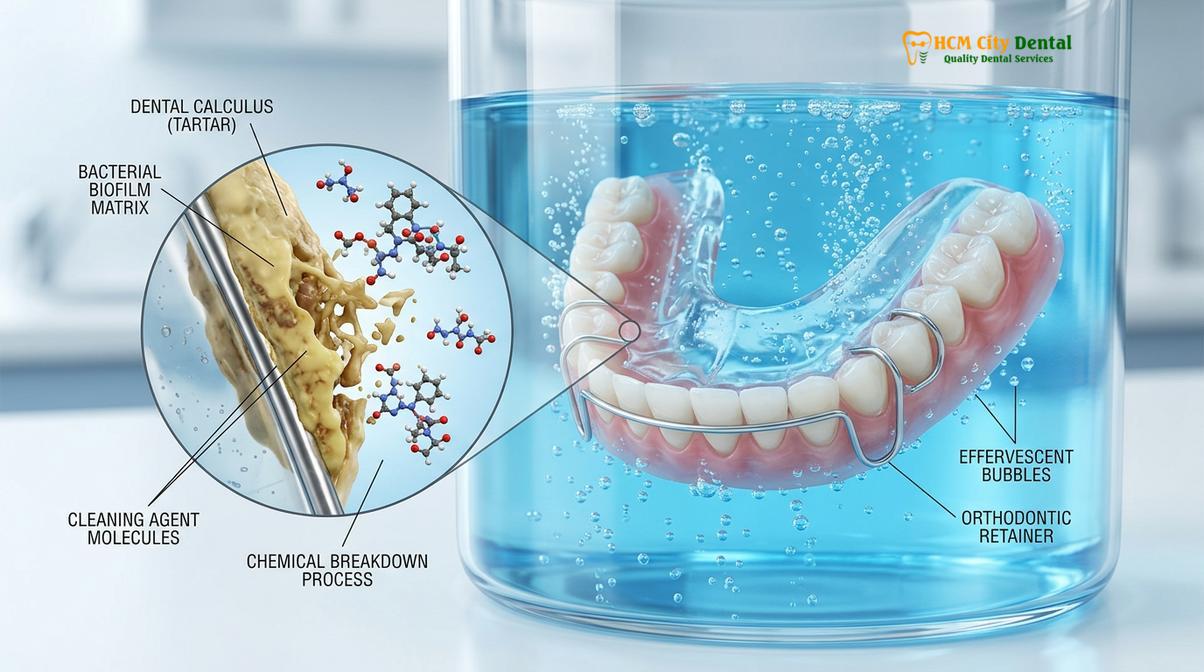
The oxidizing agents release nascent oxygen, which effectively penetrates the porous acrylic to neutralize odor-causing anaerobic bacteria and lift extrinsic stains. To use this method, submerge the Hawley retainer completely in the solution and allow it to soak for the duration specified by the manufacturer—usually 15 to 20 minutes. Prolonged soaking (e.g., overnight) in these solutions is generally not recommended for Hawley retainers, as extended exposure to certain oxidizing agents can eventually dull the acrylic finish and increase the risk of solder joint corrosion on the metal wires[3].
Addressing Calcified Deposits (White Spots)
If the patient notices hard white spots on retainer surfaces that do not respond to effervescent tablets, a mild acidic soak can be highly effective. A solution of equal parts distilled white vinegar (acetic acid) and lukewarm water creates an environment that gently dissolves calcium carbonate deposits. Submerge the retainer in this vinegar solution for 15 to 30 minutes. The mild acidity breaks down the crystalline structure of the tartar, softening it sufficiently so that it can be easily brushed away with a soft toothbrush.
After any chemical soak—whether using commercial tablets or a vinegar solution—it is imperative to brush the retainer lightly and rinse it exhaustively under running water. This removes the loosened debris and ensures that no chemical residue is transferred to the oral mucosa.
Clinical Warning: Avoid Harsh Chemicals
Never use sodium hypochlorite (household bleach), alcohol-based mouthwashes, or harsh household detergents to clean a Hawley retainer. Bleach will rapidly corrode the stainless steel wires and degrade the acrylic. High-alcohol mouthwashes can desiccate the PMMA material, leading to micro-cracking, brittleness, and permanent discoloration of the appliance.
Protecting the Orthodontic Wire and Acrylic Base
Handling the retainer by the acrylic base rather than the metal wires prevents structural distortion, ensuring the appliance maintains the precise clinical forces required to keep teeth aligned.
The structural integrity of a Hawley retainer relies on the precise spatial relationship between the acrylic base and the embedded stainless steel wires. The labial bow, which rests against the anterior teeth, and the Adams clasps, which anchor the appliance to the posterior molars, are meticulously adjusted by the orthodontist to provide passive retention. Any distortion of these wires compromises the fit and function of the appliance, potentially leading to orthodontic relapse.
Proper orthodontic wire hygiene must be balanced with careful handling. When inserting the retainer, patients should use their fingertips to apply even pressure to the acrylic base or the posterior clasps, seating the appliance firmly against the palate or lingual mucosa. Patients must never “bite” the retainer into place, as the immense occlusal forces generated by the jaw muscles can easily bend the wires or fracture the acrylic base.
Similarly, when removing the retainer, patients should use their index fingers to gently disengage the posterior clasps on both sides simultaneously. Pulling the retainer out by grasping the anterior labial bow is a common mistake that frequently results in the wire bending outward. A distorted labial bow will fail to provide the necessary support to the incisors, allowing them to drift forward over time.
Clinical Case Review: Wire Distortion from Improper Handling
A 19-year-old patient visited HCMC Dental Clinic in Ho Chi Minh City complaining that her upper Hawley retainer felt excessively tight and that her front teeth were becoming sensitive. Upon clinical examination, Dr. Nguyen Van Cuong noted that the labial bow was significantly distorted. The patient admitted to routinely removing the appliance by pulling downward on the front wire and aggressively scrubbing the wire with a hard toothbrush. Dr. Cuong had to use specialized orthodontic pliers to re-contour the labial bow to its original prescription. The patient was re-educated on proper handling techniques, emphasizing the importance of gripping only the acrylic base during removal and cleaning.
When comparing retention options, patients often weigh the robust nature of the Hawley appliance against clear alternatives. As discussed in the Hawley vs Essix Retainer Durability: Guide | HCMC Dental, the Hawley retainer is generally more durable and allows for minor occlusal settling, but its longevity is entirely dependent on the patient’s adherence to proper handling and cleaning protocols. The metal components, while strong, are susceptible to metal fatigue if repeatedly bent or stressed during improper cleaning[4].
“The biomechanical efficacy of a Hawley retainer is intrinsically linked to its structural fidelity. Even a millimeter of distortion in the labial bow alters the force vectors applied to the dentition, transforming a passive retention device into an active, uncontrolled orthodontic force.”
When the retainer is not in the mouth, it must be stored in a rigid, ventilated protective case. The appliance should never be wrapped in a tissue or napkin, as this is the leading cause of accidental disposal. Furthermore, the retainer must be kept out of reach of household pets. Dogs, in particular, are highly attracted to the scent of saliva and the materials used in the retainer, and can destroy the appliance in a matter of seconds.
When to See a Doctor: Recognizing Retainer Damage and Fit Issues
Despite meticulous care, Hawley retainers are subject to wear and tear over years of use. It is crucial for patients to recognize the clinical signs of appliance degradation or poor fit, as continuing to wear a compromised retainer can be detrimental to both dental alignment and oral health.
Patients should schedule an evaluation with their orthodontist if they observe any of the following issues:
- Loss of Retention: If the retainer feels loose, falls out during sleep, or no longer “clicks” securely into place, the clasps may have loosened. An orthodontist can often adjust the tension of the clasps to restore a secure fit.
- Visible Cracks or Fractures: Any hairline cracks in the acrylic base compromise the structural integrity of the appliance and can harbor severe bacterial colonies. A cracked retainer can often be repaired in the dental laboratory if caught early, but a complete fracture usually necessitates a replacement.
- Distorted or Broken Wires: If the labial bow or clasps appear bent, asymmetrical, or have detached from the acrylic base, the appliance must be professionally evaluated. Do not attempt to bend the wires back into shape at home with household tools, as this can cause irreversible damage.
- Persistent Mucosal Irritation: If wearing the retainer causes sore spots, ulcerations, or persistent redness on the gums or palate, the fit may have altered, or there may be a buildup of calculus causing mechanical friction.
- Unresolvable Odors or Discoloration: If the retainer emits a foul odor or exhibits severe, dark discoloration that does not improve with deep cleaning protocols, the acrylic may be deeply saturated with bacteria or fungi, warranting a replacement.
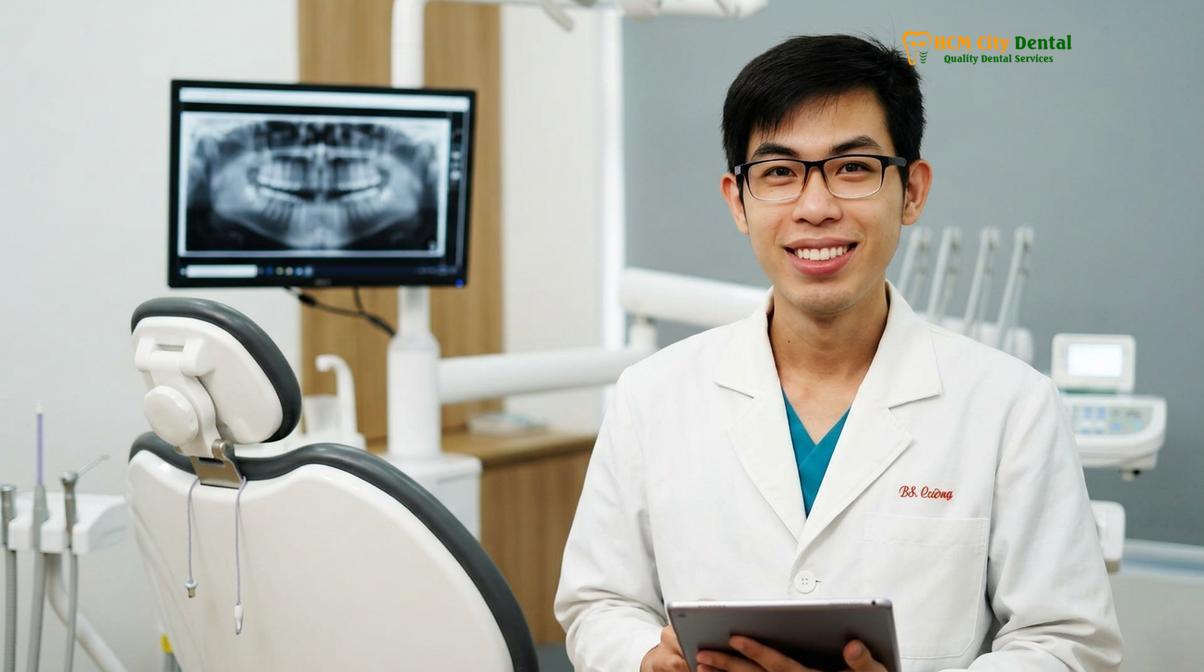
Dr. Nguyen Van Cuong emphasizes that patients should bring their retainers to every routine dental check-up. During these visits at HCMC Dental Clinic, the clinical team can place the appliance in a professional ultrasonic cleaner, which uses high-frequency sound waves to dislodge microscopic debris and calculus far more effectively than at-home methods. Additionally, the dentist will evaluate the fit of the appliance against the current dental alignment to ensure it is still functioning as prescribed.
If a retainer is lost or damaged beyond repair, immediate action is required to prevent orthodontic relapse. Patients should refer to guidelines on Lost My Retainer: What to Do, Immediate Steps & Replacement Guide to understand the urgency of obtaining a replacement impression or digital scan[5]. Delaying the replacement of a lost or broken retainer by even a few weeks can result in significant tooth movement, potentially requiring a brief return to active treatment, such as utilizing Invisalign in Vietnam: Can I Do It Remotely? (Complete Guide) or Power Bands Braces: Unlock Comfort & Flexibility Today | Dr. Cuong to correct the relapse.
Frequently Asked Questions
Can I use regular toothpaste to clean my Hawley retainer?
No, you should avoid using regular toothpaste to clean your Hawley retainer because it contains abrasive agents. These abrasives can create micro-scratches in the acrylic base, which harbor bacteria, cause discoloration, and make the appliance harder to keep clean over time. Instead, use a mild, non-abrasive liquid dish soap and a soft-bristled toothbrush for daily mechanical cleaning.
How do I remove hard white spots on my retainer?
You can remove hard white spots by soaking the retainer in a solution of equal parts white vinegar and lukewarm water for 15 to 20 minutes. The mild acetic acid gently dissolves the calcified tartar buildup without damaging the acrylic or metal components. After soaking, gently brush the loosened deposits away with a soft toothbrush and rinse thoroughly.
Is it safe to soak my Hawley retainer in mouthwash?
It is generally not recommended to soak your Hawley retainer in standard mouthwash, especially if it contains alcohol or artificial dyes. Alcohol can dry out and degrade the acrylic material, while dyes can permanently stain the porous plastic base of the appliance. If you wish to freshen the retainer, use a specialized effervescent retainer cleaning tablet instead.
How often should I deep clean my Hawley retainer?
You should perform a deep cleaning of your Hawley retainer at least once a week using a specialized effervescent retainer tablet or a mild vinegar solution. This weekly routine helps eliminate hardened calculus and neutralizes bacteria that daily brushing might miss, ensuring the appliance remains hygienic and odor-free.
What should I do if my retainer smells bad even after brushing?
If your retainer retains a foul odor after brushing, soak it in a specialized retainer cleaning solution or a mixture of baking soda and water. Persistent odors indicate deep-seated bacterial biofilm, which requires chemical disinfection rather than just mechanical brushing. If the odor persists despite deep cleaning, consult your orthodontist, as the acrylic may be degraded and require replacement.
References
- Journal of Clinical Orthodontics. Biofilm formation and degradation of orthodontic polymethyl methacrylate retainers. (2021).
- American Journal of Orthodontics and Dentofacial Orthopedics. Efficacy of various cleaning methods on removable orthodontic appliances. (2019).
- European Journal of Orthodontics. The effect of chemical disinfectants on the mechanical properties of Hawley retainers. (2020).
- International Journal of Dentistry. Calculus deposition and periodontal implications of long-term retainer wear. (2022).
- Australian Dental Journal. Patient compliance and hygiene protocols in post-orthodontic retention. (2018).