Removing braces at home is highly dangerous and strongly discouraged by dental professionals. Attempting to pry off brackets with household tools can cause permanent enamel fracture, severe gum lacerations, and immediate orthodontic relapse. Only a licensed dentist should perform debonding using specialized clinical instruments to ensure structural safety and preserve the integrity of your smile. For more detailed information on treatments, procedures, and pricing, you can also explore our professional invisalign services.
Clinical Summary:
The viral trend of attempting to remove orthodontic appliances at home poses severe, irreversible risks to dental health. Orthodontic brackets are bonded to the enamel using advanced composite resins designed to withstand immense masticatory forces. Removing them requires specific shear forces applied by specialized clinical instruments to break the adhesive interface without avulsing the enamel prisms. DIY removal methods using pliers, spoons, or nail clippers apply uncontrolled tensile stress, frequently resulting in enamel micro-fractures, soft tissue trauma, and retained adhesive that rapidly accelerates tooth decay. Furthermore, premature removal without immediate professional retention leads to rapid orthodontic relapse, as the periodontal ligament remains highly unstable. Clinical debonding is a meticulous, multi-step procedure involving bracket removal, adhesive remnant removal (ARR) with tungsten carbide burs, enamel polishing, and immediate retainer fabrication to preserve the functional and aesthetic outcomes of the treatment.
Key Takeaways:
- DIY braces removal applies uncontrolled tensile force, leading to a high risk of permanent enamel fractures and micro-cracks.
- Household tools can easily slip, causing severe lacerations to the gingival tissue, lips, and oral mucosa.
- Orthodontic adhesive left on the teeth creates a highly retentive surface for plaque, exponentially increasing the risk of cavities.
- Without immediate professional retainer placement, teeth will begin shifting back to their original misaligned positions within days.
- Professional debonding utilizes specialized pliers and rotary instruments to safely break the adhesive bond and restore the enamel’s natural gloss.
The Biomechanics of Orthodontic Adhesives: Why DIY Removal Fails
Orthodontic brackets are secured using high-strength composite resins that penetrate the enamel micropores, requiring precise clinical shear force to break the bond safely without tearing the tooth structure.
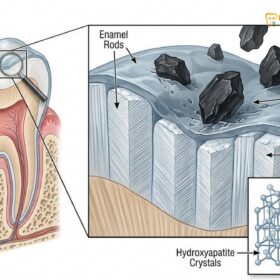
To fully comprehend why attempting to remove braces at home is a catastrophic clinical error, one must first understand the complex biomechanics and chemistry of orthodontic bonding. The application of brackets is a highly controlled chemical process. The tooth enamel is first treated with a mild phosphoric acid solution, typically around 37% concentration. This acid etching process creates microscopic irregularities and pores within the enamel prisms. A bonding primer and a highly filled composite resin are then applied. The resin flows into these microscopic pores, creating “resin tags” that cure and harden under a specific wavelength of blue light. This micromechanical retention is incredibly strong, designed specifically to withstand the daily forces of biting, chewing, and the continuous tension of orthodontic archwires over several years[1].
The shear bond strength of modern orthodontic adhesives typically ranges from 6 to 10 Megapascals (MPa). This specific range is carefully engineered by dental manufacturers: it is strong enough to keep the bracket attached during normal function, but just weak enough to allow a professional to break the bond using specialized instruments without exceeding the cohesive strength of the enamel itself. When a patient attempts to remove a bracket using household tools—such as spoons, standard pliers, or nail clippers—they are applying uncontrolled, multi-directional forces. Instead of applying a precise shear force to the adhesive base, DIY methods typically apply tensile (pulling) or torsional (twisting) forces directly to the bracket.
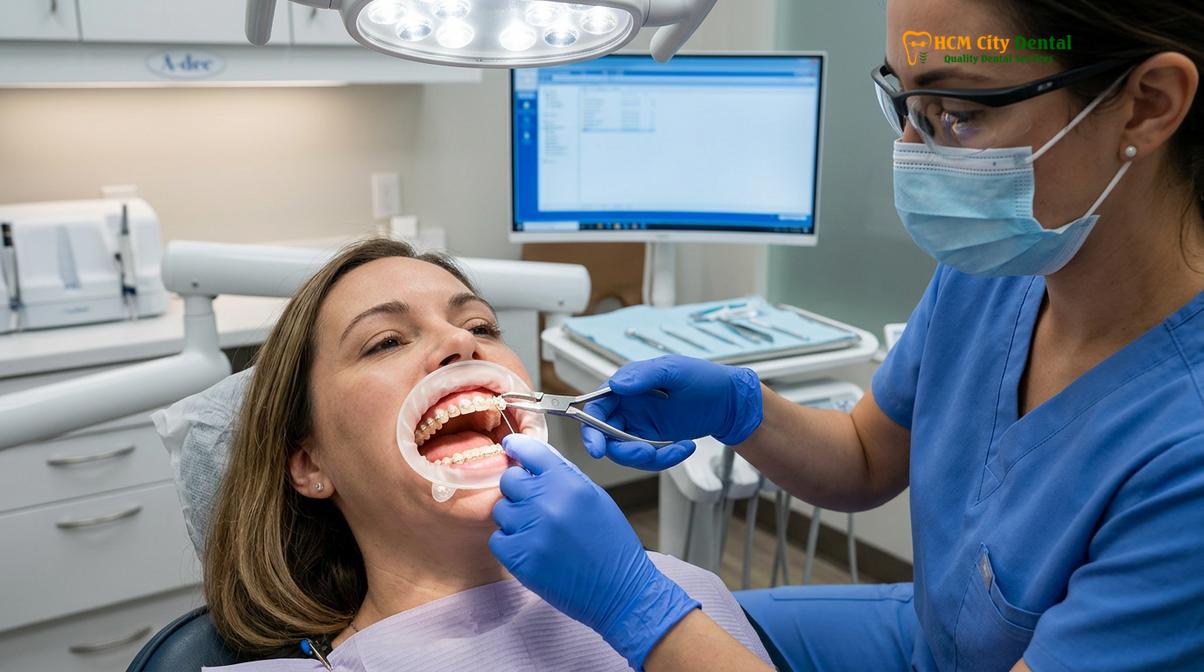
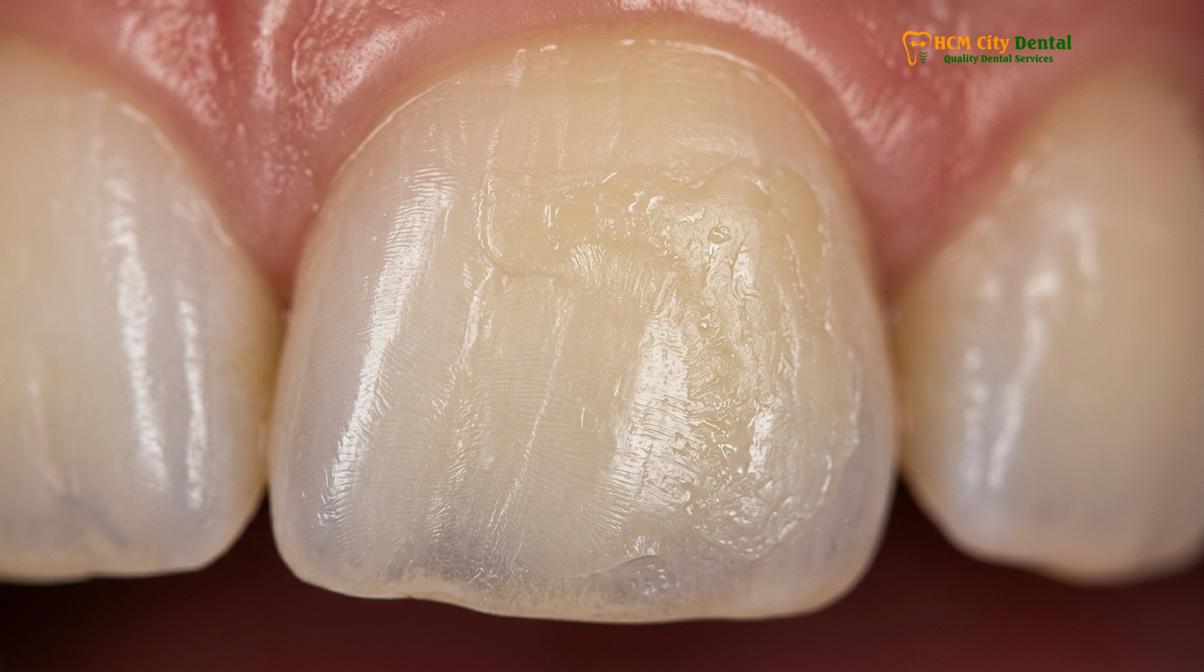
Because the composite resin is deeply interlocked with the enamel, applying raw tensile force often results in the weakest link breaking. Tragically, if the adhesive bond is stronger than the patient’s enamel structure, the enamel itself will fracture and tear away with the bracket. This phenomenon, known as enamel avulsion, causes permanent, irreversible damage to the tooth surface. Enamel does not contain living cells and cannot regenerate or heal once it is fractured. The resulting damage leaves the tooth highly susceptible to hypersensitivity, deep structural decay, and severe aesthetic degradation that may eventually require expensive restorative treatments such as porcelain veneers or full-coverage crowns.
“The micromechanical bond between orthodontic resin and human enamel is not designed to be broken by blunt force. Attempting to pry a bracket off at home frequently results in enamel tear-outs, leaving permanent structural defects that compromise the tooth for a lifetime.”
Severe Clinical Consequences of At-Home Bracket Removal
Removing braces without professional tools leads to a high risk of irreversible enamel damage, severe soft tissue lacerations, retained adhesive that causes rapid decay, and immediate orthodontic relapse.
The viral social media trends depicting individuals removing their own braces grossly misrepresent the reality of the procedure and completely ignore the severe clinical aftermath. Beyond the immediate risk of enamel avulsion discussed previously, there is a cascade of detrimental consequences that follow DIY debonding. One of the most immediate dangers is soft tissue trauma. Orthodontic archwires are made of highly resilient alloys, such as Nickel-Titanium (NiTi) or Stainless Steel. When brackets are forcefully snapped off using improper tools, the archwire can suddenly release its stored kinetic energy, whipping uncontrollably inside the oral cavity. This can cause deep lacerations to the gingival tissues (gums), the buccal mucosa (inner cheeks), the lips, and even pose a severe risk of ocular injury if the wire snaps outward.
Furthermore, household tools are not sterilized to medical standards. Introducing unsterilized metal tools into the mouth, especially when they cause micro-tears or deep cuts in the highly vascularized oral tissue, introduces a massive risk of bacterial infection. The oral cavity harbors billions of bacteria, and an open wound can quickly lead to localized abscesses or systemic infections. Understanding the link between dental health and heart attacks highlights how oral bacteria entering the bloodstream through gum lacerations can have far-reaching systemic health implications.
CRITICAL CLINICAL WARNING: Attempting to cut orthodontic wires or pry off brackets at home carries a severe risk of aspiration or ingestion. Small metal brackets, broken wire fragments, or elastic ligatures can easily slip to the back of the throat. Inhaling a metal bracket into the lungs is a life-threatening medical emergency requiring immediate surgical bronchoscopy, while swallowing sharp wire fragments can cause severe perforations in the gastrointestinal tract.
Another profound consequence of DIY removal is the issue of adhesive remnants. When a bracket is forcefully popped off, a significant layer of the composite resin glue remains firmly bonded to the tooth surface. To the naked eye, this glue might blend in with the tooth, but microscopically, it is highly porous and rough. This rough surface acts as a magnet for plaque biofilm and cariogenic bacteria. Without professional polishing, this retained adhesive will rapidly accumulate bacteria, leading to aggressive decalcification of the underlying enamel. Within weeks, patients will develop permanent white spot lesions (early cavities) around the areas where the brackets used to be. To truly keep teeth white with braces and after their removal, the enamel must be perfectly smooth and free of all microscopic adhesive remnants, a standard that is physically impossible to achieve at home[2].
The Professional Debonding Protocol: How Dentists Safely Remove Braces
Professional debonding is a meticulous clinical workflow utilizing specialized pliers to safely fracture the adhesive base, followed by rotary instruments to polish the enamel without causing structural damage.
The contrast between a dangerous DIY attempt and a professional clinical debonding procedure is stark. When a patient is ready to have their braces removed, the orthodontist follows a strict, evidence-based protocol designed to protect the integrity of the teeth and ensure long-term stability. The first step involves the safe removal of the elastomeric ligatures and the archwire. Once the teeth are isolated, the clinician uses a specialized instrument known as a bracket removing plier. Unlike standard household pliers that grip and pull, orthodontic debonding pliers are designed to gently squeeze the mesial and distal wings of the bracket. This squeezing action slightly deforms the bracket base, creating a precise shear force that causes the composite adhesive to fail at the bracket-adhesive interface, rather than the adhesive-enamel interface.
This technique ensures that the bracket pops off cleanly, leaving the majority of the adhesive on the tooth rather than tearing the enamel away with the bracket. While leaving glue on the tooth sounds counterintuitive, it is actually the safest clinical outcome, as it protects the enamel during the initial bracket removal phase. Once all brackets are safely detached, the most critical phase of the appointment begins: Adhesive Remnant Removal (ARR). This step requires high-level clinical skill and specialized rotary instruments.
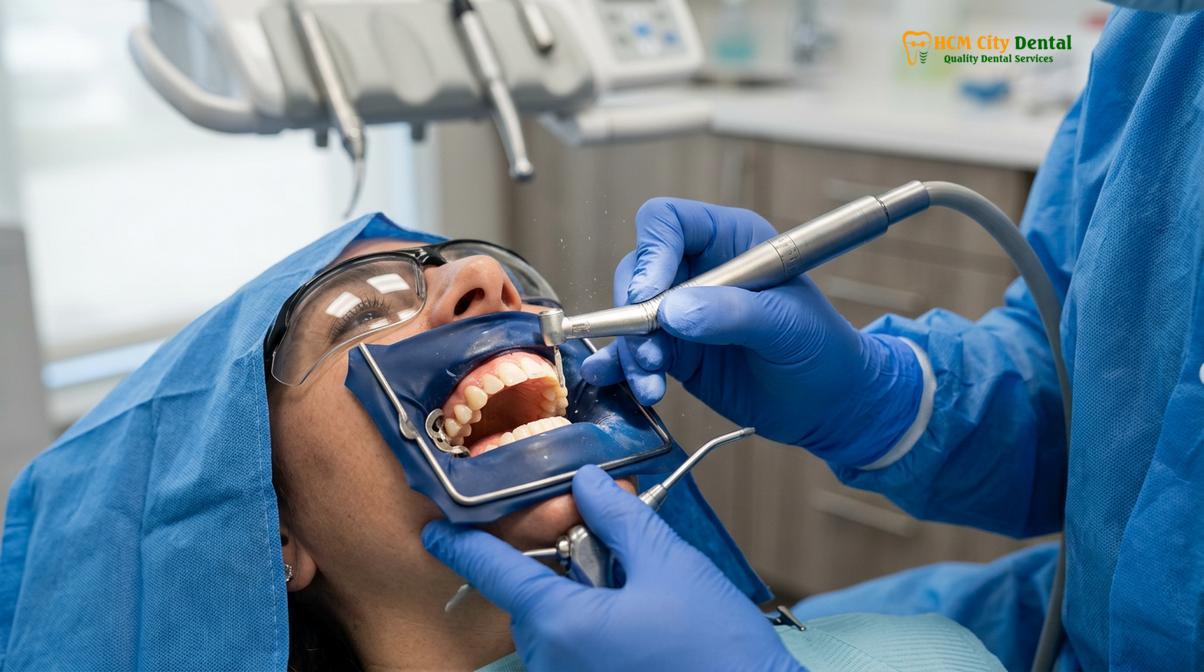
Dentists utilize a slow-speed or high-speed dental handpiece equipped with a specialized multi-fluted tungsten carbide bur. These burs are specifically engineered with non-cutting tips and specific blade angles designed to shave away the composite resin without scratching the harder underlying enamel[3]. The clinician uses a light, sweeping motion, often accompanied by air cooling, to meticulously remove every microscopic trace of the bonding agent. Following the carbide bur, the teeth are polished using a sequence of aluminum oxide abrasive points, rubber cups, and fine pumice paste. This comprehensive polishing protocol restores the natural high-gloss finish of the enamel, sealing the microscopic pores and making the teeth highly resistant to plaque accumulation and future staining.
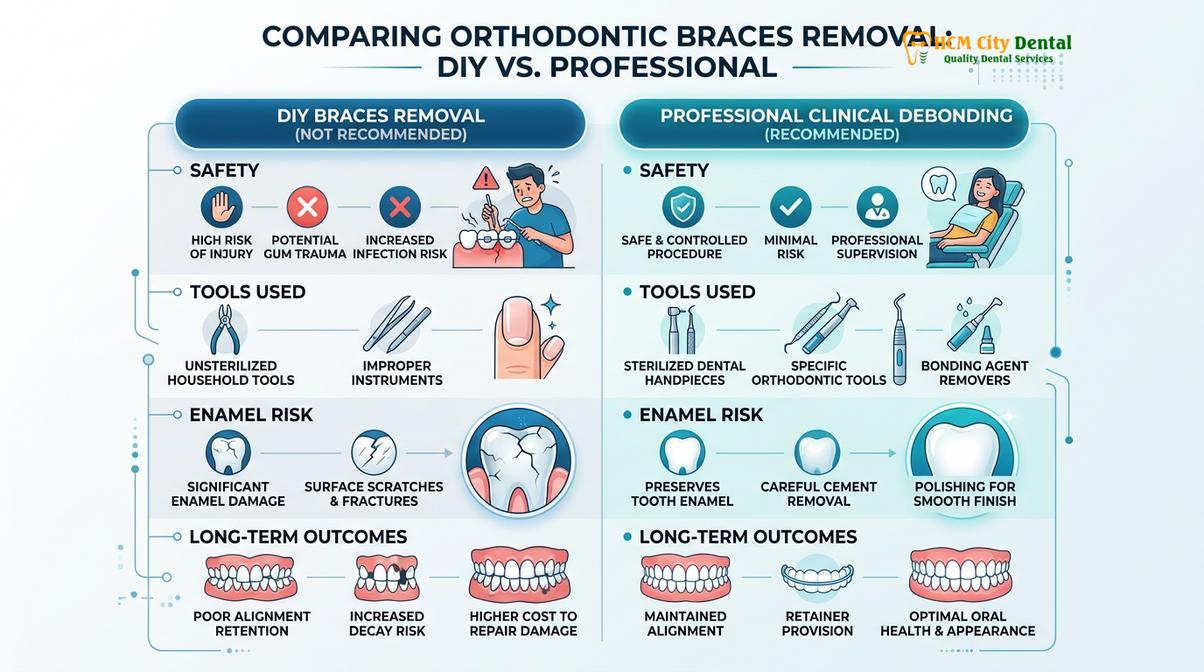
| Clinical Parameter | DIY At-Home Removal | Professional Clinical Debonding |
|---|---|---|
| Force Application | Uncontrolled tensile/twisting force | Controlled shear force via specialized pliers |
| Enamel Integrity | High risk of avulsion, micro-cracks, and permanent scarring | Enamel preserved; adhesive fails safely at the bracket interface |
| Adhesive Management | Glue remains on teeth, causing rapid decay and severe staining | Complete removal using tungsten carbide burs and high-gloss polishing |
| Soft Tissue Risk | High risk of laceration, infection, and wire ingestion | Completely safe, isolated environment with suction and protection |
| Orthodontic Stability | High risk of immediate relapse; teeth shift back within days | Immediate digital scanning and delivery of custom retainers |
The professional process also includes a comprehensive periodontal evaluation. The dentist will probe the gingival sulcus to ensure no cement has been pushed beneath the gumline, which could cause localized periodontitis. They will also evaluate the final occlusion (bite) to ensure the teeth interlock correctly, distributing masticatory forces evenly across the dental arch. This level of comprehensive care highlights the clinical risks of bad braces management and underscores why professional oversight is non-negotiable.
Post-Removal Clinical Protocols: Retainers and Stabilization
Immediately following bracket removal, the fabrication and placement of custom retainers are mandatory to stabilize the periodontal ligament and prevent rapid orthodontic relapse.
The removal of the brackets and wires does not mark the end of orthodontic treatment; rather, it marks the transition from the active phase to the retention phase. As previously mentioned, the periodontal ligament (PDL) and the surrounding alveolar bone require significant time to reorganize and mineralize around the teeth in their new positions. The supracrestal gingival fibers, in particular, have a very slow turnover rate and can exert a pulling force on the teeth for up to a year after the braces are removed. If a patient removes their braces at home, they bypass this critical retention phase, significantly increasing the risk that their teeth will relapse.
In a professional clinical setting, immediately after the teeth are polished, the dentist will take highly accurate impressions of the dental arches. These digital impressions are used to fabricate custom retainers. There are several types of retainers utilized depending on the patient’s specific clinical presentation. Essix retainers are clear, thermoplastic trays that fit snugly over the entire arch, providing excellent aesthetics and full-coverage retention. Hawley retainers utilize an acrylic palate and a metal wire to hold the teeth, offering durability and the ability to make minor adjustments. In cases of severe initial crowding or spacing, a fixed lingual retainer—a small, braided wire bonded to the back of the anterior teeth—may be placed to provide permanent, 24/7 stabilization[4].
Clinical Case Review: The Cost of DIY Removal
A 22-year-old patient presented to HCMC Dental Clinic in Ho Chi Minh City seeking emergency restorative care. Frustrated with the final months of her treatment, she had attempted to remove her ceramic braces at home using nail clippers. The uncontrolled force shattered three ceramic brackets, leaving sharp fragments bonded to the teeth, and caused a severe enamel fracture on her upper right central incisor. Furthermore, because she had no retainer, her anterior teeth had already begun to relapse and crowd within just one week. The clinical team had to carefully remove the remaining shattered brackets, perform complex composite bonding to repair the fractured incisor, and initiate a new phase of clear aligner therapy to correct the relapse. What was intended to be a “quick DIY fix” resulted in significant structural damage, months of additional treatment, and substantial financial cost.
“Orthodontic retention is not an optional final step; it is a biological necessity. Removing braces prematurely without immediate retainer fabrication leads to rapid relapse, undoing years of clinical progress in a matter of days.”
When to Seek Immediate Emergency Dental Care
Experiencing a broken bracket or a snapping wire requires prompt professional attention to prevent soft tissue injury and structural damage to the teeth.
If a bracket comes loose or a wire snaps during your treatment, do not attempt to remove the rest of the appliance yourself. According to clinical guidelines aligned with the Vietnam Association of Orthodontists (VAO), any structural damage to orthodontic hardware requires immediate professional intervention. Leaving broken appliances in the mouth or attempting DIY removal can lead to severe soft tissue infections and irreversible enamel trauma. Patients must contact their clinic immediately for safe, professional resolution to ensure the treatment stays on track without compromising oral health[5].
Expert Clinical Oversight
Trusting a certified dental professional for the removal of orthodontic appliances is the only way to ensure the safety, health, and longevity of your smile.
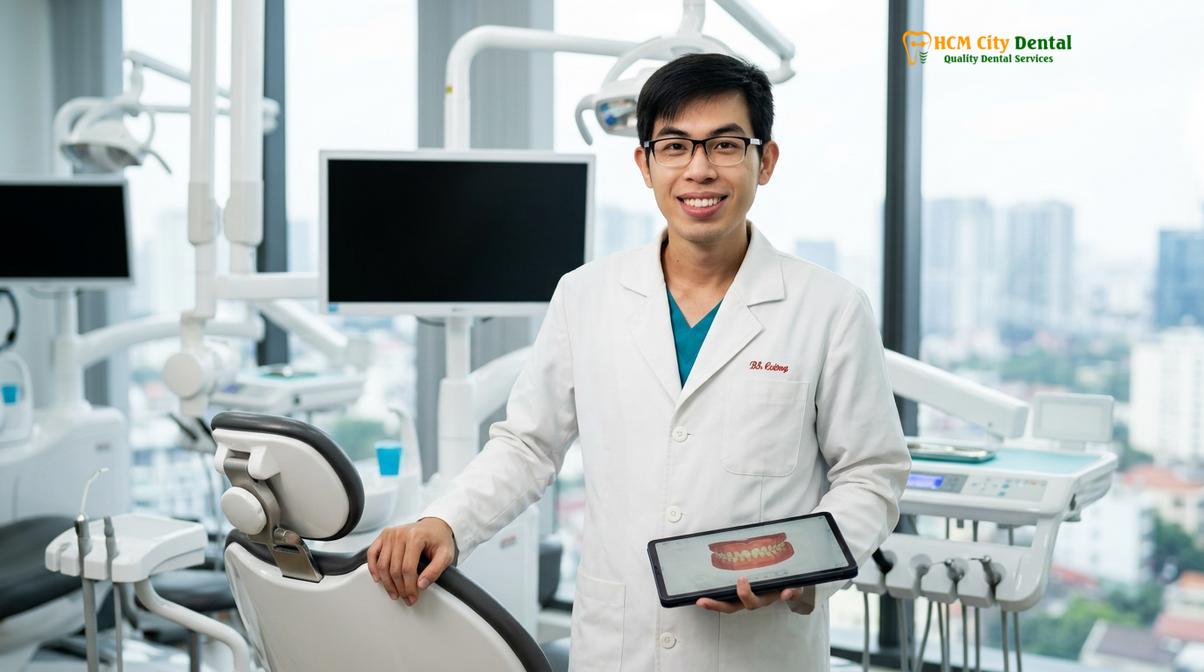
Dr. Nguyen Van Cuong strongly advises against any attempts to alter or remove orthodontic appliances outside of a clinical setting. With extensive experience managing complex orthodontic cases, Dr. Cuong emphasizes that safe debonding requires specialized rotary instruments to protect the underlying enamel structure. Patients experiencing appliance failures should immediately seek professional care rather than resorting to dangerous at-home methods.
For safe appliance removal and comprehensive orthodontics at HCMC Dental Clinic, schedule a consultation with our specialists. Do not risk your smile with DIY methods; visit HCMC Dental Clinic in Ho Chi Minh City for expert, evidence-based care.
References
- American Journal of Orthodontics and Dentofacial Orthopedics. Enamel damage during orthodontic debonding and adhesive removal. (2021).
- Journal of Clinical Orthodontics. Shear bond strength of orthodontic brackets and iatrogenic enamel fractures. (2020).
- European Journal of Orthodontics. Periodontal tissue response and relapse following premature appliance removal. (2019).
- International Journal of Dentistry. Evaluation of different adhesive remnant removal methods on enamel topography. (2022).
- Journal of the American Dental Association. The critical role of immediate retention protocols in orthodontic stability. (2018).
Frequently Asked Questions
Can I safely remove my braces at home with household tools?
No, it is never safe to remove braces at home. Using household tools like pliers or spoons applies uncontrolled force that can permanently fracture tooth enamel, lacerate gum tissue, and leave hardened adhesive on the teeth, requiring expensive professional repair.
What happens if I leave the orthodontic glue on my teeth?
Leaving orthodontic adhesive on your teeth creates a rough surface that rapidly accumulates plaque and bacteria. This significantly increases the risk of severe enamel decalcification, permanent white spot lesions, and dental caries, while also causing aesthetic discoloration.
Will my teeth shift if I take my braces off early?
Yes, teeth will shift almost immediately if braces are removed prematurely without a retainer. The periodontal ligament remains elastic and unstable after active movement, meaning orthodontic relapse can occur within days, undoing months or years of clinical progress.
Does professional braces removal hurt?
Professional braces removal is generally painless. Dentists use specialized debonding pliers designed to gently break the adhesive bond without pulling on the tooth root, followed by a high-speed polishing instrument that smoothly removes residual glue without causing discomfort.
How long does the professional debonding process take?
The professional debonding process typically takes about 45 to 60 minutes. This comprehensive appointment includes safely removing the brackets and wires, meticulously polishing away all adhesive remnants, evaluating gingival health, and taking digital impressions for your custom retainers.