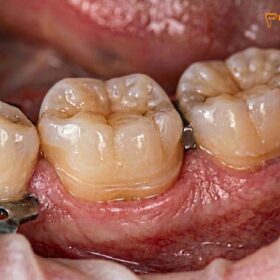
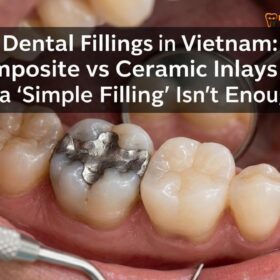
Experiencing sensitivity after inlay onlay placement is a normal clinical response typically lasting one to two weeks. This temporary discomfort occurs as the tooth’s nerve recovers from the removal of decay and adapts to the new ceramic restoration and the adhesive bonding process.
Clinical Summary:
Post-operative sensitivity following the placement of Inlays & Onlays is a well-documented physiological reaction. When a tooth is prepared to receive a conservative restoration, the underlying dentin is exposed, and the internal nerve tissue undergoes mild, reversible inflammation. Furthermore, the advanced resin-adhesive cementation protocols used to secure porcelain overlays or partial crowns can induce temporary stress on the tooth structure. While mild thermal sensitivity and tenderness upon chewing are expected during the initial healing phase, continuous throbbing pain or a sensation of a “high bite” warrants a prompt clinical review. Utilizing biocompatible materials, digital CAD/CAM milling, and precise intraoral scanning significantly mitigates these risks, ensuring a smooth transition back to optimal oral function.
Key Takeaways:
- Mild to moderate sensitivity to cold and pressure is a normal physiological response lasting 7 to 14 days.
- The primary causes include dentinal tubule fluid movement, nerve inflammation, and adhesive bonding stress.
- A premature occlusal contact (high bite) is a common cause of chewing pain and requires a simple adjustment.
- Advanced digital workflows, including iTero and Medit i700 scanners, help ensure precise margins and reduce post-op complications.
- Continuous throbbing pain or extreme sensitivity to heat may indicate a more severe nerve issue requiring clinical evaluation.
Why Teeth Feel Sensitive After Restoration Placement
Post-operative sensitivity primarily stems from dentinal tubule fluid movement, mild pulpal inflammation, and the chemical curing process of the resin cement used to secure the restoration.
To understand why a tooth may exhibit sensitivity after inlay onlay placement, it is essential to examine the microscopic anatomy of the tooth and the biomechanics of modern restorative dentistry. Unlike traditional amalgam fillings that are mechanically wedged into a cavity, modern ceramic inlays and onlays rely on micromechanical and chemical adhesion to bond seamlessly with the natural tooth structure[1]. This process, while highly effective for long-term stability, can temporarily irritate the underlying nerve.
The Role of Dentinal Tubules
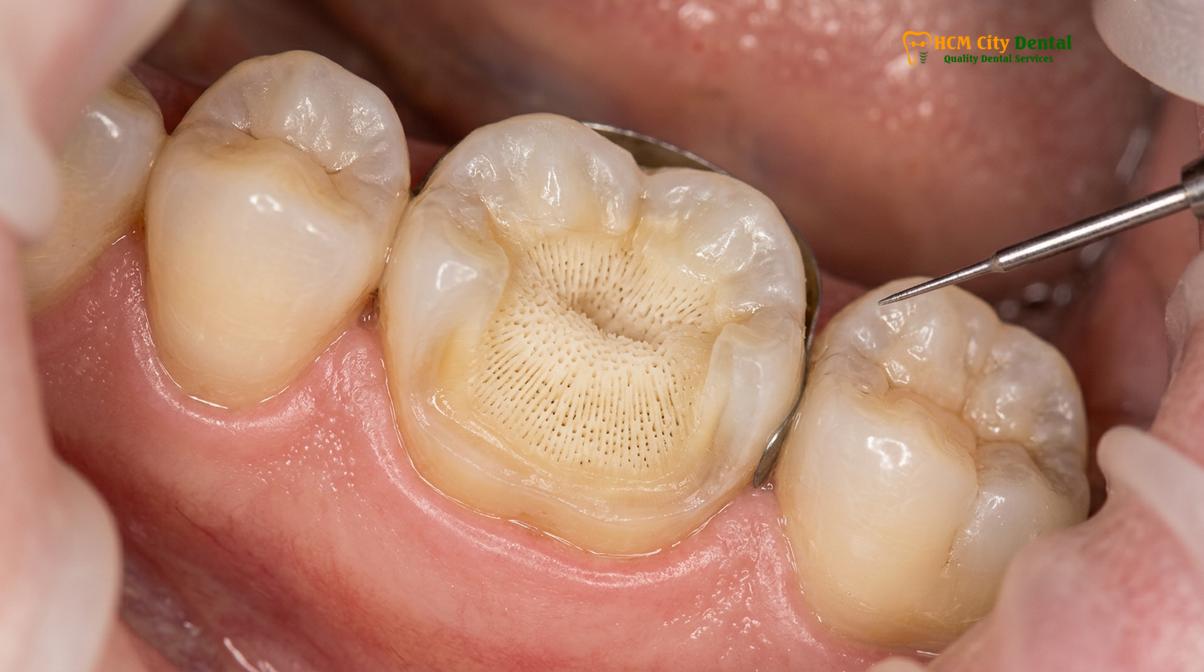
Beneath the hard, protective layer of enamel lies the dentin, a porous tissue composed of millions of microscopic channels known as dentinal tubules. These tubules radiate outward from the central pulp chamber (the nerve center of the tooth) to the enamel junction. When a tooth is prepared for a restoration—whether to remove active tooth decay or to facilitate a silver filling replacement—these tubules are inevitably exposed and severed.
According to the widely accepted hydrodynamic theory of tooth sensitivity, any stimulus applied to the exposed dentin—such as air, cold water, or tactile pressure—causes the fluid within these tubules to shift rapidly[2]. This fluid movement stimulates the mechanoreceptors in the pulp, translating the physical shift into a sharp sensation of pain. Until the adhesive bonding agents fully seal these tubules and the tooth produces a protective layer of secondary dentin, temporary discomfort is a natural consequence.
Adhesive Bonding Stress and Polymerization Shrinkage
The cementation of a ceramic onlay involves the use of advanced resin-based adhesives. During the curing process, typically initiated by a high-intensity blue curing light, the resin monomers link together to form a solid polymer network. This chemical reaction is accompanied by a phenomenon known as polymerization shrinkage.
As the resin cement shrinks, it exerts a microscopic pulling force on the hybrid layer—the interface where the adhesive interlocks with the dentin. This adhesive bonding stress can temporarily deform the dentin and agitate the underlying nerve, leading to what patients often describe as tooth pain after inlay cementation. The stress gradually dissipates over a few days to weeks as the tooth absorbs moisture from the oral environment, allowing the resin to undergo slight hygroscopic expansion, which relieves the internal tension.
Reversible Nerve Inflammation
The mechanical process of removing decayed tissue, even with copious water cooling and the utmost clinical care, generates friction and vibration. This minor trauma induces a state of localized hyperemia (increased blood flow) within the pulp chamber, clinically termed reversible pulpitis[3]. This nerve inflammation lowers the pain threshold of the tooth, making it hyper-responsive to normal stimuli. As the inflammation subsides and the pulp heals, the normal sensitivity ceramic onlay patients experience will gradually fade.
“Our preservation philosophy dictates that we save as much natural tooth structure as possible. While conservative restorations like inlays and onlays are vastly superior to aggressive full crowns in maintaining tooth vitality, the necessary bonding protocols can cause transient nerve excitement. This is a sign of a vital, responding tooth, not a failed procedure.” — Dr. Nguyen Van Cuong, HCMC Dental Clinic.
Normal Post-Operative Sensitivity: Timeline (1-2 Weeks)
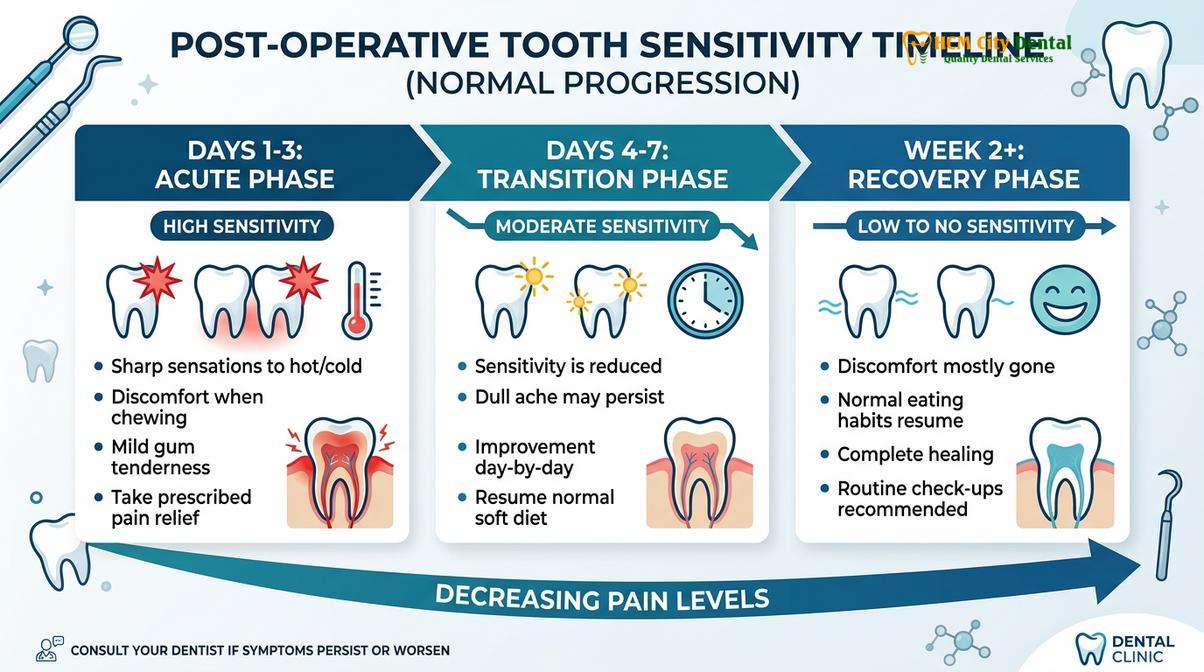
Mild thermal and pressure sensitivity is expected to peak within the first 48 hours and gradually subside over a 7 to 14-day period as the nerve recovers.
Setting realistic expectations regarding the recovery timeline is a crucial aspect of patient care. The duration and intensity of post-op sensitivity can vary significantly depending on the depth of the original cavity, the proximity of the restoration to the pulp chamber, and the individual patient’s pain tolerance. However, a general timeline can be established for most uncomplicated cases.
The First 48 Hours: The Acute Phase
Immediately following the dissipation of the local anesthetic, the treated tooth and the surrounding gingival tissues may feel tender. The injection site itself might be sore, and the jaw muscles may ache from remaining open during the procedure. During this acute phase, sensitivity to cold liquids and a dull ache when biting down are highly common. The nerve is at its peak state of inflammation, and the adhesive interface is still stabilizing.
Days 3 to 7: The Subsiding Phase
As the first week progresses, the sharp, immediate responses to temperature changes should begin to blunt. You may still notice the tooth when drinking ice water or eating hot soup, but the sensation should not linger for more than a few seconds after the stimulus is removed. The gingival tissues will have healed from any minor irritation caused by the isolation matrix bands used during the bonding protocol.
Week 2 and Beyond: The Resolution Phase
By the second week, the majority of the temporary discomfort should have resolved. The tooth is actively laying down reparative dentin—a biological insulation layer—between the pulp and the restoration. If you are a patient who suffers from bruxism (nighttime teeth grinding), the recovery might be slightly prolonged due to the continuous micro-trauma exerted on the teeth, which is why night grinding onlay protection is often recommended.
| Timeframe | Expected Symptoms | Clinical Status |
|---|---|---|
| Days 1-3 | Moderate sensitivity to cold/pressure; mild gingival soreness. | Peak reversible pulpitis; adhesive stress stabilization. |
| Days 4-7 | Decreasing thermal sensitivity; comfortable at rest. | Subsiding inflammation; initial reparative dentin formation. |
| Week 2+ | Minimal to no sensitivity; normal chewing function restored. | Pulp recovery complete; stable integration of the restoration. |
Sensitivity to Cold, Hot, and Chewing Forces Explained
Thermal sensitivity results from temperature transfer through the tooth, while sharp chewing pain often indicates the need for a minor high bite adjustment.
Patients often report different types of sensations following the placement of a partial crown or onlay. Differentiating between these sensations is vital for understanding the underlying cause and determining whether clinical intervention is necessary.
Cold Sensitivity: The Most Common Reaction
Sensitivity to cold is the most frequently reported symptom. Ceramic materials, while less conductive than metal amalgam, can still transmit thermal changes to the underlying dentin. When cold fluid contacts the tooth, it causes the fluid within the dentinal tubules to contract and flow outward, triggering the A-delta nerve fibers. These fibers are responsible for sharp, well-localized, and fleeting pain. As long as the pain disappears within seconds of swallowing the cold liquid, it is considered a normal, reversible reaction.
Heat Sensitivity: A Warning Sign
Sensitivity to heat is generally less common and warrants closer monitoring. While mild heat sensitivity can occur during the initial inflammatory phase, a severe, lingering, or throbbing pain in response to hot coffee or tea may indicate that the nerve inflammation is transitioning from reversible to irreversible pulpitis. Heat causes the gases and fluids within an inflamed pulp to expand, increasing intrapulpal pressure and stimulating the C-nerve fibers, which produce a dull, radiating ache.
Chewing Pain and High Bite Adjustment
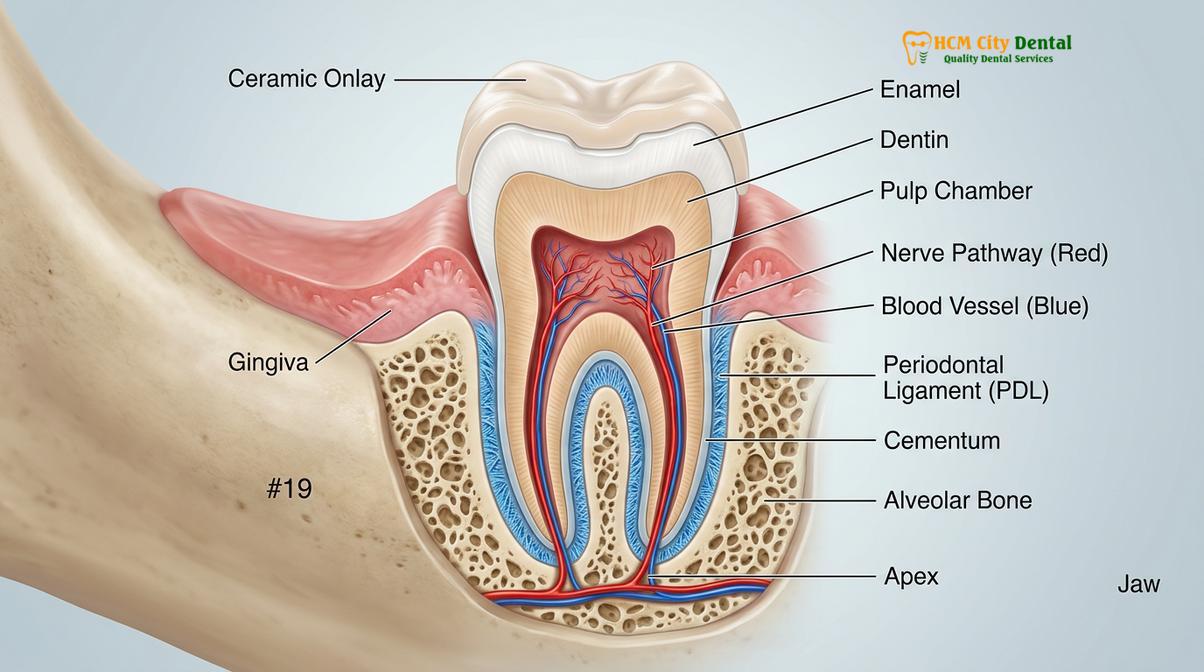
If you experience a sharp jolt of pain specifically when you bite down or grind your teeth side-to-side, the most likely culprit is a premature occlusal contact, commonly referred to as a “high bite.” The human periodontal ligament (PDL)—the membrane that anchors the tooth to the bone—is exquisitely sensitive and can detect discrepancies as small as 10 to 20 microns.
If the new ceramic onlay is even fractionally taller than the surrounding natural teeth, it will absorb an excessive amount of the biting force. This hyperocclusion traumatizes the PDL and drives the tooth deeper into the socket, causing severe inflammation. This issue will not resolve on its own and requires a quick, painless high bite adjustment by your dentist using articulating paper and specialized polishing burs to harmonize the bite alignment.
Throbbing Pain vs. Mild Sensitivity: When to Contact Us
While mild, fleeting sensitivity to cold is normal, continuous throbbing pain or sharp pain upon biting requires clinical evaluation to rule out nerve complications.
Distinguishing between normal healing and a potential complication is critical for preserving the vitality of the tooth. At HCMC Dental Clinic, we prioritize patient education so you can confidently monitor your recovery.
Signs of Normal Healing (Reversible Pulpitis)
- Sharp, brief pain when consuming cold foods or beverages.
- Pain that dissipates within 10 to 15 seconds after the stimulus is removed.
- Mild tenderness in the gums surrounding the treated tooth.
- Discomfort that progressively lessens day by day.
Signs of Potential Complications (Irreversible Pulpitis or Occlusal Trauma)
- Spontaneous Pain: Pain that occurs without any trigger (e.g., waking you up at night).
- Lingering Pain: Discomfort from hot or cold that lasts for minutes or hours.
- Throbbing Pain: A continuous, pulsating ache that radiates to the jaw or ear.
- Extreme Chewing Pain: Inability to apply any pressure to the tooth without a sharp, electric-like shock.
Clinical Case Review: Managing Post-Op Discomfort
A 42-year-old patient visited HCMC Dental Clinic in Ho Chi Minh City reporting severe throbbing pain under a new onlay placed at a different facility two weeks prior. Clinical examination and digital radiography revealed no signs of secondary decay detection or marginal leakage. However, occlusal analysis using a Medit i700 scanner demonstrated a severe premature contact on the mesio-lingual cusp. The continuous hyperocclusion had induced acute apical periodontitis. Following a precise 5-minute occlusal adjustment to relieve the traumatic contact, the patient reported complete resolution of symptoms within 48 hours, avoiding the need for endodontic therapy.
If you experience throbbing pain under new onlay restorations, it is imperative not to ignore it. Prolonged occlusal trauma can lead to irreversible nerve damage, potentially necessitating a root canal treatment.
How We Minimize Sensitivity (Biocompatible Bonding)
Advanced enamel bonding protocols and precise CAD/CAM milling ensure a perfect margin seal, significantly reducing the risk of post-operative nerve irritation.
The clinical techniques and materials utilized during the preparation and cementation phases play a monumental role in the post-operative comfort of the patient. At HCMC Dental Clinic, we employ a meticulous, evidence-based workflow designed to minimize trauma and maximize the longevity of conservative restorations.
Digital Precision: iTero and Medit i700 Intraoral Scanners
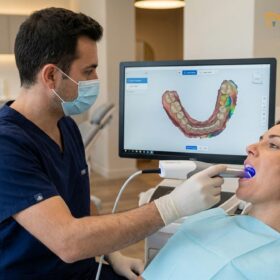
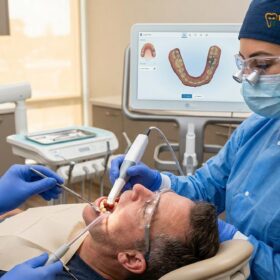
The foundation of a well-fitting restoration begins with an accurate impression. We utilize state-of-the-art iTero and Medit i700 intraoral scanners to capture highly detailed 3D topographical maps of the prepared tooth. This digital scanning technology eliminates the need for uncomfortable, gag-inducing silicone impression materials. More importantly, it provides our Direct Lab Partnership with micron-level data, ensuring that the CAD/CAM milling process produces a restoration with an impeccable marginal fit. A precise margin sealing prevents bacterial microleakage and reduces the exposed dentin surface area, directly correlating to lower sensitivity rates[4].
Immediate Dentin Sealing (IDS) and Enamel Bonding Protocols
To combat the hydrodynamic fluid movement within the dentinal tubules, we employ a technique known as Immediate Dentin Sealing (IDS). Immediately after the cavity outline form is finalized and the decay is removed, a layer of dentin bonding agent is applied and cured before the digital scan is even taken. This seals the freshly cut dentin, protecting the pulp from bacterial ingress and thermal shocks during the provisional (temporary) phase.
During the final cementation, rigorous enamel bonding protocols are followed. The tooth is isolated to prevent moisture contamination, and a dual-cure resin-adhesive cementation system is utilized. By carefully managing the curing light intensity and direction, we can control the vectors of polymerization shrinkage, directing the stress away from the fragile hybrid layer and minimizing post-operative tension.
Material Selection and Biocompatibility
The choice of restorative material significantly impacts thermal conductivity and biocompatibility. We exclusively utilize premium, 100% metal-free ceramics:
- Ivoclar IPS e.max (Lithium Disilicate): Renowned for its exceptional aesthetics and biomimetic properties, e.max closely mimics the thermal expansion coefficient of natural enamel, reducing thermal shock transmission.
- Dentsply Sirona Cercon HT (Zirconia): Utilized for posterior teeth subjected to heavy masticatory forces, monolithic zirconia offers unparalleled flexural strength while remaining highly biocompatible and gentle on the opposing dentition.
“The integration of Immediate Dentin Sealing with high-strength lithium disilicate ceramics has revolutionized our approach to restorative dentistry. By sealing the tubules at the time of preparation, we drastically reduce the incidence of post-operative sensitivity and enhance the ultimate bond strength of the final restoration.” — Dr. Nguyen Van Cuong.
Investment in Precision: Transparent Pricing Structure
We believe that access to world-class, conservative dentistry should be transparent and accessible. Our pricing structure for premium CAD/CAM restorations reflects our commitment to quality and patient care. For international and out-of-town patients, we offer a streamlined booking process with significant advantages:
- Inlay / Onlay (Lab-made ceramic): Walk-in rate is approximately $385 (10.0M VND). However, utilizing our WhatsApp pre-booking discount, the investment is From $231 (6.0M VND) (-40%).
- Overlay / Partial Crown: Walk-in rate is approximately $446 (11.6M VND). With the WhatsApp pre-booking discount, the investment is From $269 (7.0M VND) (-40%).
Every restoration comes with the peace of mind of a global warranty and remote WhatsApp checkup support, ensuring that even if you return home, our clinical team remains accessible for follow-up care.
Home Care Instructions for the First 48 Hours
Adhering to a soft diet, avoiding extreme temperatures, and maintaining gentle oral hygiene are crucial steps to support nerve recovery during the initial healing phase.
Your actions during the first few days following the placement of an onlay vs crown can significantly influence your comfort levels. Implementing a careful home care routine will help mitigate inflammation and protect the newly bonded restoration.
Dietary Modifications
Until the local anesthesia has completely worn off, refrain from chewing any solid foods to prevent accidental laceration of your lips, cheeks, or tongue. Once sensation returns, adopt a soft food diet for the first 48 to 72 hours. Excellent options include yogurt, scrambled eggs, mashed potatoes, and smoothies. Strictly avoid hard, crunchy, or sticky foods (such as nuts, ice, hard candies, and chewing gum), as these can exert undue stress on the curing resin cement and exacerbate periodontal ligament inflammation.
Temperature Control
Given that thermal sensitivity is the most common post-operative symptom, it is advisable to consume foods and beverages at room temperature. Avoid extreme temperature fluctuations, such as drinking hot coffee immediately followed by ice water, as this rapid expansion and contraction can trigger sharp pulpal pain.
Important Clinical Consideration:
Do not cease your oral hygiene routine due to mild discomfort. Plaque accumulation around the margins of a new restoration can lead to gingival inflammation and increase the risk of secondary decay. Brush gently using a soft-bristled toothbrush and a desensitizing toothpaste containing potassium nitrate. When flossing around the new inlay or onlay, pull the floss through horizontally rather than snapping it upward to avoid dislodging the restoration during the initial curing phase.
When to See a Doctor
While the majority of post-operative sensitivity cases resolve independently with proper home care and time, certain clinical signs dictate the need for professional intervention. You should contact your dental provider for a comprehensive evaluation if you experience any of the following:
- Persistent High Bite: If you feel that you are striking the new restoration before your other teeth when you close your jaw, do not wait for it to “wear down.” This requires an immediate occlusal adjustment to prevent a cracked tooth or irreversible nerve damage.
- Unrelenting Pain: Discomfort that is not alleviated by over-the-counter NSAIDs (like Ibuprofen) or pain that wakes you up from sleep.
- Swelling or Fistula: The development of localized swelling in the gums, facial asymmetry, or a pimple-like bump (fistula) on the gums near the treated tooth indicates an active infection or pulpal necrosis[5].
- Prolonged Symptoms: Sensitivity that shows no signs of improvement after 14 days, or symptoms that progressively worsen rather than improve.
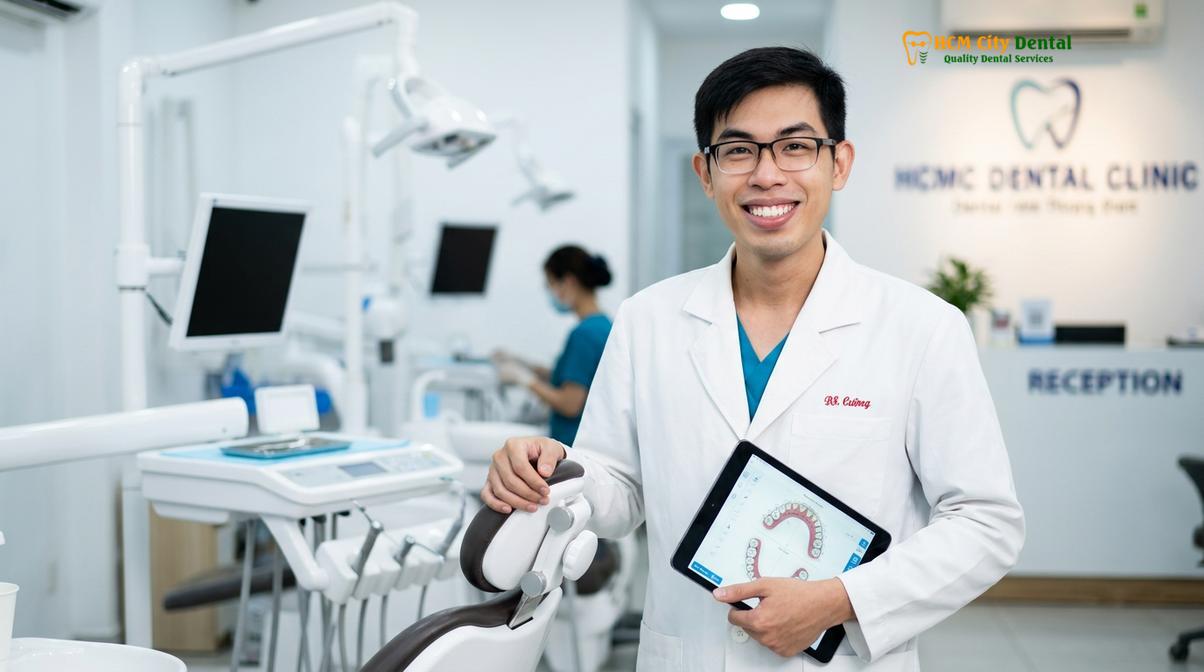
At HCMC Dental Clinic in Ho Chi Minh City, our clinical team is dedicated to ensuring your restorative journey is as comfortable and successful as possible. If you have concerns about your recovery, our remote WhatsApp support allows for rapid triage and guidance, ensuring you receive the appropriate care exactly when you need it.
Frequently Asked Questions
Is it normal for a tooth to hurt after getting an inlay?
Yes, mild to moderate sensitivity is a normal physiological response after getting an inlay. The tooth’s nerve undergoes temporary inflammation due to the removal of decayed tissue and the chemical bonding process. This reversible pulpitis typically resolves on its own within one to two weeks as the tooth heals and lays down protective secondary dentin.
How long does sensitivity last after onlay cementation?
Post-operative sensitivity generally lasts between 7 to 14 days after onlay cementation. During the first 48 hours, you may experience the peak of thermal and pressure sensitivity. If the discomfort progressively worsens, changes to a throbbing ache, or persists beyond two weeks, a clinical evaluation is recommended to check for bite alignment issues or nerve complications.
What should I do if my bite feels high?
If your bite feels high or uneven, you should contact your dentist immediately for a minor occlusal adjustment. A premature contact of even a few microns can cause severe chewing pain and periodontal ligament inflammation. Do not wait for the ceramic to wear down naturally, as this excessive force can damage the restoration or traumatize the underlying nerve.
Can I take painkillers for post-op discomfort?
Yes, over-the-counter non-steroidal anti-inflammatory drugs (NSAIDs) like Ibuprofen are highly effective for managing post-op discomfort. They help reduce pulpal inflammation and alleviate mild pain associated with the procedure. Always follow the package dosage instructions and consult your dentist if the pain is severe enough to require continuous medication for more than a few days.
Will I need a root canal if the sensitivity doesn’t go away?
Not necessarily, but prolonged sensitivity requires a thorough diagnostic evaluation. While most cases resolve with time or a simple bite adjustment, continuous throbbing pain, spontaneous aching, or extreme sensitivity to heat may indicate irreversible pulpitis. In such rare instances, endodontic therapy (a root canal) might be necessary to resolve the underlying nerve pathology and save the tooth.
References
- Journal of Prosthetic Dentistry. Postoperative sensitivity associated with posterior composite and ceramic restorations. (2021).
- International Journal of Prosthodontics. Hydrodynamic theory and dentinal hypersensitivity mechanisms. (2020).
- Journal of Adhesive Dentistry. Immediate dentin sealing and its effect on postoperative sensitivity. (2019).
- American Dental Association. Clinical guidelines for conservative indirect restorations. (2022).
- Journal of Endodontics. Pulpal response to restorative procedures and materials. (2018).