The bone grafting recovery timeline for a dental implant spans from initial soft tissue healing in 7 to 14 days to complete structural bone integration over 4 to 6 months. This biological process ensures the jawbone achieves optimal density to securely anchor your future dental implant.
Clinical Summary:
Dental bone grafting is a critical preparatory procedure for patients lacking sufficient alveolar ridge volume to support an implant. The recovery is a multi-phased biological event. The acute phase involves managing localized inflammation and protecting the blood clot during the first 72 hours. Soft tissue closure typically occurs within two weeks. However, the true success of the procedure relies on undisturbed cellular remodeling—osteogenesis—which requires 4 to 6 months. During this period, the graft material acts as a scaffold, allowing native bone cells to infiltrate and mineralize the area. Strict adherence to post-operative protocols, including a soft diet and the avoidance of negative oral pressure, is essential to prevent graft failure and ensure a stable foundation for eventual implant placement.
Key Takeaways:
- Soft tissue (gums) typically heals and closes over the graft site within 1 to 2 weeks.
- Complete bone maturation and integration require a waiting period of 4 to 6 months.
- Patients must avoid chewing directly on the surgical site for at least 4 weeks to prevent graft displacement.
- Flying is generally considered safe 48 to 72 hours post-surgery, provided there are no active bleeding complications.
- Long-term success heavily depends on strict oral hygiene and the complete avoidance of tobacco products during recovery.
What is Bone Grafting and Why is it Needed for Implants?
Bone grafting is a surgical procedure that replaces missing jawbone volume, creating a stable, dense foundation necessary to support a dental implant and prevent future bone resorption.
When a natural tooth is extracted or lost due to trauma or periodontal disease, the jawbone that once supported it begins to atrophy. This process, known as bone resorption, occurs because the bone no longer receives the mechanical stimulation provided by chewing forces. Within the first year of tooth loss, a patient can lose up to 25% of their bone volume in that specific area. If left untreated, the bone becomes too thin or shallow to securely hold a titanium root.
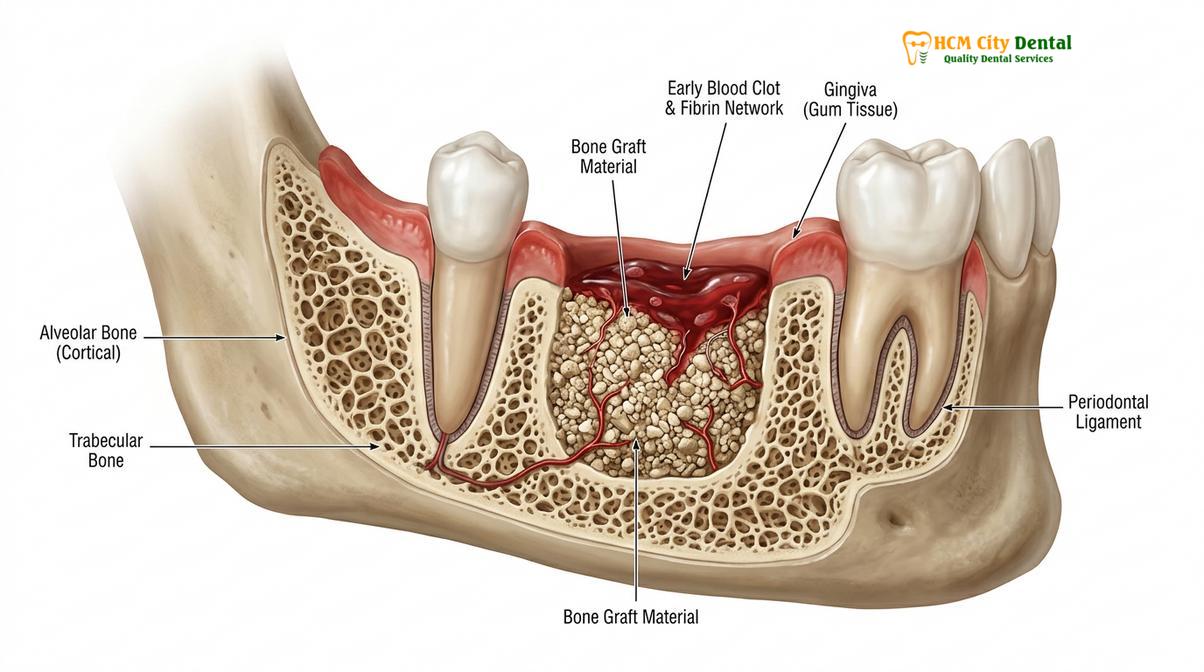
To counteract this, oral surgeons perform a procedure known as alveolar ridge preservation or bone grafting. By placing a bone-like material into the void, the surgeon provides a physical scaffold that maintains the volume of the ridge. This scaffold prevents the surrounding soft tissues from collapsing into the socket and provides a framework for your body’s natural bone-building cells to populate and generate new bone[1].
Types of Bone Graft Materials
The choice of graft material depends on the size of the defect, the location in the mouth, and the patient’s specific medical profile. Modern dentistry utilizes several highly effective materials to achieve optimal regeneration.
| Graft Type | Source Material | Clinical Characteristics | Typical Healing Time |
|---|---|---|---|
| Autograft | The patient’s own bone (often from the jaw or chin). | Contains living cells; highly predictable integration; requires a second surgical site. | 3 to 5 months |
| Allograft | Human donor bone from a certified tissue bank. | Sterilized and processed; excellent scaffold; avoids a second surgical site. | 4 to 6 months |
| Xenograft | Animal source (typically bovine/cow or porcine/pig). | Highly sterilized mineral matrix; maintains volume exceptionally well over time. | 4 to 6 months |
| Alloplast | Synthetic materials (calcium phosphate, bioactive glass). | Zero risk of disease transmission; acts purely as a scaffold; varying resorption rates. | 5 to 7 months |
At HCMC Dental Clinic, our specialists carefully evaluate your 3D CBCT scans to determine the most appropriate grafting material. For international patients seeking dental implants on holiday in Vietnam, we often utilize premium allografts or xenografts to minimize surgical trauma and expedite the initial soft tissue recovery, allowing you to enjoy your vacation with minimal discomfort.
“The primary goal of any bone graft is not just to fill a hole, but to trick the body into recognizing the graft as a bridge. Once the body accepts this bridge, it sends blood vessels and bone cells across it, turning a synthetic material into living, breathing human bone.”
The Biology of Bone Regeneration (Osteogenesis)
Bone regeneration relies on osteogenesis, osteoinduction, and osteoconduction, where the graft material acts as a scaffold for your body’s natural bone cells to build new, dense jawbone.
Understanding the bone grafting recovery timeline for a dental implant requires a brief look at the microscopic cellular events occurring beneath your gums. Bone healing is not a passive event; it is a highly active, metabolically demanding process that occurs in distinct, overlapping biological phases.
The Three Pillars of Bone Healing
For a graft to successfully integrate and eventually support a titanium implant, three biological mechanisms must occur[2]:
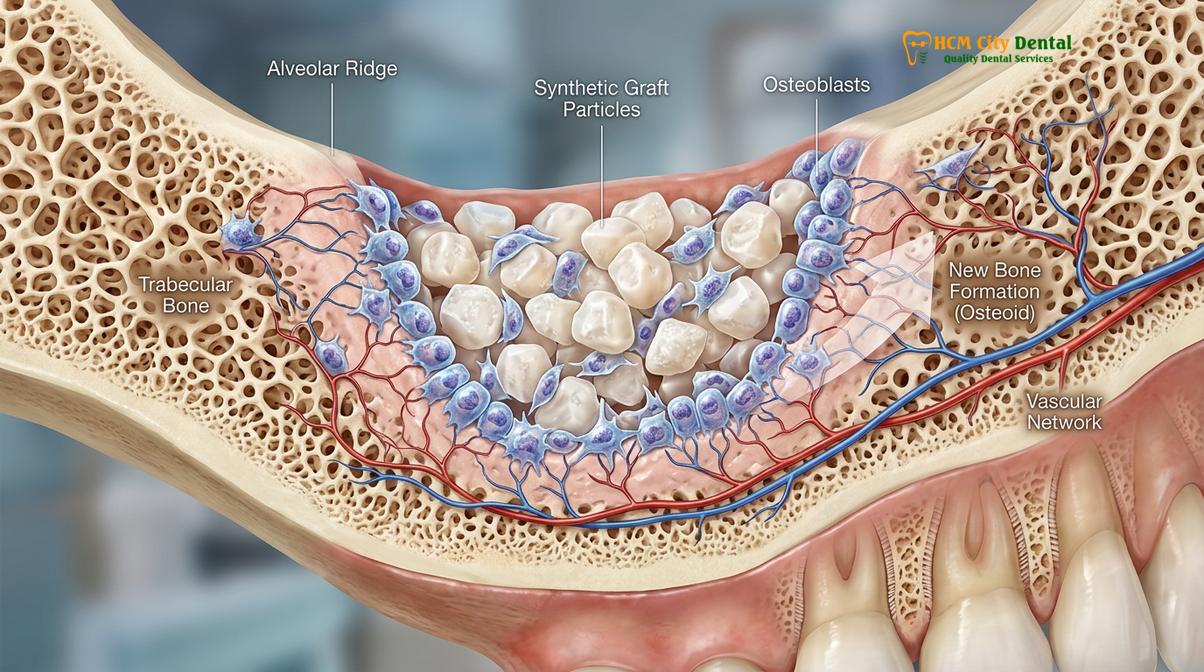
- Osteoconduction: This is the physical property of the graft material acting as a scaffold. The granules of the graft provide a porous matrix that allows blood vessels and bone-forming cells to crawl into the defect space.
- Osteoinduction: This involves chemical signals (growth factors) that stimulate immature stem cells in the surrounding tissue to differentiate into active bone-forming cells (osteoblasts).
- Osteogenesis: This is the actual synthesis of new living bone by the osteoblasts. If an autograft (your own bone) is used, living cells are transferred directly to the site to begin this process immediately.
The Cellular Phases of Recovery
Immediately after the surgeon places the graft and sutures the gums, the body initiates the inflammatory phase. A blood clot forms within the graft matrix. This clot is crucial; it is rich in platelets and growth factors that signal the start of healing. Over the next few weeks, a process called angiogenesis occurs, where new microscopic blood vessels sprout from the native bone and penetrate the graft. Without this blood supply, the graft would fail.
Once vascularization is established, osteoclasts (cells that break down bone) begin to clear away damaged tissue and slowly resorb the graft material. Simultaneously, osteoblasts (cells that build bone) lay down new, uncalcified bone matrix called osteoid. Over the ensuing months, calcium and phosphate from your bloodstream are deposited into this osteoid, hardening it into mature, load-bearing bone capable of supporting an implant.
Healing Milestones: The First 72 Hours, 2 Weeks, and 4 Months
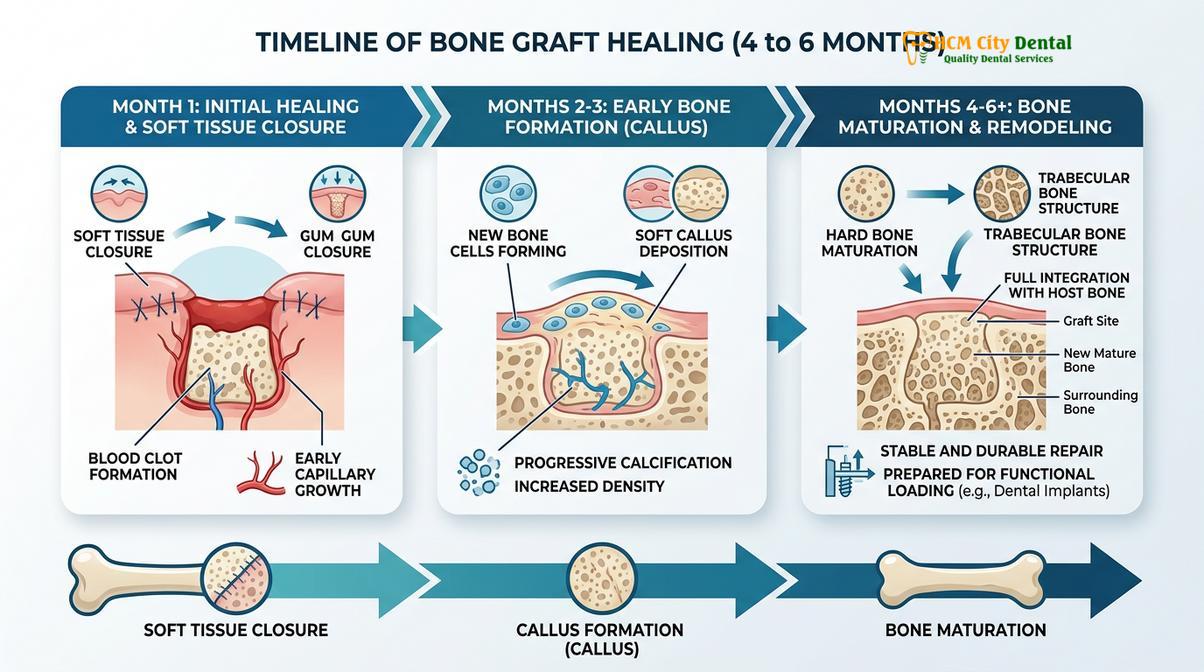
The healing timeline progresses from acute inflammation and clot formation in the first 72 hours to soft tissue closure at two weeks, culminating in solid bone maturation by four to six months.
Patients often wonder what they will physically experience during the bone grafting recovery timeline for a dental implant. While the cellular remodeling takes months, the noticeable physical recovery is relatively swift. Here is a detailed breakdown of the clinical milestones.
Days 1 to 3: The Acute Inflammatory Phase
The first 72 hours are characterized by the body’s natural inflammatory response. You can expect mild to moderate swelling, which typically peaks on the second or third day. Bruising along the jawline or cheek is also common, particularly if a larger graft or a sinus lift was performed. The surgical site will be tender, and minor oozing of blood is normal for the first 24 hours.
During this phase, the primary objective is to protect the blood clot. Patients must avoid vigorous rinsing, spitting, or using straws, as the negative pressure can dislodge the clot and disrupt the foundational stage of healing.
Days 4 to 14: Soft Tissue Closure
By the end of the first week, swelling and bruising will significantly subside. The gum tissue (gingiva) begins to proliferate and migrate over the surgical site, working to seal the graft away from the oral environment. If non-dissolvable sutures were used, your dentist will typically remove them between days 7 and 14.
For patients undergoing more complex procedures, the sinus lift recovery timeline follows a similar soft-tissue trajectory, though patients must take extra precautions, such as avoiding blowing their nose forcefully or suppressing sneezes, to protect the delicate sinus membrane.
Weeks 3 to 8: Early Vascularization and Integration
During this period, you will likely feel completely normal. There should be no pain, swelling, or visible signs of surgery. However, beneath the surface, angiogenesis is in full swing. The graft is being woven into your body’s vascular network. The soft tissue is fully closed and maturing. While you may feel healed, the bone is still extremely soft and cannot yet withstand heavy chewing forces.
Months 3 to 6: Bone Maturation and Consolidation
This is the quietest but most critical phase. The newly formed osteoid is actively calcifying. The graft material is slowly being replaced by your own dense, native bone. The exact duration of this phase depends on the size of the graft, your metabolic health, and the specific location in the jaw (the upper jaw generally takes longer to heal than the lower jaw due to differences in bone density).
Patient Case Study: International Dental Tourism
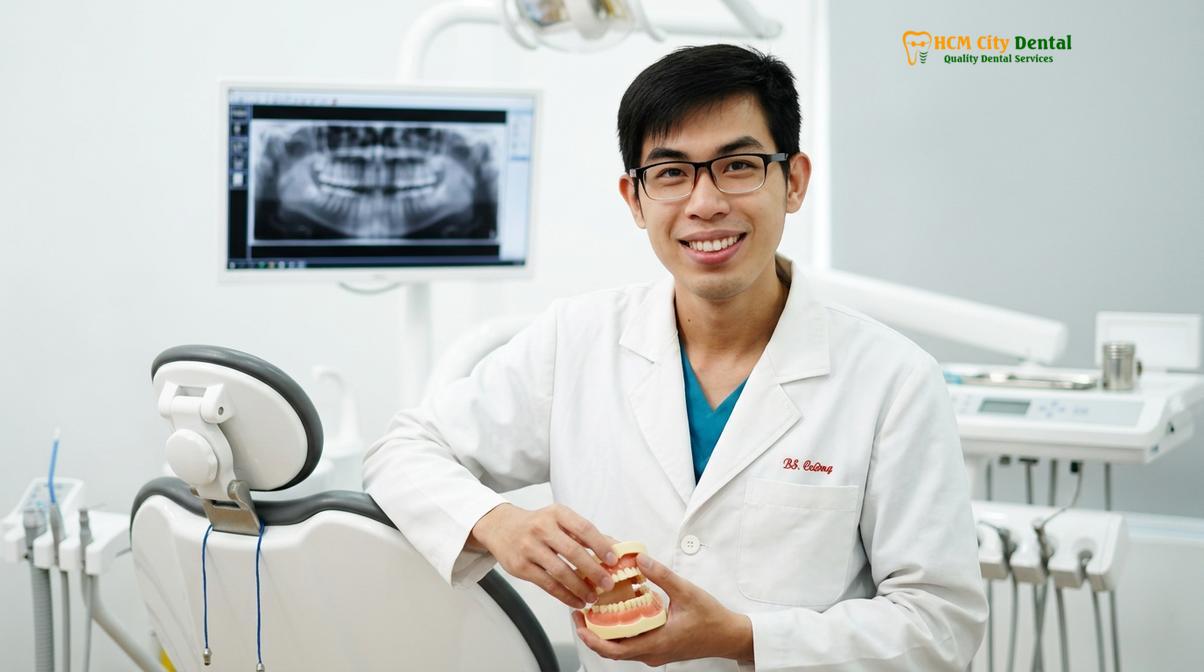
David, a 55-year-old patient from Australia, traveled to Ho Chi Minh City for a full arch restoration. Due to severe bone loss, Dr. Nguyen Van Cuong performed bilateral ridge preservation grafts. David stayed in Saigon for 10 days to ensure the soft tissue healed perfectly and sutures were removed. He then returned to Australia for 5 months. During this time, the bone graft healing saigon protocol ensured his jaw achieved optimal density. Upon his return to HCMC Dental Clinic, CBCT scans confirmed perfect integration, allowing for the seamless placement of his dental implants.
Post-Op Care to Ensure Graft Material Stability
Protecting the graft requires a strict soft diet, meticulous oral hygiene without disturbing the surgical site, and avoiding negative pressure actions like smoking or using straws.
The success of your bone graft is heavily dependent on your compliance with post-operative instructions. A graft is essentially a collection of microscopic particles packed into a defect; if disturbed before the body can stabilize it, the particles can migrate, leading to a loss of volume and potential failure of the procedure.
Dietary Restrictions and Modifications
Nutrition plays a vital role in healing, but the mechanics of eating must be carefully managed. For the first 7 to 10 days, adhere strictly to a soft food diet. Opt for nutrient-dense foods that require no chewing, such as:
- Protein-rich smoothies (consumed from a glass, never a straw)
- Mashed potatoes, sweet potatoes, and pureed vegetables
- Scrambled eggs and soft tofu
- Lukewarm broths and blended soups
Avoid hot liquids for the first 48 hours, as heat can increase blood flow and promote bleeding. Furthermore, strictly avoid crunchy, hard, or sharp foods (like chips, nuts, or crusty bread) for at least 4 to 6 weeks, as these can physically traumatize the healing gums and displace the graft material beneath.
Oral Hygiene Protocols
Maintaining a sterile environment is critical to prevent infection, which is the leading cause of graft failure. However, you must balance cleanliness with gentleness[3].
- First 24 Hours: Do not brush, floss, or rinse. Allow the clot to stabilize.
- Days 2 to 7: Brush your other teeth normally, but completely avoid the surgical site. Use a prescribed antimicrobial mouthwash (such as Chlorhexidine) by gently rolling the liquid around your mouth and letting it fall into the sink—do not spit forcefully.
- Week 2 Onward: You may begin gently brushing the adjacent teeth with an ultra-soft surgical toothbrush, but continue to avoid direct contact with the healing gums over the graft.
Critical Warning: Smoking and Negative Pressure
Smoking is the absolute greatest risk factor for bone graft failure. Nicotine constricts blood vessels, severely limiting the oxygen and nutrients required for bone regeneration. Furthermore, the physical act of inhaling a cigarette, vaping, or using a drinking straw creates negative pressure in the oral cavity, which can dislodge the blood clot and lead to a painful condition known as dry socket. Patients must cease all tobacco use for at least 4 weeks post-surgery.
Travel Logistics and Flight Safety
For international patients planning their dental trip to Vietnam, travel logistics are a major consideration. Regarding dental bone graft flight safety, it is generally safe to fly 48 to 72 hours after the procedure. Cabin pressure changes do not typically affect a standard ridge preservation graft. However, if you have undergone a sinus lift, your surgeon may advise waiting 7 to 10 days before flying, as pressure changes can stress the delicate sinus membrane.
At HCMC Dental Clinic, we assist our international patients with comprehensive logistics. We offer direct clinical consultations with Dr. Cuong via WhatsApp to plan your timeline. We also provide hotel recommendations in District 1 and arrange airport pickups to ensure your recovery environment is stress-free. To accommodate global travelers, we accept multiple payment options, including Visa/Mastercard, international bank transfers, cash (USD/VND), PayPal, e-wallets, and major cryptocurrencies (Crypto).
When is it Safe to Place the Implant Post-Bone Graft?
Implant placement is safe once radiographic imaging confirms the graft has fully mineralized and integrated with the native jawbone, typically between four and six months post-surgery.
The ultimate goal of the bone grafting recovery timeline is to reach the point of implant placement. Timing this next surgical step is a delicate balance. Place the implant too early, and the soft, immature bone will fail to hold the titanium root, leading to implant failure. Wait too long, and the newly formed bone, lacking the stimulation of a tooth root, may begin to resorb again.
The Role of Radiographic Diagnostics
Your dentist will not guess when your bone is ready. The decision is entirely driven by clinical diagnostics. Before scheduling the implant surgery, you will undergo an implant bone density check using a Cone Beam Computed Tomography (CBCT) scanner. This advanced 3D imaging allows the surgeon to measure the exact height, width, and density of the newly regenerated bone[4].
Bone density is measured in Hounsfield Units (HU). The surgeon looks for a specific density threshold that guarantees primary stability—the mechanical friction required to hold the implant firmly in place the moment it is inserted. If the CBCT scan reveals that the graft is still too porous, the surgeon will delay the implant placement for an additional 4 to 8 weeks.
“Patience is the most valuable instrument in implant dentistry. We rely on advanced 3D imaging to tell us exactly when the bone has achieved the structural integrity needed. Rushing the biology only compromises the lifetime success of the implant.” — Dr. Nguyen Van Cuong
Simultaneous vs. Delayed Placement
In some specific clinical scenarios, a bone graft and a dental implant can be placed on the same day. This is known as simultaneous placement. It is typically reserved for cases where the patient has a minor bone defect but still possesses enough native bone to achieve primary stability for the implant. The graft is packed around the exposed threads of the implant to fill the minor voids.
However, for moderate to severe bone loss, delayed placement is the gold standard. The graft is placed, the site is allowed to heal for 4 to 6 months, and the implant is placed in a secondary surgery. This staged approach is highly predictable and ensures the highest long-term success rates[5].
For patients utilizing our dental tourism services in Vietnam, this staged approach means planning two separate trips to Ho Chi Minh City. During your first visit, the extraction and grafting are performed. You then return home to heal. Four to six months later, you return for the implant placement. To support our international patients, HCMC Dental Clinic currently offers a 40% online booking discount for comprehensive implant treatment plans, making world-class care highly accessible.
When to See a Doctor (Important Clinical Considerations)
While bone grafting is a routine and highly successful procedure, it is a surgical intervention, and complications, though rare, can occur. It is vital to distinguish between normal post-operative healing symptoms and signs of potential failure or infection.
You should contact your dental provider immediately if you experience any of the following symptoms during your recovery:
- Progressive Pain: Discomfort should peak around day 3 and steadily decline. If you experience severe, throbbing pain that worsens after the first week and is unresponsive to prescribed analgesics, it may indicate an infection.
- Persistent Swelling or Fever: Swelling that increases after day 4, accompanied by a systemic fever or chills, is a strong indicator of a bacterial infection requiring immediate antibiotic intervention.
- Purulent Discharge: The presence of pus or a persistent foul taste and odor in the mouth is a definitive sign of infection at the graft site.
- Excessive Graft Loss: It is normal to find a few tiny, sand-like granules in your mouth during the first few days as loose surface particles wash away. However, if you notice large amounts of the graft material dislodging, or if the surgical site opens up (incision line breakdown), you must be evaluated by your surgeon.
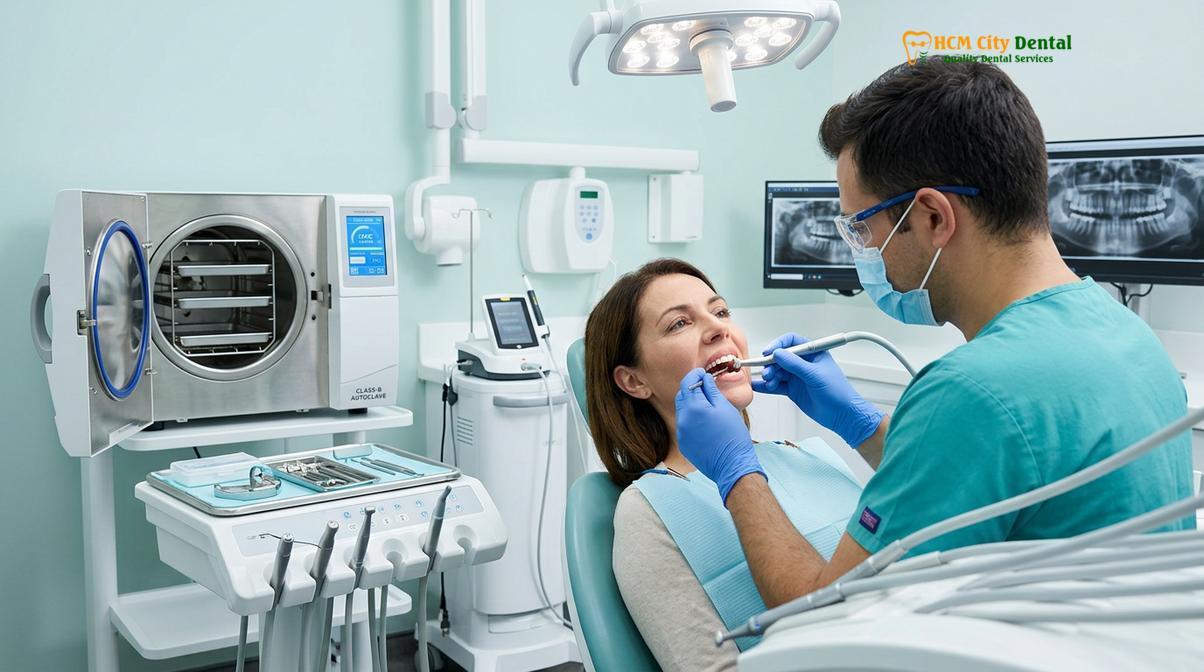
If you are an international patient recovering in your home country, we recommend contacting our clinic via WhatsApp for an immediate remote consultation. We can guide you on whether you need to seek urgent care from a local provider. For those still in the city, knowing how to find a trustworthy dentist in Ho Chi Minh City ensures you have access to emergency follow-up care. At HCMC Dental Clinic, patient safety is paramount, which is why we strictly adhere to European standards of infection control, utilizing a Class-B autoclave sterilization protocol for all surgical instruments.
Frequently Asked Questions
Does bone grafting extend my stay in Vietnam?
Yes, a bone graft typically requires an additional 3 to 5 days in Vietnam to monitor initial soft tissue healing and ensure no early complications arise before you travel. This allows your surgeon to conduct a post-operative check, remove any necessary sutures, and confirm the blood clot is stable before you board a long-haul flight.
How long after a bone graft can I safely fly back home?
You can safely fly 48 to 72 hours after a standard bone graft procedure, provided bleeding has stopped and you follow your dentist’s guidelines regarding cabin pressure and medication. However, if you have undergone a sinus lift, you may be advised to wait 7 to 10 days to prevent pressure-induced trauma to the sinus membrane.
What are the signs of a failed dental bone graft?
Signs of a failed graft include severe, worsening pain after the first week, persistent swelling, purulent discharge (pus), a foul taste, or the visible loss of graft granules from the surgical site. If the gum tissue fails to close over the graft, exposing the material to the oral cavity, the risk of failure increases significantly.
Can I get a bone graft and dental implant on the same day?
Yes, if you have minor bone defects and sufficient native bone to stabilize the implant, a minor graft can be placed simultaneously with the implant during a single surgical visit. However, for moderate to severe bone loss, a staged approach requiring 4 to 6 months of healing is necessary before implant placement.
Is the bone grafting procedure painful?
The procedure itself is virtually painless due to local anesthesia. Post-operative discomfort is typically mild to moderate and easily managed with prescribed oral analgesics for the first few days. Most patients report that the recovery is much easier than the initial tooth extraction.
Ready to restore your smile with a solid foundation? Contact HCMC Dental Clinic today via WhatsApp to schedule a direct clinical consultation with Dr. Cuong and claim your 40% online booking discount.
References
- Journal of Oral Implantology. Alveolar Ridge Preservation and Bone Grafting Techniques. (2022).
- International Journal of Oral & Maxillofacial Implants. The Biology of Osseointegration and Bone Regeneration. (2021).
- World Health Organization (WHO). Guidelines for Safe Surgery and Infection Prevention. (2020).
- American Association of Oral and Maxillofacial Surgeons (AAOMS). Post-Operative Care for Bone Grafting. (2023).
- Clinical Implant Dentistry and Related Research. Timing of Implant Placement Post-Grafting. (2022).