Finding the right soft foods restaurants District 1 Saigon dental surgery patients can safely enjoy is an essential component of a successful clinical recovery. A post-operative diet requires nutrient-dense, non-chewable meals to protect delicate sutures and integrating implants from mechanical stress. Fortunately, District 1 offers a diverse, clinically safe culinary landscape ranging from traditional Vietnamese broths to international purees and smoothies.
Clinical Summary:
Following dentoalveolar surgery, such as extractions or implant placements, adhering to a strict soft food diet is critical to prevent surgical site trauma, suture dehiscence, and implant micro-movement. Ho Chi Minh City’s District 1 provides an abundance of culinary options that align with these clinical requirements. Patients can easily source high-protein, easily digestible meals like Vietnamese rice porridge (Chao), crab soup (Sup Cua), and nutrient-rich smoothies. By selecting reputable dining establishments and avoiding extreme temperatures, spices, and the use of straws, international patients can maintain optimal caloric intake while supporting the physiological phases of wound healing and osseointegration.
Key Takeaways:
- A soft diet minimizes occlusal forces, protecting provisional restorations and integrating dental implants.
- Vietnamese soups like Chao and Sup Cua offer excellent, non-chewable protein sources for early recovery.
- Smoothies provide vital micronutrients but must strictly be consumed without a straw to prevent dry socket.
- District 1 features numerous international restaurants offering soft pastas, polenta, and silken tofu.
- Local supermarkets allow patients to easily source safe, hygienic ingredients for hotel-room preparation.
The Nutritional Guide: Maintaining Energy Levels on a Soft Diet
A structured post dental surgery diet ensures adequate caloric and protein intake without compromising the surgical site’s mechanical stability. Proper nutrition accelerates tissue regeneration and supports long-term implant success.
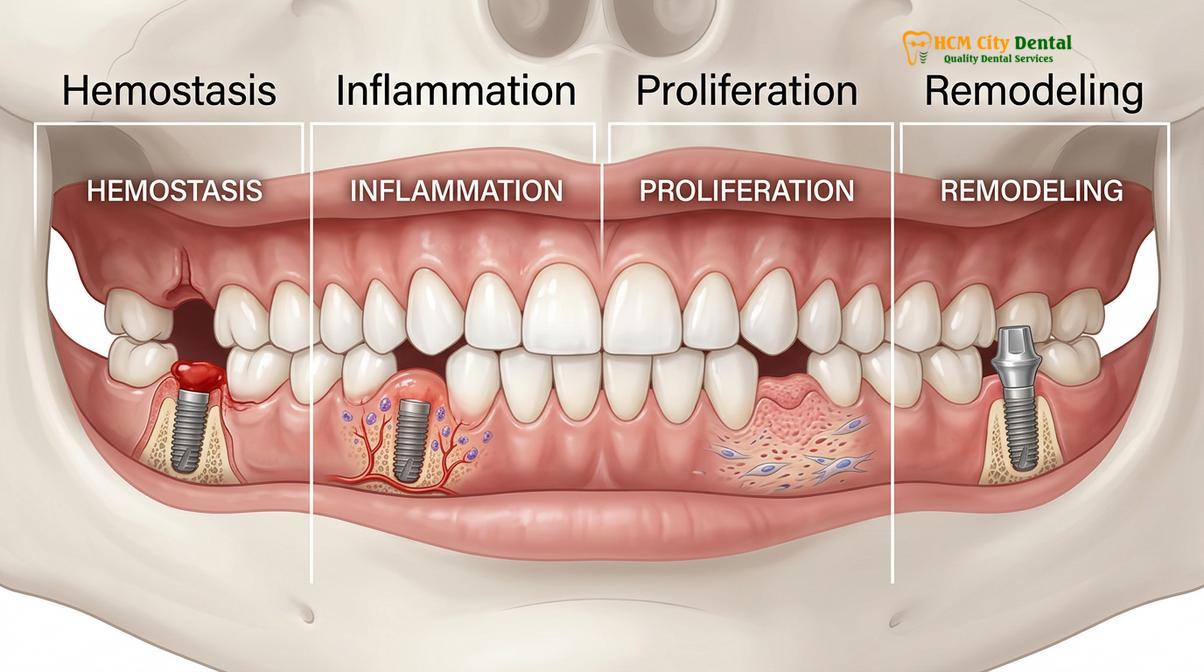
The physiological process of wound healing following oral surgery is highly metabolically demanding. When a patient undergoes procedures such as bone grafting, sinus lifts, or the placement of titanium fixtures, the body immediately initiates a complex cascade of cellular events. This includes hemostasis, inflammation, cellular proliferation, and eventual tissue remodeling [1]. To fuel these processes, the body requires a consistent supply of macronutrients and micronutrients. However, the mechanical act of mastication (chewing) poses a direct threat to the stability of the surgical site. Excessive occlusal forces can disrupt sutures, dislodge forming blood clots, and induce micro-movements in newly placed implants, which can lead to fibrous encapsulation rather than successful osseointegration [2].
Therefore, a post dental surgery diet must strike a delicate balance: it must be rich in essential nutrients while requiring zero to minimal bite force. Dr. Nguyen Van Cuong, a leading specialist at HCMC Dental Clinic, emphasizes to all international patients that the first 72 hours post-surgery are the most critical. During this window, the diet should consist entirely of cool or room-temperature liquids and ultra-soft purees. Heat can cause vasodilation, increasing the risk of post-operative bleeding, while hard or crunchy particles can physically lacerate the healing gingival tissues.
For patients traveling for medical care, maintaining this diet in a foreign city might seem daunting. However, Ho Chi Minh City is uniquely suited to accommodate these dietary restrictions. The culinary culture heavily features broths, slow-cooked meats, and pureed fruits. When planning your meals, it is vital to focus on protein intake. Protein is the building block of collagen, the primary structural protein in the gingival tissue and periodontal ligament. Without sufficient protein, the proliferative phase of healing is significantly delayed.
“Optimal surgical outcomes are not achieved in the operating chair alone; they are secured through strict patient compliance with post-operative dietary protocols. A nutrient-dense, mechanically soft diet is non-negotiable for the stabilization of provisional restorations and the prevention of mucosal trauma.” – Clinical Protocol Guidelines, HCMC Dental Clinic.
To assist patients in structuring their meals, the following table outlines the essential macronutrients required for recovery and their ideal soft-food sources available in Saigon:
| Nutrient Category | Clinical Function in Healing | Recommended Soft Food Sources in HCMC |
|---|---|---|
| High-Quality Proteins | Essential for collagen synthesis, fibroblast proliferation, and immune system support to prevent infection. | Silken tofu, finely minced pork in porridge, steamed egg custard (Trung Hap), pureed fish. |
| Complex Carbohydrates | Provides the primary energy source required for the metabolically demanding tissue remodeling phase. | Rice porridge (Chao), mashed sweet potatoes, soft polenta, overcooked rice noodles (Pho/Bun). |
| Healthy Fats (Omega-3s) | Modulates the inflammatory response, reducing post-operative edema (swelling) and discomfort. | Avocado smoothies, soft steamed salmon, coconut milk-based broths. |
| Vitamins (C & D) & Calcium | Vitamin C aids collagen formation; Vitamin D and Calcium are critical for bone graft integration and osteogenesis. | Papaya/mango purees, fortified dairy products, bone broths. |
Beyond the nutritional content, food hygiene is paramount. The oral cavity is highly susceptible to bacterial colonization following surgery. HCMC Dental Clinic operates with a strict Class-B autoclave sterilization protocol, ensuring a completely sterile surgical environment. Patients must extend this standard of care to their diet by choosing reputable restaurants with high hygiene standards, avoiding raw or undercooked foods, and maintaining rigorous oral hygiene routines as prescribed by their clinician [3].
Saigon’s Famous Soups: Rice Porridge (Chao) and Crab Soup (Sup Cua)
Traditional Vietnamese soups provide excellent hydration and easily digestible proteins, making them ideal for the initial inflammatory phase of recovery. These dishes offer rich flavors without requiring any masticatory effort.
When exploring the soft foods restaurants District 1 Saigon dental surgery patients can visit, traditional Vietnamese soups stand out as the perfect clinical solution. The cornerstone of a Vietnamese convalescent diet is Chao, a thick, comforting rice porridge. Similar to congee, Chao is created by boiling rice in a rich bone broth until the grains completely break down into a smooth, gelatinous consistency. This dish is inherently gentle on the gastrointestinal tract and requires absolutely no chewing, making it safe for immediate post-operative consumption.
While exploring District 1, you may encounter variations such as chao long district 1, which includes various cuts of offal. From a clinical perspective, patients recovering from implant surgery should avoid the chewy textures of offal. Instead, request plain Chao or Chao with very finely minced pork (Chao Thit Bam). The minced meat provides necessary protein without the risk of large particles becoming lodged in extraction sockets or beneath provisional bridges.
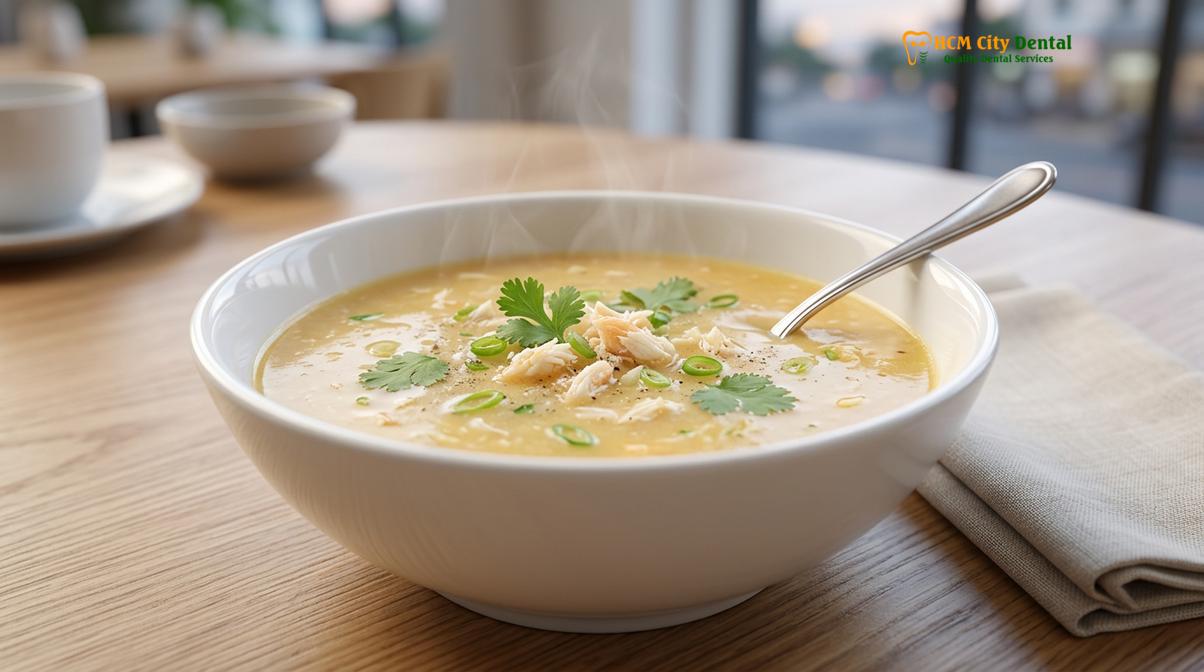
Another exceptional comprehensive dental travel meal is Sup Cua, a Vietnamese crab and asparagus soup. Thickened with tapioca starch and enriched with egg drop and shredded crab meat, Sup Cua is a nutrient powerhouse. The crab provides high-quality marine protein and essential minerals, while the viscous texture coats the throat and stomach easily. When ordering any vietnamese soup post op, it is crucial to communicate two specific clinical requirements to the restaurant staff:
- Temperature Control: Soups in Vietnam are traditionally served boiling hot. Consuming liquids at high temperatures can dissolve the fibrin blood clot protecting the surgical site, leading to delayed healing or dry socket. Always allow the soup to cool to a lukewarm or room temperature before consuming.
- Spice Avoidance: Vietnamese cuisine frequently utilizes fresh chilies, black pepper, and acidic condiments like lime and garlic-infused fish sauce. These ingredients are highly irritating to open mucosal wounds and can cause severe stinging and inflammation. Request your soup completely plain, without added pepper or chili oil.
Many excellent, hygienic soup vendors are located within a short walking distance of major hotels in District 1, making it highly convenient for patients undergoing treatment at HCMC Dental Clinic. By focusing on these traditional broths, international patients can enjoy the local culinary culture while strictly adhering to their prescribed recovery protocols.
International Cafes and Smoothies in District 1 HCMC
Nutrient-dense blended beverages offer essential vitamins for tissue repair, provided patients strictly avoid using straws to prevent negative intraoral pressure. District 1’s cafe culture provides abundant options for safe, liquid nutrition.
During the first few days following a complex procedure, such as a full-arch rehabilitation or multiple extractions, a purely liquid or puree diet is often mandated. District 1 is renowned for its vibrant cafe culture, offering an array of fresh fruit smoothies and blended beverages that are perfect for this phase of recovery. The tropical climate of Ho Chi Minh City means that fruits rich in Vitamin C and digestive enzymes—such as papaya, mango, dragon fruit, and avocado—are available year-round.
Vitamin C is a critical co-factor in the synthesis of collagen, making it indispensable for the healing of the gingival flaps and the integration of bone grafts. Avocado, in particular, is highly recommended by dental professionals. It is exceptionally rich in healthy monounsaturated fats and calories, which helps maintain energy levels when solid food intake is restricted. When visiting smoothies saigon cafes, patients can request custom blends tailored to their nutritional needs.
Clinical Warning: The Danger of Straws
Under no circumstances should a patient use a straw during the first two weeks following oral surgery. The suction created when drawing liquid through a straw generates negative intraoral pressure. This pressure can easily dislodge the blood clot from an extraction site, exposing the underlying bone and nerves. This condition, known as Alveolar Osteitis (dry socket), is extremely painful and requires immediate clinical intervention. Always consume smoothies and beverages directly from the rim of the glass or use a spoon.
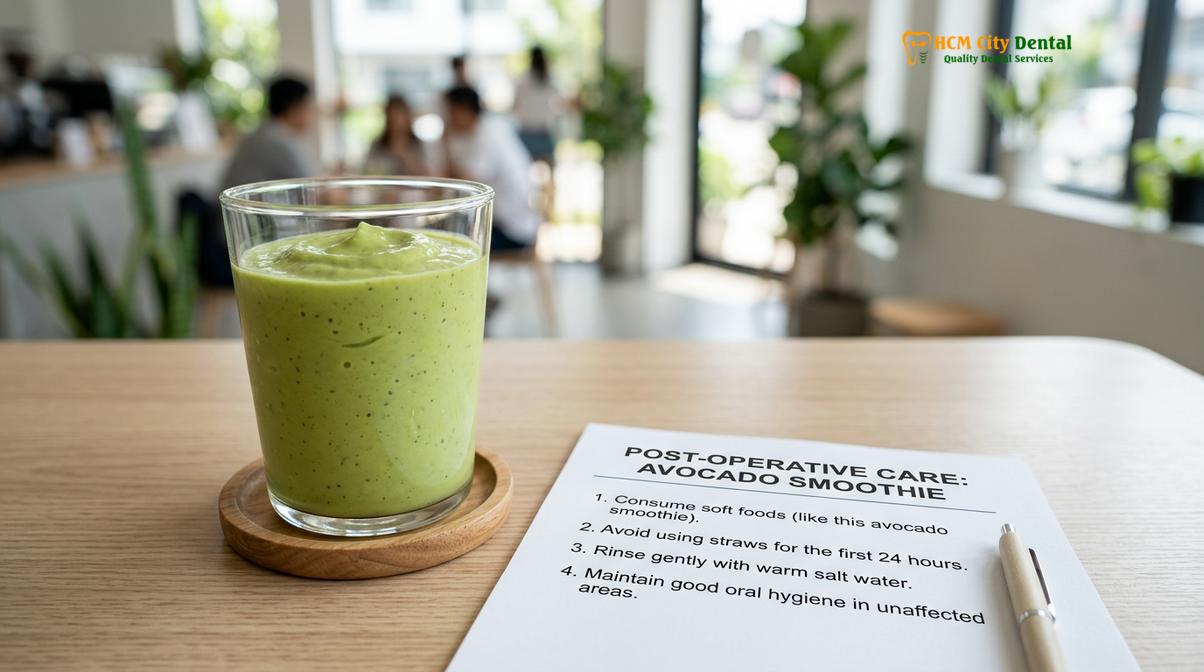
In addition to avoiding straws, patients should be mindful of the sugar content in cafe beverages. High levels of refined sugar can alter the oral microbiome, promoting the proliferation of cariogenic and pathogenic bacteria, which increases the risk of surgical site infections [4]. When ordering, use the phrase “Khong duong” (no sugar) or “It duong” (little sugar) to ensure your beverage supports, rather than hinders, your recovery. Furthermore, avoid smoothies containing small, hard seeds (like passionfruit or blackberry), as these tiny particles can easily become trapped beneath gum margins or healing abutments.
For patients who rely on caffeine, coffee is permissible, but it must be consumed iced or lukewarm. Hot coffee poses the same thermal risks as hot soup. Many cafes in District 1 offer excellent cold brew options that are gentle on the oral tissues. Always remember to rinse your mouth gently with plain water after consuming acidic beverages like coffee or fruit juice to neutralize the oral pH and protect your remaining natural teeth and new restorations.
Soft Dining Options: Italian Polenta, Silken Tofu, and Soft Desserts
Transitioning to semi-solid foods like polenta and silken tofu helps reintroduce texture while maintaining a safe, low-impact bite force. District 1 features diverse international restaurants catering to these specific dietary needs.
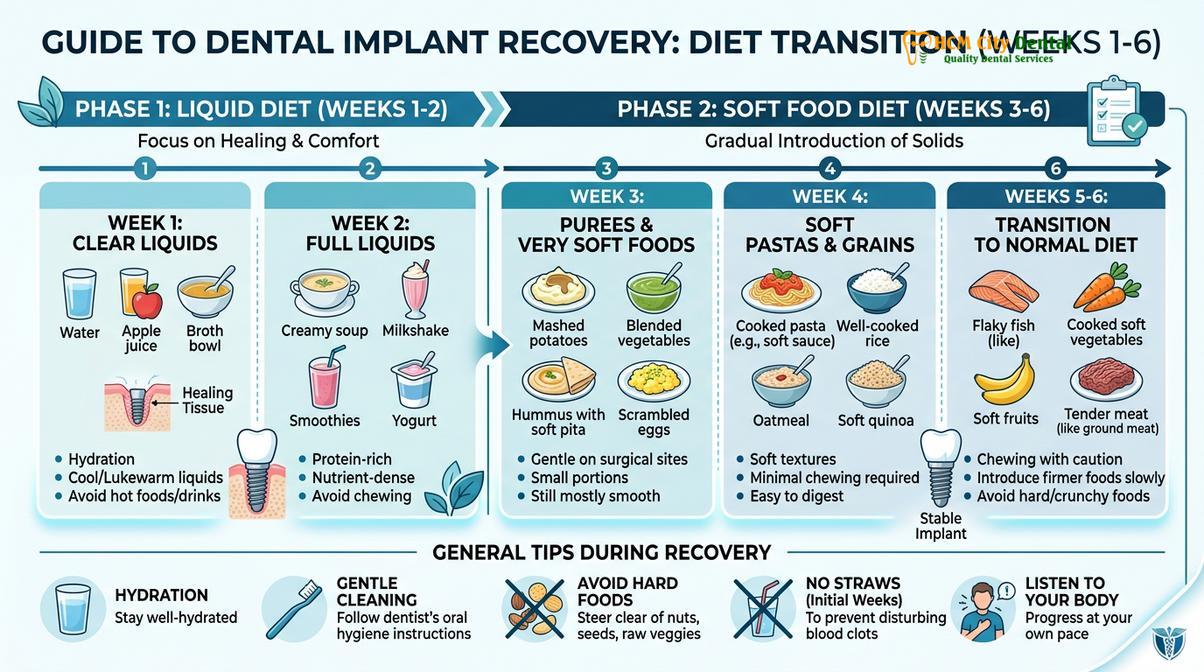
As patients progress from the initial inflammatory phase into the proliferative phase of healing (typically days 4 through 14), they can gradually transition from a liquid diet to a semi-solid, soft food diet. This transition is crucial for psychological well-being and nutritional variety, but it must be managed carefully to ensure that occlusal forces remain minimal. The temporomandibular joint (TMJ) and the muscles of mastication can exert significant pressure; even soft chewing must be done cautiously to avoid transferring stress to integrating implants [5].
For those seeking a break from traditional Vietnamese fare, District 1 boasts a robust international dining scene. Italian restaurants in the area offer excellent soft food options. Soft polenta, a dish made from boiled cornmeal, provides a comforting, savory base that requires zero chewing. It can be topped with a smooth, slow-cooked tomato sauce or pureed vegetables. Similarly, overcooked risotto or soft pastas (like ravioli with a smooth ricotta filling) can be safely consumed, provided they are cut into small, easily swallowable pieces.
Patient Recovery Profile: Managing a Full-Arch Diet
A 58-year-old international patient recently underwent an All-on-4 implant procedure at HCMC Dental Clinic. Fitted with a provisional acrylic bridge, the patient was instructed to adhere to a strict non-chew diet for six weeks. By utilizing District 1’s diverse culinary offerings—alternating between Vietnamese silken tofu dishes, Italian polenta, and high-protein avocado smoothies—the patient maintained their baseline weight and reported high satisfaction. Clinical follow-up at week six revealed excellent soft tissue healing and stable osseointegration, highlighting the efficacy of dietary compliance.
Asian cuisine also offers exceptional semi-solid options. Silken tofu (Dau Hu Non) is a staple in many local restaurants. It has a custard-like texture and is incredibly rich in plant-based protein. It can be served steamed with a light soy sauce or incorporated into mild, non-spicy broths. For dessert, Vietnamese Che (sweet soups) can be modified for dental patients. Options like Che Dau Xanh (mung bean paste) or Banh Flan (creme caramel) offer a sweet treat that melts in the mouth without any mechanical effort.
Dr. Cuong advises patients that when they are cleared to begin light chewing, they should practice bilateral mastication—chewing gently and evenly on both sides of the mouth. This distributes the occlusal load evenly across the jaw, preventing excessive stress on any single implant site or healing extraction socket. If you are unsure whether a specific food is safe, the general clinical rule is: if you can easily cut it with the side of a fork, it is likely safe for a soft diet.
Shopping for Soft Recovery Groceries in District 1 Supermarkets
Stocking up on dairy, eggs, and pureed items at local supermarkets allows patients to control their ingredients and maintain strict food hygiene. Preparing simple meals in a hotel room ensures immediate access to safe nutrition.
While dining out is a wonderful way to experience the city, many patients prefer the comfort and controlled environment of their hotel room, especially during the first 48 hours post-surgery when swelling and mild discomfort peak. Navigating district 1 grocery stores is an excellent strategy for maintaining a strict, hygienic soft diet. Supermarkets such as Annam Gourmet, WinMart, and various convenience stores are heavily concentrated in the city center, offering both local and imported goods.
When shopping for your recovery pantry, focus on items that require minimal preparation and offer high nutritional density. Excellent grocery staples include:
- Dairy Products: Plain Greek yogurt, kefir, and soft cheeses (like cottage cheese or ricotta) are rich in calcium and protein. They are also served cold, which is soothing to inflamed oral tissues.
- Eggs: Eggs are arguably the most versatile soft food. They can be scrambled softly, poached, or made into an omelet. They provide complete proteins and essential vitamins.
- Pureed Fruits and Vegetables: Look for unsweetened applesauce, mashed potato flakes, and pureed baby foods. While baby food may seem unconventional, it is clinically sterile, perfectly pureed, and highly nutritious.
- Protein Supplements: Ready-to-drink protein shakes or whey protein powders can be mixed with milk or water to ensure you meet your daily protein requirements without any chewing.
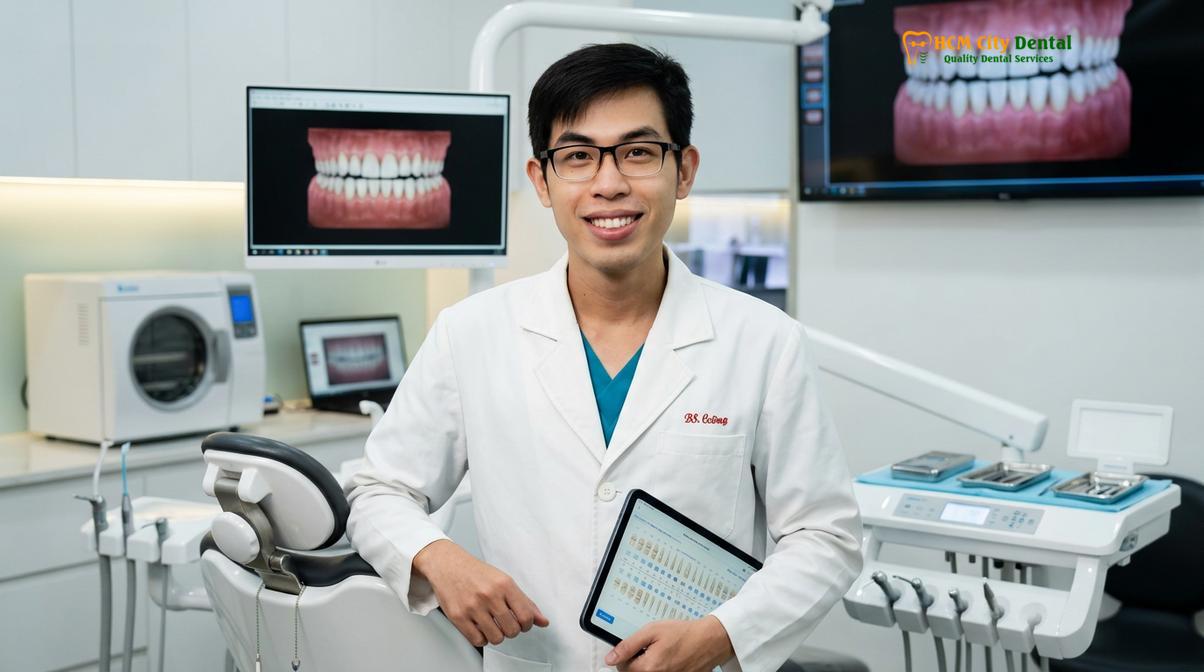
For international patients seeking an English-speaking dentist, the logistics of a medical trip are just as important as the clinical care. HCMC Dental Clinic supports patients by offering direct clinical consultations with Dr. Cuong via WhatsApp, where patients can receive personalized dietary advice and hotel recommendations in District 1 that feature in-room kitchenettes. Furthermore, to ease the financial planning of your trip, the clinic offers a 40% online booking discount and accepts a wide variety of payment options, including Visa/Mastercard, international bank transfers, cash (USD/VND), PayPal, e-wallets, and major cryptocurrencies (Crypto).
“Empowering patients to manage their own nutrition through accessible local supermarkets significantly reduces post-operative anxiety. When patients have control over their diet and understand the clinical reasoning behind their food choices, compliance rates and overall healing outcomes improve dramatically.” – Dr. Nguyen Van Cuong.
When to See a Doctor
While a soft diet minimizes risks, patients must remain vigilant for signs of clinical complications. Prompt professional evaluation is necessary if abnormal symptoms arise during the healing phase.
Even with strict adherence to a soft food diet and impeccable oral hygiene, complications can occasionally occur. It is vital to distinguish between normal post-operative healing and signs of potential failure or infection. Normal healing includes mild to moderate swelling for the first 72 hours, slight oozing of blood on the first day, and manageable discomfort that responds to prescribed analgesics.
You should contact HCMC Dental Clinic immediately for a clinical evaluation if you experience any of the following red flags:
- Severe, Throbbing Pain: Pain that worsens after the third day or radiates to the ear or neck may indicate alveolar osteitis (dry socket) or an acute infection.
- Persistent Bleeding: Bleeding that does not stop after applying firm pressure with a sterile gauze pad for 30-45 minutes.
- Purulent Exudate: The presence of yellow or green pus discharging from the surgical site, often accompanied by a foul taste or odor.
- Fever and Systemic Symptoms: An elevated body temperature, chills, or swollen lymph nodes indicating a systemic inflammatory response.
- Implant Mobility: Any noticeable movement or looseness in a provisional crown, bridge, or the implant fixture itself.
Early intervention is critical. HCMC Dental Clinic utilizes advanced diagnostics to assess the surgical site and implement corrective measures based on individualized clinical findings. Never attempt to self-diagnose or alter your prescribed medication regimen without consulting your dental professional.
For more information on planning your medical journey and ensuring a safe, comfortable recovery, explore our guide on comparing dental destinations and secure your consultation today.
Frequently Asked Questions
Is street food safe to eat after getting a dental implant?
Street food should generally be avoided during the initial healing phase after getting a dental implant. While Ho Chi Minh City offers incredible street cuisine, the immediate post-operative period requires strict hygiene to prevent surgical site infections. It is clinically advisable to consume soft foods from established restaurants or prepare meals using ingredients from reputable supermarkets until the mucosal tissue has fully closed.
Where can I find nutritious smoothies near HCMC Dental Clinic?
You can find numerous high-quality cafes offering nutritious smoothies within a short walking distance of HCMC Dental Clinic in District 1. Establishments along Le Thanh Ton and Nguyen Hue streets serve fresh avocado, mango, and dragon fruit blends. Always request your smoothie without a straw and ask the barista to minimize added sugars to support optimal oral health during your recovery.
What are some Vietnamese soft foods that are gentle on stitches?
Vietnamese cuisine offers excellent soft foods that are gentle on stitches, including Sup Cua (crab and asparagus soup) and plain Chao (rice porridge). These dishes provide high-quality protein and hydration without requiring mastication. Ensure these soups are consumed warm rather than piping hot to prevent vasodilation and potential bleeding at the surgical site.
How long must I maintain a soft diet after oral surgery?
Patients typically need to maintain a soft diet for two to six weeks following oral surgery, depending on the complexity of the procedure. Simple extractions may require only a few days of soft foods, while full-arch implant rehabilitations necessitate a longer period of dietary modification to ensure undisturbed osseointegration and protect provisional restorations from excessive occlusal forces.
Can I drink coffee while recovering in Ho Chi Minh City?
You can drink coffee during your recovery, provided it is consumed lukewarm or iced and strictly without a straw. Hot beverages can dissolve forming blood clots, while the suction from a straw can induce alveolar osteitis (dry socket). It is also recommended to rinse your mouth gently with water after consuming acidic beverages like coffee to maintain a neutral oral pH.
References
- Journal of Oral Implantology. Nutritional Considerations for Optimal Osseointegration and Soft Tissue Healing. (2021).
- International Journal of Oral and Maxillofacial Surgery. The Impact of Masticatory Forces on Provisional Implant Restorations. (2022).
- World Health Organization (WHO). Global Guidelines for the Prevention of Surgical Site Infection. (2020).
- American Dental Association (ADA). Post-Operative Dietary Guidelines Following Dentoalveolar Surgery. (2023).
- Clinical Implant Dentistry and Related Research. Dietary Protocols and Patient Compliance in Full-Arch Rehabilitations. (2021).