For dental tourists, choosing between braces and Invisalign hinges entirely on post-treatment monitoring capabilities and adjustment frequency. While traditional braces require in-person tightening every four to six weeks, clear aligners allow for remote tracking and batch delivery, making them the superior choice for international patients on short timelines.
Navigating orthodontic care across borders requires a deep understanding of biomechanics, treatment phasing, and the logistical realities of international travel. Attempting to initiate a multi-year biological process during a brief vacation demands meticulous planning and the right choice of orthodontic appliance.
Clinical Summary:
Orthodontic treatment for international patients presents unique biomechanical and logistical challenges. Fixed traditional braces demand frequent, hands-on adjustments to manage wire tension and bracket integrity, rendering them highly impractical for short-term visitors. Conversely, clear aligner therapy utilizes digital scanning, predictive software, and remote monitoring protocols. This allows a specialist to design a comprehensive treatment plan, deliver multiple aligner stages, and track progress virtually, making it the safest and most predictable orthodontic modality for dental tourists seeking care abroad.
Key Takeaways:
- Traditional braces require physical adjustments every 4-6 weeks, making them unsuitable for short-term travel.
- Clear aligners can be digitally planned and manufactured within a 7-10 day clinical window.
- Remote monitoring applications allow orthodontists to track aligner progress internationally with high precision.
- Orthodontic emergencies with fixed braces (such as broken wires) are notoriously difficult to manage abroad.
- Patient compliance is the primary success factor for remote clear aligner therapy.
The Dental Tourist Dilemma: Orthodontics in 2 Weeks
Attempting comprehensive orthodontics during a two-week vacation requires matching a multi-month biological process with a highly compressed clinical delivery window.
The fundamental challenge of initiating orthodontic treatment abroad lies in the biological reality of tooth movement. Orthodontics is not a single procedure like a dental crown or an implant placement; it is a continuous, dynamic process of bone remodeling. When force is applied to a tooth, osteoclasts break down bone on the pressure side, while osteoblasts build new bone on the tension side[1]. This cellular activity takes months or years to complete safely. Therefore, a patient planning a 2 week dental vacation braces HCMC itinerary is only allocating time for the diagnostic and appliance delivery phases, not the actual treatment duration.
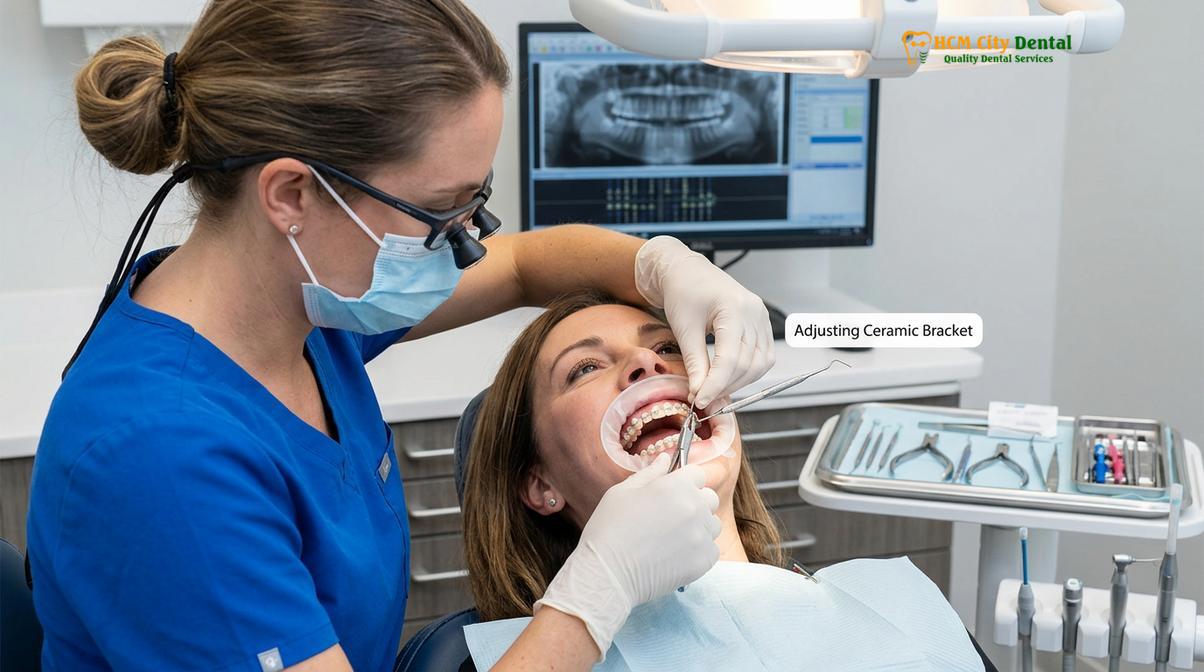
For the dental tourist, this creates a profound logistical dilemma. The initial fitting of an orthodontic appliance is only the beginning of the clinical journey. The success of the treatment relies heavily on the subsequent months of monitoring, force reactivation, and troubleshooting. When a patient leaves the country shortly after appliance delivery, the responsibility for managing this biological process becomes geographically fractured. This is where the choice of appliance—fixed brackets versus removable aligners—becomes the most critical decision a traveling patient will make.
Historically, patients seeking clear aligner therapy or traditional braces abroad faced significant risks of treatment abandonment. If an appliance failed or a tooth stopped tracking, the patient was stranded thousands of miles from their primary clinician. Today, advancements in digital dentistry have bifurcated the feasibility of these two modalities. While one remains anchored to the physical dental chair, the other has evolved to accommodate the modern, mobile patient.
Traditional Braces: Why Checkups and Wire Tensioning Limit Travel
Fixed metal and ceramic braces rely on continuous mechanical force that must be manually reactivated by an orthodontist every few weeks, making international travel highly restrictive.
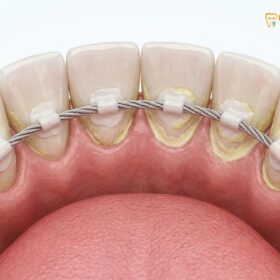
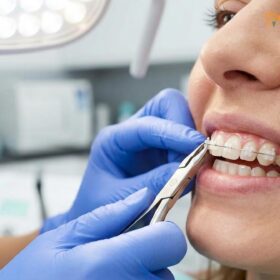
Traditional fixed braces operate on a system of brackets bonded to the enamel and archwires that span the dental arch. The archwire acts as the engine of tooth movement, utilizing shape-memory alloys like Nickel-Titanium (NiTi) to exert continuous pressure. However, this mechanical system is not self-sustaining. As the teeth move and the wire returns to its original shape, the force dissipates. To continue the biological process of bone remodeling, an orthodontist must physically remove the ligatures, evaluate the progress, and insert a thicker or differently configured archwire[2].
This mandatory orthodontic checkup frequency typically dictates a clinical visit every four to six weeks. For a dental tourist, returning to the host country this frequently is financially and logistically impossible. Attempting to bypass these visits by leaving the same wire in place for months will result in stalled treatment. The teeth will simply stop moving once the wire’s active force is depleted. Furthermore, prolonged periods without professional hygiene maintenance around fixed brackets significantly increase the risk of enamel decalcification (white spot lesions) and gingival hyperplasia.
Another critical barrier for the braces tourist is the “transfer of care” dilemma. Many patients assume they can have braces placed affordably abroad and simply pay a local orthodontist in their home country for the monthly adjustments. In clinical reality, this is exceptionally rare. Orthodontists use specific bracket prescriptions (such as Roth or MBT) and proprietary systems (like Damon self-ligating brackets). A local doctor will likely refuse to adjust an unfamiliar system due to liability concerns and unpredictable biomechanics[3]. In most cases, the local orthodontist will insist on completely removing the foreign braces and starting over from scratch, negating any initial cost savings.
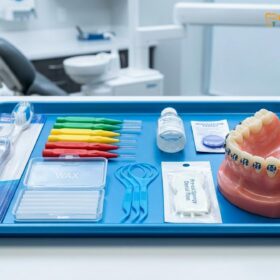
Finally, fixed appliances are prone to mechanical emergencies. Hard or sticky foods can dislodge a bracket or cause a wire to snap and protrude into the buccal mucosa (cheek). Managing a poking wire while abroad requires an emergency dental visit, which can be stressful and costly. For patients who have previously undergone treatment and are seeking fixed retainer repair, the complexities of managing bonded metal appliances internationally are well understood.
Invisalign: The Clear Winner for Long-Distance Patient Tracking
Clear aligners decouple the physical presence of the patient from the progression of treatment, utilizing digital staging and remote monitoring to ensure safe tooth movement abroad.
The advent of clear aligner technology fundamentally altered the landscape of orthodontic tourism. Unlike fixed braces, which require manual reactivation, clear aligners pre-program the entire sequence of tooth movements into a series of thermoplastic trays. Each tray is engineered to move specific teeth by approximately 0.25 millimeters. Because the force is built into the sequence of the trays rather than a single wire, the patient can physically carry months’ worth of active treatment in their luggage.
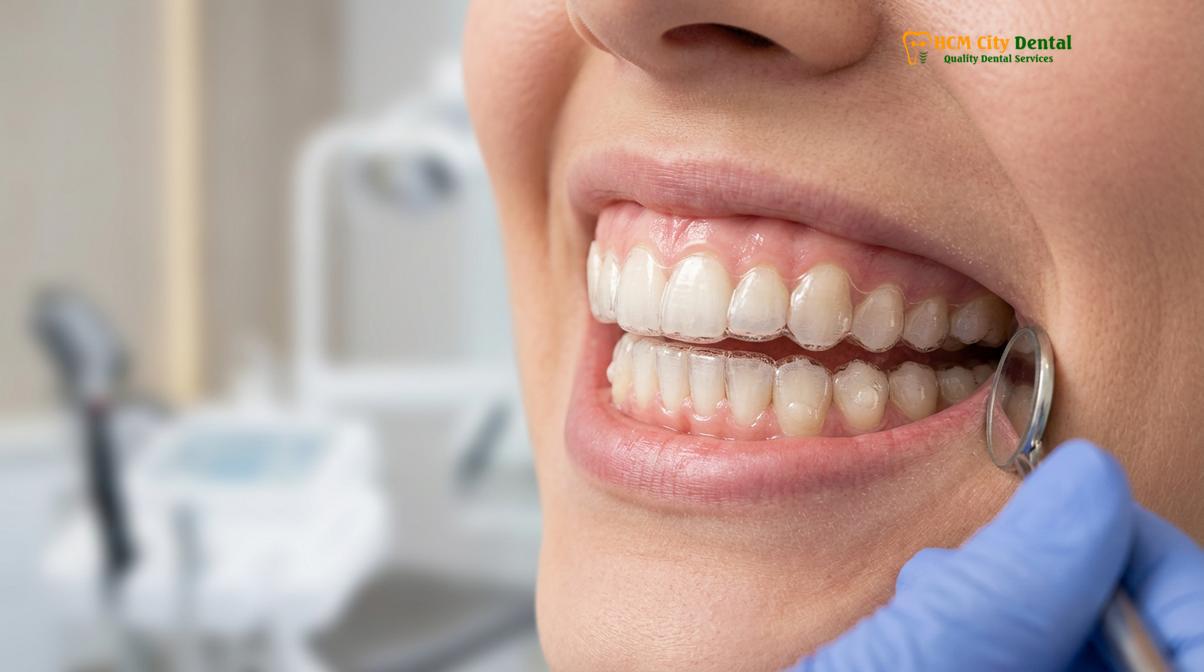
This paradigm shift makes clear aligner travel feasibility exceptionally high. The patient is no longer tethered to the dental chair for force reactivation; they simply transition to the next aligner in the series according to their doctor’s prescribed schedule. This autonomy is the cornerstone of the Invisalign vs braces tourist debate, heavily favoring the digital approach.
“For international patients, the predictability of digital orthodontics is paramount. We can map out every micro-movement in advance, ensuring the patient leaves Ho Chi Minh City with a precise roadmap and the physical aligners needed to execute it safely from home,” notes Dr. Nguyen Van Cuong.
However, autonomy does not mean abandonment. The true power of modern clear aligner therapy for tourists lies in remote monitoring technology. Orthodontists now utilize sophisticated smartphone applications paired with specialized scan boxes. The patient inserts their smartphone into the box, places a cheek retractor, and captures high-resolution intraoral video. Artificial intelligence algorithms and the attending orthodontist review these scans weekly to ensure the aligners are seating perfectly and the teeth are tracking according to the digital plan[4].
If a tooth begins to lag behind the aligner (a phenomenon known as “loss of tracking”), the orthodontist can immediately intervene via the app. They may instruct the patient to wear the current aligner for an additional week, use chewies to seat the tray more firmly, or, in rare cases, pause treatment until a refinement scan can be arranged. This level of oversight provides a safety net that is entirely absent when traveling with unmonitored fixed braces. When evaluating orthodontic treatment costs globally, the inclusion of remote monitoring software is a vital value metric for international patients.
Diagnostic Setup: Can You Get Scanned and Fitted in 10 Days?
A 10-day window is clinically sufficient to complete 3D intraoral scanning, finalize the digital treatment plan, and bond the necessary composite attachments for clear aligners.
The most common logistical question for dental tourists is whether their vacation window is long enough to initiate treatment. For clear aligners, the answer is highly dependent on the clinic’s digital workflow and laboratory partnerships. A well-optimized clinic can compress the diagnostic and delivery phases into a 7 to 10-day window, making it a highly viable option for those exploring Saigon cosmetic dentistry options.
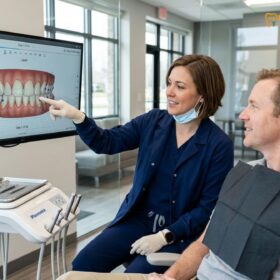
The workflow typically follows a strict timeline. Day 1 involves a comprehensive clinical examination, panoramic and cephalometric radiographs (or CBCT), and a digital intraoral scan using a device like an iTero or Trios scanner. This digital impression eliminates the need for messy traditional putty and allows the file to be transmitted to the aligner manufacturer instantaneously. By Day 3 or 4, the orthodontist receives the initial digital setup (such as a ClinCheck). The doctor modifies the staging, adjusts the placement of composite attachments, and approves the final plan.
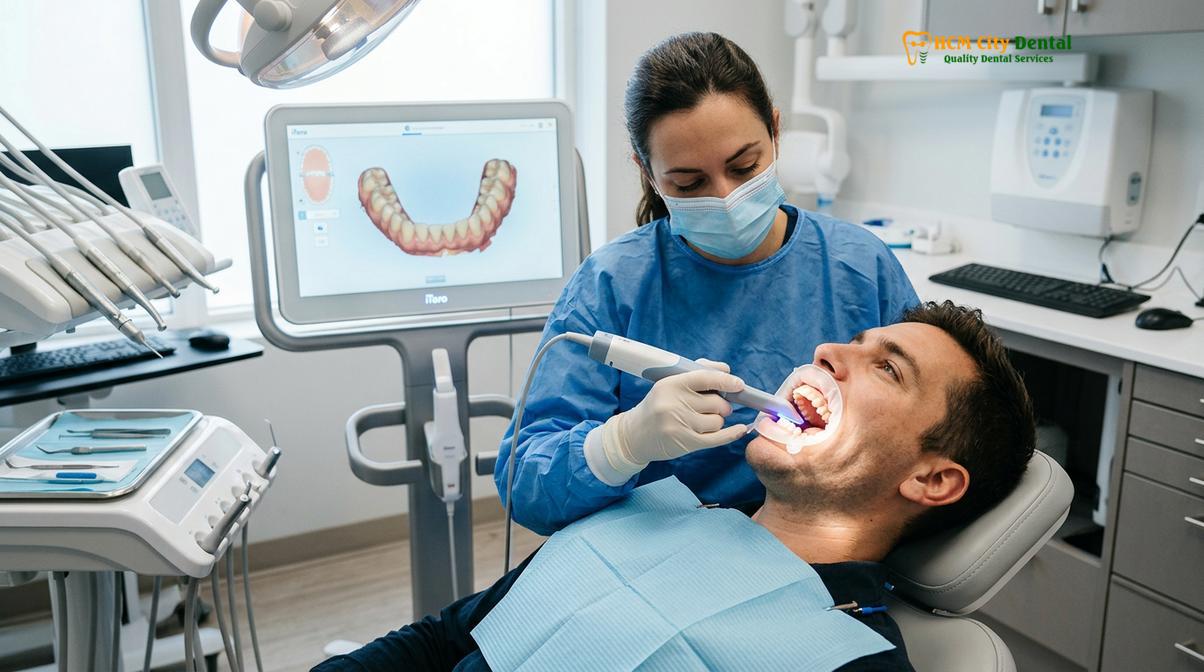
Once approved, the aligners are manufactured. In major dental hubs, expedited manufacturing and shipping can see the first batch of aligners arrive at the clinic by Day 7 to 10. During the delivery appointment, the dentist bonds small, tooth-colored composite bumps (attachments) to specific teeth. These attachments act as anchors, allowing the smooth plastic aligners to grip the teeth and execute complex movements like rotations and extrusions[5]. The patient is then instructed on insertion, removal, and hygiene protocols before flying home.
A 28-year-old patient visited HCMC Dental Clinic in Ho Chi Minh City for a 12-day trip. Dr. Cuong utilized a digital scanner on day one to diagnose mild anterior crowding. By day four, the digital setup was approved. On day ten, the patient received their first batch of aligners and composite attachments. The remaining 18 months of treatment were monitored via a smartphone application, requiring zero return flights for adjustments.
It is important to note that while the initial batch of aligners can be delivered quickly, complex cases may require mid-course corrections or final refinements. Patients must discuss the logistics of receiving additional aligners internationally. Many clinics will ship refinement aligners directly to the patient’s home country, provided the patient can secure a local dentist to remove old attachments and bond new ones if necessary. This is a crucial consideration for those who may also need replacement of lost orthodontic appliances while living abroad.
Decision Matrix: Travel Duration, Budget, and Remote Monitoring Setup
Choosing the right orthodontic modality as a traveler requires balancing your available time in-country, financial constraints, and willingness to comply with remote monitoring protocols.
Making an informed decision requires a pragmatic assessment of your travel constraints and personal discipline. The allure of lower upfront costs for traditional braces often blinds patients to the long-term logistical nightmare of managing fixed appliances across borders. To assist in this decision, a structured evaluation of time, budget, and compliance is necessary.
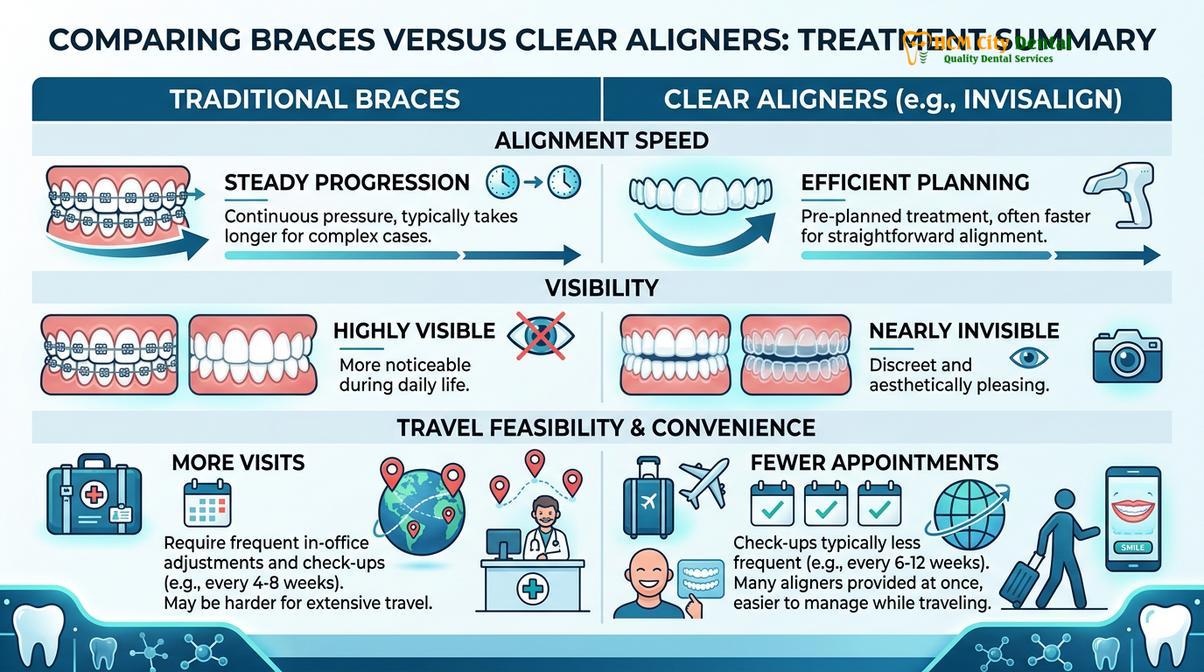
First, consider your travel duration and frequency. If you are an expatriate living in Vietnam or a frequent business traveler who visits Ho Chi Minh City every month, traditional braces become a viable option. You can maintain the necessary 4-6 week adjustment schedule. However, if you are a one-time tourist or visit only annually, clear aligners are the only clinically responsible choice. The ability to take the active treatment with you is non-negotiable for infrequent visitors.
| Clinical Factor | Traditional Braces | Clear Aligners (Invisalign) |
|---|---|---|
| In-Clinic Adjustment Frequency | Every 4 to 6 weeks (Mandatory) | Virtually monitored; rare in-person visits |
| Emergency Risk Abroad | High (broken brackets, poking wires) | Low (lost aligners can be skipped or replaced) |
| Transfer of Care Feasibility | Very Low (local doctors often refuse) | High (digital files can be shared) |
| Patient Compliance Required | Low (appliance is fixed to teeth) | Very High (must wear 22 hours/day) |
| Initial Setup Time in Country | 1 to 3 days | 7 to 10 days (requires lab manufacturing) |
Budget is the second critical factor. While traditional metal braces are generally the most cost-effective option domestically, the hidden costs for a traveler are immense. If you require an emergency wire clipping in London or Sydney, or if you are forced to pay a local orthodontist to remove and replace your foreign braces, the total expenditure will far exceed the initial cost of clear aligners. When reviewing a traveler dental guide HCMC, patients must calculate the total cost of ownership, including potential international shipping for refinement trays and remote monitoring subscription fees. Understanding comparative dental fees globally helps contextualize these investments.
Finally, patient compliance is the ultimate determinant of success with clear aligners. Because the appliance is removable, the biological force is entirely dependent on the patient wearing the trays for 20 to 22 hours per day. If a traveler lacks the discipline to wear the aligners consistently, the teeth will not track, the remote monitoring software will flag the failure, and the treatment will stall. For highly non-compliant patients, neither braces (due to travel limits) nor aligners (due to lack of wear) are suitable for dental tourism.
Important Clinical Considerations (When to See a Doctor)
Even with the most meticulous digital planning and robust remote monitoring, orthodontic treatment carries inherent biological risks that must be managed. For the dental tourist, recognizing the signs of clinical complications and knowing when to seek immediate local intervention is vital for preserving dental health.
One of the primary concerns during any orthodontic movement is root resorption—a condition where the root of the tooth begins to shorten due to excessive or unpredictable forces. While clear aligners generally apply lighter, more controlled forces than fixed braces, the risk is never zero. If you experience severe, unyielding pain in a specific tooth, increased mobility (looseness) beyond the normal slight wiggle expected during orthodontics, or localized swelling of the gums, you must pause treatment and seek a local radiographic evaluation immediately.
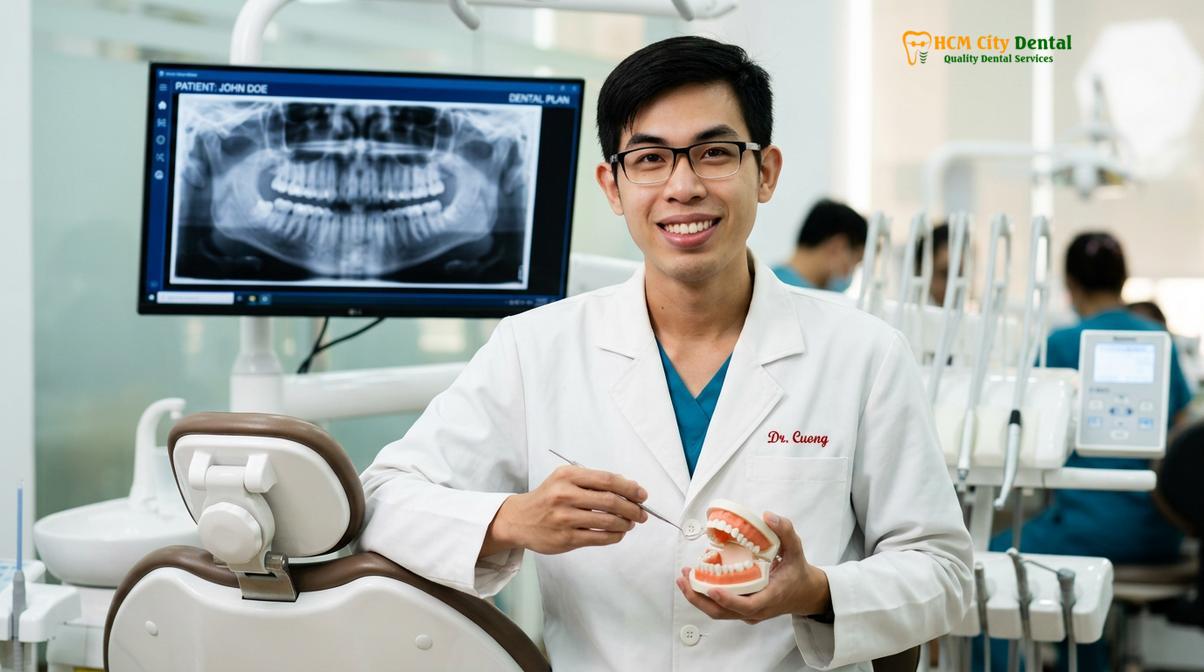
“Even with the most advanced remote monitoring, patients must remain vigilant. If an aligner fails to seat properly or if unexplained pain persists beyond the initial adjustment period, seeking immediate evaluation from a local dental professional is non-negotiable,” advises Dr. Cuong.
Additionally, the composite attachments bonded to your teeth are critical for the aligners to exert the correct directional force. If an attachment debonds (falls off) while you are abroad, the corresponding tooth may stop tracking. While not a medical emergency, you must notify your primary orthodontist via your remote monitoring app. They will advise whether the treatment can continue temporarily without the attachment or if you need to visit a local dentist to have a replacement bonded based on the digital template. Navigating international orthodontic care requires proactive communication between the patient, the primary provider at HCMC Dental Clinic, and any emergency local clinicians.
Frequently Asked Questions
Can I get traditional braces fitted in Vietnam in 2 weeks?
Yes, traditional braces can be physically bonded to your teeth within a two-week timeframe. However, because they require manual wire adjustments every four to six weeks, this option is highly impractical unless you plan to remain in the country for the entire treatment duration. Leaving the country with unmonitored braces can lead to stalled treatment and severe dental complications.
Is Invisalign really feasible for a short-term dental tourist?
Yes, clear aligner therapy is highly feasible for short-term visitors. The initial digital scanning, treatment planning, and attachment bonding can be completed in 7 to 10 days, allowing you to take the aligners home for remote monitoring. This digital workflow decouples your physical location from the progression of your orthodontic care.
What if I experience pain or a loose wire after returning home?
If you experience an orthodontic emergency like a loose wire abroad, you must seek immediate care from a local dentist to clip or remove the offending appliance. This highlights why fixed braces are generally contraindicated for international patients without a local transfer-of-care agreement, as managing mechanical failures remotely is impossible.
How do orthodontists track my Invisalign progress internationally?
Orthodontists utilize specialized smartphone applications and digital scan boxes to track your progress remotely. You will upload weekly or bi-weekly intraoral photos, allowing your specialist to verify aligner seating, monitor gingival health, and authorize you to move to the next tray safely from anywhere in the world.
Can a local orthodontist take over my braces treatment if I start it abroad?
While technically possible, transferring fixed braces care is notoriously difficult. Many local orthodontists refuse to assume liability for another clinician’s work or use different bracket systems, often requiring the complete removal and replacement of the braces at full cost. Clear aligner digital files, conversely, are much easier to transfer between certified providers if necessary.
References
- American Journal of Orthodontics and Dentofacial Orthopedics. Biomechanics of clear aligners and remote monitoring efficacy. (2022).
- Journal of Clinical Orthodontics. Transfer of care protocols and liability in fixed appliance therapy. (2021).
- European Journal of Orthodontics. Periodontal ligament response to continuous versus intermittent orthodontic forces. (2020).
- International Dental Journal. The rise of dental tourism: clinical outcomes and continuity of care challenges. (2023).
- Angle Orthodontist. Accuracy of digital intraoral scanning and 3D treatment planning in modern orthodontics. (2019).