Orthodontic relapse occurs when teeth gradually shift back toward their original positions after braces or aligners are removed. This movement is primarily driven by the elastic memory of periodontal ligaments and natural physiological changes, making consistent retainer wear the most critical factor in preserving your newly aligned smile.
Clinical Summary:
Orthodontic relapse is a well-documented physiological phenomenon where teeth migrate toward their pre-treatment alignment following the removal of orthodontic appliances. This shifting is primarily caused by the slow remodeling of supracrestal gingival fibers, which retain an “elastic memory” of the teeth’s original positions. Additional contributing factors include late mandibular growth, age-related bone density changes, and muscular imbalances from the tongue or lips. Clinical management focuses on strict retention protocols, utilizing both fixed and removable retainers. When relapse does occur, retreatment can often be achieved efficiently using short-term clear aligner therapy or targeted fixed appliances, restoring optimal occlusion and aesthetics.
Key Takeaways:
- Teeth possess a biological “memory” due to the elastic tension in periodontal ligaments, pulling them toward their original positions.
- The first three to six months after braces removal are the most critical for bone stabilization and fiber remodeling.
- Inconsistent retainer wear is the leading cause of orthodontic relapse worldwide.
- Natural aging, late jaw growth, and bruxism can cause teeth to shift even decades after initial treatment.
- Minor relapse can often be corrected quickly and discreetly using short-term clear aligner systems.
What is Orthodontic Relapse? The Memory of Teeth
Orthodontic relapse is the physiological tendency of teeth to migrate back to their pre-treatment alignment due to the residual tension in the periodontal ligaments and gingival fibers.
To understand why teeth move after braces, it is essential to examine the complex biological environment of the human mouth. Teeth are not rigidly fused to the jawbone; rather, they are suspended within the alveolar bone socket by a hammock-like network of tissues known as the periodontal ligament (PDL). During orthodontic treatment protocols, continuous, controlled force is applied to the teeth. This force triggers a cellular response: osteoclasts break down bone on the pressure side, while osteoblasts build new bone on the tension side, allowing the tooth to move through the jaw.
However, while the alveolar bone remodels relatively quickly to accommodate the new tooth position, the soft tissues—specifically the supracrestal gingival fibers and transseptal fibers—take much longer to adapt. These collagenous networks act like microscopic rubber bands. When a tooth is rotated or moved, these fibers are stretched. After the braces are removed, these stretched fibers exert a continuous elastic pull, attempting to drag the tooth back to its original, pre-treatment location[1]. This biological phenomenon is commonly referred to as the “memory” of the teeth.
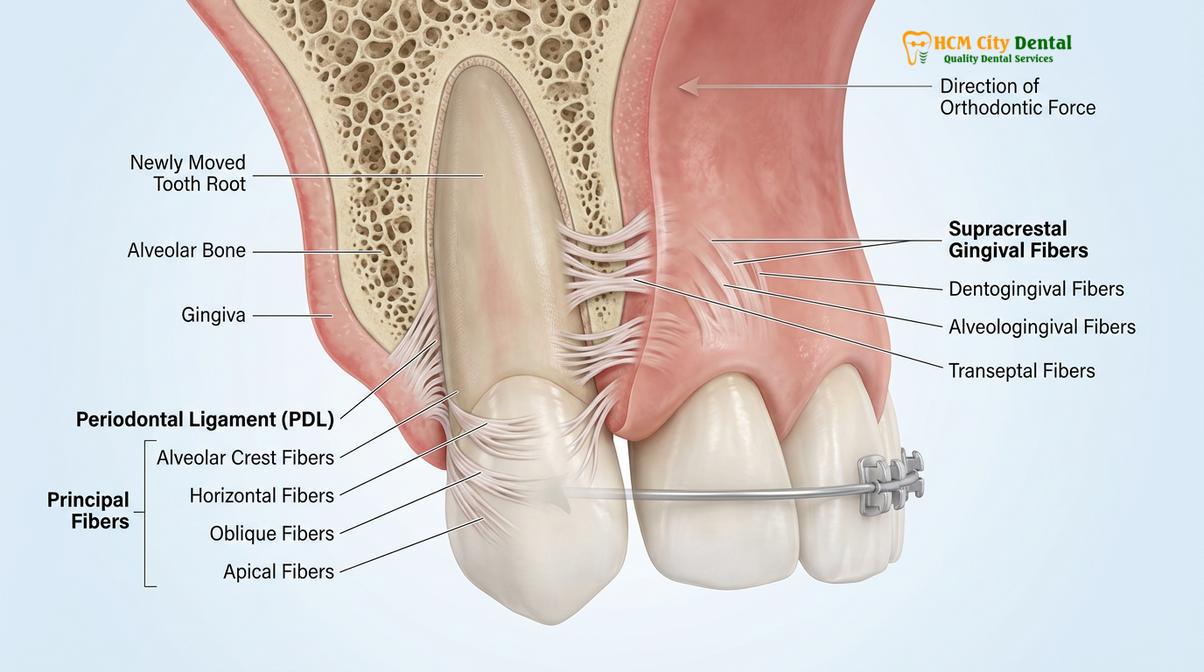
The remodeling of these gingival fibers can take up to a year or more, which is why the immediate post-treatment phase is highly vulnerable to shifting. If the teeth are not mechanically held in place during this critical stabilization period, the elastic tension will inevitably cause orthodontic relapse. Furthermore, the bone surrounding the newly moved teeth remains somewhat porous and less dense immediately after treatment, providing less resistance to these pulling forces.
“The biological reality of orthodontics is that moving the teeth is only half the battle. The true challenge lies in managing the soft tissue memory and bone remodeling phase, which requires absolute compliance with retention protocols to ensure long-term stability.”
Understanding this physiological mechanism is crucial for patients. It shifts the perspective from viewing retainers as an optional accessory to recognizing them as a mandatory medical device necessary for the completion of the bone and tissue healing process.
Primary Causes: Why Teeth Shift Back to Old Positions
Beyond retainer neglect, teeth shift due to late mandibular growth, age-related bone density changes, chronic bruxism, and muscular imbalances from the tongue or lips.
While the elastic memory of the periodontal tissues is the most immediate threat to a newly straightened smile, several other biological and environmental factors contribute to long-term shifting. Patients often wonder about the specific orthodontic relapse reasons that cause their teeth to move years or even decades after their braces were removed. The reality is that the human mouth is a dynamic, ever-changing environment.
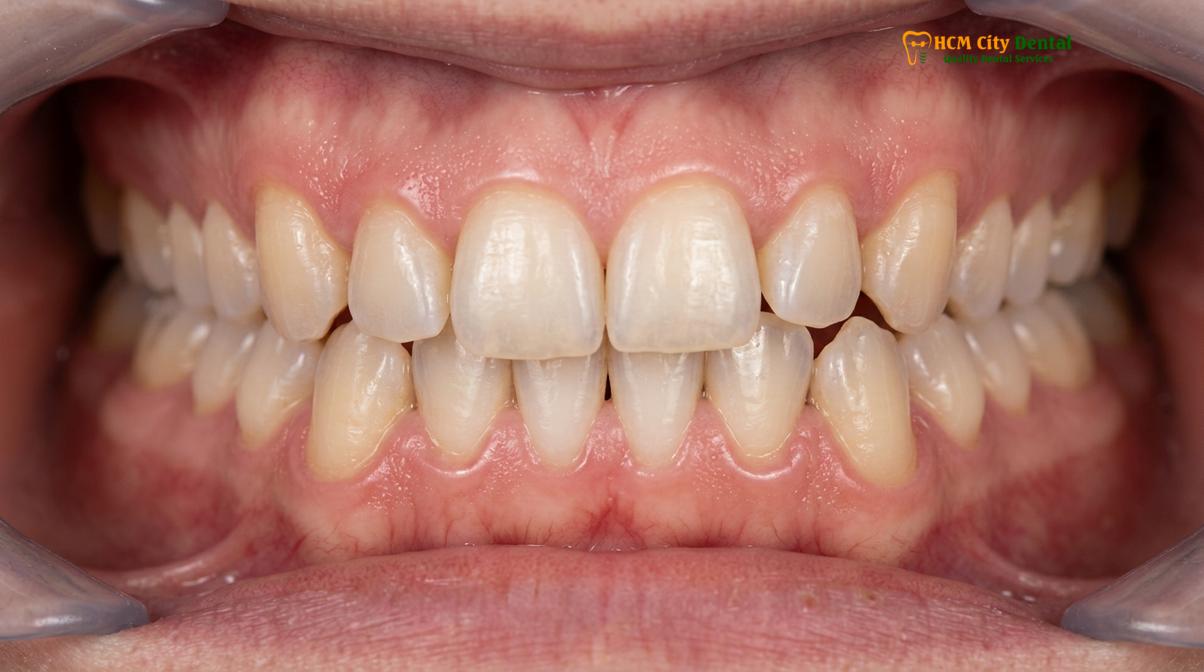
One of the most significant factors, particularly in young adults, is late mandibular growth. The lower jaw (mandible) is one of the last facial bones to stop growing. In many individuals, the mandible continues to experience slight forward growth into the late teens and early twenties. As the lower jaw grows forward, the lower front teeth are pushed against the upper front teeth. Because the upper teeth act as a barrier, the lower incisors are forced to tilt backward and buckle, leading to the classic lower anterior crowding frequently seen in adults who previously had perfect alignment[2].
Muscular imbalances and oral habits also play a profound role in tooth stability. The position of your teeth is largely dictated by the equilibrium between the inward pressure of your lips and cheeks and the outward pressure of your tongue. If a patient has a tongue thrust (pushing the tongue against the teeth when swallowing) or lip incompetence (inability to close the lips naturally at rest), this delicate balance is disrupted. Over time, these abnormal muscular forces can push the teeth outward, creating gaps or an open bite.
Furthermore, chronic teeth grinding and clenching, known as bruxism, exert immense occlusal forces on the dentition. These excessive forces can traumatize the periodontal ligaments and cause teeth to shift, tilt, or wear down unevenly. Patients with severe bruxism often require specialized protective nightguards that double as retainers to protect both the alignment and the structural integrity of the enamel[3].
Finally, natural physiological aging contributes to a phenomenon known as mesial drift. Throughout a person’s life, teeth have a natural tendency to drift forward toward the midline of the mouth. This is an evolutionary mechanism designed to close gaps caused by interproximal wear (the wearing down of the sides of the teeth from chewing). As we age, the cumulative effect of mesial drift, combined with natural changes in bone density and gum tissue volume, inevitably leads to minor shifting if retention is not maintained.
The Retainer Connection: How Retainer Neglect Leads to Relapse
Failing to wear a retainer removes the mechanical barrier needed to counteract the elastic pull of gingival fibers, leading to rapid initial relapse followed by gradual long-term shifting.
The most controllable and common cause of teeth shifting is undoubtedly poor compliance with retainer wear. When patients experience retainer failure relapse, it is almost always due to a misunderstanding of how crucial the retention phase is. Retainers are custom-fabricated appliances designed to hold the teeth in their corrected positions while the surrounding bone and periodontal ligaments reorganize and stabilize.
There are generally two main categories of retainers used in modern orthodontics: removable and fixed. Removable retainers include clear thermoplastic trays (often called Essix or Vivera retainers) and traditional Hawley retainers, which consist of an acrylic palate and a metal wire. Fixed retainers, also known as bonded lingual wires, are thin, multistranded wires permanently bonded to the back surfaces of the front teeth. Each type serves a specific purpose in the retention protocol.
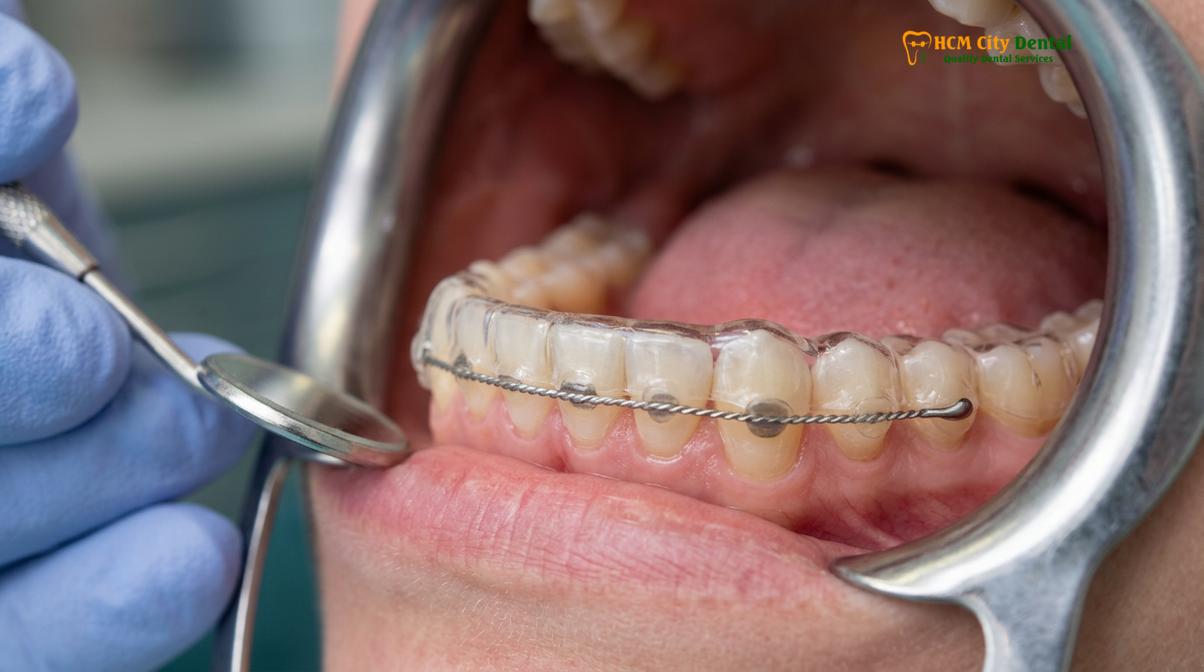
When a patient stops wearing their removable retainer, the teeth are left defenseless against the elastic memory of the gums and the natural forces of the mouth. In the first few weeks after braces are removed, skipping even a few days of retainer wear can result in noticeable shifting. The teeth may rotate slightly, or small spaces may begin to reopen. If the patient attempts to put the retainer back in after a period of neglect, it will likely feel excessively tight and uncomfortable, indicating that the teeth have already moved[4].
It is also important to understand the concept of biological “settling.” After braces are removed, the teeth need to micro-adjust to establish a comfortable, interlocking bite. A well-designed retention protocol allows for this natural settling while preventing unwanted rotational or translational movements. However, if retention is abandoned entirely, this settling process turns into uncontrolled relapse.
For patients who have lost or damaged their appliances, seeking immediate replacement is critical. Delaying the process can turn a simple replacement into a need for retreatment. Understanding the international retainer cost comparisons can help patients appreciate the value of maintaining their current appliances and seeking prompt care if an issue arises.
Re-Treatment Solutions: Minor Invisalign Tiers vs. Active Braces
Correcting relapsed teeth typically involves short-term clear aligner therapy for minor crowding or targeted fixed braces for moderate to severe occlusal discrepancies.
When patients notice their teeth shifted after braces, the immediate concern is often whether they will need to undergo years of treatment again. Fortunately, because the teeth have been previously moved, the bone pathways are often more yielding, making retreatment generally faster and less complex than the initial orthodontic journey. The choice of retreatment depends heavily on the severity of the relapse and the specific anatomical changes that have occurred.
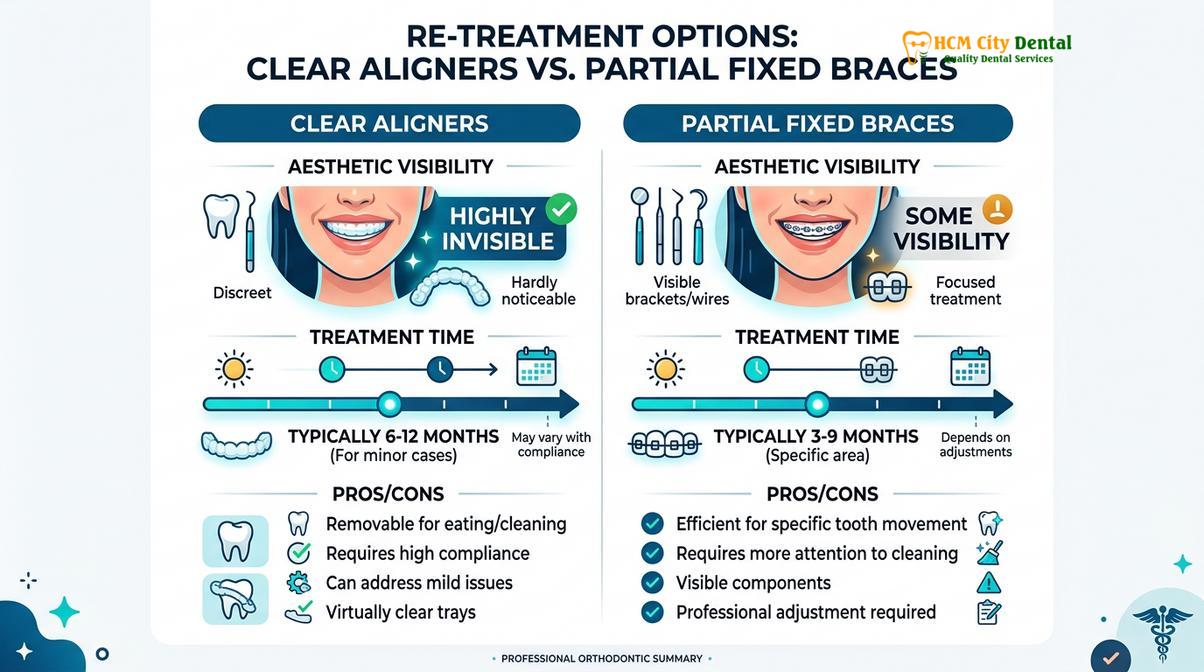
For mild to moderate relapse—such as slight lower incisor crowding or a small gap reopening—clear aligner therapy is usually the preferred method. Systems like Invisalign offer specific short-term tiers (such as Invisalign Express or Invisalign Lite) designed exactly for these scenarios. These systems utilize a limited number of aligner trays to apply gentle, targeted forces to the shifted teeth, guiding them back into alignment discreetly and efficiently.
During a retreatment consultation, Dr. Nguyen Van Cuong emphasizes the importance of a comprehensive digital assessment. “When evaluating a relapse case, we don’t just look at the crooked teeth; we analyze the underlying cause. Using intraoral 3D scanning, we can pinpoint exactly how the bite has shifted and design a highly targeted ClinCheck simulation to correct it without unnecessary overtreatment.”
| Treatment Method | Best Suited For | Average Duration | Aesthetic Impact |
|---|---|---|---|
| Clear Aligners (Short-Tier) | Minor crowding, small gaps, slight rotations | 3 to 6 months | Virtually invisible, highly aesthetic |
| Partial Fixed Braces | Moderate relapse, deep bite return, root uprighting | 6 to 12 months | Visible (ceramic options available) |
| Active Spring Retainers | Very minor single-tooth shifting (usually lower front) | 1 to 3 months | Visible wire across front teeth |
In cases where the relapse is more severe—such as the return of a deep overbite, significant crossbites, or severe crowding—partial or full fixed braces may be necessary. Fixed appliances offer superior biomechanical control for complex root movements and vertical bite corrections that aligners may struggle to achieve efficiently.
Clinical Case Study: Retreatment of Lower Crowding
Patient Profile: A 28-year-old patient visited HCMC Dental Clinic in Ho Chi Minh City presenting with moderate lower anterior crowding, having completed traditional braces treatment a decade prior but failing to wear retainers.
Clinical Assessment: Digital scanning revealed a 3mm space deficiency in the lower arch due to late mandibular growth and mesial drift. The patient was seeking Invisalign re-treatment Saigon options.
Treatment Protocol: Dr. Cuong prescribed a short-term clear aligner protocol involving 14 trays. Minimal interproximal reduction (IPR) was performed to create the necessary space without extractions.
Outcome: Optimal alignment was restored in just 16 weeks. The patient was subsequently fitted with a bonded lingual wire and a clear nighttime overlay to ensure lifelong stability, demonstrating the efficiency of targeted retreatment.
Patients often inquire about the minor crowding correction cost. Because retreatment usually requires fewer materials and less clinical time than comprehensive orthodontics, it is generally much more cost-effective. Exploring cost-effective retention solutions and retreatment plans allows patients to restore their smiles without the financial burden of a full second phase of braces.
Preventing Future Shift: Smart Retention Strategies at HCMC Dental
Long-term stability requires a customized retention protocol, often combining bonded lingual wires with removable nighttime aligners, alongside regular clinical monitoring.
The ultimate goal of any orthodontic intervention is not just to achieve a straight smile, but to maintain it for life. Preventing future shifting requires a proactive and highly customized retention strategy. At HCMC Dental Clinic, the philosophy is that retention is not the end of treatment, but the beginning of lifelong maintenance.
For maximum stability, Dr. Nguyen Van Cuong frequently recommends a “dual retention” protocol for adult patients. This involves bonding a fixed lingual wire behind the upper and lower anterior teeth to provide continuous, 24/7 stabilization of the most relapse-prone areas. Over this fixed wire, a clear removable Essix retainer is fabricated for the patient to wear at night. This dual approach ensures that even if the patient forgets their nighttime retainer occasionally, the fixed wire prevents catastrophic shifting of the front teeth[5].
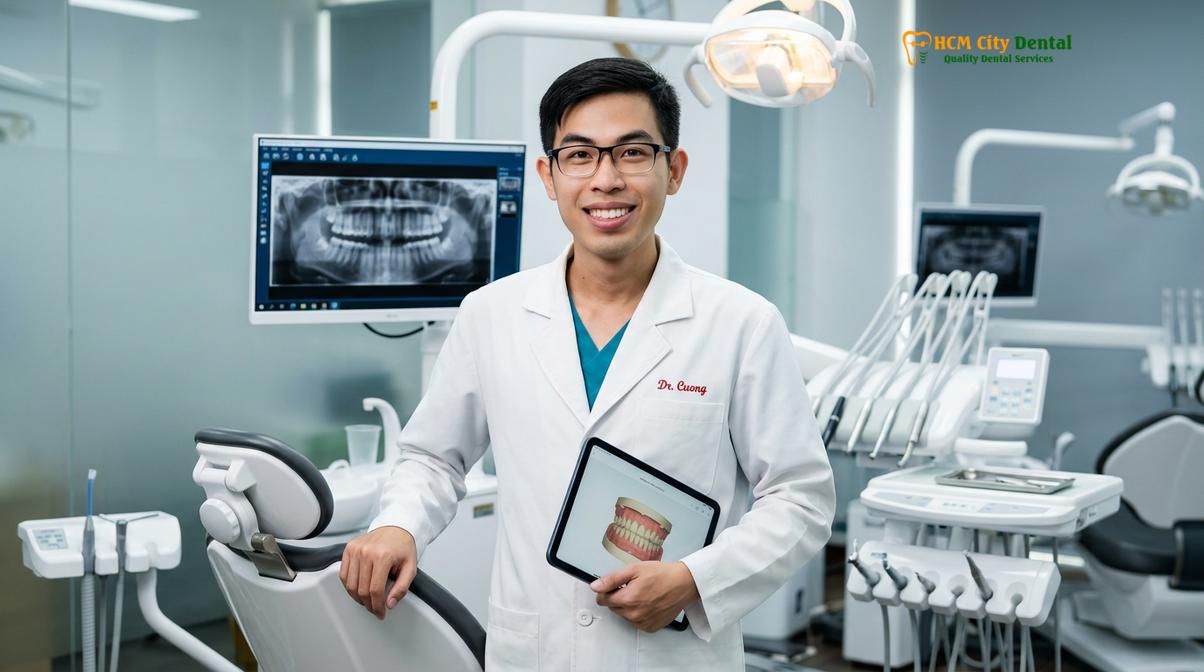
Maintaining these appliances is equally important. Fixed retainers require diligent oral hygiene, including the use of floss threaders or water flossers to prevent calculus buildup around the wire. If a fixed wire becomes detached, it is a dental urgency. Patients requiring repairing a broken fixed retainer or replacing a lost retainer should seek immediate clinical attention, such as a District 1 braces repair consultation, to prevent the teeth from drifting.
Clinical Warning: Do Not Force Old Retainers
If you have not worn your retainer for an extended period and your teeth have visibly shifted, do not attempt to force the old retainer onto your teeth. Forcing an ill-fitting appliance can apply uncontrolled, traumatic forces to the periodontal ligaments, potentially causing severe pain, root resorption, or permanent damage to the gingival tissues. Always consult an orthodontist for a proper adjustment or a new appliance.
“Retention is a lifelong commitment because the human body is in a constant state of change. Just as we exercise to maintain our physical fitness, we must wear our retainers to maintain our dental alignment. It is a small daily habit that yields a lifetime of aesthetic and functional benefits.”
Regular dental check-ups are the final pillar of preventing relapse. During routine cleanings, your dentist can evaluate the integrity of your retainers, check for signs of bruxism, and monitor your bite for any subtle changes. By combining advanced retention appliances with consistent professional oversight, patients can confidently preserve the results of their orthodontic investment for decades to come.
When to See a Doctor
Monitoring your smile post-treatment is essential for catching relapse early. You should schedule a clinical evaluation with an orthodontist if you experience any of the following signs:
- Retainer Discomfort: Your removable retainer feels excessively tight, causes pain upon insertion, or no longer seats fully over your teeth.
- Visible Shifting: You notice small gaps reopening between your teeth, or previously straightened teeth beginning to overlap or twist.
- Bite Changes: Your upper and lower teeth no longer fit together comfortably, or you experience premature contact on certain teeth when chewing.
- Appliance Damage: Your fixed lingual wire has broken, debonded from a tooth, or your clear retainer has cracked or warped.
- Jaw Pain: You develop new symptoms of TMJ discomfort, muscle fatigue, or signs of severe teeth grinding, which may indicate an unstable occlusion.
Early intervention is the key to minimizing the complexity and cost of retreatment. If you suspect your teeth are shifting, do not wait for the movement to worsen before seeking professional advice.
Frequently Asked Questions
Why did my teeth shift years after wearing braces?
Teeth can shift years after braces due to natural physiological changes, late jaw growth, and the elastic memory of periodontal ligaments. Even if your teeth were perfectly straight when your braces were removed, the continuous forces from chewing, speaking, and aging can cause gradual movement. This is why orthodontists universally recommend lifelong retainer wear to counteract these natural forces and maintain your alignment.
Can Invisalign Go fix minor orthodontic relapse quickly?
Yes, Invisalign Go or similar short-term clear aligner systems are highly effective for correcting minor orthodontic relapse efficiently. Because your teeth have been moved before, the bone pathways are often more yielding, allowing for faster correction. Most minor relapse cases can be resolved within a few months using targeted aligner therapy, provided the patient complies strictly with the wear schedule.
How much does it cost to fix shifted teeth in Vietnam?
The cost to correct shifted teeth in Vietnam depends entirely on the severity of the relapse and the chosen retreatment method. Minor corrections using a limited number of clear aligners are generally highly affordable compared to full orthodontic treatment. For precise pricing regarding minor crowding correction cost, a clinical consultation is required to evaluate the necessary tooth movements and appliance type.
Can a retainer fix teeth that have already shifted back?
A standard retainer can only correct very minor shifts if the teeth have moved just a fraction of a millimeter. If the retainer feels slightly tight but still seats fully, wearing it full-time may guide the teeth back. However, if the retainer cannot seat properly or causes severe pain, it cannot fix the relapse, and forcing it may damage your teeth or gums.
How long do I need to wear my retainer to prevent relapse?
To permanently prevent orthodontic relapse, you must wear your retainer indefinitely, transitioning to nighttime wear for life. The bone and ligaments surrounding your teeth remain dynamic and susceptible to shifting as you age. While full-time wear is only required immediately after braces removal, committing to wearing your retainer while you sleep is the only reliable way to ensure lifelong stability.
References
- American Journal of Orthodontics and Dentofacial Orthopedics. Periodontal ligament memory and supracrestal fiber remodeling in orthodontic relapse. (2021).
- Journal of Clinical Orthodontics. The role of late mandibular growth in lower anterior crowding post-retention. (2020).
- European Journal of Orthodontics. Long-term stability and relapse: a comprehensive review of retention protocols. (2019).
- Angle Orthodontist. Compliance rates with removable retainers and the incidence of orthodontic relapse. (2022).
- International Journal of Dentistry. Efficacy of clear aligner therapy in the management of orthodontic retreatment cases. (2018).