Flying after a tooth extraction is generally safe if you wait 48 to 72 hours for a simple extraction, and up to a week for surgical procedures. Boarding a flight too soon exposes the healing socket to cabin pressure changes, increasing the risk of bleeding and painful dry sockets.
Clinical Summary:
Air travel shortly after dental extractions introduces unique physiological challenges due to atmospheric pressure fluctuations in commercial aircraft cabins. The primary clinical concern is the dislodgement of the protective blood clot, leading to alveolar osteitis (dry socket) or delayed hemorrhage. While simple extractions typically require a 48-hour grounding period, complex surgical removals—especially those involving the maxillary sinus floor—demand extended observation. Proper pre-flight preparation, including securing sterile gauze, prescribed analgesics, and adhering to strict hydration protocols, is essential for mitigating in-flight dental emergencies and ensuring uninterrupted tissue regeneration.
Key Takeaways:
- Wait a minimum of 48 hours before flying after a routine extraction to allow initial blood clot stabilization.
- Surgical extractions, particularly impacted wisdom teeth, require 5 to 7 days of recovery before safe air travel.
- Cabin pressure changes can expand trapped gases in the maxillary sinus, causing severe discomfort after upper molar removal.
- Pack a dental emergency kit in your carry-on, including sterile gauze, prescribed pain medication, and a cold compress.
- Avoid using straws, consuming hot beverages, or drinking alcohol during the flight to protect the extraction site.
The Physics of Flight: Cabin Pressure and Healing Wounds
Commercial airplane cabins are pressurized to simulate an altitude of 6,000 to 8,000 feet, creating atmospheric shifts that can disrupt delicate healing tissues and expand trapped gases in the oral cavity.
Understanding the relationship between aviation physics and human physiology is crucial when considering air travel following oral surgery. When a commercial airliner ascends to its cruising altitude of 30,000 to 40,000 feet, the interior cabin is artificially pressurized. However, this pressurization does not replicate sea-level conditions. Instead, the cabin environment mimics the atmospheric pressure found at an elevation of approximately 6,000 to 8,000 feet. This reduction in ambient pressure has profound effects on the human body, particularly on closed spaces and fresh surgical wounds.
According to Boyle’s Law, the volume of a gas is inversely proportional to the pressure exerted upon it. As the cabin pressure drops during ascent, any trapped gases within the body naturally expand. In the context of a recent dental procedure, microscopic pockets of air can become trapped within the periodontal ligament space, beneath the gum tissue, or within the healing socket itself. When these gases expand, they exert outward mechanical force on the surrounding inflamed tissues and the newly formed blood clot[1]. This phenomenon, known as barodontalgia or “tooth squeeze,” is a well-documented cause of in-flight dental pain.
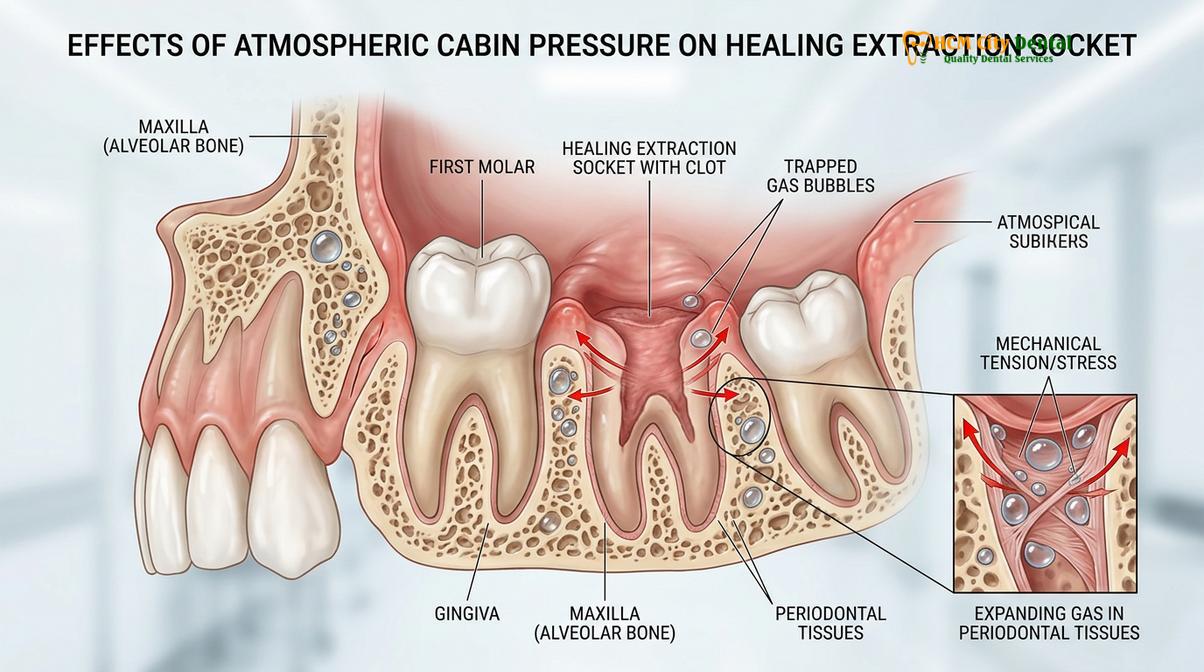
The physiological response to a cabin pressure tooth extraction scenario involves more than just gas expansion. The localized drop in atmospheric pressure can also cause a subtle shift in blood pressure dynamics within the microvasculature of the gingiva. The capillaries surrounding the extraction site are already dilated due to the body’s natural inflammatory healing response. The reduced ambient pressure can encourage these fragile vessels to leak, potentially restarting the bleeding process hours or even days after the initial hemostasis was achieved.
Dr. Nguyen Van Cuong, a leading specialist at HCMC Dental Clinic, frequently advises patients on the biomechanical impacts of flight. He notes that the initial 48 hours post-extraction are characterized by a highly active cellular response, where the fibrin network is still fragile and highly susceptible to barometric stress. Subjecting this delicate matrix to the rapid pressure cycling of takeoff and landing significantly compromises the structural integrity of the healing wound.
The Primary Risk: Blood Clot Displacement and Dry Socket
The most significant danger of flying too soon is the loss of the protective blood clot, which exposes underlying bone and nerves, resulting in a severely painful condition known as a dry socket.
Following the removal of a tooth, the body immediately initiates a complex coagulation cascade. Blood fills the empty alveolar socket, and platelets begin to aggregate, forming a gelatinous clot. This clot serves as a biological bandage; it protects the exposed jawbone, shields the sensitive nerve endings, and provides a foundational matrix upon which new bone and soft tissue will eventually grow. The preservation of this clot is the single most important factor in a smooth, uncomplicated recovery.
The dry socket risk flying presents is directly tied to the mechanical forces exerted by pressure changes. If the expanding gases or the subtle shifts in vascular pressure cause the clot to dislodge, dissolve, or fail to form completely, the patient develops alveolar osteitis, commonly referred to as a dry socket. This condition is notoriously painful because the alveolar bone and the trigeminal nerve endings are left completely exposed to the oral environment, including air, food particles, and bacteria.
“Alveolar osteitis is not merely a delay in healing; it is an acute localized inflammation of the bone marrow. The pain associated with a dry socket is often described as a deep, radiating ache that is highly resistant to over-the-counter analgesics, making it a severe medical event when it occurs mid-flight.”
When a patient experiences blood clot displacement at 30,000 feet, the options for clinical intervention are virtually nonexistent. The dry, recirculated air of the aircraft cabin further exacerbates the condition by rapidly drying out the exposed bone, intensifying the pain. Furthermore, the stress and anxiety of experiencing severe pain in a confined space can elevate the patient’s heart rate and blood pressure, which may induce secondary bleeding from the surrounding inflamed gingiva.
Clinical Warning Signs of a Dry Socket:
If you experience a sudden, severe throbbing pain that radiates to your ear, eye, or neck 2 to 4 days after an extraction, accompanied by a foul taste or visible empty space in the socket, you likely have a dry socket. Do not board a flight if you are exhibiting these symptoms; seek immediate dental care.
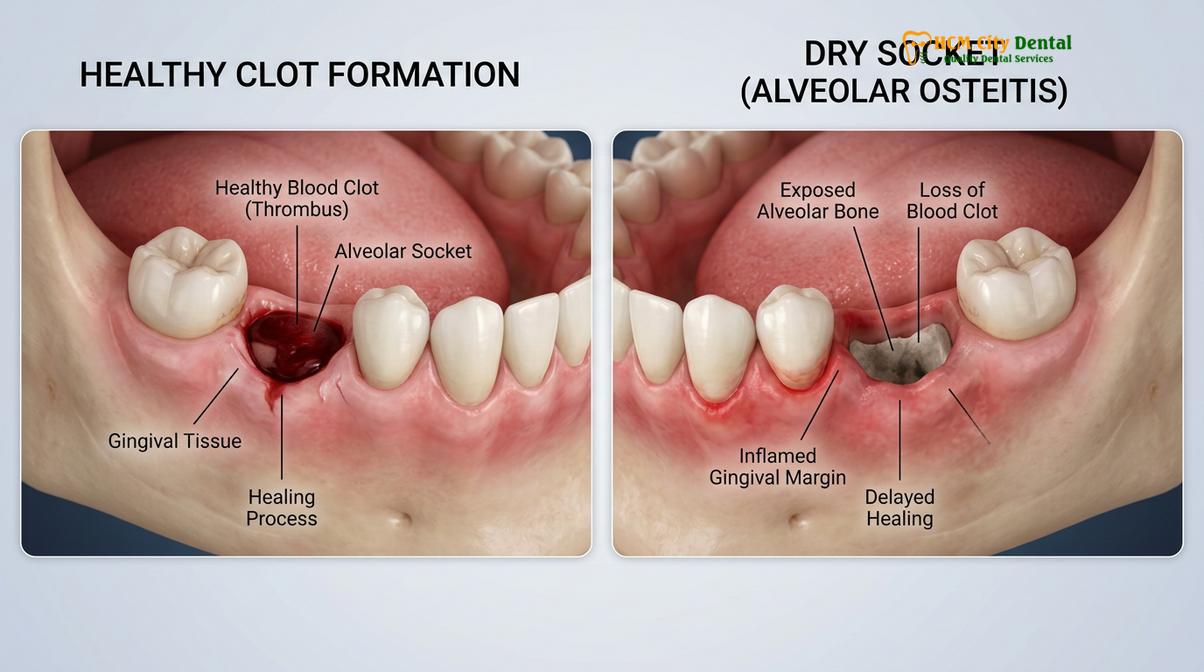
To mitigate these risks, patients must strictly adhere to post-operative guidelines. This includes avoiding any actions that create negative pressure in the mouth, such as drinking through a straw, smoking, or vigorous spitting. While these rules apply to all extraction patients, they are exponentially more critical for individuals preparing for air travel, as the baseline risk of clot disruption is already elevated by the aviation environment[2].
Sinus Pressure Connections: Extraction of Upper Back Molars
Removing upper premolars and molars often leaves a fragile layer of bone separating the mouth from the maxillary sinus, making this area highly vulnerable to altitude-induced barotrauma.
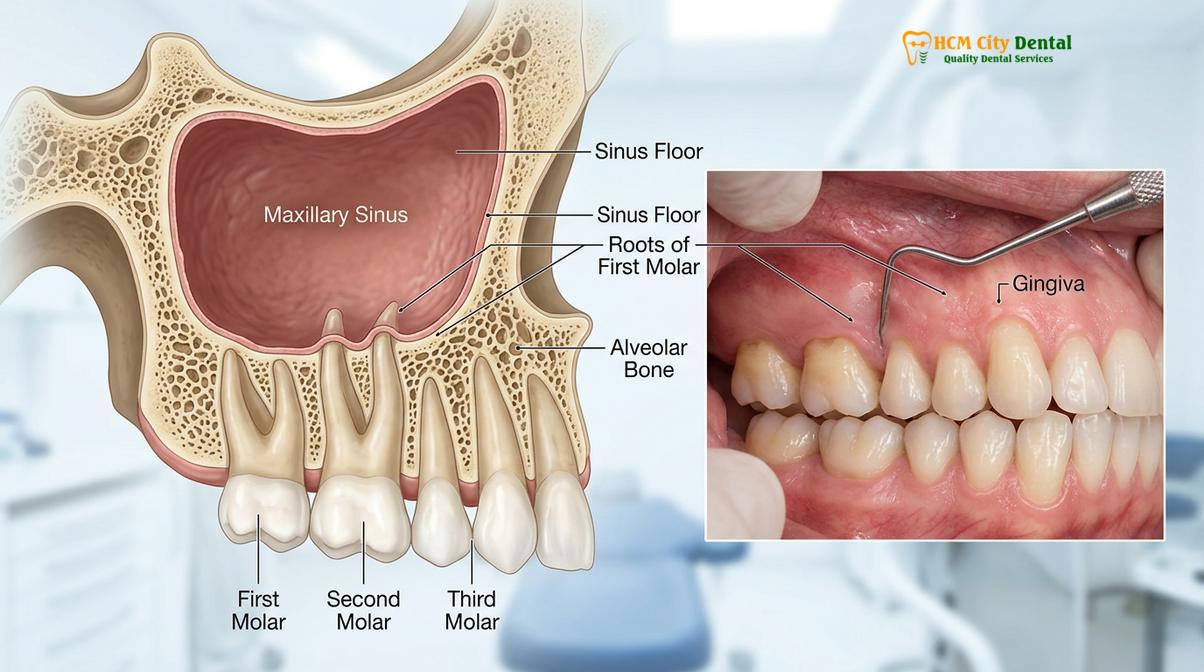
The anatomical relationship between the upper dentition and the maxillary sinuses introduces a unique set of complications for post-extraction air travel. The roots of the maxillary premolars and molars often extend upward, resting perilously close to the floor of the maxillary sinus cavity. In some individuals, the roots actually protrude into the sinus, separated only by the delicate Schneiderian membrane and a paper-thin layer of cortical bone.
When an upper posterior tooth is extracted, this thin bony partition can be compromised. Even in a routine, atraumatic extraction, the resulting socket is in close proximity to the air-filled sinus cavity. This anatomical reality makes a sinus pressure tooth pull a specific contraindication for immediate air travel. The maxillary sinuses are designed to equalize pressure with the outside environment through small openings called ostia, which connect to the nasal cavity.
During a flight, as cabin pressure fluctuates, the air within the maxillary sinuses must expand and contract to equalize with the cabin. If a patient has nasal congestion due to a cold, allergies, or the dry cabin air, the ostia may become blocked. The trapped air within the sinus will then expand during ascent, creating immense downward pressure on the sinus floor. If the bone has been recently weakened by an extraction, this pressure can cause severe pain and, in extreme cases, rupture the delicate membrane, creating an oroantral fistula—a direct, unnatural communication between the mouth and the sinus cavity[3].
An oroantral fistula is a significant clinical complication that requires surgical closure. If a patient flies too soon after an upper molar extraction and experiences this barotrauma, they may notice air rushing through the extraction socket when they breathe, or fluids passing from their mouth into their nose when they drink. To prevent this, dentists often advise patients who have had upper molars removed to avoid blowing their nose forcefully, sneezing with their mouth closed, and certainly, to avoid the rapid pressure changes of commercial aviation until the socket has adequately ossified.
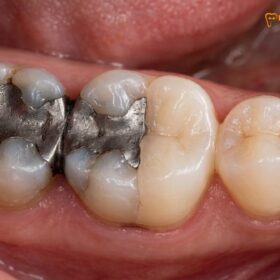
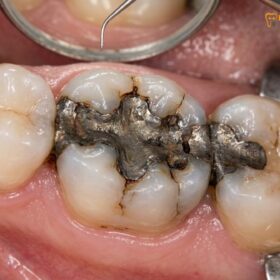
For patients undergoing comprehensive restorative work, such as replacing old silver fillings or receiving advanced tooth-colored filling materials on upper molars concurrently with an extraction, the localized trauma to the quadrant is increased. The combined inflammation from multiple procedures necessitates a highly conservative approach to travel clearance.
How Long to Wait Before Boarding: Simple vs Surgical Rules
A strict timeline dictates safe travel: simple extractions require a 48-hour wait, while surgical removals and implant placements demand at least five to seven days of grounded recovery.
Determining the exact window of safety for flying after oral surgery depends entirely on the complexity of the procedure, the patient’s underlying health, and the specific anatomical site of the extraction. Dental professionals categorize extractions into two primary types: simple and surgical. The physiological trauma and subsequent healing timelines differ vastly between the two, dictating distinct protocols for air travel.
A simple extraction involves the removal of a tooth that is fully visible above the gum line and has straight, uncomplicated roots. The dentist uses an elevator to loosen the tooth and forceps to extract it, usually without the need for incisions or bone removal. Because the trauma to the surrounding alveolar bone and gingival tissue is minimal, the blood clot forms quickly and stabilizes within the first 24 to 48 hours. For these routine procedures, most clinical guidelines suggest that flying after 48 hours is generally safe, provided the patient is experiencing normal healing and minimal pain.
Conversely, a surgical extraction is required when a tooth is impacted (stuck beneath the gum or bone), broken off at the gum line, or possesses severely curved roots. This procedure necessitates incisions into the gingiva, the removal of surrounding bone using a surgical handpiece, and often, the sectioning of the tooth into multiple pieces for safe removal. The inflammatory response following a surgical extraction is significantly more intense, peaking at 48 to 72 hours post-operation. Swelling, bruising, and higher pain levels are expected.
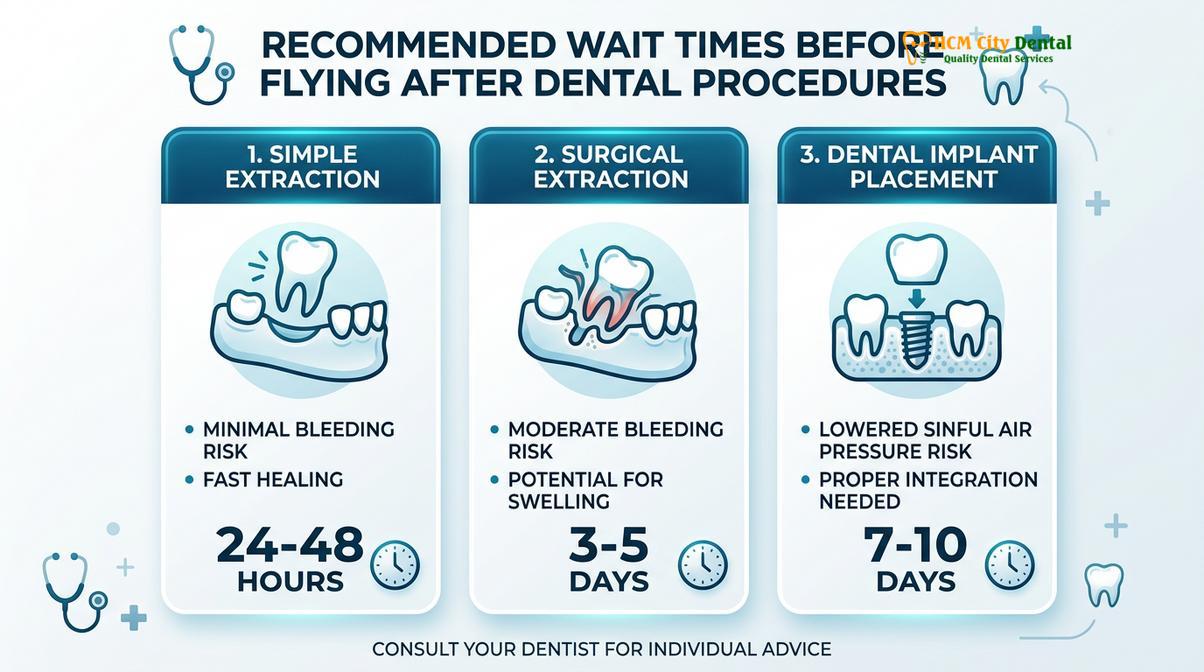
Due to the extensive tissue manipulation, the blood clot in a surgical socket is larger, more fragile, and takes longer to organize into stable granulation tissue. Flying during the peak inflammatory phase (days 2-3) is highly discouraged. The combination of maximum swelling and cabin pressure changes can lead to severe discomfort and a high risk of wound dehiscence (reopening). Therefore, a minimum wait time of five to seven days is standard protocol for surgical extractions, particularly for impacted lower wisdom teeth.
| Procedure Type | Clinical Description | Minimum Wait Time to Fly | Primary Aviation Risk |
|---|---|---|---|
| Simple Extraction | Visible tooth, no incisions, minimal bone trauma. | 48 to 72 Hours | Minor bleeding, mild discomfort. |
| Surgical Extraction | Impacted tooth, bone removal, sutures required. | 5 to 7 Days | Dry socket, severe pain, wound reopening. |
| Upper Molar Removal | Proximity to maxillary sinus floor. | 5 to 7 Days | Sinus barotrauma, oroantral fistula. |
| Extraction with Implant | Immediate placement of titanium post into bone. | 7 to 10 Days | Implant micro-movement, integration failure. |
If a patient is undergoing routine dental extractions as part of a broader treatment plan, such as preparing for orthodontics or dentures, the cumulative trauma must be assessed. Similarly, if a patient is receiving multiple restorative procedures in one visit alongside an extraction, the overall stress on the oral cavity is amplified, warranting a more cautious approach to travel clearance[4].
In-Flight Emergency Preparation: Gauze, Pain Meds, and Hydration
Proper carry-on preparation is vital for managing unexpected bleeding or pain at 30,000 feet, ensuring you have immediate access to sterile gauze and prescribed analgesics.
Even with strict adherence to waiting periods, the unpredictable nature of biological healing means that complications can occasionally arise mid-flight. A comprehensive HCMC dentist flight check protocol emphasizes proactive preparation. Patients must assume that they will not have access to professional medical assistance while airborne and must pack a dedicated dental emergency kit in their carry-on luggage—never in checked baggage.
The cornerstone of this emergency kit is sterile woven gauze. If the pressure changes cause the extraction site to begin oozing or actively bleeding, immediate mechanical pressure is required. The patient should fold a piece of clean gauze into a tight square, place it directly over the bleeding socket, and bite down firmly for 30 to 45 continuous minutes. The pressure acts as a physical barrier, slowing the blood flow and allowing the coagulation cascade to rebuild the clot. If standard gauze is insufficient, packing a few black tea bags is a highly effective clinical trick. Black tea contains tannic acid, a natural astringent that constricts blood vessels and actively promotes blood clotting.
Clinical Case Example:
A 34-year-old patient visiting HCMC Dental Clinic in Ho Chi Minh City required an urgent surgical extraction of an infected premolar just four days before an unavoidable international flight. Dr. Cuong provided a specialized travel kit containing hemostatic gauze, a prescription for anti-inflammatory medication, and detailed instructions on managing sinus pressure. By utilizing the provided cold compress during ascent and maintaining strict hydration, the patient completed the 14-hour flight without experiencing secondary bleeding or dry socket complications.
Pain management is equally critical. The expansion of gases in the healing tissues can cause a sudden spike in pain levels during takeoff and landing. Patients should take their prescribed analgesic or an over-the-counter anti-inflammatory (such as Ibuprofen) approximately one hour before boarding. This preemptive dosing ensures that the medication reaches peak efficacy in the bloodstream just as the aircraft begins its ascent and cabin pressure drops. It is vital to keep all medications in their original pharmacy packaging to facilitate smooth passage through airport security.
“Hydration plays a silent but critical role in post-operative healing. The ambient humidity in a commercial aircraft cabin is exceptionally low, often dropping below 20%. This arid environment can rapidly desiccate the oral mucosa and the healing extraction socket, increasing the risk of clot failure.”

To combat in-flight dehydration, patients must consume ample amounts of room-temperature water. However, the method of consumption is just as important as the fluid itself. Patients must absolutely avoid using straws, as the suction creates negative pressure in the mouth that can instantly dislodge the blood clot. Furthermore, hot beverages like airplane coffee or tea should be avoided, as the heat dilates blood vessels and can dissolve the fragile fibrin network. Carbonated beverages and alcohol are also strictly contraindicated, as they can irritate the surgical wound and interfere with the efficacy of pain medications[5].
For patients who have recently undergone painless cavity treatment or are in the process of determining the threshold between a filling and a crown, the rules of hydration and gentle oral care remain applicable to ensure the longevity of the new restorations and the health of the surrounding gingiva.
When to See a Doctor
While minor oozing and mild throbbing can be expected when flying shortly after an extraction, certain symptoms indicate a severe complication that requires immediate professional intervention. You should seek emergency dental care upon landing if you experience any of the following red flags:
- Uncontrolled Bleeding: If active, bright red bleeding continues despite applying firm pressure with gauze for over an hour.
- Severe, Radiating Pain: Pain that is not managed by prescribed medication and radiates sharply to the ear, eye, or neck, indicating a potential dry socket or nerve involvement.
- Signs of Infection: A sudden spike in fever, localized swelling that worsens after the third day, or the presence of foul-tasting, yellowish discharge (pus) from the extraction site.
- Sinus Complications: If you feel air rushing through the socket when you breathe, or if fluids pass from your mouth into your nasal cavity, indicating an oroantral fistula.
Dr. Nguyen Van Cuong emphasizes that ignoring these symptoms can lead to systemic infections or permanent tissue damage. Always prioritize your health over travel itineraries, and consult with a qualified dental professional for a personalized clearance assessment before boarding any flight following oral surgery.
Frequently Asked Questions
What happens if cabin pressure causes my extraction socket to bleed?
If cabin pressure induces bleeding, the atmospheric shift has likely disturbed the stabilizing blood clot. You should immediately fold a piece of sterile gauze, place it directly over the extraction site, and apply firm, continuous biting pressure for 30 minutes to promote re-coagulation. Avoid rinsing or spitting, as this will further disrupt the clotting process.
Is 48 hours enough wait time before flying after tooth removal?
Yes, 48 hours is generally sufficient for a simple, uncomplicated tooth extraction. However, for surgical extractions, impacted wisdom teeth, or procedures involving the maxillary sinus, dentists strongly recommend waiting at least five to seven days before flying to ensure the blood clot is fully stabilized against pressure changes.
Can I carry my dental pain medication on the plane?
Yes, you can and should carry your prescribed dental pain medication in your carry-on luggage. Ensure all prescription medications remain in their original, clearly labeled pharmacy packaging to comply with standard aviation security regulations and ensure you have immediate access to pain relief mid-flight.
Does flying make tooth extraction pain worse?
Flying can temporarily exacerbate tooth extraction pain due to barometric pressure changes in the cabin. These pressure shifts can cause trapped gases in the healing tissues or adjacent sinus cavities to expand, leading to increased throbbing and discomfort, particularly during ascent and descent.
Can I drink airplane coffee or tea after an extraction?
You should avoid hot airplane coffee or tea for at least 48 hours post-extraction. Hot liquids can dissolve or dislodge the fragile blood clot, while the caffeine can elevate blood pressure, potentially triggering secondary bleeding at the surgical site. Stick to room-temperature water instead.
References
- Journal of Oral and Maxillofacial Surgery. Effects of barometric pressure changes on post-extraction alveolar healing. (2021).
- Aviation, Space, and Environmental Medicine. Dental barotrauma and barodontalgia in commercial aviation passengers. (2019).
- International Journal of Oral and Maxillofacial Surgery. Incidence of alveolar osteitis following air travel: A retrospective clinical study. (2020).
- British Dental Journal. Maxillary sinus complications following posterior tooth extraction and altitude exposure. (2022).
- Journal of the American Dental Association. Post-operative guidelines for oral surgery patients undertaking air travel. (2018).
For pricing, booking, and a free clinical assessment, visit our Tooth Extraction service page at HCMC Dental Clinic in Ho Chi Minh City.