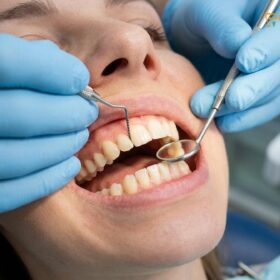
Painless cavity treatment for a Vietnam dental tourist combines advanced local anesthetics, computer-controlled delivery systems, and minimally invasive techniques to eliminate discomfort. By utilizing ultra-fine needles and topical numbing gels, international patients receive highly effective, anxiety-free restorative care without the traditional pain associated with dental fillings.
For many international travelers, the prospect of undergoing dental work abroad can induce a degree of apprehension. However, the landscape of modern restorative dentistry has evolved significantly. Today, addressing dental decay is no longer synonymous with discomfort. Through a sophisticated integration of pharmacological advancements, precision instrumentation, and empathetic clinical protocols, the process of restoring a decayed tooth has been refined into a highly comfortable, streamlined experience. This comprehensive guide explores the clinical methodologies that make painless cavity treatment a reality for patients visiting Ho Chi Minh City.
Clinical Summary:
The paradigm of painless cavity treatment relies on a multi-tiered approach to pain management and tissue preservation. Initially, high-concentration topical anesthetics are applied to desensitize the oral mucosa. This is followed by the administration of pH-buffered local anesthetics, such as Articaine or Lidocaine, utilizing computer-controlled local anesthesia (CCLA) devices. These systems regulate the flow rate and hydrostatic pressure of the anesthetic fluid, virtually eliminating the tissue distension that causes injection pain. For patients exhibiting significant apprehension, adjunctive pharmacological support via nitrous oxide inhalation or oral conscious sedation is integrated to elevate the pain threshold and depress the central nervous system’s anxiety response. The restorative phase utilizes low-vibration, high-torque handpieces and selective caries removal techniques to preserve healthy dentin. Finally, biocompatible nanohybrid composite resins are bonded to the tooth structure using advanced adhesive protocols, ensuring a durable, aesthetically seamless restoration while minimizing post-operative hypersensitivity. This evidence-based workflow ensures that international patients receive optimal care with maximum comfort.
Key Takeaways:
- Topical benzocaine gels desensitize the injection site, ensuring the initial needle penetration is virtually imperceptible.
- Computer-controlled anesthesia systems regulate fluid pressure, preventing the tissue tearing that traditionally causes injection discomfort.
- Modern anesthetics like Articaine offer superior lipid solubility, resulting in faster onset and more profound pulpal anesthesia.
- Nitrous oxide sedation provides a safe, reversible method to manage anxiety and elevate the pain threshold during treatment.
- Advanced bonding protocols and nanohybrid composites minimize post-operative sensitivity and restore the tooth’s natural biomechanics.
Overcoming Dental Fear: Modern Painless Protocols
Modern painless protocols utilize a combination of psychological management, buffered anesthetics, and advanced delivery mechanisms to completely block pain signals, ensuring a stress-free experience for patients with dental anxiety.
Dental fear is a recognized psychological barrier that prevents many individuals from seeking necessary oral healthcare. The anticipation of pain, the sound of the dental drill, and the vulnerability of sitting in the dental chair can trigger a profound sympathetic nervous system response, commonly referred to as the “fight or flight” reaction. When managing general dentistry procedures for international visitors, addressing this psychological component is just as critical as the technical execution of the filling itself.
The neurophysiology of dental pain involves the transmission of nociceptive signals via the A-delta and C nerve fibers within the dental pulp and surrounding periodontal tissues. A-delta fibers are responsible for sharp, immediate pain, while C fibers transmit dull, aching sensations. Modern painless protocols are designed to intercept these signals at multiple junctures. According to the Gate Control Theory of Pain, non-painful sensory input can effectively close the “nerve gates” to painful input, preventing pain sensation from traveling to the central nervous system. Dentists utilize this principle through techniques such as tissue vibration or gentle pressure applied adjacent to the injection site, which distracts the neural pathways and minimizes the perception of the injection.
Furthermore, the clinical environment plays a pivotal role in mitigating anxiety. At HCMC Dental Clinic, the operatory is designed to be a calming space, utilizing noise-canceling headphones, ergonomic patient positioning, and clear, empathetic communication. Dr. Nguyen Van Cuong emphasizes that “predictability is the antidote to anxiety.” By explaining each step of the procedure before it occurs, the clinician removes the element of surprise, allowing the patient to feel in control of their treatment. This approach is particularly beneficial for those requiring dental anxiety fillings, as it transforms a historically dreaded procedure into a collaborative, transparent process.
The integration of these psychological and physiological protocols ensures that the patient’s baseline stress levels are significantly reduced before any clinical intervention begins. This reduction in circulating stress hormones (such as cortisol and adrenaline) actually improves the efficacy of local anesthetics, as high anxiety levels have been clinically shown to lower the pain threshold and make achieving profound numbness more difficult [1].
Anesthesia Breakthroughs: Topical Gels and Ultra-Fine Needles
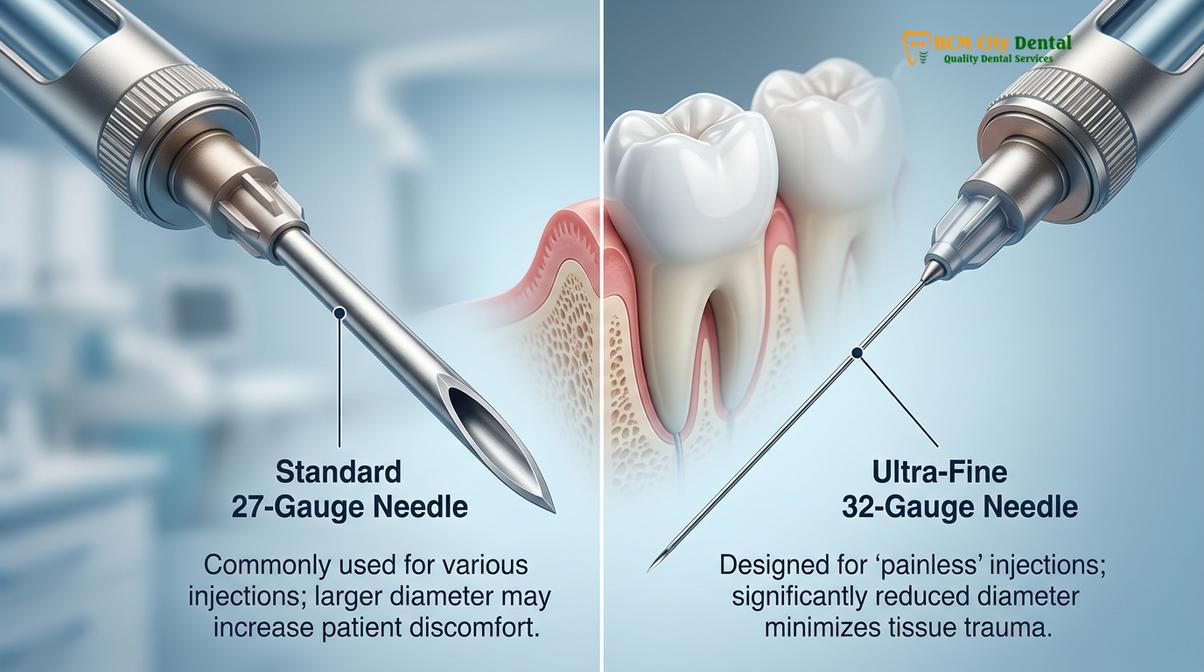
High-concentration topical benzocaine gels numb the mucosal surface before injection, while ultra-fine 30-gauge to 32-gauge needles ensure the anesthetic is delivered with virtually no tissue trauma.
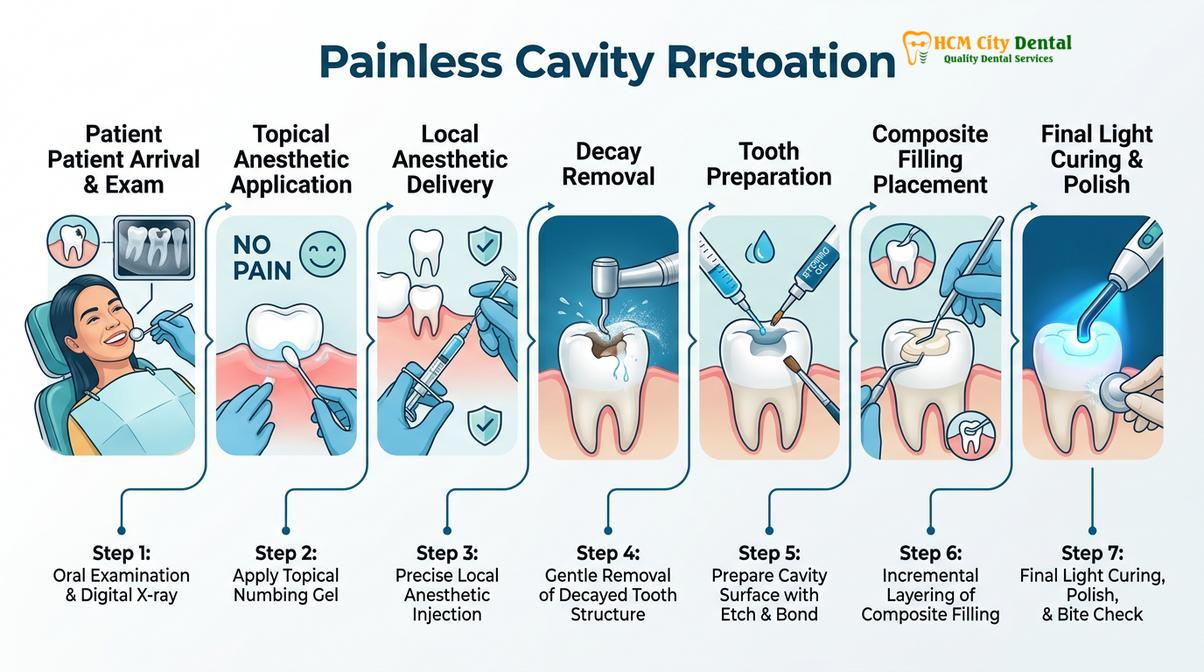
The most common source of apprehension regarding cavity treatment is the administration of local anesthesia. To circumvent this, modern restorative dentistry employs a two-step desensitization process. The first step involves the application of a high-concentration topical anesthetic gel, typically containing 20% Benzocaine or a compounded mixture of Lidocaine, Prilocaine, and Tetracaine. This gel is applied directly to the dried oral mucosa at the intended injection site and left undisturbed for one to two minutes. The topical agent penetrates the superficial epithelial layers, temporarily blocking the sodium channels in the terminal nerve endings and rendering the surface tissue completely numb.
Once the mucosa is desensitized, the clinician utilizes an ultra-fine dental needle to deliver the injectable anesthetic. The gauge of a needle refers to its outer diameter; the higher the gauge number, the thinner the needle. Historically, 25-gauge or 27-gauge needles were standard in dentistry. Today, a painless anesthesia injection is achieved using 30-gauge or even 32-gauge needles. These needles are so microscopic that their penetration through the pre-numbed tissue is virtually imperceptible to the patient.
Beyond the needle itself, the pharmacology of the anesthetic solution has seen significant advancements. Traditional anesthetics often caused a stinging sensation upon injection due to their acidic pH, which is necessary to keep the added epinephrine (a vasoconstrictor) stable. To eliminate this sting, modern clinics employ a technique called “anesthetic buffering.” By mixing the anesthetic cartridge with a precise amount of sodium bicarbonate immediately prior to injection, the pH of the solution is neutralized to match the body’s natural physiologic pH (approximately 7.4). This buffering process not only eliminates the burning sensation but also accelerates the onset of profound pulpal anesthesia, allowing the dentist to begin the restorative general dentistry procedure much sooner [2].
| Component | Traditional Approach | Modern Painless Protocol | Clinical Benefit |
|---|---|---|---|
| Topical Anesthetic | Low concentration, brief application | 20% Benzocaine, 2-minute dwell time | Profound surface desensitization prior to injection. |
| Needle Gauge | 25G or 27G (Thicker) | 30G or 32G (Ultra-fine) | Minimizes tissue trauma and penetration awareness. |
| Anesthetic pH | Acidic (pH 3.5 – 5.5) | Buffered to physiologic pH (7.4) | Eliminates the “sting” and accelerates onset of numbness. |
| Primary Agent | Lidocaine 2% | Articaine 4% | Higher lipid solubility for deeper, more reliable pulpal anesthesia. |
Computer-Controlled Local Anesthesia: The Pressure-Free Numb
Computer-controlled local anesthesia systems regulate the flow rate and pressure of the anesthetic fluid, preventing the tissue tearing that causes injection pain and providing a profound, comfortable numb.
While topical gels and ultra-fine needles address the pain of the initial puncture, the primary cause of discomfort during a dental injection is actually the hydrostatic pressure of the anesthetic fluid being forced into the dense periodontal tissues. When a dentist uses a traditional manual syringe, it is nearly impossible to maintain a perfectly consistent, slow flow rate. Rapid injection causes the tissue to distend and tear on a microscopic level, triggering the pain receptors.
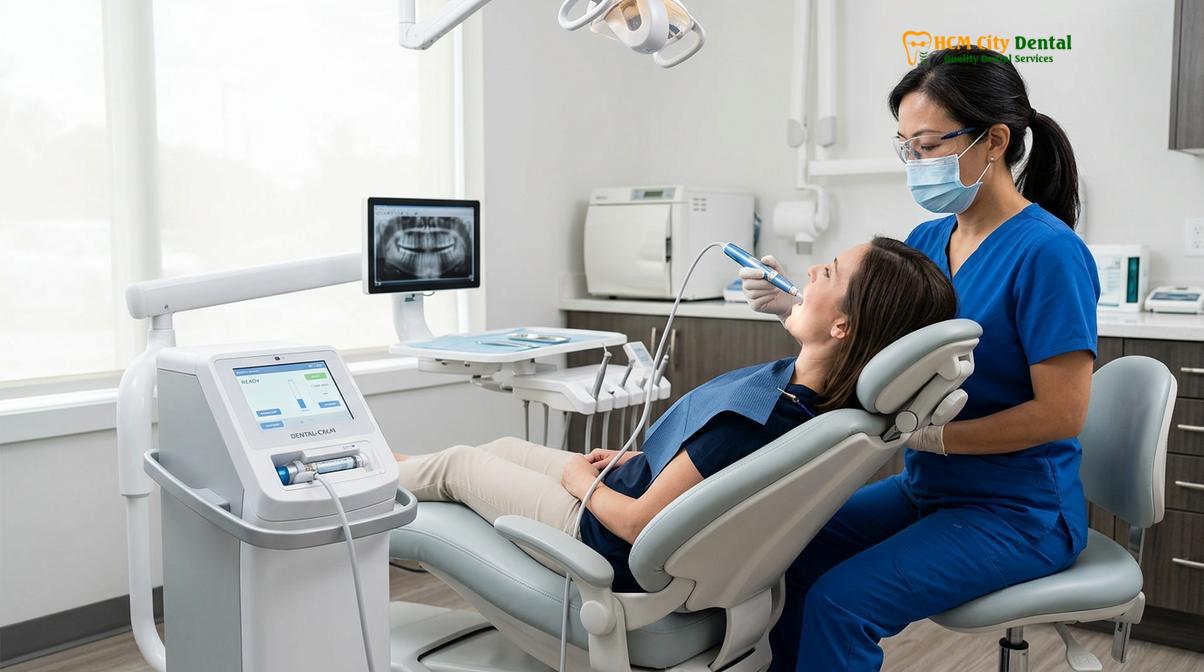
To solve this biomechanical issue, advanced clinics utilize Computer-Controlled Local Anesthesia (CCLA) systems, such as The Wand or the Dentapen. These sophisticated microprocessors continuously monitor the resistance of the tissue as the anesthetic is delivered. The computer automatically adjusts the flow rate to ensure that the fluid is introduced at a pressure that remains below the patient’s pain threshold. This technology is the cornerstone of computer controlled numbing.
The CCLA handpiece is designed to look like a sleek pen rather than a threatening syringe, which provides an immediate psychological benefit. As the dentist guides the ultra-fine tip to the target site, the computer initiates a “cruise control” delivery, dispensing the anesthetic drop by drop. The fluid actually precedes the needle tip, creating an “anesthetic pathway” so that the needle is always advancing into tissue that is already numb. This technique is particularly advantageous for administering the Single Tooth Anesthesia (STA) intraligamentary injection, which numbs only the specific tooth being treated without causing collateral numbness to the lips, cheeks, or tongue.
“The integration of microprocessor-controlled delivery systems has revolutionized pain management in restorative dentistry. By eliminating the variable of human pressure and standardizing the flow rate, we can achieve profound pulpal anesthesia without inducing the tissue trauma that historically caused injection discomfort.”
For a Vietnam dental tourist with a tight itinerary, CCLA offers the added benefit of rapid onset and localized effect. Patients can undergo their cavity treatment and immediately return to their travel activities, enjoy a meal, or attend a business meeting without the embarrassment or functional impairment of a drooping, numb lip. This level of precision is a hallmark of comprehensive general dental care.
Sedation Options: Nitrous Oxide (Laughing Gas) for Anxious Travelers
Nitrous oxide provides safe, rapid-onset inhalation sedation that elevates the pain threshold and induces deep relaxation, making it an ideal choice for tourists requiring multiple fillings in one visit.
Even with the guarantee of a painless injection, some patients experience a level of clinical phobia that requires pharmacological intervention beyond local anesthesia. For these individuals, sedation dentistry provides a safe, highly effective solution. The most common and versatile modality used for sedation cavity work is inhalation sedation via Nitrous Oxide and Oxygen (N2O/O2), colloquially known as laughing gas.
Nitrous oxide is a colorless, sweet-smelling gas that is administered through a small nasal hood. As the patient breathes normally, the gas is rapidly absorbed through the pulmonary alveoli into the bloodstream, crossing the blood-brain barrier within minutes. Pharmacologically, nitrous oxide acts on the central nervous system to depress the cerebral cortex, thalamus, and hypothalamus, resulting in a state of conscious sedation. The patient remains fully awake, able to respond to verbal commands, and maintains their own airway reflexes, but experiences a profound sense of euphoria, detachment, and relaxation [3].
One of the primary clinical advantages of nitrous oxide is its ability to elevate the pain threshold. While it does not replace the need for local anesthesia, it significantly alters the patient’s perception of nociceptive stimuli, making the entire procedure feel shorter and entirely manageable. The dentist can precisely titrate the concentration of the gas—typically ranging from 30% to 50% nitrous oxide mixed with oxygen—to achieve the optimal Minimum Alveolar Concentration (MAC) for each individual patient’s needs.
Clinical Contraindications for Nitrous Oxide: While highly safe, nitrous oxide sedation is contraindicated for patients in their first trimester of pregnancy, individuals with severe chronic obstructive pulmonary disease (COPD), those with a severe nasal obstruction (such as an acute upper respiratory infection), and patients who have recently undergone specific types of eye surgery involving intraocular gas bubbles. A thorough medical history review is mandatory prior to administration.
For the international traveler, the most significant benefit of nitrous oxide is its rapid reversibility. Once the restorative procedure is complete, the dentist administers 100% pure oxygen for three to five minutes. This flushes the nitrous oxide from the patient’s system completely. Unlike oral conscious sedation or intravenous (IV) sedation, which require a prolonged recovery period and a designated escort, a patient who has received nitrous oxide can safely leave the clinic unassisted and immediately resume their travel itinerary.
The Clinical Workflow of a Painless Composite Restoration
The restorative workflow involves precise isolation, selective caries removal using low-vibration handpieces, and the application of biocompatible composite resins to rebuild the tooth structure seamlessly.
Once profound anesthesia and optimal patient comfort have been achieved, the clinical execution of the cavity treatment begins. The goal of modern restorative dentistry is not merely to “fill a hole,” but to biomimetically reconstruct the tooth, restoring its structural integrity, function, and aesthetic appearance while preserving as much healthy tooth structure as possible.
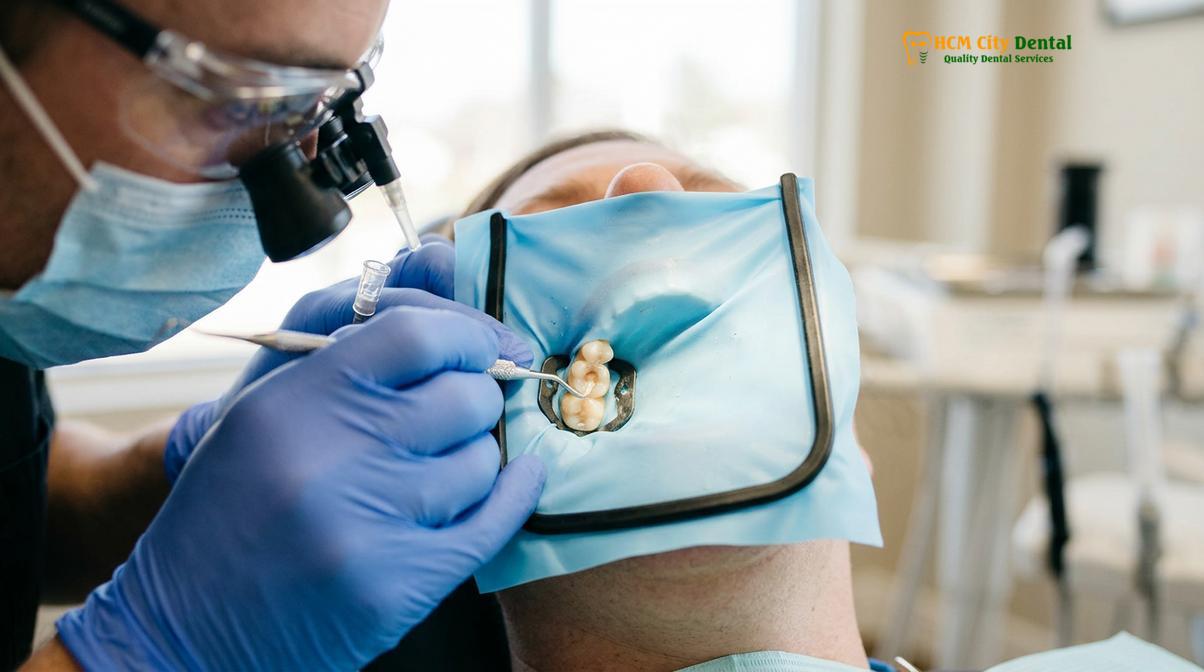
The first critical step in this workflow is isolation. The dentist places a rubber dam—a thin sheet of latex or non-latex material—over the target tooth. This isolation serves multiple vital functions: it protects the patient’s airway from debris and water, it retracts the soft tissues (cheeks, lips, and tongue) out of the operative field, and most importantly, it creates a completely dry, sterile environment. Because modern composite resins are highly hydrophobic (water-repelling), any contamination from saliva or respiratory moisture during the bonding process will severely compromise the longevity of the filling.
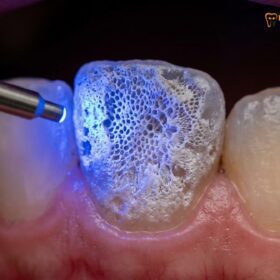
With the tooth isolated, the dentist utilizes high-speed, low-vibration electric handpieces to access the carious lesion. Unlike older air-driven turbines that produced a high-pitched whine and significant vibration, modern electric handpieces deliver consistent, smooth torque. This reduces the auditory and tactile stimuli that often trigger patient anxiety. To ensure that only diseased tissue is removed, the clinician may use a caries indicator dye—a specialized liquid that selectively stains infected, denatured dentin while leaving healthy, remineralizable dentin untouched. This conservative approach is a core principle of routine dental treatments.
Following the complete removal of the decay, the tooth is prepared for the adhesive protocol. The enamel and dentin are treated with a mild phosphoric acid etchant to create microscopic porosities. A primer and bonding agent containing specific monomers (such as MDP) are then applied. These chemical agents infiltrate the porous tooth structure, creating a hybrid layer that forms a micromechanical and chemical bond between the tooth and the restorative material.
“The success of a composite restoration hinges entirely on the integrity of the hybrid layer. By meticulously managing moisture control and utilizing advanced adhesive monomers, we can achieve bond strengths that mimic the natural dentinoenamel junction, ensuring long-term durability and preventing microleakage.”
The dentist then incrementally places the nanohybrid composite resin into the cavity preparation. These advanced materials contain microscopic filler particles (measured in nanometers) that provide exceptional wear resistance, polishability, and optical properties that mimic natural enamel. Each increment is polymerized (hardened) using a high-intensity blue LED curing light. Finally, the restoration is meticulously shaped to match the tooth’s original anatomy and polished to a high gloss, ensuring a smooth surface that resists plaque accumulation.
Managing Post-Operative Sensitivity and Recovery
Post-operative sensitivity is minimized through precise bonding protocols, the use of desensitizing agents like glutaraldehyde, and careful occlusal adjustment to prevent premature bite forces.
A truly painless cavity treatment encompasses not only the intraoperative experience but also the post-operative recovery phase. Historically, patients often experienced thermal sensitivity (discomfort when consuming hot or cold foods) for days or even weeks following a composite filling. This phenomenon is explained by the Hydrodynamic Theory of Dentinal Hypersensitivity, which postulates that fluid movement within the microscopic dentinal tubules stimulates the nerve endings in the pulp [4].
To prevent this, modern clinical protocols incorporate specific desensitizing steps during the bonding process. Before applying the adhesive, the dentist may apply a desensitizing agent containing glutaraldehyde and HEMA (hydroxyethyl methacrylate). This solution coagulates the plasma proteins within the dentinal tubules, effectively sealing them off and preventing the fluid movement that causes sensitivity. Furthermore, the incremental placement of the composite resin minimizes polymerization shrinkage—the slight contraction of the material as it hardens—which can otherwise create stress on the cavity walls and lead to post-operative aching.
Another critical factor in post-operative comfort is the precise adjustment of the patient’s occlusion (bite). Even a microscopic high spot on a new filling can cause the tooth to absorb excessive force during chewing, leading to inflammation of the periodontal ligament and subsequent pain. The dentist utilizes ultra-thin articulating paper to map the patient’s bite forces and meticulously adjusts the restoration until the occlusion is perfectly balanced.
For the international patient, post-operative instructions are straightforward. Patients are advised to avoid chewing on the anesthetized side until the numbness has completely dissipated to prevent accidental biting of the cheek or tongue. Normal oral hygiene practices, including brushing and flossing, can be resumed immediately. Because modern nanohybrid composites achieve their maximum strength instantly upon light curing, there are no dietary restrictions regarding the hardness of foods once the anesthesia wears off [5].
Patient Experience: Safe and Comfort-First Care in Saigon
International patients visiting Ho Chi Minh City benefit from streamlined, English-speaking clinical environments that prioritize strict sterilization, transparent treatment planning, and comprehensive post-operative support.
Choosing to undergo dental treatment while traveling requires a high degree of trust in the chosen facility. Ho Chi Minh City has emerged as a premier destination for medical tourism, offering clinical standards that rival or exceed those found in Western countries. For a patient seeking a District 1 English dentist, the experience is designed to be seamless, transparent, and entirely patient-centric.
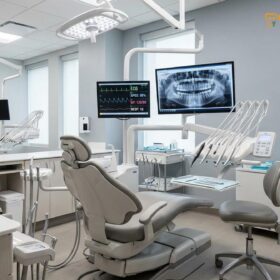
At HCMC Dental Clinic, the journey begins with a comprehensive consultation. Dr. Nguyen Van Cuong and his team utilize digital intraoral scanners and low-radiation digital radiography to capture precise, high-definition images of the patient’s oral cavity. These images are displayed on a large monitor, allowing the dentist to visually explain the diagnosis and the proposed treatment plan. This level of transparency is a crucial component of the tourist dental guide experience, ensuring that the patient fully understands the necessity of the procedure, the materials being used, and the exact cost involved before any clinical work begins.
Infection control is another paramount concern for international patients. Reputable clinics adhere to strict, internationally recognized sterilization protocols. All instruments are processed through Class B autoclaves, and single-use disposable items are utilized wherever possible. The clinical environment is maintained with hospital-grade surface disinfectants and advanced air purification systems, providing a safe, sterile setting for all advanced general dentistry procedures.
Clinical Case Review: Multiple Restorations for an International Traveler
A 42-year-old expatriate visiting Ho Chi Minh City presented to HCMC Dental Clinic with severe dental anxiety and multiple carious lesions across three quadrants. The patient had avoided dental care for five years due to a traumatic past experience with painful injections. Dr. Cuong developed a phased treatment plan utilizing nitrous oxide sedation and computer-controlled local anesthesia. Over two appointments, five nanohybrid composite restorations were placed under rubber dam isolation. The patient reported zero intraoperative pain and no post-operative sensitivity, successfully completing the required treatment without disrupting their travel itinerary.
When to See a Doctor: Identifying Complications
While modern fillings are highly successful, patients should seek immediate clinical evaluation if they experience severe, spontaneous throbbing pain, prolonged sensitivity to heat, or localized swelling, as these may indicate irreversible nerve damage.
Although the protocols for painless cavity treatment are highly effective and complications are rare, it is essential for patients to understand the difference between normal post-operative healing and signs of potential clinical issues. Mild, transient sensitivity to extreme cold is considered normal for a few days following a deep filling, as the pulpal tissue recovers from the operative intervention. This condition, known as reversible pulpitis, typically resolves on its own as the tooth produces secondary dentin to insulate the nerve.
However, if a patient experiences severe, spontaneous pain that occurs without any stimulus and lingers for minutes or hours, this is a strong indicator of irreversible pulpitis. This occurs when the bacterial decay had already penetrated too deeply into the pulp chamber prior to the filling, causing irreversible inflammation and necrosis of the nerve tissue. In such cases, the tooth will require endodontic therapy (a root canal) to resolve the infection and save the tooth structure.
Additionally, patients should contact their dentist immediately if they notice any localized swelling in the gums adjacent to the treated tooth, a persistent bad taste in the mouth, or if the filling feels noticeably high or sharp when biting down. Prompt clinical evaluation ensures that any minor occlusal discrepancies or underlying pulpal issues are addressed swiftly, preventing further discomfort or damage to the restoration.
Frequently Asked Questions
Is getting a cavity filled in Vietnam painful?
Getting a cavity filled in Vietnam is highly comfortable due to the use of advanced topical numbing gels, ultra-fine needles, and computer-controlled local anesthesia. Modern clinics prioritize pain management, ensuring that the entire restorative process, from injection to final polishing, is virtually painless for international patients. By buffering the anesthetic and controlling the delivery pressure, the traditional “sting” of the injection is eliminated.
What sedation options are available for simple fillings?
For simple fillings, clinics commonly offer nitrous oxide (laughing gas) and oral conscious sedation to help patients relax. These mild to moderate sedation options elevate the pain threshold and reduce anxiety without inducing unconsciousness, making them ideal for routine restorative procedures. Nitrous oxide is particularly popular for tourists because its effects wear off within minutes, allowing patients to resume their day immediately.
How long does tooth numbness last after a filling?
Tooth numbness typically lasts between two to four hours after a filling, depending on the type and volume of anesthetic used. Patients are advised to avoid chewing on the numb side and consuming hot liquids until full sensation returns to prevent accidental soft tissue injury. The use of Articaine often provides profound pulpal anesthesia during the procedure while allowing for a predictable recovery timeframe.
Can I fly immediately after getting a cavity filled?
Yes, you can generally fly immediately after a standard composite cavity filling without experiencing adverse effects. However, if the decay was exceptionally deep and near the nerve, your dentist may recommend waiting 24 to 48 hours to monitor for potential pressure-related sensitivity (barodontalgia). Changes in cabin pressure can sometimes exacerbate underlying pulpal inflammation, so discussing your travel plans with your clinician is advised.
Are tooth-colored composite fillings safe and durable?
Tooth-colored composite resin fillings are highly safe, biocompatible, and durable for restoring decayed teeth. When placed using strict isolation and advanced bonding protocols, modern nanohybrid composites can withstand significant chewing forces while seamlessly matching the natural aesthetics of your smile. They are free of mercury and require less removal of healthy tooth structure compared to traditional silver amalgam fillings.
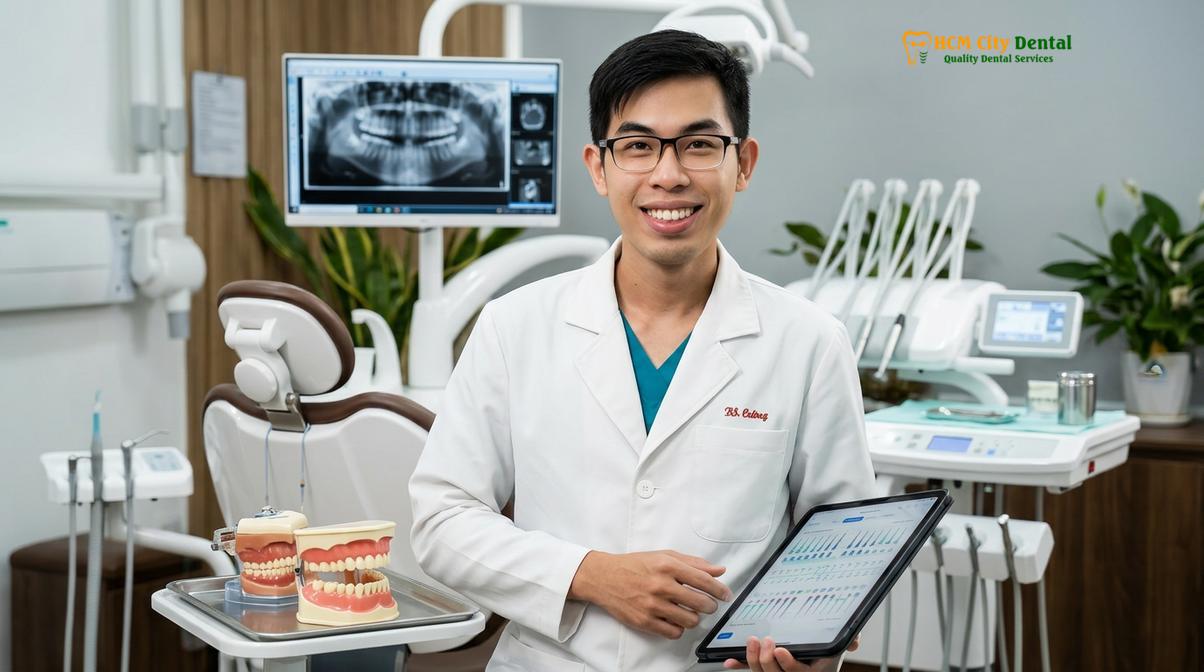
Addressing dental decay should never be a source of anxiety or physical discomfort. By leveraging state-of-the-art technology, advanced pharmacology, and a deep understanding of patient psychology, modern dentistry has transformed the cavity filling process into a smooth, predictable, and entirely manageable experience. For international visitors, prioritizing oral health while abroad is now safer and more comfortable than ever. If you are experiencing dental discomfort or require routine restorative care, we encourage you to schedule a clinical consultation to experience the highest standard of painless dentistry.
References
- Journal of the American Dental Association. Efficacy of computer-controlled local anesthesia delivery systems. (2021).
- International Journal of Dentistry. Pharmacokinetics and clinical efficacy of Articaine versus Lidocaine. (2020).
- British Dental Journal. Psychological management of dental anxiety in adult patients. (2019).
- Journal of Endodontics. The hydrodynamic theory of dentinal hypersensitivity and restorative protocols. (2022).
- Clinical Oral Investigations. Biocompatibility and wear resistance of nanohybrid composite resins. (2018).
For pricing, booking, and a free clinical assessment, visit our Dental Fillings & Bonding service page at HCMC Dental Clinic in Ho Chi Minh City.