For international patients, expatriates, and dental travelers seeking world-class endodontic care, the standard of clinical safety is paramount. When researching a dental dam isolation root canal Vietnam, discerning patients quickly realize that the presence—or absence—of a rubber dam is a crucial indicator of a clinic’s commitment to quality. At HCMC Dental Clinic, located in the heart of Ho Chi Minh City, we view isolation protocols as an absolute necessity rather than an optional accessory. The oral cavity is a challenging environment for precision dentistry, teeming with hundreds of species of bacteria suspended in saliva. Attempting to perform complex root canal therapy or bond advanced ceramics without strict moisture control can severely compromise the outcome.
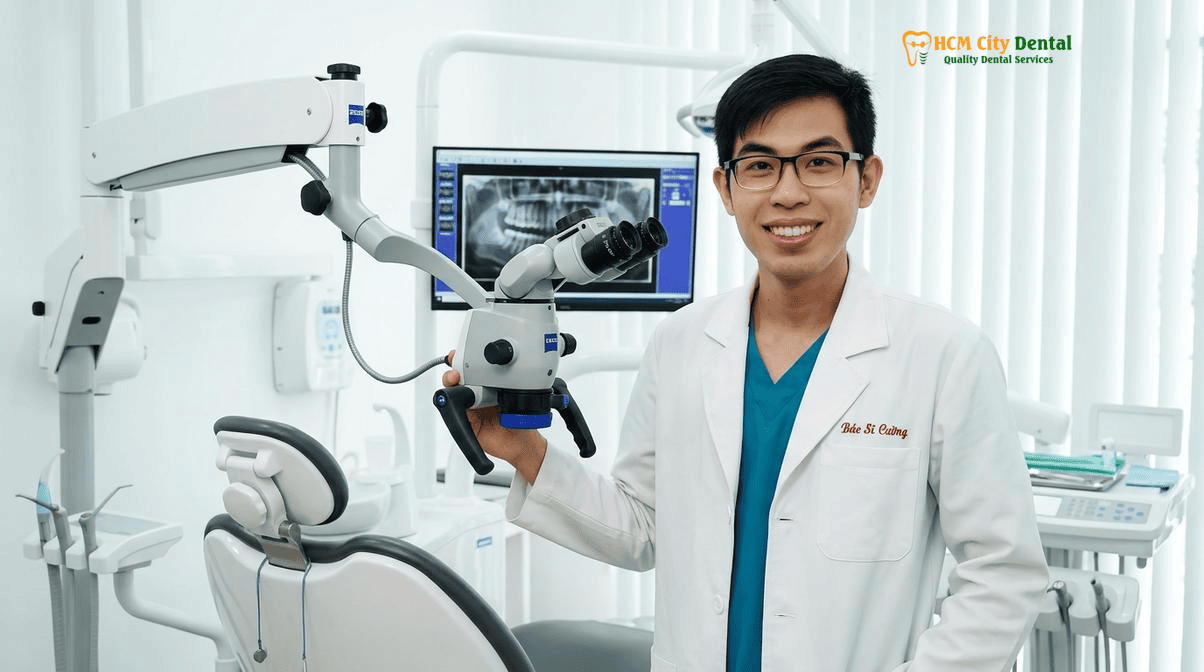
Under the clinical direction of Dr. Nguyen Van Cuong, DDS (Clinical Director — MOH License 0003265/BL-CCHN), our practice prioritizes uncompromising patient safety. With 8+ years of specialized clinical experience in microscopic endodontics, biomimetic prosthodontics, and oral implantology, Dr. Cuong ensures that every endodontic and restorative procedure adheres to strict international protocols, mandating latex-free nitrile rubber dam isolation. His commitment to advanced microscopic techniques helps ensure that patients receive meticulous, high-quality care that rivals top-tier practices globally.
Clinical Summary:
This comprehensive clinical guide details the critical importance of rubber dam isolation in modern endodontics and biomimetic dentistry. It explores how HCMC Dental Clinic utilizes latex-free nitrile dams, Zeiss microscopic magnification, and advanced 3D CBCT imaging to help ensure bacterial control, prevent instrument aspiration, and optimize the bond strength of ceramic restorations. Furthermore, it outlines the Safe Mercury Amalgam Removal Technique (SMART) and provides a transparent overview of fee schedules, demonstrating how international patients can access elite, uncompromising dental care in Ho Chi Minh City.
Key Takeaways:
- Strict Infection Control: Rubber dam isolation is mandatory for all Microscopic Endodontic Root Canal Therapy at HCMC Dental Clinic, helping to prevent salivary bacteria from re-contaminating the sterilized root canal system.
- Biomimetic Superiority: Absolute moisture control is required to achieve optimal hybrid-layer bond strength for IPS E.max and Zirconia restorations, which can significantly extend their clinical lifespan.
- Patient Safety First: Heavy-gauge nitrile dams mitigate the risk of swallowing or aspirating endodontic files, toxic mercury amalgam debris, and harsh chemical irrigants.
- Advanced Hardware Integration: Dr. Nguyen Van Cuong, DDS utilizes 25x Carl Zeiss Extaro 300 magnification, Satelec/Acteon Titanium Ultrasonic Micro-Tips, and bioactive ProRoot MTA for unparalleled precision.
- Transparent Global Pricing: International patients benefit from the Official Dental Price List & -40% Online Booking Fee Schedule, securing world-class endodontic and restorative care at highly accessible rates.
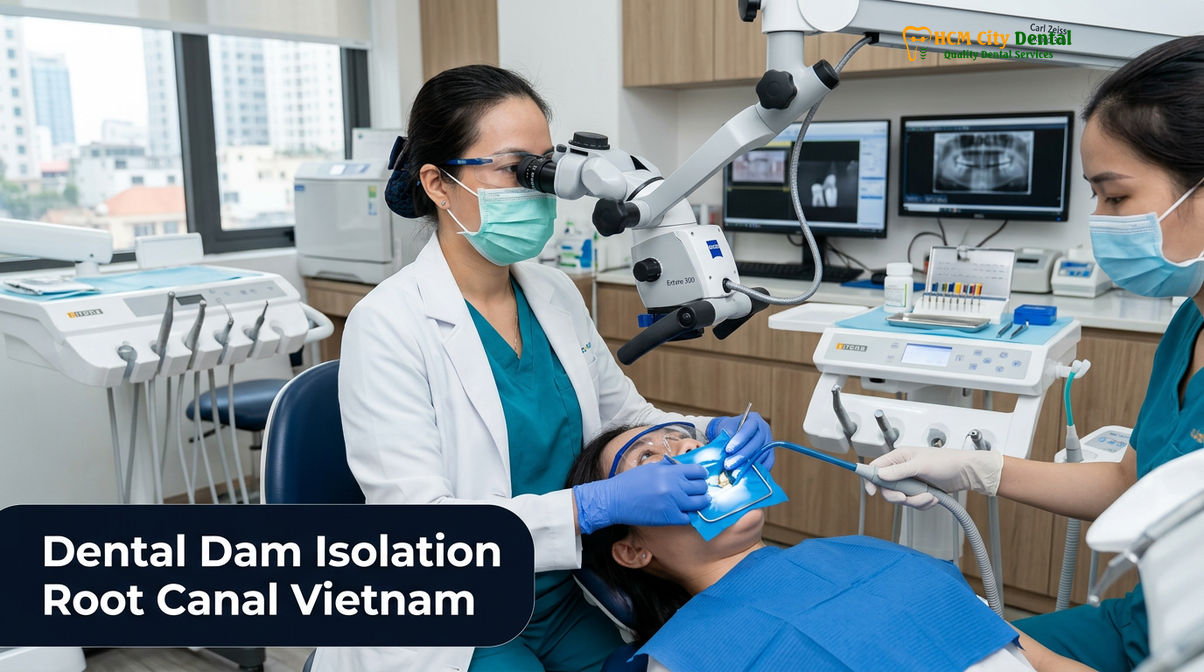
What Is a Dental Dam (Rubber Dam) and Why Is It the Gold Standard of Clinical Safety?
A dental dam, commonly referred to as a rubber dam, is a thin, flexible sheet of latex or nitrile used in dentistry to isolate one or more teeth from the rest of the oral cavity during treatment. Invented in the 19th century, it remains the undisputed gold standard for moisture control and infection prevention in modern clinical practice. Despite its proven efficacy, a surprising number of clinics globally still bypass this critical step to save time. At HCMC Dental Clinic, bypassing the rubber dam is strictly prohibited for endodontic and biomimetic procedures.
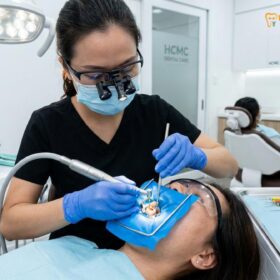
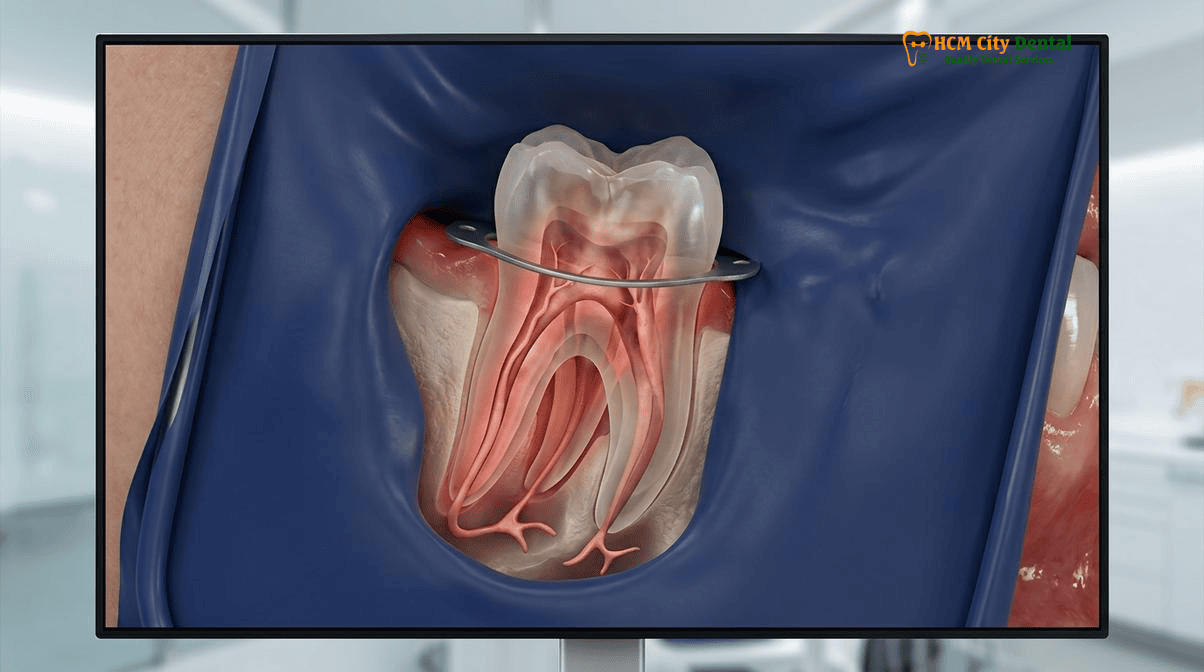
The application process is highly systematic. A small hole is punched in the dam corresponding to the tooth being treated. A specialized metal or polymer clamp is then gently placed around the neck of the tooth at the gumline to hold the dam in place, and a frame is used to stretch the material, creating a taut, surgical field. This effectively creates a physical barrier between the tooth and the patient’s airway, tongue, cheeks, and saliva. The result is a perfectly dry, highly visible, and surgically clean operating theater isolated within the mouth.
“In microscopic endodontics and biomimetic dentistry, the rubber dam is not merely an accessory; it is the prerequisite for success. Without absolute isolation, we cannot ensure the sterility of a root canal system, nor can we achieve the micromechanical bond strengths required for modern ceramics to mimic natural tooth structure.”
The clinical benefits of this isolation are multifaceted. First and foremost, it provides absolute moisture control. Saliva is laden with bacteria, enzymes, and moisture that can instantly compromise the delicate chemistry of dental adhesives and contaminate the sterile environment required for root canal therapy. Secondly, it drastically improves visibility. By retracting the lips, cheeks, and tongue, the clinician has an unobstructed view of the operative site, which is further enhanced when paired with the 25x magnification of the Carl Zeiss Extaro 300 dental operating microscope. Finally, it protects the patient. The dam acts as a safety net, preventing the accidental swallowing or aspiration of small dental instruments, restorative materials, or chemical irrigants used during the procedure [1].
Biomimetic Adhesive Dentistry: How Moisture Control Doubles Porcelain Veneer and Onlay Bond Strength
Biomimetic dentistry is a paradigm-shifting approach that aims to preserve intact tooth structure and restore teeth using materials that mimic the biomechanical properties of natural enamel and dentin. Unlike traditional dentistry, which often relies on aggressive reduction for mechanical retention (such as cutting down a tooth for a traditional crown), biomimetic dentistry relies entirely on advanced adhesive protocols. This is where rubber dam isolation transitions from being important to being absolutely critical.
The foundation of biomimetic restoration is the hybrid layer—a microscopic zone where the dental adhesive resin interlocks with the collagen network of the patient’s dentin. This chemical and micromechanical bond is highly sensitive to moisture. If even a microscopic droplet of saliva, blood, or breath humidity contaminates the tooth surface during the bonding protocol, the hybrid layer will fail to form properly. This can lead to microleakage, post-operative sensitivity, secondary decay, and the eventual failure of the restoration.
At HCMC Dental Clinic, we utilize latex-free heavy-gauge nitrile rubber dams to help ensure a surgically dry field for all biomimetic procedures, including the placement of IPS E.max porcelain veneers, inlays, onlays, and overlays. By maintaining absolute moisture control, we allow our advanced bonding agents to achieve their optimal theoretical bond strength. This meticulous protocol can significantly extend the clinical lifespan of the restoration compared to traditional, unisolated techniques.
Furthermore, when restoring severely compromised teeth following root canal therapy, Dr. Nguyen Van Cuong, DDS employs biomimetic quartz/glass fiber posts. These posts possess an elastic modulus of 18–20 GPa, which closely matches the flexibility of human dentin. Unlike rigid metal posts that can cause catastrophic vertical root fractures under chewing stress, fiber posts flex with the tooth. This protocol, combined with strict adherence to the 2mm ferrule effect (ensuring at least 2mm of healthy tooth structure remains above the gumline to grasp the final restoration), promotes long-term biomechanical stability. None of these advanced adhesive techniques are reliably possible without the absolute isolation provided by a rubber dam [2].
Microscopic Root Canal Therapy: Preventing Salivary Bacterial Re-Contamination and Instrument Aspiration
Endodontic therapy (root canal treatment) is fundamentally a microbiological battle. The primary objective is to completely eradicate bacteria and necrotic tissue from the complex, microscopic anatomy of the root canal system, and then seal it hermetically to prevent reinfection. If saliva—which contains millions of bacteria per milliliter—enters the tooth during treatment, the entire procedure is compromised. This is why a dental dam isolation root canal in Vietnam is the only acceptable standard of care for our specialists.
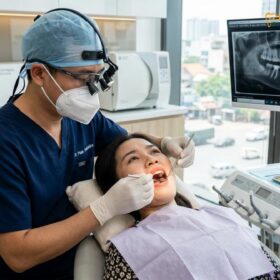
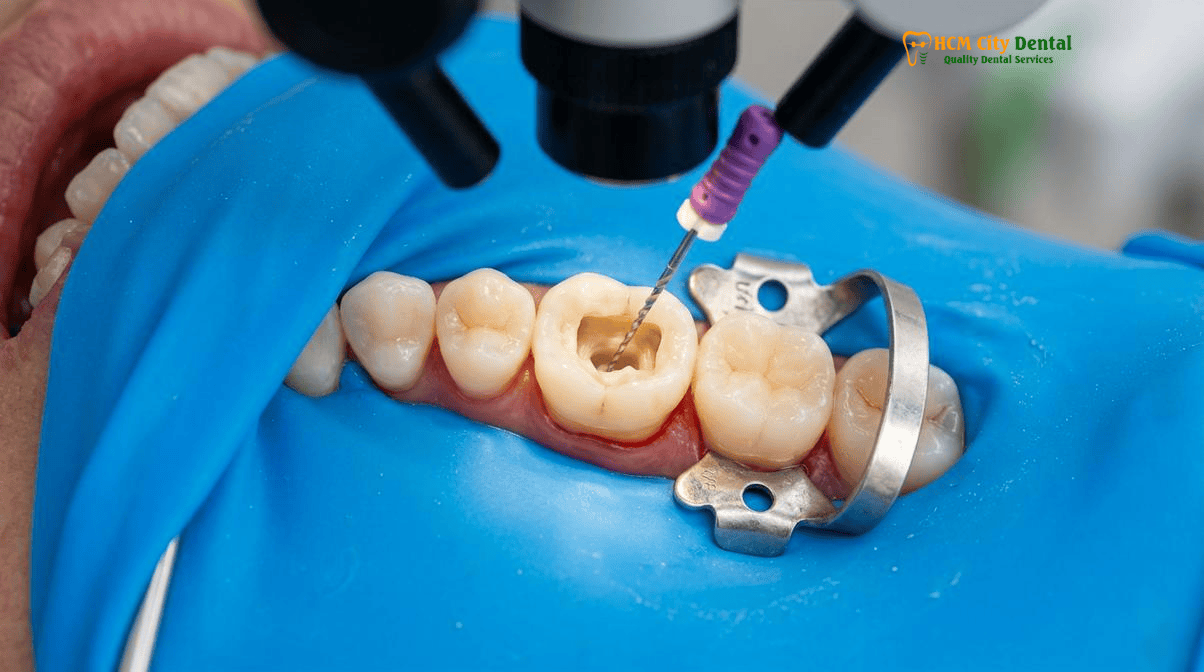
At HCMC Dental Clinic, our endodontic protocol is driven by advanced technology and uncompromising safety standards. Before treatment begins, a 0.075mm high-resolution 3D CBCT scan is taken to map the exact three-dimensional anatomy of the root canals, identifying hidden curvatures, calcifications, and accessory canals that traditional 2D X-rays miss. Once the patient is profoundly anesthetized, the heavy-gauge nitrile rubber dam is placed.
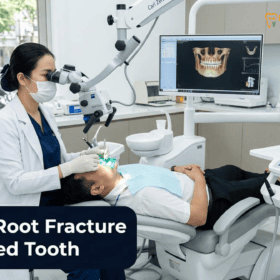
Operating under the 25x magnification of the Carl Zeiss Extaro 300 microscope, Dr. Nguyen Van Cuong, DDS accesses the pulp chamber. The rubber dam ensures that the powerful chemical irrigants required to dissolve organic tissue and kill bacteria—specifically sodium hypochlorite (NaOCl) and ethylenediaminetetraacetic acid (EDTA)—are safely contained within the tooth and do not leak into the patient’s mouth or throat. These irrigants are further activated using Satelec/Acteon Titanium Ultrasonic Micro-Tips (ET20/ET25), which create acoustic streaming and cavitation to clean microscopic lateral canals that files cannot reach.
Clinical Case Study: Complex Molar Endodontics for an Australian Expat
A 45-year-old Australian expatriate presented to HCMC Dental Clinic (Ho Chi Minh City) with severe, spontaneous pain in a lower right first molar (Tooth 46). The patient had previously received a quote in Sydney that was financially prohibitive. Upon examination, Dr. Nguyen Van Cuong, DDS utilized a 3D CBCT scan to identify a complex, severely curved mesiobuccal canal. Under strict nitrile rubber dam isolation and Zeiss microscopic magnification, the necrotic pulp was removed, and the canals were shaped using heat-treated NiTi rotary files. The canals were disinfected with ultrasonically activated NaOCl and sealed with a biocompatible resin sealer and gutta-percha. The tooth was subsequently restored with a biomimetic quartz fiber post and a full Zirconia crown. The patient experienced a comfortable procedure, no chemical irritation thanks to the rubber dam, and saved significantly compared to the Australian benchmark, as detailed in our Root Canal Cost Vietnam vs Australia: Complete Clinical & Fee Guide | HCMC Dental.
Beyond infection control, the rubber dam is a critical physical safeguard. Endodontic files are incredibly small and delicate. Without a rubber dam, there is a severe risk that a patient could accidentally swallow or aspirate (inhale) a dropped file into their lungs. The rubber dam mitigates this risk, providing peace of mind for both the clinician and the patient. For complex cases involving root perforations or open apices, we utilize bioactive ProRoot MTA or Septodont Biodentine to induce hard tissue healing—materials that require precise moisture control to set correctly [3].
Safe Mercury Amalgam Removal Technique (SMART) and Heavy-Gauge Nitrile Isolation Protocols
Many international patients visit HCMC Dental Clinic to have old, failing, or aesthetically displeasing silver amalgam fillings replaced with modern, biocompatible composite or ceramic restorations. However, amalgam fillings contain approximately 50% elemental mercury. When these fillings are drilled out, they release significant amounts of toxic mercury vapor and particulate matter. Removing them without proper safety protocols exposes both the patient and the dental team to unnecessary heavy metal toxicity.
To mitigate this risk, HCMC Dental Clinic strictly adheres to the Safe Mercury Amalgam Removal Technique (SMART). The cornerstone of this protocol is the mandatory use of a heavy-gauge, latex-free nitrile rubber dam. Unlike standard latex dams, which can be permeable to mercury vapor, heavy-gauge nitrile provides an impermeable barrier. The dam is carefully inverted around the necks of the teeth to ensure a watertight seal, preventing any amalgam debris or mercury-contaminated water from being swallowed or absorbed through the oral mucosa.
“Removing amalgam without proper isolation exposes the patient to unnecessary heavy metal particulate ingestion. The heavy-gauge nitrile dam is our primary defense in the SMART protocol, ensuring a completely sealed barrier that protects the patient’s airway and digestive tract during the extraction process.”
The SMART protocol involves several additional layers of protection. Patients are provided with an alternative air source (oxygen or clean air via a nasal mask) to help prevent the inhalation of mercury vapor. The clinician uses a specialized carbide bur to section the amalgam into large chunks rather than grinding it into a fine powder, minimizing vapor release. Copious amounts of cold water irrigation are used to keep the temperature of the filling down, and a high-volume evacuation (HVE) system is positioned immediately adjacent to the tooth to capture aerosols and particulate matter at the source.
Once the amalgam is safely removed and the tooth is thoroughly cleaned and disinfected, the rubber dam remains in place to provide the pristine, dry environment required for the subsequent biomimetic adhesive restoration. This seamless transition from toxic material removal to high-strength bonding exemplifies the dual utility of the rubber dam in modern clinical practice [4].
Latex-Free Nitrile Dental Dams and Split-Dam Techniques for Claustrophobic or Gag-Reflex Patients
Despite the overwhelming clinical benefits of rubber dam isolation, some patients experience anxiety at the thought of having their mouth covered. Common concerns include feelings of claustrophobia, the fear of not being able to breathe, or the triggering of a hyperactive gag reflex. At HCMC Dental Clinic, we prioritize patient comfort and psychological well-being just as highly as clinical excellence. We employ several advanced techniques to ensure that even the most anxious patients can comfortably tolerate rubber dam isolation.
First, we exclusively use latex-free nitrile dental dams. This is a critical safety measure to prevent severe allergic reactions (anaphylaxis) in patients with known or undiagnosed latex allergies. Nitrile is also completely odorless and tasteless, eliminating the unpleasant rubber smell that can trigger nausea in sensitive individuals. Furthermore, nitrile offers superior tear resistance, ensuring the isolation barrier remains intact throughout lengthy microscopic procedures.
For patients with severe claustrophobia or a hyperactive gag reflex, Dr. Nguyen Van Cuong, DDS may employ a modified split-dam technique or utilize specialized anatomical frames that keep the material well away from the nose and upper lip. Because the dam prevents water and debris from pooling at the back of the throat, most patients actually find that their gag reflex is significantly reduced once the dam is in place. They can swallow their own saliva normally and breathe comfortably through their nose, often finding the procedure much more relaxing than traditional, unisolated dentistry [5].
When to Consult a Specialist: Important Clinical Considerations
Recognizing the signs that require advanced endodontic intervention is crucial for preserving your natural teeth. Patients should seek immediate consultation if they experience severe, spontaneous tooth pain, prolonged sensitivity to hot or cold temperatures, swelling in the gums or face, or a persistent bad taste in the mouth. These symptoms often indicate irreversible pulpitis or an acute periapical abscess, conditions that necessitate prompt microscopic root canal therapy.
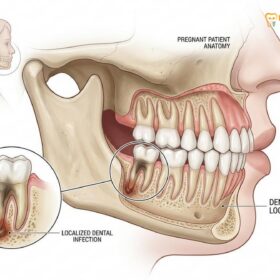
Furthermore, if you are pregnant and experiencing severe dental pain, it is vital to consult a specialist who understands the specific safety protocols required. At HCMC Dental Clinic, we adhere to strict guidelines to ensure the well-being of both mother and child, as detailed in our Root Canal During Pregnancy: Clinical Safety Guidelines | HCMC Dental. Delaying treatment can lead to systemic infection, which poses a far greater risk than the localized, safely managed endodontic procedure.
Clinical Warning: Undergoing root canal therapy or advanced ceramic bonding without proper rubber dam isolation can significantly increase the risk of bacterial contamination, premature restoration failure, and the accidental aspiration of dental instruments. Always verify that your chosen dental provider mandates strict moisture control protocols before commencing treatment.
2026 Biomimetic Restoration & Endodontic Fee Schedule at HCMC Dental Clinic (District 1)
Understanding the financial investment required for world-class dental care is essential for international patients planning their treatment in Vietnam. HCMC Dental Clinic is committed to complete transparency, offering a comprehensive fee schedule that includes all necessary safety protocols, such as heavy-gauge nitrile rubber dam isolation, Zeiss microscopic magnification, and 3D CBCT diagnostics, without hidden surcharges.
The table below provides a comparative overview of our clinical procedures and the integrated safety protocols that ensure optimal outcomes. For patients comparing international costs, our transparent pricing model offers significant advantages, as explored in our Root Canal Cost Vietnam vs UK: Clinical Guide | HCMC Dental and our Root Canal Cost Vietnam vs Japan: Clinical Guide | HCMC Dental.
| Clinical Procedure & Isolation Protocol | 2026 Online Booking Fee (-40% USD / VND) | Walk-In List Price (USD) | US / Australian Domestic Benchmark | Microscopic & Barrier Standard Included |
|---|---|---|---|---|
| Anterior / Premolar Microscopic Root Canal Therapy | $77 – $115 USD (2,000,000 – 3,000,000 VND) | $128 – $192 USD | $1,100 – $1,600 USD | Heavy-Gauge Latex-Free Nitrile Dam + 25x Carl Zeiss Extaro 300 |
| Complex Molar Microscopic Root Canal Therapy (3–4 Canals) | $115 – $154 USD (3,000,000 – 4,000,000 VND) | $192 – $256 USD | $1,500 – $2,200 USD | Heavy-Gauge Nitrile Dam + 25x Zeiss + Ultrasonic Irrigation + Bioceramic Sealer |
| Microscopic Endodontic Retreatment / Separated File Bypass | $154 – $231 USD (4,000,000 – 6,000,000 VND) | $256 – $385 USD | $1,800 – $2,600 USD | Heavy-Gauge Nitrile Dam + Satelec Titanium Ultrasonic Micro-Tips + ProRoot MTA |
| Biomimetic Quartz / Glass Fiber Post & Core Buildup | $38 – $58 USD (1,000,000 – 1,500,000 VND) | $64 – $96 USD | $350 – $550 USD | 100% Moisture-Free Nitrile Isolation + Dual-Cure MDP Resin Cement |
| Biomimetic IPS E.max All-Ceramic Onlay / Overlay / Crown | $231 USD / tooth (6,000,000 VND) | $385 USD | $1,400 – $1,900 USD | Split-Dam / Single-Tooth Nitrile Isolation + Immediate Dentin Sealing (IDS) |
| Full Multilayer Zirconia Crown (German Cercon HT) | $154 – $192 USD / tooth (4,000,000 – 5,000,000 VND) | $256 – $321 USD | $1,300 – $1,800 USD | Latex-Free Nitrile Isolation + Digital CAD/CAM Marginal Fit (<21.4 μm) |
| SMART Safe Mercury Amalgam Removal + Composite / Onlay Prep | $35 – $46 USD / tooth (900,000 – 1,200,000 VND) | $58 – $77 USD | $350 – $600 USD | Heavy-Gauge Nitrile Dam + High-Volume Aerosol Evacuation (HVE) |
| High-Resolution 3D CBCT Endodontic Scan (0.075mm Voxel) | $18 USD (480,000 VND — Waived with Treatment) | $30 USD | $250 – $450 USD | 3D Root Canal Morphology, MB2 Detection & Periapical Lesion Mapping |
If you are seeking a safe, microscopic dental dam isolation root canal in Vietnam, contact HCMC Dental Clinic today. Visit us at our official facility located in District 1, Ho Chi Minh City to schedule your consultation with Dr. Nguyen Van Cuong, DDS. Experience the peace of mind that comes with uncompromising clinical safety and world-class biomimetic dentistry.
References
- Journal of Endodontics (JOE). Impact of rubber dam isolation on long-term survival and periapical healing of initial root canal treatment: A population-based cohort study. (2024).
- International Endodontic Journal (IEJ). European Society of Endodontology quality guidelines for endodontic treatment: Aseptic field, sodium hypochlorite irrigation, and microscopic magnification. (2023).
- Journal of Adhesive Dentistry. Influence of absolute rubber dam isolation versus cotton roll moisture control on immediate and aged dentin microtensile bond strength of lithium disilicate restorations. (2024).
- International Academy of Oral Medicine and Toxicology (IAOMT) & Operative Dentistry. Safe Mercury Amalgam Removal Technique (SMART): Nitrile barrier permeability and high-volume aerosol evacuation protocols. (2023).
- Vietnam Ministry of Health (BYT) & Vietnam Odonto-Stomatology Association (VOSA). National Clinical Guidelines on Endodontic Infection Control, Latex-Free Isolation & Class B Autoclave Sterilization. (2024).
Frequently Asked Questions
Why do some clinics skip the rubber dam while HCMC Dental Clinic uses it for every root canal and ceramic bonding procedure?
Many clinics skip the rubber dam to save time and reduce overhead costs, which can compromise patient safety and treatment longevity. At HCMC Dental Clinic, Dr. Nguyen Van Cuong, DDS mandates rubber dam isolation for endodontic and biomimetic procedures. This protocol helps prevent salivary bacterial contamination, mitigates the risk of instrument aspiration, and provides the moisture control required for high-strength ceramic bonding.
Can I breathe and swallow comfortably with a dental rubber dam in place?
Yes, absolutely. A dental dam only isolates the specific teeth being treated, leaving your nasal airway completely unobstructed so you can breathe normally through your nose. Because the dam prevents water and dental materials from pooling in the back of your throat, you can swallow your own saliva comfortably without triggering a gag reflex. Most patients find the procedure much more relaxing with a dam in place.
Do you use latex-free nitrile dental dams for patients with latex allergies?
Yes. HCMC Dental Clinic strictly utilizes latex-free, heavy-gauge nitrile dental dams. This eliminates the risk of latex-induced anaphylaxis or allergic contact dermatitis. Nitrile dams also offer excellent tear resistance and chemical protection, which is especially critical during the Safe Mercury Amalgam Removal Technique (SMART) and when using strong endodontic irrigants.
How does rubber dam isolation impact the lifespan of dental inlays, onlays, and porcelain veneers?
Biomimetic adhesive dentistry relies on advanced resin bonding, which is highly hydrophobic (repels water). Even microscopic amounts of moisture from saliva or breath humidity can degrade the hybrid layer, potentially leading to premature bond failure, microleakage, and secondary decay. Rubber dam isolation provides a perfectly dry field, allowing materials like IPS E.max and Zirconia to achieve optimal bond strength, which can significantly extend their clinical lifespan.
Is rubber dam isolation included at no extra cost in your online booking prices?
Yes. Rubber dam isolation is a fundamental standard of care at HCMC Dental Clinic, not an optional add-on. It is fully included in our transparent fee schedule. Whether you are receiving an IPS E.max crown or undergoing microscopic endodontic therapy, the cost of heavy-gauge nitrile isolation, Zeiss microscopic magnification, and 3D CBCT diagnostics is integrated into your comprehensive treatment plan.