A same day root canal in Saigon provides immediate, targeted relief for severe toothaches by removing infected pulp tissue during a single emergency visit. At HCMC Dental Clinic, our specialists utilize advanced diagnostics to halt acute pain and stabilize your tooth promptly, ensuring your comfort and safety.
Clinical Summary:
Emergency endodontic care is a critical service for patients experiencing the debilitating pain of irreversible pulpitis or acute periapical abscesses. A same day root canal in Saigon focuses on rapid triage, precise radiographic diagnosis, and immediate pain abatement. When a patient presents with an acute toothache, the primary clinical objective is to decompress the inflamed pulp chamber. This is often achieved through an emergency pulpotomy or a complete single-visit pulpectomy, depending on the tooth’s anatomical complexity and the extent of the infection. Utilizing advanced imaging such as Cone Beam Computed Tomography (CBCT) and profound local anesthesia protocols, specialists can effectively manage even the most challenging “hot teeth.” For international travelers and local residents in Ho Chi Minh City, accessing prompt, English-speaking endodontic care prevents the systemic spread of infection and preserves the natural dentition, allowing patients to resume their daily activities or travel plans without the burden of severe dental pain.
Key Takeaways:
- Severe, unprovoked throbbing pain or lingering sensitivity to temperature changes are primary indicators of irreversible pulpitis requiring urgent care.
- Immediate 3D CBCT imaging allows for precise visualization of complex root canal anatomy and hidden periapical infections.
- An emergency pulpotomy can instantly relieve the intense pressure inside an infected tooth, providing profound pain abatement.
- Profound local anesthesia, including supplemental intraosseous or intraligamentary injections, ensures comfort even in highly inflamed teeth.
- Prompt endodontic intervention is crucial for preventing the spread of infection and stabilizing the tooth for future definitive restoration.
Identifying a Root Canal Emergency: When Pain Can’t Wait
Severe, unprovoked throbbing pain or extreme, lingering sensitivity to hot and cold typically indicates irreversible pulpitis, requiring immediate endodontic intervention to prevent further infection.
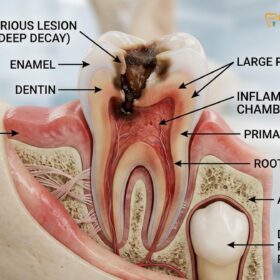
Dental pain exists on a broad spectrum, ranging from mild, transient sensitivity to excruciating, debilitating agony. Understanding the clinical signs that differentiate a minor dental issue from a true endodontic emergency is crucial for seeking timely care. The dental pulp, housed within the rigid confines of the tooth’s dentin walls, contains nerves, blood vessels, and connective tissue. When this tissue becomes inflamed due to deep decay, repeated dental procedures, or traumatic injury, the resulting condition is known as pulpitis. Reversible pulpitis may cause brief, sharp pain when exposed to cold or sweet stimuli, but the pain subsides quickly once the stimulus is removed. In contrast, irreversible pulpitis—the primary catalyst for a same day root canal in Saigon—involves severe inflammation that the pulp cannot survive, leading to eventual necrosis.
The hallmark symptom of irreversible pulpitis is spontaneous, unprovoked pain. Patients often describe this as a deep, throbbing ache that may awaken them from sleep or occur without any external trigger. Furthermore, sensitivity to temperature changes, particularly heat, becomes prolonged and intense. A classic clinical presentation involves a patient sipping a hot beverage and experiencing severe pain that lingers for minutes or even hours. This occurs because the heat causes the gases produced by dying pulp tissue to expand, dramatically increasing the intrapulpal pressure against the nerve endings. As Dr. Nguyen Van Cuong frequently notes during clinical evaluations, “When a patient reports that cold water temporarily relieves their severe, throbbing toothache, it is a strong diagnostic indicator of advanced pulpal necrosis and gas expansion within the chamber.”
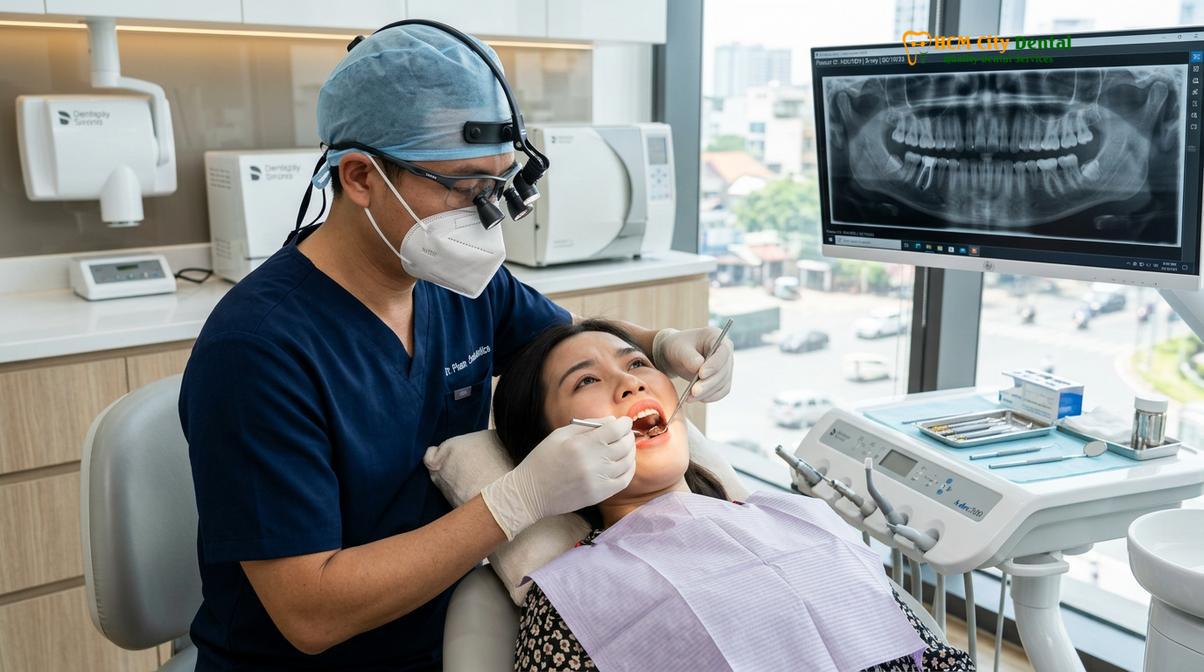
Beyond temperature sensitivity, pain upon biting or tapping the tooth (percussion sensitivity) suggests that the inflammation has spread beyond the confines of the root canal system and into the periapical tissues surrounding the root tip. This condition, known as symptomatic apical periodontitis, often precedes the formation of a dental abscess. Patients seeking acute toothache relief Saigon must recognize that relying solely on over-the-counter analgesics is a temporary measure that masks the symptoms without addressing the underlying bacterial infection. Delaying treatment not only prolongs suffering but also increases the risk of the infection disseminating into the surrounding jawbone or facial spaces.
Clinical Warning: Signs of Spreading Infection
If your severe toothache is accompanied by visible facial swelling, difficulty swallowing, restricted jaw opening (trismus), or a high fever, you must seek immediate medical or dental attention. These are signs that the localized dental infection is spreading into the fascial spaces of the head and neck, which can become a life-threatening medical emergency requiring urgent intervention and antibiotic therapy.
The pathophysiology of a “hot tooth”—a term used by endodontists to describe a tooth with severe, acute irreversible pulpitis—presents unique challenges. The intense inflammation alters the local tissue pH and upregulates certain nerve channels (such as TTX-resistant sodium channels), making the tooth notoriously difficult to numb with standard local anesthetic techniques. Therefore, identifying the emergency early and seeking care from a qualified professional who understands advanced pain management protocols is essential for a comfortable and successful outcome.
Our Emergency Intake Protocol: Rapid X-Rays and Direct Specialist Referral
Our clinical triage involves immediate 3D CBCT imaging and vitality testing to accurately diagnose the source of your dental pain and expedite specialist care.
When a patient arrives at HCMC Dental Clinic in Ho Chi Minh City in severe distress, time is of the essence. Our emergency intake protocol is designed to rapidly transition the patient from the waiting room to the treatment chair, bypassing standard administrative delays. The first and most critical step in this process is accurate diagnosis. Dental pain can be highly deceptive; a phenomenon known as referred pain can cause a patient to feel intense aching in their upper jaw when the actual source of the infection is a lower molar, or vice versa. Therefore, a systematic and evidence-based diagnostic approach is mandatory before any irreversible treatment is initiated.
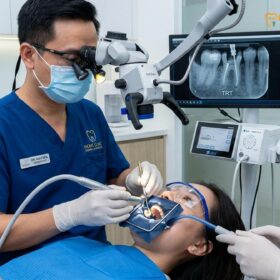
The diagnostic workflow begins with a thorough, albeit focused, review of the patient’s chief complaint and medical history. Following this, advanced radiographic imaging is employed. While traditional two-dimensional periapical X-rays are useful, they often fail to reveal the full extent of complex root canal anatomy or early-stage periapical bone destruction. For this reason, we frequently utilize Cone Beam Computed Tomography (CBCT) for emergency cases. A CBCT scan provides a high-resolution, three-dimensional view of the tooth and surrounding bone, allowing the clinician to identify hidden canals, root fractures, or the exact location of an abscess with pinpoint accuracy. This imaging is crucial for planning the endodontic therapy and ensuring that no infected anatomy is overlooked during the procedure.[1]
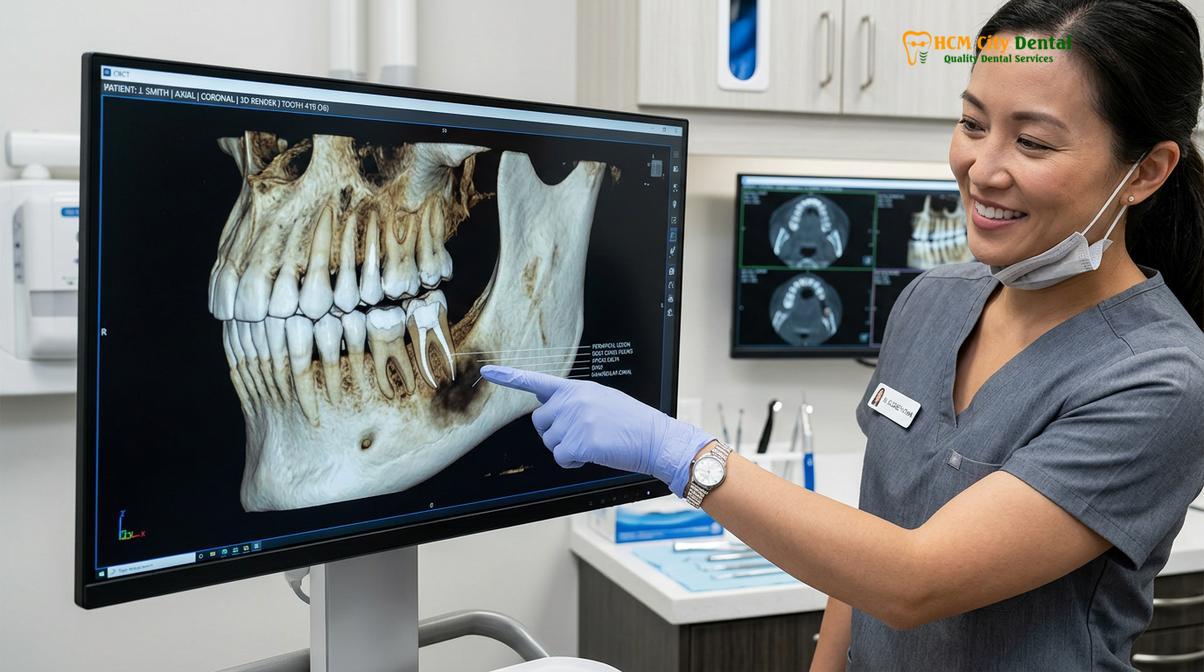
Following radiographic assessment, objective clinical testing is performed to assess the vitality of the dental pulp and the health of the periapical tissues. Cold testing, typically using a refrigerant spray like Endo-Ice on a cotton pellet, is applied to the suspected tooth and adjacent control teeth. A normal tooth will feel the cold and recover quickly. A tooth with irreversible pulpitis will experience a severe, lingering pain response, while a necrotic (dead) tooth will feel nothing at all. Percussion testing (gently tapping the tooth) and palpation of the gums help determine if the inflammation has spread to the bone, aiding in distinguishing between a tooth abscess and pulpitis.[2]
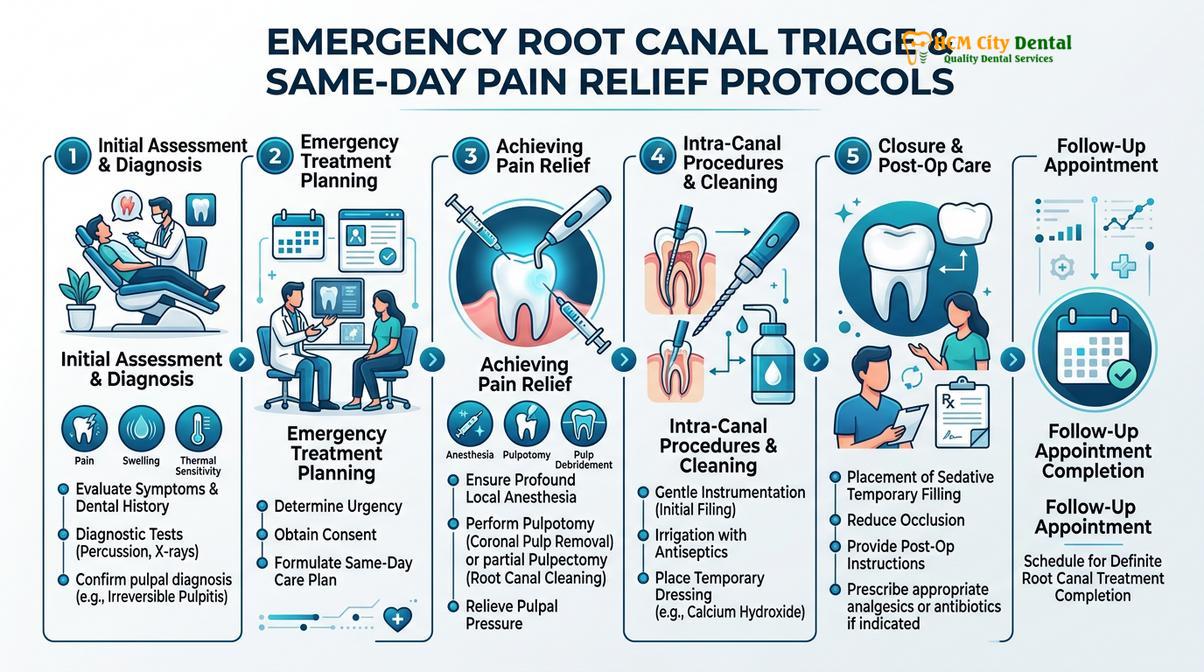
Once the diagnosis is confirmed, the patient is immediately referred to our in-house endodontic specialist. This direct referral system eliminates the need for patients to schedule a separate consultation on a different day. For individuals seeking a walk-in tooth pain appointment HCMC, this streamlined protocol ensures that the transition from diagnosis to active pain-relieving treatment occurs seamlessly within the same visit. The specialist will then review the CBCT findings with the patient, explain the proposed treatment plan, and discuss the expected prognosis, ensuring informed consent is obtained before proceeding with the emergency intervention.
Pain Abatement: Quick Pulpotomy to Relieve Immediate Pulp Pressure
An emergency pulpotomy removes the inflamed coronal pulp tissue, instantly decompressing the nerve chamber and providing profound pain relief before the full root canal is completed.
The primary objective of an emergency dental visit for a severe toothache is profound and immediate pain abatement. When a patient presents with acute irreversible pulpitis, the intense pain is driven by the inflammatory swelling of the pulp tissue trapped within the unyielding dentin walls of the tooth. This swelling strangulates the blood vessels and compresses the nerve fibers, creating excruciating pressure. To relieve this pressure, the clinician must physically open the tooth and remove the source of the inflammation. Depending on the clinical scenario, the time available, and the complexity of the tooth, this is achieved through either a complete pulpectomy or an emergency pulpotomy.
A pulpectomy involves the complete removal of all pulp tissue from both the crown portion of the tooth and the entire length of the root canal system. While this is the definitive first step of a full root canal treatment, it can be highly time-consuming, particularly in multi-rooted molars with curved or calcified canals. In a true emergency setting where time is limited or the patient is in extreme distress, an emergency pulpotomy is often the treatment of choice. A pulpotomy involves accessing the pulp chamber and removing only the coronal pulp—the tissue located in the upper portion of the tooth where the inflammation is typically most severe. By amputating this highly inflamed tissue and placing a soothing medicament over the canal orifices, the internal pressure is instantly released.[3]
“In cases of acute irreversible pulpitis, an emergency pulpotomy is a highly effective and predictable method for achieving rapid pain relief. By decompressing the pulp chamber and removing the bulk of the inflamed tissue, we can transition a patient from excruciating agony to complete comfort in a matter of minutes, allowing for the definitive root canal therapy to be completed under more favorable conditions at a subsequent visit.”
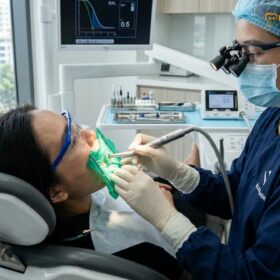
The success of either procedure hinges entirely on achieving profound local anesthesia. As previously mentioned, the “hot tooth” is notoriously resistant to standard numbing techniques. The acidic environment created by the inflammation neutralizes the local anesthetic, preventing it from effectively blocking the nerve impulses. To overcome this, our specialists employ advanced pharmacological strategies. We utilize anesthetics with high lipid solubility and tissue penetration, such as Articaine, and employ supplemental injection techniques. If a standard inferior alveolar nerve block is insufficient, the clinician may administer an intraligamentary injection (delivering anesthetic directly into the periodontal ligament space) or an intraosseous injection (delivering anesthetic directly into the bone surrounding the tooth apex). These advanced techniques ensure that the patient remains completely comfortable throughout the urgent dental care procedure.
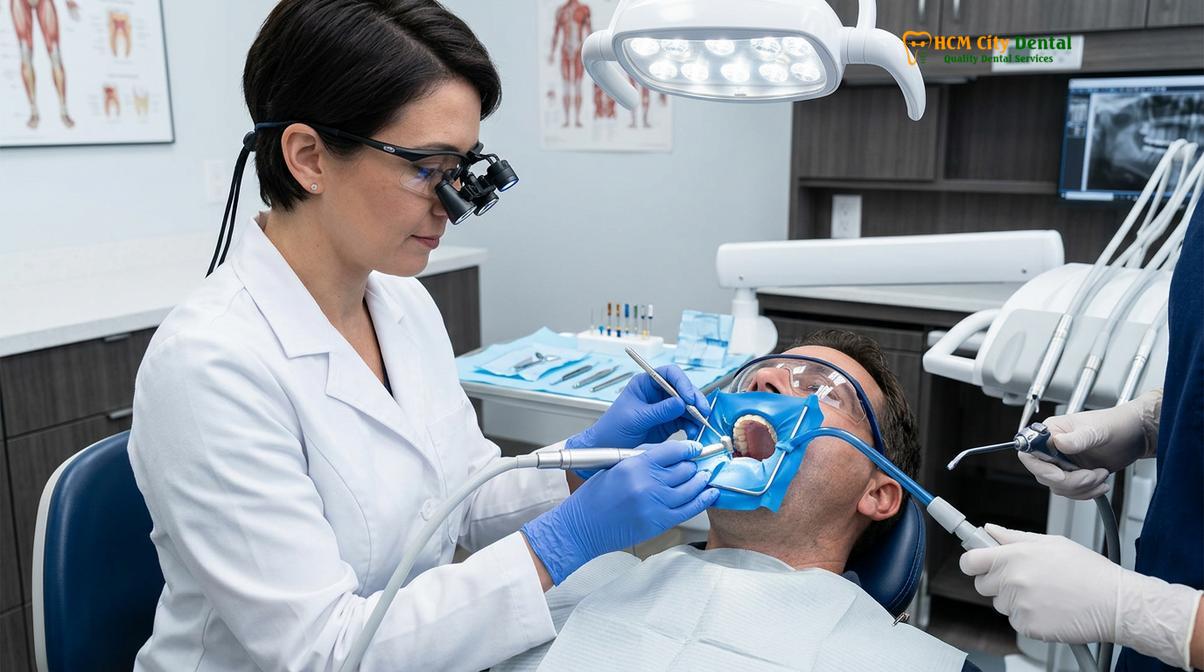
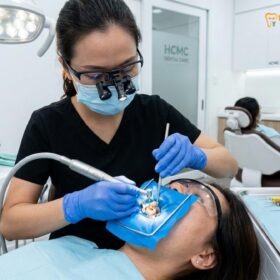
Once the tooth is profoundly numb, a rubber dam is placed to isolate the tooth, ensuring a sterile operating field and preventing any bacteria from the saliva from entering the open tooth. The clinician then uses high-speed rotary instruments to access the pulp chamber. The inflamed tissue is carefully excavated, and the chamber is copiously irrigated with antimicrobial solutions such as sodium hypochlorite to dissolve organic debris and disinfect the area. Following the pulpotomy, a sterile cotton pellet and a temporary filling material, such as Cavit or Intermediate Restorative Material (IRM), are placed to seal the tooth and prevent reinfection. The patient is then scheduled for a follow-up appointment to complete the biomechanical preparation and obturation of the root canal system.
Same-Day Scheduling for Tourists and Expats in District 1 Saigon
We prioritize urgent cases with dedicated daily emergency slots, ensuring international visitors and residents receive prompt, English-speaking endodontic care without delay.
Experiencing a severe dental emergency while traveling or living abroad can be a highly stressful and frightening experience. Language barriers, unfamiliar healthcare systems, and the fear of missing out on planned itineraries compound the anxiety of the physical pain. Recognizing the unique needs of this demographic, HCMC Dental Clinic has optimized its scheduling and operational protocols to cater specifically to tourists and expatriates requiring an emergency endodontist District 1. We understand that when you are suffering from acute pulpitis, waiting days or even weeks for an appointment is simply not an option.
To accommodate urgent needs, our clinic reserves dedicated emergency treatment slots within our daily schedule. This proactive approach allows us to absorb unexpected walk-in patients or urgent phone inquiries without severely disrupting the flow of pre-scheduled appointments. When an international patient contacts us reporting severe pain, our English-speaking triage coordinators immediately assess the severity of the situation and fast-track the patient for a same-day evaluation. Clear communication is paramount in these high-stress situations; our staff ensures that patients fully understand the location of the clinic, what to expect upon arrival, and the initial steps of the diagnostic process.[4]
Clinical Case Study: Rapid Intervention for a Traveler
Patient Profile: A 42-year-old tourist visiting Ho Chi Minh City presented with severe, spontaneous pain in an upper right molar, exacerbated by heat and preventing sleep.
Clinical Assessment: Dr. Nguyen Van Cuong performed a clinical evaluation and CBCT scan, diagnosing acute irreversible pulpitis in tooth #16. The patient was scheduled to fly to Da Nang the following morning.
Intervention: Under profound local anesthesia, an emergency pulpotomy was performed to decompress the pulp chamber. The canals were medicated, and a secure temporary seal was placed.
Outcome: The patient experienced immediate pain relief, allowing them to sleep comfortably and safely board their flight the next day without the risk of altitude-induced barodontalgia. The definitive root canal was scheduled upon their return to Saigon.
For tourists, time constraints are often a significant factor in treatment planning. A full root canal on a complex molar can take one to two hours and may require multiple visits depending on the level of infection. If a patient is scheduled to leave the city shortly, an emergency pulpotomy is often the most pragmatic approach. It stabilizes the tooth, eliminates the pain, and buys the patient time to either complete the treatment upon returning to their home country or schedule a follow-up visit if their itinerary permits. Furthermore, addressing the trapped gases within a necrotic tooth is essential for patients who will be traveling by air. We provide comprehensive guidance on the safety of flying after endodontic treatment, ensuring that changes in cabin pressure do not induce barodontalgia (altitude-related tooth pain).
Our commitment to international standards of care extends beyond clinical excellence to encompass patient comfort and clear communication. Every step of the procedure, from the initial diagnosis to the post-operative care instructions, is explained clearly in English. We also assist patients with the necessary documentation for their travel insurance claims, providing detailed clinical reports, X-rays, and itemized invoices. By offering a seamless, supportive, and highly professional environment, we aim to alleviate the stress of managing dental emergencies while traveling, allowing our patients to return to their travels or daily lives with confidence and comfort.
Transparent Emergency Pricing: No Hidden Fees for Urgent Care
We provide clear, itemized cost estimates prior to any emergency endodontic procedure, ensuring patients understand the financial investment for their urgent dental care.
One of the primary concerns patients have when seeking emergency medical or dental care is the fear of exorbitant, unexpected costs. The stress of severe pain should not be compounded by financial anxiety. At HCMC Dental Clinic, we operate on a strict principle of financial transparency. We believe that every patient has the right to fully understand the costs associated with their treatment before any irreversible procedures are initiated. This commitment to clear communication is especially vital for international patients who may be unfamiliar with the local healthcare pricing structures.
The cost of a same day root canal in Saigon is determined by several clinical factors. The most significant variable is the anatomical location and complexity of the affected tooth. Anterior teeth (incisors and canines) typically have a single, straight root canal, making the procedure faster and less complex. Premolars generally have one or two canals, while molars (the large teeth at the back of the mouth) can have three, four, or even five complex, curved canals. The more canals present, the more time, specialized equipment, and expertise are required to thoroughly clean and shape the root canal system, which is reflected in the treatment fee. Additionally, if the tooth has been previously treated and requires an endodontic retreatment to address a failing root canal, the procedure is significantly more complex and incurs a higher cost.
| Procedure / Tooth Type | Clinical Description | Complexity Level |
|---|---|---|
| Emergency Pulpotomy | Removal of coronal pulp tissue for immediate pain relief; temporary seal placed. | Low to Moderate (Immediate stabilization) |
| Anterior Root Canal (Incisors/Canines) | Complete removal of pulp from a single, typically straight canal. | Moderate |
| Premolar Root Canal | Treatment of teeth with 1-2 canals; may involve complex anatomy. | Moderate to High |
| Molar Root Canal | Complex treatment involving 3-4+ canals, often curved or calcified. | High (Requires advanced microscopy) |
| Endodontic Retreatment | Removal of old filling material, disinfection of failing root canal, and resealing. | Very High (Specialist intervention required) |
Following the initial consultation and CBCT imaging, our treatment coordinators provide a detailed, itemized treatment plan. This document outlines the exact costs for the diagnostic X-rays, the emergency pulpotomy or full root canal procedure, and any necessary temporary restorations. We also discuss the future costs associated with the final restoration of the tooth. A tooth that has undergone endodontic therapy becomes brittle and is highly susceptible to fracture. Therefore, it is almost always necessary to protect the tooth with a full-coverage crown. We provide transparent pricing for various restorative crown materials, allowing patients to make informed decisions that align with their clinical needs and budget. There are no hidden fees, no surprise surcharges for emergency walk-ins, and no pressure to commit to treatments without full financial clarity.
Preparing for Your Walk-In Dental Appointment: What to Bring
To expedite your emergency treatment, please bring your identification, a comprehensive list of current medications, and any recent dental records or imaging.
When you are experiencing the intense pain of a dental emergency, preparation might be the last thing on your mind. However, taking a few minutes to gather essential information before arriving at the clinic can significantly expedite your intake process and ensure that our clinical team can provide the safest and most effective care possible. A walk-in appointment requires rapid assessment, and having your medical history readily available allows the dentist to make immediate, informed decisions regarding anesthesia, pain management, and antibiotic protocols.[5]
First and foremost, bring a valid form of identification, such as a passport or driver’s license, especially if you are an international visitor. If you have dental insurance or travel insurance that covers emergency dental care, bring your policy details and claim forms. Our administrative team will need this information to assist you with the necessary documentation for reimbursement. More importantly, from a clinical perspective, we require a comprehensive and accurate medical history. You must inform the dentist of any systemic health conditions, such as diabetes, hypertension, or cardiovascular disease. It is critical to provide a complete list of all medications you are currently taking, including prescription drugs, over-the-counter pain relievers, and herbal supplements.
“In an emergency setting, an accurate medical history is just as vital as the clinical examination. Knowing if a patient is on anticoagulant therapy (blood thinners) or has specific drug allergies dictates our approach to local anesthesia and post-operative prescribing. Transparency regarding your health ensures we can manage your acute pain safely and effectively without risking systemic complications.”
If you have visited another dentist recently and possess recent X-rays or clinical notes regarding the problematic tooth, bring them with you. While we will likely take our own high-resolution CBCT scan for precise endodontic diagnosis, previous records can provide valuable context regarding the history of the tooth and any prior treatments attempted. Finally, be prepared to discuss your immediate travel plans or schedule constraints. Knowing your availability helps the clinician decide whether an emergency pulpotomy for immediate stabilization or a complete single-visit root canal is the most appropriate course of action. Following the procedure, we will provide detailed instructions on post-treatment dietary guidelines and discuss the importance of protecting the tooth with a crown to ensure long-term success.
When to See a Doctor
While a severe toothache requires prompt dental attention, certain symptoms indicate that the infection has spread beyond the oral cavity and constitutes a medical emergency. You should bypass the dental clinic and proceed immediately to the nearest hospital emergency room if your dental pain is accompanied by rapid, severe swelling of the face, jaw, or neck, particularly if the swelling extends under the chin or towards the eye. Difficulty swallowing (dysphagia), difficulty breathing, or an inability to open your mouth fully (trismus) are critical warning signs of a spreading fascial space infection, such as Ludwig’s angina. Additionally, the presence of a high fever, chills, or a general feeling of severe malaise alongside dental pain suggests systemic involvement. In these instances, intravenous antibiotics and advanced medical airway management may be required before the underlying dental cause can be safely addressed by a dental specialist.
Frequently Asked Questions
How fast can I get a root canal in Saigon if I have an emergency?
You can typically receive emergency endodontic care within a few hours of contacting our clinic. We reserve dedicated daily appointments for urgent cases, allowing our specialists to perform immediate diagnostics and initiate pain-relieving treatment on the very same day. Our priority is to triage acute pain rapidly, ensuring that you do not have to endure prolonged suffering while waiting for an available slot.
What is a pulpotomy and how does it stop pain instantly?
A pulpotomy is an emergency procedure that removes the inflamed, infected tissue from the upper chamber of the tooth. By eliminating this diseased tissue, it immediately relieves the intense pressure inside the tooth, effectively stopping acute pain before the full root canal is completed. This decompression halts the inflammatory cascade that causes the severe throbbing sensation, providing profound relief and stabilizing the tooth for definitive treatment later.
How much do emergency root canal visits cost at HCMC Dental?
Emergency root canal costs vary based on the tooth’s location and anatomical complexity, generally ranging from standard anterior teeth to more complex molars. We provide a fully transparent, itemized cost estimate following your initial diagnostic X-ray, ensuring no hidden fees. The estimate will clearly outline the cost of the emergency intervention, the diagnostic imaging, and any necessary temporary restorations required to secure the tooth.
Is a same-day root canal painful?
Modern same-day root canals are performed under profound local anesthesia, making the procedure highly comfortable. Advanced numbing techniques, including supplemental injections for severely inflamed teeth, ensure that you feel little to no discomfort while the specialist removes the infected nerve. While the tooth may be highly sensitive before the procedure, the treatment itself is designed to eliminate pain, not cause it.
Can I fly immediately after an emergency root canal?
Yes, you can generally fly safely after an emergency root canal or pulpotomy. The procedure removes the trapped gas and pressure inside the tooth, significantly reducing the risk of barodontalgia (altitude-induced tooth pain) during your flight, though a follow-up is eventually required. We ensure the tooth is securely sealed with a temporary filling to prevent any pressure changes from affecting the internal canal system during air travel.
References
- Journal of Endodontics. Management of Acute Endodontic Emergencies. (2020).
- International Endodontic Journal. Efficacy of Pulpotomy in Irreversible Pulpitis. (2021).
- Journal of the American Dental Association. Diagnostic Accuracy of CBCT in Endodontics. (2019).
- British Dental Journal. Pain Management Strategies for the ‘Hot Tooth’. (2018).
- Clinical Oral Investigations. Outcomes of Single-Visit vs Multiple-Visit Endodontics. (2022).