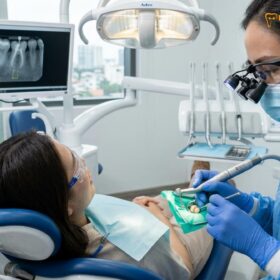
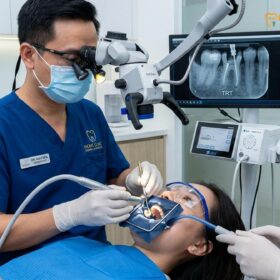
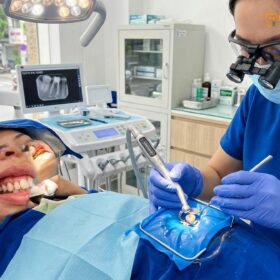
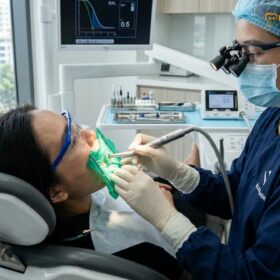
Flying after a root canal is generally safe, but changes in cabin pressure can cause temporary discomfort known as barodontalgia. Endodontists recommend waiting 24 to 48 hours before flying to ensure the temporary filling is stable and to monitor for any immediate post-operative flare-ups.
Clinical Summary:
Air travel following endodontic therapy introduces unique physiological challenges due to atmospheric pressure fluctuations. While the procedure itself does not strictly contraindicate flying, the presence of temporary restorative materials and potential trapped gases can trigger barodontalgia. Clinical best practices dictate a brief observation period to confirm structural integrity, allow restorative materials to set, and manage localized inflammation before ascending to cruising altitudes. Proper pre-flight pharmacological management and understanding the difference between temporary and permanent coronal seals are essential for a comfortable journey.
Key Takeaways:
- Barodontalgia occurs when trapped air expands due to lower cabin pressure at cruising altitudes.
- Waiting 24 to 48 hours post-treatment significantly reduces the risk of in-flight dental discomfort.
- Temporary fillings are more susceptible to pressure changes and micro-leakage than permanent crowns.
- Pre-flight administration of anti-inflammatory medication can proactively mitigate altitude-induced pain.
- Severe, throbbing pain that persists post-flight requires immediate clinical evaluation.
The Science of Barodontalgia: How Altitude and Air Pressure Affect Teeth
Barodontalgia is a dental pain phenomenon triggered by atmospheric pressure changes, commonly experienced during flights when trapped gases inside a treated tooth expand against rigid dentinal walls.
To understand why flying after a dental procedure can be problematic, it is essential to explore the physics of aviation and human physiology. Commercial aircraft cruise at altitudes where the outside air pressure is dangerously low. To keep passengers safe and conscious, the aircraft cabin is artificially pressurized. However, it is not pressurized to sea level; instead, it is typically maintained at an equivalent altitude of 6,000 to 8,000 feet. This means that the air pressure inside the cabin is significantly lower than the pressure on the ground.
According to Boyle’s Law, a fundamental principle of physics, the volume of a gas is inversely proportional to the pressure exerted upon it, assuming the temperature remains constant. When you board an aircraft and ascend, the ambient cabin pressure drops, causing any trapped gases within your body to expand. While your ears and sinuses have natural anatomical pathways (like the Eustachian tubes) to equalize this pressure, your teeth do not. A tooth is essentially a rigid, unyielding box made of enamel and dentin. If a pocket of gas is trapped inside this rigid structure, its expansion has nowhere to go.
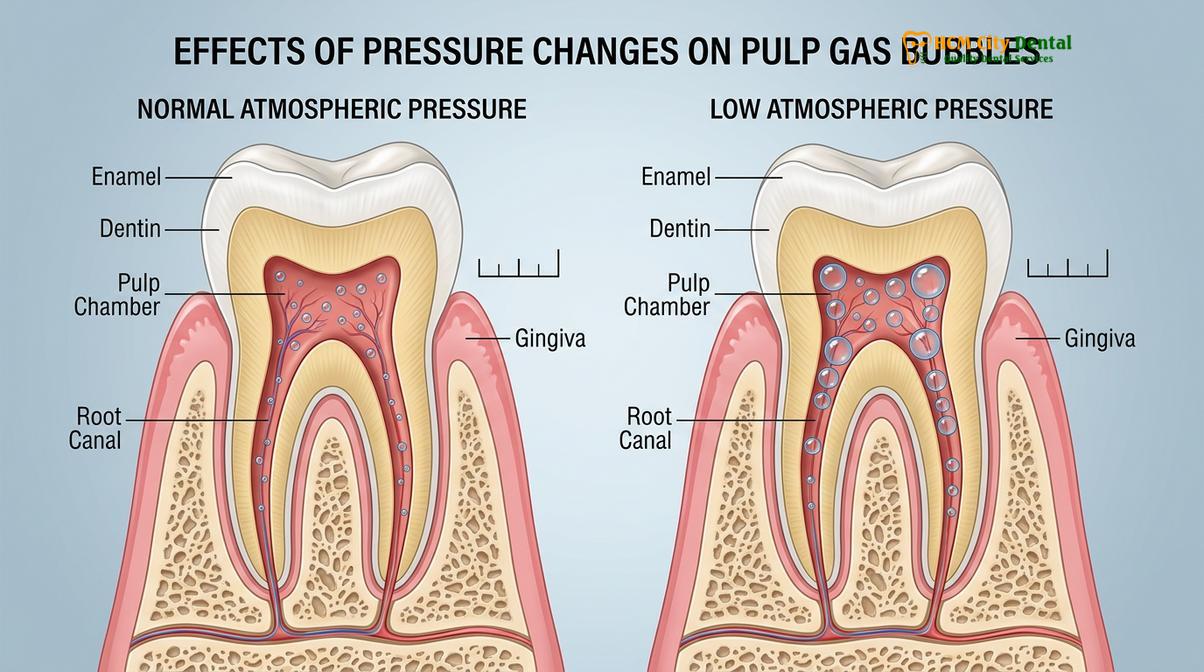
This physiological challenge is the root cause of what is commonly referred to as a cabin pressure toothache. During endodontic therapy protocols, the infected pulp is removed, and the canals are cleaned and sealed. However, if microscopic voids remain, or if the periapical tissues surrounding the root tip are inflamed and producing gaseous byproducts, the drop in cabin pressure will cause these gases to expand. The expanding gas exerts mechanical pressure on the highly innervated tissues at the apex of the tooth, triggering nociceptors (pain receptors) and resulting in a sharp, throbbing sensation known as barodontalgia [1].
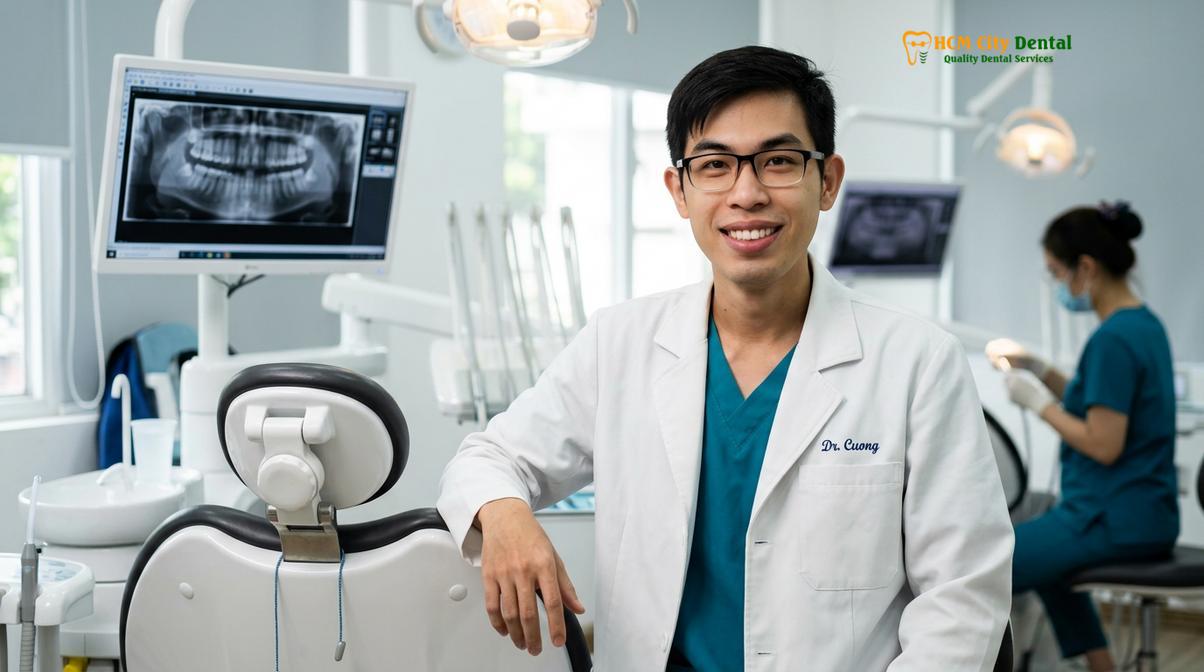
Dr. Nguyen Van Cuong, a leading specialist, frequently educates patients on this phenomenon. He notes that while modern endodontic techniques aim to create a hermetic (airtight) seal, the immediate post-operative period is a vulnerable window. The tissues surrounding the root are often still recovering from the localized trauma of the infection and the mechanical instrumentation used during the procedure. Adding the stress of atmospheric pressure changes to an already inflamed area can exacerbate the inflammatory cascade, turning a mild, manageable ache into severe in-flight distress.
Gas Bubble Expansion: Why Micro-Air Pockets Under Temporary Seals Cause Pain
Microscopic air pockets trapped beneath temporary dental seals expand as cabin pressure drops, exerting mechanical stress on the surrounding dentin and sensitive periapical tissues.
The transition from an infected tooth to a fully restored, healthy tooth is rarely completed in a single appointment. In many clinical workflows, a root canal procedure is performed, and the access cavity is closed with a temporary filling material. This temporary seal is designed to protect the internal canal system from bacterial recontamination while the patient waits for a permanent restoration, such as a crown. However, the nature of these temporary materials plays a significant role in the development of a gas bubble expansion tooth during air travel.
Temporary restorative materials, such as Zinc Oxide Eugenol (ZOE) or Cavit, are inherently different from permanent dental materials. They are designed to be easily removed by the dentist at the next appointment. Because of this, their compressive strength is lower, and their marginal adaptation—the way they seal against the natural tooth structure—is not as absolute as a bonded composite or a cemented crown. During the placement of these temporary cements, microscopic voids or air bubbles can inadvertently become trapped between the material and the floor of the pulp chamber [2].
“The integrity of the coronal seal is just as critical as the apical seal in endodontics. Temporary materials serve a vital short-term purpose, but their porous nature makes them susceptible to micro-leakage and pressure differentials encountered at high altitudes.”
When an aircraft reaches cruising altitude, the trapped air within these microscopic voids expands. Because the temporary filling is somewhat porous and not chemically bonded to the tooth, the expanding gas can push against the material. In rare cases, this pressure differential can compromise the seal, leading to micro-leakage where oral bacteria can seep into the treated canals. More commonly, the pressure is directed downward toward the root apex, compressing the periodontal ligament and causing acute pain.
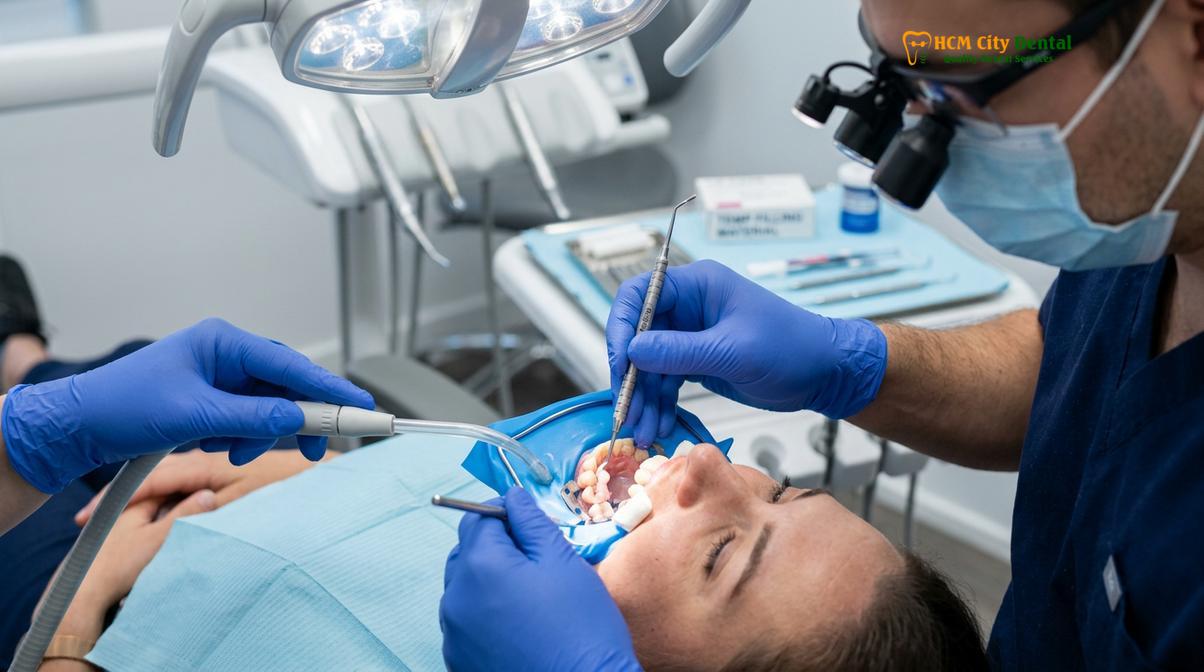
Furthermore, the chemical irrigants used during the procedure, such as sodium hypochlorite (bleach), release oxygen as they break down organic tissue. If the tooth is sealed before this off-gassing process is entirely complete, residual oxygen bubbles may remain within the canal system. This is why endodontists are meticulous about drying the canals thoroughly before placing any obturation materials or temporary seals. Understanding the mechanics of gas bubble expansion highlights why the immediate post-operative period requires careful management, especially for patients planning to travel.
Recommended Flight Timeline: How Long to Wait After Your Procedure
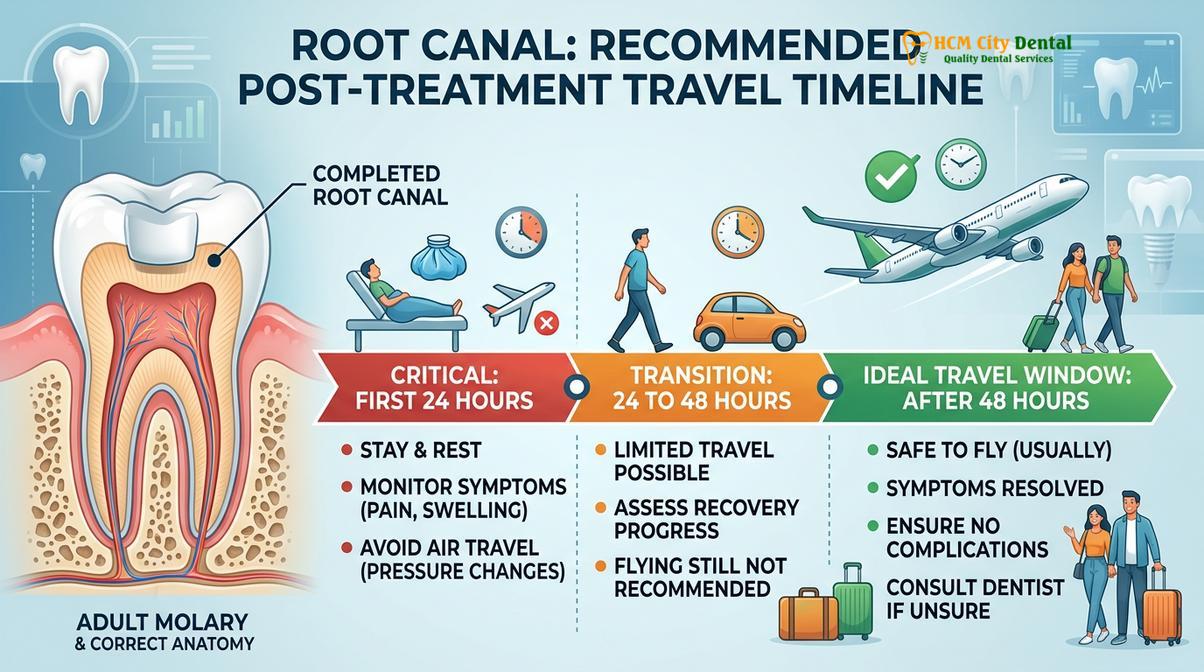
Clinical guidelines suggest waiting a minimum of 24 to 48 hours after endodontic therapy before flying to ensure the temporary restoration has fully set and inflammation has subsided.
For patients traveling for dental care, establishing a safe and realistic itinerary is crucial. The dental travel timeline Saigon clinics recommend is based on the physiological healing process and the setting times of dental materials. While there is no strict medical law prohibiting a patient from boarding a flight immediately after leaving the dental chair, doing so significantly increases the risk of complications and severe discomfort.
The primary recommendation across the endodontic community is to wait a minimum of 24 to 48 hours before flying. This waiting period serves several critical clinical functions. First, it allows the temporary filling material to achieve its maximum compressive strength and fully set, reducing the likelihood of it being compromised by pressure changes. Second, the first 48 hours represent the peak window for post-operative inflammation. By remaining on the ground during this time, patients can easily access their dentist if an unexpected flare-up occurs [3].
| Procedure Complexity | Recommended Wait Time | Clinical Rationale |
|---|---|---|
| Uncomplicated Root Canal (Vital Pulp) | 24 – 48 Hours | Allows temporary seal to set; minimal risk of severe periapical inflammation. |
| Complex Root Canal (Necrotic Pulp/Infection) | 3 – 5 Days | Requires longer monitoring for acute flare-ups or abscess formation post-treatment. |
| Endodontic Retreatment | 5 – 7 Days | Higher risk of post-operative pain; ensures the new apical seal is stable. |
| Surgical Endodontics (Apicoectomy) | 7 – 10 Days | Involves soft tissue incisions and bone healing; requires suture removal before travel. |
If a patient experiences a severe complication, such as acute apical abscess or uncontrollable pain, managing this on the ground is straightforward. Managing it at 35,000 feet over the ocean is a medical nightmare. Therefore, the 48-hour window acts as a crucial safety buffer. For patients undergoing more complex procedures, such as the treatment of a heavily infected tooth or an endodontic retreatment, the waiting period should ideally be extended to 3 to 5 days.
When planning your trip, it is highly advisable to schedule your endodontic appointment at the beginning of your stay rather than the day before your departure. This allows ample time for follow-up appointments and ensures that you are cleared for travel by your attending clinician. If you are visiting our clinical team for care, we will provide a customized travel itinerary based on the specific anatomical complexities of your case.
Flying with a Temporary Filling vs. a Permanent Dental Crown
A permanent dental crown provides a hermetic seal that resists pressure changes, whereas a temporary filling is porous and more vulnerable to altitude-induced micro-leakage.
The structural state of the treated tooth at the time of your flight plays a pivotal role in your comfort and safety. Following the extirpation of the pulp and the sealing of the root canals, the tooth is structurally weakened. It no longer has a blood supply, making the dentin more brittle over time. To restore the tooth’s function and protect it from fracture, a permanent restoration is required. However, the timeline of dental travel often means patients must fly with a temporary filling in place.
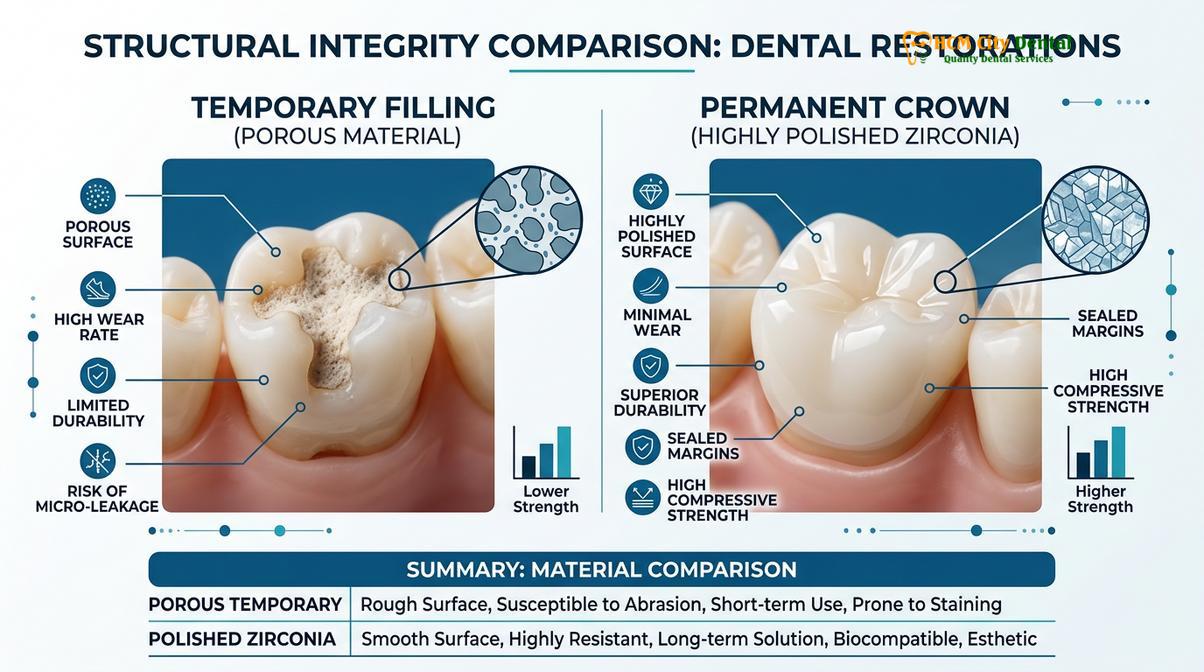
A temporary filling is exactly what its name implies: a short-term solution. Materials like Cavit are hydrophilic, meaning they expand slightly when they come into contact with saliva to create a seal. While effective for a few weeks, they do not possess the structural integrity to withstand long-term occlusal (biting) forces or extreme environmental changes. Because they are not chemically bonded to the tooth, the margins where the filling meets the natural enamel are susceptible to micro-leakage. When subjected to the pressure differentials of a commercial flight, these microscopic gaps can allow trapped gases to expand and contract, potentially causing the temporary material to loosen or, in rare cases, dislodge entirely [4].
Clinical Case Review: Managing Travel Timelines
A 45-year-old expatriate patient visited HCMC Dental Clinic in Ho Chi Minh City presenting with irreversible pulpitis in a lower molar. Due to an impending international flight scheduled 72 hours later, Dr. Nguyen Van Cuong performed a single-visit endodontic treatment. Instead of a standard temporary cement, a reinforced composite core build-up was placed to provide superior marginal integrity against cabin pressure changes. The patient was prescribed prophylactic NSAIDs and reported a completely pain-free 14-hour flight, returning weeks later for the final permanent crown placement.
In contrast, flying with a permanent restoration, such as a zirconia or porcelain crown, presents virtually no risk of barodontalgia related to the coronal seal. Permanent restorative solutions are fabricated using highly precise digital impressions and are cemented using high-strength luting agents that chemically bond to the tooth structure. This creates a hermetic seal that is impervious to atmospheric pressure changes. The rigid structure of a permanent crown ensures that no gases can become trapped beneath it, and it provides the necessary reinforcement to protect the underlying brittle tooth structure from the stresses of travel.
If your travel schedule permits, completing the final restoration before flying is always the preferred clinical route. However, if you must fly with a temporary filling, it is imperative to avoid chewing hard or sticky foods on that side of your mouth, maintain impeccable oral hygiene, and follow all post-operative instructions provided by your endodontist to protect the fragile seal.
In-Flight Pain Management Strategies for Dental Tourists
Proactive pain management involves taking prescribed non-steroidal anti-inflammatory drugs (NSAIDs) prior to boarding and maintaining hydration to minimize altitude-induced pulpal inflammation.
Even with the best clinical care and adherence to waiting periods, some degree of mild discomfort can occur during a flight due to the unavoidable changes in cabin pressure. For dental tourists, having a proactive and well-understood pain management strategy is essential for a comfortable journey. The goal is to preemptively address the inflammatory pathways before the pressure changes trigger a severe pain response.
The cornerstone of post-endodontic pain management is the use of Non-Steroidal Anti-Inflammatory Drugs (NSAIDs), such as ibuprofen. Unlike simple analgesics that only mask pain signals, NSAIDs actively inhibit the cyclooxygenase (COX) enzymes, thereby reducing the synthesis of prostaglandins. Prostaglandins are lipid compounds that mediate inflammation and sensitize nerve endings in the periapical tissues. By taking an NSAID approximately one hour before boarding the aircraft, you can suppress this inflammatory cascade, making the tissues less reactive to the mechanical stress caused by expanding gases [5].
Important Clinical Warning
Never mix prescription pain medications or high-dose NSAIDs with alcohol during a flight. The combination can lead to severe gastrointestinal distress, respiratory depression, and dehydration. Always consult with your dentist regarding the appropriate dosage and timing of medications based on your specific medical history.
Hydration also plays a surprisingly critical role in managing in-flight dental discomfort. The air inside a commercial aircraft cabin is notoriously dry, often having a humidity level of less than 20%. This dry environment can lead to systemic dehydration, which thickens saliva and reduces the mouth’s natural ability to buffer acids and wash away debris. Furthermore, dehydration can exacerbate the perception of pain. Drinking plenty of water throughout the flight helps maintain salivary flow and keeps the oral tissues hydrated.
Additionally, patients should be mindful of temperature triggers. The nerve endings surrounding a recently treated tooth can be hypersensitive to extreme temperatures. Consuming ice-cold beverages or very hot coffee during the flight can trigger a sharp, lingering pain response. Sticking to room-temperature water and soft, easy-to-chew foods will minimize unnecessary stress on the treated tooth and the surrounding periodontal ligament.
What to Do if an Emergency Flare-up Occurs mid-air
If severe dental pain strikes during a flight, utilize onboard first-aid resources, apply a cold compress externally, and maintain an upright seated position to reduce hydrostatic pressure.
Despite all precautions, an acute endodontic flare-up can occasionally occur mid-flight. This is a highly distressing situation, as access to professional medical care is impossible until the aircraft lands. An emergency flare-up is typically characterized by a sudden onset of severe, throbbing pain, swelling, or the sensation that the tooth is being pushed out of its socket. Knowing how to manage this acute scenario can make the remainder of the flight bearable.
The first step is to communicate your distress to the flight attendants. Commercial aircraft are equipped with comprehensive first-aid kits, and the crew is trained to assist passengers experiencing medical discomfort. While they cannot provide dental treatment, they can supply you with ice packs and over-the-counter analgesics if you do not have your own. Applying a cold compress to the outside of your cheek adjacent to the affected tooth can help constrict local blood vessels, thereby reducing blood flow, swelling, and the throbbing sensation.
“In the event of an acute mid-air flare-up, managing hydrostatic pressure is key. Keeping the head elevated prevents blood from pooling in the craniofacial region, which can significantly reduce the throbbing pain associated with periapical inflammation.”
Posture is another critical factor in managing acute dental pain. When you lie down flat, hydrostatic pressure in your head increases, which exacerbates the throbbing sensation in an inflamed tooth. Therefore, it is highly recommended to keep your seat in an upright position. If you need to sleep, use travel pillows to prop your head up as much as possible. Avoid any temptation to touch, tap, or wiggle the affected tooth with your tongue or fingers, as this will only further irritate the inflamed periodontal ligament.
If you suspect that the temporary filling has become dislodged, do not panic. Keep the area as clean as possible by gently rinsing with room-temperature water. Avoid chewing on that side of your mouth entirely. Once the aircraft begins its descent, the cabin pressure will gradually return to normal, which often provides immediate relief from barodontalgia as the trapped gases contract. Upon landing, your priority should be to contact a local dental professional or seek emergency dental care to evaluate the tooth and replace the seal.
When to Seek Immediate Medical Attention
While mild sensitivity is a normal part of the healing process, certain symptoms indicate a complication that requires prompt clinical intervention. If you experience any of the following red flags after your flight, you should schedule a diagnostic evaluation immediately:
- Severe, Unrelenting Pain: Pain that is not managed by over-the-counter analgesics and persists long after the aircraft has landed.
- Visible Swelling: Swelling of the gums, cheek, or jaw, which may indicate an expanding periapical abscess or spreading infection.
- Systemic Symptoms: The development of a fever, chills, or swollen lymph nodes in the neck, signaling that the infection has become systemic.
- Loss of the Temporary Seal: If the temporary filling falls out completely, leaving the root canal system exposed to oral bacteria.
- Altered Bite: A sensation that the treated tooth is sitting higher than the surrounding teeth, which can occur if gas expansion pushes the temporary material upward.
Ignoring these symptoms can lead to severe complications, including the loss of the tooth or the need for surgical tooth removal. If you are returning home or arriving in a new city, prioritize finding a qualified endodontist to assess the structural integrity of the tooth and ensure the infection has been fully eradicated. For patients in Vietnam, reaching out to schedule a diagnostic consultation at HCMC Dental Clinic ensures that any post-travel complications are addressed with advanced microscopic endodontic techniques.
Frequently Asked Questions
Can I fly immediately after a root canal?
While it is technically possible, endodontists strongly advise waiting 24 to 48 hours before flying. This observation period allows the temporary filling to set completely and ensures any immediate post-operative inflammation or flare-ups can be managed safely on the ground before subjecting the tooth to cabin pressure changes.
Can cabin pressure blow out a temporary dental filling?
It is highly unlikely for cabin pressure to completely dislodge a temporary filling. However, pressure changes can cause microscopic gas expansion beneath the seal, potentially compromising the margins or causing significant discomfort if the material has not fully hardened prior to the flight.
Should I take painkillers before boarding my flight?
Taking an over-the-counter anti-inflammatory medication, such as ibuprofen, about an hour before your flight can be a proactive measure. This helps mitigate potential altitude-induced pain by suppressing the inflammatory cascade, provided you have no medical contraindications and have consulted your dentist.
Will airport security scanners affect my treated tooth?
No, standard airport security scanners and metal detectors will not affect your treated tooth. The materials used in endodontic therapy, including gutta-percha, bioceramic sealers, and temporary cements, are non-magnetic and do not interact with or trigger security screening equipment.
How does flying impact a tooth that is still infected?
Flying with an active dental infection significantly increases the risk of severe barodontalgia. The trapped gases produced by bacteria expand at high altitudes, leading to intense, throbbing pain that cannot be easily relieved until the aircraft descends and cabin pressure normalizes.
References
- Journal of Endodontics. Barodontalgia and aviation dentistry: A clinical review. (2020).
- International Endodontic Journal. Micro-leakage of temporary restorative materials under pressure changes. (2021).
- Journal of the American Dental Association. Post-endodontic pain management and travel guidelines. (2019).
- Clinical Oral Investigations. Biomechanical properties of temporary vs permanent coronal seals. (2022).
- British Dental Journal. Emergency management of acute apical periodontitis in transit. (2018).